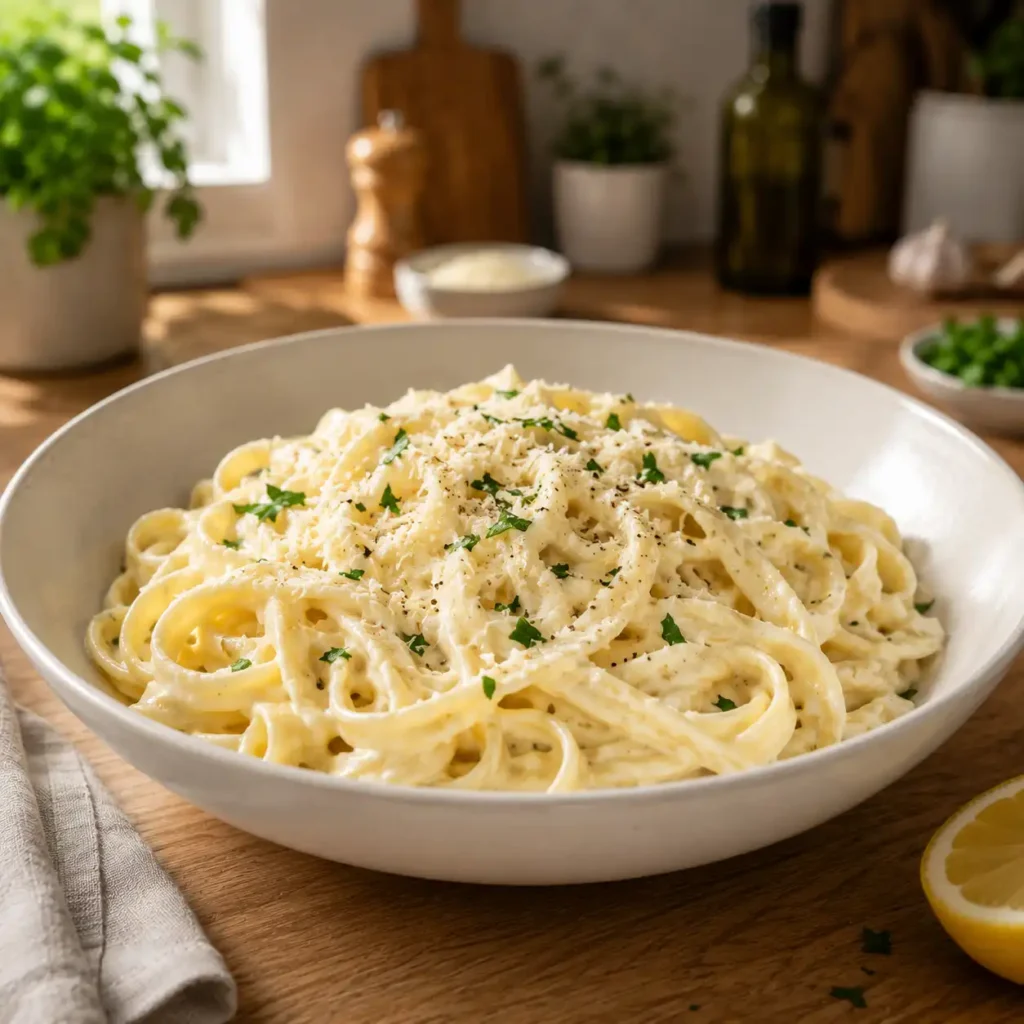
If you love the rich, velvety texture of a classic white sauce but want something that fits better with your wellness goals, you are in for a treat. This Cottage Cheese Alfredo is a game-changer for anyone who wants a high-protein, satisfying meal without the heavy feeling that often follows a traditional cream-based pasta. By swapping heavy cream and butter for nutrient-dense ingredients, you create a sauce that is just as comforting but much friendlier to your body. Let’s look at how this simple swap can transform your weeknight dinners into something truly special.
Table of Contents
Why Cottage Cheese Alfredo is the Perfect Healthy Swap
A Protein Powerhouse for Your Pasta
One of the biggest reasons people are switching to Cottage Cheese Alfredo is the incredible protein boost. Unlike traditional sauces that rely on fat for flavor, this version uses cottage cheese as its base. This means every spoonful is packed with amino acids that help keep you full and support muscle health. When you choose Cottage Cheese Alfredo, you are turning a traditionally carb-heavy meal into a balanced powerhouse that sustains your energy throughout the evening. It is an easy way to meet your daily protein targets without feeling like you are eating plain chicken breast or egg whites every single day.
Reducing Calories Without Losing Flavor
Traditional Alfredo sauce is famous for its high calorie count, mainly due to the sticks of butter and cups of heavy cream. This Cottage Cheese Alfredo recipe slashes those numbers significantly. Because cottage cheese is naturally lower in fat but high in moisture, it creates a thick, luxurious sauce that coats every noodle perfectly. You get all the savory, cheesy goodness you crave but with a fraction of the saturated fat. This makes it a fantastic option for families who want to eat lighter but refuse to compromise on the joy of a big bowl of pasta. It is truly a win-win for your taste buds and your waistline.
Versatility in the Kitchen
Cottage Cheese Alfredo is not just for fettuccine. This sauce is incredibly versatile and can be used as a dip for veggies, a topping for baked potatoes, or even a base for a white pizza. The mild flavor of the cheese acts as a canvas for whatever herbs and spices you have in your pantry. Whether you want to add a kick of red pepper flakes or the earthy aroma of fresh basil, the sauce adapts beautifully. Many people find that they enjoy the flavor of this version even more than the original because it has a slight tang that cuts through the richness of the parmesan cheese.
Print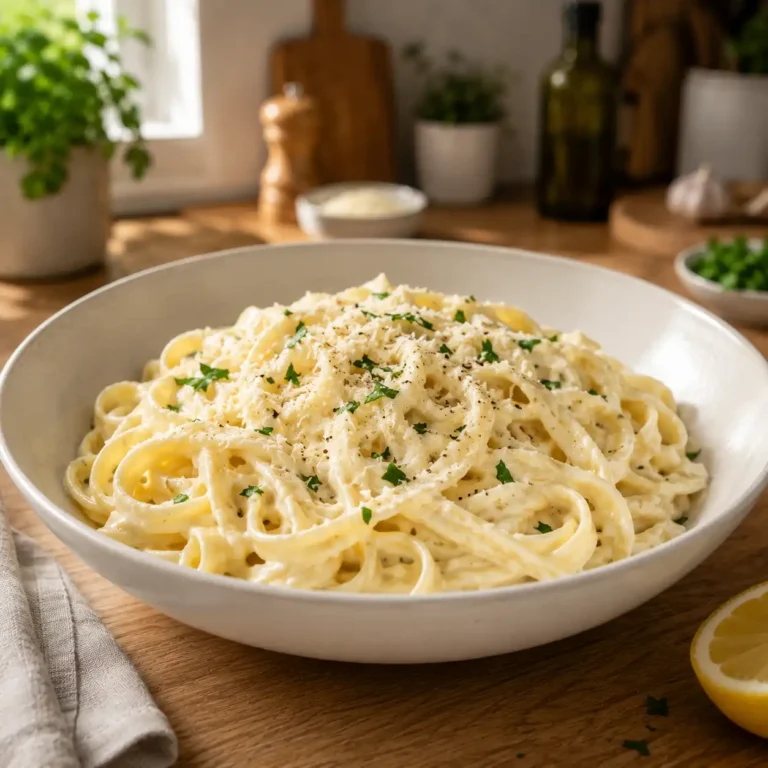
Creamy Cottage Cheese Alfredo
Transform your weeknight pasta into a high-protein, satisfying meal with this game-changing Cottage Cheese Alfredo. Swapping heavy cream for cottage cheese creates a velvety, flavorful sauce that’s lighter and more nutritious, perfect for wellness goals without compromising on taste.
- Total Time: 25 minutes
- Yield: 4 servings 1x
Ingredients
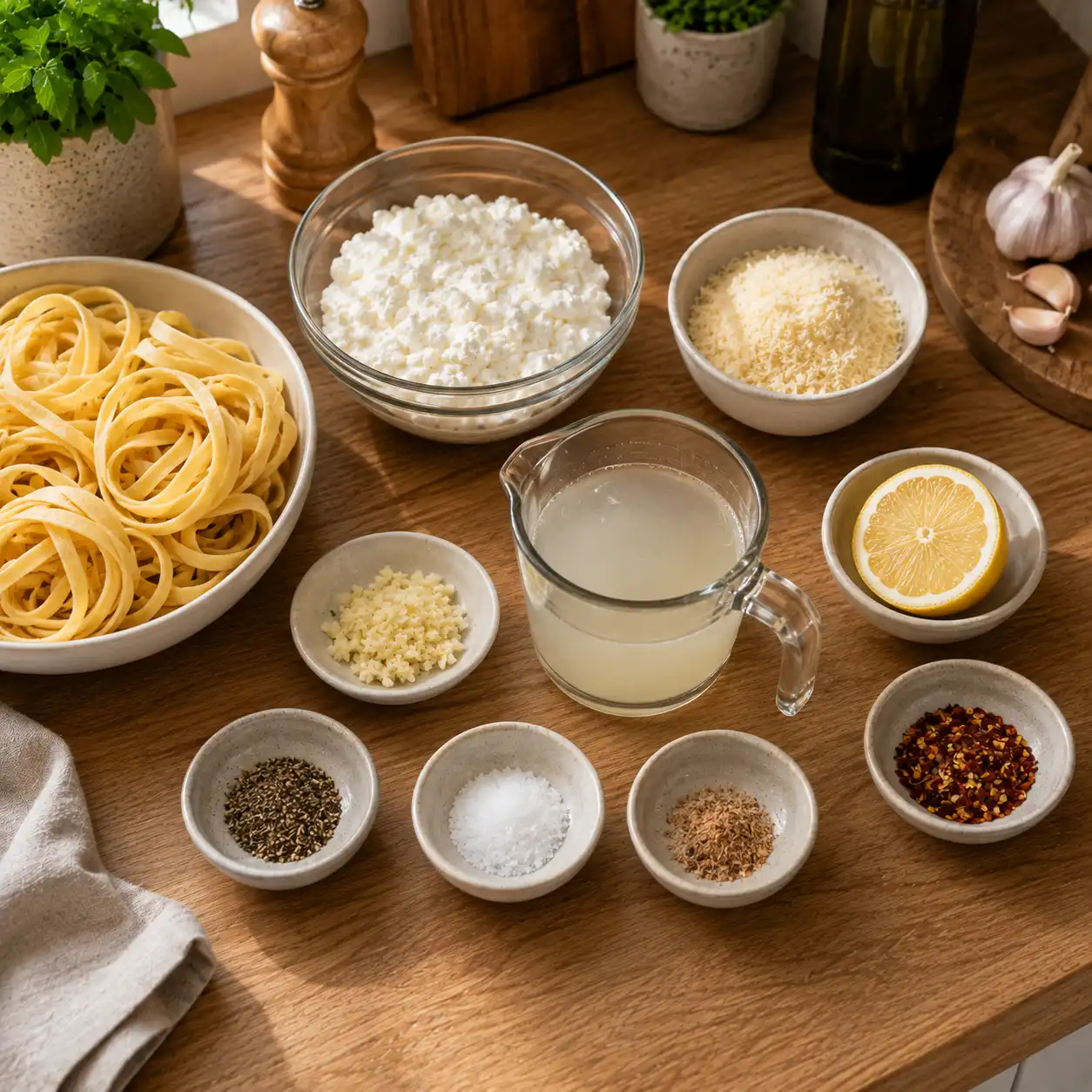
- 12 oz fettuccine or pasta of choice
- 1 cup (250g) low-fat cottage cheese
- 1/2 cup milk (or reserved pasta water)
- 1/4 cup grated Parmesan cheese, plus more for serving
- 2 cloves garlic, minced
- 1 tbsp olive oil (optional)
- 1/2 tsp onion powder
- 1/4 tsp black pepper
- Salt to taste
- Fresh parsley or basil, for garnish (optional)
Instructions
- Step 1: Cook Pasta – Cook pasta according to package directions until al dente. Before draining, reserve 1/2 cup of the starchy pasta water. Drain the pasta and set aside.
- Step 2: Prepare Sauce Base – While the pasta cooks, combine cottage cheese, milk (or 1/4 cup of the reserved pasta water), Parmesan cheese, minced garlic, onion powder, black pepper, and salt in a blender or food processor.
- Step 3: Blend until Smooth – Blend the ingredients on high speed until the sauce is completely smooth and creamy. Ensure there are no cottage cheese lumps.
- Step 4: Heat Sauce – If using, heat olive oil in a large saucepan or skillet over medium heat. Pour the blended cottage cheese sauce into the pan and gently heat, stirring occasionally. Do not boil.
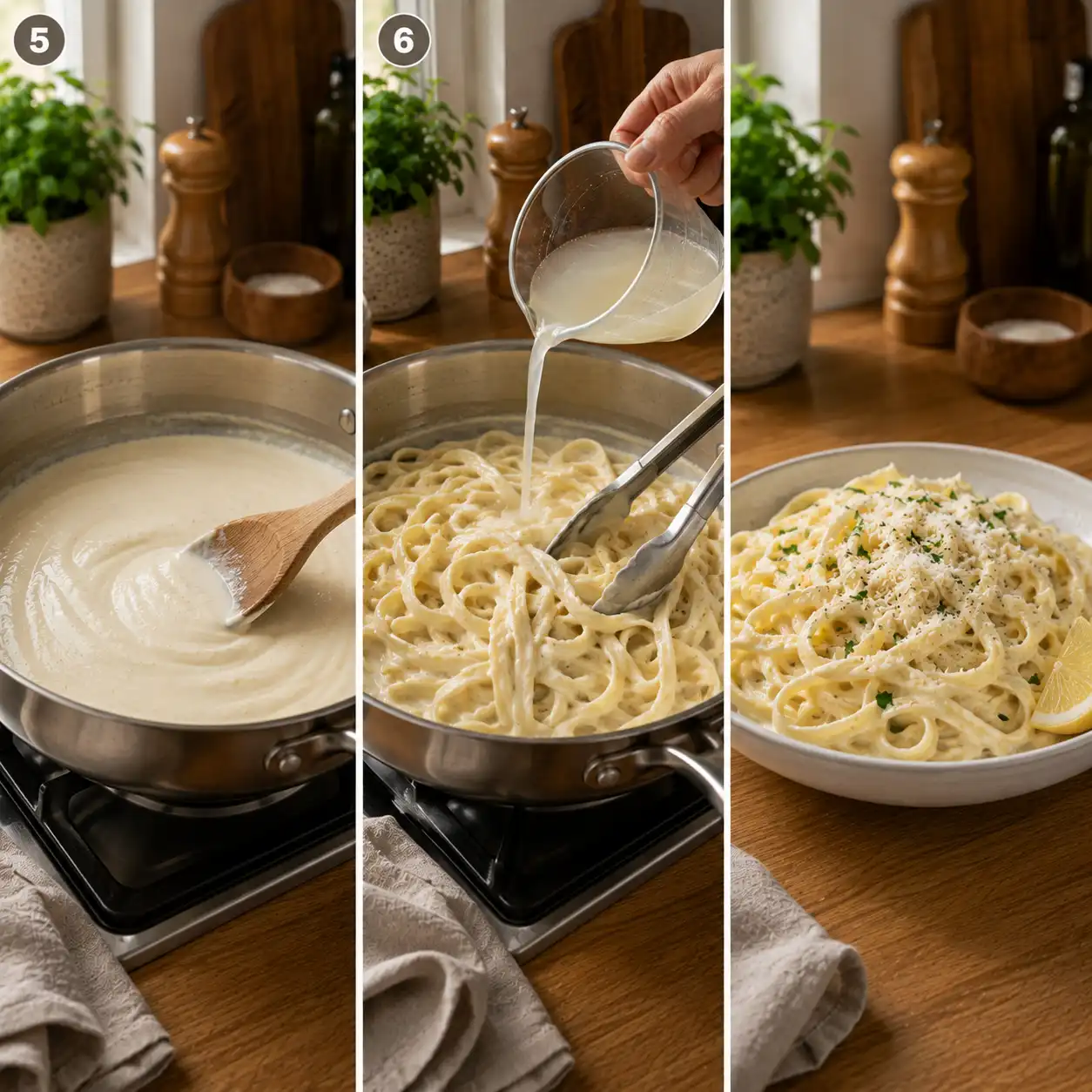
- Step 5: Adjust Consistency – If the sauce appears too thick, add the remaining reserved pasta water, one tablespoon at a time, until you reach your desired creamy consistency.
- Step 6: Combine and Serve – Add the hot, drained pasta directly to the warm sauce in the pan. Toss gently to coat all the noodles evenly. Serve immediately, garnished with extra Parmesan cheese and fresh herbs like parsley or basil.
Notes
This versatile sauce is not just for fettuccine! It can also be used as a high-protein dip for vegetables, a creamy topping for baked potatoes, or even a flavorful base for a white pizza. Adjust seasonings to your preference by adding red pepper flakes for a kick or more garlic for an intense flavor.
- Prep Time: 10 minutes
- Cook Time: 15 minutes
- Category: Main Dish
- Method: Blend, Simmer
- Cuisine: Italian-American
- Diet: Vegetarian
Nutrition
- Serving Size: 1 serving (approx. 1 cup pasta with sauce)
- Calories: 380 kcal
- Sugar: 5g
- Sodium: 450mg
- Fat: 8g
- Saturated Fat: 3g
- Unsaturated Fat: 4g
- Trans Fat: 0.1 g
- Carbohydrates: 55g
- Fiber: 3g
- Protein: 25g
- Cholesterol: 20mg
Keywords: cottage cheese, alfredo, high-protein, healthy, pasta, creamy sauce, weeknight dinner
Essential Ingredients for Success
The Importance of Quality Cheese
The star of the show is, of course, the cottage cheese. For the best Cottage Cheese Alfredo, I recommend using a full-fat or 2% small-curd variety. While non-fat options work, the little bit of extra fat helps create a much smoother emulsion that mimics the mouthfeel of real cream. You will also need high-quality parmesan cheese. Skip the stuff in the green shaker bottle and go for freshly grated Parmigiano-Reggiano if possible. The salty, nutty notes of real parmesan are what bring the Cottage Cheese Alfredo to life and give it that authentic Italian-inspired depth of flavor.
Aromatic Additions and Seasoning
To make your Cottage Cheese Alfredo taste like it came from a professional kitchen, you cannot skip the aromatics. Fresh garlic is a must. Sautéing it briefly before blending it into the sauce removes the raw bite and adds a sweet, savory undertone. You should also keep some pasta water on hand. The starchy water is the “secret ingredient” that helps the Cottage Cheese Alfredo stick to your noodles rather than sliding off. A pinch of nutmeg, though it might sound strange, is a classic addition to white sauces that adds a subtle warmth you will notice and love.
How to Make Smooth Cottage Cheese Alfredo
Making this sauce is surprisingly simple, but the order of operations matters. If you enjoy experimenting with dairy in your cooking, you might also find it interesting to learn about making scrambled eggs with cottage cheese for a high-protein breakfast that follows a similar philosophy of adding creaminess through protein-rich ingredients.
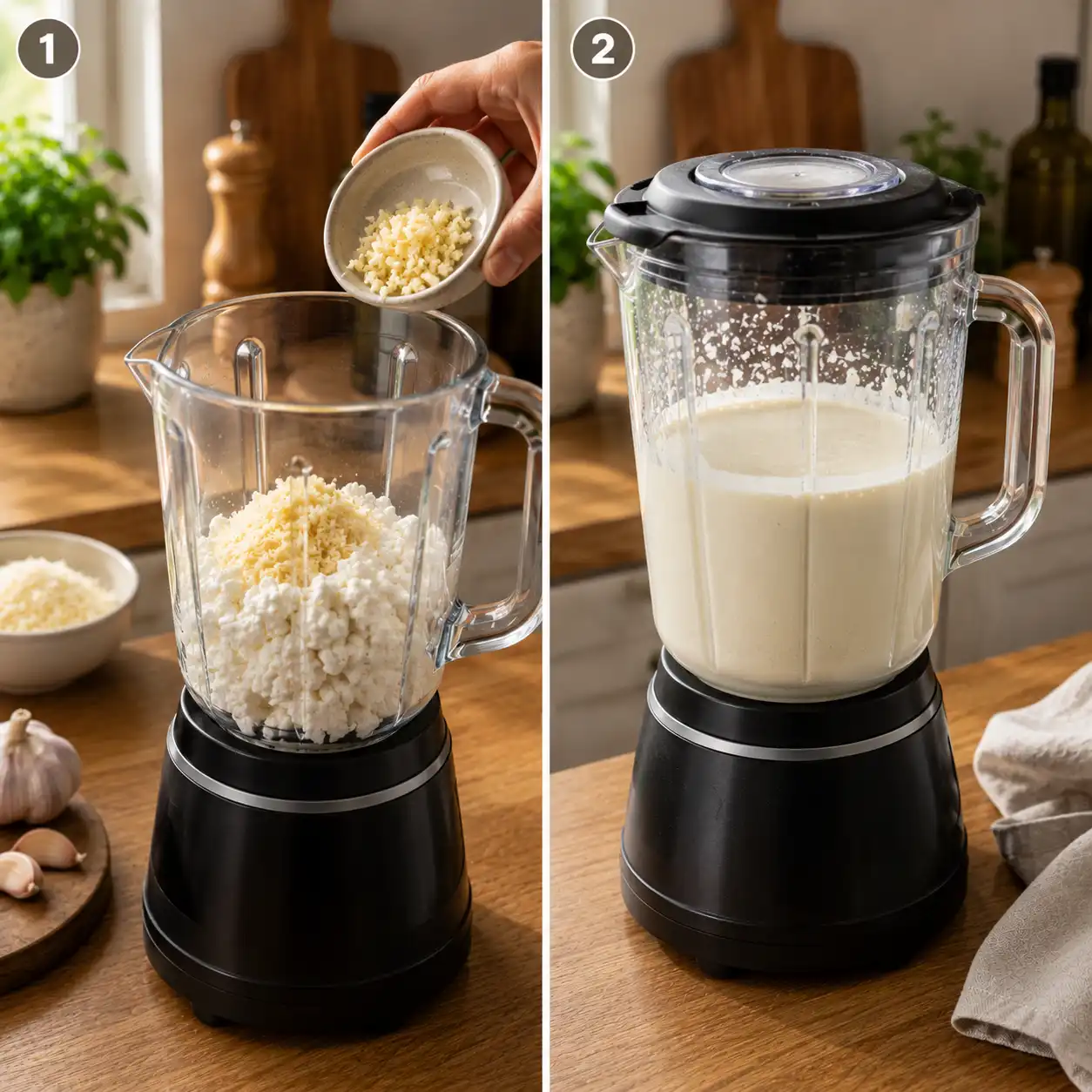
- Step 1: Prep the Base – Place two cups of cottage cheese into a high-speed blender or food processor. Add half a cup of freshly grated parmesan cheese and two cloves of minced garlic.
- Step 2: Blend until Smooth – Turn the blender on high and process the mixture for at least 60 seconds. You want the curds to disappear completely until the sauce looks like heavy cream. This is the most important step for a successful Cottage Cheese Alfredo.
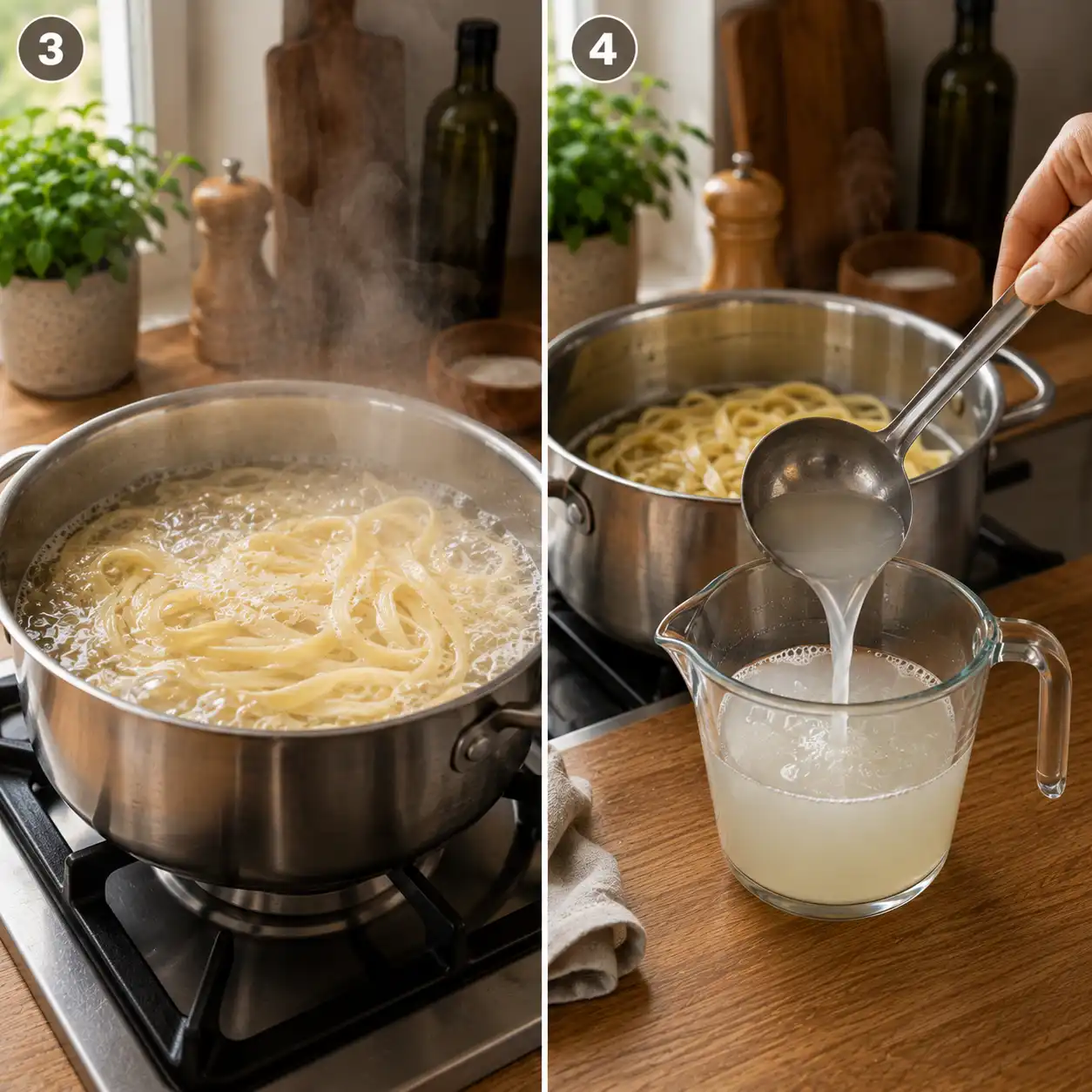
- Step 3: Cook the Pasta – Boil your favorite pasta in salted water until it is al dente. Before draining, carefully scoop out about a cup of the starchy pasta water and set it aside.
- Step 4: Warm the Sauce – Pour the blended mixture into a large skillet over low heat. It is vital not to boil the sauce, as high heat can cause the cottage cheese to grain up or separate.
- Step 5: Combine and Emulsify – Add the cooked pasta directly to the skillet. Toss gently, adding splashes of the saved pasta water until the Cottage Cheese Alfredo reaches your desired consistency.
- Step 6: Final Seasoning – Taste the sauce and add salt, black pepper, and perhaps a squeeze of lemon juice or a pinch of red pepper flakes to brighten the flavors before serving.
The Nutritional Profile of Cottage Cheese
Cottage cheese is a nutritional star that often goes overlooked. According to data from the USDA FoodData Central, cottage cheese is an excellent source of calcium, phosphorus, and B vitamins like B12 and riboflavin. These nutrients are essential for bone health and energy metabolism. When you use it to create Cottage Cheese Alfredo, you are significantly increasing the micronutrient density of your meal compared to using a jarred sauce or a butter-based roux. It provides a slow-digesting protein called casein, which helps keep you feeling satisfied for hours.
Many health experts suggest that focusing on satiety is key to maintaining a healthy weight. As noted by Harvard Health, protein is the most satiating macronutrient, meaning it helps signal to your brain that you are full. By incorporating Cottage Cheese Alfredo into your diet, you are naturally practicing portion control because the high protein content makes it harder to overeat compared to a traditional pasta dish that is mostly fat and carbohydrates.
Cottage Cheese Alfredo vs. Traditional Alfredo
When we talk about the classic version, many people think of the famous chicken alfredo recipe olive garden style. While that version is undeniably delicious and indulgent, it is often seen as a “cheat meal” because of its heavy use of fats. Our Cottage Cheese Alfredo offers a way to get that same comfort on a Tuesday night without the post-meal sluggishness. Below is a quick comparison to show you how they stack up in terms of common kitchen characteristics.
| Feature | Traditional Alfredo | Cottage Cheese Alfredo |
|---|---|---|
| Primary Base | Heavy Cream & Butter | Blended Cottage Cheese |
| Protein Content | Low (mostly from cheese) | High (25g+ per serving) |
| Saturated Fat | Very High | Low to Moderate |
| Texture | Silky and Oily | Creamy and Thick |
| Cook Time | 10-15 Minutes | 5-10 Minutes (Blender is fast!) |
Tips for the Best Texture and Flavor
Do Not Overheat the Sauce
The most common mistake when making Cottage Cheese Alfredo is letting the sauce get too hot. Dairy products like cottage cheese can “seize” or become grainy if they are subjected to a rolling boil. To keep your sauce silky, always keep the burner on low or medium-low. If you find the sauce is getting too thick, use more pasta water to thin it out rather than turning up the heat. This helps maintain that perfect Cottage Cheese Alfredo consistency that mimics a restaurant-quality meal.
Seasoning Beyond Salt and Pepper
While salt and pepper are essential, don’t be afraid to branch out. A tablespoon of nutritional yeast can add an extra “cheesy” punch and a boost of B-vitamins to your Cottage Cheese Alfredo. Fresh herbs like parsley or chives add a pop of color and a fresh finish that cuts through the creaminess. If you want a more robust flavor, try roasting your garlic before blending it. Roasted garlic turns sweet and mild, giving the sauce a sophisticated profile that will impress any dinner guest.
Choosing the Right Pasta
While fettuccine is the classic choice, Cottage Cheese Alfredo works well with shapes that have nooks and crannies. Penne, rotini, or shells are great because they “catch” the thick sauce, ensuring you get plenty of flavor in every bite. If you are following a low-carb lifestyle, you can even serve this sauce over zoodles (zucchini noodles) or spaghetti squash. Because the sauce is so high in protein, it pairs perfectly with these lighter vegetable bases for a truly healthy dinner.
Making it a Part of Your Routine
Finding easy ways to eat more protein is a major goal for many. This dish is a perfect example of how to build high protein low carb meals that actually taste good. When you have a recipe like Cottage Cheese Alfredo in your rotation, you don’t feel like you are on a restrictive diet. Instead, you are just making smarter choices that align with your lifestyle. This approach to eating makes it much easier to stick to long-term health goals because you aren’t sacrificing your favorite comfort foods.
If you find that you love the creamy texture of cottage cheese in savory dishes, you might want to try it in sweet treats as well. For those who have a sweet tooth but want to stay on track, trying recipes like fudgy sweet potato brownies can provide a similar satisfaction by using nutrient-dense ingredients to create a decadent experience. Balance is key, and having these “healthy hacks” in your repertoire is the best way to achieve it.
Variations to Keep Things Exciting
Adding Veggies and Protein
Cottage Cheese Alfredo is a wonderful base for a “clear out the fridge” meal. Stir in some steamed broccoli, sautéed spinach, or roasted red peppers. For even more protein, top your pasta with grilled chicken, sautéed shrimp, or even some chickpeas for a vegetarian option. The creamy sauce ties everything together perfectly. Because the Cottage Cheese Alfredo is so rich, it can handle the addition of many different textures and flavors without becoming overwhelmed.
A Spicier Kick
If you prefer a bit of heat, try adding a spoonful of pesto or a dash of cayenne pepper to the blender when making your Cottage Cheese Alfredo. You can also toss in some sun-dried tomatoes for a Mediterranean twist. The tanginess of the cottage cheese pairs exceptionally well with acidic ingredients like tomatoes or lemon, making it a very flexible sauce for various cuisines.
Conclusion
Cottage Cheese Alfredo is a brilliant solution for anyone looking to enjoy the creamy, comforting flavors of Italian-style pasta without the heavy calorie load. By using a blender to transform humble cottage cheese into a luxurious sauce, you create a meal that is high in protein, low in unnecessary fats, and incredibly satisfying. It is a simple, quick, and effective way to nourish your body while still enjoying every single bite. Give this recipe a try tonight and see how easy it is to make a healthy change that tastes this good.
FAQs
Can I make Cottage Cheese Alfredo ahead of time?
Yes, you can blend the sauce ahead of time and store it in an airtight container in the fridge for up to 3 days. When you are ready to use it, warm it very gently in a pan over low heat. You may need to add a little water or milk to loosen it up, as it will thicken significantly when cold.
Will the sauce taste like cottage cheese?
Surprisingly, no! Once blended and combined with garlic, parmesan, and salt, the distinctive “cottage cheese” flavor disappears. It tastes like a slightly tangy, very creamy Alfredo sauce. The texture is the biggest change, but as long as you blend it thoroughly, it is very similar to a traditional sauce.
Can I use a food processor instead of a blender?
You can, but a high-speed blender usually produces the smoothest results for Cottage Cheese Alfredo. If you use a food processor, you might need to process it for a bit longer to make sure all the tiny curds are completely broken down. The goal is a liquid that looks like heavy cream.
Is Cottage Cheese Alfredo gluten-free?
The sauce itself is naturally gluten-free! To make the entire meal gluten-free, simply serve the Cottage Cheese Alfredo over your favorite gluten-free pasta, zoodles, or roasted vegetables. Always check your spices and cheese labels to be 100% certain, but the base ingredients are safe for most gluten-sensitive diets.
Why did my sauce turn out watery?
This usually happens if the cottage cheese has a lot of excess liquid in the container. You can drain the cottage cheese slightly before blending, or simply use less pasta water when you are combining the sauce with the noodles. Start with a small amount of water and add more only as needed.
Disclaimer
The content provided on this website is for general informational and educational purposes only. It is not intended to replace professional medical advice, diagnosis, or treatment. I am not a licensed healthcare provider or certified nutrition expert.
Disclaimer
The content provided on this website is for general informational and educational purposes only. It is not intended to replace professional medical advice, diagnosis, or treatment. I am not a licensed healthcare provider or certified nutrition expert.
Always seek guidance from a qualified medical professional before making any changes to your diet, especially if you have underlying health conditions, allergies, or specific dietary needs. Individual results may vary, and your health and safety should always come first.