
Creating pistachios paste at home may sound fancy, yet it is far easier than most people think. This guide takes you through what pistachios really is, how it is made, why its deep nutty flavor stands out, and the best ways to use it in both sweet and savory dishes.
You will also learn about texture differences, ingredient ratios, and how roasting influences flavor. For extra reading on unusual produce used in dessert pairings, you can check out this helpful chayote guide.
Table of Contents
What Is Pistachios Paste
The Meaning And Basic Composition Of Pistachios
Pistachios paste is a smooth, concentrated blend of shelled pistachios processed until they release their natural oils and turn into a thick cream. It differs from pistachio butter because paste is meant to be denser, stronger in taste, and often made without added sweeteners.
Since the paste relies on the nut’s natural oils, the final texture depends heavily on grinding time. Longer blending leads to a smoother flow, while shorter blending creates a thicker, rustic version. This pure form of pistachios is highly valued in baking because it gives desserts a deeper nut flavor without watering down the recipe.
How Pistachios Paste Differs From Pistachio Cream
Pistachio cream usually contains sugar, milk powder, or white chocolate, creating a spreadable sweet product. Pistachios , however, stays unsweetened and concentrated, making it more versatile for cooking. While cream is great for quick snacks, paste is preferred for sauces, gelato bases, and pastry fillings where strong pistachio flavor is the goal.
Texture also sets them apart. Cream is soft and sweet right out of the jar, but paste is thick and intense, ready to be adjusted depending on the recipe. For another ingredient comparison related to fresh produce used in cooking methods, you may check out this detailed vegetable guide.
Print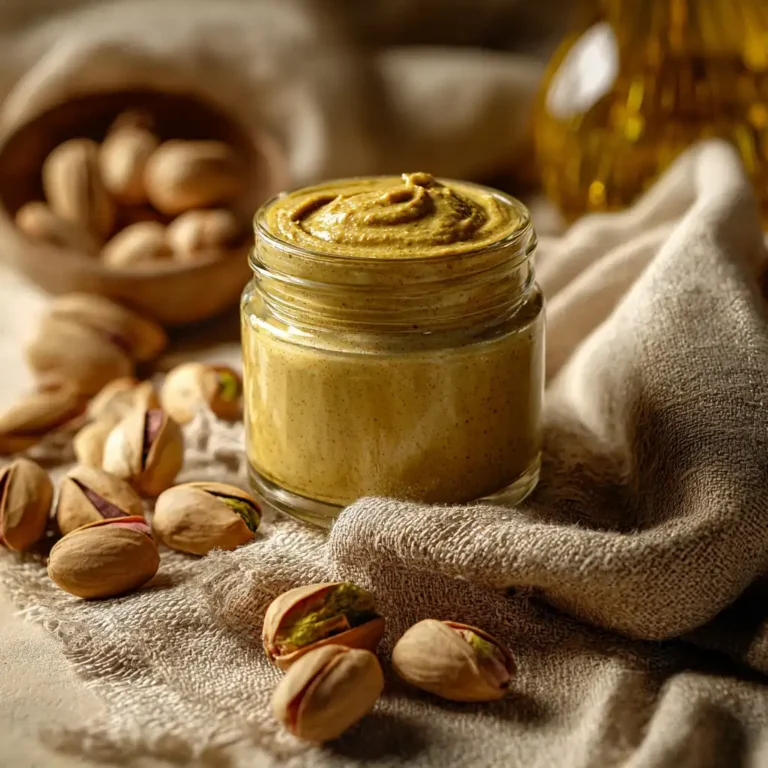
Pistachios Paste Guide: Smooth, Rich, And Flavor Packed Uses
A complete guide explaining how to make pistachios paste, how to store it, and creative ways to use it in cooking and baking.
- Total Time: 15 minutes
- Yield: 1 jar 1x
Ingredients
Ingredients:
- 2 cups raw shelled pistachios
- Pinch of salt
- Optional sugar
Instructions
- Step 1: Warm pistachios – Lightly heat the pistachios in a pan to help release natural oils.
- Step 2: Blend – Blend the pistachios in intervals until they begin releasing oil.
- Step 3: Smooth – Continue blending until a smooth paste forms.
- Step 4: Store – Place your pistachios paste in an airtight jar and refrigerate.
Notes
Use this paste in desserts, sauces, or as a spread. It lasts up to 2 weeks in the fridge. For extra flavor, you can add a bit of vanilla extract or sweetener. Make sure your pistachios are fresh and unsalted for best results.
- Prep Time: 10 minutes
- Cook Time: 5 minutes
- Category: Cooking Basics
- Method: Blending
- Cuisine: Mediterranean
- Diet: Vegan
Nutrition
- Serving Size: 1 tbsp (15g)
- Calories: 90
- Sugar: 1g
- Sodium: 0mg
- Fat: 8g
- Saturated Fat: 1g
- Unsaturated Fat: 6g
- Trans Fat: 0g
- Carbohydrates: 3g
- Fiber: 1g
- Protein: 3g
- Cholesterol: 0mg
Keywords: pistachios paste, pistachio spread, nut paste
How To Make Pistachios Paste At Home
Choosing The Right Pistachios For A Smooth Paste
The quality of pistachios paste depends strongly on the nuts you start with. Raw pistachios create a milder and greener paste, while roasted ones give a deeper flavor. Many home cooks prefer raw, shelled pistachios because they keep their bright color and natural sweetness. You can also blanch them to remove the outer skin, which helps the paste stay vibrant.
If you are sensitive to bitterness, removing the skins makes a noticeable difference. Pistachios with a higher natural oil content blend faster and deliver a smoother finish without needing added oils.
Step By Step Method To Prepare Homemade Pistachios Paste
To prepare pistachios paste, begin by warming the nuts slightly in a dry pan. This gentle heat helps release oils more quickly during blending. Add the nuts to a food processor and run it in intervals. First the nuts break into crumbs, then turn into a thick mass, and finally transform into a rich, shiny paste. Patience is key because the transition happens gradually.
If the mixture stalls, stop the processor, scrape the sides, and continue until it reaches the texture you want. A pinch of salt can balance flavor, and a small amount of sugar can help in dessert recipes if needed. For a related sweet creation that uses concentrated nut textures, you can check out this coffee budino recipe.
Ingredients Needed For Pistachios Paste
Core Ingredients For Authentic Pistachios Paste
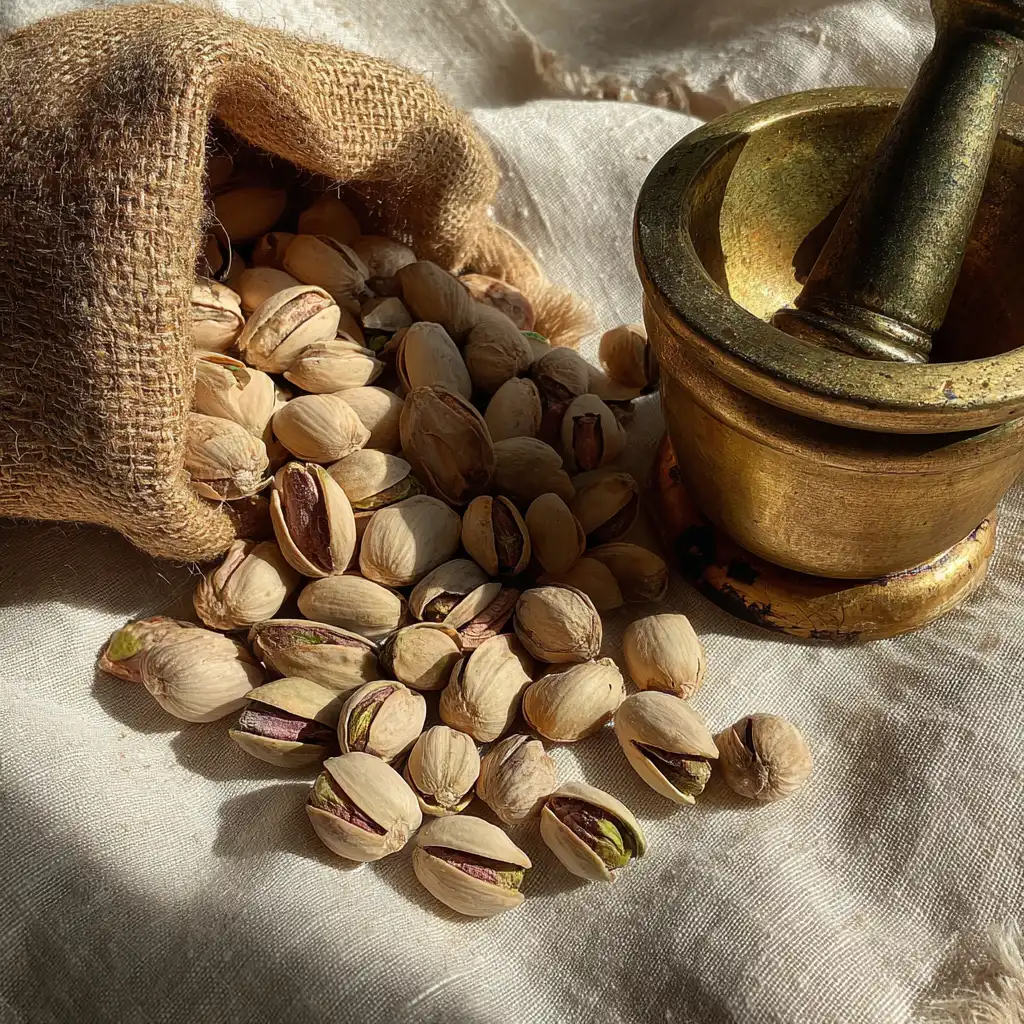
Pistachios paste is popular because it requires very few ingredients while still producing a bold, nutty flavor. The main component is high quality pistachios that carry natural oils essential for creating a smooth texture. Some recipes include a touch of sugar to soften the intense nut taste, especially when the paste will be used in pastries or cakes. A small pinch of salt can also help sharpen the natural sweetness of the nuts, making the paste feel richer and balanced without masking its purity.
Optional Add Ins For Improved Texture And Flavor
Even though pistachios paste is usually made with a single ingredient, some cooks prefer adding extras to reach a specific thickness or flavor. A few drops of neutral oil can support blending if the pistachios are unusually dry, though it is rarely necessary when using fresh nuts. Sweet additions like honey or light syrup can create a smoother spread for toast or dessert fillings.
When the paste is intended for gelato bases or sauces, a small amount of water or milk can be incorporated during the blending phase to adjust consistency. For more inspiration on ingredients and fresh produce often used in recipe development, you may visit this complete food guide.
Benefits Of Using Pistachios Paste In Cooking
Nutritional Advantages Of Pistachios Paste
Pistachios paste delivers a strong nutritional profile in a small spoonful. Since it is made from pure nuts, it contains natural healthy fats, plant based protein, and valuable minerals like potassium and magnesium. These nutrients support steady energy and a satisfying fullness that makes pistachios useful in both snacks and balanced meals.
Its naturally sweet notes also help reduce the need for extra sugar in dessert recipes. Many cooks appreciate how this paste brings flavor and nutrition together without unnecessary additives.
Culinary Versatility In Sweet And Savory Dishes
Pistachios paste adds a deep, rich taste that works in many recipes. It can be stirred into custards, mixed into doughs, or blended into sauces that pair beautifully with chicken, fish, and vegetables. The paste melts smoothly when warmed, which allows it to integrate easily into a wide range of textures.
Bakers often rely on it for gelato bases, mousse fillings, and cake layers where pure pistachio flavor is needed. For another dessert idea that highlights creamy textures and bold nutty elements, take a look at this Italian chocolate pudding recipe.
Common Mistakes When Making Pistachios Paste
Using Stale Or Low Quality Pistachios
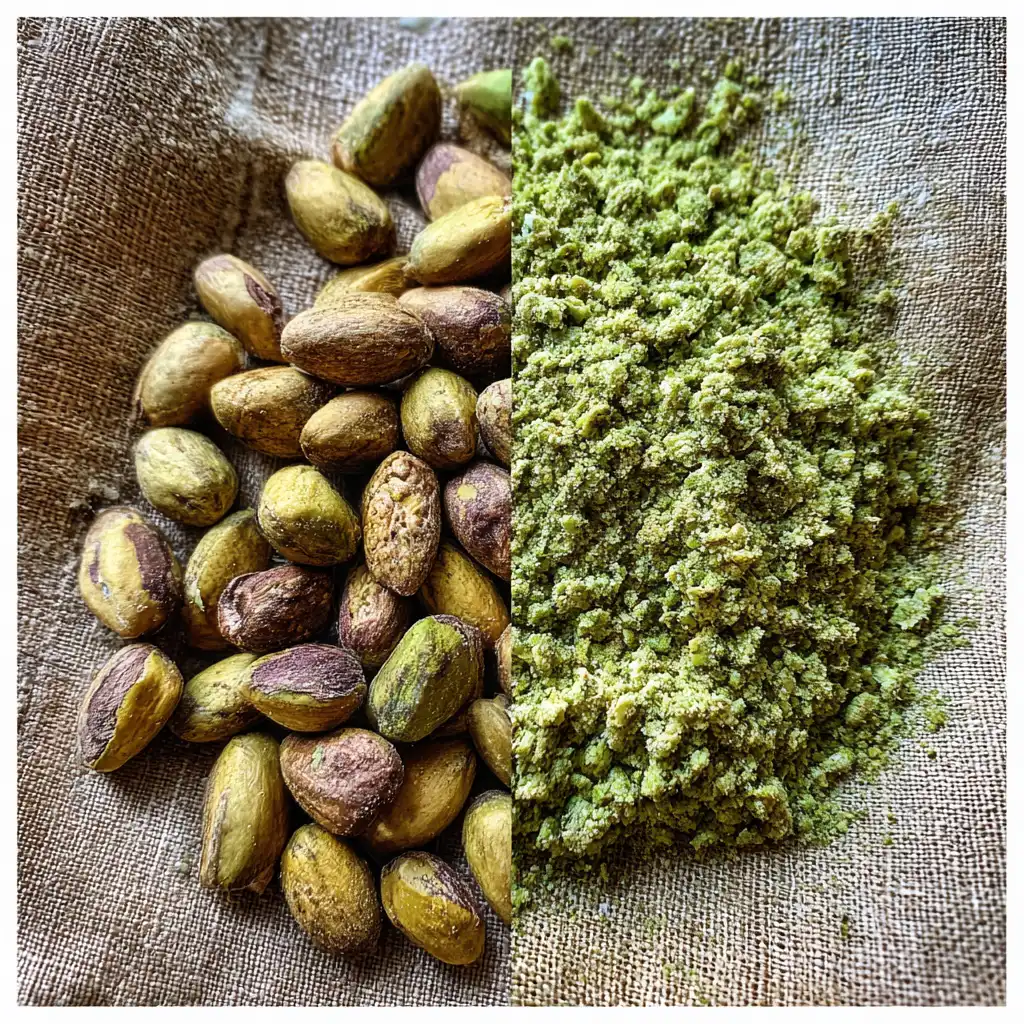
A frequent problem arises when pistachios paste is made with nuts that are old, dry, or lacking natural oils. Stale pistachios create a dull flavor and make blending harder because the mixture cannot become smooth without enough natural moisture. Fresh pistachios should have a bright green color and a clean, sweet aroma. When they turn yellow or pale, they often taste flat, which directly affects the depth of the paste. Choosing vibrant nuts from the start helps you avoid these issues and reach the creamy finish you want.
Overprocessing Or Underprocessing The Nuts
Timing matters when blending pistachios. If the nuts are not processed long enough, the mixture remains crumbly and grainy. Too much processing, however, can cause the oils to separate or the paste to become overly runny. The goal is to watch for a smooth, glossy texture that flows slowly from a spoon. Pausing the blender occasionally helps the mixture cool down and prevents the oils from overheating. For another example of a dessert that depends on correct texture development during preparation, consider visiting this espresso budino recipe.
How To Store Pistachios Paste Properly
Best Storage Methods To Keep Pistachios Paste Fresh
Pistachios paste stays at its best when stored in an airtight jar that protects it from moisture and light. Since the paste contains natural oils, exposure to air can cause oxidation, which slowly dulls its flavor. The refrigerator is often the safest place to keep it because cooler temperatures slow down spoilage.
Many home cooks notice that pistachios thickens slightly in the fridge, but this is normal and it loosens again when returned to room temperature. Always use clean utensils to avoid introducing unwanted particles that could shorten its freshness.
Freezing And Thawing Pistachios Paste
If you plan to keep pistachios paste for several months, freezing is a practical option. Spoon the paste into a freezer safe container, leaving a little space at the top since it may expand. When thawing, place the container in the fridge overnight rather than warming it quickly, which helps the texture stay smooth. A gentle stir after thawing restores its consistency. For more ideas on recipes involving creamy textures and rich flavors, feel free to visit this tiramisu maison recipe.
Creative Ways To Use Pistachios Paste
Dessert Ideas Featuring Pistachios Paste
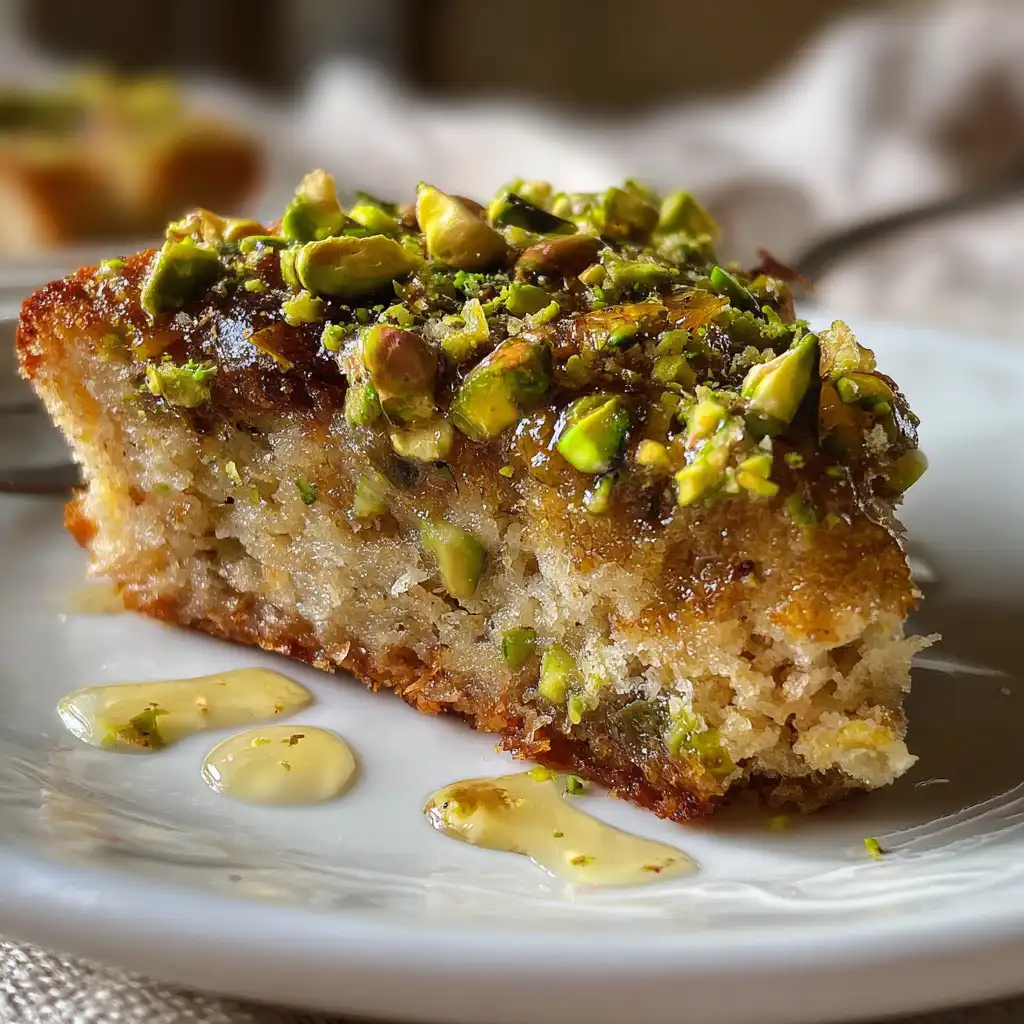
Pistachios paste shines in desserts because its concentrated nut flavor blends smoothly with cream, chocolate, and dough. You can swirl it into cheesecake batter, mix it into cookie dough, or whip it with cream to create a silky frosting. Many bakers also enjoy folding pistachios into pastry cream for tarts or layering it in cakes for a richer finish. Its deep taste pairs beautifully with coffee, vanilla, and citrus, giving desserts a balanced sweetness without overpowering the other ingredients.
Savory Recipes That Benefit From Pistachios Paste
Although pistachios paste is widely used in sweet dishes, it works surprisingly well in savory cooking too. Adding a spoonful to marinades gives meats a nutty depth, and whisking it into sauces can transform simple vegetables into vibrant side dishes. It also complements pasta and grilled fish when thinned with a little broth or olive oil. For another recipe built on creamy, rich textures, you can take a look at this spiced chocolate budino.
History And Cultural Significance Of Pistachios Paste
Origins Of Pistachios Paste In Traditional Cooking
Pistachios paste has roots in Middle Eastern and Mediterranean kitchens, where pistachios have been prized for centuries. Historic texts show that pistachios were once a luxury enjoyed by royalty and travelers along ancient trade routes. Over time, the paste became a practical way to store the nut’s flavor while making it easier to blend into sweets, sauces, and festive dishes. Today, many cultures still rely on pistachios for pastries, nougat, frozen desserts, and celebratory recipes that highlight the nut’s rich taste.
How Pistachios Spread Around The World
The popularity of pistachios grew as trade expanded across Europe and Asia. Bakers in France and Italy began using pistachios paste in pastries, while Middle Eastern cooks continued to rely on it for halva, confections, and flavored creams. Modern food science confirms that pistachios are one of the oldest flowering nut trees. You can learn more about their agricultural and historical background by visiting this Wikipedia page on pistachios. This deeper history helps explain why the paste remains a global favorite in both home kitchens and professional bakeries.
Pistachios Paste In Modern Baking And Food Trends
Why Pistachios Paste Is Popular In Today’s Dessert Trends
Modern bakers love pistachios paste because it brings natural color, strong nut flavor, and a smooth texture that works well in both classic and trendy desserts. Its vibrant green hue adds visual appeal without artificial colorants, which has become increasingly important as more people look for cleaner ingredient lists. The paste also fits into current preferences for rich yet balanced flavors, allowing pastries, ice creams, and spreads to taste bold without being overly sweet.
Innovative Uses In Professional And Home Kitchens
Professionals and home cooks alike are experimenting with pistachios paste in new ways. It can be blended into croissant dough, whipped into mousses, folded into no bake bars, and even used as a base for plant based sauces. Specialty cafés now offer pistachio lattes made with a small spoon of paste for deeper flavor.
At home, many people appreciate how a simple spoonful transforms frostings, breakfast bowls, and smoothie blends. These modern uses keep pistachios relevant as a versatile ingredient that fits into everyday cooking as well as high end pastry work.
Frequently Asked Questions About Pistachios Paste
What is pistachios paste made of?
Pistachios paste is usually made from pure shelled pistachios ground until they release their natural oils and form a smooth, creamy texture. Some recipes add sugar or a small pinch of salt, but the traditional version stays unsweetened for a richer, deeper flavor.
Can I make pistachios paste without a food processor?
Yes, but it takes more time. A high powered blender works well if you scrape the sides often. A mortar and pestle can also do the job, though it requires steady effort. The key is breaking down the nuts until they reach a smooth consistency.
Why does my pistachios paste turn brown?
This happens when the nuts are over roasted or when the paste is exposed to too much heat during blending. Excess heat causes natural oils to darken, which changes both color and taste. Blending in short intervals usually prevents this issue.
How long does homemade pistachios paste last?
Homemade pistachios paste typically lasts one to two weeks in the refrigerator when stored in an airtight container. Keeping it away from light and moisture slows oxidation and helps preserve freshness.
Can pistachios paste be frozen?
Yes, pistachios paste freezes well. Store it in a sealed container, leaving a little room for expansion. Thaw it slowly in the refrigerator, then stir before using to restore its smooth texture.
Is pistachios paste the same as pistachio butter?
No. Pistachio butter is usually softer and meant for spreading, while pistachios paste is thicker, richer, and designed for baking or cooking. Paste has a stronger nut flavor because it contains fewer added ingredients.
Conclusion
Pistachios paste remains one of the most versatile and flavorful ingredients you can keep in your kitchen. Its rich nut taste, smooth texture, and natural oils make it useful in desserts, sauces, and even savory dishes. When you start with fresh pistachios and follow the proper blending steps, the paste turns out smooth and full of character.
It also stores well, which means a single batch can support many recipes. For more culinary ideas that pair well with creamy textures, you can check out this chayote fruit guide. Whether you bake often or just enjoy experimenting with flavor, pistachios gives you endless ways to enrich your cooking.
Your style is so unique compared to many other people. Thank you for publishing when you have the opportunity,Guess I will just make this bookmarked.2