In the realm of metabolic health, Glucagon-Like Peptide-1 (GLP-1) and Glucose-Dependent Insulinotropic Polypeptide (GIP) stand as crucial incretin hormones. These peptides play a significant role in regulating blood glucose, influencing satiety, and supporting overall metabolic function. While direct pharmaceutical agonists for GIP and GLP-1 receptors are potent, dietary strategies that support the body’s natural incretin responses are of considerable interest. This article investigates the principles behind a GIP and GLP-1 gelatin recipe, focusing on how a carefully composed gelatin-based food can contribute to a supportive dietary framework for metabolic wellness.
Table of Contents
Understanding GIP and GLP-1: Key Metabolic Regulators
GIP and GLP-1 are both intestinal hormones released in response to nutrient ingestion, primarily from specialized enteroendocrine cells within the gut. Their coordinated actions are fundamental to maintaining glucose homeostasis and contributing to feelings of fullness following meals. Research into these incretins has expanded our comprehension of how the gut communicates with the pancreas and brain to manage energy balance.
The Role of Glucagon-Like Peptide-1 (GLP-1)
GLP-1 is a 30- or 31-amino acid peptide produced by L-cells primarily located in the distal ileum and colon. Its primary physiological actions include stimulating glucose-dependent insulin secretion from pancreatic beta cells, suppressing glucagon secretion from alpha cells, slowing gastric emptying, and reducing food intake by promoting satiety. These combined effects contribute to post-meal blood glucose control and weight regulation. The discovery of GLP-1’s broad metabolic effects has led to the development of therapeutic agents that mimic or augment its action.
Glucose-Dependent Insulinotropic Polypeptide (GIP) Explained
GIP, a 42-amino acid peptide, is secreted by K-cells in the duodenum and proximal jejunum in response to the presence of nutrients, particularly carbohydrates and fats. Like GLP-1, GIP is a potent stimulator of glucose-dependent insulin secretion. Beyond its effects on the pancreas, GIP also plays roles in fat metabolism, promoting triglyceride storage in adipose tissue, and potentially influencing bone formation. The complex interplay between GIP and GLP-1 is increasingly understood as central to effective metabolic regulation.
The Synergy of GIP and GLP-1
While both GIP and GLP-1 independently influence insulin secretion and glucose regulation, their combined effects often demonstrate a powerful synergy. They work together to potentiate glucose-stimulated insulin release, a phenomenon known as the incretin effect. In healthy individuals, approximately 50-70% of post-meal insulin secretion is attributable to this effect. Understanding this combined action is vital for formulating dietary approaches that aim to support metabolic pathways. For example, some individuals look for various dietary interventions to support metabolic wellness, sometimes drawing inspiration from concepts like a natural Mounjaro-style approach.
Print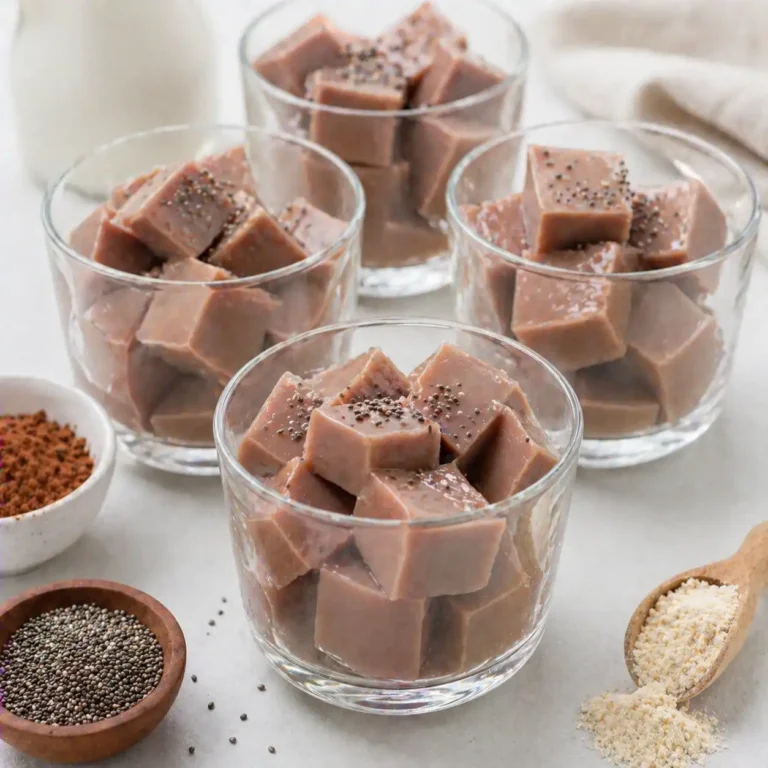
Metabolic Support GIP & GLP-1 Gelatin
A protein-rich, low-glycemic gelatin snack designed to promote satiety and support healthy incretin hormone responses for metabolic wellness.
- Total Time: 4 hours 15 minutes
- Yield: 8 servings 1x
Ingredients
- 4 tbsp High-quality grass-fed beef gelatin powder
- 1 cup Cold filtered water (for blooming)
- 2 cups Boiling filtered water
- 1/4 cup Freshly squeezed lemon juice
- 2 tbsp Liquid monk fruit or stevia sweetener
- 1 tsp Glucomannan powder (konjac root fiber)
- 1/4 tsp Himalayan sea salt
- 1 tsp Natural berry extract or vanilla
Instructions
- Step 1: Bloom Gelatin – Combine cold water and gelatin powder in a large heat-proof bowl and let sit for 5 minutes to bloom.
- Step 2: Mix Fiber – Whisk the glucomannan powder into the boiling water quickly to avoid clumping until dissolved.
- Step 3: Combine Bases – Pour the hot fiber-water mixture over the bloomed gelatin and stir continuously until completely smooth.
- Step 4: Incorporate Flavor – Stir in the lemon juice, sweetener, sea salt, and natural extract until well combined.
- Step 5: Prepare Mold – Pour the liquid mixture into a 8×8 inch glass baking dish or individual silicone molds.
- Step 6: Chill and Set – Place in the refrigerator for at least 4 hours, or until the gelatin is firm to the touch.
- Step 7: Portion and Serve – Cut into 8 equal squares and serve as a snack between meals to support satiety.
Notes
Consuming this gelatin 30 minutes before a main meal may help prime the GLP-1 response.
- Prep Time: 10 minutes
- Cook Time: 5 minutes
- Category: Snack
- Method: No-Bake / Chilled
- Cuisine: Healthy / Metabolic
- Diet: Ketogenic, Paleo, Gluten-Free
Nutrition
- Serving Size: 1 square
- Calories: 42 kcal
- Sugar: 0.2 g
- Sodium: 85 mg
- Fat: 0.1 g
- Saturated Fat: 0.05 g
- Unsaturated Fat: 0.05 g
- Trans Fat: 0.01 g
- Carbohydrates: 2.5 g
- Fiber: 1.8 g
- Protein: 9 g
- Cholesterol: 1 mg
Keywords: GLP-1, GIP, Metabolic Health, Gelatin, Satiety, Low Carb
Gelatin’s Nutritional Profile and Potential Impact
Gelatin, derived from collagen, is a protein source that has gained attention for its unique amino acid profile and its potential roles in satiety and digestive health. While not a complete protein in the strictest sense due to its low tryptophan content, it is rich in specific amino acids that play various biological roles. This makes gelatin a valuable component in a diet focused on general wellness and metabolic support.
Gelatin as a Protein Source
Gelatin is largely composed of amino acids such as glycine, proline, and hydroxyproline. Glycine, in particular, makes up about one-third of gelatin’s amino acid composition. These amino acids are crucial for connective tissue health, but they also serve other important functions within the body. Consuming protein, irrespective of its specific source, is known to stimulate the release of satiety hormones and contribute to feelings of fullness, which is indirectly beneficial for weight management efforts.
Amino Acids and Gut Hormone Secretion
Protein intake, generally speaking, is a known stimulus for the release of various gut hormones, including GIP and GLP-1. While the direct and specific effect of gelatin’s unique amino acid profile on GIP and GLP-1 secretion requires more dedicated research, the overall contribution of protein to a meal can indeed influence these hormonal responses. Glycine, for instance, has been studied for its potential roles in metabolic regulation. Including protein-rich items such as high-protein cottage cheese snacks can also serve to support satiety and provide beneficial amino acids.
Satiety and Digestive Health
One of the well-documented benefits of gelatin and collagen peptides is their potential contribution to satiety. The protein content helps to slow digestion and can make individuals feel fuller for longer, which can be a valuable aspect of weight management strategies. Furthermore, gelatin has been associated with digestive health, as its amino acids may support the integrity of the gut lining. A well-functioning digestive system is foundational for nutrient absorption and overall metabolic wellness, thereby indirectly supporting the systems that produce GIP and GLP-1.
Crafting a GIP and GLP-1 Gelatin Recipe
Formulating a gelatin recipe with an aim towards supporting GIP and GLP-1 pathways involves selecting ingredients that are rich in protein, fiber, and healthy fats, while also managing carbohydrate content to help maintain stable blood glucose levels. The objective is to create a satisfying, nutrient-dense food that aligns with principles of metabolic health.
Recipe Philosophy
The philosophy behind this GIP and GLP-1 gelatin recipe centers on creating a low-glycemic, high-protein snack or dessert that supports satiety and contributes to balanced nutrient intake. By combining quality gelatin with other thoughtfully selected ingredients, we aim to deliver a food item that feels indulgent yet supports metabolic well-being. This approach considers not only the direct contribution of protein but also the overall dietary context that influences incretin hormone release.
Ingredient Selection

Key ingredients for this type of recipe go beyond just gelatin. High-quality unflavored gelatin or collagen hydrolysate forms the base. Additional protein can come from sources like unsweetened protein powder (whey, casein, or plant-based). Fiber, crucial for gut health and blood sugar regulation, can be added through ingredients like chia seeds or psyllium husk. Healthy fats from components such as nut butters or MCT oil contribute to satiety and nutrient absorption.
Natural, low-calorie sweeteners are preferred to keep the glycemic impact minimal, and flavorings like unsweetened cocoa powder offer a pleasing taste without added sugars. Thinking about other beneficial components, peptides for weight loss are another area of significant research, aligning with the body’s natural regulatory systems, which include GIP and GLP-1. More about these compounds can be found by looking into peptides for weight loss.
The GIP and GLP-1 Gelatin Recipe: A Guiding Formula
This recipe provides a framework for a GIP and GLP-1 supportive gelatin dessert. Adjust ingredients to personal taste and dietary needs.
Ingredients:
- 2 tablespoons (approximately 20g) unflavored gelatin powder (bovine or fish-based, to avoid pig products)
- 1 cup (240ml) cold unsweetened almond milk (or other unsweetened plant-based milk)
- 1 cup (240ml) hot water (just below boiling)
- 1 scoop (approximately 20-25g) unflavored or vanilla protein powder (whey isolate or pea protein are good choices)
- 2 tablespoons unsweetened cocoa powder (optional, for chocolate flavor)
- 1-2 tablespoons chia seeds (optional, for added fiber and texture)
- 1/4 teaspoon ground cinnamon (optional, for flavor and potential metabolic benefits)
- Natural sweetener to taste (e.g., erythritol, stevia drops, monk fruit equivalent to 2-3 tablespoons sugar)
- Pinch of sea salt
Instructions:
- Step 1: Bloom Gelatin – In a medium-sized bowl, sprinkle the gelatin powder over the cold unsweetened almond milk. Stir briefly to combine. Allow it to sit for 5-10 minutes, or until the gelatin has absorbed the liquid and appears swollen or “bloomed.” This step is important for a smooth texture.
- Step 2: Dissolve Gelatin – Add the hot water to the bloomed gelatin mixture. Whisk continuously until the gelatin is completely dissolved and no granules remain. This usually takes 1-2 minutes. The mixture should become clear.
- Step 3: Combine Dry Ingredients – In a separate small bowl, combine the protein powder, unsweetened cocoa powder (if using), chia seeds (if using), ground cinnamon (if using), and natural sweetener. Whisk these dry ingredients together thoroughly to prevent clumping.
- Step 4: Incorporate Dry into Liquid – Gradually add the dry ingredient mixture to the warm gelatin liquid, whisking constantly to incorporate fully and avoid lumps. If lumps persist, a stick blender can be used briefly to achieve a smooth consistency.
- Step 5: Season and Adjust – Add a pinch of sea salt. Taste the mixture and adjust the sweetness or flavorings as desired. Remember that flavors can become slightly muted when chilled.
- Step 6: Pour and Chill – Pour the mixture into individual serving cups, small ramekins, or a larger dish. Place in the refrigerator for at least 3-4 hours, or until completely set and firm.
- Step 7: Serve and Enjoy – Once set, your GIP and GLP-1 gelatin recipe is ready to be enjoyed. You can top it with a few fresh berries or a sprinkle of unsweetened cocoa powder.


Beyond the Recipe: Lifestyle Considerations
While a thoughtfully prepared GIP and GLP-1 gelatin recipe can be a valuable addition to a metabolic support plan, it exists within a larger framework of healthy living. No single food item can singularly address complex physiological processes. A holistic perspective considering diet, activity, and professional guidance is always paramount.
Balanced Nutrition
This gelatin recipe serves as a protein-rich, satisfying component, but it should integrate into a broader dietary pattern that focuses on whole foods. A diet abundant in non-starchy vegetables, lean proteins, healthy fats, and complex carbohydrates helps maintain stable blood sugar levels and supports gut health. Consuming a variety of nutrient-dense foods is key for providing the diverse array of compounds needed for optimal bodily function. Consider incorporating other healthy options like healthy chocolate snacks into your daily routine.
Physical Activity
Regular physical activity is a cornerstone of metabolic health. Exercise helps improve insulin sensitivity, supports healthy body composition, and has direct effects on satiety and energy expenditure. Combining a diet that supports GIP and GLP-1 pathways with consistent movement creates a powerful synergy for maintaining wellness and managing weight. Even moderate daily activity can contribute significantly to a healthier metabolic profile.
Professional Guidance
Before making significant dietary changes, especially those intended to impact metabolic hormones or manage specific health conditions, consultation with a healthcare professional or registered dietitian is strongly recommended. They can provide personalized advice based on individual health status, medical history, and specific goals. While this GIP and GLP-1 gelatin recipe is designed with general metabolic support in mind, it is not a substitute for medical advice or treatment. The scientific understanding of incretin hormones and their dietary influences continues to evolve, as described in detailed reviews like this one from the National Center for Biotechnology Information on incretin-based therapies.
FAQs
What is the primary benefit of gelatin in this recipe?
The primary benefit of gelatin is its high protein content, which contributes to satiety and can help with blood sugar regulation. Its unique amino acid profile may also support gut health, which is connected to overall metabolic function and hormone regulation. For further reading on gelatin and collagen, scientific articles such as those found on PubMed Central discussing collagen peptides offer more detail.
Can this GIP and GLP-1 gelatin recipe aid in weight management?
As a high-protein, low-sugar, and satisfying food item, this gelatin recipe can be a useful tool for weight management by promoting fullness and potentially reducing overall calorie intake. However, it should be part of a balanced diet and healthy lifestyle, not a standalone solution.
Are GIP and GLP-1 gelatin recipes suitable for individuals with diabetes?
This recipe is designed to be low in simple carbohydrates and high in protein, which can be beneficial for blood sugar management. However, individuals with diabetes should monitor their blood glucose levels and consult their healthcare provider or a registered dietitian before making significant dietary adjustments.
How often can I consume this gelatin recipe?
This gelatin recipe can be enjoyed as a regular part of a balanced diet, perhaps as a snack or dessert a few times a week, or even daily, depending on individual dietary needs and goals. As with any food, moderation and variety in your overall diet are important.
Conclusion
Developing a GIP and GLP-1 gelatin recipe reflects a thoughtful approach to dietary choices aimed at supporting metabolic health. By combining the protein benefits of gelatin with ingredients that help manage blood glucose and promote satiety, this recipe offers a delicious and functional food option. While not a medicinal remedy, it stands as a supportive dietary element within a comprehensive lifestyle strategy. Always remember that a balanced diet, regular physical activity, and professional medical advice form the strongest foundation for sustained metabolic wellness.
Disclaimer
The content provided on this website is for general informational and educational purposes only. It is not intended to replace professional medical advice, diagnosis, or treatment. I am not a licensed healthcare provider or certified nutrition expert.
Always seek guidance from a qualified medical professional before making any changes to your diet, especially if you have underlying health conditions, allergies, or specific dietary needs. Individual results may vary, and your health and safety should always come first.