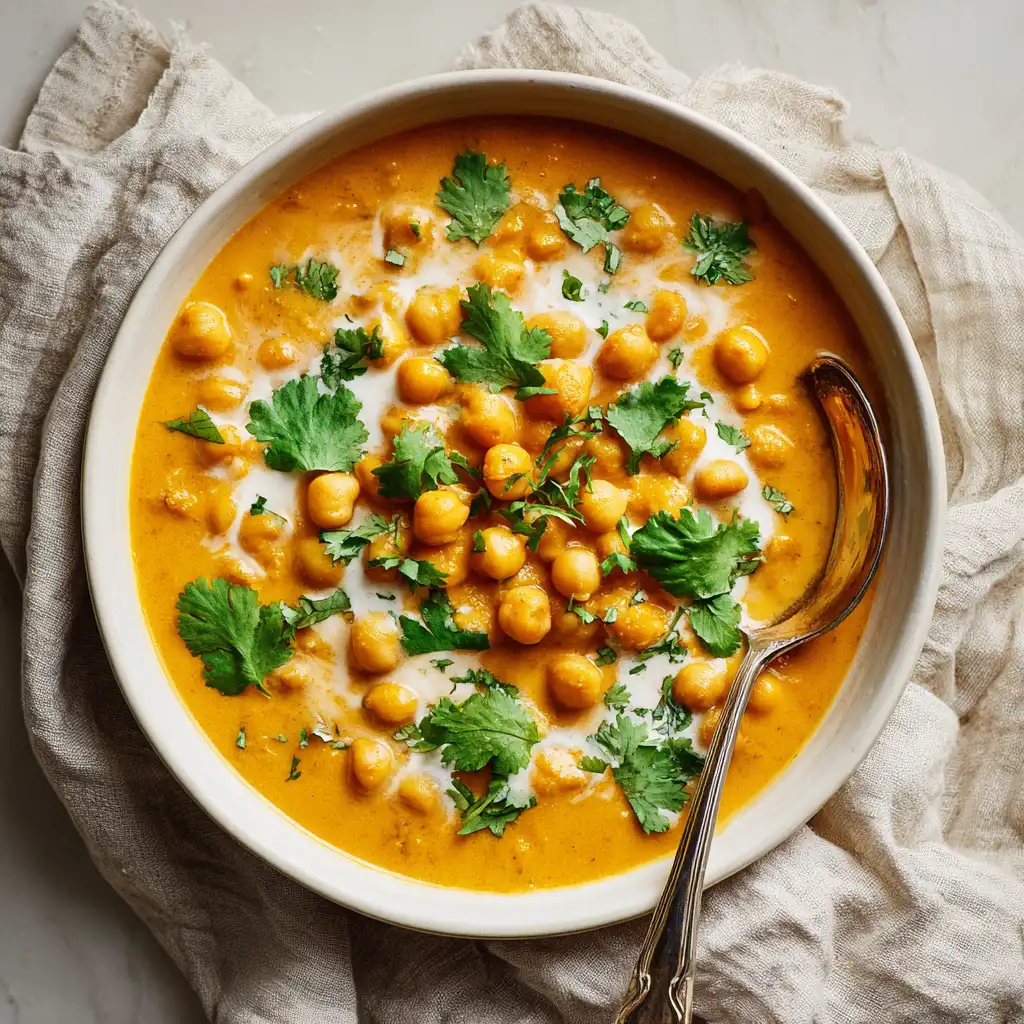
Few dishes provide as much warmth and satisfaction as a bowl of chickpea curry coconut milk. This meal has become a staple in kitchens around the world because it is simple, affordable, and incredibly flavorful. Whether you are looking for a quick weeknight dinner or something to meal prep for the coming days, this recipe hits all the right notes. The combination of earthy legumes and rich coconut fat creates a texture that feels decadent without being overly heavy. In this guide, we will look at how to make the best version of this dish in your own home.
Table of Contents
The Magic of Chickpea Curry Coconut Milk
Why This Combination Works
The balance of flavors in chickpea curry coconut milk is what makes it a standout dish. Chickpeas provide a nutty, slightly grainy texture that holds up well during simmering. When you submerge them in a sauce made of full-fat coconut milk, they soak up the spices while the liquid thickens into a velvet-like consistency. This dish relies on the natural sweetness of the coconut to balance the heat of the spices, creating a well-rounded profile that appeals to many different palates. It is a hearty meal that satisfies both the stomach and the soul.
A Meal for Every Occasion
One of the best things about chickpea curry coconut milk is its versatility. You can serve it as a standalone stew in a deep bowl, or you can pour it over a bed of fluffy basmati rice. It also works beautifully with warm flatbreads for dipping. Because it is naturally plant-based, it is a great choice when you are hosting guests with different dietary needs. You do not need expensive ingredients to make this feel like a luxury meal; the pantry staples you likely already have are enough to create something truly special.
Print
The Ultimate Comfort: Creamy Chickpea Curry Coconut Milk
A rich, flavorful, and plant-based comfort meal featuring earthy chickpeas and velvety coconut milk. This simple and affordable dish is perfect for a quick weeknight dinner or healthy meal prep.
- Total Time: 30 minutes
- Yield: 4 servings 1x
Ingredients
- 2 cans (15 oz each) chickpeas, drained and rinsed
- 1 can (14 oz) full-fat coconut milk
- 1 large yellow onion, finely diced
- 3 cloves garlic, minced
- 1 tablespoon fresh ginger, grated
- 1–2 green chilies, diced (optional for heat)
- 1 teaspoon ground turmeric
- 1 teaspoon ground cumin
- 1 teaspoon ground coriander
- 1 teaspoon garam masala
- 2 tablespoons vegetable oil
- Salt and black pepper to taste
- Fresh cilantro for garnish
- Cooked basmati rice or flatbread for serving
Instructions
- Sauté the aromatics: Heat oil in a large pot over medium heat and sauté onion, garlic, and ginger until soft and golden.
- Bloom the dry spices: Add the turmeric, cumin, and coriander to the aromatics, stirring for one minute until fragrant.
- Combine main ingredients: Pour in the chickpeas and full-fat coconut milk, stirring well to combine all flavors.
- Simmer to thicken: Bring the mixture to a gentle simmer for 15 minutes until the sauce reaches a velvet-like consistency.
- Final seasoning touch: Stir in the garam masala and season with salt and pepper according to your preference.
- Garnish and serve: Serve the warm curry over fluffy basmati rice and top with fresh cilantro.
Notes
For the best results, always use canned full-fat coconut milk rather than a carton. If you prefer a firmer texture, you can use dried chickpeas that have been soaked and boiled beforehand.
- Prep Time: 10 minutes
- Cook Time: 20 minutes
- Category: Main Course
- Method: Simmering
- Cuisine: Indian-inspired
- Diet: Vegan
Nutrition
- Serving Size: 1.5 cups
- Calories: 410 kcal
- Sugar: 5g
- Sodium: 580mg
- Fat: 22g
- Saturated Fat: 18g
- Unsaturated Fat: 4g
- Trans Fat: 0.01g
- Carbohydrates: 44g
- Fiber: 11g
- Protein: 12g
- Cholesterol: 1mg
Keywords: chickpea curry, coconut milk, vegan recipe, easy dinner, plant-based, comfort food
Picking the Right Chickpeas and Coconut Milk
Canned vs. Dried Chickpeas
When making chickpea curry coconut milk, the type of bean you use matters. Most people prefer canned chickpeas because they are pre-cooked and ready to use immediately. This is a huge time-saver for busy families. However, if you have more time, starting with dried beans can lead to a slightly firmer texture and a deeper flavor. If you go the dried route, make sure to soak them overnight and boil them until tender before adding them to your curry base. Both options provide the essential protein and fiber that make this dish so filling.
Choosing Your Coconut Milk
The quality of your chickpea curry coconut milk depends heavily on the canned coconut milk you choose. For the creamiest results, always reach for the full-fat version found in the can rather than the refrigerated cartons used for drinking. The fat in the canned milk is what creates that signature mouthfeel. Some people like to use “light” coconut milk to save on calories, but keep in mind that the sauce will be thinner and less rich. If you want the thickest sauce possible, you can even use coconut cream for a portion of the liquid.
Spicing Your Chickpea Curry Coconut Milk to Perfection
The Power of Fresh Aromatics
The foundation of any good chickpea curry coconut milk starts with aromatics. Onions, garlic, and fresh ginger are non-negotiable. Sautéing these until they are soft and golden releases oils that carry the flavor throughout the entire pot. When these three ingredients hit the hot oil, the smell alone is enough to make anyone hungry. If you like a bit of heat, this is also the stage where you can add finely diced green chilies. The heat levels can be adjusted easily by removing the seeds or adding more peppers according to your preference.
Balancing the Dry Spices
The dry spices are where the personality of your chickpea curry coconut milk really shines. Turmeric is vital for that beautiful golden color and earthy undertone. Interestingly, turmeric is often used for its health properties, much like the ingredients found in a turmeric ginger shot recipe, which people drink to support their well-being. Along with turmeric, you will want to add ground cumin, coriander, and perhaps a touch of garam masala at the end. These spices work together to create a complex layers of flavor that keep every bite interesting.
Chickpea Curry Coconut Milk Ingredient Overview
Before you start cooking, it helps to have everything organized. This table shows the primary components and why they are included in this recipe.
| Ingredient | Role in the Dish | Quick Tip |
|---|---|---|
| Chickpeas | Main protein and texture | Rinse canned beans well to remove excess salt. |
| Full-fat Coconut Milk | Creaminess and richness | Shake the can before opening to mix the fat. |
| Turmeric Powder | Color and earthy flavor | Be careful as it can stain wooden spoons. |
| Fresh Ginger/Garlic | Aromatic base | Grate them for a smoother sauce texture. |
| Fresh Lime Juice | Acidic balance | Add at the very end to keep the flavor bright. |
Step-by-Step Cooking Instructions
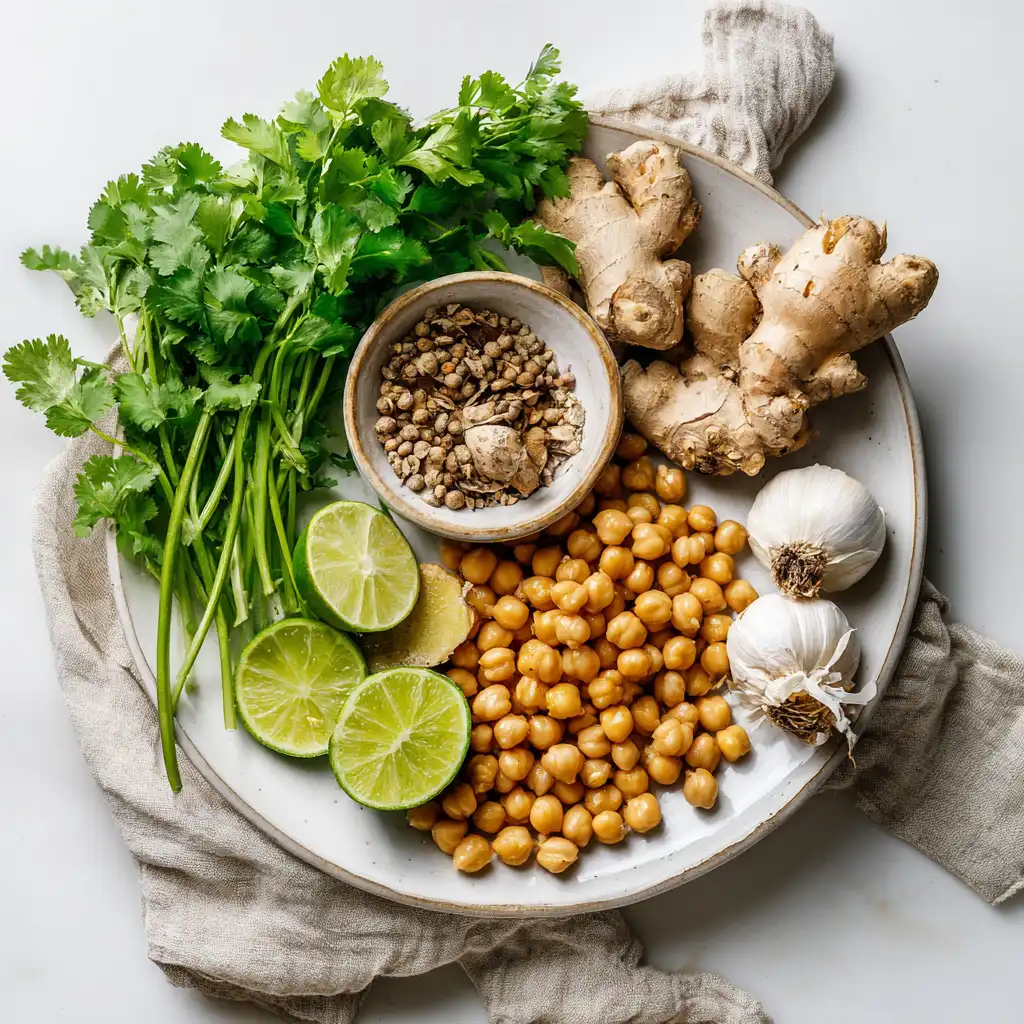
Making chickpea curry coconut milk is a straightforward process that yields professional results. Follow these steps to make sure your curry turns out perfectly every time.
- Step 1: Sauté the Aromatics – Heat a large pot over medium heat with a tablespoon of oil and cook your diced onions until they are translucent and soft.
- Step 2: Add Ginger and Garlic – Stir in your minced garlic and grated ginger, cooking for about one minute until the fragrance fills your kitchen.
- Step 3: Toast the Spices – Add your turmeric, cumin, and coriander to the pot, stirring constantly for thirty seconds to wake up the oils in the spices.
- Step 4: Combine Chickpeas and Liquids – Pour in your drained chickpeas, the can of coconut milk, and a splash of vegetable broth or water.
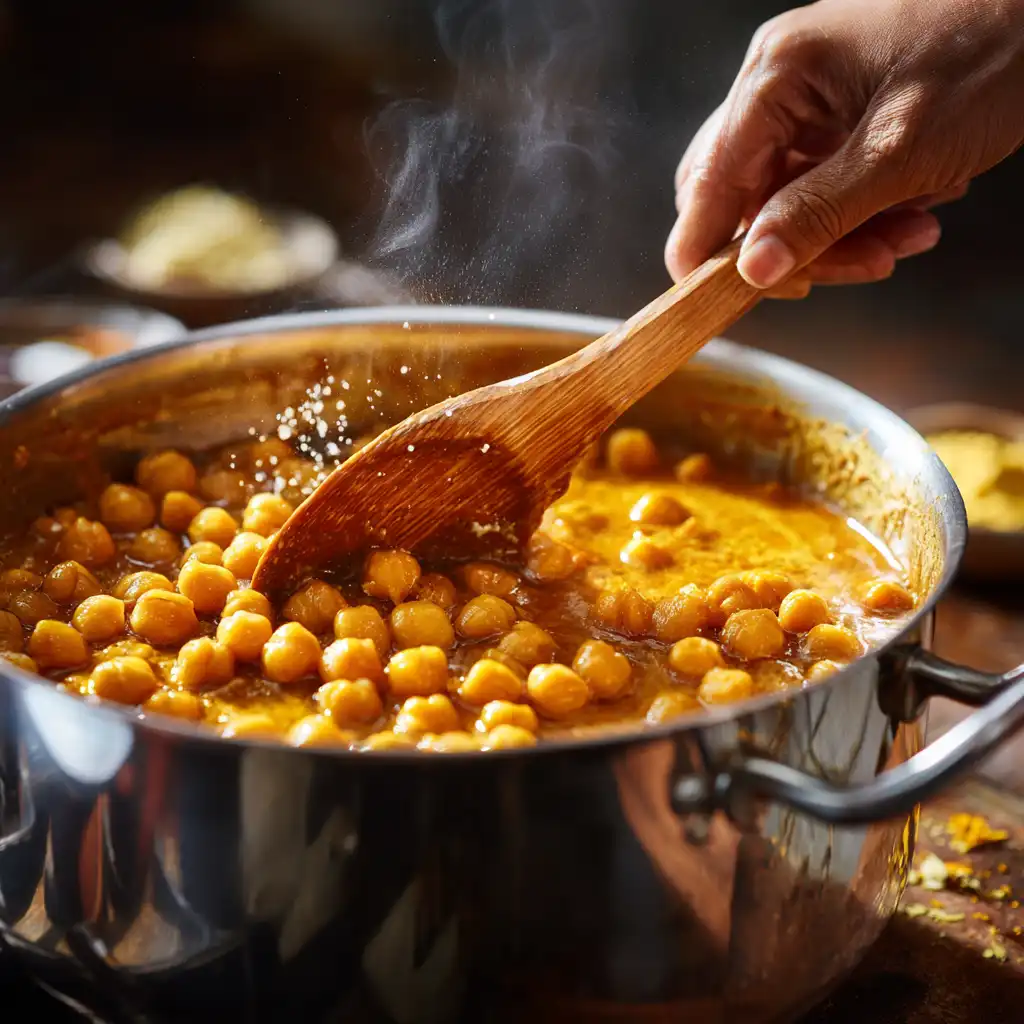
- Step 5: Simmer and Thicken – Bring the mixture to a gentle boil, then reduce the heat and let it simmer for 15 to 20 minutes to allow the flavors to merge.
- Step 6: Mash for Texture – Use the back of your spoon to mash a small handful of chickpeas against the side of the pot to thicken the sauce further.
- Step 7: Final Seasoning Touch – Stir in a squeeze of fresh lime juice and a handful of chopped cilantro before serving your chickpea curry coconut milk hot.
Why Chickpea Curry Coconut Milk Is Good for You
Fiber and Plant-Based Protein
One of the main reasons people love chickpea curry coconut milk is that it is a nutritional powerhouse. Chickpeas are loaded with dietary fiber, which helps keep your digestion moving smoothly. Sometimes, people follow up a hearty meal like this with an anti-bloat ginger lemon water to help with any potential heaviness from the beans. The protein content in the legumes also makes this a very satisfying meal that keeps you full for hours, reducing the urge to snack later in the evening.
Healthy Fats and Vital Minerals
The coconut milk in this dish provides medium-chain triglycerides, which are a type of fat that the body can use for energy. Additionally, the spices used in chickpea curry coconut milk, like turmeric and cumin, have been studied for their potential antioxidant properties. When you eat a dish like this, you are not just getting calories; you are getting a wide array of minerals like iron, magnesium, and potassium. It is a wonderful way to nourish your body while enjoying a meal that tastes like it came from a high-end restaurant.
Serving Suggestions for Your Curry Bowl
The Perfect Grains
While chickpea curry coconut milk is delicious on its own, it is usually served with a side to help soak up the creamy sauce. White basmati rice is the classic choice because its light, nutty flavor complements the curry without overpowering it. If you want something a bit heartier, brown rice or even quinoa can provide more texture. Some people also enjoy serving the curry alongside a simple salad or roasted vegetables to add some crunch to the meal. The contrast between the soft chickpeas and a crispy side dish is always a winner.
Toppings That Make a Difference
Do not underestimate the power of toppings when serving your chickpea curry coconut milk. A dollop of plain yogurt can add a cool, tangy element that balances the spices. Sliced red onions, fresh chilies, or a sprinkle of toasted coconut flakes can also take the dish to the next level. If you find the spices a bit intense, staying hydrated is key; a homemade electrolyte drink sea salt lemon can be a refreshing way to cleanse your palate between bites and keep your minerals balanced.
Variations: Adding More Veggies or Protein
Leafy Greens and Roots
You can easily modify your chickpea curry coconut milk to include whatever you have in the fridge. Stirring in a few handfuls of fresh spinach or kale during the last two minutes of cooking adds color and extra vitamins. You could also add roasted sweet potatoes or carrots to the pot for a touch of natural sweetness. If you enjoy experimenting with different vegetable combinations, you might find inspiration in other simple meals like a chicken and zucchini skillet, which also focuses on fresh produce and quick cooking times.
Changing the Texture
If you want to vary the texture of your chickpea curry coconut milk, consider adding different legumes or nuts. Red lentils can be added along with the chickpeas; they will break down more than the beans, creating an even thicker, porridge-like consistency. A handful of roasted cashews thrown on top right before serving adds a delightful crunch. Some people even like to add a bit of cauliflower, which mimics the texture of the chickpeas while absorbing all the coconutty goodness of the sauce.
Storage and Reheating Tips
Making It Last
One of the hidden benefits of chickpea curry coconut milk is that it actually tastes better the next day. As the dish sits in the refrigerator, the chickpeas continue to soak up the spices, making the flavor profile even deeper. Store any leftovers in an airtight container for up to four or five days. This makes it an ideal candidate for meal prepping on a Sunday. You can portion out the curry into individual bowls with rice, so you have a healthy lunch ready to go for the work week.
How to Reheat Properly
When you are ready to eat your leftover chickpea curry coconut milk, you might notice that the sauce has thickened significantly in the fridge. This is normal because the coconut fat solidifies when cold. To bring it back to its original glory, reheat it on the stove over low heat. Add a tiny splash of water or more coconut milk to loosen the sauce. You can also use a microwave, but make sure to stop and stir every thirty seconds to ensure it heats evenly. Avoid high heat, as you do not want to scorch the coconut milk.

Common Mistakes to Avoid
Don’t Rush the Onions
A frequent mistake when making chickpea curry coconut milk is undercooking the onions. If the onions are still crunchy, they will give the sauce an unpleasant texture and a sharp, raw taste. Take the extra five or ten minutes to let them brown slightly. This slow cooking creates a sweet base that is essential for a high-quality curry. It may seem like a small detail, but it makes a massive difference in the final product. Patience in the beginning leads to a much better flavor in the end.
Avoid Boiling Too Hard
While you want to bring your chickpea curry coconut milk to a simmer, you should avoid a rolling boil once the coconut milk is added. High heat can sometimes cause coconut milk to separate or “break,” which leaves the sauce looking curdled. While it will still taste fine, the smooth, creamy appearance will be lost. Keep the flame at a medium-low setting and let the bubbles be gentle. This slower process also helps the chickpeas soften perfectly without falling apart completely.
FAQs
Can I use light coconut milk?
Yes, you can use light coconut milk for your chickpea curry coconut milk if you want to reduce the fat content. However, the sauce will be much thinner and won’t have the same rich, creamy mouthfeel. If you use light milk, you may want to mash more of the chickpeas to help thicken the consistency naturally.
Is this recipe freezer-friendly?
Absolutely! Chickpea curry coconut milk freezes very well. Let it cool completely before putting it into freezer-safe bags or containers. It can stay frozen for up to three months. When you are ready to eat it, let it thaw in the fridge overnight before reheating it on the stove with a splash of water.
What can I use instead of chickpeas?
If you are out of chickpeas, you can substitute them with cannellini beans or even firm tofu cubes. The cooking time will stay roughly the same. Tofu is particularly good at soaking up the coconut sauce. You could also use lentils, though the texture of the dish will change from a chunky curry to something more like a thick soup.
Is chickpea curry coconut milk spicy?
The spice level is entirely up to you. The base recipe is usually mild, focusing more on the warmth of cumin and turmeric. If you want it spicy, you can add cayenne pepper, red chili flakes, or fresh diced jalapeños. The coconut milk naturally tempers the heat, so you can often add more spice than you think.
Can I make this in a slow cooker?
Yes, chickpea curry coconut milk works great in a slow cooker. Add all the ingredients except for the lime juice and cilantro. Cook on low for 4-6 hours or on high for 2-3 hours. Stir in the fresh herbs and lime juice right before you serve to keep the flavors bright and fresh.
Conclusion
In summary, chickpea curry coconut milk is a versatile, healthy, and incredibly flavorful dish that deserves a spot in your regular rotation. By focusing on quality ingredients like full-fat coconut milk and fresh aromatics, you can create a meal that rivals any restaurant version. It is a budget-friendly way to feed a crowd or simply provide yourself with a comforting dinner. Once you master the basic technique, you can start adding your own twists and making it your own. Enjoy the process of cooking this fragrant, satisfying meal.


