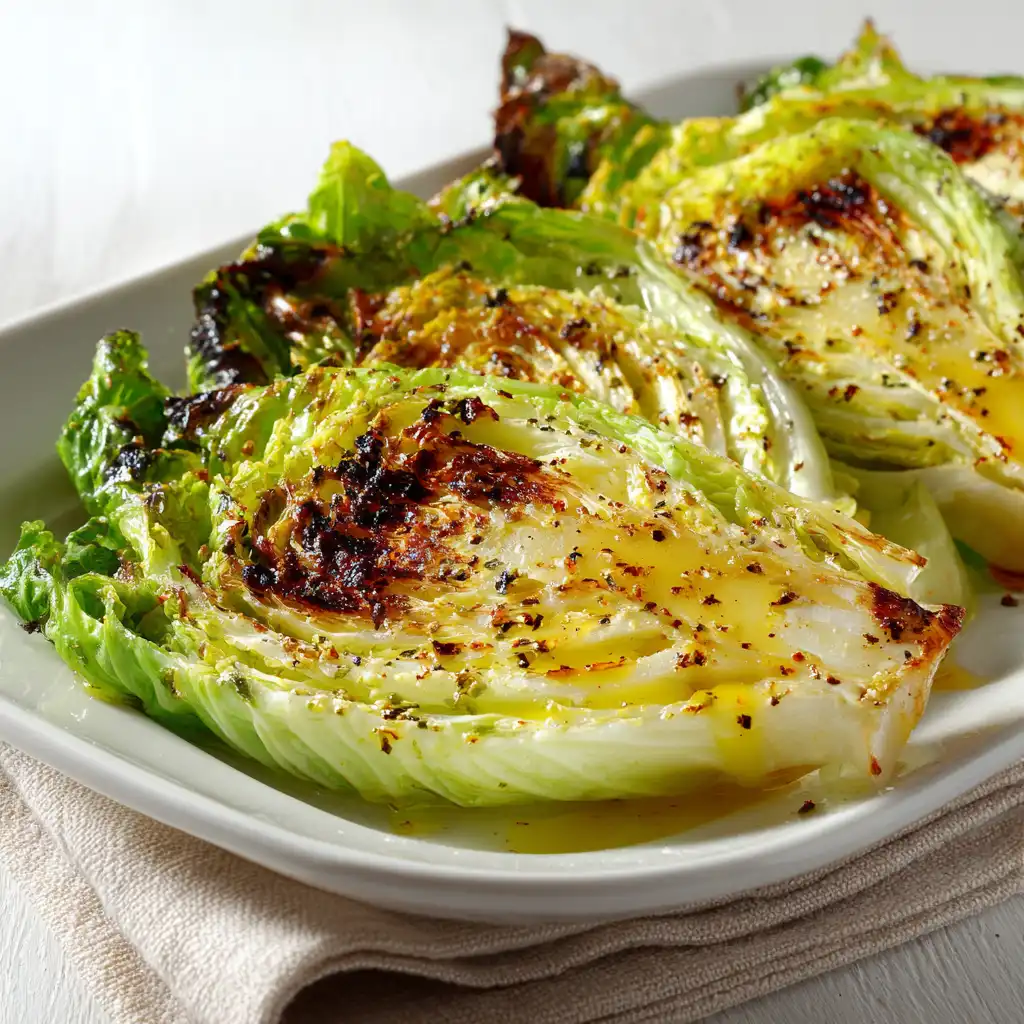
Cabbage is a true hero in the world of healthy eating. Often overlooked for more glamorous greens, this crunchy cruciferous vegetable is packed with nutrients and incredibly versatile. If you want to increase your daily roughage without spending a fortune, high-fiber cabbage dishes are a fantastic solution. They are filling, budget-friendly, and can be prepared in countless ways to suit any palate. Let’s look at how you can make this humble vegetable the star of your dining table tonight.
Table of Contents
Why Choose High-Fiber Cabbage Dishes for Your Health?
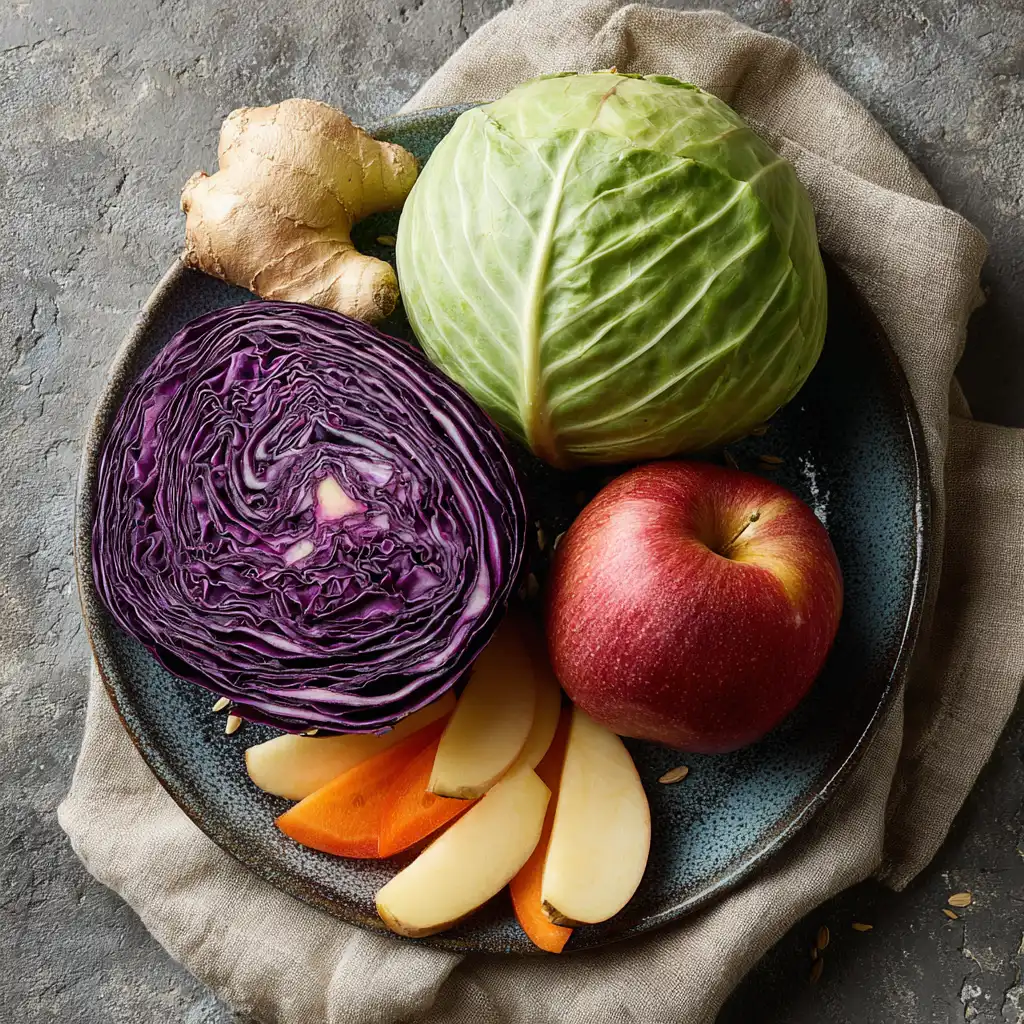
Digestion and Gut Health
When you focus on high-fiber cabbage dishes, you are giving your digestive system a major boost. Cabbage contains both soluble and insoluble fiber, which helps keep things moving smoothly. Insoluble fiber adds bulk to stool, while soluble fiber provides fuel for the beneficial bacteria living in your gut. Maintaining a healthy microbiome is vital for overall wellness. According to the Harvard T.H. Chan School of Public Health, dietary fiber found in vegetables like cabbage plays a crucial role in preventing constipation and supporting a healthy weight. Eating these meals regularly helps you feel fuller for longer, reducing the urge to snack between meals.
Nutrient Density and Low Calories
The beauty of high-fiber cabbage dishes is that they provide a high volume of food with very few calories. This makes them perfect for anyone watching their weight or managing blood sugar levels. Cabbage is also loaded with Vitamin C, Vitamin K, and powerful antioxidants that help protect your cells from damage. When you cook with this vegetable, you are getting more than just roughage; you are getting a concentrated dose of vitamins. Using fresh ingredients is a great way to stay healthy, much like incorporating anti-bloat recipes into your weekly routine to help your body feel its best after a heavy meal.
Versatility in the Kitchen
You can find high-fiber cabbage dishes in almost every world cuisine, from European stews to Asian stir-fries. This variety means you will never get bored. You can shred it into a raw slaw, roast it until it is sweet and charred, or simmer it in a rich broth. Because cabbage is so sturdy, it holds up well to different cooking methods and pairs beautifully with various proteins like beef, chicken, or beans. This adaptability makes it a staple for anyone who enjoys experimenting with flavors while keeping their nutrition goals in mind.
Print
High-Fiber Garlic Sautéed Cabbage
A nutrient-dense, crunchy, and budget-friendly cabbage dish designed to maximize your daily fiber intake while delivering savory garlic flavor.
- Total Time: 30 minutes
- Yield: 4 servings 1x
Ingredients
- 1 medium head green cabbage, shredded
- 2 tablespoons extra virgin olive oil
- 1 large onion, thinly sliced
- 2 medium carrots, julienned
- 4 cloves garlic, minced
- 1 teaspoon sea salt
- 1/2 teaspoon cracked black pepper
- 1 tablespoon apple cider vinegar
- 1/4 cup fresh parsley, chopped
- 1/2 teaspoon red pepper flakes
Instructions
- Prepare the vegetables: Shred the cabbage thinly and julienne the carrots for consistent cooking.
- Sauté the aromatics: Heat olive oil in a large skillet and cook onions until translucent.
- Soften the carrots: Add julienned carrots to the skillet and cook for 3 minutes.
- Wilt the cabbage: Add shredded cabbage to the pan, stirring to coat with oil.
- Season the dish: Incorporate minced garlic, salt, pepper, and red pepper flakes.
- Cook until tender: Sauté for 10-12 minutes over medium heat until cabbage is tender-crisp.
- Brighten the acidity: Stir in the apple cider vinegar to enhance the natural flavors.
- Garnish and serve: Top with fresh parsley and serve warm as a high-fiber side.
Notes
To increase fiber further, leave the core in if sliced very thinly. Red cabbage can be substituted for a boost in antioxidants.
- Prep Time: 15 minutes
- Cook Time: 15 minutes
- Category: Side Dish
- Method: Sauté
- Cuisine: American
- Diet: Vegan
Nutrition
- Serving Size: 1.5 cups
- Calories: 115 kcal
- Sugar: 5g
- Sodium: 380mg
- Fat: 7g
- Saturated Fat: 1g
- Unsaturated Fat: 6g
- Trans Fat: 0.1g
- Carbohydrates: 14g
- Fiber: 6g
- Protein: 3g
- Cholesterol: 1mg
Keywords: cabbage, high fiber, healthy, low carb, vegan, budget-friendly
Fresh and Crunchy High-Fiber Cabbage Dishes
Classic Vinegar Slaws
A simple slaw is one of the easiest high-fiber cabbage dishes to prepare. By skipping the heavy mayonnaise and using a light vinegar dressing instead, you keep the calorie count low while letting the vegetable shine. Red cabbage is particularly good for this because it contains anthocyanins, which are antioxidants that give it its bright color. Adding seeds like sunflower or pumpkin seeds can further increase the fiber content and add a satisfying crunch. These slaws work perfectly as a side dish for grilled meats or as a refreshing topping for sandwiches.
Asian-Inspired Cabbage Salads
Asian-style high-fiber cabbage dishes often feature ingredients like ginger, sesame oil, and soy sauce. Napa cabbage is a great choice here because its leaves are more delicate than green cabbage. You can toss shredded napa cabbage with edamame, sliced carrots, and a peanut dressing for a meal that is both protein-rich and high in fiber. This type of salad is excellent for meal prepping because cabbage does not wilt as quickly as lettuce, allowing you to enjoy a crisp lunch even a day or two after making it. For a fun dinner idea, use a crunchy slaw as a base for spicy shrimp tacos with slaw to add texture and nutrients to your meal.
The Power of Fermentation
Fermented high-fiber cabbage dishes like sauerkraut and kimchi offer a double benefit. Not only do you get the fiber from the vegetable itself, but you also get a massive dose of probiotics. These live cultures are excellent for gut health and can help improve your immune system. Making your own sauerkraut at home is surprisingly simple and requires only cabbage and salt. Once fermented, it can be added to salads, bowls, or served as a tangy side dish to balance out richer flavors in your main course.
Warm and Comforting High-Fiber Cabbage Dishes
Slow-Simmered Cabbage Soups
Warm high-fiber cabbage dishes are perfect for chilly evenings. A classic vegetable soup with cabbage as the base is both soothing and incredibly healthy. You can add onions, carrots, celery, and tomatoes to create a deep, flavorful broth. Because cabbage softens as it cooks, it absorbs the flavors of the spices and herbs you use. For an extra boost of nutrition, you might consider pairing your soup with a hearty chickpea curry with coconut milk on the side, as chickpeas provide even more fiber and a creamy texture that complements the light broth of the cabbage soup.
Roasted Cabbage Wedges
If you have never tried roasting your cabbage, you are missing out on one of the most delicious high-fiber cabbage dishes available. When you slice a head of cabbage into thick wedges, brush them with olive oil, and roast them at a high temperature, the edges become crispy and caramelized while the center stays tender. This process brings out a natural sweetness in the vegetable that you don’t get from boiling or steaming. Sprinkle some garlic powder and a bit of nutritional yeast on top for a savory, cheesy flavor without the dairy.
Sautéed Cabbage and Onions
A simple sauté of cabbage and onions is a classic side dish that fits into any meal plan. It is quick to make and requires very few ingredients. By using a small amount of olive oil or vegetable broth for the sauté, you keep the dish heart-healthy. You can add spices like caraway seeds or smoked paprika to give it a rich, smoky aroma without needing any pig products. This dish is a great way to use up a half-head of cabbage sitting in your fridge and works well as a bed for roasted chicken or grilled fish.
Main Course High-Fiber Cabbage Dishes
Vegetarian Stuffed Cabbage Rolls
Stuffed cabbage is a traditional dish in many cultures, and it is easy to transform into one of your favorite high-fiber cabbage dishes. Instead of using meat, try filling large cabbage leaves with a mixture of cooked quinoa, lentils, and mushrooms. These plant-based ingredients are loaded with fiber and provide a satisfying, meaty texture. Roll them up, top with a simple tomato sauce, and bake until the cabbage is soft. This meal is elegant enough for a dinner party but simple enough for a weekend family dinner.
Cabbage and Bean Skillets
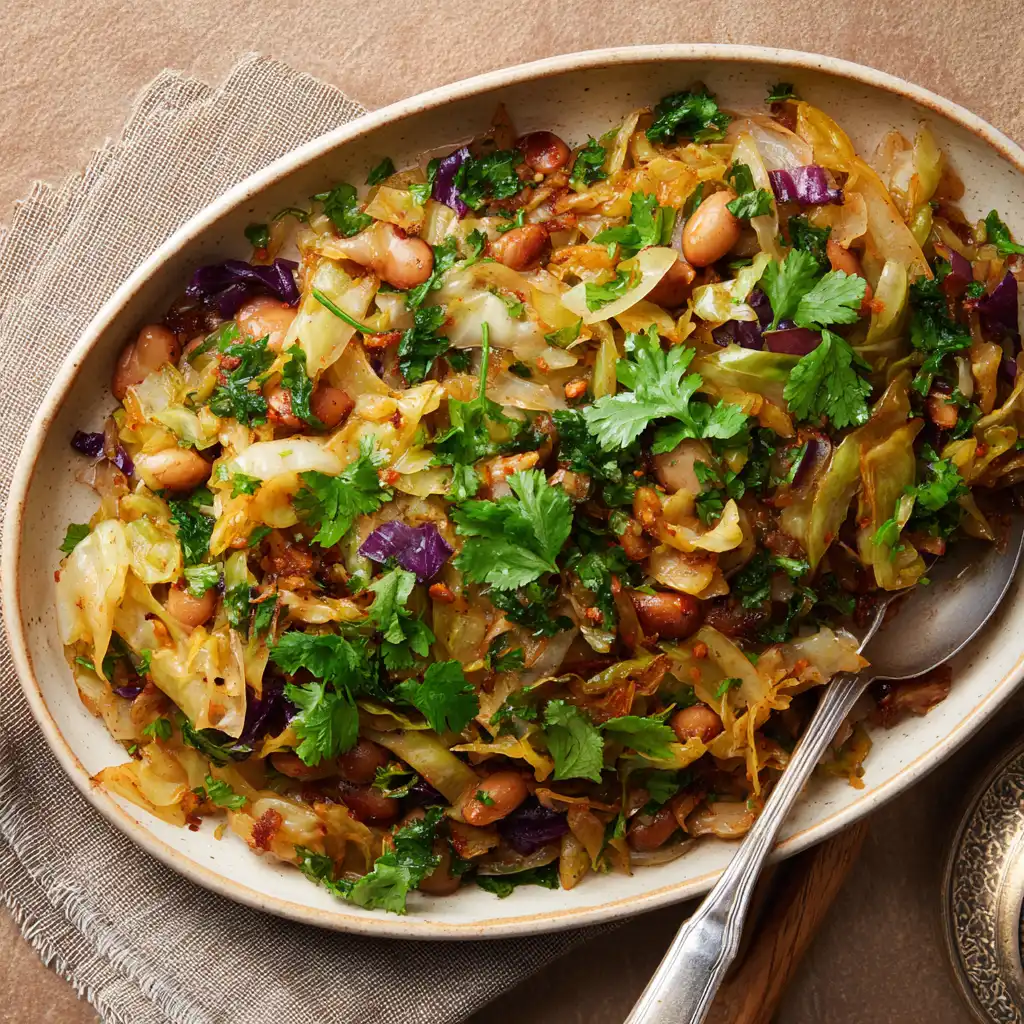
Combining cabbage with beans creates a powerhouse of nutrition. High-fiber cabbage dishes that include black beans or kidney beans provide a complete protein source and a significant amount of roughage. You can season this skillet with cumin, chili powder, and lime juice for a Southwestern flair. It is a one-pan meal that makes cleanup a breeze and ensures you are getting a well-rounded dinner. For those who prefer a more traditional meat-and-veggie combo, cabbage is a star ingredient in sheet pan chicken and vegetables, where it roasts alongside the chicken to soak up all the delicious juices.
Braised Cabbage with Apples
For a slightly sweet take on high-fiber cabbage dishes, try braising red cabbage with sliced apples and a splash of apple cider vinegar. The acidity of the vinegar helps maintain the vibrant purple color of the cabbage, while the apples add a natural sweetness and extra fiber. This dish is often served alongside roasted beef or poultry and is a staple in many holiday meals. It is a wonderful way to introduce more vegetables to picky eaters who might enjoy the sweet and savory combination.
Nutritional Breakdown of Cabbage Varieties
Different types of cabbage offer slightly different benefits, though all contribute to high-fiber cabbage dishes. According to the USDA FoodData Central, raw green cabbage provides about 2.5 grams of fiber per 100 grams, while red cabbage offers even more. Understanding these differences can help you plan your meals effectively.
| Cabbage Type | Fiber per 100g | Key Benefit |
|---|---|---|
| Green Cabbage | 2.5g | Versatile, mild flavor, high in Vitamin K |
| Red Cabbage | 2.1g | High in antioxidants (anthocyanins) |
| Savoy Cabbage | 3.1g | Tender texture, excellent for wraps |
| Napa Cabbage | 1.0g | Very low calorie, great for salads |
Tips for Preparing High-Fiber Cabbage Dishes
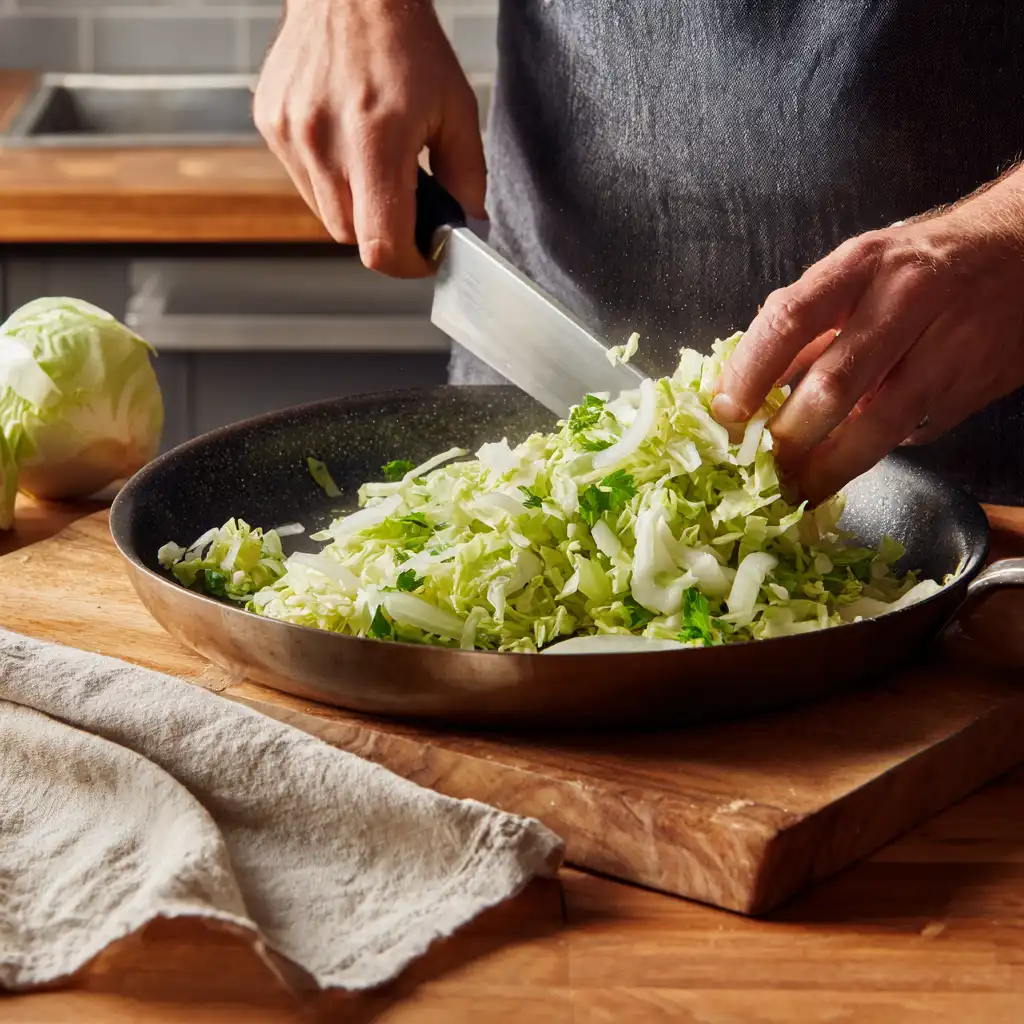
How to Sauté Cabbage for Maximum Flavor
- Step 1: Slice the Cabbage Thinly – Use a sharp knife or a mandoline to create thin, even shreds of cabbage.
- Step 2: Heat Your Cooking Surface – Place a large skillet over medium-high heat and add a tablespoon of healthy oil.
- Step 3: Sauté the Aromatics First – Add diced onions or garlic to the pan and cook until they are fragrant and soft.
- Step 4: Add the Cabbage Shreds – Toss the cabbage into the pan and stir frequently to prevent sticking or burning.
- Step 5: Season and Finish Cooking – Sprinkle with salt, pepper, and your favorite herbs, cooking until the cabbage reaches your desired tenderness.
Storing Cabbage for Longevity
One of the best things about making high-fiber cabbage dishes is that the main ingredient stays fresh for a long time. A whole head of cabbage can last for several weeks in the crisper drawer of your refrigerator. To keep it at its best, avoid washing the cabbage until you are ready to use it. If you only use half a head, wrap the remaining portion tightly in plastic wrap or beeswax wrap to prevent it from drying out. This longevity makes cabbage one of the most economical vegetables to keep on hand for quick and healthy meals.
Choosing the Right Head
When shopping for high-fiber cabbage dishes, look for heads that feel heavy for their size. The outer leaves should be bright and tight, not wilting or pulling away from the core. For green and red cabbage, the head should be very firm to the touch. For savoy or napa cabbage, the leaves will naturally be looser, but they should still look fresh and crisp. Avoiding heads with large blemishes or soft spots will help your dishes taste better and last longer in storage.
FAQs
Are high-fiber cabbage dishes good for weight loss?
Yes, cabbage is extremely low in calories and high in water and fiber. This combination helps you feel full without consuming many calories, making it an ideal food for weight management. By replacing higher-calorie sides with cabbage-based dishes, you can significantly reduce your daily calorie intake while still feeling satisfied.
Can cabbage cause bloating?
For some people, the complex sugars in cabbage can cause gas or bloating. To minimize this, you can try cooking the cabbage thoroughly or eating smaller portions at first. Fermented cabbage, like sauerkraut, is often easier to digest because the fermentation process breaks down some of those difficult sugars. Drinking plenty of water also helps the fiber move through your system more comfortably.
What is the best way to cook cabbage to keep the fiber?
The fiber in cabbage is quite sturdy and remains mostly intact regardless of how you cook it. However, raw cabbage or lightly sautéed cabbage will retain the most structure. Boiling cabbage for a long time can make it very soft, but the fiber content itself does not disappear; it just changes texture. To keep the most nutrients, steaming or stir-frying are excellent choices.
Is red cabbage better than green cabbage?
Both are excellent for high-fiber cabbage dishes, but they offer slightly different nutrients. Red cabbage contains more Vitamin C and specific antioxidants called anthocyanins. Green cabbage is often higher in Vitamin K. In terms of fiber, they are very similar, so you can choose based on the flavor and color you prefer for your specific recipe.
Conclusion
Incorporating high-fiber cabbage dishes into your weekly menu is a simple, effective way to improve your nutrition and enjoy delicious, hearty meals. Whether you prefer the crunch of a raw slaw or the comfort of a warm soup, cabbage provides the perfect base for a wide variety of flavors. It is affordable, long-lasting, and packed with the roughage your body needs to thrive. Start experimenting with these versatile recipes today and see how easy it is to make cabbage a favorite part of your healthy lifestyle.


