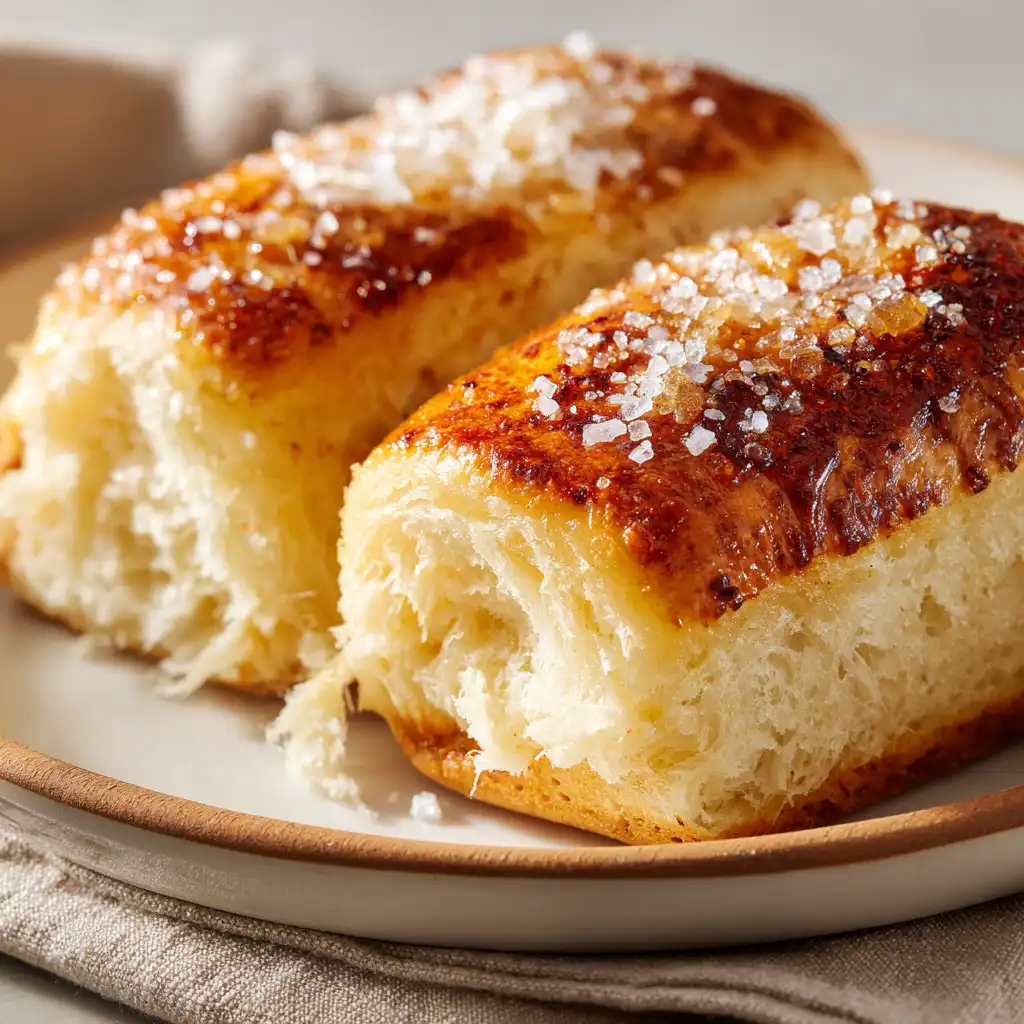
Japanese shio pan is a wonderful treat that combines the simple joy of a soft bread roll with the rich flavor of salted butter. These crescent-shaped rolls have taken the baking world by storm because of their unique texture, featuring a crispy, buttery bottom and a light, airy center. If you enjoy breads that balance savory and sweet notes, this salt bread is sure to become a favorite in your home kitchen. Let’s look at why this snack is so popular and how you can make it yourself.
Table of Contents
What Makes Japanese Shio Pan So Special?
A Perfect Texture Contrast
The magic of Japanese shio pan lies in its construction. Unlike a standard dinner roll, these are filled with a stick of cold butter before being rolled up into a crescent shape. During the baking process, the butter melts and leaks out from the bottom of the roll. This essentially fries the base of the bread in the oven, creating a crunchy, golden crust that tastes like a savory pastry. Meanwhile, the top of the Japanese shio pan remains soft and pillowy, providing a delightful contrast in every bite. This combination of textures makes it hard to stop at just one.
The Flavor of Sea Salt
As the name suggests “shio” means salt in Japanese salt is a major player in this recipe. A generous sprinkle of flaky sea salt on top does more than just season the bread; it highlights the richness of the butter inside. The salt crystals provide a sharp pop of flavor that cuts through the creamy fat of the dough. Many people find that Japanese shio pan hits all the right notes for a satisfying snack, as it isn’t overly sweet or purely savory. It is the kind of bread that works just as well for breakfast as it does for a mid-afternoon pick-me-up.
Print
The Ultimate Guide to Perfect Japanese Shio Pan
A delightful Japanese salt bread featuring a soft, airy interior and a distinctively crispy, buttery bottom seasoned with sea salt.
- Total Time: 2 hours 30 minutes
- Yield: 8 rolls 1x
Ingredients
- 250g Bread flour
- 30g Granulated sugar
- 5g Fine sea salt
- 3g Instant dry yeast
- 150ml Whole milk, lukewarm
- 25g Unsalted butter, softened for dough
- 80g Cold salted butter, cut into 8 sticks
- 1 tbsp Flaky sea salt for topping
- 1 tbsp Milk for brushing
Instructions
- Mix the dough: Combine flour, sugar, yeast, salt, and warm milk in a bowl until a shaggy dough forms.
- Knead with butter: Incorporate softened butter and knead for 10 minutes until the dough is smooth and elastic.
- First proofing: Place dough in a greased bowl and let rise for 60 minutes or until doubled in size.
- Divide and rest: Punch down dough, divide into 8 equal pieces, shape into balls, and rest for 15 minutes.
- Shape into cones: Roll each ball into a long teardrop or cone shape roughly 10 inches in length.
- Fill with butter: Place a cold salted butter stick at the wide end of the dough triangle.
- Roll the crescent: Roll the dough tightly from the wide end toward the tip to form a crescent.
- Final proofing: Arrange on a baking sheet and let rise for 45 minutes in a warm, humid environment.
- Topping and baking: Brush lightly with milk, sprinkle with flaky salt, and bake at 400°F for 13-15 minutes.
- Cool for texture: Transfer to a wire rack immediately to keep the buttery bottom crust crisp.
Notes
Ensure the butter sticks for the filling are very cold to prevent them from leaking out too early during the bake.
- Prep Time: 30 minutes
- Cook Time: 15 minutes
- Category: Bread
- Method: Baking
- Cuisine: Japanese
- Diet: Vegetarian
Nutrition
- Serving Size: 1 roll
- Calories: 245 kcal
- Sugar: 4g
- Sodium: 420mg
- Fat: 13g
- Saturated Fat: 8g
- Unsaturated Fat: 4g
- Trans Fat: 0.1g
- Carbohydrates: 28g
- Fiber: 1g
- Protein: 5g
- Cholesterol: 35mg
Keywords: Shio Pan, Salt Bread, Japanese Bakery, Buttery Rolls, Crescent Rolls
The Interesting History of Japanese Shio Pan
Origins in Ehime Prefecture
While it might seem like a classic recipe, Japanese shio pan is a relatively modern creation. It originated at a bakery called Pain Maison in Yawatahama, Ehime Prefecture. The bakery owner wanted to create a bread that would appeal to younger customers during the hot summer months when appetites often decrease. By adding salt and a high butter content, he created a roll that helped replenish salt lost through sweat while still being delicious. According to the Japan National Tourism Organization, local bakeries often create unique specialties that become famous nationwide, which is exactly how this salt bread rose to fame.
Becoming a Global Phenomenon
From its humble beginnings in a small coastal town, Japanese shio pan quickly spread across Japan and eventually to bakeries in Taiwan, Korea, and the United States. Its popularity grew because it is visually appealing and offers a sensory experience that is different from French croissants or American biscuits. Today, you can find many variations of Japanese shio pan, including some filled with truffle oil, red bean paste, or even chocolate. However, the original version remains the gold standard for fans of artisanal bread. Its simplicity is part of its charm, proving that high-quality ingredients can create something truly extraordinary without being complicated.
Essential Ingredients for Japanese Shio Pan Success
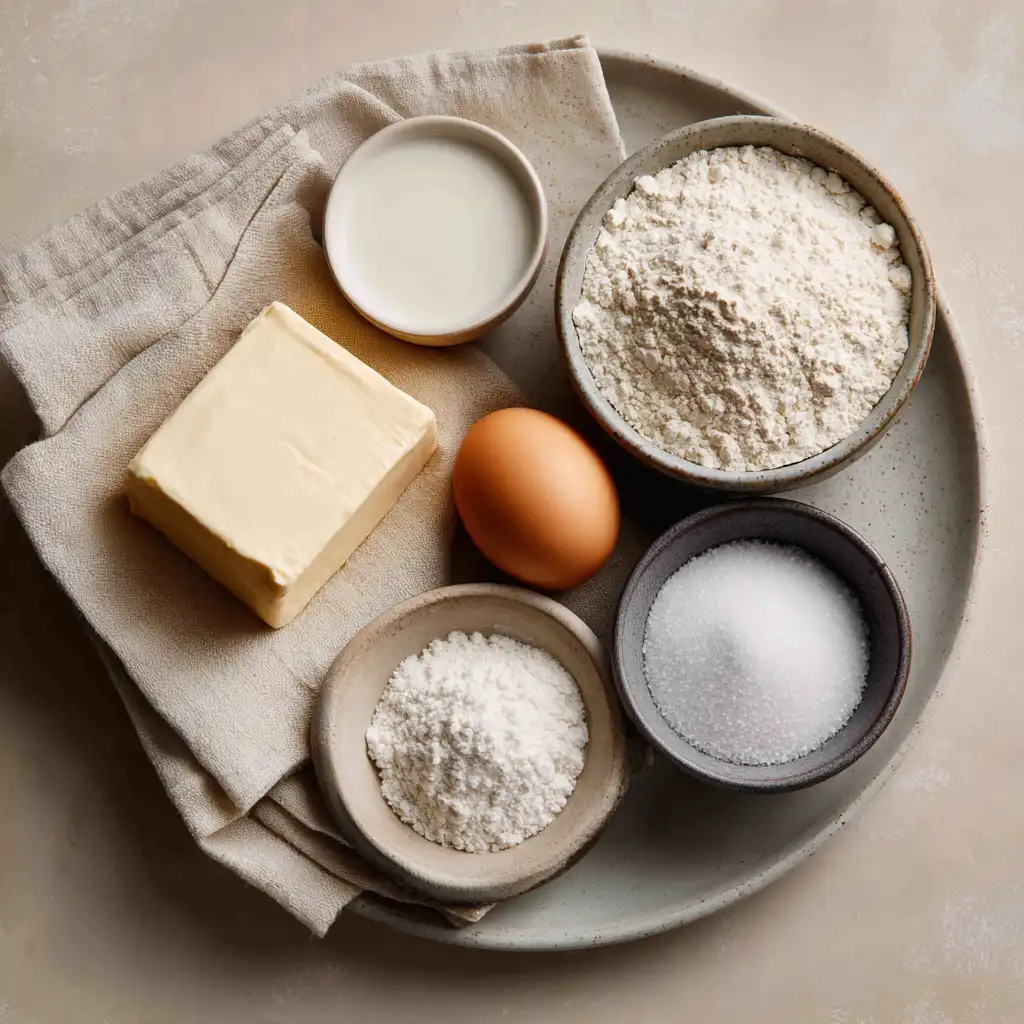
The Importance of High-Protein Flour
To get that signature chewiness, you need to use the right type of flour. Bread flour is the best choice because it has a higher protein content than all-purpose flour. This protein helps the dough develop a strong gluten structure, which is necessary to trap the air bubbles produced by the yeast. For a look at how different flours affect the rise of your rolls, the experts at King Arthur Baking explain that protein levels are vital for creating a chewy texture in breads like Japanese shio pan. Without enough gluten, your rolls might turn out crumbly rather than stretchy and soft.
Butter Selection and Preparation
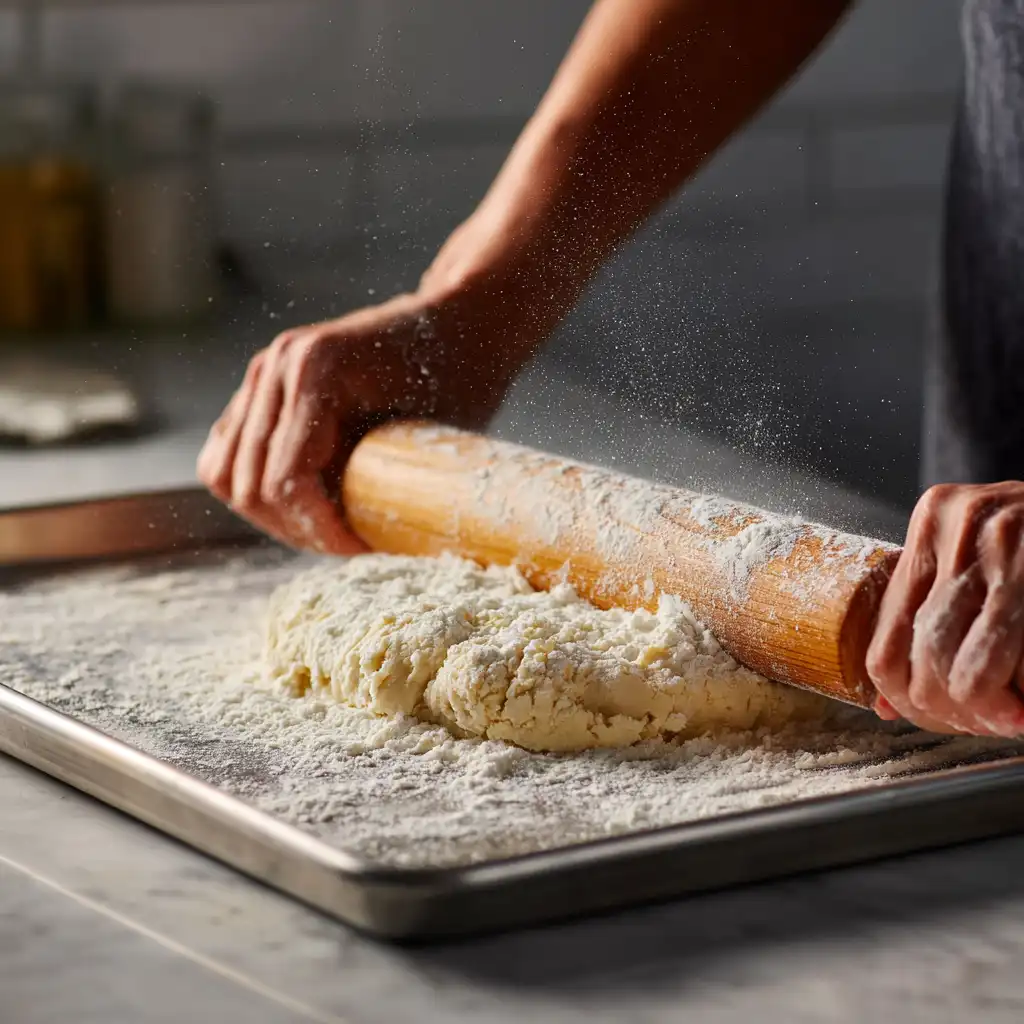
Since butter is the star of the show, choosing a high-quality unsalted variety makes a huge difference. You will need butter for both the dough and the filling. The butter used for the center of the Japanese shio pan should be cut into cold strips and kept in the refrigerator until the very last moment. This prevents the butter from melting too early during the shaping process. Some bakers prefer using European-style butter because it has a higher fat content and less water, which leads to a more intense flavor and a crispier bottom crust on your finished rolls.
Mastering the Technique for Japanese Shio Pan
Handling the Yeast and Liquid
Working with yeast can sometimes feel intimidating, but it is the key to a light and fluffy Japanese shio pan. Make sure your milk or water is lukewarm not hot to keep the yeast healthy. If the liquid is too hot, it will kill the yeast, and your bread won’t rise. Getting the dough right is the most important part of the process. For those who are new to working with yeast, looking at cinnamon bread baking tips can help you understand how to manage rising times and temperature more effectively. Patience is your best friend when waiting for the dough to double in size.
Shaping the Crescent Rolls
The iconic shape of Japanese shio pan is achieved by rolling the dough into a long, thin triangle. You then place a cold piece of butter at the wide end and roll it toward the point. It is important to pinch the edges slightly to trap the butter, though some of it is meant to leak out during baking to create that famous fried bottom. If you roll it too loosely, the butter will escape too quickly, and the bread may lose its shape. Taking your time during this stage ensures that each Japanese shio pan looks professional and tastes balanced, with butter distributed through the layers.
A Step-by-Step Japanese Shio Pan Recipe
- Step 1: Mix the Dough Ingredients – Combine your bread flour, sugar, salt, and instant yeast in a large bowl, then slowly pour in warm milk and a beaten egg.
- Step 2: Knead Until Smooth – Work the dough by hand or with a stand mixer until it becomes elastic and passes the windowpane test, which means it can stretch without tearing.
- Step 3: Add the Room Temperature Butter – Incorporate softened butter into the dough gradually, kneading until the mixture is completely smooth and no longer sticky to the touch.
- Step 4: Conduct the First Proof – Place the dough in a lightly greased bowl and cover it with a damp cloth, letting it rise in a warm spot for about an hour.
- Step 5: Divide and Rest – Punch down the risen dough and divide it into equal portions, shaping them into small balls and letting them rest for ten minutes to relax the gluten.
- Step 6: Shape with Cold Butter – Roll each portion into a long triangle, place a cold butter strip at the base, and roll it up tightly to form the crescent.
- Step 7: Final Rise and Bake – Let the rolls rise again on a baking sheet, brush them with water or milk, sprinkle with sea salt, and bake at 400°F until the bottoms are crispy and the tops are golden.
How to Serve and Store Japanese Shio Pan
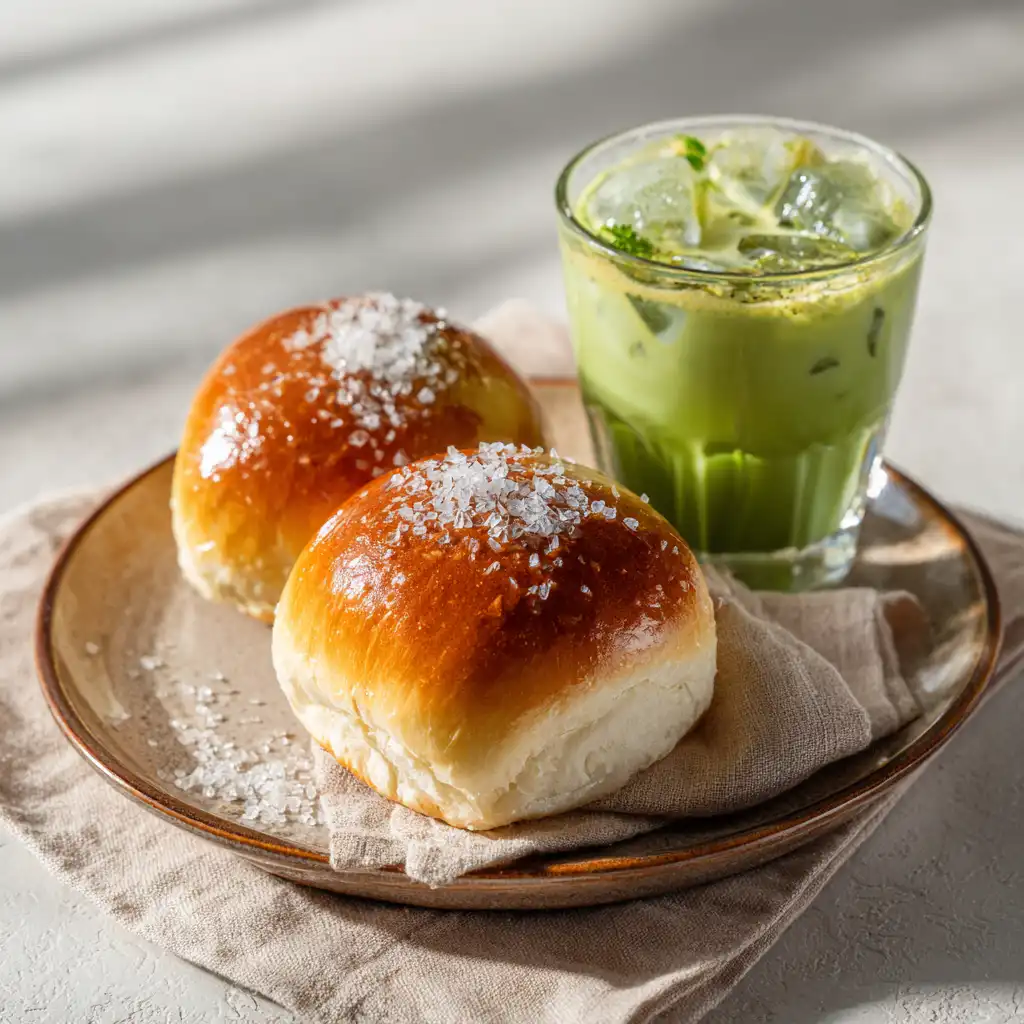
The Best Way to Enjoy Fresh Bread
Japanese shio pan is undoubtedly best when eaten warm, just a few minutes after it comes out of the oven. This is when the bottom is at its maximum crispness and the butter inside is still slightly melted. When you sit down to enjoy your fresh Japanese shio pan, you might want a drink to go with it. A cool, refreshing matcha latte iced without syrup is an excellent choice because the earthy notes of the tea balance the saltiness of the bread perfectly. This combination makes for a very sophisticated snack time.
Pairing with Sweet and Savory Items
While these rolls are delicious on their own, they are also versatile enough to pair with other foods. If you love the contrast of sweet and salty, you can serve these rolls alongside other treats. Many people who enjoy the buttery crunch of Japanese shio pan also find themselves reaching for snickerdoodle cookies soft and chewy in texture to round out a dessert platter. For a more traditional breakfast, you can slice the Japanese shio pan open and fill it with scrambled eggs or a light salad. The salty crust adds a new dimension to standard breakfast sandwiches.
Comparing Japanese Shio Pan to Other Breads
It is helpful to see how Japanese shio pan stacks up against other popular baked goods. While it looks like a croissant, the method of making it is much simpler. You don’t have to spend days laminating layers of dough with butter. Instead, the butter is rolled inside, which provides a similar flavor profile with a more bread-like texture. While Japanese shio pan is a staple in many Asian bakeries, it shares some similarities with classic breakfast items. For instance, if you enjoy the light crumb of this roll, you might also like these blueberry scones easy to make for a weekend brunch with family.
| Bread Type | Texture | Primary Flavor | Complexity Level |
|---|---|---|---|
| Japanese Shio Pan | Soft top, crispy bottom | Salt and rich butter | Medium |
| Croissant | Flaky and layered | Sweet cream butter | High |
| Dinner Roll | Soft and uniform | Mild and milky | Low |
| Brioche | Rich and cake-like | Sweet and buttery | Medium |
Troubleshooting Common Issues
Why Didn’t My Bread Rise?
If your Japanese shio pan stays flat or dense, the most common culprit is the yeast. Check the expiration date on your yeast packet to make sure it is still active. Another reason could be the temperature of your kitchen; if it is too cold, the dough will take much longer to rise. You can try putting the dough in a turned-off oven with a bowl of hot water next to it to create a warm, humid environment. Proper proofing is essential for the airy interior that makes Japanese shio pan so famous. If the dough is too heavy, the butter won’t have enough space to melt into the crumb.
How to Prevent the Butter from Leaking Completely
It is normal for some butter to leak out of the Japanese shio pan that is what creates the crispy bottom. However, if all the butter escapes, the roll might become hollow and dry. To prevent this, make sure the dough is wrapped tightly around the butter strip. Pinching the sides of the roll as you shape it can help seal the “tunnel” where the butter sits. Additionally, ensure the butter is very cold when you put it inside the dough. If the butter is already soft before it goes into the oven, it will melt instantly and run out before the bread has a chance to set its structure.
FAQs
Can I use salted butter for the filling?
Yes, you can use salted butter for the center of your Japanese shio pan if you want an extra salty kick. However, keep in mind that you will also be sprinkling salt on top, so it might become quite intense. Most bakers use unsalted butter to have better control over the final flavor profile.
How long does Japanese shio pan stay fresh?
Japanese shio pan is best eaten on the day it is made. Because it has a high fat content and a specific texture contrast, it can become soft and lose its crunch after 24 hours. If you have leftovers, you can reheat them in a toaster oven for a few minutes to bring back the crispiness of the bottom crust.
Can I freeze the dough?
You can freeze the shaped Japanese shio pan rolls before the final proofing stage. When you are ready to bake, let them thaw and rise in a warm place until they are puffy. This is a great way to have fresh bread ready whenever you have a craving without having to start from scratch every time.
What kind of salt is best for the topping?
Flaky sea salt, such as Maldon, is the preferred choice for Japanese shio pan. The large flakes provide a nice visual appeal and a crunch that fine table salt cannot replicate. Avoid using standard table salt for the topping, as it will dissolve too quickly and can make the bread taste overly salty.
Is Japanese shio pan the same as a croissant?
No, they are different. While both are buttery and often crescent-shaped, Japanese shio pan is a yeast-leavened bread dough, whereas a croissant is made from laminated puff pastry. The texture of shio pan is more like a roll, while a croissant is flaky and shatters when you bite into it.
Conclusion
Making Japanese shio pan at home is a rewarding experience that fills your kitchen with the scent of toasted butter and fresh yeast. This bread is a testament to how a few simple ingredients can be transformed through careful technique. Whether you are serving it at a party or enjoying it with your morning coffee, this salt bread is sure to impress anyone who tries it. With its crispy base and soft center, Japanese shio pan offers a unique eating experience that is both comforting and exciting. Happy baking!


