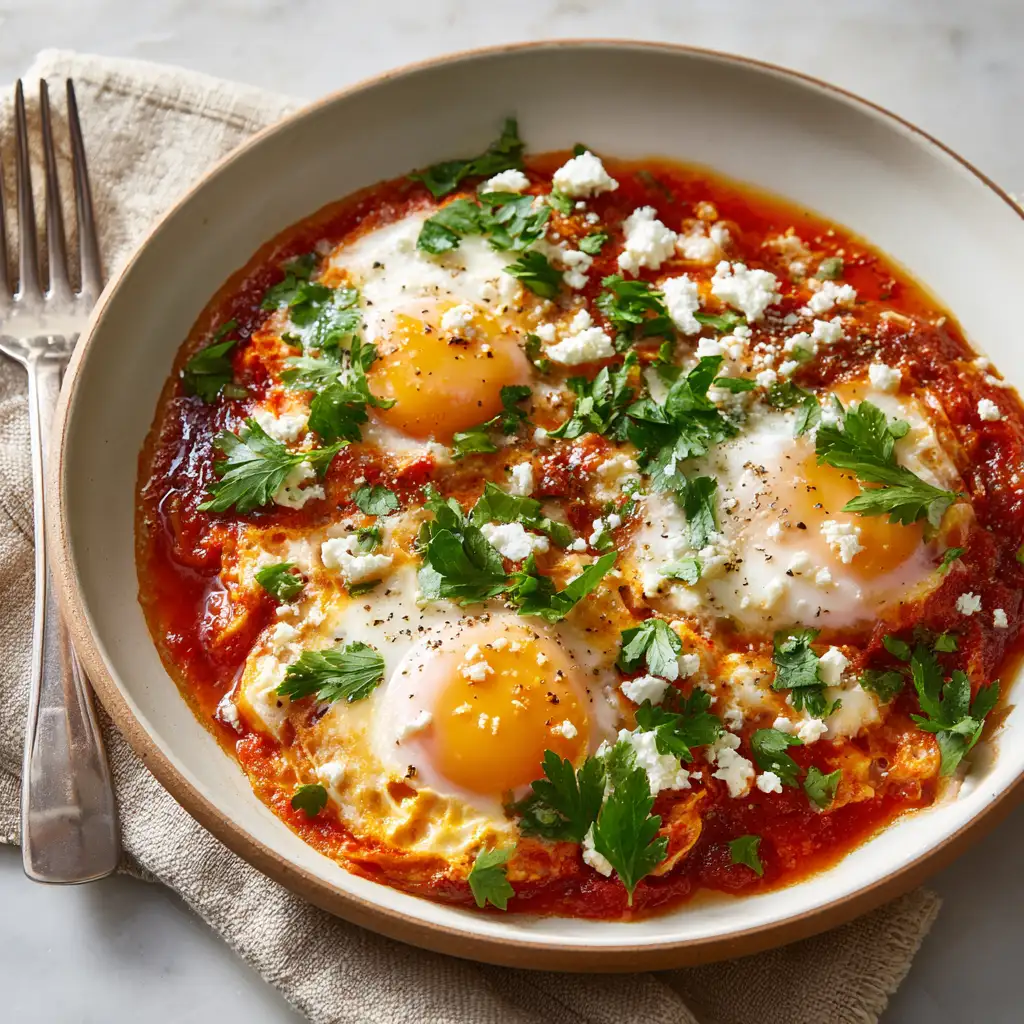
Welcome to the wonderful world of Mediterranean breakfast! If you are looking for a meal that is hearty, healthy, and incredibly flavorful, then shakshuka with feta is exactly what you need. This dish brings together a rich tomato sauce, warm spices, and perfectly poached eggs, all topped with creamy, salty cheese. It is a simple one-pan meal that works for breakfast, brunch, or even a quick weeknight dinner. Let’s look at how you can bring this classic dish into your own kitchen with ease.
Table of Contents
What is Shakshuka with Feta?
The Origins of a Classic
Shakshuka with feta has deep roots in North African and Middle Eastern cultures. While many people associate it with Israeli cuisine today, its beginnings likely trace back to Tunisia or Yemen. The name itself comes from an Arabic word meaning a mixture or shaken up, which perfectly describes how the vegetables and spices come together in the pan. To understand more about the history and regional variations of this dish, you can read about its background on Wikipedia, which explains how the tomato-based meal became a global favorite. Over time, different regions added their own flair, but the combination of tomatoes and eggs remains the heart of the recipe.
The Magic of the Feta Addition
While a basic shakshuka is delicious on its own, adding feta cheese changes the whole experience. The salty tang of the cheese cuts through the sweetness of the cooked tomatoes and the richness of the egg yolks. When you sprinkle shakshuka with feta right at the end, the heat from the sauce softens the cheese just enough to make it creamy without it completely melting away. This creates a beautiful contrast in textures that makes every bite interesting. It is a simple way to take a humble vegetable dish and turn it into something that feels much more special and satisfying.
Why It Is the Perfect One-Pan Meal
One of the biggest draws of shakshuka with feta is that it only requires one skillet. In a busy world, nobody wants to spend an hour cleaning up a mountain of pots and pans after a meal. Just like when you make sheet pan chicken and vegetables, the goal is to keep things efficient and tasty. You sauté your vegetables, simmer the sauce, and cook the eggs all in the same vessel. This not only saves time but also allows all the flavors to build on top of each other, creating a deep, complex taste that you cannot get when cooking components separately.
Print
How to Make a Fluffy Cloud Eggs Recipe for a Dreamy Breakfast
Elevate your morning meal with a whimsical and delicious Cloud Eggs recipe. This dish transforms simple eggs into airy, puffy masterpieces with a runny yolk center, making for a light, healthy, and visually stunning breakfast that’s surprisingly easy to prepare.
- Total Time: 23 minutes
- Yield: 2–4 servings (approx. 2 cloud eggs per serving) 1x
Ingredients
- 4–6 Fresh Large Eggs
- Pinch of Salt (or cream of tartar)
- Optional: 1-2 tbsp Grated Parmesan cheese
- Optional: Freshly ground black pepper
Instructions
- Step 1: Preheat your oven to 450°F (230°C). Line a baking sheet with parchment paper.
- Step 2: Carefully separate the egg whites from the yolks. Place whites in a grease-free bowl and yolks in separate small bowls.
- Step 3: Add a pinch of salt or cream of tartar to the whites. Beat with a mixer until stiff peaks form.
- Step 4: Gently fold in cheese or herbs if using, without deflating the whites.
- Step 5: Spoon whipped whites onto the baking sheet in mounds. Make a nest indentation in each for the yolk.
- Step 6: Bake for 3 minutes until slightly golden.
- Step 7: Carefully drop a yolk into each white nest.
- Step 8: Bake again for 2–3 minutes for runny yolks, or 4–5 for firm yolks.
- Step 9: Serve immediately while warm and fluffy.
Notes
Use the freshest eggs and bring them to room temperature for best results. Do not overbeat whites. Serve immediately to avoid deflation.
- Prep Time: 15 minutes
- Cook Time: 8 minutes
- Category: Breakfast
- Method: Baking
- Cuisine: American
- Diet: High-Protein
Nutrition
- Serving Size: 2 Cloud Eggs
- Calories: 170
- Sugar: 0.5 g
- Sodium: 410 mg
- Fat: 11 g
- Saturated Fat: 3.5 g
- Unsaturated Fat: 7.5 g
- Trans Fat: 0.1 g
- Carbohydrates: 1.4 g
- Fiber: 1 g
- Protein: 14 g
- Cholesterol: 375 mg
Keywords: Cloud Eggs, Fluffy Eggs, Baked Eggs, Breakfast, Brunch, Healthy, Easy, Protein
Essential Ingredients for Shakshuka with Feta
Choosing the Right Tomatoes
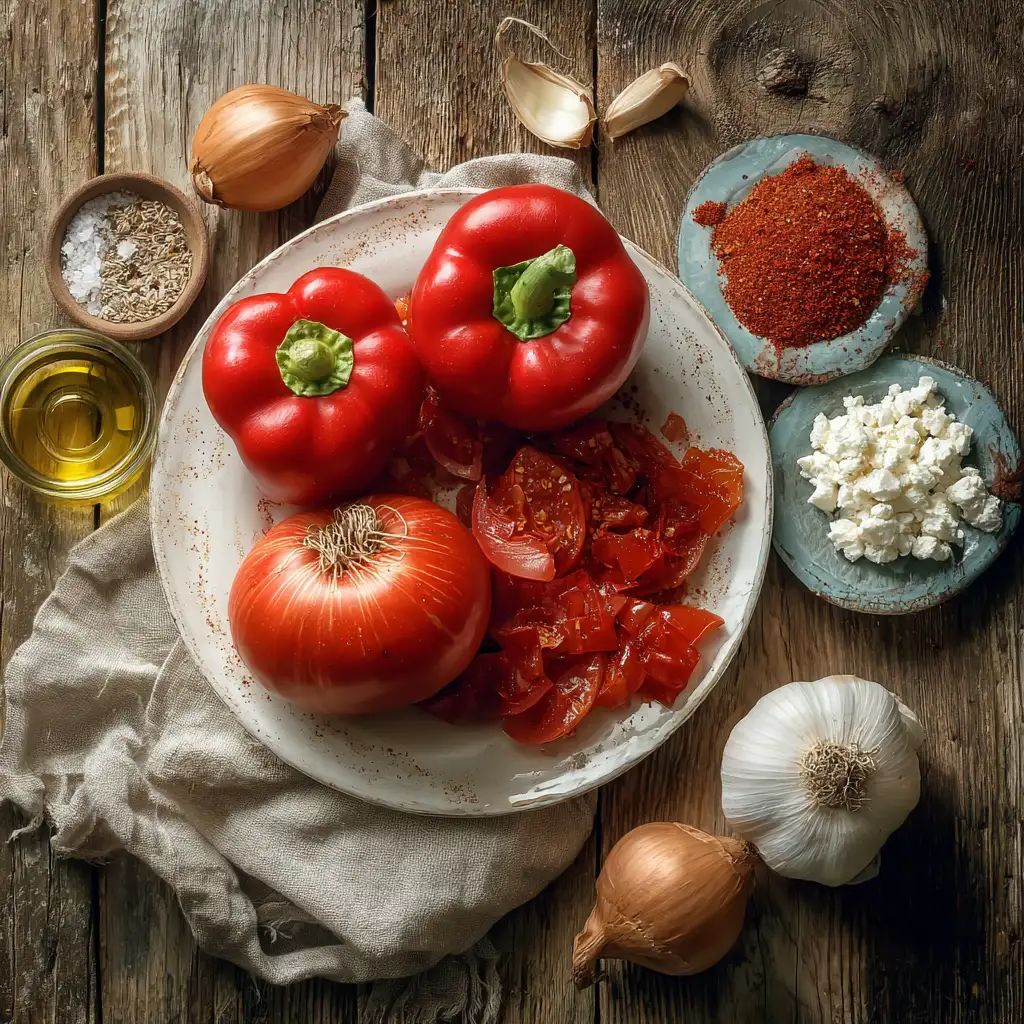
The foundation of any good shakshuka with feta is the tomato base. You can use fresh, ripe tomatoes if they are in season and bursting with flavor. However, high-quality canned whole peeled tomatoes or crushed tomatoes often work even better because they provide a consistent thickness and acidity. If you use fresh tomatoes, make sure to cook them down long enough so they release their juices and thicken into a jammy consistency. The sauce should be thick enough to hold the eggs in place without them sinking to the bottom of the pan immediately.
The Spice Palette
Spices are what give shakshuka with feta its signature warmth. Most recipes rely on a blend of cumin, smoked paprika, and sometimes a bit of chili powder or cayenne for heat. Cumin provides an earthy base, while smoked paprika adds a hint of woodsy depth that pairs beautifully with the charred peppers and onions. If you like things spicy, adding a spoonful of harissa paste can really wake up the dish. Don’t be afraid to be generous with the seasoning; the eggs and the cheese are both quite mild, so they need a bold sauce to stand against.
Vegetables and Aromatics
Bell peppers and onions are the classic aromatics used here. Red bell peppers are preferred for their sweetness, which balances the acidity of the tomatoes. You want to sauté these until they are soft and slightly caramelized. Garlic is also a non-negotiable addition; a few cloves of minced garlic added toward the end of the sautéing process will fill your kitchen with an incredible aroma. Some people like to add spinach or kale for extra greens, making the shakshuka with feta even more nutritious and colorful.
Step-by-Step Cooking Guide
Sautéing the Base

Start by heating a bit of olive oil in a large skillet over medium heat. Add your diced onions and peppers, cooking them until they are soft and translucent. This usually takes about eight to ten minutes. Once the vegetables are tender, add the garlic and your dry spices. Toasting the spices in the oil for a minute or two helps release their essential oils, making the shakshuka with feta much more fragrant. Be careful not to burn the garlic, as it can turn bitter and ruin the delicate balance of the sauce.
Simmering the Sauce
Next, pour in your tomatoes. If using whole canned tomatoes, use your wooden spoon to break them apart into smaller chunks. Let the mixture simmer gently for about 10 to 15 minutes. You are looking for the sauce to reduce slightly and thicken. This step is vital because a watery sauce will lead to soggy eggs. Taste the sauce as it simmers and add salt and pepper as needed. Remember that the feta will add saltiness later, so do not overdo it at this stage. The sauce should be rich, vibrant, and thick enough to hold a small well.
Poaching the Eggs Perfectly
Once the sauce is ready, use the back of a large spoon to make small indentations or wells in the tomato mixture. Crack an egg into each well. Cover the skillet with a lid and let it cook for about five to eight minutes. The goal is to have whites that are fully set but yolks that remain runny and golden. If you prefer your yolks firm, just leave the lid on for an extra two minutes. Watching the eggs cook through the glass lid is one of the most satisfying parts of making shakshuka with feta.
Serving Suggestions for Shakshuka with Feta
The Importance of Bread
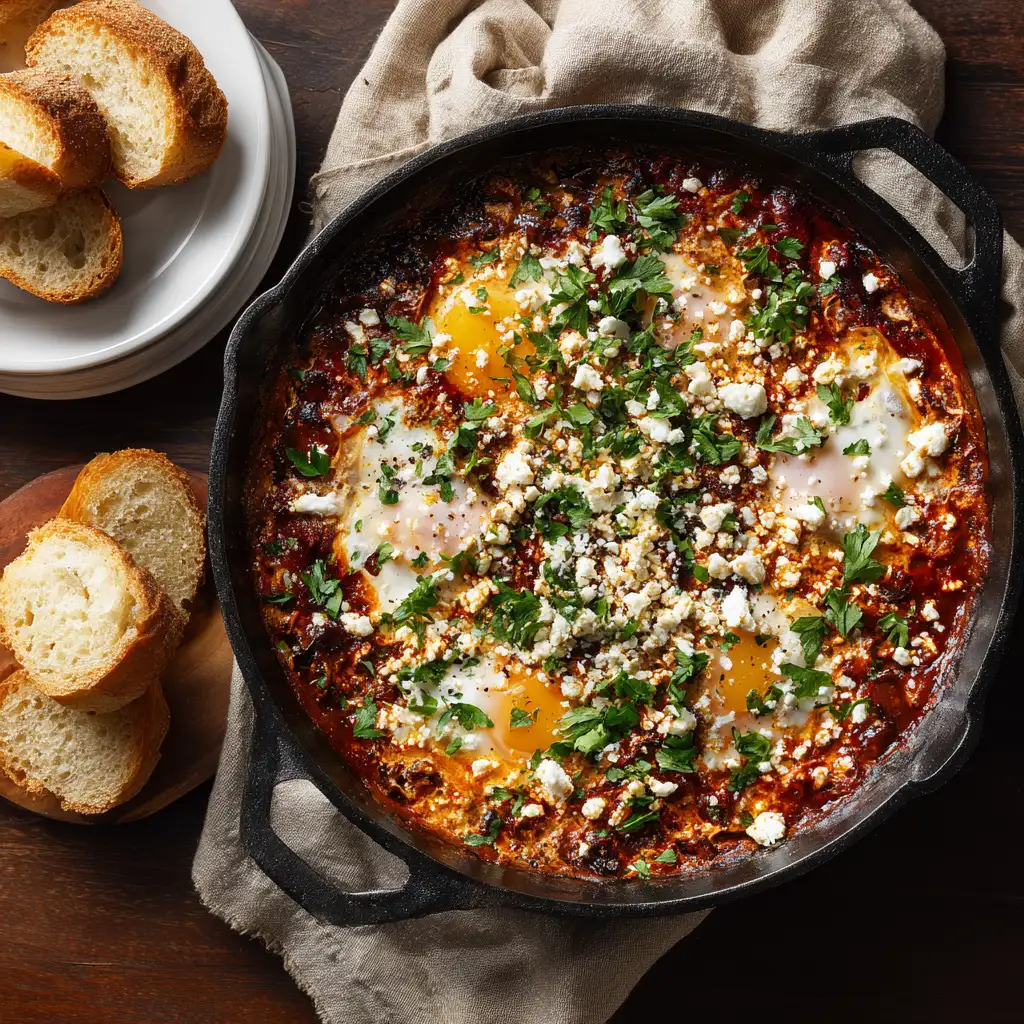
You cannot have shakshuka with feta without something to dip into those runny yolks and spicy sauce. Crusty sourdough, warm pita bread, or even thick slices of challah are traditional choices. If you want a more southern twist on your brunch, you might try serving it alongside butter swim biscuits to soak up every last drop of the tomato base. The bread acts as a vehicle for the sauce, making sure no flavor goes to waste. Toasting the bread with a bit of butter or olive oil beforehand adds an extra layer of crunch that goes great with the soft eggs.
Fresh Garnishes
Right before you bring the pan to the table, sprinkle the crumbled feta over the top. The residual heat will make the cheese slightly soft and gooey. Follow this with a handful of fresh herbs like parsley or cilantro. A squeeze of fresh lemon juice can also help brighten the flavors and cut through the richness. Some people even like to add a dollop of Greek yogurt or a drizzle of tahini on top of their shakshuka with feta for extra creaminess. These final touches make the dish look as good as it tastes.
Hosting a Brunch
Shakshuka with feta is a fantastic centerpiece for a group meal. Because it is served straight from the skillet, it has a rustic and communal feel that encourages everyone to dig in. If you are planning a large morning gathering, you might want to look at various Thanksgiving dessert ideas for inspiration on how to round out a holiday-themed brunch. Even though shakshuka is a savory star, having a sweet finish to the meal makes for a well-rounded hosting experience that your guests will love.
Health and Nutrition Benefits
A Nutrient-Dense Choice
One of the best things about shakshuka with feta is how healthy it is. It is packed with lycopene from the cooked tomatoes, which is a powerful antioxidant. The eggs provide high-quality protein and essential vitamins like B12 and D. Because it relies heavily on vegetables like peppers and onions, you are getting a good dose of fiber and vitamin C in every serving. It is a naturally gluten-free dish (provided you skip the bread or use a substitute), making it a versatile option for many different dietary needs.
Light and Satisfying
Unlike many heavy breakfast options that can leave you feeling sluggish, shakshuka with feta is quite light. It fills you up without the need for heavy meats or excessive fats. For those who are conscious about their digestion and feeling good after a meal, incorporating dishes like this can be very helpful. If you are looking for more ways to eat well, you might find some interesting tips in this guide on anti-bloat recipes that focus on whole, unprocessed ingredients. This dish fits perfectly into a lifestyle centered on fresh, vibrant foods.
Comparing Shakshuka Styles
While the tomato and feta version is the most common, there are many ways to adapt this recipe. Some people make green shakshuka using spinach, leeks, and heavy cream, while others add spicy sausage (using non-pig alternatives) to make it heartier. Below is a quick comparison of how the feta version stands up against other popular styles.
| Style | Primary Base | Key Topping | Flavor Profile |
|---|---|---|---|
| Classic Shakshuka | Tomato and Pepper | Fresh Parsley | Savory and Spicy |
| Shakshuka with Feta | Tomato and Pepper | Crumbled Feta | Tangy and Rich |
| Green Shakshuka | Spinach and Herbs | Goat Cheese | Earthy and Creamy |
| Spicy Harissa | Tomato and Harissa | Labneh | Bold and Fiery |
Common Mistakes to Avoid
Don’t Rush the Onions
The most common mistake when making shakshuka with feta is not cooking the vegetables long enough. If the onions and peppers are still crunchy when you add the tomatoes, they will stay crunchy throughout the whole process. Taking the extra five minutes to let them soften and brown slightly creates a much better texture and a sweeter, more developed flavor. Patience in the beginning stages pays off in the final result. You want the vegetables to melt into the sauce rather than stand out as hard bits.
Avoid Overcooking the Eggs
There is a very small window between a perfect runny egg and a hard-boiled one. Because the eggs continue to cook even after you take the pan off the heat, it is better to pull the skillet away from the stove when the whites are just barely set. If you wait until they look completely firm, they will likely be overdone by the time you sit down to eat. Keep a close eye on them during the final minutes and remember that the residual heat in the thick tomato sauce is very strong.
Using Low-Quality Feta
Since feta is a star ingredient, the quality matters. Try to find feta that is sold in brine rather than the pre-crumbled kind in a plastic tub. Feta in brine stays much moister and has a better flavor. Pre-crumbled cheese is often coated in anti-caking agents that can give it a chalky texture and prevent it from softening nicely in the heat of the shakshuka. A good block of sheep’s milk feta will provide that creamy, luxurious finish that makes shakshuka with feta so addictive.
FAQs
Can I make shakshuka with feta ahead of time?
You can definitely make the tomato and pepper base ahead of time! In fact, the flavors often improve after sitting in the fridge overnight. When you are ready to eat, simply reheat the sauce in a skillet, make your wells, and crack the eggs in. However, it is not recommended to cook the eggs ahead of time, as they do not reheat well and will lose their runny centers.
Is shakshuka with feta spicy?
The spice level is entirely up to you. The traditional version has a warm glow from the paprika and cumin but isn’t necessarily hot. If you want heat, you can add crushed red pepper flakes or fresh jalapeños. If you prefer it mild, stick to the basic spices and leave out the chili elements. The feta cheese also helps to mellow out any heat in the sauce.
What can I use instead of feta?
If you don’t have feta on hand, you can use goat cheese for a similar tangy effect. Some people also enjoy a few dollops of ricotta or even some shredded mozzarella, though mozzarella will melt much more than feta does. If you want to keep it traditional but don’t like sheep’s milk, look for a cow’s milk feta which is usually milder in flavor.
Conclusion
Shakshuka with feta is a beautiful, vibrant dish that proves you don’t need a lot of complicated ingredients to make a world-class meal. By combining simple pantry staples like canned tomatoes and eggs with the salty goodness of feta, you create a breakfast that is both comforting and exciting. Whether you are cooking for yourself on a quiet morning or serving a crowd at brunch, this recipe is sure to become a favorite. So, grab your favorite skillet, some fresh bread, and get ready to enjoy one of the best egg dishes the world has to offer!


1 thought on “5 Quick The Ultimate Guide to Making Perfect Shakshuka with Feta at Home Guide”