The tagine, a hallmark of North African cuisine, particularly Moroccan, represents more than just a dish; it is a cooking method, a specific type of earthenware pot, and a symbol of communal dining. These slow-cooked stews, known as tagine recipes, are renowned for their aromatic spices, tender ingredients, and complex flavor profiles. Far from being a mere cooking vessel, the tagine pot itself is integral to the unique taste and texture of the food prepared within it. This article will guide you through the intricacies of tagine cooking, from understanding the specialized pot to mastering a variety of delicious tagine recipes that showcase the richness of Moroccan culinary traditions.
Table of Contents
Understanding the Tagine Vessel
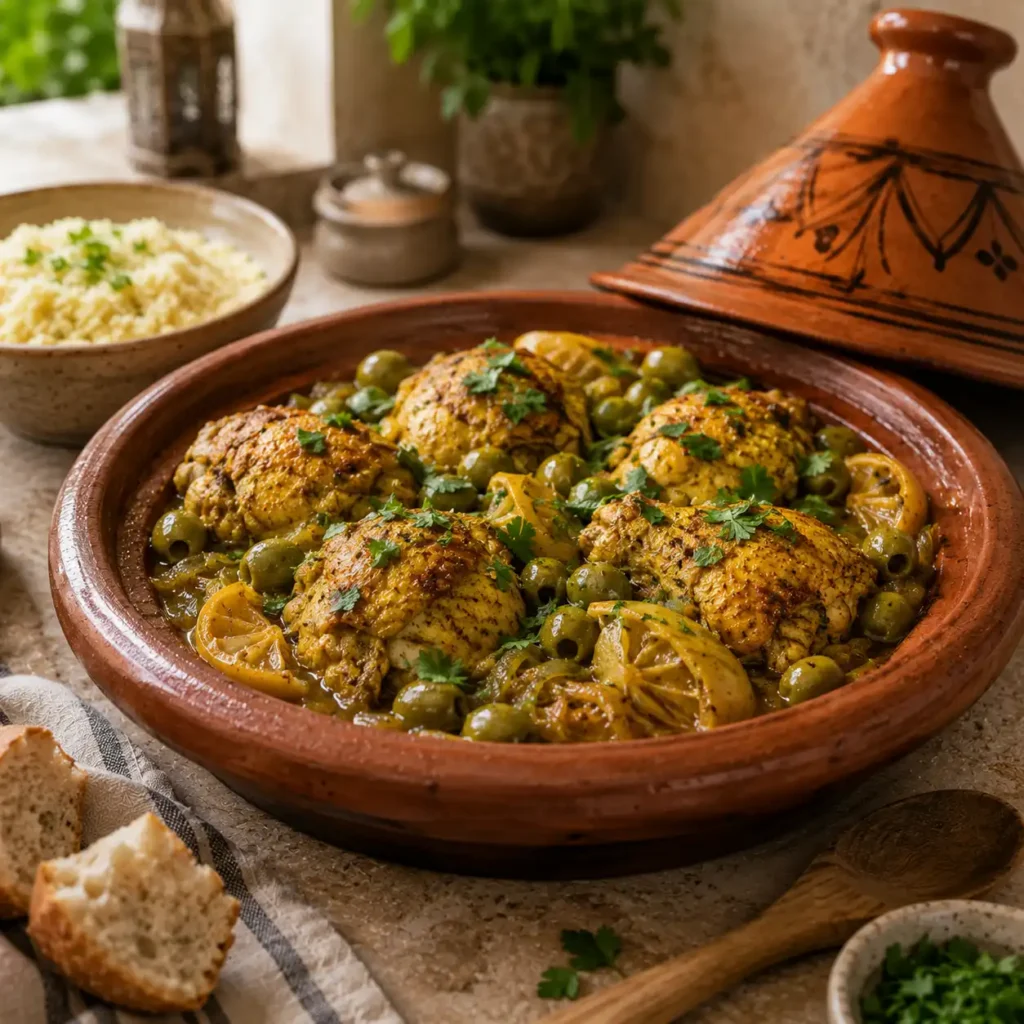
The tagine, as a piece of cookware, is instantly recognizable by its distinctive two-part construction: a shallow, wide base, and a tall, conical lid. This design is not merely decorative; it serves a crucial functional purpose in creating the unique environment for cooking many tagine recipes. Crafted traditionally from unglazed or glazed clay, the material and shape work together to braise food slowly and evenly, drawing out deep flavors.
The Clay Pot’s Design and Function
The conical lid of the tagine pot acts as a condenser. As steam rises from the ingredients simmering in the base, it collects on the cooler inner surface of the cone. Gravity then returns the condensed liquid to the base of the pot, creating a self-basting cycle. This process keeps the food exceptionally moist and tender, while concentrating the flavors of the spices and vegetables. This gentle, indirect heat allows ingredients to meld together over hours, a fundamental principle of traditional tagine cooking and many authentic tagine recipes. The heavy base also distributes heat evenly, preventing scorching and promoting a uniform cook.
Preparing Your Tagine for First Use
Before you embark on cooking your first of many tagine recipes, preparing a new clay tagine pot is crucial to its longevity and performance. Unglazed clay tagines require a seasoning process. First, submerge the base and lid in water for several hours, or even overnight, to allow the clay to absorb moisture. This prevents cracking during the initial heating. Next, drain the water, brush the interior of the base and the underside of the lid with olive oil, and place it in a cold oven. Heat the oven to a low temperature (around 300°F or 150°C) and let it bake for about two hours.
Turn off the oven and let the tagine cool completely inside. This process helps to strengthen the clay and creates a natural non-stick surface, making future tagine recipes even more enjoyable to prepare and clean.
Print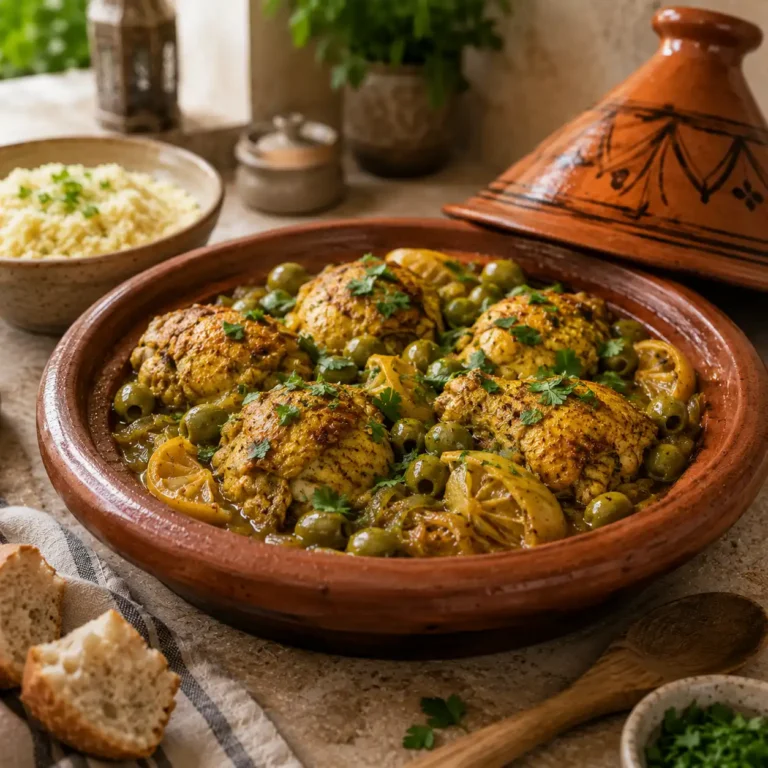
The World of Tagine Recipes: A Culinary Exploration
Tagine recipes are slow-cooked stews, celebrated for their aromatic spices, tender ingredients, and complex flavors. This culinary exploration focuses on the traditional North African tagine, a distinctive earthenware pot and cooking method integral to creating uniquely moist and flavorful dishes. It guides through understanding the vessel and mastering the art of tagine cooking.
- Total Time: 2 hours 55 minutes
- Yield: 4–6 servings 1x
Ingredients
- 1.5 lbs boneless, skinless chicken thighs, cut into large pieces
- 1 large onion, finely chopped
- 4 cloves garlic, minced
- 2-inch piece fresh ginger, grated
- 2 tbsp olive oil
- 1 tsp ground turmeric
- 1 tsp ground cumin
- 1 tsp sweet paprika
- Pinch of saffron threads (optional)
- 1 (14.5 oz) can diced tomatoes
- 1 cup chicken broth
- 1 preserved lemon, rinsed and quartered (seeds removed)
- 1/2 cup green olives, pitted
- 1/4 cup fresh cilantro, chopped
- 1/4 cup fresh parsley, chopped
- Salt and freshly ground black pepper to taste
Instructions
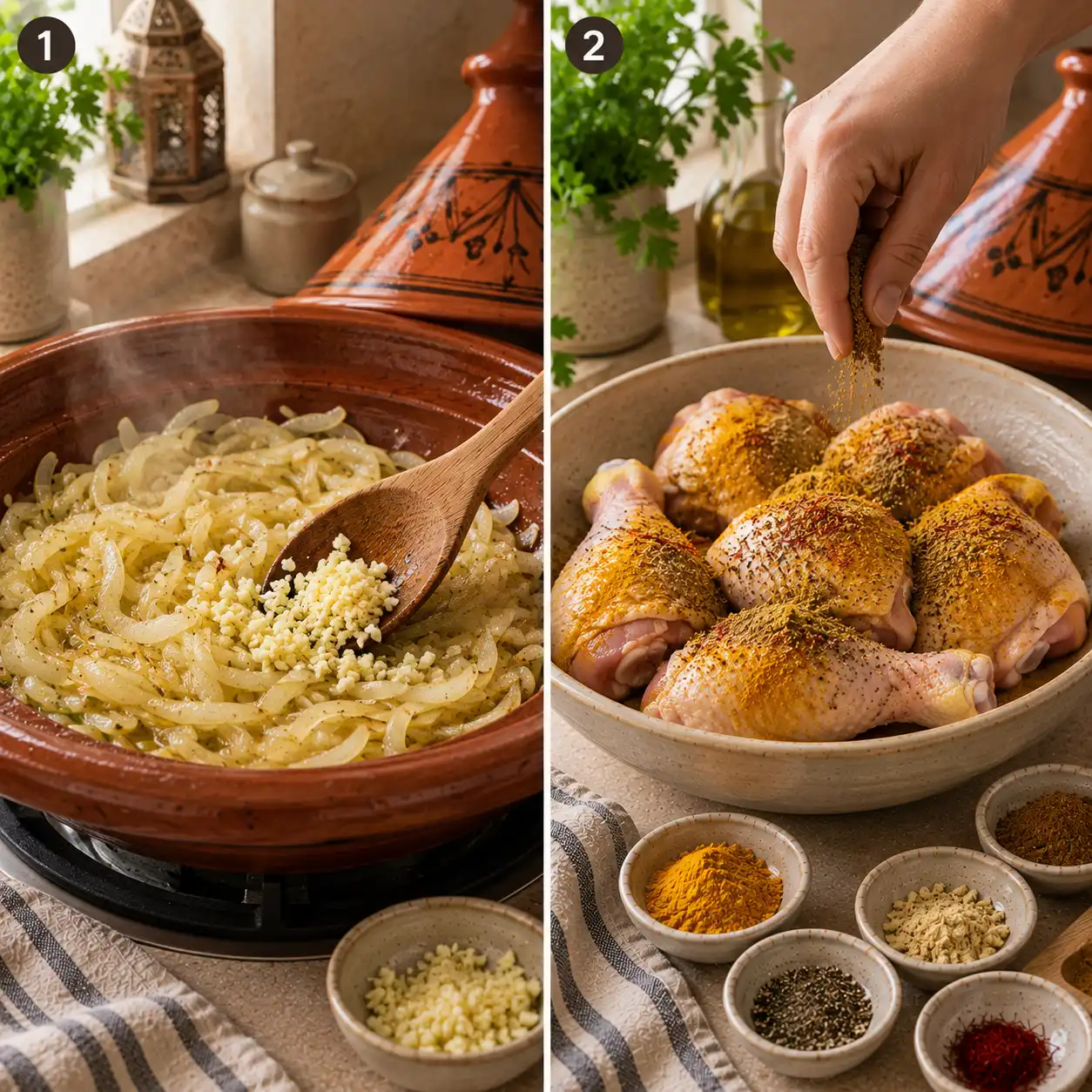
- Step 1: Prepare Chicken & Aromatics – Pat chicken dry and season with salt and pepper. Chop onion, mince garlic, and grate ginger.
- Step 2: Sauté Base – Heat olive oil in the base of your tagine over medium heat. Add chopped onion and cook until softened, about 5-7 minutes.
- Step 3: Add Aromatics – Stir in minced garlic and grated ginger, cooking for another minute until fragrant.
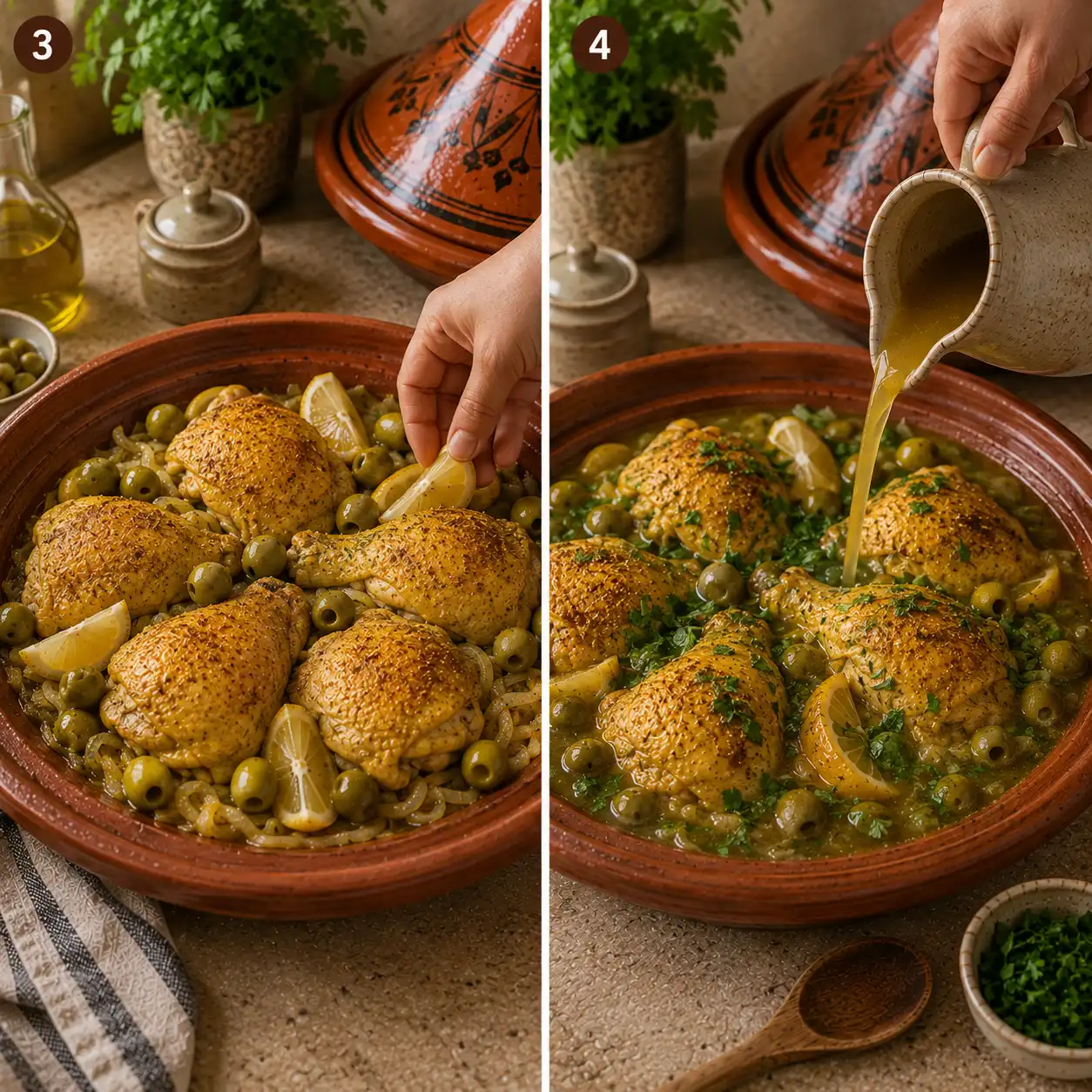
- Step 4: Brown Chicken – Add chicken pieces to the tagine base and brown lightly on all sides, about 5 minutes.
- Step 5: Spice It Up – Sprinkle in turmeric, cumin, paprika, and saffron (if using). Stir well to coat the chicken and aromatics.
- Step 6: Deglaze & Simmer – Pour in diced tomatoes and chicken broth. Scrape any browned bits from the bottom of the tagine. Add preserved lemon quarters and green olives.
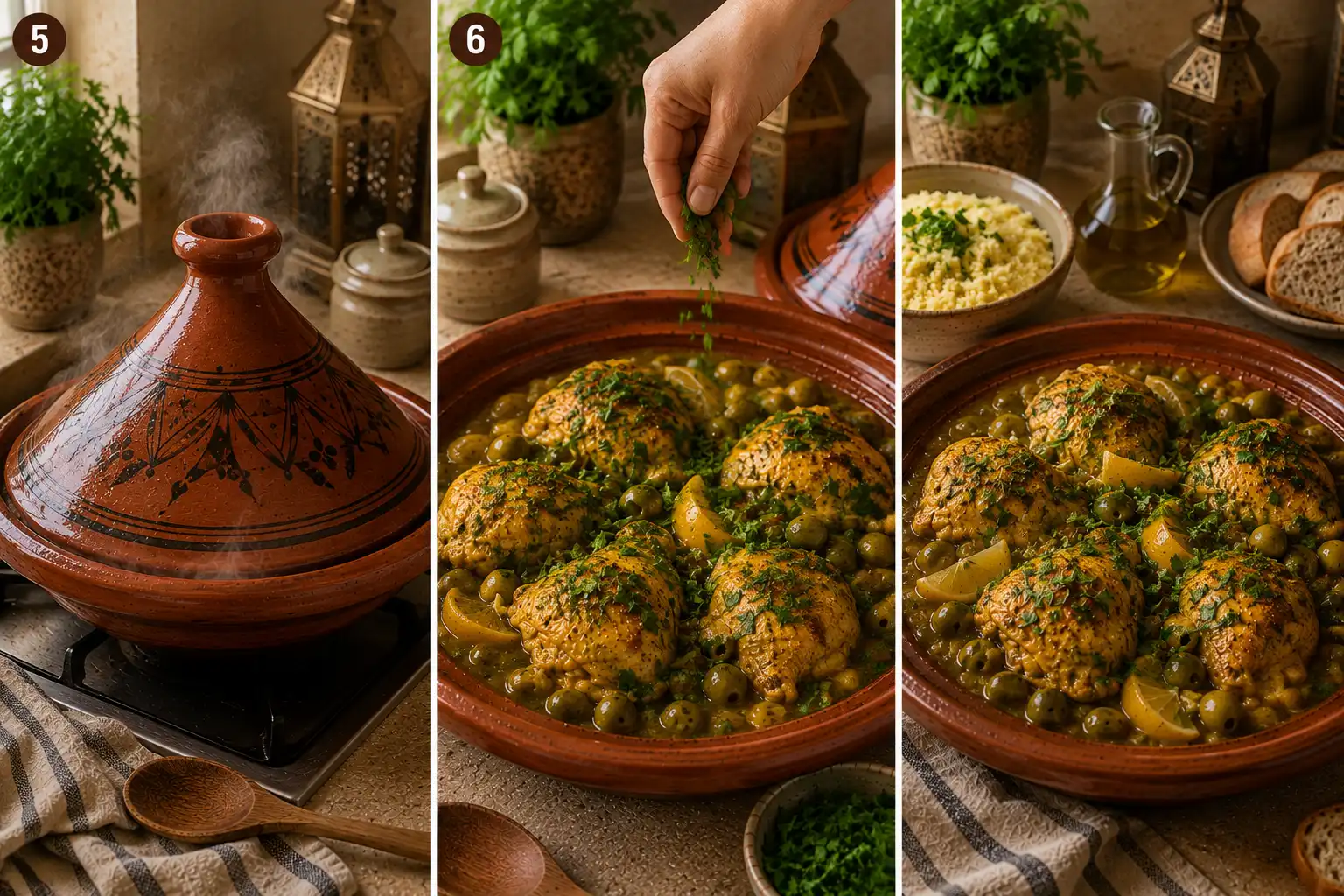
- Step 7: Slow Cook – Cover the tagine with its conical lid. Reduce heat to low and simmer for 2 to 3 hours, or until the chicken is exceptionally tender and the flavors have melded. Avoid lifting the lid frequently.
- Step 8: Finish & Serve – Remove from heat. Stir in fresh cilantro and parsley. Adjust seasoning if necessary. Serve hot, traditionally with couscous or crusty bread.
Notes
The tagine pot’s conical lid is designed to create a self-basting environment, keeping food moist and tender while concentrating flavors. For first use of an unglazed clay tagine, it is recommended to soak both parts in water for several hours (or overnight) then rub the inside of the base and lid with olive oil before baking in a low oven (around 300°F/150°C) for an hour. This ‘seasons’ the clay and prevents cracking.
- Prep Time: 25 minutes
- Cook Time: 2 hours 30 minutes
- Category: Main Dish
- Method: Slow Cooking, Braising
- Cuisine: Moroccan, North African
- Diet: Mediterranean-friendly
Nutrition
- Serving Size: 1 serving (approx. 350g)
- Calories: 450 kcal
- Sugar: 8 g
- Sodium: 500 mg
- Fat: 25 g
- Saturated Fat: 7 g
- Unsaturated Fat: 15 g
- Trans Fat: 0.1 g
- Carbohydrates: 20 g
- Fiber: 5 g
- Protein: 35 g
- Cholesterol: 120 mg
Keywords: tagine, Moroccan food, slow cooker, stew, North African cuisine, chicken tagine, clay pot
Essential Ingredients for Authentic Tagine Recipes
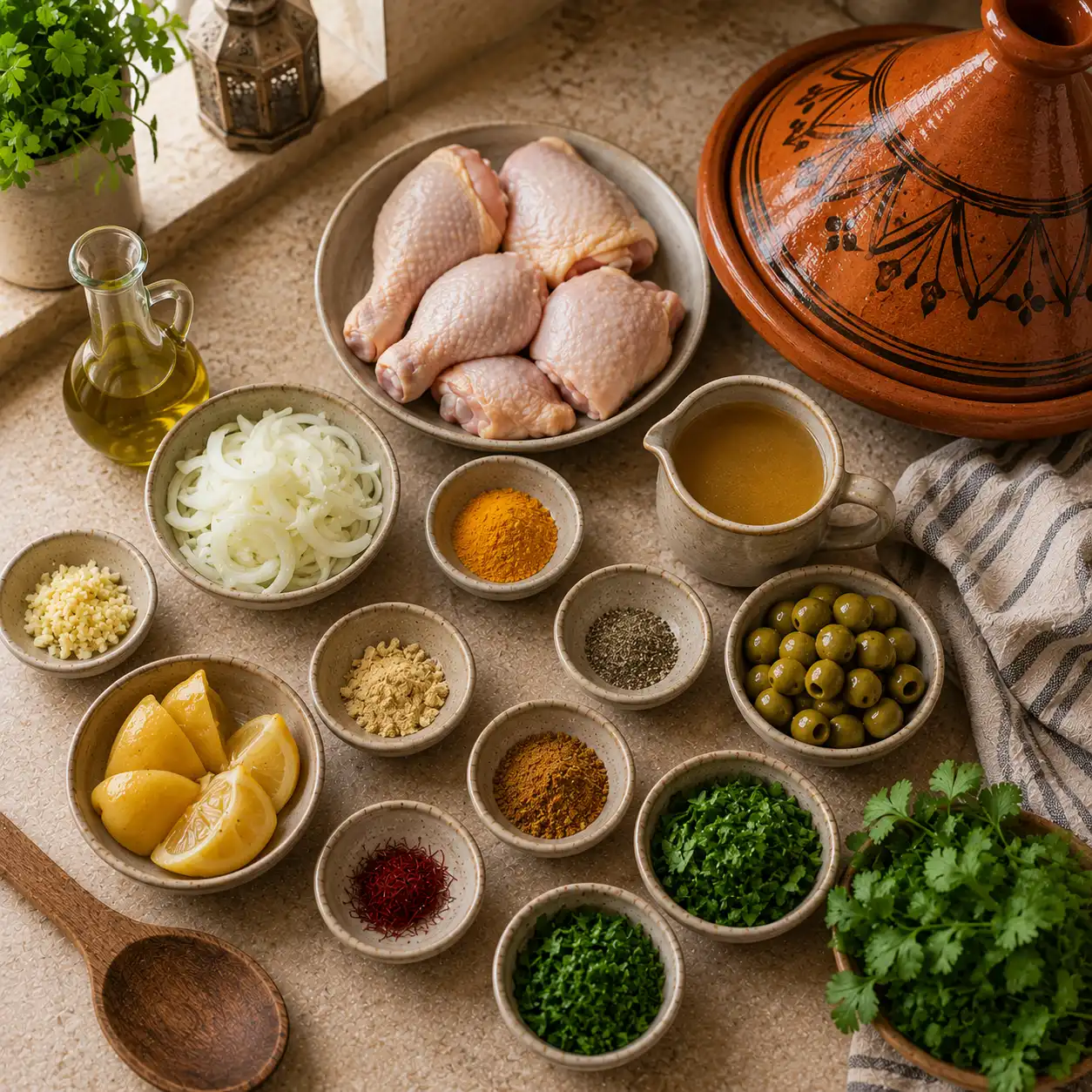
The foundation of remarkable tagine recipes lies in the thoughtful selection and combination of ingredients. Moroccan cuisine is celebrated for its vibrant spices, fresh produce, and often, a clever interplay of sweet and savory elements. Knowing the key components will allow you to construct authentic and delicious tagines that truly capture the spirit of this culinary heritage.
The Spice Blend Ras el Hanout and Beyond
Spices are the soul of most tagine recipes. While individual spices like cumin, coriander, turmeric, ginger, and saffron are indispensable, the complex blend known as Ras el Hanout often takes center stage. This proprietary blend, whose name means “head of the shop,” refers to the best spices a merchant has to offer, and can contain dozens of ingredients, including cardamom, cinnamon, cloves, nutmeg, and rosebuds. It adds a deeply aromatic and warm dimension to any tagine. Paprika, cayenne, and black pepper also frequently make an appearance, building layers of flavor and sometimes a gentle heat.
Aromatic Foundation Onions, Garlic, and Herbs
Just as important as the spices are the fresh aromatics that form the base of many tagine recipes. Sautéed onions, often red or yellow, provide a sweet foundation as they caramelize slowly. Minced garlic lends its pungent depth, complementing the various spice combinations. Fresh herbs, particularly parsley and cilantro, are typically added generously, both at the beginning of cooking to infuse flavor and at the end as a fresh garnish. These simple, fresh ingredients act as a bridge between the robust spices and the main components of the dish, creating a balanced flavor profile.
Proteins and Vegetables Common Pairings
Tagine recipes are incredibly versatile when it comes to proteins and vegetables. Common protein choices include chicken, lamb, beef, or various types of fish and seafood. Chicken, for instance, cooks beautifully in a tagine, absorbing the rich flavors of the broth and spices. You can find inspiration for preparing poultry in many chicken dish recipe options, ensuring your tagine is packed with succulent meat.
For those preferring plant-based meals, chickpeas, lentils, and a wide array of vegetables are frequently used. Root vegetables such as carrots, potatoes, and sweet potatoes are popular, as are zucchini, eggplant, and various types of squash. Olives and preserved lemons are almost iconic additions, contributing briny, salty, and tangy notes that are characteristic of classic tagine recipes.
Popular Tagine Recipes to Master
The diversity of tagine recipes is vast, reflecting the regional variations and ingredient availability across Morocco. From rich, savory meat dishes to light, vibrant vegetarian options, there is a tagine for every palate. Mastering a few key recipes will provide a solid foundation for further culinary experimentation within this delightful cooking tradition.
Classic Chicken Tagine with Preserved Lemon and Olives
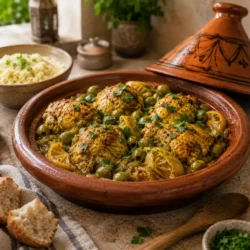
This is arguably one of the most famous and beloved tagine recipes. It features tender chicken pieces, often bone-in thighs or drumsticks, slow-cooked with a fragrant blend of saffron, ginger, turmeric, and black pepper. The distinctive briny flavor comes from preserved lemons, which soften and release their bright tang during cooking, while green or purple olives add a pleasant saltiness. A generous amount of fresh cilantro and parsley completes the flavor profile, making this a truly aromatic and satisfying dish. It’s a wonderful introduction to the authentic taste of Moroccan cooking.
Hearty Lamb or Beef Tagine with Prunes and Apricots
For a richer, more substantial meal, a lamb or beef tagine with dried fruits is an excellent choice. This version of tagine recipes typically incorporates succulent cuts of lamb shoulder or beef short ribs, which become incredibly tender after hours of slow cooking. The dried prunes and apricots lend a natural sweetness and chewiness, beautifully contrasting with the savory meat and spices like cinnamon, ginger, and turmeric. Often garnished with toasted sesame seeds and blanched almonds, this tagine offers a delightful balance of sweet, savory, and nutty flavors, a true celebratory dish in Moroccan culinary tradition.
Flavorful Vegetarian Tagine with Chickpeas and Roasted Vegetables
Tagine recipes are not exclusively meat-centric. A vegetarian tagine can be just as satisfying and flavorful, packed with a medley of garden-fresh vegetables and legumes. This dish might include chickpeas for protein and texture, alongside roasted vegetables such as carrots, zucchini, bell peppers, eggplant, and tomatoes. Spices like cumin, coriander, paprika, and a touch of chili create a warm, inviting aroma. A splash of vegetable broth and a handful of fresh herbs contribute to a deeply savory and nutritious meal. It’s an excellent way to prepare a healthful, anti-inflammatory recipes option, focusing on plant-based ingredients and flavorful spices.
Seafood Tagine: A Coastal Delight
While often associated with meat, tagine recipes from coastal regions of Morocco frequently feature fresh seafood. Varieties like firm white fish (cod, snapper), shrimp, or even calamari can be used. The seafood is typically simmered in a vibrant sauce made with tomatoes, bell peppers, preserved lemons, olives, and a spicy chermoula paste, a blend of herbs, garlic, olive oil, and spices like paprika and cumin. This lighter tagine cooks more quickly than its meat counterparts and offers a fresh, piquant flavor that is distinct from the sweeter, richer lamb or chicken versions. It’s a testament to the versatility of tagine cooking.
The Art of Cooking Tagine Recipes
Cooking tagine recipes correctly is not just about combining ingredients; it is about understanding the method. The unique design of the tagine pot facilitates a particular style of cooking that is both gentle and deeply flavorful. Mastering this art means respecting the low and slow approach, carefully layering ingredients, and knowing how to serve the finished dish for the best experience.
Low and Slow Cooking Philosophy
The core principle behind all successful tagine recipes is low and slow cooking. The tagine thrives on gentle, consistent heat, allowing flavors to meld gradually and ingredients to tenderize without breaking down excessively. This method means cooking over a very low flame on a stovetop, or in a moderate oven. Patience is key; rushing the process will not yield the same depth of flavor or the desired tender, succulent texture. This slow simmering allows the spices to fully bloom and permeate every component of the dish, resulting in a complex and harmonious taste.
Layering Ingredients for Maximum Flavor
Proper layering of ingredients is critical in tagine recipes to ensure even cooking and maximum flavor development. Typically, a bed of onions and garlic forms the base, providing a flavorful cushion and preventing scorching. Meat, if used, is usually placed next, allowing it to brown slightly and absorb foundational flavors. Harder vegetables like carrots or potatoes come next, as they require more cooking time. Softer vegetables, dried fruits, and herbs are often added towards the end to retain their texture and freshness. This strategic arrangement helps each ingredient cook perfectly while contributing to the overall rich taste.
Serving Suggestions and Accompaniments
Tagine recipes are traditionally served directly from the pot, placed in the center of the table for communal dining. This presentation adds to the experience, keeping the food warm and aromatic. The most common accompaniment is couscous, a staple grain in North Africa, which readily soaks up the tagine’s rich sauce. Crusty bread, such as khobz (Moroccan flatbread), is also perfect for scooping up the flavorful stew.
For a lighter contrast, simple side salads, perhaps dressed with lemon and olive oil, are often served. Incorporating dishes rich in various components, such as a vegetable-heavy tagine alongside a green salad, can also contribute to a diet of high fiber foods for weight loss, offering both satiety and nutrients. The overall experience of sharing a tagine is as important as the dish itself.
FAQs
What kind of meat works best in tagine recipes?
Lamb, beef, and chicken are among the most popular choices for tagine recipes. Lamb shoulder, beef chuck, or bone-in chicken pieces (thighs, drumsticks) work well because they become incredibly tender during the long, slow cooking process characteristic of a tagine. Fish and seafood also make excellent tagines, especially those from coastal regions, offering a lighter option.
Can I make tagine recipes without a tagine pot?
Yes, you can certainly prepare delicious tagine recipes without the traditional pot. A Dutch oven or any heavy-bottomed pot with a tight-fitting lid will work as an effective substitute. The key is to mimic the tagine’s ability to simmer slowly and retain moisture. Cook on a low heat setting on the stovetop or in a moderate oven to achieve similar results, though the unique self-basting action of the conical lid is distinct to the traditional tagine.
How long do tagine recipes take to cook?
Cooking times for tagine recipes vary depending on the protein and vegetable components. Meat-based tagines (lamb, beef, chicken) typically require 1.5 to 3 hours of slow simmering to achieve optimal tenderness. Vegetarian tagines, particularly those with quicker-cooking vegetables, might be ready in 45 minutes to an hour. The philosophy is always low and slow, so allow ample time for flavors to develop fully.
What is Ras el Hanout?
Ras el Hanout is a complex and aromatic Moroccan spice blend, often considered the signature spice for many Moroccan food preparations, including tagine recipes. Its name translates to “head of the shop,” implying it contains the finest spices a merchant has to offer. The blend can include anywhere from 10 to over 30 individual spices, such as cardamom, cinnamon, cloves, nutmeg, mace, ginger, turmeric, and dried rosebuds, creating a warm, fragrant, and subtly sweet-spicy flavor profile.
Conclusion
Tagine recipes offer a gateway into the vibrant and deeply flavorful culinary landscape of Morocco. From the practical brilliance of the tagine pot itself to the aromatic symphony of spices and fresh ingredients, each dish tells a story of tradition and hospitality. Whether you choose a classic chicken and preserved lemon, a hearty lamb and prune, or a colorful vegetarian variation, the principles of low and slow cooking will produce a meal that is both comforting and exotic.
Discovering these rich flavors and preparing these unique stews in your own kitchen is a rewarding experience, connecting you to centuries of culinary artistry and the warmth of North African culture.