Have you ever finished a large meal only to feel your stomach rumbling again just an hour later? It is a common frustration when you are trying to shed some pounds. Most of us have been taught that eating less is the only way to succeed, but the secret often lies in eating more of the right things. By focusing on high fiber foods for weight loss, you can fill your plate with volume and nutrients that keep you satisfied. This shift makes the journey feel less like a chore and more like a sustainable lifestyle change.
Table of Contents
The Connection Between Fiber and Your Waistline
When we talk about high fiber foods for weight loss, we are looking at a unique type of carbohydrate that the body cannot actually digest. Unlike sugars and starches that are broken down into calories, fiber passes through your system mostly intact. This process slows down digestion, which is a huge benefit for anyone trying to control their appetite. When food moves slower through your digestive tract, your brain receives signals that you are full for a longer period of time, helping you avoid those impulsive snacks that often derail progress.
Improving Satiety Naturally
Satiety is the feeling of being full and satisfied after eating. High fiber foods for weight loss are masters at creating this feeling because they take up more physical space in your stomach. Imagine eating a small handful of gummy candies versus two large bowls of fresh spinach. Both might have the same number of calories, but the spinach contains massive amounts of fiber and water. This bulk triggers stretch receptors in your stomach that tell your nervous system to stop hunting for food. It is a natural way to lower your overall calorie intake without counting every single morsel.
Managing Blood Sugar Spikes
One of the hardest parts of losing weight is dealing with the “energy roller coaster.” When you eat refined carbs, your blood sugar shoots up and then crashes, leaving you tired and hungry. Fiber acts like a buffer, slowing down the absorption of sugar into your bloodstream. This steady energy helps you stay focused and prevents the insulin spikes that encourage the body to store fat. By choosing high fiber foods for weight loss, you keep your internal chemistry balanced, making it much easier to stick to your healthy eating goals over the long haul.
Print
High-Fiber Mediterranean Quinoa Bowl
A vibrant and filling bowl designed to maximize satiety and support weight loss goals using nutrient-dense, high-fiber staples like quinoa and black beans.
- Total Time: 15 minutes
- Yield: 1 serving 1x
Ingredients
- 1 cup cooked white quinoa
- 1/2 cup canned black beans, drained and rinsed
- 2 cups fresh baby spinach
- 1/2 medium avocado, sliced
- 1 tablespoon chia seeds
- 1/4 cup fresh blueberries
- 1 tablespoon extra virgin olive oil
- 1 tablespoon fresh lemon juice
- 1/4 teaspoon sea salt
- 1/4 teaspoon cracked black pepper
Instructions
- Step 1: Prepare Base – Place the fresh baby spinach and cooked quinoa into a large serving bowl.
- Step 2: Add Legumes – Layer the rinsed black beans over the quinoa to add plant-based protein.
- Step 3: Add Healthy Fats – Arrange the sliced avocado on top to provide creamy texture and satiety.
- Step 4: Incorporate Superfoods – Sprinkle the chia seeds and fresh blueberries evenly over the bowl.
- Step 5: Mix Dressing – In a small container, whisk together the olive oil, lemon juice, salt, and pepper.
- Step 6: Dress Bowl – Drizzle the prepared lemon-olive oil dressing over the fresh ingredients.
- Step 7: Serve – Toss gently with a fork to combine all flavors and serve immediately.
Notes
You can prep the quinoa in advance to make this a 10-minute meal. For extra crunch, add sliced cucumbers.
- Prep Time: 10 minutes
- Cook Time: 5 minutes
- Category: Main Dish
- Method: Assembly
- Cuisine: Mediterranean
- Diet: Vegan
Nutrition
- Serving Size: 1 bowl
- Calories: 525 kcal
- Sugar: 6g
- Sodium: 590mg
- Fat: 29g
- Saturated Fat: 4g
- Unsaturated Fat: 25g
- Trans Fat: 0.01g
- Carbohydrates: 58g
- Fiber: 19g
- Protein: 16g
- Cholesterol: 1mg
Types of Fiber You Need to Know
Not all fiber is the same, and understanding the two main types can help you plan your meals better. Soluble fiber dissolves in water to form a gel-like substance. This gel is what slows down digestion and helps lower cholesterol levels. On the other hand, insoluble fiber does not dissolve; it adds bulk to your stool and helps food move through your digestive system quickly. Both are essential, and most whole plants contain a mix of both, which is why a varied diet is so effective for health.
The Power of Soluble Fiber
Soluble fiber is particularly famous for its role in heart health and weight management. Because it turns into a thick gel in your gut, it creates a barrier that slows the entry of glucose and fats into the body. This is why foods like beans and oats are so highly recommended. They provide a steady stream of nutrients rather than a sudden flood. Incorporating these high fiber foods for weight loss ensures that you are supporting your metabolic health while also keeping your hunger hormones in check throughout the afternoon.
The Role of Insoluble Fiber
Insoluble fiber is often called “roughage.” Its main job is to keep things moving and prevent constipation, which can often be a side effect of high-protein diets. While it may not have the same gel-forming properties as soluble fiber, it is vital for a healthy gut microbiome. A happy gut is a key component of successful weight management, as modern research suggests that our gut bacteria play a major role in how we store fat and process energy. High fiber foods for weight loss that are rich in insoluble fiber include whole wheat, nuts, and the skins of many vegetables.
Best High Fiber Fruits for Shedding Weight
Fruit often gets a bad reputation in some weight loss circles because it contains natural sugar. However, when you eat the whole fruit, you are getting a package deal that includes water and fiber. This combination prevents the sugar from hitting your system too fast. Berries are some of the best high fiber foods for weight loss because they are incredibly nutrient-dense and low in calories. A single cup of raspberries provides about 8 grams of fiber, which is a significant portion of your daily requirement.
Apples and Pears
Apples and pears are convenient, portable, and packed with pectin, a type of soluble fiber. To get the most benefit, you should always eat the skin, as that is where the majority of the fiber lives. These fruits require a lot of chewing, which actually helps your brain register that you are eating, further aiding in satiety. Adding these high fiber foods for weight loss to your lunch bag can prevent the mid-afternoon slump that often leads people to the vending machine for a processed snack.
Avocados: The Fiber Surprise
Many people think of avocados only as a source of healthy fats, but they are actually one of the most powerful high fiber foods for weight loss available. Half of an avocado contains roughly 6 to 7 grams of fiber. The combination of healthy fats and high fiber makes avocado one of the most satiating foods on the planet. Whether you spread it on whole-grain toast or add it to a salad, it helps you stay full for hours, which is the ultimate goal when you are trying to reduce your daily calorie count.
Vegetables That Fill You Up Fast
Vegetables should be the foundation of any weight loss plan because they allow you to eat a large volume of food for very few calories. Cruciferous vegetables like broccoli, cauliflower, and Brussels sprouts are particularly effective. They are tough and fibrous, meaning your body has to work harder to break them down, which can slightly increase your calorie burn during digestion. These high fiber foods for weight loss are also packed with vitamins and minerals that support your overall well-being during a deficit.
The Versatility of Cauliflower
Cauliflower has become a superstar in the world of healthy eating because it can mimic the texture of higher-calorie grains. Many people ask is cauliflower rice good for you when they are looking to cut back on white rice, and the answer is a definite yes. It provides the bulk and texture you crave in a meal while significantly increasing your fiber intake. By swapping out starch for this fiber-rich vegetable, you can enjoy larger portions while still moving closer to your weight goals.
Root Vegetables and Sweet Potatoes
Don’t be afraid of starchy vegetables like sweet potatoes. They are excellent high fiber foods for weight loss because they contain resistant starch, which feeds healthy gut bacteria. If you have a sweet tooth, choosing fiber-dense ingredients in your treats can make a huge difference. For example, you might try making a sweet potato brownie with peanut butter to satisfy your cravings while still getting a good dose of fiber and plant-based nutrients that support your health journey.
Legumes and Beans: The Satiety Superstars
If there is one food group that stands above the rest for weight management, it is legumes. Beans, lentils, and chickpeas are unique because they are high in both fiber and protein. This “double threat” is incredibly effective at keeping you full. Research published by the Harvard T.H. Chan School of Public Health notes that people who eat more fiber tend to have an easier time maintaining a healthy weight over several years. Legumes are an affordable and versatile way to meet these goals.
Lentils and Chickpeas
Lentils are easy to cook and don’t require soaking, making them a great weeknight staple. They are fantastic in soups and stews, where they act as a natural thickener. Chickpeas, also known as garbanzo beans, can be roasted for a crunchy snack or tossed into a salad. These high fiber foods for weight loss provide a slow release of energy, which is perfect for keeping you fueled for your workouts without feeling heavy or bloated.
Black Beans and Kidney Beans
Black beans and kidney beans are staples in many cuisines for a reason. They are packed with antioxidants and fiber that help protect your heart while you lose weight. Adding black beans to a morning omelet or a lunchtime bowl can increase the fiber content of your meal by 15 grams or more per cup. When you prioritize these high fiber foods for weight loss, you find that you naturally eat less of the more calorie-dense items on your plate because you are simply too full to continue.
Grains and Seeds for Long-Term Success
While many people try to go “carb-free” for weight loss, including high-fiber whole grains can actually make the process easier. The key is to avoid refined grains like white bread and white pasta, which have had their fiber stripped away. Whole grains like barley, quinoa, and oats retain the bran and germ, providing the nutrients your body needs to function. These high fiber foods for weight loss help keep your digestion regular and your energy levels stable throughout the day.
Oats and Barley
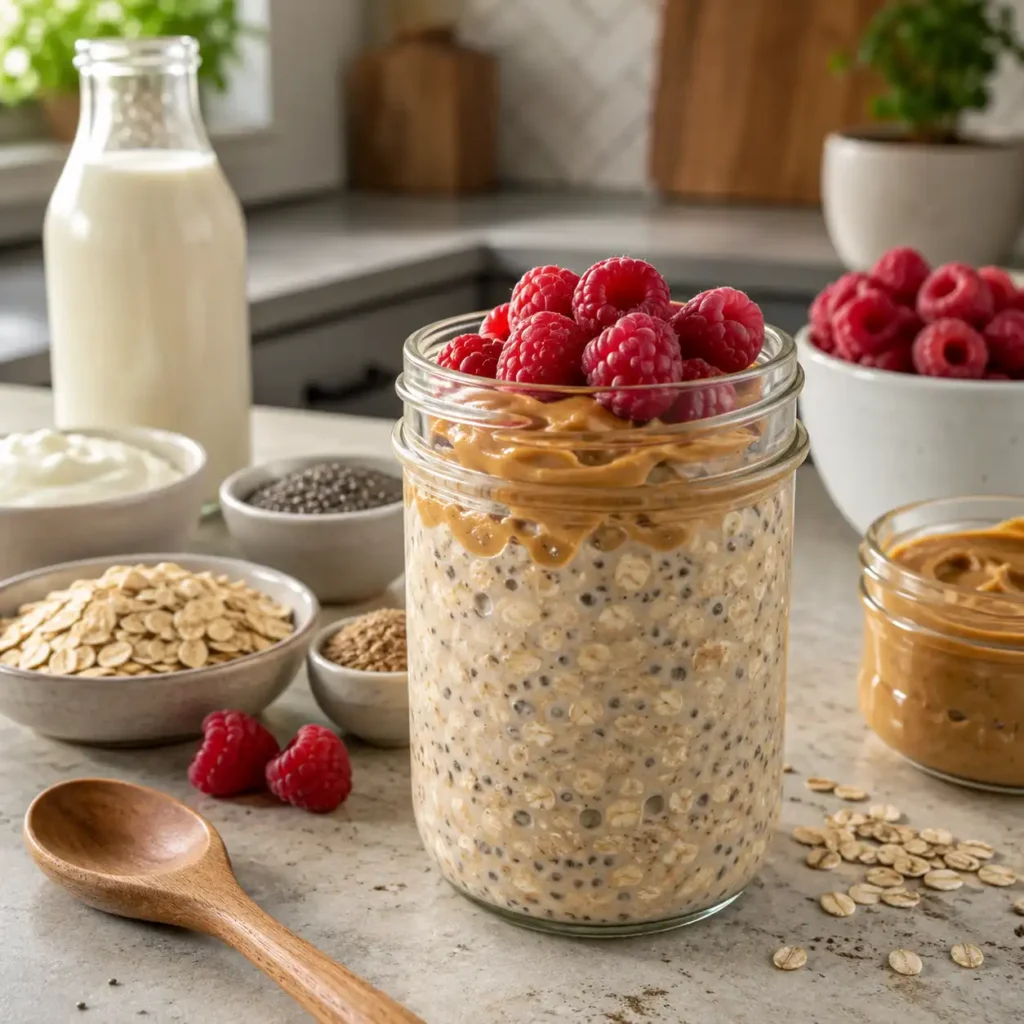
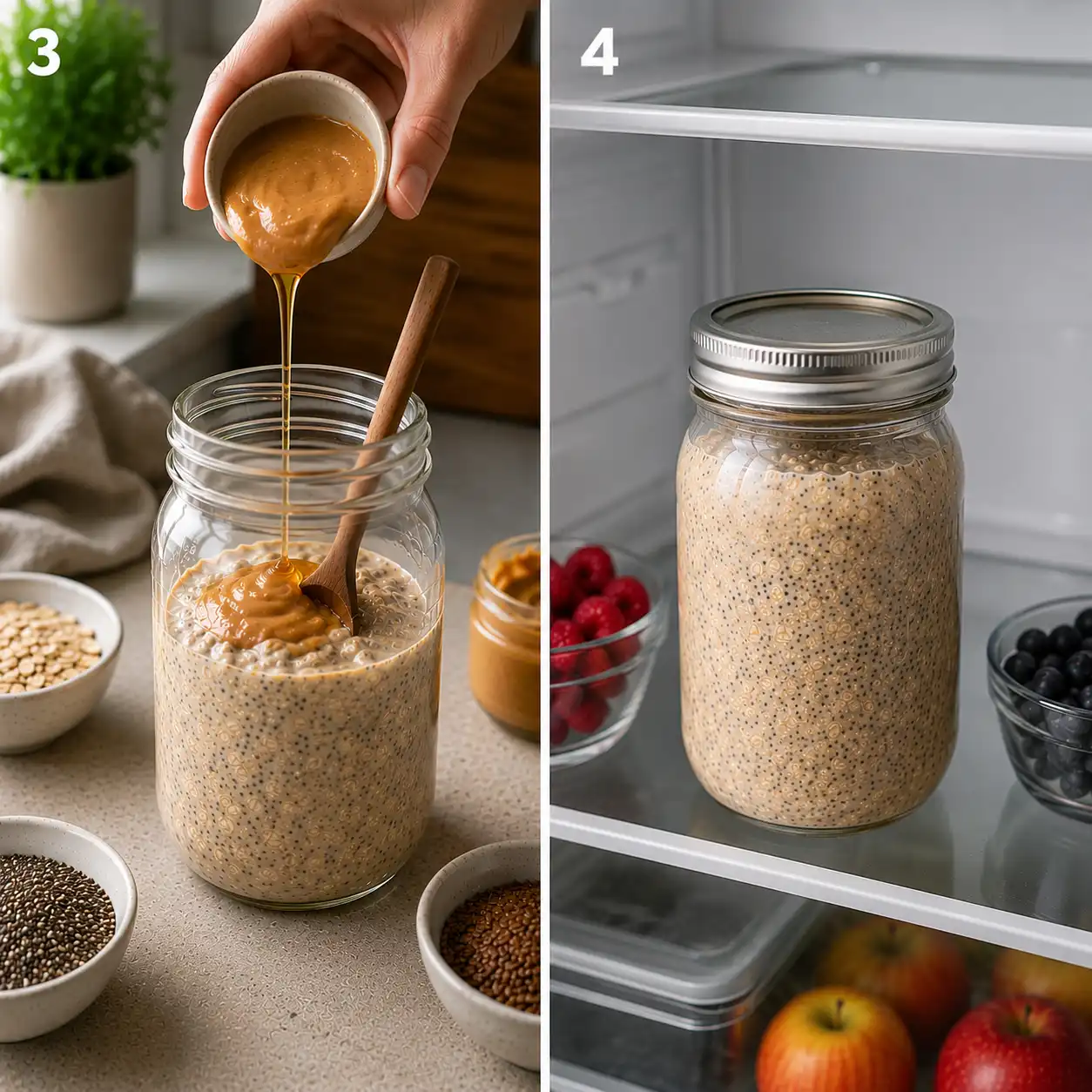
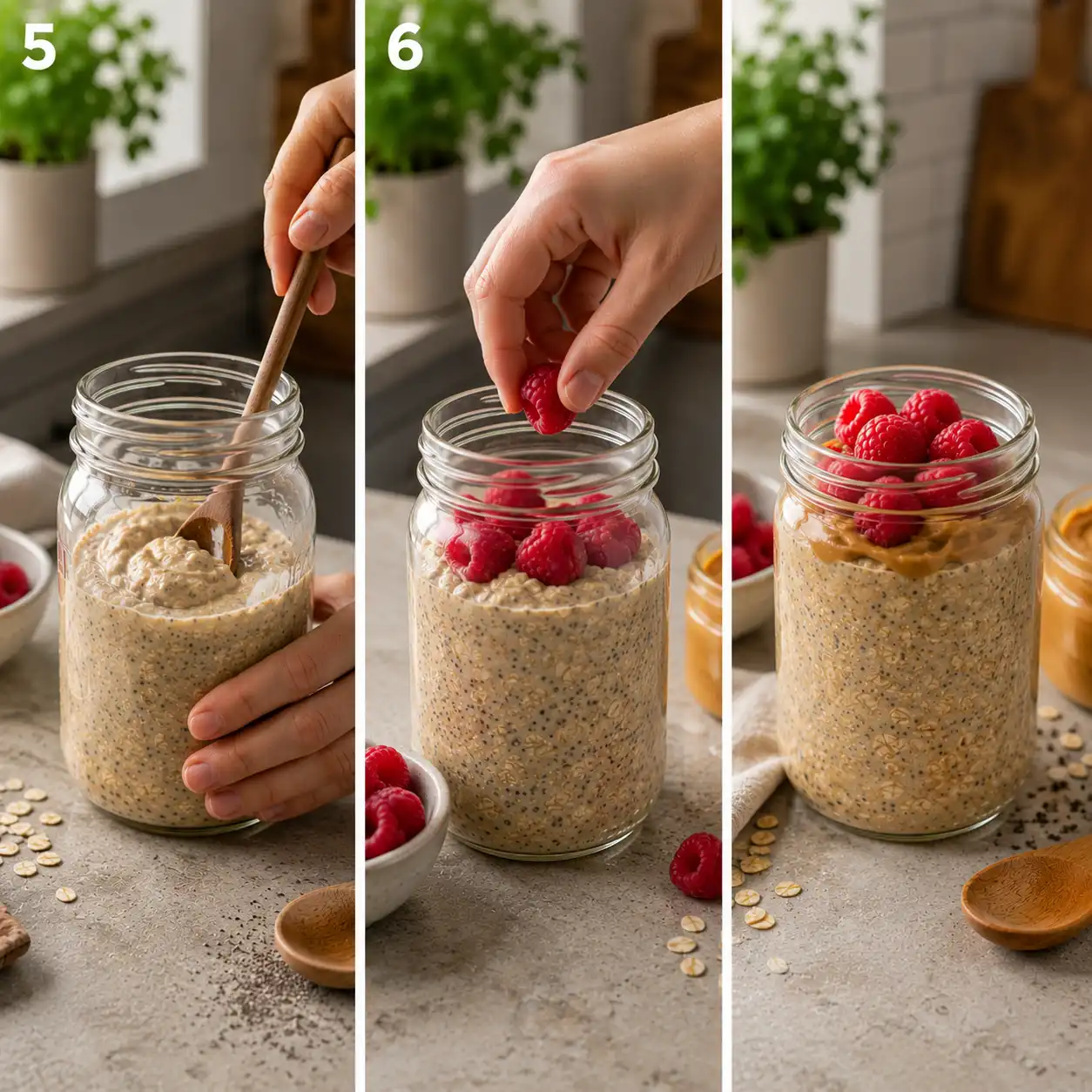
Oats are a classic breakfast choice for anyone looking to improve their health. They contain a specific type of soluble fiber called beta-glucan, which has been shown to improve insulin sensitivity and lower cholesterol. Starting your morning with peanut-butter-overnight-oats-recipes is a brilliant strategy. This meal provides a perfect balance of fiber, healthy fats, and protein, ensuring that you won’t be reaching for a donut or a sugary coffee drink by 10:00 AM.
The Magic of Chia and Flaxseeds
Seeds are tiny but mighty when it comes to fiber. Chia seeds, in particular, can absorb up to ten times their weight in water, turning into a gel that fills your stomach. Using recipes like the dr-william-li-diabetes-chia-seed-recipe can help you integrate these powerful seeds into your daily routine. Flaxseeds are also excellent, though they should be ground to ensure your body can absorb the nutrients. Adding a tablespoon of these to your smoothie or yogurt is an easy way to boost the fiber count of any meal.
Comparing High Fiber Foods for Weight Loss
To help you decide which foods to add to your grocery list, it is helpful to see how they compare in terms of fiber content. The following table highlights some of the most effective options for anyone focusing on their health and weight goals. Remember that the goal is to reach about 25 to 30 grams of fiber per day, though many health experts suggest even more for maximum benefits.
| Food Item | Serving Size | Fiber Content (Grams) | Primary Benefit |
|---|---|---|---|
| Raspberries | 1 Cup | 8.0g | Low calorie, high antioxidants |
| Lentils (Cooked) | 1 Cup | 15.5g | High protein and fiber combo |
| Black Beans | 1 Cup | 15.0g | Extremely satiating |
| Chia Seeds | 2 Tablespoons | 10.0g | Hydration and fullness |
| Broccoli (Cooked) | 1 Cup | 5.0g | High volume, low calorie |
| Avocado | 1 Medium | 13.5g | Healthy fats and fiber |
| Pear (with skin) | 1 Medium | 5.5g | Portable and sweet |
Tips for Increasing Your Fiber Intake
If your current diet is low in fiber, you should not try to hit 30 grams overnight. Sudden changes can lead to bloating, gas, and discomfort. The best approach is to build up your intake slowly over several weeks. Start by adding one serving of high fiber foods for weight loss to one meal a day. Once your body adjusts, add another serving to a different meal. This gradual approach allows your gut bacteria to adapt to the new workload, making the transition much smoother for your digestive system.
Hydration is Key
Fiber acts like a sponge in your body. For it to work correctly and move through your system, it needs plenty of water. If you increase your fiber without increasing your water intake, you might actually end up constipated. Make it a habit to drink a glass of water with every high-fiber meal. According to the Mayo Clinic on Dietary Fiber, staying hydrated is a non-negotiable part of a high-fiber lifestyle. It helps the fiber do its job of cleaning out your system and keeping you feeling light and energetic.
Focus on Whole Foods
While there are many fiber supplements on the market, they usually don’t provide the same weight loss benefits as whole foods. Whole plants contain a complex mix of vitamins, minerals, and phytonutrients that work together. When you eat a bowl of beans, you are getting more than just fiber; you are getting iron, magnesium, and potassium. These nutrients help your body function at its best, which is essential when you are pushing yourself to be more active and lose weight. Stick to the produce aisle and the bulk bins for the best results.
Common Mistakes to Avoid
One mistake people often make is relying too heavily on “fiber-fortified” processed foods. Many snacks like granola bars or cereals have added “isolated fibers” to boost their labels. While these count toward your daily total, they often lack the water content and bulk found in natural high fiber foods for weight loss. Furthermore, these products are often high in sugar and processed oils. It is always better to get your fiber from a piece of fruit or a serving of vegetables rather than a factory-made bar.
Don’t Ignore the Protein
Fiber is amazing for weight loss, but it works best when paired with protein. Protein is the other major player in the satiety game. If you only eat a salad with greens, you might feel full for a short time, but the lack of protein will lead to hunger soon after. By adding beans, nuts, seeds, or lean proteins like chicken or fish to your fiber-rich meals, you create a powerhouse combination that keeps your metabolism humming and your muscles fueled. High fiber foods for weight loss are a piece of the puzzle, not the whole thing.
Reading Labels Carefully
When buying packaged grains or breads, don’t just look at the front of the box. Marketing can be deceptive. Check the nutrition label for the “Fiber” line. A good rule of thumb is to look for foods that have at least 3 to 5 grams of fiber per serving. If the first ingredient is “whole grain” or “whole wheat,” you are on the right track. If the first ingredient is “enriched wheat flour,” it has been processed and most of the natural fiber has been removed. Being a savvy shopper helps you fill your pantry with the best tools for success.
FAQs
How many high fiber foods for weight loss should I eat daily?
Most health organizations recommend that women aim for at least 25 grams of fiber per day and men aim for 38 grams. However, the average person only gets about 15 grams. For weight loss, hitting these targets can significantly help control hunger. Focus on including a high-fiber source at every meal to make reaching these numbers much easier.
Can eating too much fiber stop weight loss?
Fiber itself won’t stop weight loss, as it is very low in calories. However, if you are eating high-fiber foods that are also very high in fat or sugar (like some nut butters or sweetened dried fruits), the extra calories could slow your progress. Always keep an eye on portion sizes, even with healthy foods. Additionally, temporary bloating from a sudden increase in fiber might make the scale stay the same for a few days, but this is usually just water retention.
Do fiber supplements work as well as high fiber foods for weight loss?
While supplements can help you reach your daily goal, they are not as effective for weight loss as whole foods. Whole foods provide more volume, which stretches the stomach and triggers fullness. They also take longer to chew and digest, which helps with appetite control. Use supplements as a backup, but try to get the majority of your intake from fruits, vegetables, beans, and grains.
Conclusion
Choosing to prioritize high fiber foods for weight loss is one of the smartest moves you can make for your health. Instead of focusing on what you have to give up, focus on what you can add to your plate to make yourself feel better. By filling up on beans, berries, greens, and whole grains, you build a body that is well-nourished and a mind that isn’t constantly distracted by hunger. This approach makes weight management feel natural and achievable, helping you reach your goals while enjoying delicious, satisfying meals every day.
Disclaimer
The content provided on this website is for general informational and educational purposes only. It is not intended to replace professional medical advice, diagnosis, or treatment. I am not a licensed healthcare provider or certified nutrition expert.
Always seek guidance from a qualified medical professional before making any changes to your diet, especially if you have underlying health conditions, allergies, or specific dietary needs. Individual results may vary, and your health and safety should always come first.
5 thoughts on “Best How to Use High Fiber Foods for Weight Loss and Satiety You Will Actually”