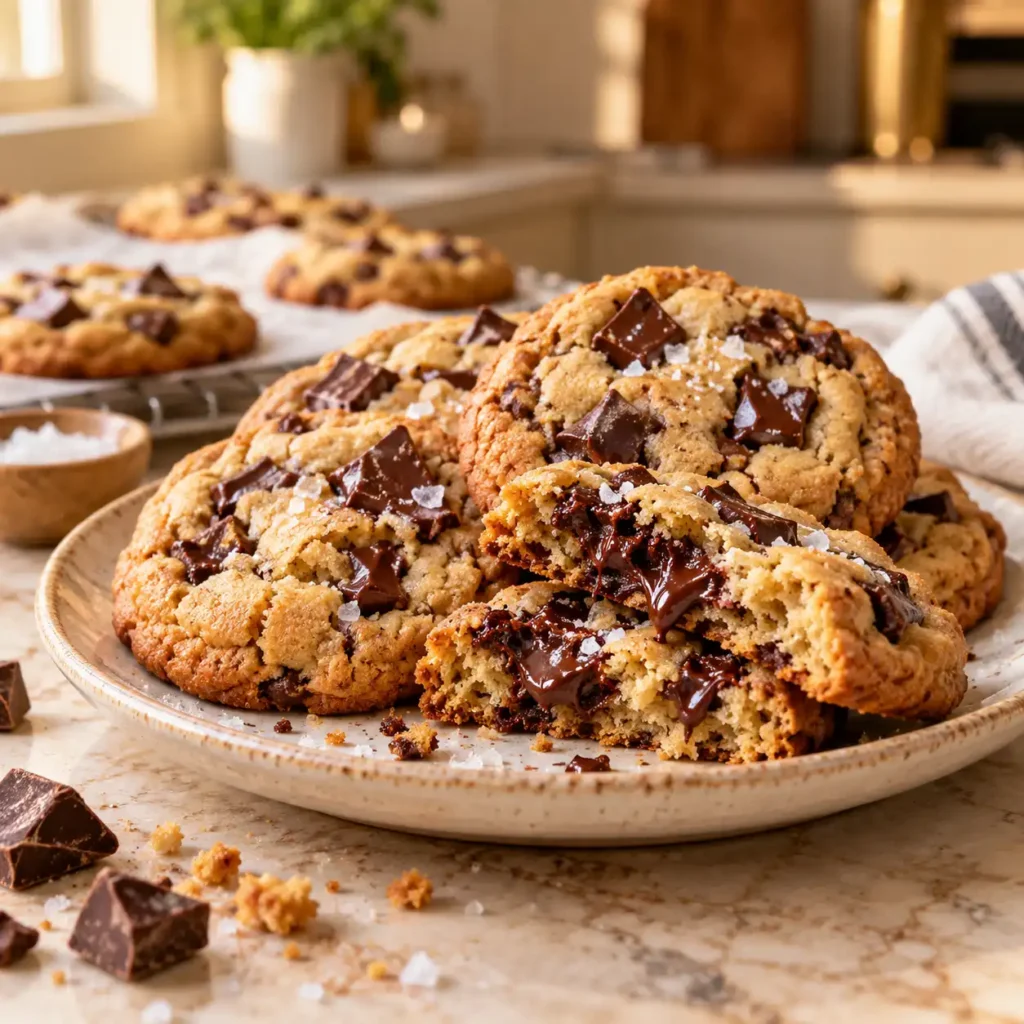
Finding the perfect chocolate chip cookie recipe is a journey many home bakers take, yet few truly master the variables that lead to a world-class result. Whether you prefer a chewy center, crispy edges, or a deep, toffee-like flavor profile, understanding the mechanics of your ingredients makes all the difference. This guide provides a detailed chocolate chip cookie recipe designed for those who demand bakery-quality results from their home kitchen. We will look at the specific techniques and high-quality components that transform a simple snack into a culinary masterpiece.
Table of Contents
The Science Behind a Great Chocolate Chip Cookie Recipe
The Role of Fat: Butter Temperature and Quality
In any chocolate chip cookie recipe, the fat source determines the final spread and texture. Using high-quality unsalted butter with a high butterfat content provides a richer mouthfeel. If you want a chewier cookie, melting the butter before mixing it with the sugar can lead to a denser, fudgier result. Conversely, creaming softened butter with sugar traps air, leading to a loftier, more cake-like structure. Avoiding lard or other animal fats is essential for a clean flavor profile.
Many bakers prefer browning the butter first to create a nutty aroma that complements the sweetness of the dough. The water content in butter also affects the gluten development, so choosing a brand with consistent moisture levels helps maintain the integrity of your chocolate chip cookie recipe.
Sugar Balance: White vs. Brown Sugar Ratios
The ratio of granulated white sugar to brown sugar is a critical component of a chocolate chip cookie recipe. White sugar contributes to crispiness and helps the cookies spread by absorbing moisture during the baking process. Brown sugar, which contains molasses, adds moisture and creates a soft, chewy texture. A higher concentration of light or dark brown sugar leads to a deeper color and a more complex, caramelized flavor. When these sugars are combined correctly, they create the ideal balance between a crunchy exterior and a tender heart. Professional recipes often favor a higher ratio of brown sugar to achieve that iconic “chewy” characteristic that most enthusiasts seek when they look for a reliable chocolate chip cookie recipe.
Leavening Agents and The Baking Soda Factor
Leavening agents like baking soda are responsible for the rise and browning of your cookies. Baking soda requires an acid, like the molasses in brown sugar, to react and produce carbon dioxide. This reaction not only helps the cookies rise but also increases the pH of the dough, which promotes the Maillard reaction the chemical process that creates beautiful browning and savory-sweet flavors.
If you want to learn more about how chemical leaveners work in the kitchen, you can read about the baking soda trick recipe to see how it affects various baked goods. In this chocolate chip cookie recipe, the precise amount of baking soda determines if the cookie is thin and crisp or thick and soft. For a detailed breakdown of how chemistry influences the bake, the experts at King Arthur Baking provide excellent insights into cookie science.
Print
The Ultimate Chocolate chip cookie recipe: A Masterclass in Baking Science and Flavor
A scientifically-backed chocolate chip cookie recipe focused on achieving the perfect balance of chewy centers, crispy edges, and deep toffee-like flavor through brown butter and precise sugar ratios.
- Total Time: 62 minutes
- Yield: 24 cookies 1x
Ingredients
- 1 cup high-quality unsalted butter
- 1 cup dark brown sugar, packed
- 1/2 cup granulated white sugar
- 2 large eggs, room temperature
- 1 tablespoon vanilla extract
- 2 1/4 cups all-purpose flour
- 1 teaspoon baking soda
- 1/2 teaspoon fine sea salt
- 2 cups semi-sweet chocolate chips
- 1 teaspoon flaky sea salt for finishing
Instructions
- Step 1: Brown Butter – Melt butter in a saucepan over medium heat until it turns amber and smells nutty.
- Step 2: Cool Fat – Transfer the browned butter to a bowl and let it cool for 15 minutes.
- Step 3: Cream Sugars – Mix the brown sugar and white sugar with the butter until fully incorporated.
- Step 4: Incorporate Liquids – Beat in eggs one at a time, followed by the vanilla extract.
- Step 5: Mix Dry Ingredients – Whisk flour, baking soda, and salt in a separate bowl to ensure even leavening.
- Step 6: Combine Dough – Gradually stir the dry ingredients into the wet mixture until just combined.
- Step 7: Fold Chocolate – Gently fold in the chocolate chips to distribute them evenly.
- Step 8: Chill Dough – Refrigerate the dough for at least 30 minutes to enhance the Maillard reaction.
- Step 9: Portion Scoops – Scoop rounded tablespoons of dough onto a parchment-lined baking sheet.
- Step 10: Bake Cookies – Bake at 350°F (175°C) for 10-12 minutes until the edges are golden brown.
- Step 11: Cool and Finish – Sprinkle with flaky salt and cool on the sheet for 5 minutes before transferring.
Notes
Using brown butter and a higher ratio of brown sugar creates a more complex, caramelized flavor and a chewier texture.
- Prep Time: 20 minutes
- Cook Time: 12 minutes
- Category: Dessert
- Method: Baking
- Cuisine: American
- Diet: Vegetarian
Nutrition
- Serving Size: 1 cookie
- Calories: 210 kcal
- Sugar: 16g
- Sodium: 145mg
- Fat: 11g
- Saturated Fat: 7g
- Unsaturated Fat: 3.5g
- Trans Fat: 0.1g
- Carbohydrates: 26g
- Fiber: 1g
- Protein: 3g
- Cholesterol: 30mg
Keywords: chocolate chip cookies, brown butter, baking science, chewy cookies, bakery style
Essential Ingredients for Gourmet Results
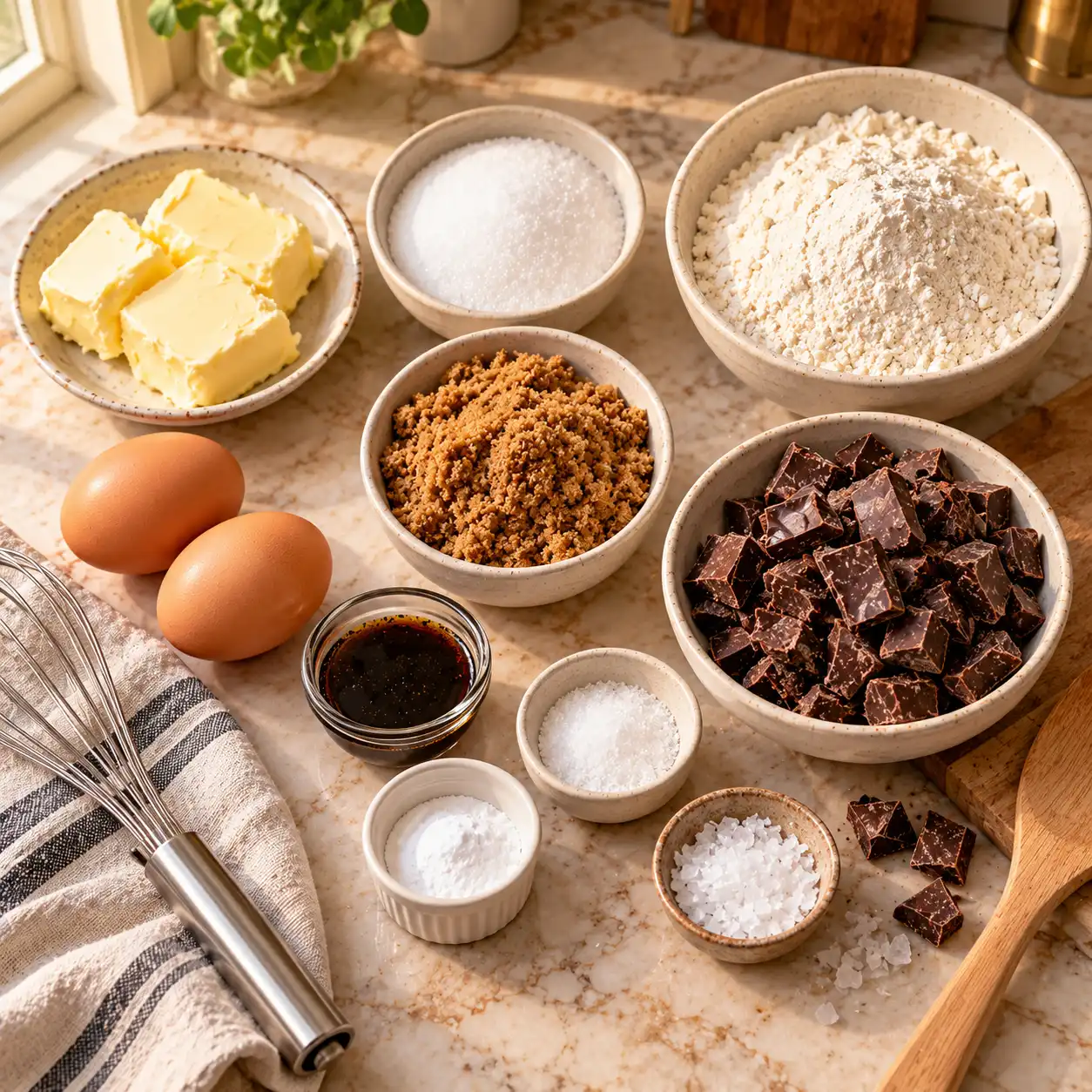
Choosing the Right Flour for Structure
The protein content in your flour dictates the chewiness of the chocolate chip cookie recipe. All-purpose flour is the standard choice as it offers a middle-ground protein level that provides enough structure without making the cookies tough. Some bakers experiment with bread flour for more “snap” or cake flour for a delicate crumb. However, for a consistent chocolate chip cookie recipe, sticking to a high-quality unbleached all-purpose flour is recommended. For those who need to avoid gluten altogether, there are specialized alternatives that still produce wonderful results. You might want to try these almond flour cookies if you are looking for a grain-free option that maintains a rich texture and high nutritional value.
Chocolate Selection: Chips vs. Chunks
The chocolate is the star of any chocolate chip cookie recipe. While standard semi-sweet chips are convenient because they hold their shape, high-quality chocolate bars chopped into irregular chunks offer a superior experience. Chopped chocolate creates “pools” of melted cocoa throughout the cookie and distributes fine shavings into the dough, turning it a light golden brown.
Aim for a cocoa percentage between 60% and 70% for a sophisticated flavor that isn’t overly sweet. The variation in sizes ensures that every bite has a different ratio of chocolate to dough. This technique is often what separates a basic chocolate chip cookie recipe from one that is remembered for years. Using various types of chocolate can also add layers of flavor to the finished product.
Pure Flavorings and Sea Salt
To achieve a professional flavor, use non-alcoholic vanilla bean paste or fresh vanilla beans instead of cheap imitations. Since we are avoiding alcohol-based extracts, vanilla powder or paste provides a concentrated aroma that survives the high heat of the oven. Additionally, salt is the most underrated ingredient in a chocolate chip cookie recipe. It balances the sweetness and brings out the nuances of the butter and chocolate. A fine sea salt mixed into the dough and a light sprinkling of flaky Maldon salt on top after baking creates a perfect contrast. This salt-forward approach helps define the profile of a modern chocolate chip cookie recipe, making the flavors pop and preventing the cookie from feeling one-dimensional or cloying.
Step-by-Step Instructions for Your Best Chocolate Chip Cookie Recipe
Following a precise order of operations is vital to the success of this chocolate chip cookie recipe. Temperature control and mixing times must be monitored to prevent the dough from becoming too warm or the gluten from overdeveloping. Detailed testing by culinary scientists, such as those at Serious Eats, shows that the order in which you incorporate ingredients significantly impacts the final texture and spread of the cookie. Follow these steps carefully to achieve the best possible result with your batch.
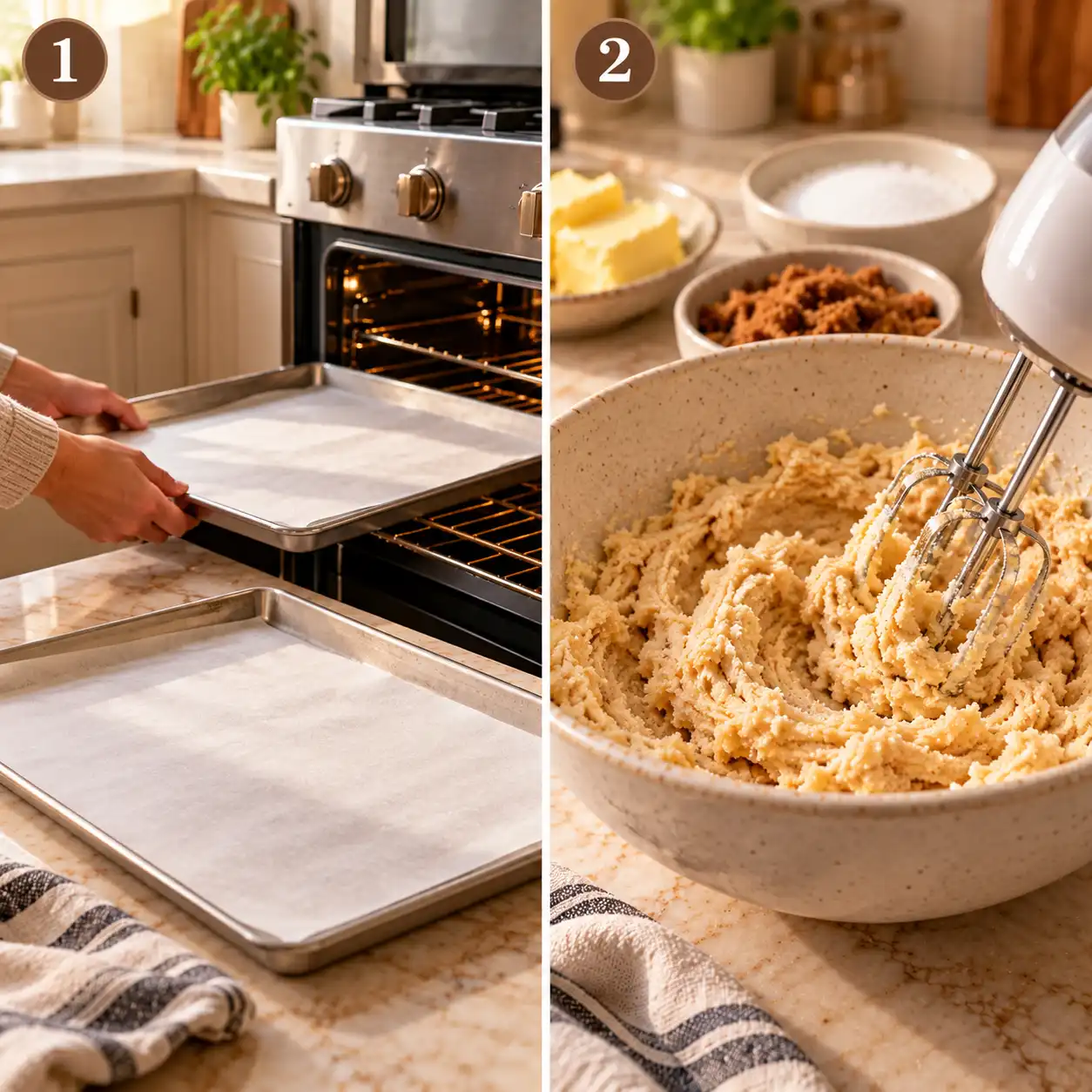
- Step 1: Preheating and Prep – Set your oven to 350°F (175°C) and line two large baking sheets with parchment paper or silicone mats to prevent sticking and promote even browning.
- Step 2: Creaming the Butter and Sugars – In a large bowl, beat 1 cup of softened unsalted butter with 3/4 cup white sugar and 3/4 cup packed dark brown sugar until the mixture is light and fluffy, usually about 3 minutes.
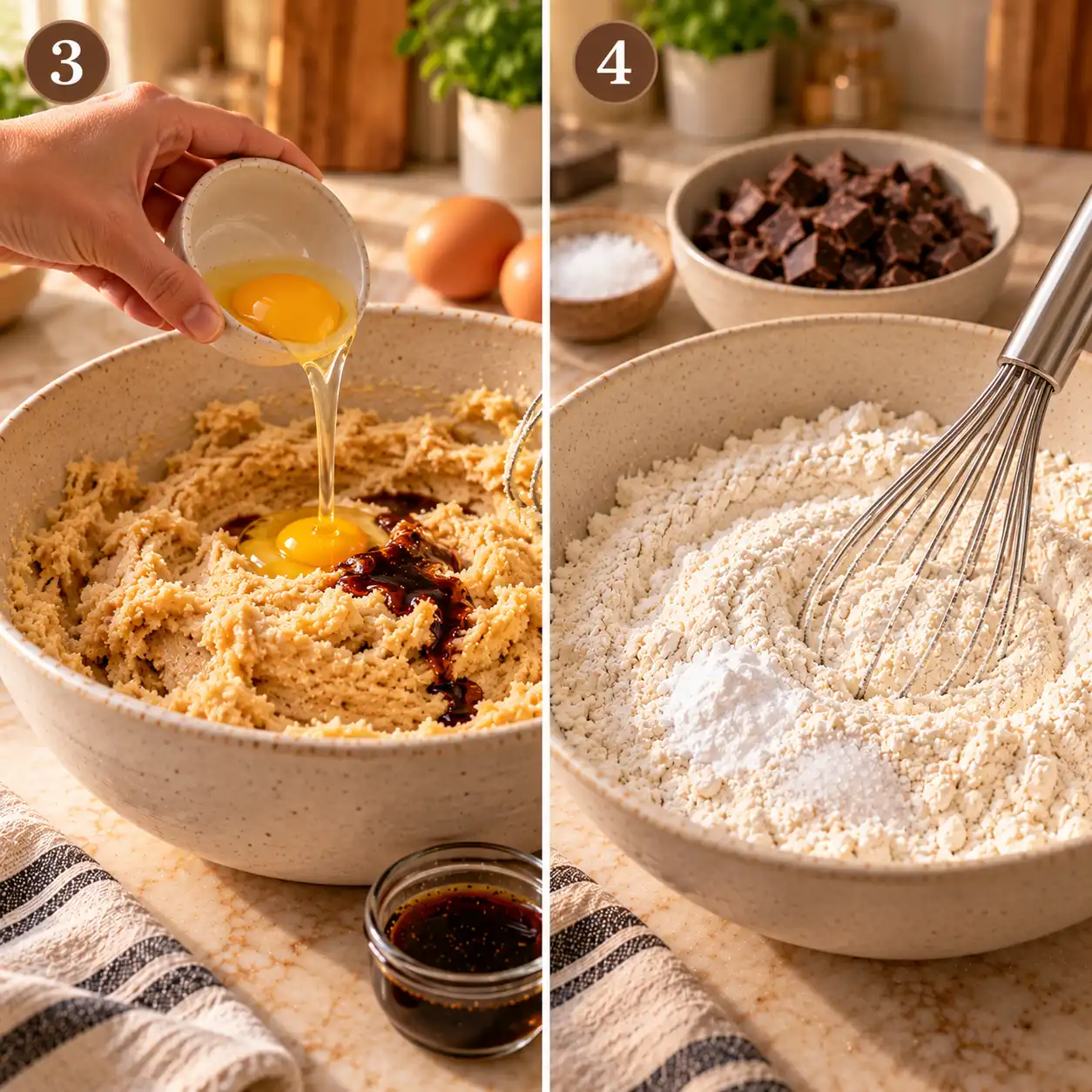
- Step 3: Adding Wet Ingredients – Incorporate 2 large room-temperature eggs one at a time, followed by 1 tablespoon of vanilla bean paste, mixing well after each addition to make sure the emulsion is stable.
- Step 4: Whisking Dry Ingredients – In a separate bowl, whisk together 2 1/4 cups of all-purpose flour, 1 teaspoon of baking soda, and 1/2 teaspoon of fine sea salt to distribute the leavening agent evenly.
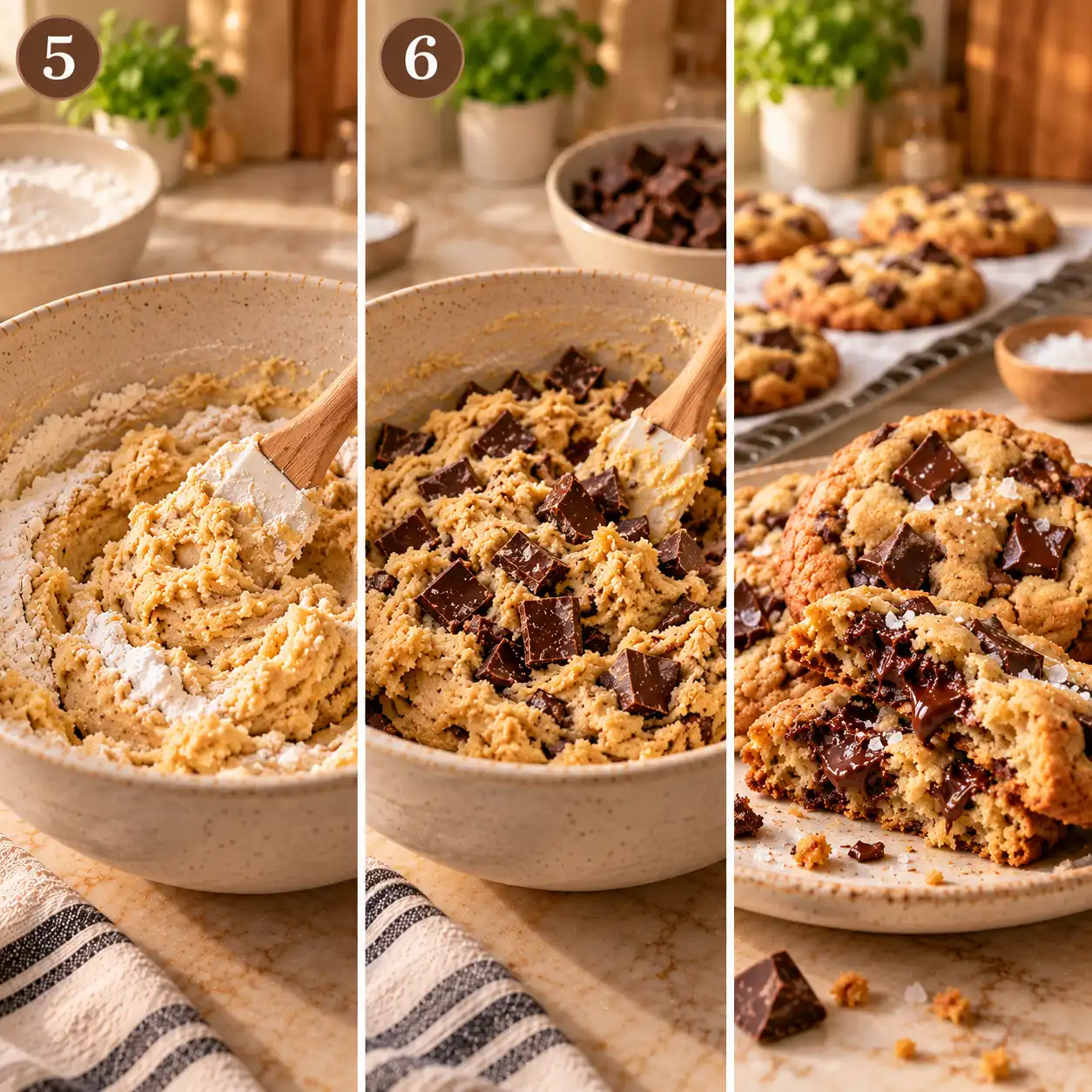
- Step 5: Combining the Mixtures – Gradually add the dry ingredients to the wet mixture, stirring by hand or on a low mixer setting until just combined; do not overmix at this stage.
- Step 6: Folding in Chocolate – Gently fold in 2 cups of high-quality chocolate chunks or chips using a spatula so that they are distributed throughout the dough without breaking.
- Step 7: Chilling the Dough – Cover the bowl and refrigerate the dough for at least 30 minutes, or up to 24 hours, to allow the flour to hydrate and the flavors to meld.
- Step 8: Scooping and Baking – Use a large cookie scoop to place 2-tablespoon-sized mounds of dough onto the prepared sheets, spacing them 2 inches apart, and bake for 10-12 minutes until the edges are golden.
- Step 9: Cooling – Allow the cookies to rest on the baking sheet for 5 minutes before transferring them to a wire rack to cool completely, which helps set the structure.
Advanced Tips for Cookie Perfection
The Chill Factor: Why Resting Dough Matters
Patience is a key ingredient in an expert chocolate chip cookie recipe. When you chill the dough, the fats solidify, meaning the cookies will spread more slowly in the oven, leading to a thicker result. Furthermore, the flour has time to fully absorb the moisture from the eggs and butter. This hydration process breaks down starches into simple sugars, which leads to better browning and a more complex flavor. Many professional bakers insist on a 24-hour to 48-hour chill time for their chocolate chip cookie recipe. This resting period transforms the flavor from “sweet” to “butterscotch-like,” making the wait well worth it for any serious baker looking for the ultimate texture.
Pan Banging and Texture Control
If you prefer a cookie with ripples and extra-crispy edges, you might want to try the “pan banging” technique. About halfway through the baking time, lift the baking sheet and drop it firmly against the oven rack. This causes the risen cookie to collapse, pushing the dough toward the edges and creating beautiful ridges. Repeating this every few minutes results in a chocolate chip cookie recipe with a very thin, ultra-crisp perimeter and a soft, wrinkled center. For those interested in more traditional textures with a hearty bite, you might review this healthy oatmeal chocolate chip cookies variation, which uses oats to provide a chewy, rustic structural integrity.
Nutritional Variations and Healthy Alternatives
High Protein and Low Carb Options
Modern baking often includes modifications for specific dietary goals. You can adjust a chocolate chip cookie recipe to include more protein by incorporating nut flours or specialized ingredients. For instance, some people enjoy the flavor of a cottage cheese cookie dough which provides a unique way to add protein while maintaining a creamy consistency. These variations are great for those who want the flavor of a classic chocolate chip cookie recipe but need to fit it into a specific nutritional plan. Swapping white flour for whole wheat or adding seeds can also change the fiber content without sacrificing the soul of the dessert. Always remember that even healthy versions benefit from the same temperature controls as traditional recipes.
| Ingredient Swap | Effect on Cookie Texture | Flavor Profile Change |
|---|---|---|
| Bread Flour | Chewier and denser structure | Slightly more savory |
| Melted Butter | Thinner, crisper edges | Richer, toffee-like notes |
| Dark Brown Sugar | Softer and moister center | Deep molasses and caramel |
| Extra Egg Yolk | Fudgy and rich consistency | More decadent mouthfeel |
Common Mistakes to Avoid
Temperature Irregularities
One of the biggest pitfalls in a chocolate chip cookie recipe is using ingredients at the wrong temperature. If your eggs are cold and your butter is warm, the butter will seize, leading to an uneven dough. Similarly, if your oven hasn’t been properly preheated, the cookies won’t get the initial burst of heat needed to activate the baking soda. Using an oven thermometer is a great way to confirm that your appliance is calibrated correctly. Small deviations in heat can cause a chocolate chip cookie recipe to either fail to spread or to melt into one giant sheet on the pan. Consistent temperatures lead to consistent results every time you bake.
Overmixing the Dough
Once you add the flour to your chocolate chip cookie recipe, you must be careful not to overwork it. Mixing flour with wet ingredients activates gluten. While gluten is necessary for bread, too much of it makes cookies tough and bready rather than tender and crisp. Always mix until the flour just disappears into the dough and then stop. This is why many experts recommend folding in the chocolate chips by hand rather than using a stand mixer for the final step. Keeping the dough light and handled as little as possible is a secret to a professional-grade chocolate chip cookie recipe that melts in your mouth.
Storage and Freezing Guide
To keep your cookies fresh, store them in an airtight container at room temperature for up to three days. Adding a piece of white bread to the container can help keep the cookies soft, as the cookies will absorb moisture from the bread. For longer storage, this chocolate chip cookie recipe freezes exceptionally well. You can freeze the baked cookies for up to two months, or better yet, freeze the raw dough balls. Baking frozen dough balls adds a few minutes to the bake time but results in a fresh-from-the-oven experience whenever you have a craving. Simply place the frozen dough directly onto the baking sheet and bake as directed, adding 2-3 minutes to the total time.
Conclusion
Mastering a chocolate chip cookie recipe requires a balance of quality ingredients, scientific understanding, and patience. By choosing the right sugars, controlling your temperatures, and allowing the dough to rest, you can produce a cookie that rivals the best bakeries in the world. This specific chocolate chip cookie recipe offers a reliable foundation for any baker to build upon, whether you like them soft and chewy or thin and crispy. Remember that the best results come from practice and paying attention to the small details that make each batch unique. Happy baking!
FAQs
Why are my cookies flat and greasy?
Cookies often turn out flat if the butter was too soft or melted when you started the creaming process. It can also happen if the dough was too warm when it entered the oven. Chilling your dough for at least 30 minutes before baking helps prevent excessive spreading. Additionally, make sure you aren’t using too little flour, as the structure needs enough starch to hold the fat in place.
Can I make this chocolate chip cookie recipe without eggs?
Yes, you can use substitutes like unsweetened applesauce, mashed banana, or a “flax egg” (ground flaxseed mixed with water). However, eggs provide both moisture and structure, so the texture will change. Cookies made with fruit purees tend to be softer and more cake-like than the traditional chocolate chip cookie recipe. For a more professional substitute, commercial egg replacers often yield the closest result to the original.
What is the best chocolate to use?
Most experts recommend a high-quality semi-sweet or dark chocolate with at least 60% cocoa. Using a bar that you chop yourself is generally better than using bags of chips because bars don’t contain stabilizers that prevent melting. This allows the chocolate to flow into the dough, creating better texture. However, if you prefer the classic look of distinct chips, choose a premium brand for the best flavor.
How do I get perfectly round cookies?
To get that bakery-perfect circle, use a round cookie cutter or a glass immediately after the cookies come out of the oven. Place the cutter over the warm cookie and gently scoot it in a circular motion. This “scooting” method pulls in any stray edges and rounds out the shape before the cookie sets as it cools. This simple trick makes any chocolate chip cookie recipe look professional.


Have You Tried This Recipe?
I’d love to hear how it turned out!
If you made this recipe, leave a comment below and share your experience. Did you make any changes or add your own special touch?
Your feedback helps other home cooks and makes our recipe community even better!
Leave a comment and rate this recipe!