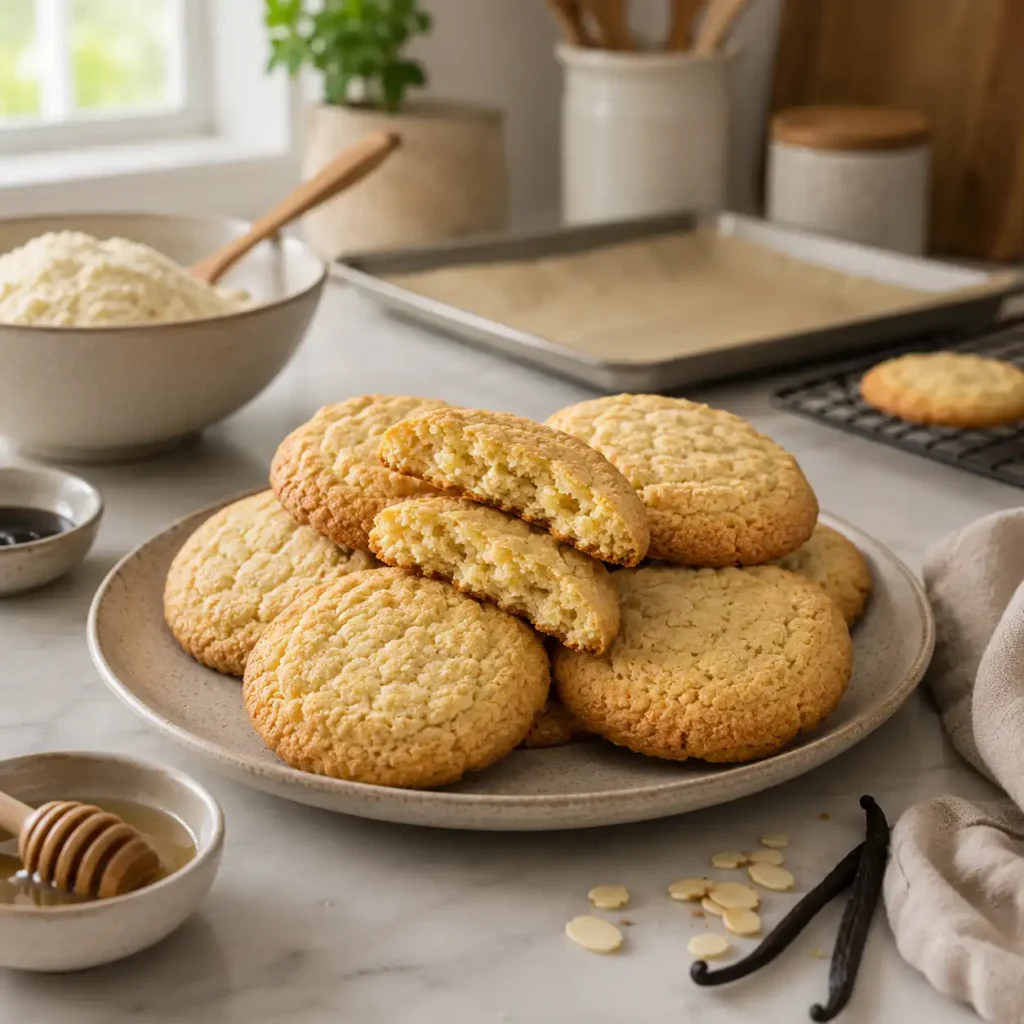
Almond flour cookies are a staple for those seeking a gluten-free alternative that doesn’t compromise on flavor or texture. Unlike traditional wheat-based treats, these cookies offer a rich, buttery profile and a tender crumb that melts in the mouth. Whether you are managing a dietary restriction or simply want to incorporate more nutrient-dense ingredients into your kitchen, mastering almond flour cookies opens a world of delicious possibilities. This guide covers everything from ingredient selection to advanced baking techniques for the perfect batch every time.
Table of Contents
Understanding Almond Flour in Baking
Blanched vs. Unblanched Almond Flour
When you start making almond flour cookies, the first choice involves the type of flour. Blanched almond flour comes from almonds that have had their skins removed before grinding. This results in a fine, light-colored powder that mimics the behavior of traditional flour more closely. It produces a soft, uniform texture ideal for delicate almond flour cookies. On the other hand, unblanched almond flour, or almond meal, includes the skins. This creates a denser, coarser cookie with small brown flecks. For most cookie recipes, blanched flour is the preferred choice to achieve a professional finish.
Nutritional Profile of Nut-Based Flours
Almond flour is naturally high in healthy fats, protein, and vitamin E. Because it lacks gluten, the protein that provides structure in wheat bread, almond flour cookies rely on different binding agents like eggs or starches. The high fat content in almonds means these cookies stay moist for longer periods compared to wheat cookies. According to nutritional data provided by Healthline’s guide on almond flour nutrition, this ingredient is also significantly lower in carbohydrates, making it a favorite for those monitoring their glycemic index or following specific health-conscious diets.
Print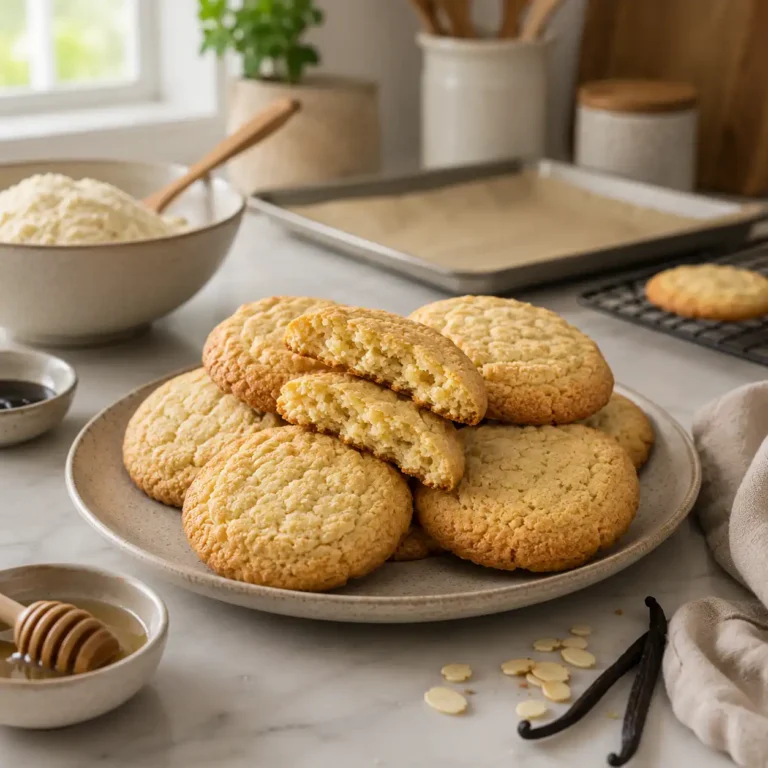
Master the Art of Almond Flour Cookies
A perfect gluten-free treat featuring a rich, buttery profile and a tender crumb. These almond flour cookies are nutrient-dense, low in carbohydrates, and naturally moist.
- Total Time: 27 minutes
- Yield: 18 cookies 1x
Ingredients
- 2 cups blanched almond flour
- 1/2 teaspoon baking soda
- 1/4 teaspoon fine sea salt
- 1/3 cup melted coconut oil or grass-fed butter
- 1/3 cup pure maple syrup or honey
- 1 teaspoon pure vanilla extract
- 1 large room-temperature egg
- 1/2 cup dark chocolate chips (optional)
Instructions
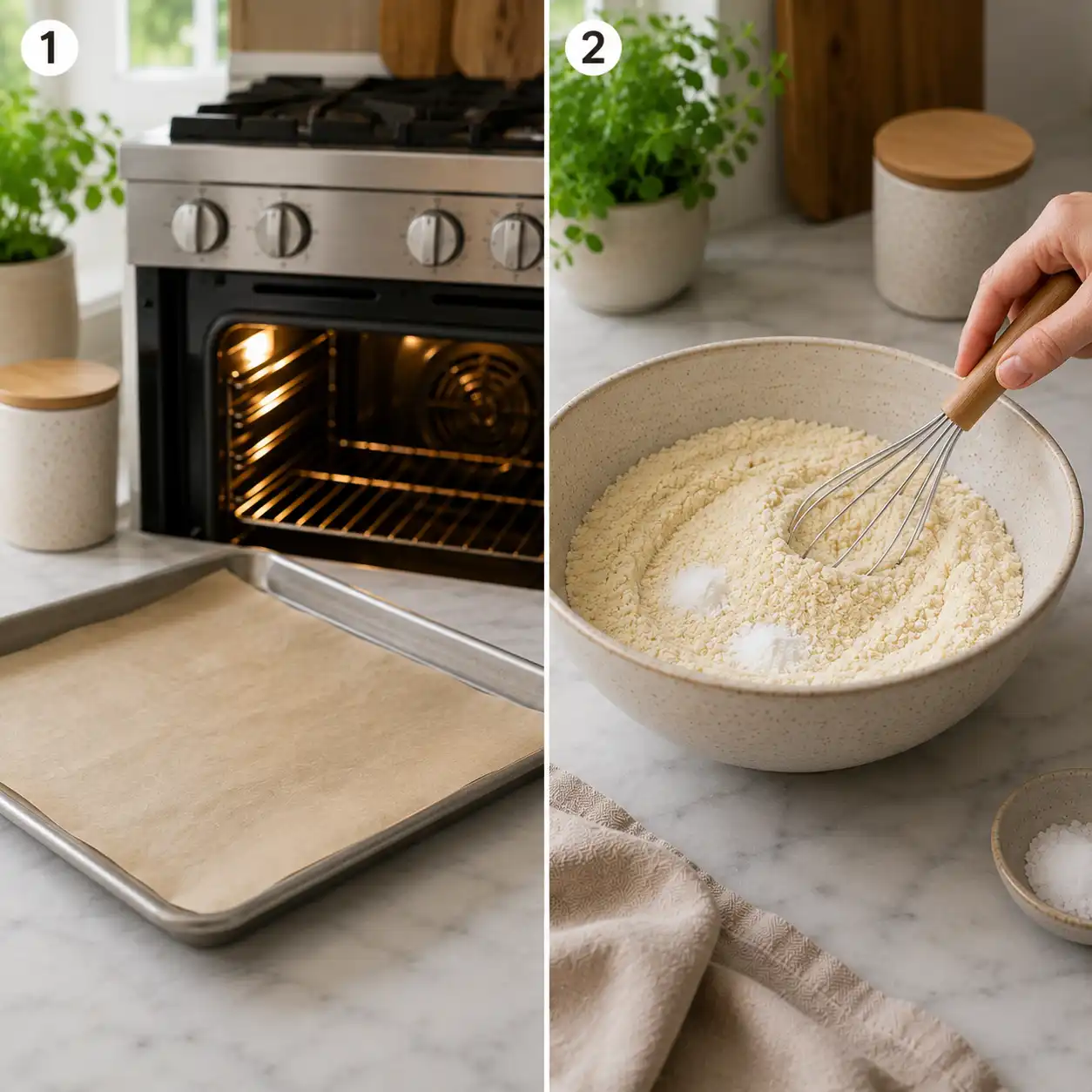
- Step 1: Preheat Oven – Set your oven to 350°F (175°C) and line a baking sheet with parchment paper.
- Step 2: Mix Dry Ingredients – In a large bowl, whisk together the blanched almond flour, baking soda, and salt.
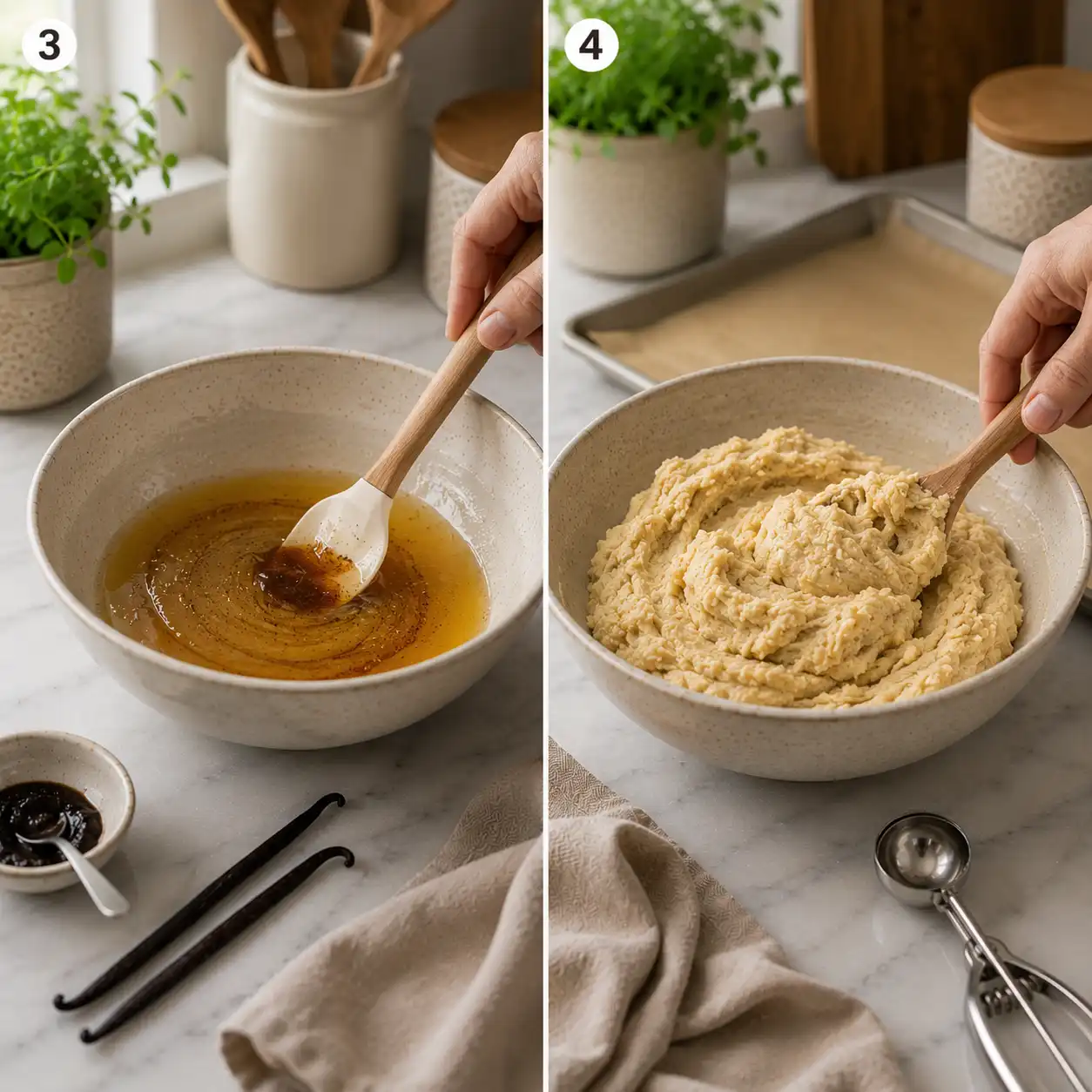
- Step 3: Whisk Wet Ingredients – In a separate medium bowl, combine the melted oil, sweetener, vanilla, and egg.
- Step 4: Combine Dough – Pour the wet ingredients into the dry mixture and stir until a thick dough forms.
- Step 5: Fold in Mix – ins – Gently fold in the chocolate chips or other desired additions until evenly distributed.
- Step 6: Shape Cookies – Use a cookie scoop to form 1-inch balls and place them 2 inches apart on the sheet.
- Step 7: Flatten Slightly – Press down gently on each ball to flatten, as almond flour cookies do not spread much.
- Step 8: Bake Batch – Bake for 10-12 minutes until the edges are golden and the tops are set.
- Step 9: Cool Completely – Let cookies rest on the baking sheet for 10 minutes before moving to a wire rack.
Notes
Always use blanched almond flour rather than almond meal to ensure a soft, uniform texture and professional finish.
- Prep Time: 15 minutes
- Cook Time: 12 minutes
- Category: Dessert
- Method: Baking
- Cuisine: American
- Diet: Gluten-Free
Nutrition
- Serving Size: 1 cookie
- Calories: 145 kcal
- Sugar: 6g
- Sodium: 68mg
- Fat: 11g
- Saturated Fat: 4.5g
- Unsaturated Fat: 6.5g
- Trans Fat: 0.01g
- Carbohydrates: 10g
- Fiber: 2g
- Protein: 4g
- Cholesterol: 11mg
Key Ingredients for the Best Almond Flour Cookies

Selecting the Right Fats
The choice of fat significantly influences the spread and crispness of almond flour cookies. Butter provides a classic flavor and helps create those coveted golden edges. For a dairy-free version, coconut oil is an excellent substitute, though it may result in a slightly softer cookie. When you choose your fats, consider the melting point. Room temperature butter creams well with sweeteners, creating air pockets that lead to a lighter cookie. If the fat is too hot, your almond flour cookies might spread too thin on the baking sheet, losing their intended shape and texture.
Natural Sweeteners and Texture
Almond flour cookies pair beautifully with natural sweeteners like maple syrup, honey, or coconut sugar. Honey adds a distinct floral note and contributes to a Chewier center, while maple syrup offers a thinner consistency and a classic autumnal flavor. If you are watching your sugar intake, granulated erythritol or monk fruit sweeteners work well, though they may change the cooling sensation of the cookie. When looking to balance your diet with these treats, incorporating them alongside high protein low carb meals creates a satisfying nutritional plan that keeps energy levels stable throughout the day.
Step-by-Step Instructions for Classic Almond Flour Cookies
Baking with nut flours requires a gentle touch and attention to temperature. Follow these steps to produce consistent results every time you head to the kitchen.
- Step 1: Preheat Oven – Set your oven to 350°F (175°C) and line a large baking sheet with parchment paper to prevent sticking.
- Step 2: Mix Dry Ingredients – In a large bowl, whisk together 2 cups of blanched almond flour, half a teaspoon of baking soda, and a pinch of sea salt to remove lumps.
- Step 3: Combine Wet Ingredients – In a separate bowl, stir together 1/3 cup of your chosen liquid sweetener, 1/4 cup of melted fat, and one teaspoon of vanilla bean paste.
- Step 4: Form the Dough – Pour the wet mixture into the dry ingredients and stir until a thick, tacky dough forms that holds its shape when pressed.
- Step 5: Scoop and Shape – Use a cookie scoop to place rounded tablespoons of dough onto the prepared sheet, pressing them down slightly as almond flour cookies do not spread as much as wheat cookies.
- Step 6: Bake – Place the tray in the center of the oven and bake for 10 to 12 minutes, or until the edges are just beginning to turn golden brown.
- Step 7: Cool Completely – Remove from the oven and let the cookies rest on the hot pan for at least 10 minutes before moving them, as they are fragile when warm.

Variations and Flavor Profiles
Chocolate Chip Almond Flour Cookies
Adding chocolate chips is the most popular way to customize almond flour cookies. Dark chocolate with at least 70% cocoa content complements the nuttiness of the flour without making the treat overly sweet. For the best distribution, use mini chocolate chips so that every bite contains a bit of cocoa. If you prefer a more complex dessert profile, you might also enjoy making a sugar free gelatin dessert to serve on the side, providing a refreshing contrast to the dense and rich nature of the almond-based treats.
Lemon and Herb Infusions
For a sophisticated twist, try adding lemon zest and a hint of fresh rosemary to your almond flour cookies. The acidity of the lemon cuts through the richness of the almond fats, while the rosemary adds an earthy aroma. This combination is particularly popular in Mediterranean-style baking. These savory-sweet cookies are perfect for afternoon tea or as a light snack. Because almonds are high in dietary fiber, they fit well into a lifestyle focused on high fiber foods for weight-loss goals while still satisfying a craving for something sweet.
Health Benefits and Dietary Considerations
Low-Carb and Keto Compatibility
Almond flour cookies are a go-to for the ketogenic community because of their low net carb count. By replacing sugar with a keto-friendly sweetener, these cookies allow individuals to stay in ketosis while enjoying a traditional dessert experience. The high fat content provides long-lasting satiety, meaning you are less likely to overindulge. This makes them a strategic tool for weight management and blood sugar control. When you understand the science behind these ingredients, you can make informed choices that support your long-term health objectives without feeling deprived of comfort foods.
Fiber Content and Satiety
One of the standout features of almond flour cookies is the fiber content. A single ounce of almonds contains about 3.5 grams of fiber, which helps regulate digestion and slows down the absorption of sugar into the bloodstream. This is a significant advantage over cookies made with white flour, which often cause a rapid spike and subsequent crash in energy. If you enjoy the flavor of nuts in your baked goods, you should also try a classic banana nut bread recipe to further include healthy fats and fiber in your weekly meal preparation.
Troubleshooting Common Baking Issues
Preventing Excess Spreading
If your almond flour cookies turn into one giant puddle on the tray, the temperature of your dough or oven might be to blame. Nut flours contain a lot of oil, and if that oil gets too warm before the cookie sets, it will lose its structure. To fix this, try chilling the dough for 30 minutes before scooping it onto the baking sheet. Additionally, make sure your baking powder or soda is fresh. Experts at King Arthur Baking’s tips for almond flour suggest that properly measuring your flour by weight rather than volume can also prevent consistency issues that lead to spreading.
Achieving a Crispy Edge
Many people find that almond flour cookies can be somewhat soft or cake-like. To get a crispier edge, increase the baking time slightly at a lower temperature, or use a combination of granulated sweetener and liquid sweetener. Granulated sweeteners help with the crystallization process during baking, which creates that crunch. Another trick is to leave the cookies in the oven with the door cracked and the heat turned off for five minutes after the baking time is complete. This allows the moisture to evaporate without burning the nuts, resulting in a firmer, crunchier texture.
Storage and Preservation Tips
Proper storage is essential because almond flour cookies contain high levels of unsaturated fats, which can go rancid if exposed to heat and light for too long. Once completely cooled, store your cookies in an airtight container at room temperature for up to three days. For longer storage, keep them in the refrigerator for up to a week. They also freeze exceptionally well; simply place them in a freezer-safe bag with parchment paper between layers. When you are ready to eat, let them thaw at room temperature for 15 minutes or pop them in a toaster oven for a minute to restore their fresh-baked crispness.
| Characteristic | Almond Flour Cookies | Wheat Flour Cookies |
|---|---|---|
| Gluten Content | Zero | High |
| Protein per Serving | High (approx 6g) | Low (approx 2g) |
| Carbohydrates | Low / Keto-friendly | High / Starchy |
| Texture | Soft and Buttery | Crispy or Chewy |
| Shelf Life | Moist for 3-5 days | Dries out in 2-3 days |
FAQs
Can I substitute almond flour for all-purpose flour 1:1?
No, you cannot usually swap them 1:1 without making other adjustments. Almond flour lacks the binding power of gluten and contains much more fat. Typically, you will need more almond flour by volume or an extra binding agent like an egg to keep the cookies from falling apart. It is always best to follow a recipe specifically designed for nut flours.
Why are my almond flour cookies so crumbly?
Crumbly cookies usually indicate a lack of moisture or binder. Make sure you are using large eggs and that your flour is finely ground. If the dough feels dry before baking, add a teaspoon of water or milk. Also, remember that these cookies must cool completely on the pan; they are very soft when they first come out of the oven and need time to set.
Is almond meal the same as almond flour?
They are similar but not identical. Almond meal is usually made from whole almonds with the skins on and has a coarser grind. Almond flour is made from blanched almonds and is ground much finer. For light, delicate cookies, use almond flour. For a more rustic, dense cookie, almond meal is acceptable.
How do I make these cookies vegan?
To make vegan almond flour cookies, replace the egg with a flax egg (1 tablespoon ground flaxseed mixed with 3 tablespoons water) and use coconut oil or a vegan butter substitute instead of dairy butter. The texture will be slightly different, but the flavor will remain excellent.
Conclusion
Mastering almond flour cookies is a rewarding journey into the world of grain-free baking. By understanding the unique properties of nut flours and following precise techniques, you can create treats that are both delicious and nutritious. These cookies provide a versatile canvas for various flavors, from classic chocolate chip to citrus infusions. With their high protein and fiber content, they offer a smarter way to satisfy your sweet tooth while supporting a balanced lifestyle. Start with a simple base recipe and soon you will be creating your own custom variations with confidence.
Disclaimer
The content provided on this website is for general informational and educational purposes only. It is not intended to replace professional medical advice, diagnosis, or treatment. I am not a licensed healthcare provider or certified nutrition expert.
Always seek guidance from a qualified medical professional before making any changes to your diet, especially if you have underlying health conditions, allergies, or specific dietary needs. Individual results may vary, and your health and safety should always come first.