
Bringing the vibrant heat and aromatic magic of Southeast Asian cuisine into your home kitchen is easier than you might think. A classic red thai curry recipe offers the perfect balance of creamy coconut milk, spicy chili paste, and fresh aromatics. Whether you want a quick weeknight dinner or a fragrant meal to impress guests, this red thai curry recipe creates a restaurant-quality experience in your own dining room. Let’s prepare a bowl of comfort that warms the soul and delights the taste buds.
Table of Contents
The Foundations of Great Curry
Selecting Your Ingredients
To master any red thai curry recipe, the quality of your base is paramount. You need high-quality red curry paste, which typically contains dried red chilies, lemongrass, garlic, shallots, and galangal. Always look for a brand that does not contain shrimp paste if you follow a vegetarian diet. For those looking for complementary dishes, best recipes with tofu often provide excellent protein alternatives to pair with this bold sauce. The coconut milk should be full-fat to provide a luxurious mouthfeel that balances the sharp heat of the chilies perfectly. Low-fat versions often result in a watery sauce that lacks the necessary richness to carry the heavy aromatics.
Aromatic Balance and Texture
The secret to a successful red thai curry recipe lies in the aromatics. Fresh kaffir lime leaves and Thai basil are non-negotiable for that authentic floral note. If you cannot find them, a splash of lime juice and fresh basil can mimic the profile, though the kaffir lime leaves are preferred for their unique citrus intensity. For a balanced meal, consider how your sides contribute to the plate. While enjoying your meal, you might appreciate best fruit for weight loss as a light, refreshing dessert to contrast the rich, savory nature of the curry bowl. Serving a portion of fresh mango or dragon fruit alongside the meal helps cleanse the palate after the heat of the chili.
Print
Delicious Red Thai Curry Recipe
A fragrant, restaurant-quality Red Thai Curry balancing spicy chili paste, creamy coconut milk, and fresh aromatics.
- Total Time: 35 minutes
- Yield: 4 servings 1x
Ingredients
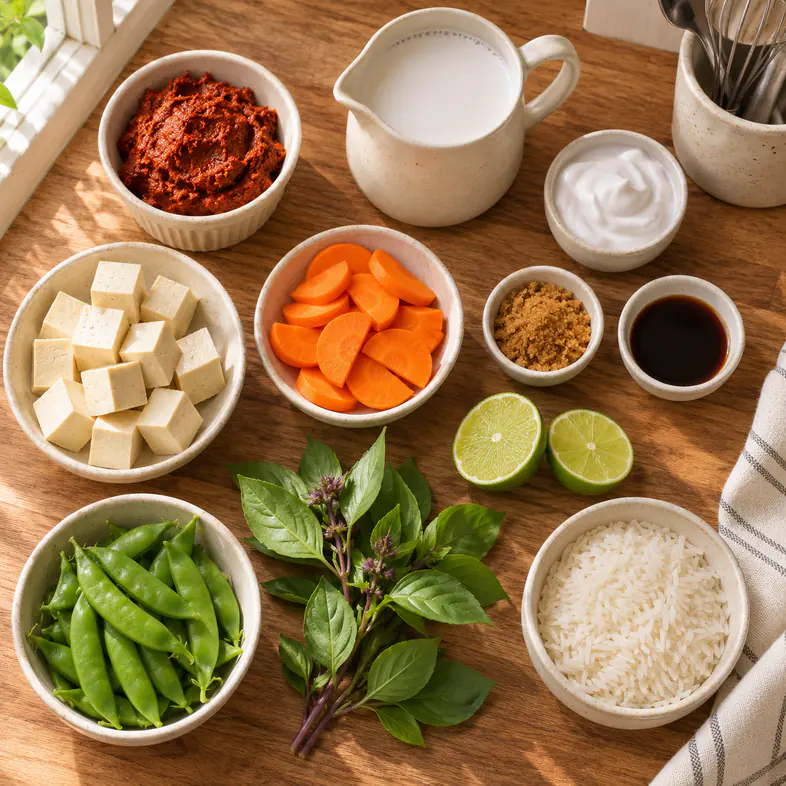
- 3–4 Tablespoons Red curry paste
- 1 Can (14oz) Coconut milk
- 2 Cups Vegetables
- 1/2 Cup Fresh Thai basil
- 2 Tablespoons Coconut cream
- 1 dash Coconut sugar or brown sugar
- 1 splash Soy sauce or salt
- 1 squeeze Lime juice or lime zest
- Optional: Firm tofu or plant-based protein
Instructions
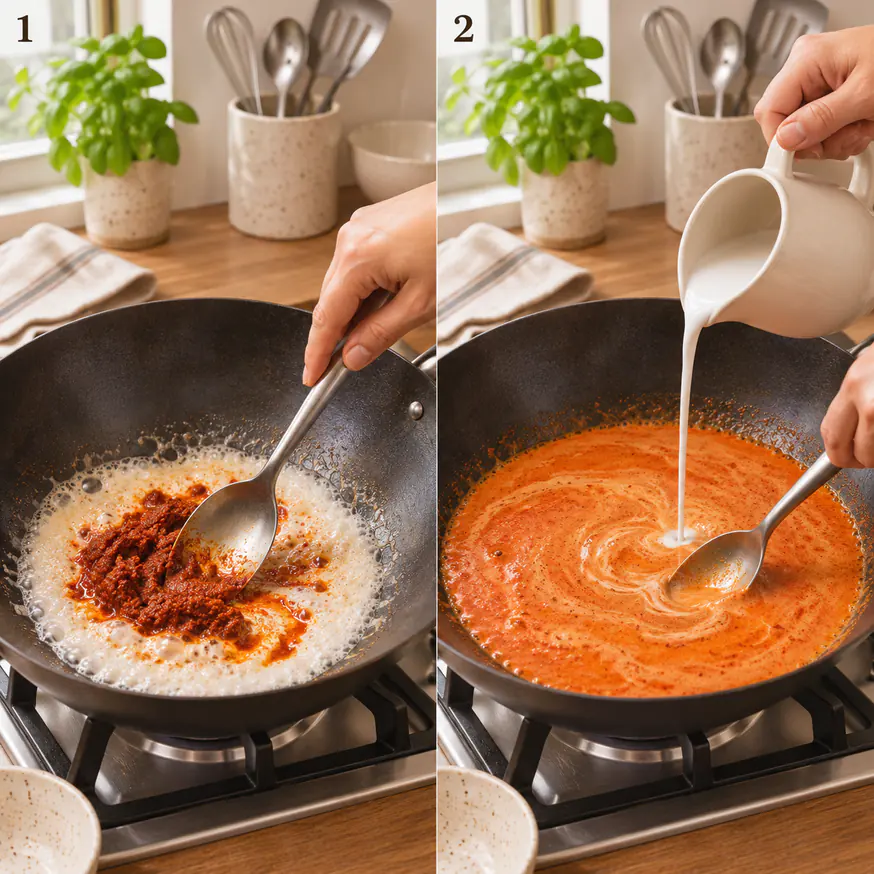
- Step 1: Sauté the Paste – In a large pan or wok, heat two tablespoons of coconut cream until it bubbles. Add the red curry paste and stir continuously for two minutes until it becomes highly fragrant and the oil separates slightly from the paste.
- Step 2: Incorporate Liquid – Slowly pour in the remaining coconut milk. Stir constantly until the paste is fully dissolved and the sauce is perfectly smooth and vibrant in color.
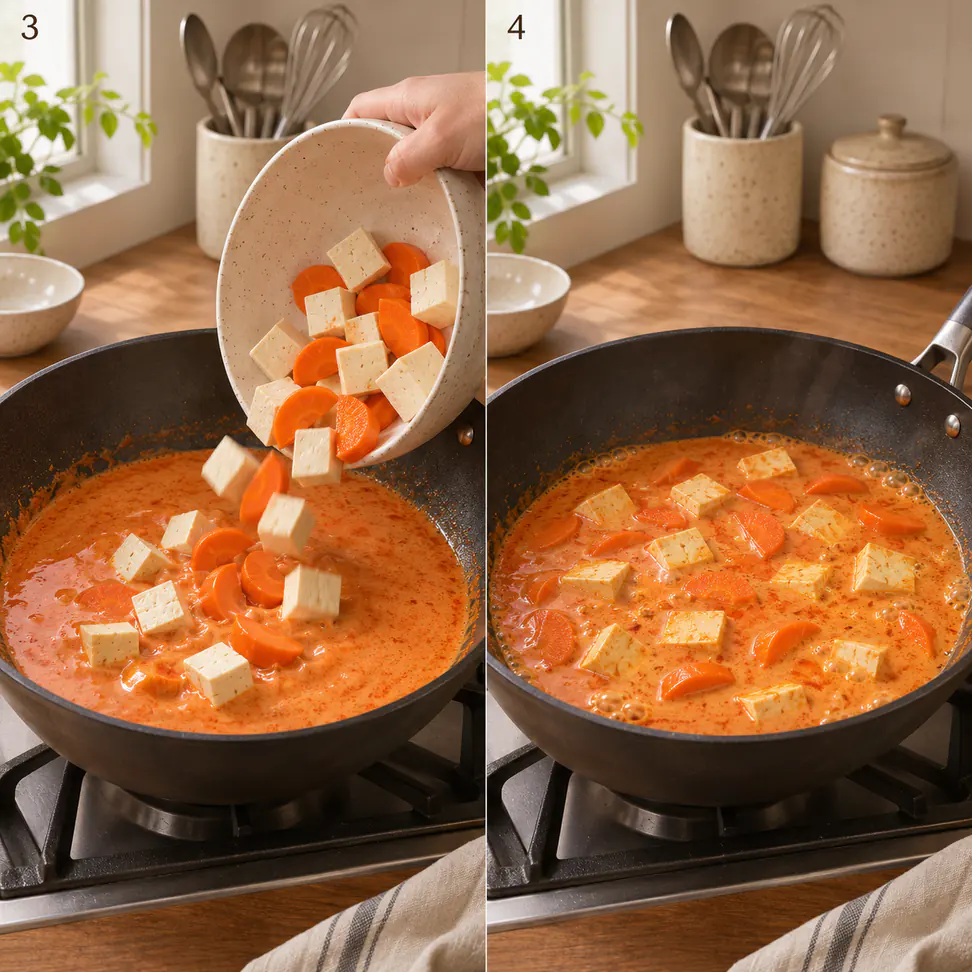
- Step 3: Add Hearty Vegetables – If using tofu, bamboo shoots, or firm vegetables like carrots or potatoes, add them now to absorb the initial flavors of the red thai curry recipe base.
- Step 4: Simmer Gently – Bring the mixture to a light simmer. Allow the vegetables to cook until they reach your desired level of tenderness. Keep the heat low to prevent the coconut milk from splitting.
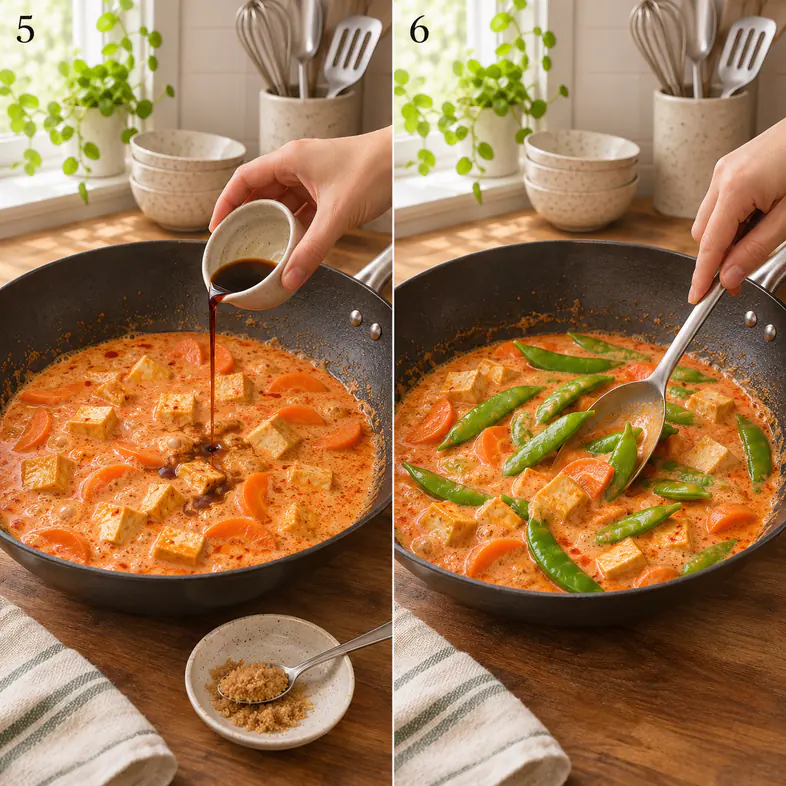
- Step 5: Season Accordingly – Add a dash of coconut sugar or brown sugar to balance the heat, and a splash of soy sauce or salt for depth. Adjust the red thai curry recipe seasoning slowly, tasting as you go.
- Step 6: Add Delicate Greens – Stir in bell peppers, snap peas, or baby bok choy during the final three minutes of cooking. This ensures they maintain a crisp, fresh bite and bright color.
- Step 7: Finish with Herbs – Remove from heat and stir in the fresh Thai basil leaves and a squeeze of lime juice or lime zest before serving immediately over a bed of steamed jasmine rice.
Notes
For best results, use authentic Thai basil and fresh lemongrass. Store leftovers in an airtight container for up to 3 days. Reheat slowly on the stovetop to maintain the silky texture of the coconut milk.
- Prep Time: 15 minutes
- Cook Time: 20 minutes
- Category: Main Course
- Method: Stovetop
- Cuisine: Thai
- Diet: Vegetarian
Nutrition
- Serving Size: 1 bowl
- Calories: 320 kcal
- Sugar: 6g
- Sodium: 450mg
- Fat: 24g
- Saturated Fat: 20g
- Unsaturated Fat: 4g
- Trans Fat: 0g
- Carbohydrates: 18g
- Fiber: 4g
- Protein: 5g
- Cholesterol: 0mg
Keywords: Thai curry, Red curry, Spicy, Vegan friendly, Coconut milk
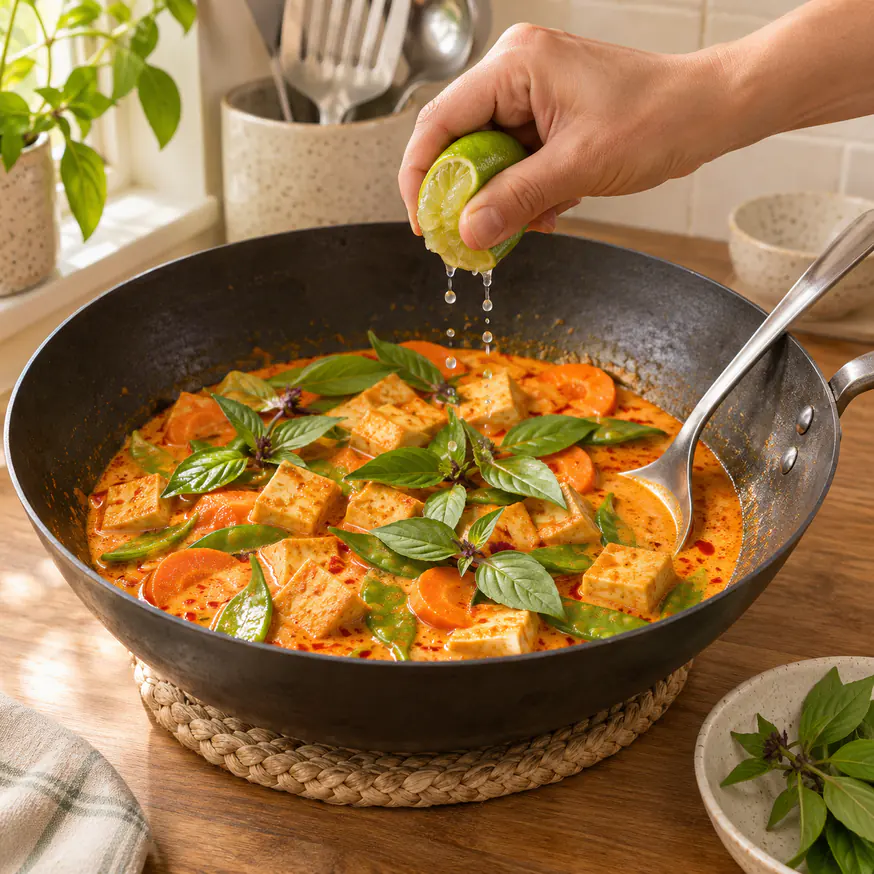
Preparing Your Red Thai Curry Recipe
The Cooking Process
Creating this red thai curry recipe is an exercise in layering flavors. By frying the paste in a little coconut cream first, you release the essential oils, which intensifies the overall depth. Many home cooks discover that pairing the right starch makes a difference; for example, easy healthy pasta meals demonstrate how different cultures adapt sauces to various bases, though traditional red thai curry recipe preparations typically favor fluffy jasmine rice or rice noodles. The starch absorbs the sauce, making every bite flavorful and cohesive.
Ingredients Overview
Understanding the components allows you to adjust the heat and creaminess to your personal liking. This red thai curry recipe relies on the following proportions to create a balanced, satisfying meal for four people:
| Component | Recommended Amount | Function |
|---|---|---|
| Red Curry Paste | 3-4 Tablespoons | Flavor Base/Heat |
| Coconut Milk | 1 Can (14oz) | Creamy Texture |
| Vegetables | 2 Cups | Texture/Nutrition |
| Fresh Basil | 1/2 Cup | Aromatic Finish |
Step-by-Step Instructions
Follow these seven specific instructions to achieve the perfect consistency and flavor balance for your red thai curry recipe.
- Sauté the Paste: In a large pan or wok, heat two tablespoons of coconut cream until it bubbles. Add the red curry paste and stir continuously for two minutes until it becomes highly fragrant and the oil separates slightly from the paste.
- Incorporate Liquid: Slowly pour in the remaining coconut milk. Stir constantly until the paste is fully dissolved and the sauce is perfectly smooth and vibrant in color.
- Add Hearty Vegetables: If using tofu, bamboo shoots, or firm vegetables like carrots or potatoes, add them now to absorb the initial flavors of the red thai curry recipe base.
- Simmer Gently: Bring the mixture to a light simmer. Allow the vegetables to cook until they reach your desired level of tenderness. Keep the heat low to prevent the coconut milk from splitting.
- Season Accordingly: Add a dash of coconut sugar or brown sugar to balance the heat, and a splash of soy sauce or salt for depth. Adjust the red thai curry recipe seasoning slowly, tasting as you go.
- Add Delicate Greens: Stir in bell peppers, snap peas, or baby bok choy during the final three minutes of cooking. This ensures they maintain a crisp, fresh bite and bright color.
- Finish with Herbs: Remove from heat and stir in the fresh Thai basil leaves and a squeeze of lime juice or lime zest before serving immediately over a bed of steamed jasmine rice.
Variations and Dietary Adaptations
Customizing Your Vegetables
The beauty of a versatile red thai curry recipe is that it accommodates whatever is in your pantry. Broccoli, zucchini, and baby corn work beautifully. If you want to expand your culinary repertoire beyond this dish, checking out tofu recipes can offer more ways to incorporate plant-based proteins. Ensure you cut your vegetables into uniform sizes so they cook at an even rate, which is a key trick for any professional-style red thai curry recipe. Larger chunks should go in early, while thinner slices or greens should be added near the end of the cooking process.
Refining the Heat Level
Red thai curry recipe heat levels depend entirely on the paste you choose. Some brands are very fiery, while others are mild. If you find your dish too spicy, simply add more coconut milk or a bit more sweetener. You can find detailed information on spice profiles and chili varieties through the Spruce Eats guide to curry pastes, which explains the traditional ingredients like galangal and lemongrass used in Thailand. Understanding the origin of these ingredients helps you appreciate the complexity of the flavor profile.
Advanced Tips for Success
Achieving the Perfect Consistency
A common mistake in a red thai curry recipe is making the sauce too thin. If you prefer a thicker gravy, simmer the coconut milk longer before adding the vegetables. Alternatively, a small amount of cornstarch slurry can help tighten the sauce without changing the flavor. Proper heat management is essential in a red thai curry recipe to prevent the coconut milk from curdling, which keeps the appearance clean and appetizing. Always keep the pan at a gentle simmer rather than a rolling boil.
Balancing Umami and Sweetness
Every red thai curry recipe requires a final check of the “four pillars”: salty, sweet, spicy, and sour. If the dish feels flat, a squeeze of fresh lime juice usually provides the necessary spark. For those interested in the science of flavor pairings, the Serious Eats Thai Curry guide offers great insights into how traditional ingredients interact to create those signature layers of taste found in a classic red thai curry recipe. The interplay between the fat in the coconut milk and the acidity of the lime is what makes this dish so memorable.
Ingredient Sourcing
When shopping, look for authentic ingredients to maintain the integrity of your meal. Thai basil has a distinct, slightly anise-like flavor that common sweet basil lacks. If your local grocery store does not stock it, look for it in Asian markets. Similarly, using fresh lemongrass instead of dried or powdered versions will make a noticeable difference in the fragrance and quality of the final dish. If you only have access to dried aromatics, rehydrate them in warm water before using them in the curry base.
Serving and Storage Advice
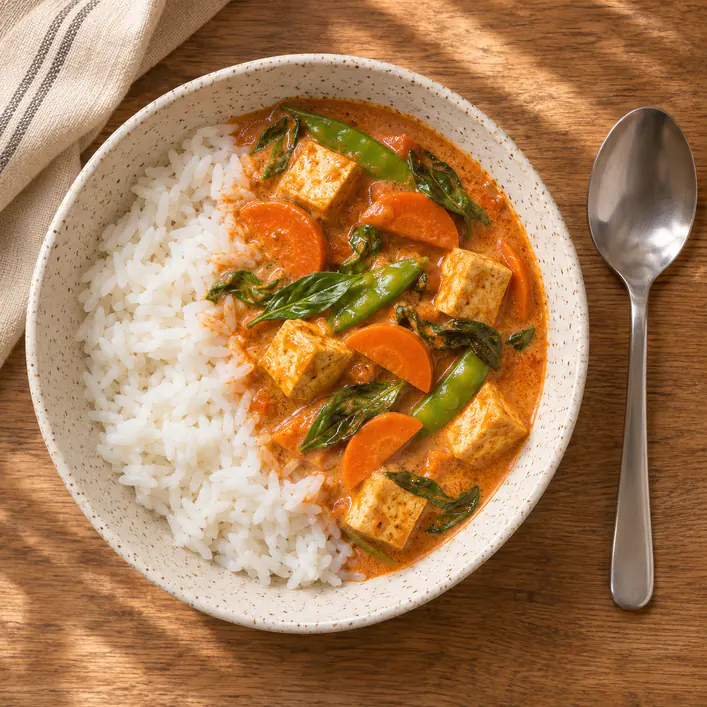
Serving Suggestions
A red thai curry recipe is best served immediately while the herbs are fresh and the vegetables maintain their snap. Pair this with a side of jasmine rice or jasmine brown rice for a nuttier texture. For a lower-carb option, cauliflower rice works exceptionally well, as its neutral flavor does not compete with the bold, creamy curry sauce. Garnish the bowls with additional fresh basil, a few sliced bird’s eye chilies for extra heat, and a wedge of fresh lime on the side.
Storing and Reheating
Leftover curry can be stored in the refrigerator for up to three days. It is important to place it in an airtight container to keep the aromatics from permeating your other groceries. When reheating, do so slowly on the stovetop. Coconut milk can separate if heated too aggressively in a microwave. By using a saucepan over medium-low heat and adding a tablespoon of water or broth, you can bring the sauce back to its original velvety texture. Never freeze the curry if it contains potatoes or soft vegetables, as the texture of the produce will break down significantly upon thawing.
Kitchen Organization
To keep the process simple, measure all your ingredients and chop your vegetables before you turn on the stove. This technique is known as mise en place. Because the cooking process moves quickly, having everything ready allows you to focus on the heat and the reduction of the sauce. If you are cooking for a crowd, you can prep the vegetable and sauce base in advance, keeping the greens and fresh herbs separate until the very last minute to keep them crisp and bright.
Conclusion
Mastering this red thai curry recipe brings a world of flavor into your routine. By focusing on fresh herbs, quality paste, and the right cooking technique, you can produce a meal that is both comforting and sophisticated. Take your time with the aromatics and enjoy the process of customizing the vegetables to suit your household’s tastes. Whether you serve it with rice or noodles, this red thai curry recipe is sure to become a cherished staple in your kitchen rotation for years to come. The balance of spice, creaminess, and fresh notes creates a dining experience that remains impressive no matter how many times you serve it.
FAQs
Can I store leftover red thai curry?
Yes, this red thai curry recipe keeps very well in the refrigerator for up to three days in an airtight container. The flavors often meld and deepen by the next day, making it an excellent candidate for meal prepping.
What is the best way to reheat this dish?
Gently reheat your red thai curry recipe on the stovetop over low heat. If the sauce has thickened too much in the fridge, add a small splash of water or extra coconut milk to bring back that silky, smooth consistency.
Can I add protein to this red thai curry recipe?
Absolutely. While we focus on a plant-forward approach, you can stir in seared tofu or firm plant-based proteins during the final stages of cooking to keep the texture perfect while ensuring your red thai curry recipe is hearty and satisfying. If using extra-firm tofu, press it first to remove excess water, then brown it in a pan before adding it to the curry for a better bite.
Disclaimer
The content provided on this website is for general informational and educational purposes only. It is not intended to replace professional medical advice, diagnosis, or treatment. I am not a licensed healthcare provider or certified nutrition expert.
Always seek guidance from a qualified medical professional before making any changes to your diet, especially if you have underlying health conditions, allergies, or specific dietary needs. Individual results may vary, and your health and safety should always come first.


