
This light flavored Chayote green squash has become popular in many kitchens because it works well in both fresh and cooked dishes. Its gentle taste, smooth texture, and ability to blend with stronger ingredients make it a useful choice for salads, soups, and warm meals. It also fits naturally into healthy diets thanks to its hydration, fiber, and nutrient content. If you enjoy discovering simple and nourishing ingredients, take a look at our moringa smoothie without banana for another fresh idea.
Table of Contents
What Is Chayote
Understanding the Basics
Chayote is a pale green squash with a smooth surface and tender flesh. Although it is technically a fruit, people cook it the same way they prepare vegetables. Its flavor stays mild, which makes it easy to combine with many seasonings and sauces. The texture remains firm when raw and softens nicely when heated.
Origins and History
This squash has roots in Mesoamerican agriculture, where it grew naturally in warm climates. Over time it reached other regions through trade and cultural exchange. Today it appears in a wide range of traditional dishes from Central America to Asia, showing how adaptable it is across different cuisines.
Appearance and Flavor
The shape resembles a wrinkled pear, and the inside is smooth with a single soft seed. When eaten raw, the flesh gives a crisp bite. When cooked, it becomes tender and absorbs surrounding flavors easily. Its clean and gentle taste allows it to pair well with bold ingredients such as herbs, onions, or spices.
Print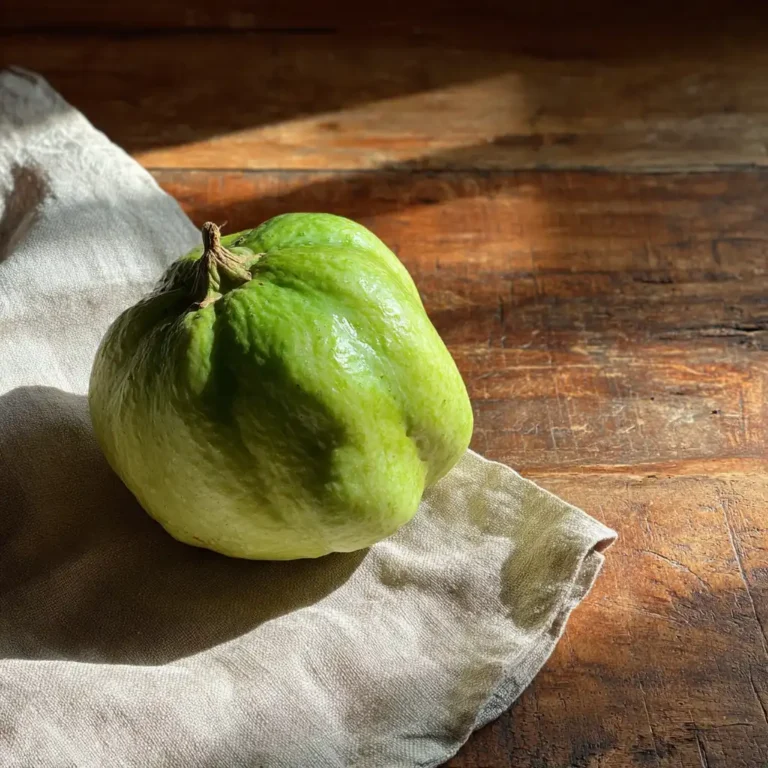
Chayote: A Complete Guide to This Mild and Versatile Squash
A practical and simple guide to chayote, including preparation, cooking tips, storage, and serving ideas.
- Total Time: 30 minutes
- Yield: 4 servings 1x
Ingredients
Ingredients:
- 2 chayotes
- 1 tsp olive oil
- Salt and pepper to taste
Instructions
- Step 1: Prepare Chayote – Wash and peel the chayotes. Cut them into thin slices or cubes based on your recipe.
- Step 2: Cook Chayote – Heat olive oil in a pan over medium heat. Add chayote and sauté for 8-10 minutes until tender.
- Step 3: Season and Serve – Add salt and pepper to taste. Serve warm as a side dish or incorporate into recipes.
Notes
You can also steam or boil chayote for a softer texture. Pairs well with lime juice or garlic.
- Prep Time: 10 minutes
- Cook Time: 20 minutes
- Category: Side Dish
- Method: Sauté
- Cuisine: Mexican
- Diet: Vegan
Nutrition
- Serving Size: 1 cup
- Calories: 25
- Sugar: 2g
- Sodium: 5mg
- Fat: 0g
- Saturated Fat: 0g
- Unsaturated Fat: 0g
- Trans Fat: 0g
- Carbohydrates: 6g
- Fiber: 2g
- Protein: 1g
- Cholesterol: 0mg
Keywords: chayote, cooking chayote, how to cook chayote
Common Culinary Uses
This ingredient works well in salads, soups, stews, and sautéed dishes. In some traditions, cooks also prepare the shoots and leaves. It blends smoothly into fresh salads or warm vegetable mixes, giving each dish more texture without overpowering other components.
Nutritional Highlights
This squash provides fiber, vitamin C, folate, and minerals while staying low in calories. Its high water content supports hydration and makes it suitable for balanced meals. Because the flavor is so gentle, it can be included in many recipes without changing the overall taste of the dish.
How to Prepare Chayote for Everyday Cooking
Selecting Fresh Chayote at the Market
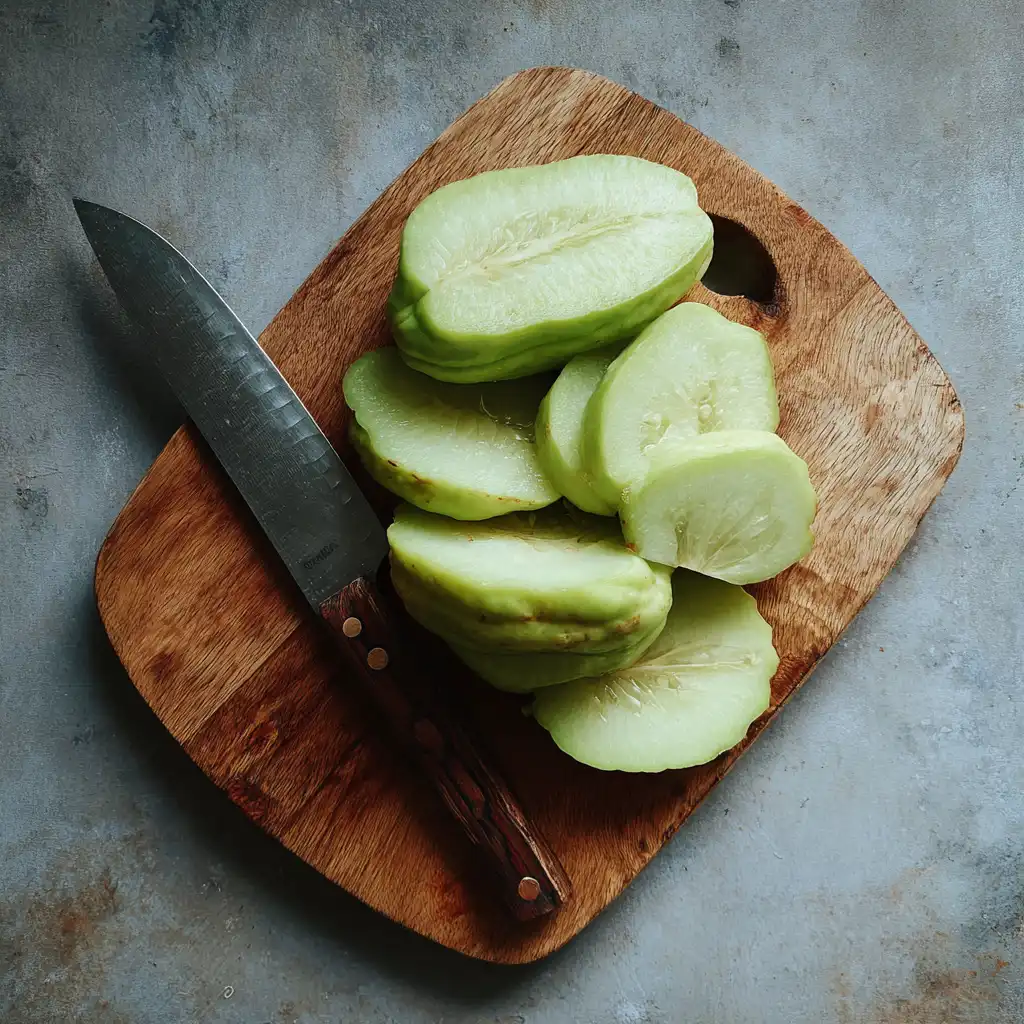
Start by choosing firm pieces with smooth skin and a healthy green color. Fresh chayote should feel solid when held and free of soft areas. Medium sized squash is easiest to handle and cooks evenly. These qualities help the chayote stay crisp when raw and tender when warmed. If you enjoy learning new kitchen ideas alongside produce tips, explore our collection of brownie recipes for a fun treat after your meal.
How to Clean and Peel Chayote
Rinse the chayote under cool running water to remove surface residue. Some cooks peel it, while others keep the skin for extra fiber. The squash may release a slippery film when cut, so hold it carefully. Once cleaned, it is ready to be sliced or diced. This simple prep allows the chayote to work in fresh salads, soups, and warm dishes.
Cutting Chayote Safely
To prepare it for cooking, slice the chayote in half and remove the soft seed. Cut the flesh into cubes, strips, or thin slices depending on the recipe. The structure stays firm enough to hold shape in stir fries and soups but softens quickly with heat. This makes the chayote easy to use in many cooking styles.
Using Chayote Raw
Raw chayote offers a refreshing crunch. You can grate it for slaws or slice it thinly for salads. Citrus based dressings, herbs, or light seasonings pair well with its clean taste. This raw method highlights the natural crispness of the chayote and keeps meals bright and fresh.
Preparing Chayote for Cooking
After slicing, pat the chayote dry so it cooks evenly. It softens quickly once heated, making it suitable for sautéing, steaming, or simmering in broth. The mild flavor absorbs spices, herbs, and sauces easily. This flexibility helps the chayote blend naturally into both simple and complex dishes.
Why This Squash Fits Many Cooking Styles
How Its Gentle Flavor Works in Recipes
The taste of chayote is mild and clean which makes it a natural fit for dishes that rely on balance rather than strong flavors. It blends smoothly with seasonings, herbs, and sauces without overpowering the rest of the meal. This softness allows cooks to use it in both fresh salads and warm comfort recipes.
How Texture Supports Cooking Flexibility
The firm interior softens evenly during cooking which helps the squash adapt to many methods. It stays tender in simmered dishes and holds its shape in sautéed or roasted meals. This means you can use it as a main vegetable or as a base that absorbs surrounding flavors.
How It Complements Other Ingredients
This squash pairs well with onions, garlic, citrus, and light spices. Its simple structure lets each ingredient stand out while still keeping the dish balanced. The neutral taste also makes it easy to mix with proteins or grains. For a sweet option to enjoy after dinner, try our peanut butter brownies recipe.
How Cultures Use It in Everyday Meals
Cooks across different regions include this squash in soups, stews, curries, and vegetable mixes. In fresh dishes it adds crunch. In warm dishes it provides softness. This wide range of uses has helped it remain a common choice in home kitchens around the world.
How Its Nutritional Qualities Support Practical Cooking
The light and nourishing profile suits health focused meals without sacrificing comfort. It works well in simple plates or more layered dishes. Its clean taste and adaptable texture help keep cooking easy and enjoyable.
Health Benefits and Everyday Advantages
Nourishing Qualities That Support Wellness
This squash offers hydration, fiber, and key vitamins without adding many calories. Its gentle flavor and light texture make it easy to include in daily meals. Many people enjoy it because it supports balanced eating while still feeling satisfying.
How It Supports Digestion
The natural fiber helps maintain steady digestion, and the high water content keeps meals refreshing. When included in soups or light sautéed dishes, it adds volume without heaviness. This makes it a smart choice for anyone who wants meals that feel gentle on the stomach.
Why It Works Well in Healthy Cooking
Because it blends easily into fresh or warm recipes, it pairs well with nutrient rich ingredients like greens, citrus, and herbs. These combinations create dishes that feel wholesome and flavorful. If you want more ideas for thoughtful cooking, try our banana bread brownies recipe which offers a comforting sweet finish.
How It Helps With Balanced Meal Planning
Its versatility allows it to appear in salads, bowls, soups, or simple side dishes. This makes it easy to plan meals that stay fresh and varied throughout the week. The light taste also pairs comfortably with plant based or protein focused dishes.
How It Fits Into Weight Friendly Plans
Thanks to its low calorie profile and natural hydration, it supports filling meals without adding heaviness. Many people enjoy it in place of higher calorie vegetables because it still offers a pleasant bite and satisfying texture.
Popular Ways to Cook This Versatile Ingredient
Sautéing for Quick and Simple Meals
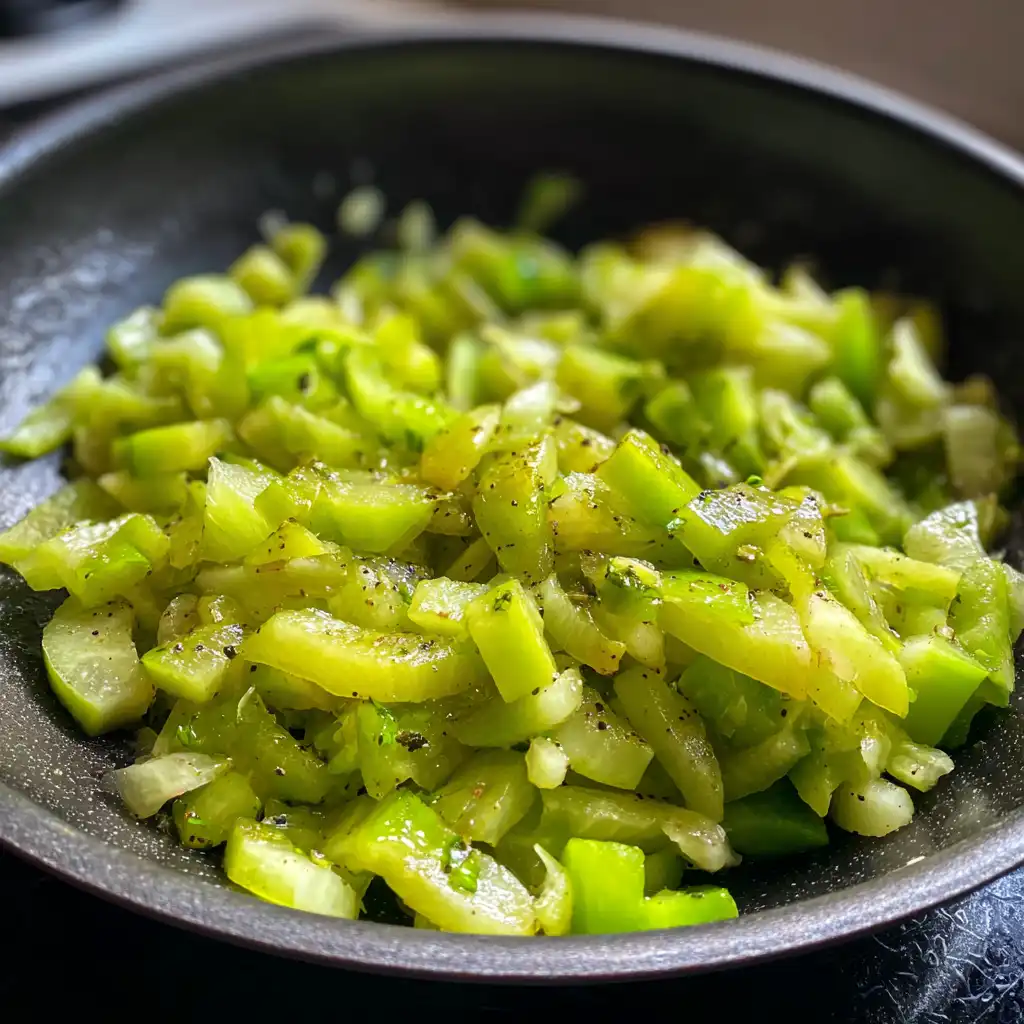
Sautéing is one of the easiest ways to bring out a tender bite while keeping a slight crisp texture. A warm pan, a little oil, and light seasoning are all you need. This method works well when you want a fast side dish that blends smoothly with other ingredients. It keeps the flavor gentle and the texture pleasing.
Simmering in Soups and Stews
Many home cooks enjoy adding this ingredient to soups because it softens evenly and absorbs surrounding flavors. It stays smooth without losing shape, making it a steady base for warm bowls. Whether you prepare simple broths or heartier blends, it fits naturally into the mix. For more comforting bowl ideas, explore our Thanksgiving dessert ideas to pair with your meal.
Roasting for a Deep and Warm Flavor
Roasting gives it a slightly sweeter taste and a softer center. The edges caramelize gently while the inside stays tender. This method works well for warm salads, grain bowls, or mixed vegetable trays. The mild nature of the ingredient allows spices and herbs to shine.
Steaming for a Light and Clean Texture
Steaming keeps the structure intact while preserving a fresh taste. It is an excellent option if you want a light side dish that pairs well with citrus, herbs, or simple sauces. Steamed slices can also be added to salads to create a balanced and refreshing plate.
Adding It to Stir Fry Dishes
Stir fry recipes benefit from this ingredient because it reacts quickly to heat and blends smoothly with sauces. Thin slices stay crisp while absorbing bright flavors from garlic, ginger, and vegetables. This makes it a great addition when you want color, texture, and balance in a single pan.
Serving Ideas and Flavor Pairings
Fresh Pairings for Light Meals
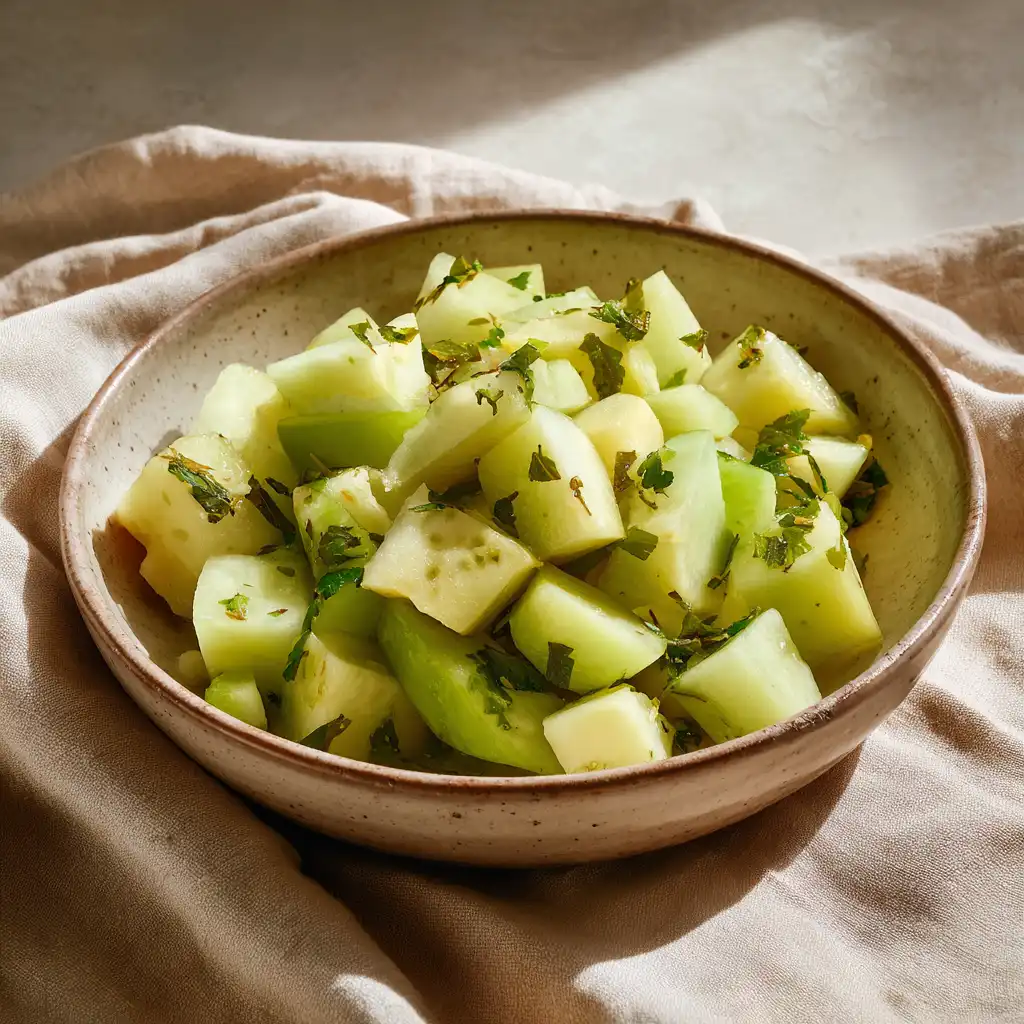
This ingredient works well in fresh plates because its clean taste supports bright flavors like citrus, herbs, and mild dressings. You can mix thin slices with lettuce, greens, or cucumber to create a refreshing bowl. The soft crunch makes each bite feel balanced without overpowering the rest of the dish.
Warm Pairings for Comforting Plates
In warm meals, it blends beautifully with onions, garlic, mild spices, and tender vegetables. This balance makes it a natural fit for stews, sautés, or grain bowls. Its smooth texture also pairs well with soft proteins or warm sauces that bring depth and richness to the overall dish. For a sweet finish after dinner, enjoy our chocolate hazelnut budino as a rich and elegant dessert.
Toppings That Boost Texture
You can enhance meals by pairing this ingredient with crunchy toppings such as seeds or toasted bread pieces. These add contrast and make each dish more enjoyable. Light sauces or yogurt based dressings also work well, especially in fresh plates where a gentle touch adds just enough flavor.
How It Complements Spices and Herbs
Its mild character allows spices like paprika, cumin, or coriander to shine. Fresh herbs such as parsley, cilantro, and mint also blend smoothly. These additions create a layered flavor profile without overwhelming the natural taste. This makes it easy to adjust dishes based on personal preference.
Serving It as a Main or a Side
It can serve as a warm centerpiece in a sauté or as a gentle base in fresh salads. It also pairs well with rice, quinoa, or noodles when you want a balanced plate. Because it adapts easily, it can take on a leading role or a supporting one depending on the meal.
Storage, Meal Prep, and Practical Tips
How to Store Chayote in the Refrigerator
Chayote stays fresh for several days when stored correctly. Whole chayote should be placed in the crisper drawer where cool air keeps it firm. Once sliced, chayote needs a sealed container to prevent drying. This simple method helps chayote maintain its smooth texture and clean taste for everyday use.
How to Freeze Chayote for Long Term Use
You can freeze cooked chayote to save it for later recipes. Lightly steam or blanch the chayote, cool it, then place it in freezer safe containers. This prepares chayote for soups and warm dishes without losing tenderness. For more information about food freezing in general, you can explore the freezing food page on Wikipedia.
How to Reheat Chayote Without Losing Texture
To keep chayote soft and smooth, warm it slowly. Adding chayote toward the end of cooking prevents it from breaking down. This method works well in soups and sautéed dishes where chayote contributes a tender and balanced bite without becoming mushy.
Using Leftover Chayote in Creative Ways
Leftover chayote can be mixed into salads, grain bowls, or blended soups for extra texture. Chayote also pairs well with citrus or herbs when you want a fresh side dish. For a dessert to enjoy after a chayote based meal, try our cream cheese brownies.
How to Prep Chayote for Weekly Meal Plans
Chayote works well for meal prep because it stays firm after cutting and fits into many dishes. Store sliced chayote in a sealed container so it stays ready for use. You can add chayote to soups, stir fry dishes, salads, and warm bowls throughout the week for simple and balanced meals.
Frequently Asked Questions About This Ingredient
What Does It Taste Like
The flavor is gentle and clean with a light freshness that makes it easy to use in many dishes. It does not overpower other ingredients and blends well in both warm and cool recipes. This mild taste is one of the reasons cooks enjoy adding it to everyday meals.
Can You Eat It Raw
Yes, it can be eaten raw and offers a crisp bite. Thin slices work well in salads or fresh bowls. When paired with citrus or herbs, the natural freshness becomes even more noticeable, making raw preparations a great choice for light meals.
Can You Cook It Without Losing Texture
It softens quickly when heated but still holds its structure if cooked gently. Many cooks add it near the end of a recipe to keep a pleasant bite. This helps warm dishes stay balanced while still offering a tender texture.
Is It Good for Healthy Eating Plans
Yes, it fits nicely into balanced diets because it is light, refreshing, and full of hydration. It also pairs well with nutrient dense ingredients like greens, grains, or lean proteins. These combinations help support simple and nourishing meals.
What Dishes Use This Ingredient Most Often
You can find it in soups, stir fries, salads, and warm bowls across many cultures. Its flexible nature makes it a helpful ingredient for simple home cooking. For a sweet treat to pair with a savory meal, enjoy our chocolate brownies with mms.
Does It Have Seeds You Need to Remove
Yes, it contains a single soft seed in the center. Some cooks use it because it blends easily, while others remove it for smoother texture. The seed is mild and tender, so either option works depending on the recipe.
How Do You Keep It Fresh After Cutting
Place sliced portions in a sealed container and refrigerate them. This prevents drying and helps maintain a firm bite. It should stay fresh for several days when stored properly.
Conclusion
This ingredient offers a blend of light flavor, gentle texture, and practical versatility that makes it a dependable choice in everyday cooking. From fresh salads to warm bowls and simple side dishes, it adapts easily to different meals without overpowering other ingredients. Its ability to stay firm when sliced, soften evenly when heated, and absorb surrounding flavors has made it a favorite in kitchens around the world.
Whether you enjoy crisp raw servings or tender cooked portions, this ingredient fits naturally into healthy and balanced eating habits. It stores well, reheats smoothly, and works beautifully in meal prep, giving home cooks freedom to create dishes that feel both simple and satisfying. As you continue exploring new ways to use it, you will find that it supports creativity and comfort in every meal.



2 thoughts on “Chayote: A Complete Guide to This Mild and Versatile Squash”