Chayote food plays a bigger role in many home kitchens than people realize, and this article walks you through everything from taste to cooking ideas. You will see how this mild green produce fits into everyday meals, why it is valued for nutrition, and how you can cook it with confidence.
While reading, you will also find helpful links like this one that gives extra background on the plant. Check out this chayote guide for more insights. By the end, you will understand why chayote food has become a favorite for both simple meals and creative dishes.
Table of Contents
Understanding Chayote Food and Its Origins
What Chayote Food Really Is
Chayote comes from a light green fruit in the gourd family. Even though many people call it a vegetable, it is actually a fruit in botanical terms. Still, cooks treat it like a vegetable because its taste is gentle and its texture feels crisp when raw and tender when cooked. Since chayote food blends smoothly into savory dishes, it works well in soups, sautés, stews, or even raw salads. You will notice that its mild flavor lets stronger ingredients shine while giving a pleasant bite.
Where Chayote Comes From and How It Spread
Chayote traces its roots to Central America, where it has been grown for centuries. As trade and travel expanded, the fruit reached North America, Asia, and parts of Europe. Because the plant grows well in warm climates and offers edible fruit, shoots, and young leaves, it became popular in many cooking traditions. Even today, families in several regions rely on it as a steady ingredient that cooks quickly and adapts to many recipes. This long history explains its strong presence in markets and kitchens around the world.
Print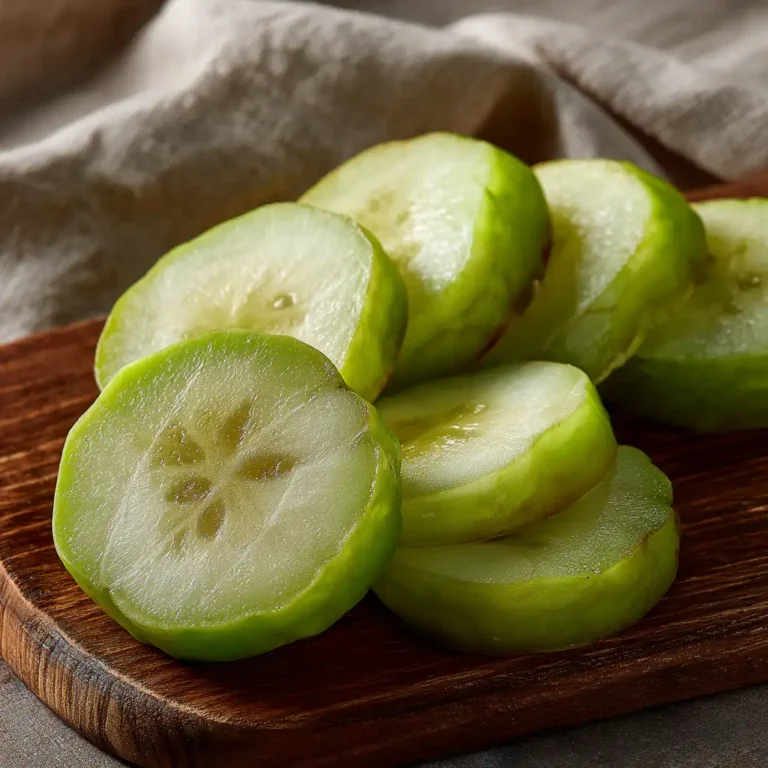
Chayote Food Guide for Better Flavor and Easy Cooking
A basic method for preparing chayote food for salads, warm dishes, and everyday meals.
- Total Time: 20 minutes
- Yield: 2 to 4 servings 1x
Ingredients
Ingredients:
- 1 medium chayote
- 1 tablespoon olive oil
- 1 small onion sliced
- 1 garlic clove minced
- Salt to taste
- Pepper to taste
Instructions
- Step 1: Wash Chayote – Wash the chayote and trim the ends. Peel if desired.
- Step 2: Slice Chayote – Slice the chayote into even pieces for steady cooking.
- Step 3: Sauté Aromatics – Warm a pan and add olive oil, onion, and garlic.
- Step 4: Cook Chayote – Add the chayote slices and cook until tender, usually 8 to 10 minutes.
- Step 5: Season and Serve – Season with salt and pepper before serving.
Notes
You can peel the chayote if you prefer a softer texture, though the skin is edible. This simple recipe works great as a side or salad base.
- Prep Time: 10 minutes
- Cook Time: 10 minutes
- Category: Side Dish
- Method: Stovetop
- Cuisine: American
- Diet: Vegan
Nutrition
- Serving Size: 1 cup (about 150g)
- Calories: 70
- Sugar: 2
- Sodium: 10
- Fat: 0
- Saturated Fat: 0
- Unsaturated Fat: 0
- Trans Fat: 0
- Carbohydrates: 17
- Fiber: 3
- Protein: 1
- Cholesterol: 0
Keywords: chayote food, chayote recipe, how to cook chayote
Key Nutrition Facts of Chayote Food
Why Chayote Food Is Known for Strong Nutrition
Chayote food is praised for being light, fresh, and packed with essential nutrients that support daily health. Even though it tastes mild, it carries vitamin C, folate, fiber, and helpful antioxidants. Because it is naturally low in calories, many home cooks use it in balanced meals that feel filling without being heavy. Since its flavor stays neutral, you can add it to salads, soups, or warm dishes without changing their overall taste. Looking for inspiration? Try this chayote vegetable guide to see more ways to use it in healthy meals.
How Chayote Food Helps Support Everyday Wellness
Your body benefits from chayote food in several ways. Its fiber helps support smooth digestion, while its vitamin C helps maintain immune strength. The natural hydration from its high water content adds a refreshing feel, especially in warm weather dishes. Since the fruit contains gentle plant compounds, it also supports balanced blood sugar when enjoyed as part of a steady eating pattern. These qualities explain why people reach for chayote when they want simple ingredients that still support overall wellness.
Common Uses of Chayote Food in Everyday Cooking
How Home Cooks Usually Prepare Chayote
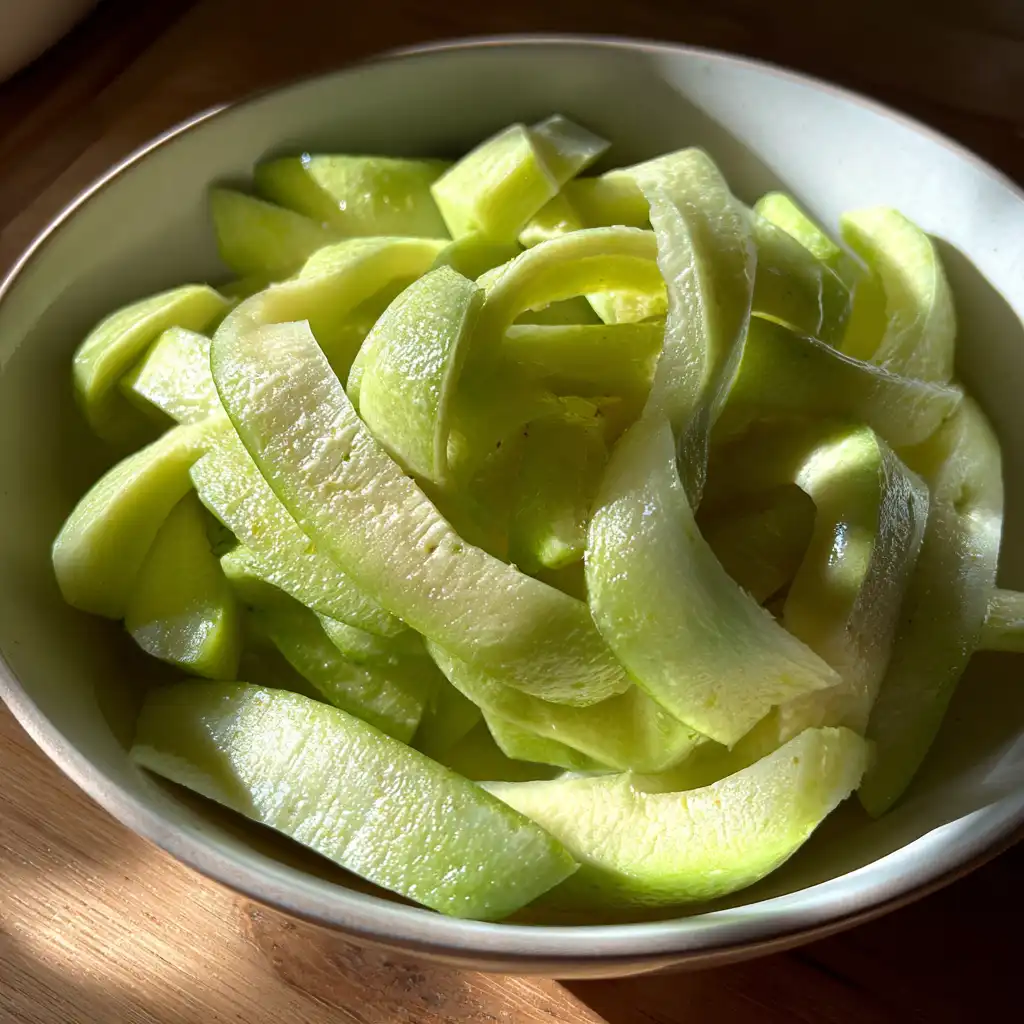
Chayote food fits naturally into simple meals because it cooks quickly and blends with many flavors. Most cooks begin by washing the fruit, trimming the ends, and slicing it into even pieces. Some prefer peeling, while others keep the skin on for a firmer bite. Once prepped, the fruit softens in just a few minutes, which makes it convenient for weeknight meals. You can stir it into soups, cook it with onions, or mix it with fresh herbs for a clean taste. If you enjoy sweet treats as well, check out this sweet potato brownies recipe to see how mild produce can shine in creative dishes.
Popular Ways to Enjoy Chayote Food Across Cultures
Chayote appears in many kitchens around the world, and each culture brings a unique style to the table. In Latin American cooking, it often shows up in warm stews or sautéed with peppers. In Asian dishes, cooks slice it thin for stir fry or simmer it in broth. Some families enjoy it raw in salads, which keeps its crisp texture. Because it carries flavor lightly, chayote food takes on the taste of spices, sauces, and broths with ease. This versatility helps it fit into daily meals, holiday dishes, and even modern fusion recipes.
Cooking Methods That Bring Out the Best in Chayote Food
Simple Techniques for Cooking Chayote Food the Right Way
Chayote food responds well to gentle cooking methods that keep its natural texture. Many cooks enjoy steaming it because the fruit stays light and tender without losing its clean flavor. Others like to pan cook it with garlic or onion for a warm and comforting side. Since the fruit absorbs surrounding flavors with ease, it works well in broths, light sauces, or seasoned vegetable mixes. If you want ideas that follow a smooth and creamy style, check out this gianduja budino recipe to see how simple ingredients can create soft textures in dessert dishes.
Why Different Cooking Styles Change the Taste of Chayote Food
The way you cook chayote food influences both its bite and its taste. When cooked in water, the fruit softens gently while keeping a mild flavor. When roasted, it gains a deeper and slightly sweeter note because of the heat. A quick sauté gives a slight crisp edge that pairs well with herbs. Each method has its own charm, which is why home cooks often switch styles depending on the meal. These flexible options make chayote a useful choice for quick dinners, meal prep, and comfort dishes.
Flavor Pairings That Work Well With Chayote Food
Ingredients That Bring Out a Better Taste in Chayote
Chayote food blends naturally with ingredients that have warm or bright flavors. Garlic and onions offer depth, while citrus gives a mild lift that keeps the dish refreshing. Fresh herbs like cilantro or parsley also match well because they keep the meal light. Many cooks enjoy pairing it with tomatoes, broth, or gentle spices to build simple but tasty mixes. For a smooth and silky idea that shows how gentle flavors can shine, take a look at this coffee budino recipe.
How Different Flavors Change the Overall Dish
The mild taste of chayote food means it easily adapts to the flavors around it. When mixed with bold spices, the fruit takes on a warm and fragrant feel. When paired with creamy textures, it becomes softer and more comforting. If used in raw salads, it keeps a crisp bite that balances richer ingredients. Because it works with so many directions, the fruit fits into savory meals, plant based dishes, and simple homemade sides without effort.
How to Store and Select Fresh Chayote Food
Choosing the Best Chayote at the Market
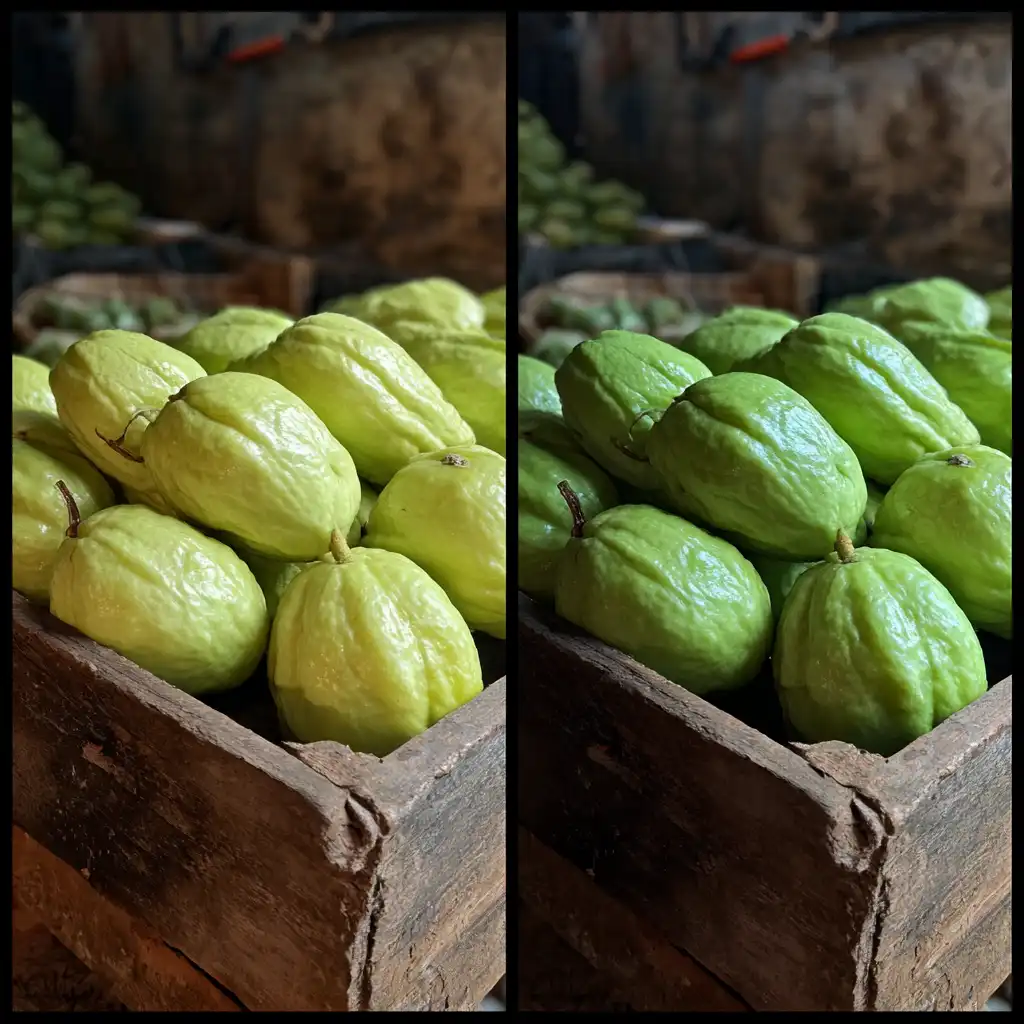
When picking chayote food, look for fruit that feels firm and smooth. A gentle squeeze should not leave marks, and the skin should appear even without soft spots. Lighter lines on the surface are normal, but deep cracks usually mean the fruit has lost moisture. Fresh chayote offers a clean scent and a steady texture, which helps it hold up well during cooking. If you enjoy creamy desserts and want fresh ideas, check out this Italian chocolate pudding recipe for a comforting treat.
How to Store Chayote Food for Longer Use
Chayote food keeps well when stored the right way. Place it in the fridge inside a breathable bag to maintain moisture without trapping excess air. It usually lasts up to two weeks when kept cool. Once sliced, it stays fresh for a few days if stored in an airtight container. Because the fruit holds water naturally, keeping it chilled helps preserve its firm texture. Good storage makes weekday meals faster and smoother since the fruit stays ready for slicing or cooking.
Creative Ways to Add Chayote Food to Modern Meals
Simple Everyday Ideas That Make Chayote More Fun
Chayote food fits smoothly into both classic and modern meals because its clean flavor works with many ingredients. You can slice it into thin ribbons and fold it into fresh salads, or cook it gently and add it to warm grain bowls. Many people enjoy mixing it with beans or roasted vegetables for balanced plates. If you want more background on the plant itself, you can read this helpful source from Wikipedia for general information.
How Modern Cooking Styles Make Chayote Food More Versatile
New cooking styles encourage mixing textures, which suits chayote food perfectly. Air frying gives a soft center with a light crisp edge, while slow cooking lets the fruit absorb broth and spices for a deeper flavor. Blending cooked chayote into purees adds body to soups without making them heavy. Because it handles heat gently, the fruit keeps a steady texture even when paired with bold ingredients. These traits make it a great match for plant based meals, quick dinners, and creative homemade dishes.
How Chayote Food Fits Into Balanced Meal Planning
Making Chayote Part of Weekly Meal Prep
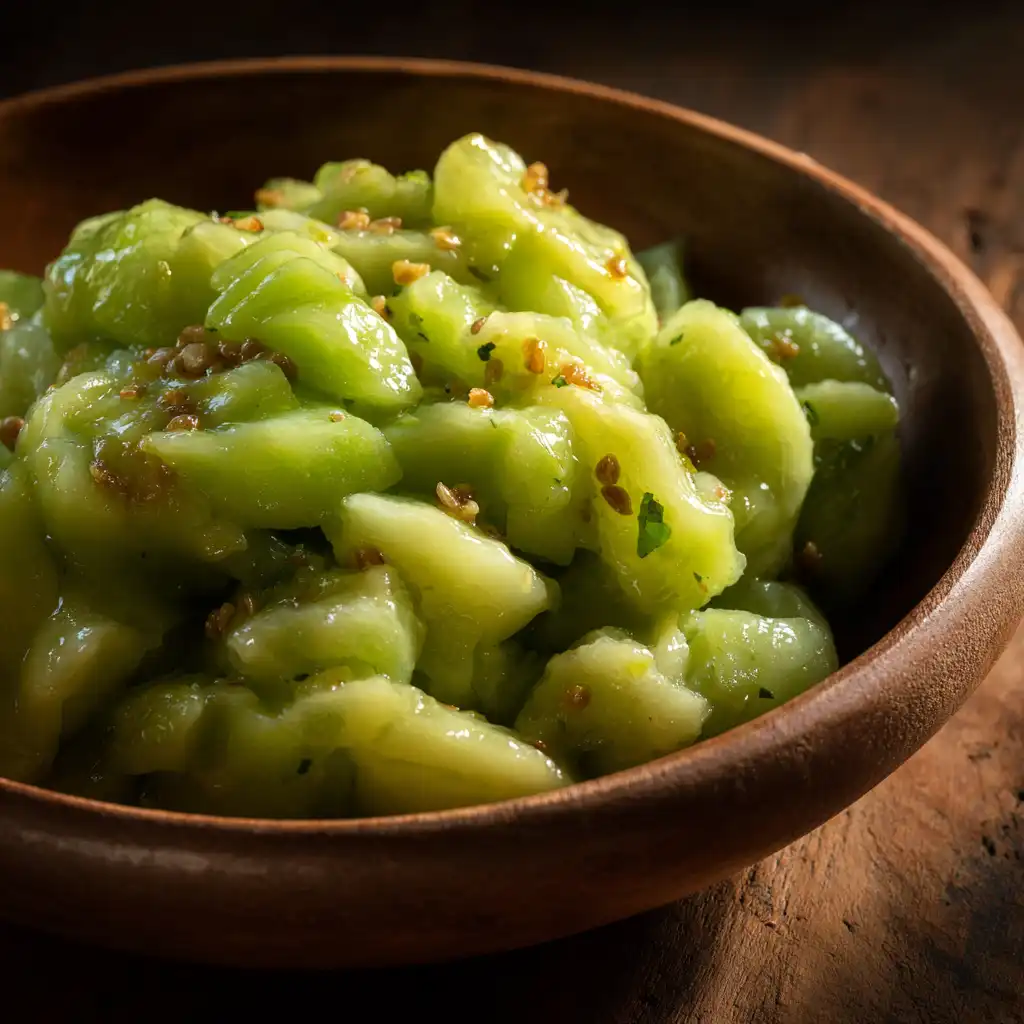
Chayote food works well for weekly cooking because it keeps its texture after slicing or cooking. Many people prepare it ahead of time by cutting it into cubes or ribbons and storing it in the fridge for quick use. It pairs easily with grains, soups, and light proteins, which helps build simple and steady meals. Because its taste stays mild, it supports a mix of warm and cool dishes without overpowering other ingredients. For a smooth dessert idea that shows how simple ingredients can blend well, you may check out this tiramisu maison recipe.
How Chayote Food Supports Different Eating Styles
Since it is naturally light and rich in water, chayote food feels comforting without being heavy. It fits into plant based dishes, low calorie plans, and simple homemade meals with ease. Many cooks enjoy using it as a stand in for higher calorie ingredients because it offers volume without adding weight. When cooked gently, it adds a tender base to soups or bowls. When served raw, it brings a crisp bite that lifts salads or cold plates. These traits make it a useful choice for home cooks who want flexible ingredients for steady meal planning.
Frequently Asked Questions About Chayote Food
What is chayote food?
Chayote food comes from a light green fruit in the gourd family that cooks use as a vegetable. It has a gentle taste and a crisp texture when raw, and it turns tender when cooked. Because it stays mild, it fits into many dishes without changing the overall flavor.
Is chayote food good for you?
Yes, chayote is naturally rich in vitamin C, fiber, and folate. It is low in calories and holds plenty of water, which supports steady digestion and balanced meals. Many people include it in regular cooking because it fits well into lighter eating styles.
How do you prepare and cook chayote food?
Most cooks wash the fruit, trim the ends, and slice it into steady pieces. You can steam it, cook it in a pan, roast it, or use it raw. Each method gives a different texture, from crisp to soft. Its mild taste makes it easy to mix with herbs, onions, or broth.
Can you eat all parts of the chayote plant?
The fruit is the most common part used in cooking, but young shoots and leaves are also eaten in some cuisines. These parts soften quickly in heat, which makes them useful in soups or stir cooked dishes.
What dishes can you make with chayote food?
Chayote food appears in salads, warm bowls, soups, stews, sautés, and even blended purees. Some families enjoy it raw for a crisp bite, while others mix it into comfort dishes for a soft finish. Because the flavor stays neutral, it works with many cooking styles.
Tips for Improving Your Cooking Results With Chayote Food
How Simple Adjustments Change the Final Texture
Chayote food reacts quickly to heat, so small changes in cooking time can give very different results. A short cook keeps the fruit crisp, which works well in salads or warm bowls. A longer cook turns it softer and smoother, which fits soups or blends. If you want even cooking, cut the fruit into pieces that match in size. This helps the texture stay steady from edge to center. For a warm dessert idea with gentle flavor depth, discover this spiced chocolate budino recipe.
Common Mistakes to Avoid When Working With Chayote Food
Some cooks overcook chayote food until it loses its natural bite. Others skip seasoning, which leaves the fruit tasting too mild. A simple mix of herbs, citrus, or broth can bring out its character. Washing carefully and trimming the ends also improves the final dish. Since the fruit absorbs flavors easily, steady seasoning works better than strong bursts of spice. With a few small steps, home cooks can bring out the best qualities in every meal that uses this gentle and flexible ingredient.
Conclusion
Chayote offers a clean flavor, steady texture, and flexible use in both simple and creative meals. Because it cooks quickly and blends smoothly with herbs, broth, or spices, it fits into warm dishes, salads, and modern recipe ideas with ease. Many families keep it on hand since it holds well in storage and supports balanced eating without adding heavy notes to a meal.
If you want more simple ideas for your kitchen, discover this chayote vegetable overview for added guidance. With a few basic steps and a bit of practice, chayote food can become a steady part of your everyday cooking routine.