The chayote fruit is gaining attention in kitchens across the USA thanks to its mild flavor, tender texture, and surprising versatility. This guide breaks down what chayote is, how it tastes, where it comes from, and why so many home cooks now keep it on hand. If you want a simple starting point while learning about this fresh ingredient, check out this chayote guide for more helpful basics.
Table of Contents
What Is Chayote Fruit
Understanding the Identity of Chayote Fruit
Chayote fruit comes from the gourd family and looks a bit like a wrinkled green pear. Even though many call it a vegetable, it is botanically a fruit. The chayote grows in warm climates and has been part of Latin American cooking for centuries. Its neutral taste makes it easy to mix into both savory and sweet dishes, so it fits into many eating styles.
Print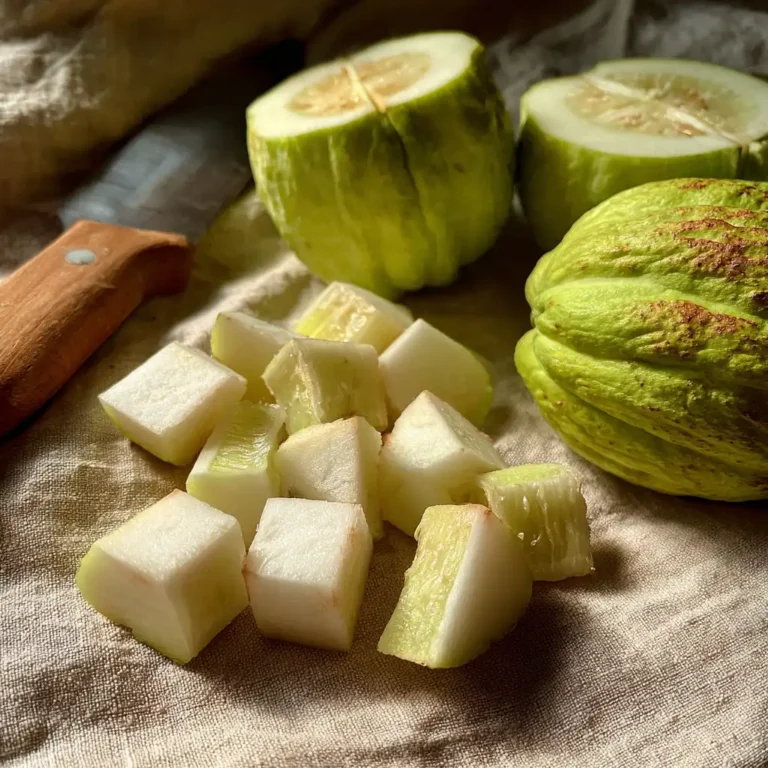
Chayote Fruit Guide for Beginners
A basic method for preparing fresh chayote fruit for salads, slaws, or cooking.
- Total Time: 10 minutes
- Yield: 2 servings 1x
Ingredients
Ingredients:
- 1 fresh chayote fruit
- Water for rinsing
- Lemon juice (optional)
Instructions
- Step 1: Rinse – Rinse the chayote fruit under cool running water.
- Step 2: Peel – Peel the outer skin if a softer texture is preferred.
- Step 3: Slice – Slice or dice the chayote fruit for salads or cooking.
- Step 4: Add Lemon Juice – Optional: Add lemon juice to keep the cut pieces bright.
Notes
Chayote is often eaten raw in salads or cooked in various dishes. Its skin is edible but can be tough, so peeling is optional. Use lemon juice to prevent browning when serving raw.
- Prep Time: 10 minutes
- Cook Time: 0 minutes
- Category: Preparation
- Method: Raw
- Cuisine: American
- Diet: Vegan
Nutrition
- Serving Size: 1/2 chayote
- Calories: 20
- Sugar: 2g
- Sodium: 1mg
- Fat: 0g
- Saturated Fat: 0g
- Unsaturated Fat: 0g
- Trans Fat: 0g
- Carbohydrates: 5g
- Fiber: 2g
- Protein: 1g
- Cholesterol: 0mg
Keywords: chayote fruit, chayote prep, raw chayote
Why Chayote Is Often Confused with a Vegetable
Most people think chayote fruit is a vegetable because it is cooked the same way as squash or zucchini. It stays firm, holds its shape well, and accepts seasoning easily. These traits make it feel more like a vegetable in everyday use, yet it remains a fruit by definition because it forms from the flowering part of the plant and carries seeds inside.
What Does Chayote Fruit Taste Like
The Mild Flavor Profile of Chayote Fruit
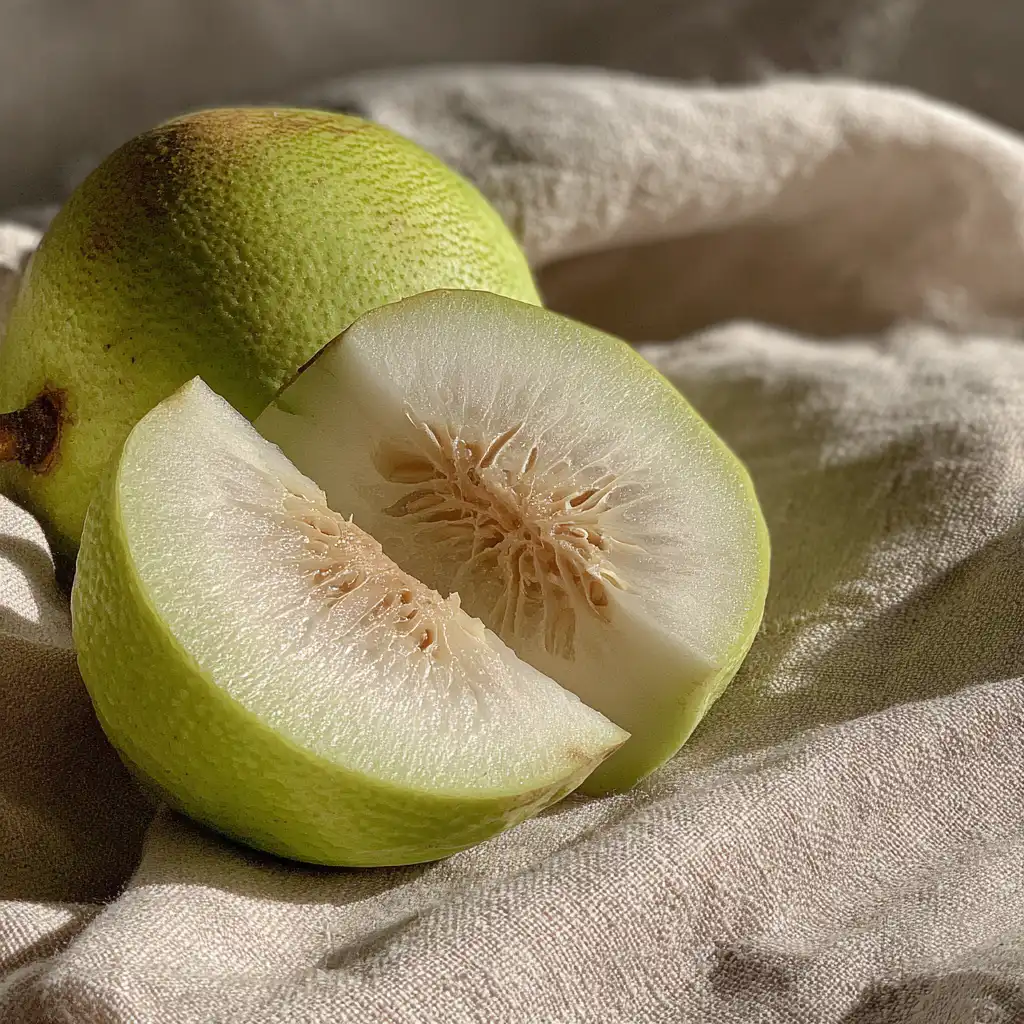
Chayote fruit has a gentle taste that reminds many people of a blend between cucumber and zucchini. This mild flavor makes it easy to mix into soups, stews, salads, and sautéed dishes without overpowering other ingredients. Since the texture stays crisp when raw and turns tender when cooked, the chayote adapts to recipes quickly. If you want more ideas about using it in everyday meals, you can look at this simple chayote vegetable overview that breaks down common uses.
How Texture Influences the Eating Experience
The texture plays a big role in why people enjoy chayote fruit. When raw, it has a light crunch similar to a firm apple. When cooked, it softens but stays structured, which helps it blend into stir fries, casseroles, and skillet meals. Because the natural flavor is subtle, home cooks often combine chayote with herbs, citrus, or mild spices to bring out its best qualities.
Health Benefits of Chayote Fruit
Nutritional Advantages Found in Chayote Fruit
Chayote fruit offers a range of helpful nutrients that support simple everyday wellness. It is naturally low in calories and rich in water, which makes it a refreshing ingredient for many meals. The fruit contains vitamin C, fiber, folate, and antioxidants that support steady energy and better digestion. Because it works well with balanced eating plans, many cooks add it to their weekly menus. For more ways it fits into general food habits, you can check out this helpful chayote food guide that expands on its common uses.
How Chayote Fruit Supports Digestive and Heart Health
The fiber in chayote fruit helps support smoother digestion and keeps meals feeling satisfying for longer. Its low sodium and potassium content also make it a friendly choice for people looking for heart supportive foods. Many enjoy adding chayote to soups or salads because it adds bulk without heaviness. This simple nutrient profile makes it a flexible ingredient for home cooks who want a light and steady addition to their meals.
How to Cook Chayote Fruit
Preparing Chayote Fruit the Right Way
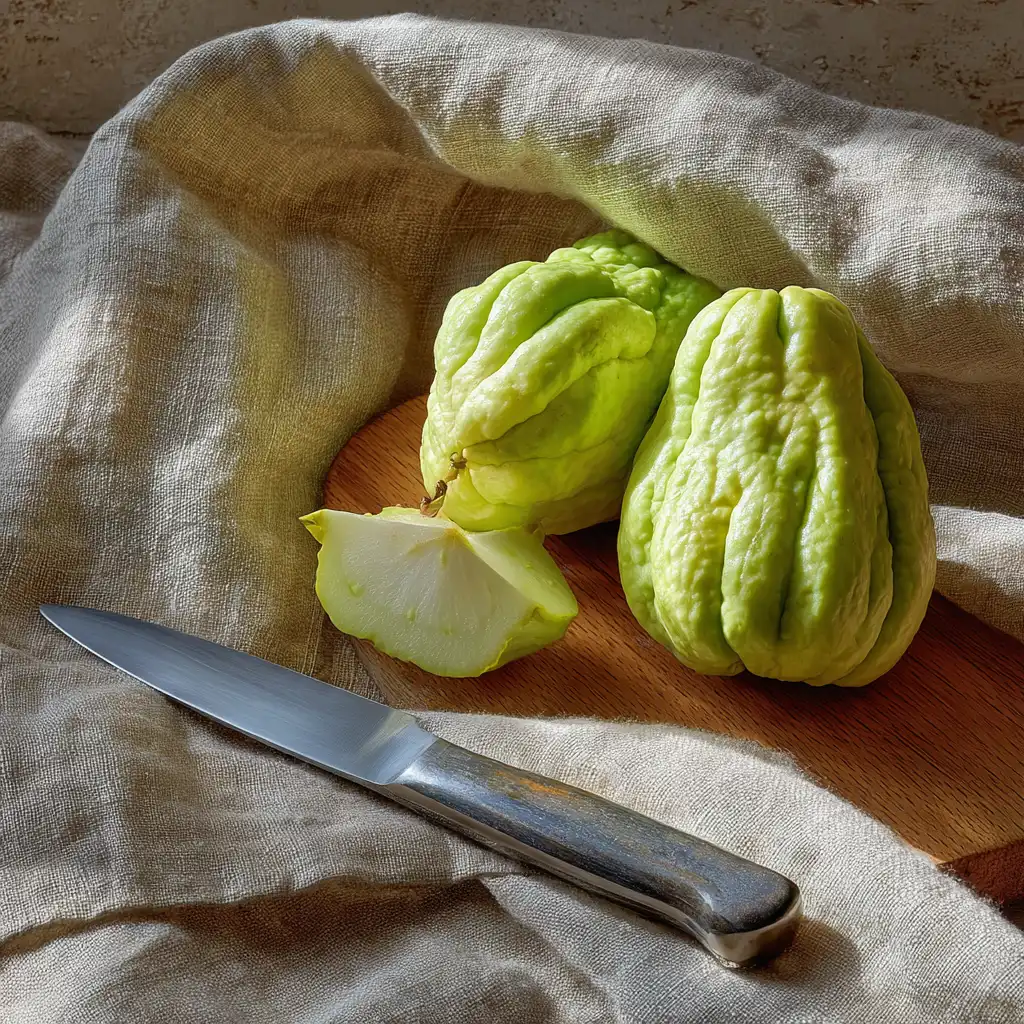
Cooking with chayote fruit is surprisingly simple because the ingredient works well with many cooking methods. Most cooks begin by rinsing the outer skin to remove any natural residue. The skin can be eaten, but many people choose to peel it for a softer bite. Once peeled, the fruit can be sliced, diced, shredded, or cut into sticks depending on the recipe.
The seed inside is soft and edible, so it can stay in place without affecting taste. Since the texture stays steady during cooking, chayote holds its shape whether simmered or sautéed. If you enjoy Italian inspired desserts and want to see how mild ingredients pair with rich flavors, you can check out this gianduja budino recipe for creative pairing ideas even if it is not made with chayote.
Popular Cooking Methods for Chayote Fruit
Many home cooks enjoy steaming chayote fruit because it keeps the flavor light and clean. Steaming takes only a few minutes and works well for salads and side dishes. Another common method is sautéing. When sliced into thin pieces and cooked in a warm skillet, chayote develops a tender bite that blends smoothly with garlic, herbs, and mild spices. It can also be roasted in the oven for a deeper flavor and a softer interior. Roasting concentrates the natural sweetness and makes it a great addition to bowls and warm meals. Soups and stews also benefit from chayote because the texture stays firm enough to provide structure without turning mushy.
Creative Recipe Ideas with Chayote Fruit
Chayote fruit can serve as the main ingredient or play a subtle supporting role in many everyday dishes. For a fresh salad, thin slices can be tossed with lime, cilantro, and a touch of salt for a crisp and refreshing bowl. In stir fry dishes, chayote pairs well with chicken, tofu, or other vegetables because it absorbs flavors quickly. It can also be mixed into casseroles or baked side dishes for extra moisture and a gentle sweet note. Some home cooks even grate chayote into batters or breads to keep them soft without adding strong flavor. Its adaptability makes it a steady choice for cooks who like simple recipes with reliable results.
Why Chayote Works Well in Both Savory and Sweet Dishes
The quiet flavor of chayote fruit lets it blend into many cooking styles without overpowering other ingredients. In savory meals, it adds structure and moisture. In sweeter dishes, the mild taste supports the natural sweetness of ingredients like cinnamon, vanilla, or citrus. Because the fruit absorbs seasonings easily, it allows cooks to shape the final taste. This makes chayote a helpful ingredient for people who want flexibility in their weekly meal planning and enjoy experimenting with gentle flavors that fit many types of recipes.
Can You Eat Chayote Fruit Raw
Understanding the Safety of Eating Chayote Fruit Raw
Chayote fruit can be enjoyed raw without any concerns because the flesh is naturally mild and crisp. Many people choose the raw form when they want a refreshing bite that fits well into salads and cold dishes. The texture stays firm and slightly juicy, creating a pleasant contrast with crunchy vegetables or citrus dressings. Since the flavor is gentle, raw chayote mixes well with bold ingredients like vinegar, lime, or fresh herbs. If you enjoy simple, bright flavors, raw chayote is an easy way to add variety to your everyday meals.
For ideas that play with smooth textures and lightly sweet notes, you can look at this coffee budino recipe which shows how mild ingredients can support deeper flavors even if the recipe does not use chayote.
Best Ways to Serve Chayote Fruit Raw
Raw chayote fruit works well when sliced thinly and tossed into salads for a crisp addition that does not overpower other ingredients. Some cooks like to grate it for slaws, creating a soft crunch similar to cabbage but with a lighter taste. It can also be cut into sticks and served with dips like yogurt, hummus, or light dressings. When marinated with citrus and herbs, raw chayote becomes tender while still keeping its refreshing quality.
This makes it a steady choice for chilled dishes during warm months when people want something cool and satisfying. Its simple flavor profile lets it blend smoothly with sweet, salty, or tangy combinations.
How to Store Chayote Fruit Properly
Best Storage Methods for Fresh Chayote Fruit
Keeping chayote fruit fresh is simple when you follow a few steady steps. The whole fruit stays firm for weeks when stored in the refrigerator, especially in a low humidity drawer. It does not need to be washed before storage because moisture can soften the skin too quickly. Placing the fruit in a loose bag helps maintain airflow and prevents early spoilage. Many home cooks enjoy buying several at a time because the fruit holds its shape and texture for long periods.
How to Store Cut or Cooked Chayote Fruit
Once chayote fruit is cut, the storage method changes slightly. The sliced pieces should be placed in an airtight container to keep them crisp. Adding a light layer of lemon juice can slow browning and keep the color bright. Cooked chayote can be stored in the refrigerator for several days without losing its tender texture. If you want inspiration for creamy desserts that rely on smooth textures, you can look at this Italian chocolate pudding recipe which pairs well with many light fruits.
Common Mistakes When Using Chayote Fruit
Handling and Preparation Errors to Avoid
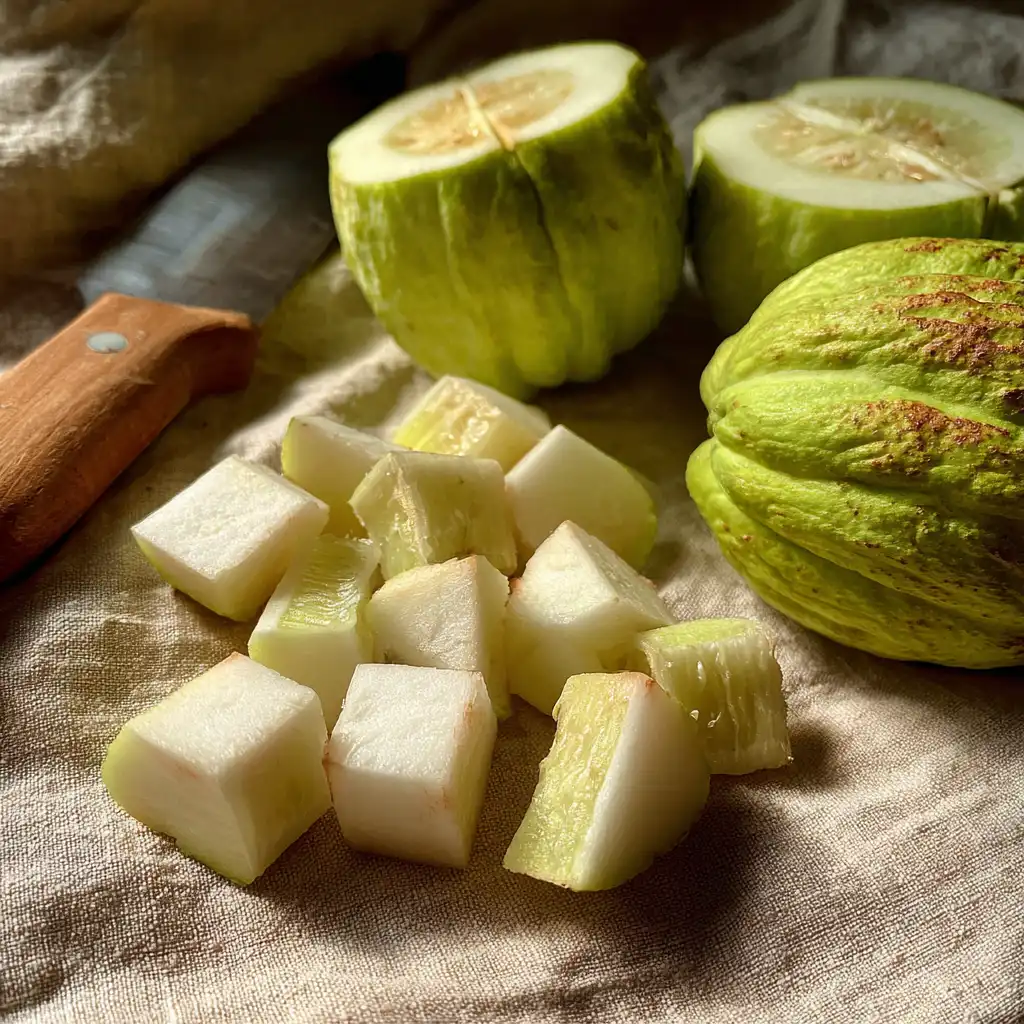
Many cooks enjoy working with chayote fruit, yet a few common mistakes can affect the final dish. One frequent issue is peeling the fruit without drying the surface first. The skin can feel slippery, which makes cutting less steady. Another mistake is overcooking. Since chayote has a tender structure, too much heat can reduce the pleasant bite that makes it so useful in soups and sautéed meals. Some cooks also season it too lightly, expecting the natural flavor to carry a dish. The taste is gentle, so it often benefits from herbs, citrus, or mild spices to bring balance.
Recipe and Texture Missteps
Another common error happens when chayote fruit is added too early to long simmering dishes. This can make the fruit too soft by the time the meal is ready. Adding it near the end preserves its smooth texture and keeps the pieces intact. Some cooks also skip salting during preparation, which can cause the flavor to feel flat. Proper seasoning helps the fruit blend with other ingredients. For inspiration on how mild ingredients work well in layered recipes, you can check out <a href=”https://howtodorecipes.com/espresso-budino-r
History and Origin of Chayote Fruit
Where Chayote Fruit Comes From
The history of chayote fruit stretches back to ancient Mesoamerican cultures that grew it as a steady food source. Early communities valued it for its mild taste, easy growth, and reliable harvests. Over time, the fruit spread across Central America and then moved into the Caribbean, South America, and eventually the United States. Farmers appreciated how well the plant adapted to warm climates, which helped chayote become a common ingredient in markets and home gardens. For background on the plant family it belongs to, you can read this helpful overview on Wikipedia.
How Chayote Fruit Became Popular in Modern Cooking
As more people looked for simple ingredients with gentle flavors, chayote fruit found a place in many kitchens. Its ability to blend into soups, stews, salads, and skillet meals made it an appealing choice for home cooks. The fruit became especially popular in areas with warm climates because the vines grow quickly and produce steady harvests. Over time, chefs began using it in new ways, mixing it with herbs, citrus, and spices to create lighter dishes. The rise in interest for global flavors also helped bring more attention to chayote, which now appears in markets across the United States.
Creative Ways to Use Chayote Fruit in Everyday Meals
Simple Meal Ideas Featuring Chayote Fruit
Chayote fruit works well in many weekday recipes because its gentle flavor blends smoothly with most ingredients. One easy idea is adding thin slices to a warm skillet with onions, garlic, and a light seasoning mix. This makes a quick side dish that fits into many meals. Another option is mixing diced chayote into soups for added texture without changing the overall taste. The fruit also works in grain bowls when combined with rice, quinoa, or pasta. For a look at a dessert that highlights rich flavors and silky textures, you can read this tiramisu maison recipe, which shows how gentle flavors can support deeper notes even though it does not use chayote fruit.
Imaginative Pairings and Serving Styles
Chayote fruit can be combined with citrus to brighten its natural taste. A simple mix of lime juice, herbs, and a pinch of salt turns the fruit into a refreshing side dish. It also pairs well with roasted vegetables when you want more variety in texture. Some cooks enjoy stuffing halved chayote with seasoned grains for a warm and comforting dish. Others prefer shredding it as a base for slaws that fit well with grilled meats or seafood. The freedom to use chayote in sweet or savory meals makes it a steady ingredient for anyone who likes flexible cooking options.
Frequently Asked Questions About Chayote Fruit
What does chayote taste like
Chayote fruit has a light flavor similar to a mix of cucumber and zucchini. The taste stays gentle whether eaten raw or cooked, which makes it a steady ingredient in many dishes.
Is chayote a fruit or a vegetable
Chayote is a fruit by definition because it forms from the flowering part of the plant and carries seeds inside. Many people treat it like a vegetable in the kitchen because it cooks the same way squash does.
What are the benefits of eating chayote
Chayote fruit offers fiber, vitamin C, folate, and antioxidants. These nutrients support digestion, steady energy, and simple everyday wellness. The low calorie content makes it a helpful ingredient for balanced meals.
How do you cook chayote
You can steam, sauté, roast, or simmer chayote. The texture stays tender even with heat, so it works well in soups, stews, salads, and skillet dishes. If you enjoy smooth desserts that rely on light flavors, you might want to see this spiced chocolate budino recipe for inspiration.
Can you eat chayote raw
Yes, chayote fruit can be eaten raw. It has a crisp bite and works well in salads, slaws, and chilled dishes. A squeeze of citrus or a light dressing helps bring out its natural flavor.
Conclusion
Chayote fruit offers a gentle flavor, steady texture, and a wide range of uses that fit easily into everyday cooking. It works well in raw dishes, warm meals, simple sides, and even creative recipes that blend fresh ingredients with richer flavors. Because chayote adapts to many cooking styles, home cooks can shape it to match their taste and routines.
Its mild nature, long storage life, and nutritional strengths make it a practical ingredient for beginners and experienced cooks alike. With a bit of practice, chayote becomes a reliable addition to weekly meals and a helpful way to bring more fresh produce into the kitchen.