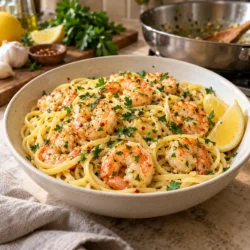
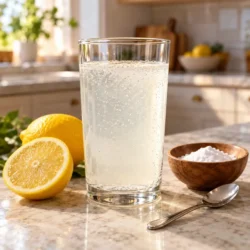
There is something undeniably comforting about a big bowl of pasta, especially one that combines succulent seafood with a rich, aromatic sauce. While many classic recipes rely on a splash of Pinot Grigio or Sauvignon Blanc to deglaze the pan, you can absolutely create a restaurant-quality garlic butter shrimp pasta without wine. Whether you are cooking for children, avoiding alcohol, or simply realized the wine rack is empty, this recipe delivers all the bright, savory, and buttery notes you crave without a single drop of spirits.
Table of Contents
The Secret to Great Flavor Without Alcohol
When you remove wine from a recipe, you are primarily removing two things: acidity and a subtle fruity aroma. To make a successful garlic butter shrimp pasta without wine, we need to replace those elements with clever substitutes. High-quality chicken stock or vegetable broth provides the necessary liquid volume and savory depth. To mimic the bright acidity that wine usually contributes, a generous squeeze of fresh lemon juice is your best friend. This swap often results in a cleaner, more vibrant flavor profile that lets the natural sweetness of the shrimp take center stage.
Choosing the Right Acid Substitutes
In this garlic butter shrimp pasta without wine, lemon juice is the primary acid source. However, you can also experiment with small amounts of white wine vinegar or apple cider vinegar diluted in broth. The goal is to cut through the richness of the butter. If you find the sauce too sharp, a tiny pinch of sugar can balance the flavors. Always use fresh citrus rather than bottled juice, as the zest provides essential oils that add a floral dimension often missing when wine is omitted.
Using Broth for Depth
Chicken broth is the most common liquid base for a wine-free sauce. It provides a savory backbone that water simply cannot match. If you prefer a more ocean-forward flavor, bottled clam juice is an excellent alternative. Clam juice adds a salty, briny depth that complements the seafood perfectly. When making your garlic butter shrimp pasta without wine, always opt for low-sodium broth so you have full control over the final seasoning of the dish.
Print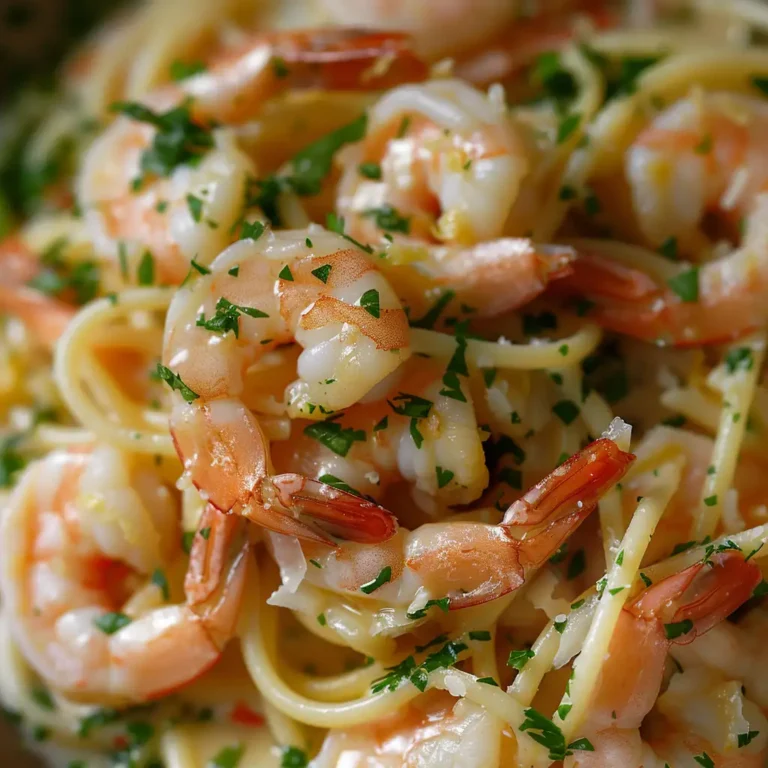
Mastering Garlic Butter Shrimp Pasta Without Wine
A restaurant-quality garlic butter shrimp pasta made without alcohol, using lemon juice and chicken broth for a bright, savory, and aromatic finish.
- Total Time: 30 minutes
- Yield: 4 servings 1x
Ingredients
Ingredients:
- 12 oz linguine, spaghetti, or angel hair pasta
- 1 lb medium-large shrimp, peeled and deveined
- 6 cloves garlic, freshly minced
- 4 tbsp unsalted butter, divided
- 1 tbsp olive oil
- 1/2 cup low-sodium chicken broth
- 1 large lemon (juiced and zested)
- 1/4 cup fresh flat-leaf parsley, chopped
- 1/2 tsp red pepper flakes
- Salt and black pepper to taste
- 1/2 cup reserved starchy pasta water
Instructions
- Step 1: Boil pasta in heavily salted water according to package directions until al dente.
- Step 2: Reserve at least 1/2 cup of starchy pasta water before draining the noodles.
- Step 3: Pat shrimp dry with paper towels to ensure a proper sear.
- Step 4: Heat 1 tbsp butter and olive oil in a large skillet over medium-high heat.
- Step 5: Cook shrimp in a single layer for 1-2 minutes per side until pink; remove and set aside.
- Step 6: Lower skillet heat to medium and melt the remaining 3 tbsp of butter.
- Step 7: Add minced garlic and red pepper flakes, sautéing for 30-60 seconds until fragrant.
- Step 8: Pour in chicken broth and lemon juice, scraping the bottom of the pan to deglaze.
- Step 9: Simmer the liquid for 2 minutes to reduce and concentrate flavors.
- Step 10: Add the cooked pasta to the skillet and toss with the butter mixture.
- Step 11: Pour in a splash of reserved pasta water and toss vigorously until the sauce is glossy and emulsified.
- Step 12: Fold in the cooked shrimp, parsley, and lemon zest; season with salt and pepper and serve.
Notes
Always use fresh lemon juice rather than bottled for better acidity. For extra depth, substitute chicken broth with clam juice.
- Prep Time: 15 minutes
- Cook Time: 15 minutes
- Category: Main Dish
- Method: Sauté
- Cuisine: Mediterranean
- Diet: Pescatarian
Nutrition
- Serving Size: 1.5 cups
- Calories: 485
- Sugar: 2
- Sodium: 620
- Fat: 18
- Saturated Fat: 9
- Unsaturated Fat: 7
- Trans Fat: 0.5
- Carbohydrates: 46
- Fiber: 3
- Protein: 32
- Cholesterol: 185
Keywords: garlic butter shrimp, shrimp pasta, no wine, alcohol-free scampi, lemon garlic pasta
Selecting the Star of the Show: The Shrimp
The success of your garlic butter shrimp pasta without wine depends largely on the quality of your seafood. Shrimp come in various sizes, usually labeled by a count (such as 21/25, which means there are 21 to 25 shrimp per pound). For pasta, medium to large shrimp are ideal because they stay juicy and provide a satisfying bite against the noodles. Whether you choose fresh or frozen, ensuring they are properly cleaned and prepared is the first step toward a delicious meal.
Fresh vs. Frozen Shrimp
Many people assume fresh is always better, but most shrimp sold at the seafood counter were previously frozen anyway. Buying high-quality frozen shrimp allows you to thaw them exactly when you need them, ensuring peak freshness. If you are unsure about how to handle your seafood, checking out a frozen shrimp guide can help you learn the best thawing practices to maintain the best texture. Never thaw shrimp in warm water or the microwave, as this can make them rubbery before they even hit the pan.
Exploring Shrimp Varieties
While standard white or tiger shrimp are common, you might want to try something unique like the argentine red shrimp guide varieties which are known for their lobster-like flavor and naturally red hue. These premium shrimp pair exceptionally well with a simple garlic butter sauce because their inherent sweetness is so pronounced. Regardless of the variety, ensure you devein them thoroughly to avoid any grit in your final garlic butter shrimp pasta without wine.
Nutritional Benefits and Ingredients
Aside from being delicious, this meal packs a significant nutritional punch. Shrimp are an excellent source of lean protein and contain important minerals like iodine and selenium. When you prepare garlic butter shrimp pasta without wine, you are focusing on whole food ingredients that fuel the body. Understanding the health benefits of shrimp makes this indulgent-tasting meal feel like a smart choice for your weekly rotation.
The Mediterranean style of cooking often highlights shrimp as a primary protein source. According to Wikipedia’s entry on shrimp as food, these crustaceans are among the most popular seafood items globally, prized for their versatility and high protein-to-calorie ratio. In our pasta dish, the fat from the butter helps the body absorb fat-soluble vitamins, while the garlic provides well-known antioxidant properties.
Essential Ingredient List
- Pasta: Linguine, spaghetti, or angel hair work best for picking up the light sauce.
- Shrimp: Peeled and deveined, tail-on for presentation or tail-off for easy eating.
- Garlic: At least 4-6 cloves, freshly minced. Avoid the pre-minced jarred variety.
- Butter: Unsalted allows you to control the salt levels.
- Lemon: Both the juice and the zest for maximum brightness.
- Parsley: Freshly chopped flat-leaf parsley adds color and a peppery finish.
- Red Pepper Flakes: For a subtle hint of heat that cuts through the butter.
Step-by-Step Guide to Perfection
Creating the perfect garlic butter shrimp pasta without wine requires timing and a bit of finesse. The most common mistake is overcooking the shrimp or the pasta. By following a specific sequence, you ensure the shrimp stay plump and the sauce remains emulsified and glossy. Start by boiling your pasta in heavily salted water it should taste like the sea. This is your only chance to season the pasta itself from the inside out.

Prepping the Ingredients
Before you turn on the stove, have everything ready. This is called mise en place. Mince your garlic, chop your parsley, and zest your lemon. If your shrimp are still slightly damp from thawing, pat them dry with paper towels. Dry shrimp sear much better than wet ones, which tend to steam in the pan. Once the pasta is in the boiling water, you only have about 8 to 10 minutes to finish the rest of the garlic butter shrimp pasta without wine.
Searing the Shrimp
In a large skillet, melt a tablespoon of butter with a splash of olive oil over medium-high heat. Add the shrimp in a single layer. Cook them for about 1 to 2 minutes per side until they turn pink and opaque. Do not crowd the pan; if necessary, cook them in batches. Once they are done, remove the shrimp from the skillet and set them aside on a plate. This prevents them from becoming tough while you prepare the garlic butter sauce.
Building the Sauce
Lower the heat to medium and add the remaining butter to the same skillet. Toss in the minced garlic and red pepper flakes. Sauté for about 30 to 60 seconds until the garlic is fragrant but not browned. Pour in your chicken broth and lemon juice, scraping up any browned bits from the bottom of the pan. Let the liquid simmer for a couple of minutes to reduce slightly. This concentration of flavor is vital for a great garlic butter shrimp pasta without wine.

The Importance of Pasta Water
One of the most overlooked ingredients in any pasta dish is the starchy water the noodles boiled in. Before draining your pasta, reserve at least half a cup of this liquid gold. The starch in the water acts as an emulsifier, helping the fat (butter) and the liquid (broth and lemon juice) bind together into a cohesive, velvety sauce that clings to every strand of pasta.
Emulsifying the Sauce
When you add the cooked pasta directly into the skillet with the garlic butter mixture, it will initially look a bit dry. Add a splash of that reserved pasta water and toss vigorously. You will notice the liquid starts to thicken and turn creamy. This technique is what separates a greasy pasta from a saucy pasta. Even in a garlic butter shrimp pasta without wine, this step ensures a professional finish that feels luxurious on the palate.
Combining and Finishing
Once the pasta and sauce are well-incorporated, add the cooked shrimp back into the pan along with the fresh parsley and lemon zest. Toss everything together for another 30 seconds just to reheat the shrimp. Taste the dish and add salt or black pepper as needed. The final product should be glossy, aromatic, and perfectly balanced between the richness of the butter and the zing of the lemon.
Substitution and Comparison Table
If you are used to making traditional scampi or wine-based sauces, here is a quick reference table to help you navigate the changes for a alcohol-free version.
| Traditional Ingredient | Non-Alcoholic Substitute | Flavor Result |
|---|---|---|
| Dry White Wine | Chicken Broth + Lemon Juice | Savory with a bright, citrusy finish. |
| White Wine Vinegar | Rice Vinegar or Verjus | Mild acidity without the harshness of spirits. |
| Pinot Grigio | Clam Juice + Splash of Water | Deeply briny and sea-flavored. |
| Sherry | Apple Cider Vinegar (Small amount) | Slightly sweet and tangy. |
Pairing and Variations
While this garlic butter shrimp pasta without wine is a complete meal on its own, you can easily customize it to suit your preferences. If you find yourself craving a heartier texture, you might enjoy exploring other pasta styles. For instance, if you love garlic-forward dishes, you could draw inspiration from a creamy garlic mushroom chicken pasta by adding sautéed mushrooms or a splash of heavy cream to this shrimp recipe for a more indulgent scampi cream vibe.
Vegetable Add-ins
To make this a one-pan wonder, consider tossing in some vegetables. Baby spinach is a fantastic addition; it wilts in seconds from the heat of the pasta. Blanched asparagus spears, frozen peas, or sundried tomatoes also pair beautifully with the garlic and butter. These additions not only add color and nutrients but also provide different textures to contrast with the tender shrimp and soft noodles.
Spicing It Up
If you like heat, don’t stop at a pinch of red pepper flakes. A spoonful of Calabrian chili paste or a dash of hot sauce can transform the dish into something spicy and bold. Alternatively, you can lean into herbal notes by adding fresh basil, dill, or chives at the very end. The butter and lemon base is a blank canvas that works well with almost any green herb in your garden.
Common Mistakes to Avoid
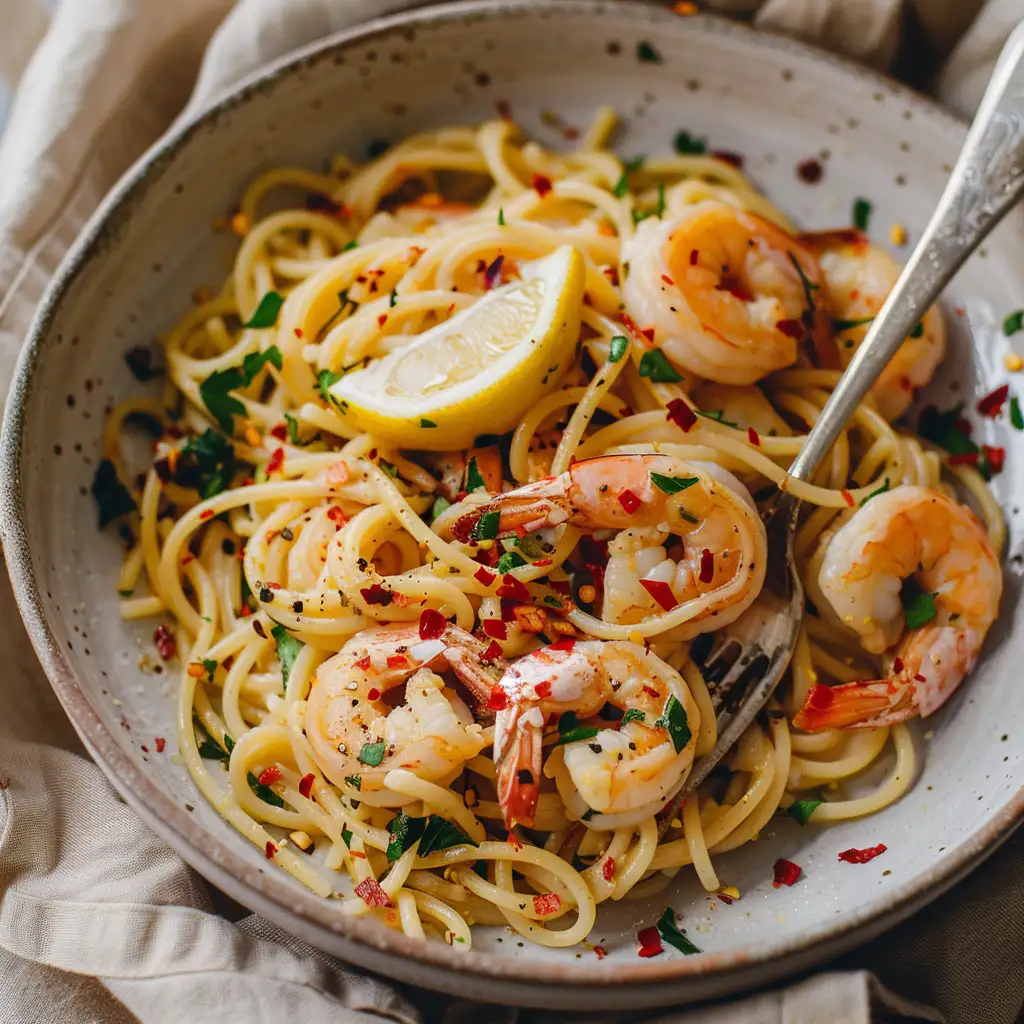
Even though this is a simple dish, a few pitfalls can ruin the experience. The most common error is burning the garlic. Garlic becomes bitter and acrid when it turns dark brown. Always keep an eye on your heat levels and add your liquid (broth/lemon) as soon as the garlic becomes fragrant. Another mistake is oversalting. Remember that shrimp and broth often contain salt, so always taste before adding more at the end.
Don’t Overcook the Shrimp
Shrimp cook incredibly fast. Once they form a C shape, they are perfectly done. If they curl into a tight O, they are overcooked and will likely be tough. By removing them from the pan early and adding them back at the very end, you guarantee they remain juicy. This is especially important for a garlic butter shrimp pasta without wine, as the shrimp are the main highlight of the flavor profile.
Pasta Texture Matters
Always cook your pasta al dente (to the tooth). Since the pasta will finish cooking for a minute or two in the skillet with the sauce, it should still have a slight bite when you drain it. If you overcook it in the boiling water, it will become mushy and fall apart when you toss it with the shrimp and garlic butter. Good pasta should hold its shape and provide a structural foundation for the seafood.
FAQs
Can I use precooked shrimp for this recipe?
While you can, it is not recommended. Precooked shrimp often become rubbery when reheated. If you must use them, add them at the very last second just to take the chill off. For the best garlic butter shrimp pasta without wine, starting with raw shrimp allows the butter and garlic to infuse into the meat as it cooks.
What can I use instead of chicken broth?
If you want to keep the dish vegetarian-friendly (aside from the shrimp), vegetable broth works well. For a more intense seafood flavor, clam juice or even the water used to boil the pasta (if heavily seasoned) can work in a pinch. Avoid using plain water, as it won’t add any depth to the sauce.
How do I store leftovers?
Pasta with shrimp is best eaten fresh. However, you can store leftovers in an airtight container in the fridge for up to two days. When reheating, do so gently on the stovetop with a splash of water or broth to loosen the sauce. Avoid the microwave if possible, as it will likely overcook the shrimp.
Is this recipe gluten-free?
The sauce and shrimp are naturally gluten-free. To make the entire meal gluten-free, simply swap the traditional noodles for your favorite gluten-free pasta brand or even zucchini noodles (zoodles). The garlic butter sauce works exceptionally well with vegetable-based noodles.
Conclusion
Creating a delicious garlic butter shrimp pasta without wine is a simple way to enjoy a gourmet-style meal any night of the week. By focusing on fresh garlic, bright lemon juice, and high-quality broth, you can achieve a depth of flavor that rivals any traditional scampi. This dish is versatile, quick to prepare, and sure to satisfy everyone at the table. So, grab your skillet, skip the wine aisle, and get ready to enjoy a succulent, buttery seafood feast that proves simplicity is often the key to the best home-cooked meals.