When you think of comfort food that warms the soul and brings people together, nothing compares to an authentic menudo recipe. This iconic Mexican soup, often called the “breakfast of champions,” is a labor of love that rewards patient cooks with deep, complex flavors. Whether you are seeking a weekend tradition or a way to connect with heritage, making this dish at home creates a special experience that store-bought versions simply cannot match. Let’s look at how to prepare this classic beef tripe soup from scratch using traditional methods.
Table of Contents
The Rich History and Cultural Significance of Menudo
A Dish Born of Necessity
Like many of the world’s most beloved traditional dishes, the authentic menudo recipe began as a way to use every part of the animal. In many cultures, offal was what remained for the working class, but through creativity and slow-cooking techniques, these humble cuts became delicacies. This soup is more than just a meal; it is a symbol of community and resourcefulness. Mexican food history is rich and varied, with many dishes evolving from a mix of indigenous and European influences. You can find more about the culinary heritage of the region at the Smithsonian Magazine’s history of Mexican cuisine, which explains how local ingredients became world-famous.
The Social Heart of the Weekend
In many Mexican households, Saturday and Sunday mornings are synonymous with the smell of simmering chilies and tripe. An authentic menudo recipe is usually prepared in massive pots because it is meant to be shared with extended family and neighbors. It is a social event as much as it is a meal. Like many hearty breakfast dishes, this soup is often served on weekend mornings. It shares that soulful, communal feeling found in a shakshuka with feta, another one-pot meal that brings the family together at the start of the day. This tradition continues today in many cities where “Menuderias” only open their doors on weekends.
Print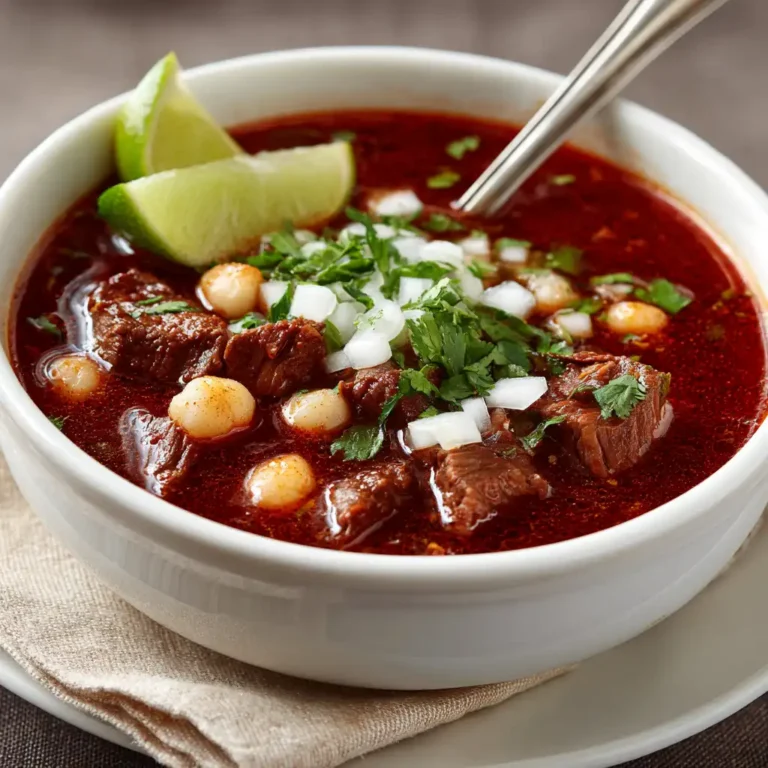
Authentic Menudo Recipe: A Traditional Mexican Comfort Classic
A deep, complex, and soul-warming Mexican beef tripe soup slow-cooked with a rich chili base and hearty hominy.
- Total Time: 4 hours 45 minutes
- Yield: 8 servings 1x
Ingredients
- 3 lbs beef tripe, cleaned and cut into 1-inch pieces
- 1 cow's foot, split for extra gelatin and body
- 1 large white onion, halved
- 1 head of garlic, top removed
- 6 dried guajillo chilies, stems and seeds removed
- 3 dried ancho chilies, stems and seeds removed
- 30 oz canned white hominy, rinsed and drained
- 2 tbsp dried Mexican oregano
- 1 tsp ground cumin
- Salt to taste
- Water as needed (approx 6-8 quarts)
- Fresh cilantro, chopped onion, and lime wedges for garnish
Instructions
- Clean the tripe: Thoroughly wash tripe with vinegar and water, then cut into bite-sized squares.
- Start the broth: Place tripe, cow’s foot, onion, and garlic in a large stockpot and cover with water.
- Simmer the meat: Bring to a boil, then reduce heat and simmer for 2 hours, skimming any surface foam.
- Hydrate the chilies: Toast dried chilies in a skillet, then soak in hot water for 15 minutes until soft.
- Create chili paste: Blend the soaked chilies with a cup of soaking liquid until completely smooth.
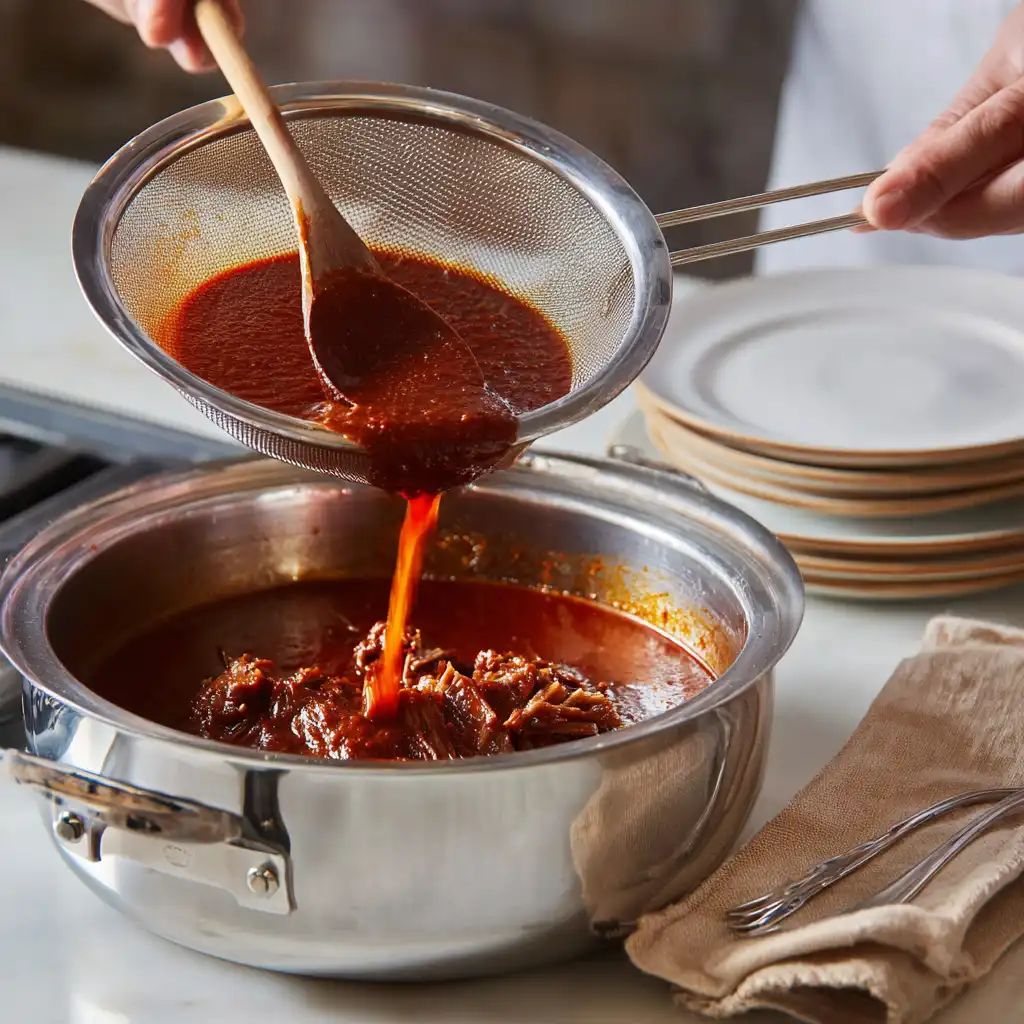
- Strain the sauce: Pass the chili blend through a fine-mesh strainer into the pot for a smooth texture.
- Season the soup: Stir in the Mexican oregano, cumin, and salt, then continue simmering until tripe is tender.
- Add the hominy: Incorporate the rinsed hominy into the pot during the final 45 minutes of cooking.
- Adjust and serve: Taste for salt, remove the onion and garlic head, and serve hot with traditional garnishes.
Notes
Menudo is best made a day in advance as the flavors continue to develop. Always serve with warm corn tortillas.
- Prep Time: 45 minutes
- Cook Time: 4 hours
- Category: Soup
- Method: Slow Cooking
- Cuisine: Mexican
- Diet: High-Protein
Nutrition
- Serving Size: 2 cups
- Calories: 380 kcal
- Sugar: 3g
- Sodium: 890mg
- Fat: 14g
- Saturated Fat: 5g
- Unsaturated Fat: 8g
- Trans Fat: 0.1g
- Carbohydrates: 28g
- Fiber: 6g
- Protein: 36g
- Cholesterol: 195mg
Keywords: Menudo, Mexican Comfort Food, Beef Tripe Soup, Traditional Mexican, Weekend Breakfast
Essential Ingredients for Your Authentic Menudo Recipe

Selecting the Best Beef Tripe
The star of any authentic menudo recipe is the beef tripe. There are different types of tripe, including honeycomb and flat tripe. Most cooks prefer a mix of both for varied texture. When buying tripe, look for pieces that are pale and clean-smelling. Since tripe comes from the stomach lining, it requires a long simmer to become tender. Beef tripe is a unique protein source that offers specific vitamins and minerals often missing from standard muscle meats. To understand the nutritional profile of this ingredient better, visit NutritionValue.org for a breakdown of the minerals and proteins found in beef offal.
The Magic of Dried Chilies
You cannot have an authentic menudo recipe without a deep red, flavorful broth. This color and taste come from dried chilies, primarily Guajillo and Ancho. Guajillo chilies provide a smooth, mild heat and a bright red hue, while Ancho chilies add a smoky, raisin-like sweetness. Some people also add Chile de Árbol if they want a significant spicy kick. These peppers are toasted and soaked before being blended into a smooth paste. This process is what gives the soup its signature body and earthiness, making it distinct from other beef soups.
Preparing the Tripe for Cooking
Cleaning and Deodorizing
Properly cleaning the meat is the most important step in an authentic menudo recipe. Even if the tripe looks clean from the butcher, you should wash it thoroughly in cold water. Many traditional cooks soak the tripe in a mixture of water and lime juice or vinegar for at least an hour. This helps neutralize the strong aroma and prepares the meat for the pot. While cleaning beef tripe, many cooks find that a splash of vinegar helps remove strong odors. If you are interested in other ways to use this pantry staple, you can learn about an apple cider vinegar drink and how to dilute it safely for daily use.
Cutting for the Perfect Bite
Once cleaned, the tripe should be cut into bite-sized squares, roughly one inch in size. Remember that the meat will shrink slightly as it simmers for hours. Consistency in size helps every piece cook at the same rate. This preparation phase might seem tedious, but it is the foundation of a high-quality authentic menudo recipe. Taking the time to prep correctly means the final broth will be clear and the meat will have a pleasant, tender texture rather than being chewy or tough.
Step-by-Step Cooking Guide
Creating an authentic menudo recipe requires time, usually between four to six hours of simmering. This is not a dish you can rush, as the connective tissues in the beef feet and tripe need time to break down into a gelatinous, rich broth. Follow these steps to achieve a restaurant-quality result at home.
- Step 1: Start the Broth Base – Place the cleaned, cut tripe and beef feet into a large stockpot filled with water, adding half an onion and a head of garlic to create a flavorful foundation.
- Step 2: Initial Simmer and Skimming – Bring the pot to a boil and then lower to a simmer, carefully skimming off any foam that rises to the surface to keep the broth clear.
- Step 3: Prepare the Chile Paste – Remove stems and seeds from the dried Guajillo and Ancho chilies, toast them lightly in a pan, and soak them in hot water until soft.
- Step 4: Blend the Red Sauce – Put the softened chilies into a blender with a bit of soaking liquid, fresh garlic, cumin, and oregano, blending until the mixture is completely smooth.
- Step 5: Strain the Chile Mixture – Pour the blended sauce through a fine-mesh sieve directly into the simmering pot to remove any leftover bits of pepper skin.
- Step 6: Long Slow Simmering Period – Cover the pot and let the tripe cook for three to four hours, checking occasionally to add more water if the level drops too low.
- Step 7: Add the Prepared Hominy – Once the tripe is nearly tender, stir in the rinsed hominy and continue cooking for another thirty to forty-five minutes to let the flavors meld.
- Step 8: Season and Final Taste – Adjust the salt and oregano at the very end, ensuring the broth has the perfect balance of spice and savory beef flavor.
| Ingredient Type | Common Choice | Purpose in Menudo |
|---|---|---|
| Primary Protein | Beef Tripe (Honeycomb) | Provides the signature chewy and tender texture. |
| Thickening Agent | Beef Feet | Adds natural gelatin to create a rich, silky mouthfeel. |
| Color/Spice | Guajillo Chilies | Gives the broth its deep red color and mild heat. |
| Starch/Bulk | White Hominy | Adds a corn flavor and makes the soup more filling. |
| Herb Base | Mexican Oregano | Provides a citrusy, earthy aroma essential to the dish. |
The Importance of Garnishes
The Fresh Contrast
An authentic menudo recipe is very rich, so the garnishes are not just for show; they provide a necessary acidic and fresh contrast. Freshly chopped white onion, cilantro, and radishes are standard. Many people also sprinkle extra dried oregano and crushed red pepper flakes on top. Without these additions, the soup can feel heavy. The crunch of the raw onions and the bite of the radish cut through the fattiness of the beef broth, making each spoonful feel balanced and bright.
Lime and Tortillas
Never serve an authentic menudo recipe without plenty of lime wedges. Squeezing fresh lime juice into the bowl right before eating wakes up all the other flavors. For the side, warm corn tortillas or crusty bolillo bread rolls are the traditional choices. While menudo is very filling on its own, some families serve it alongside other traditional Mexican plant-based sides. You might want to look into a chayote recipes guide to find light, refreshing vegetable options that balance the richness of the beef tripe.

Health and Wellness Perspective
A Natural Recovery Meal
In Mexico, an authentic menudo recipe is famously known as a cure for a long night of celebrations. The high collagen content from the slow-cooked beef feet and tripe is said to be soothing for the stomach and helpful for joint health. The broth is hydrating and packed with minerals. Because this soup is quite rich, some people look for ways to support their digestion afterward. Following a heavy meal with some anti-bloat recipes can help you feel refreshed and light after enjoying a large bowl of soup.
Protein and Mineral Content
Tripe is an excellent source of lean protein and is particularly high in Vitamin B12 and zinc. When you prepare an authentic menudo recipe at home, you have control over the salt levels and the quality of the meat, making it a much healthier option than canned varieties. By using fresh ingredients and avoiding processed additives, you turn this traditional soup into a nourishing meal that supports muscle repair and immune function. It is a hearty way to get essential nutrients in a single bowl.
Regional Variations of Menudo
Menudo Rojo vs. Menudo Blanco
While the most famous version is the red soup found in Northern Mexico and the Southwest United States, there is also Menudo Blanco. This version omits the dried chilies, resulting in a clear, savory broth that relies heavily on garlic and herbs for flavor. Both versions are considered an authentic menudo recipe depending on which region you visit. Menudo Blanco is especially popular in states like Sinaloa and Sonora, where the focus is on the purity of the beef flavor and the quality of the tripe.
To Hominy or Not to Hominy?
The addition of hominy is another point of regional debate. In many parts of Central Mexico, an authentic menudo recipe does not include hominy at all; it is strictly a meat and broth affair. However, in the border regions and California, hominy is almost always included, turning the soup into something more like a stew. Both ways are delicious, and it often comes down to personal preference or family tradition. Adding hominy provides more carbohydrates and makes the dish stretch further for a large family gathering.
Common Mistakes to Avoid
Rushing the Process
The biggest mistake someone can make with an authentic menudo recipe is trying to cook it too fast. If you boil the tripe on high heat, it will become rubbery and tough. Low and slow is the secret to a melt-in-your-mouth texture. If you find yourself short on time, it is better to wait for another day than to serve undercooked tripe. Plan for a full morning or afternoon of simmering to get the best results.
Neglecting the Chile Strainer
Another common error is skipping the straining of the red sauce. Even a high-powered blender can leave behind small flakes of dried chili skin. These bits can be unpleasant and stuck in your teeth or throat. Straining the sauce through a fine sieve ensures your authentic menudo recipe has a professional, silky broth. It takes an extra minute but makes a world of difference in the final presentation and eating experience.
FAQs
Is menudo spicy?
The spice level of an authentic menudo recipe depends on the types of chilies used. Generally, the red broth is flavorful and earthy rather than painfully hot. You can control the heat by removing all seeds from the Guajillo and Ancho peppers or by adding Chile de Árbol if you prefer a spicier soup.
How long does menudo last in the fridge?
Like many soups and stews, an authentic menudo recipe often tastes even better the next day. It can be stored in an airtight container in the refrigerator for up to three to four days. The broth may thicken into a jelly-like consistency when cold due to the natural collagen, but it will return to liquid form once reheated.
Can I make menudo in a slow cooker?
Yes, you can adapt an authentic menudo recipe for a slow cooker. You should still clean and prep the tripe as usual, then set the cooker to low for 8 to 10 hours. This is a great way to let the soup cook overnight so it is ready for a traditional weekend breakfast.
What is the difference between Menudo and Pozole?
While both are famous Mexican soups featuring hominy and a red chili base, the main difference is the protein. An authentic menudo recipe uses beef tripe, whereas Pozole typically uses beef or chicken. The textures and flavor profiles are quite different due to these meat choices.
Conclusion
Mastering an authentic menudo recipe is a milestone for any home cook interested in Mexican cuisine. It requires patience, attention to detail, and a respect for tradition, but the result is a deeply satisfying meal that brings comfort to any table. By following these steps and using fresh, high-quality ingredients, you can recreate the magic of a traditional Mexican weekend right in your own kitchen. Enjoy the process of slow cooking and the wonderful aroma that will fill your home!