
Turmeric is a staple in traditional medicine, celebrated for its vibrant color and medicinal properties. However, the primary active compound, curcumin, faces a significant challenge: poor bioavailability. This means the body struggles to absorb and use it effectively. By combining turmeric with piperine, the active alkaloid found in black pepper, you can radically increase its effectiveness. This combination represents a powerful tool for supporting wellness and managing inflammation throughout the body.
Table of Contents
The Bioavailability Breakthrough of Turmeric with Piperine

Curcumin is the star ingredient in turmeric, yet it is notoriously difficult for the human digestive system to process. When consumed alone, most curcumin is metabolized and excreted before it can reach the bloodstream. Clinical research indicates that turmeric with piperine changes this dynamic entirely. Piperine works by inhibiting certain metabolic pathways in the liver that otherwise eliminate curcumin. This allows the curcumin to stay in the system longer and move into the blood more efficiently.
The 2,000 Percent Increase in Absorption
Studies have shown that consuming turmeric with piperine can increase the absorption of curcumin by up to 2,000 percent. This massive jump in bioavailability means that even small amounts of turmeric become far more effective. Without this addition, you would need to consume massive, often impractical amounts of turmeric powder to achieve the same therapeutic levels. Using turmeric with piperine makes daily supplementation or culinary use a much more realistic path for health support. For those looking for quick ways to incorporate these ingredients, a turmeric ginger shot recipe provides a concentrated and fast-acting option for your morning routine.
How Piperine Modifies Metabolism
Piperine interacts with the metabolic process by slowing down the glucuronidation process in the liver. Glucuronidation is a mechanism that marks molecules for excretion. By slowing this down, piperine keeps the curcumin active in your body. This chemical interaction is why turmeric with piperine is the gold standard for anyone serious about the spice’s benefits. It is not just about eating more turmeric; it is about making sure the turmeric you eat actually works.
Print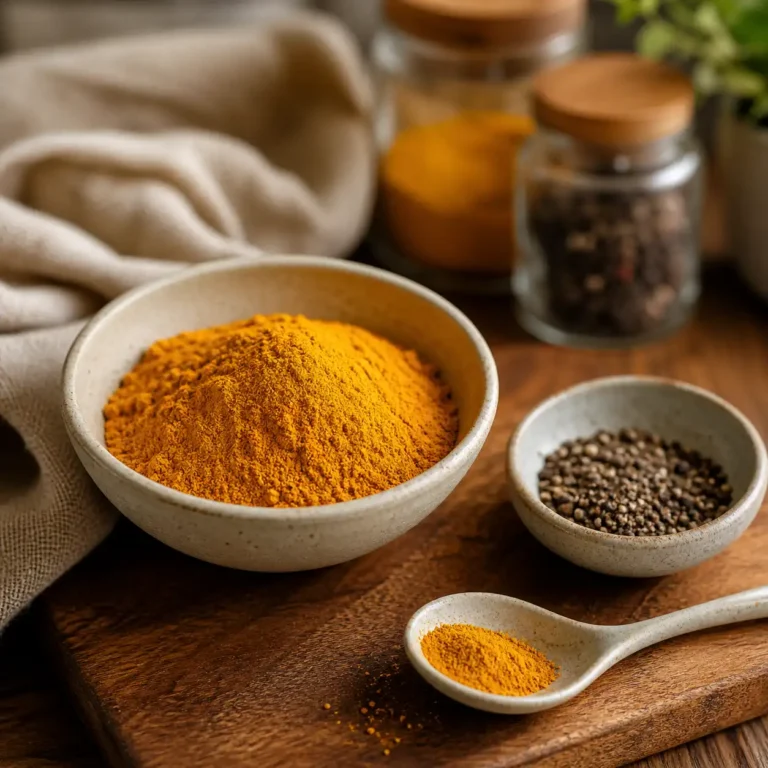
Turmeric and Piperine Anti-Inflammatory Tonic
A potent wellness beverage specifically designed to maximize the bioavailability of curcumin by pairing turmeric with black pepper and healthy fats.
- Total Time: 7 minutes
- Yield: 1 serving 1x
Ingredients
- 1 teaspoon ground turmeric
- 1/4 teaspoon freshly ground black pepper
- 1 cup warm water or unsweetened almond milk
- 1 teaspoon organic coconut oil
- 1/2 teaspoon ground ginger
- 1 teaspoon raw honey
- 1/4 teaspoon ground cinnamon
- 1 pinch sea salt
Instructions
- Step 1: Heat Base – Warm the water or almond milk in a small saucepan over medium heat until steaming but not boiling.
- Step 2: Add Spices – Whisk in the turmeric, ginger, cinnamon, and sea salt until the mixture is uniform.
- Step 3: Incorporate Piperine – Stir in the freshly ground black pepper to activate the curcumin’s bioavailability.
- Step 4: Add Fat – Blend in the coconut oil, stirring constantly until completely melted and emulsified into the liquid.
- Step 5: Simmer Drink – Reduce heat to low and let the mixture simmer for 5 minutes to fully infuse the nutrients.
- Step 6: Sweeten Tonic – Remove from heat and stir in the raw honey until dissolved.
- Step 7: Serve Warm – Pour the tonic into a mug and consume immediately for maximum absorption.
Notes
Always include black pepper and a fat source like coconut oil, as curcumin is fat-soluble and requires piperine for effective absorption.
- Prep Time: 2 minutes
- Cook Time: 5 minutes
- Category: Wellness Beverage
- Method: Simmering
- Cuisine: Global Health
- Diet: Vegetarian
Nutrition
- Serving Size: 1 cup
- Calories: 85 kcal
- Sugar: 6 g
- Sodium: 45 mg
- Fat: 5 g
- Saturated Fat: 4 g
- Unsaturated Fat: 1 g
- Trans Fat: 0.01 g
- Carbohydrates: 9 g
- Fiber: 1 g
- Protein: 1 g
- Cholesterol: 1 mg
Keywords: Turmeric, Piperine, Curcumin, Anti-inflammatory, Bioavailability, Wellness Tonic
Anti-Inflammatory Properties of Turmeric with Piperine
Chronic inflammation is often at the root of many modern health concerns, from joint discomfort to cardiovascular issues. Turmeric with piperine acts as a potent natural anti-inflammatory agent by blocking NF-kB, a molecule that travels into the nuclei of your cells and turns on genes related to inflammation. This systemic approach helps manage the body’s inflammatory response at a foundational level. By reducing these markers, individuals often find relief from daily aches and long-term stiffness.
Support for Joint Health and Mobility
Many people turn to turmeric with piperine to help with joint health. Because curcumin targets inflammatory enzymes like COX-2, it functions similarly to some over-the-counter anti-inflammatory medications but without the same risk of digestive upset. When you consistently use turmeric with piperine, you support the cartilage and tissues within the joints. This is particularly useful for aging individuals or athletes who put significant stress on their bodies. Combining this with an anti-inflammatory diet recipe can further support your goals for pain-free movement.
Impact on C-Reactive Protein (CRP) Levels
Clinical trials often measure C-reactive protein as a marker for systemic inflammation. Research published by the National Institutes of Health (NIH) highlights how curcuminoids significantly reduce CRP levels in the blood. This reduction is much more pronounced when using turmeric with piperine compared to turmeric alone. Lowering CRP is a key indicator of improved internal health and a reduced risk of chronic conditions that stem from persistent inflammation.
Antioxidant Benefits and Cellular Protection
Turmeric with piperine does more than just fight inflammation; it is also a powerful antioxidant. Oxidative stress, caused by free radicals, damages cells and contributes to the aging process. Curcumin has a unique chemical structure that allows it to neutralize free radicals directly. Furthermore, turmeric with piperine helps the body improve its own antioxidant enzymes, creating a two-fold defense against cellular damage. This protective effect is vital for maintaining skin health and organ function over time.
Neutralizing Free Radicals
Free radicals are unstable molecules that can damage DNA and proteins. The active curcumin in turmeric with piperine seeks out these molecules and stabilizes them. This prevents the “domino effect” of cellular damage that leads to oxidative stress. Because the piperine ensures that more curcumin is available, the body has a larger “army” of antioxidants to deploy against these threats. This makes turmeric with piperine an essential part of a longevity-focused lifestyle.
Stimulating Endogenous Antioxidants
Beyond its own antioxidant capacity, turmeric with piperine encourages the body to produce its own protective compounds, such as glutathione. Glutathione is often called the “master antioxidant.” By increasing the activity of these natural defenses, turmeric with piperine helps build a more resilient biological system. This systemic boost is far more effective than taking simple vitamin supplements that only provide one-way protection.
Metabolic Health and Weight Management
Emerging research suggests that turmeric with piperine can play a role in metabolic health. Curcumin helps improve insulin sensitivity and can assist in the regulation of lipid metabolism. For those focusing on body composition, turmeric with piperine may help reduce the growth of fat tissue by inhibiting the formation of new blood vessels in fat cells. While not a “magic pill,” it is a valuable addition to a balanced lifestyle. Some people even pair these metabolic supports with peptides for weight loss to take a multi-angled approach to their health goals.
Blood Sugar Regulation
Maintaining stable blood sugar is critical for long-term health. Turmeric with piperine helps the body process glucose more effectively. By supporting the pancreas and improving how cells respond to insulin, this combination helps prevent the spikes and crashes that lead to cravings and energy loss. When your metabolism is stable, it is much easier to maintain a healthy weight and avoid the metabolic syndrome issues that affect many people today.
Cholesterol and Heart Health
The heart benefits from the reduced inflammation and improved lipid profiles associated with turmeric with piperine. It can help lower LDL (bad) cholesterol and triglycerides while supporting the health of the endothelium, which is the lining of the blood vessels. A healthy endothelium is necessary for regulating blood pressure and preventing clots. By making turmeric with piperine a regular part of your diet, you provide your cardiovascular system with the support it needs to function correctly.
Comparison of Absorption Methods
The following table illustrates why turmeric with piperine is superior to standard turmeric consumption.
| Feature | Standard Turmeric Powder | Turmeric with Piperine |
|---|---|---|
| Bioavailability | Very Low | 2,000% Higher |
| Metabolic Speed | Rapidly eliminated by the liver | Delayed elimination, longer activity |
| Systemic Effect | Mostly localized in the gut | Enters bloodstream and reaches tissues |
| Cost Efficiency | Low (requires high doses) | High (effective at lower doses) |
Cognitive Function and Brain Health
The brain can also benefit from the combination of turmeric with piperine. Curcumin can cross the blood-brain barrier, a feat that many other supplements cannot achieve. Once in the brain, it helps support Brain-Derived Neurotrophic Factor (BDNF), a type of growth hormone that functions in the brain. Low levels of BDNF are linked to various cognitive issues. By supporting BDNF levels, turmeric with piperine may help improve memory and delay age-related brain decline.
Supporting Memory and Focus
Regular use of turmeric with piperine is often associated with better mental clarity. Because it reduces neuroinflammation, the brain can process information more efficiently. Many users report that they feel less “brain fog” when they include turmeric with piperine in their daily routine. This cognitive support is a key reason why these ingredients have been used for centuries in traditional practices aimed at longevity and mental sharpness.
Protective Effects Against Neurodegeneration
Research suggests that turmeric with piperine may help prevent the accumulation of protein tangles in the brain, which are markers for various cognitive disorders. By keeping the brain’s environment clean and reducing oxidative stress, this combination acts as a shield for your neurons. The Arthritis Foundation notes that the anti-inflammatory effects of curcumin are powerful enough to assist in managing various systemic conditions, including those that affect the nervous system.
Digestive Wellness and Gut Health
While piperine helps curcumin get into the blood, it also has its own benefits for the digestive tract. Piperine stimulates digestive enzymes, which helps the body break down fats and proteins more efficiently. Turmeric with piperine can help soothe the lining of the stomach and reduce gas and bloating. This makes it a great choice for those with sensitive digestive systems who still want the benefits of potent herbal compounds.
Improving Nutrient Uptake
Piperine is known as a “bio-enhancer” for more than just curcumin. It can help the body absorb other vitamins and minerals, such as Vitamin B12 and Selenium. When you take turmeric with piperine, you are essentially making your entire digestive system more receptive to the nutrients in your food. For those who enjoy herbal drinks, incorporating this combination alongside a moringa tea recipe can create a nutrient-dense routine that supports total body wellness.
Managing Leaky Gut and Inflammation
Inflammation in the gut can lead to increased permeability, often called leaky gut. The anti-inflammatory nature of turmeric with piperine helps strengthen the intestinal barrier. By reducing the irritation in the gut wall, it helps prevent undigested food particles from entering the bloodstream and triggering immune responses. This foundational gut support is essential for anyone dealing with food sensitivities or general digestive discomfort.
How to Use Turmeric with Piperine
To get the most out of turmeric with piperine, you must follow certain guidelines for preparation and consumption. It is not enough to just sprinkle a little on your food; the ratios and timing matter for the best results.
- Step 1: Selecting Quality Ingredients – Choose organic turmeric powder with a high curcumin content (at least 3%) and fresh-ground black pepper for the highest piperine levels.
- Step 2: Correct Ratios – Aim for a ratio of roughly 1/4 teaspoon of black pepper for every 1 teaspoon of turmeric. This ensures there is enough piperine to block the liver enzymes effectively.
- Step 3: Add a Fat Source – Curcumin is fat-soluble. Mix your turmeric with piperine into a carrier like coconut oil, olive oil, or grass-fed butter to further improve uptake.
- Step 4: Gentle Heating – Briefly heating the mixture in a pan with your fat source can help activate the compounds, though excessive heat for long periods should be avoided.
- Step 5: Consistency – Take the mixture daily. The benefits of turmeric with piperine build up in the system over time, so regular use is more important than high occasional doses.


Potential Side Effects and Precautions
While turmeric with piperine is generally safe for most people, there are things to consider. Because piperine affects how the liver processes substances, it can change the way certain medications work in the body. If you are on blood thinners, chemotherapy, or diabetes medications, you should consult with a healthcare professional before starting a high-dose regimen of turmeric with piperine.
Interactions with Medications
The same mechanism that helps curcumin stay in your body can do the same for pharmaceutical drugs. This could lead to higher-than-intended levels of medication in your blood. Specifically, turmeric with piperine can have a mild blood-thinning effect. This is usually beneficial for heart health, but it can be a concern if you are scheduled for surgery or are already taking anticoagulant medication.
Digestive Sensitivity
In very high doses, some people might experience stomach upset or diarrhea. Piperine is a pungent compound, and for those with very sensitive stomachs or ulcers, it might cause temporary irritation. It is always best to start with small amounts of turmeric with piperine and gradually increase your intake as your body adjusts. Most people find that taking it with a full meal prevents any discomfort.
Conclusion
Incorporating turmeric with piperine into your lifestyle is one of the most effective ways to take advantage of natural anti-inflammatory and antioxidant support. The science is clear: without piperine, the vast majority of turmeric’s benefits are lost during digestion. By simply adding a small amount of black pepper, you can make sure your body receives the cellular protection and metabolic support it deserves. Whether through supplements or cooking, this pair is a fundamental tool for those seeking to maintain long-term health and vitality.
FAQs
Why is black pepper necessary with turmeric?
Black pepper contains piperine, which blocks the liver from quickly filtering out curcumin. This allows the curcumin from the turmeric to enter the bloodstream and provide health benefits. Without piperine, the curcumin is excreted too quickly to be useful.
What is the best ratio for turmeric with piperine?
A common and effective ratio is about 1/20th to 1/10th of black pepper compared to turmeric. In practical kitchen terms, adding a generous pinch of black pepper to a teaspoon of turmeric is sufficient to activate the curcumin.
Can I just take a curcumin supplement instead?
Yes, many curcumin supplements are formulated as turmeric with piperine (often labeled as Bioperine). These are often more convenient than eating large amounts of the spice and provide a standardized dose of the active compounds.
Does heat destroy the benefits of turmeric with piperine?
Lightly cooking turmeric with piperine in fat can actually help absorption. However, boiling it for a long time or using extreme heat can degrade the curcumin. It is best to add it toward the end of the cooking process or consume it in a warm beverage.
How long does it take to see results?
Most people notice a difference in joint comfort and energy levels after two to four weeks of consistent use. Because turmeric with piperine works by modulating gene expression and enzyme activity, the effects are cumulative rather than instant.
Disclaimer
The content provided on this website is for general informational and educational purposes only. It is not intended to replace professional medical advice, diagnosis, or treatment. I am not a licensed healthcare provider or certified nutrition expert.
Disclaimer
The content provided on this website is for general informational and educational purposes only. It is not intended to replace professional medical advice, diagnosis, or treatment. I am not a licensed healthcare provider or certified nutrition expert.
Always seek guidance from a qualified medical professional before making any changes to your diet, especially if you have underlying health conditions, allergies, or specific dietary needs. Individual results may vary, and your health and safety should always come first.



1 thought on “Turmeric with Piperine: 7 Proven Benefits & How It Works”