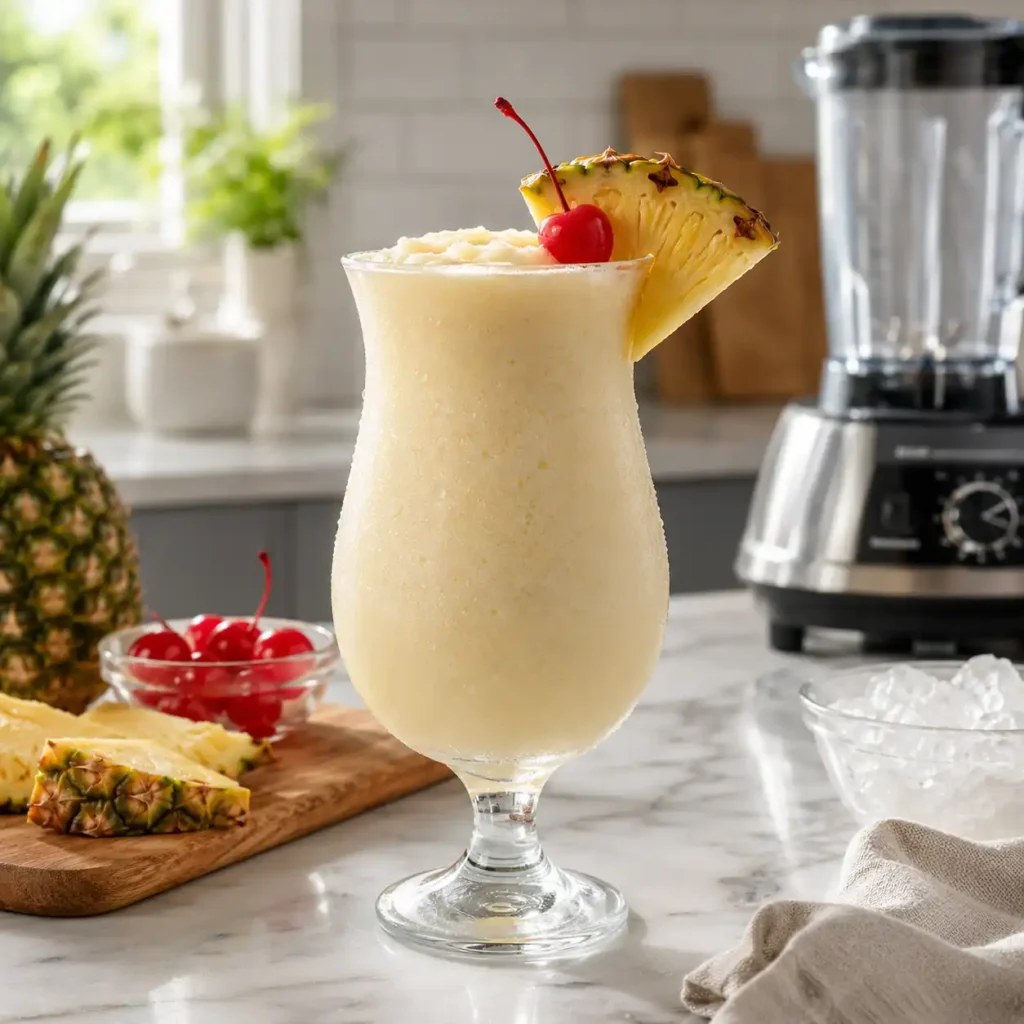
The non alcoholic pina colada stands as the undisputed king of tropical refreshments, offering a creamy, sun-drenched escape in every sip. While the original version is famous worldwide, the alcohol-free counterpart provides the same luscious texture and vibrant fruit profile without the inclusion of spirits. Mastering this drink requires an understanding of how acids, fats, and sugars interact to create a balanced mouthfeel. This guide focuses on professional techniques and high-quality ingredients to help you craft a world-class beverage at home.
Table of Contents
The Core Components of a Superior Non Alcoholic Pina Colada
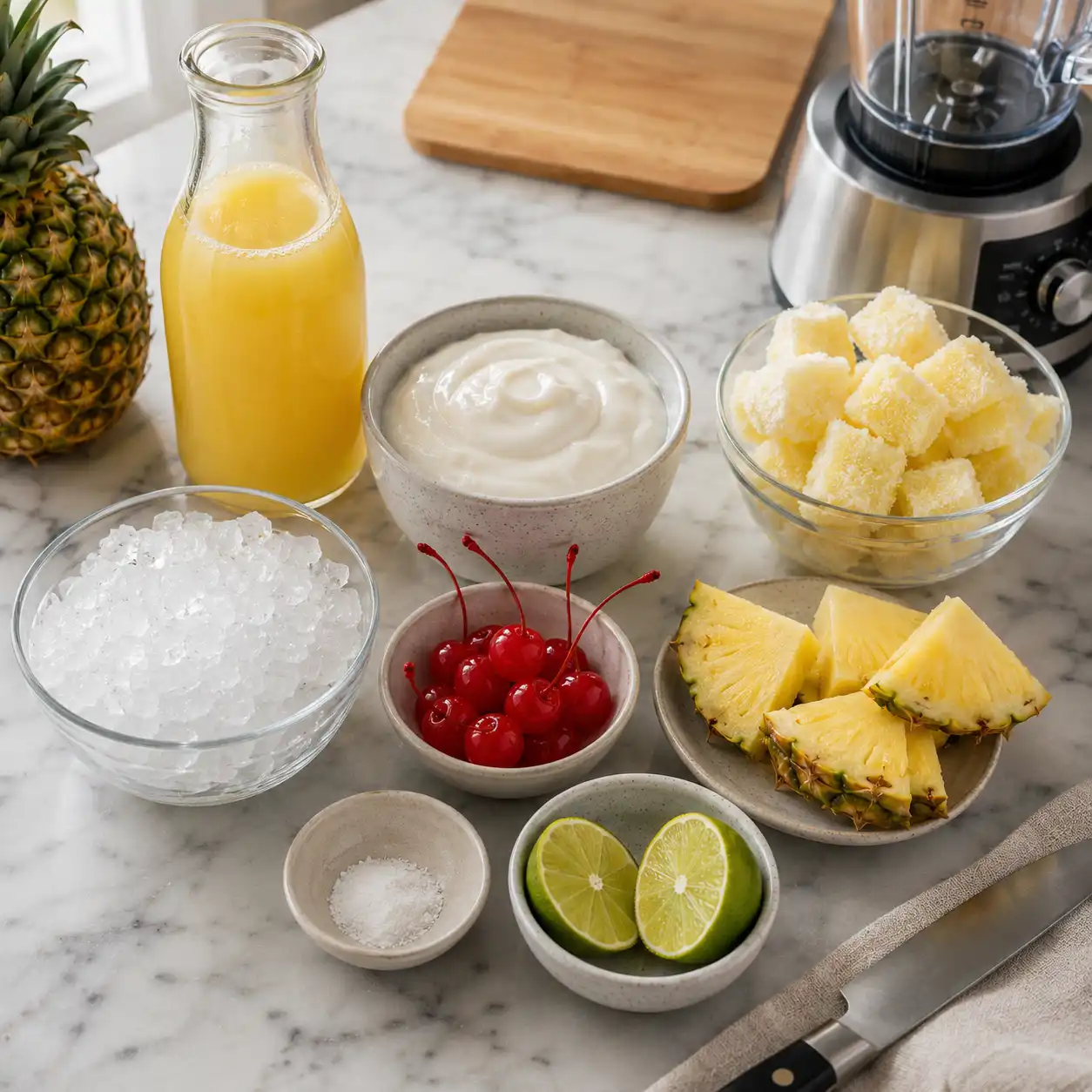
To create a truly remarkable non alcoholic pina colada, you must focus on the quality of your raw materials. The foundation of this drink rests on two pillars: pineapple and coconut. Because you are not using a distilled spirit to carry the flavor, the natural intensity of these fruits must be at its peak. Using fresh, ripe fruit instead of pre-packaged alternatives changes the entire profile of the finished product, making it taste bright and authentic rather than artificial or cloying.
Fresh Pineapple vs. Canned Juice
Fresh pineapple contains enzymes and fibers that provide a thicker consistency and a more complex acidity compared to canned varieties. When selecting a pineapple, look for a golden-yellow skin and a fragrant base. If you must use juice, look for cold-pressed versions that have not been heat-treated. The natural acidity of the fruit is vital to cut through the heavy fats of the coconut. Many people find that incorporating a pineapple ginger anti inflammatory drink base into their routine provides similar refreshing qualities while supporting digestive wellness through natural ingredients.
Choosing the Right Coconut Base
Coconut provides the creamy structure that defines a non alcoholic pina colada. There is often confusion between coconut milk, coconut cream, and cream of coconut. For the traditional thick and sweet consistency, “cream of coconut” is the standard choice. It is a sweetened, processed product specifically designed for beverages. However, for those who prefer a less sugary profile, using unsweetened coconut cream allows for more control over the final sweetness levels. Balancing these fats is essential for achieving that velvety texture that coats the palate without feeling overly greasy.
Print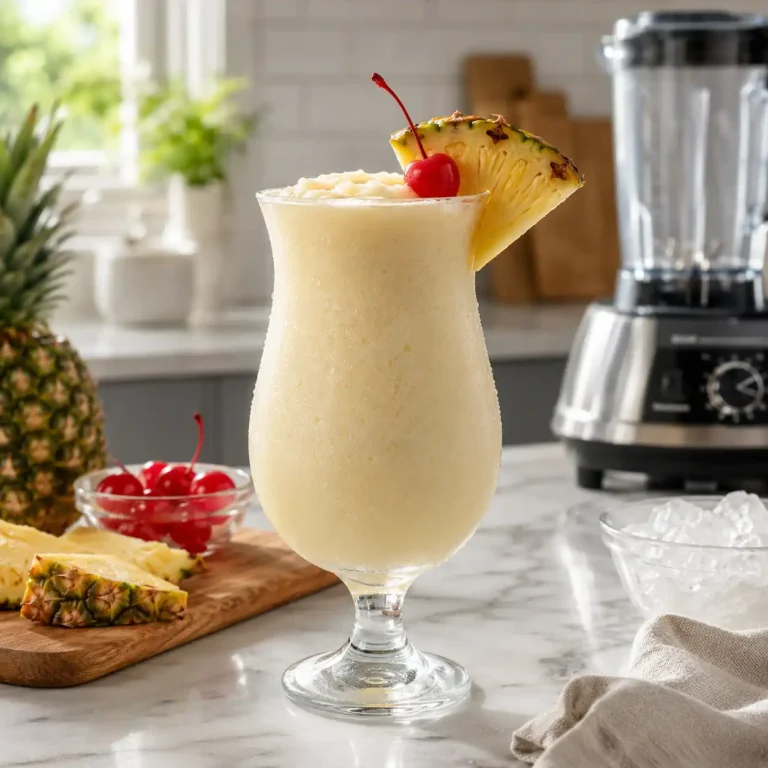
The Ultimate Guide to the Perfect Non Alcoholic Pina Colada
A professional-grade tropical mocktail that balances rich coconut fats with vibrant pineapple acidity for a perfect sun-drenched escape.
- Total Time: 6 minutes
- Yield: 1 serving 1x
Ingredients
- 6 oz Unsweetened pineapple juice
- 3 oz Cream of coconut (such as Coco Lopez)
- 0.5 oz Freshly squeezed lime juice
- 2 cups Crushed ice
- 1 Fresh pineapple wedge for garnish
- 1 Maraschino cherry for garnish
Instructions
- Step 1: Chill Glassware – Place a hurricane glass in the freezer for 5 minutes prior to assembly.
- Step 2: Measure Liquids – Add the pineapple juice, cream of coconut, and lime juice into a high-speed blender.
- Step 3: Add Ice – Pour the crushed ice into the blender container on top of the liquid base.
- Step 4: Blend Mixture – Process on high speed for 30 to 45 seconds until the texture is completely smooth and velvety.
- Step 5: Check Consistency – Ensure the drink is thick enough to hold a straw upright; add more ice if needed and pulse.
- Step 6: Pour Drink – Carefully pour the frozen mixture into the chilled hurricane glass.
- Step 7: Final Garnish – Garnish with a fresh pineapple wedge and a cherry before serving immediately.
Notes
Always use cream of coconut (sweetened) rather than coconut milk to achieve the signature thick, creamy mouthfeel.
- Prep Time: 5 minutes
- Cook Time: 1 minute
- Category: Beverage
- Method: Blending
- Cuisine: Caribbean
- Diet: Vegan
Nutrition
- Serving Size: 12 oz
- Calories: 380 kcal
- Sugar: 48 g
- Sodium: 15 mg
- Fat: 21 g
- Saturated Fat: 18 g
- Unsaturated Fat: 3 g
- Trans Fat: 0.01 g
- Carbohydrates: 52 g
- Fiber: 1.5 g
- Protein: 2 g
- Cholesterol: 1 mg
Keywords: Pina Colada, Mocktail, Non-alcoholic, Tropical Drink, Coconut, Summer
Step-by-Step Instructions for a Frozen Non Alcoholic Pina Colada
A frozen non alcoholic pina colada requires careful temperature management to prevent the mixture from becoming watery. The goal is a smooth, slushy consistency that holds its shape in the glass. Follow these steps to achieve a professional-grade result every time.
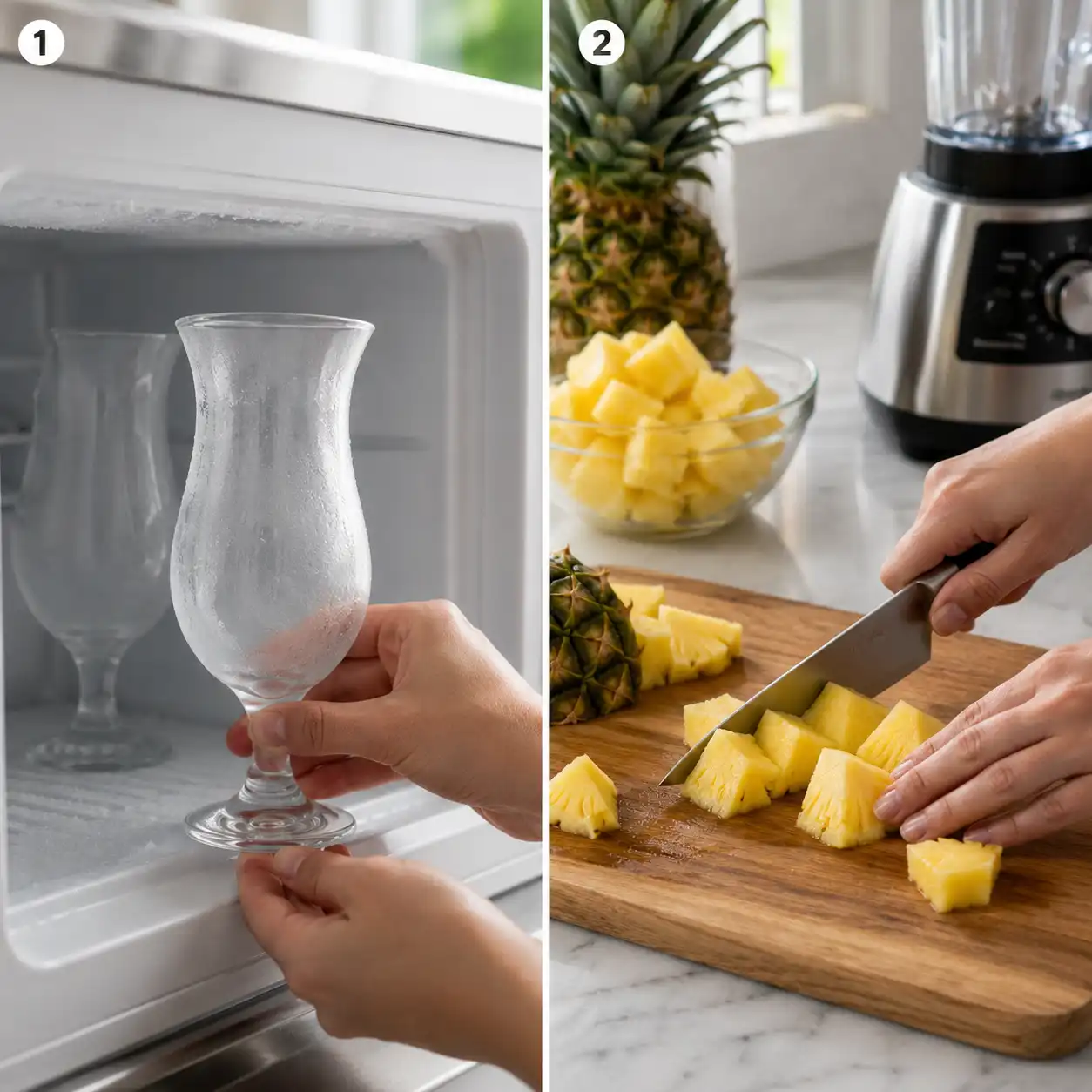
- Step 1: Chill Your Glassware – Place your serving glasses in the freezer for at least twenty minutes before preparation to keep the drink cold during consumption.
- Step 2: Prepare the Fruit – Cut fresh pineapple into small chunks and freeze them for two hours; this allows the fruit to act as an additional cooling agent.
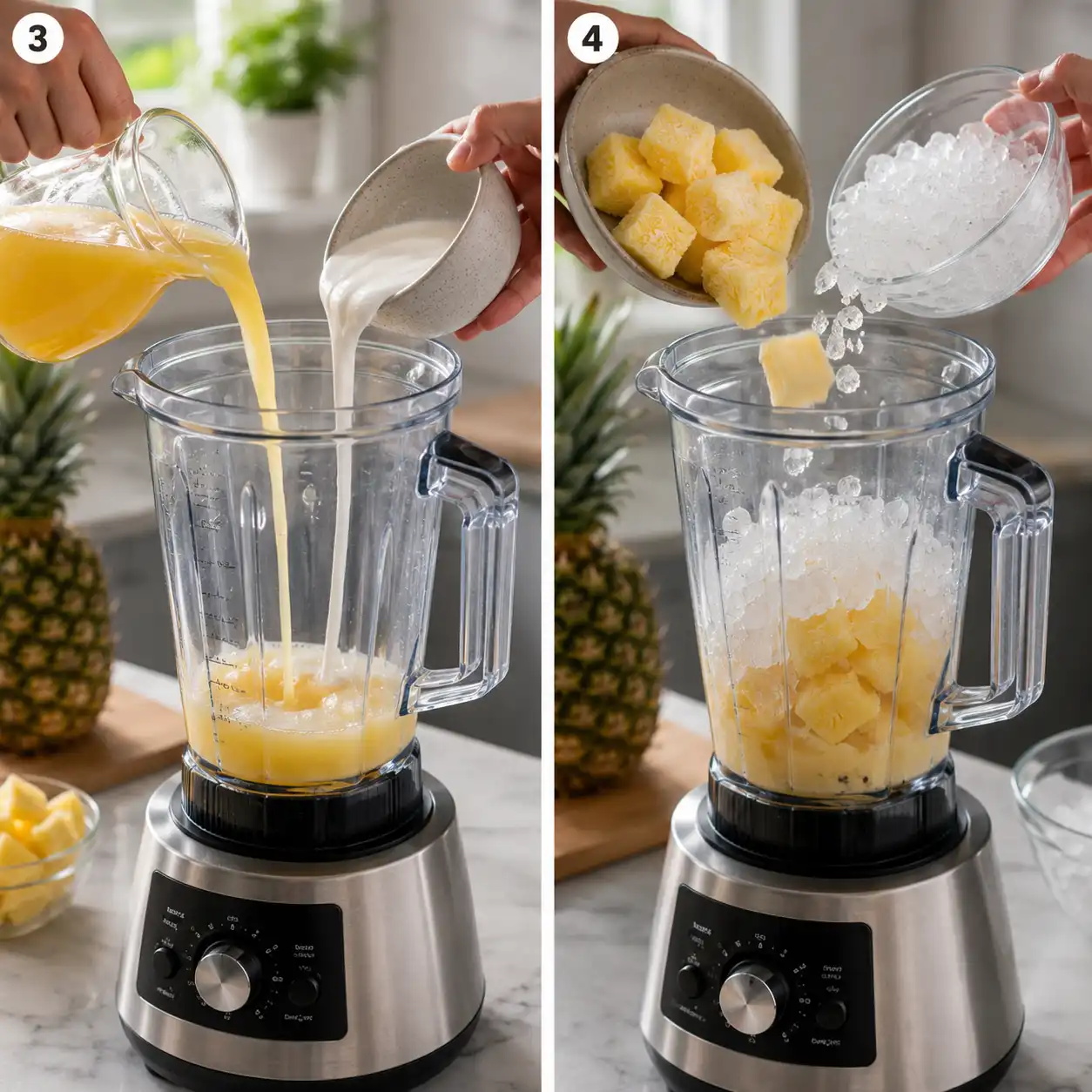
- Step 3: Measure the Liquids – Add 6 ounces of pineapple juice and 3 ounces of cream of coconut into a high-speed blender container.
- Step 4: Add the Frozen Solids – Incorporate 1 cup of the frozen pineapple chunks and 1.5 cups of crushed ice into the blender.
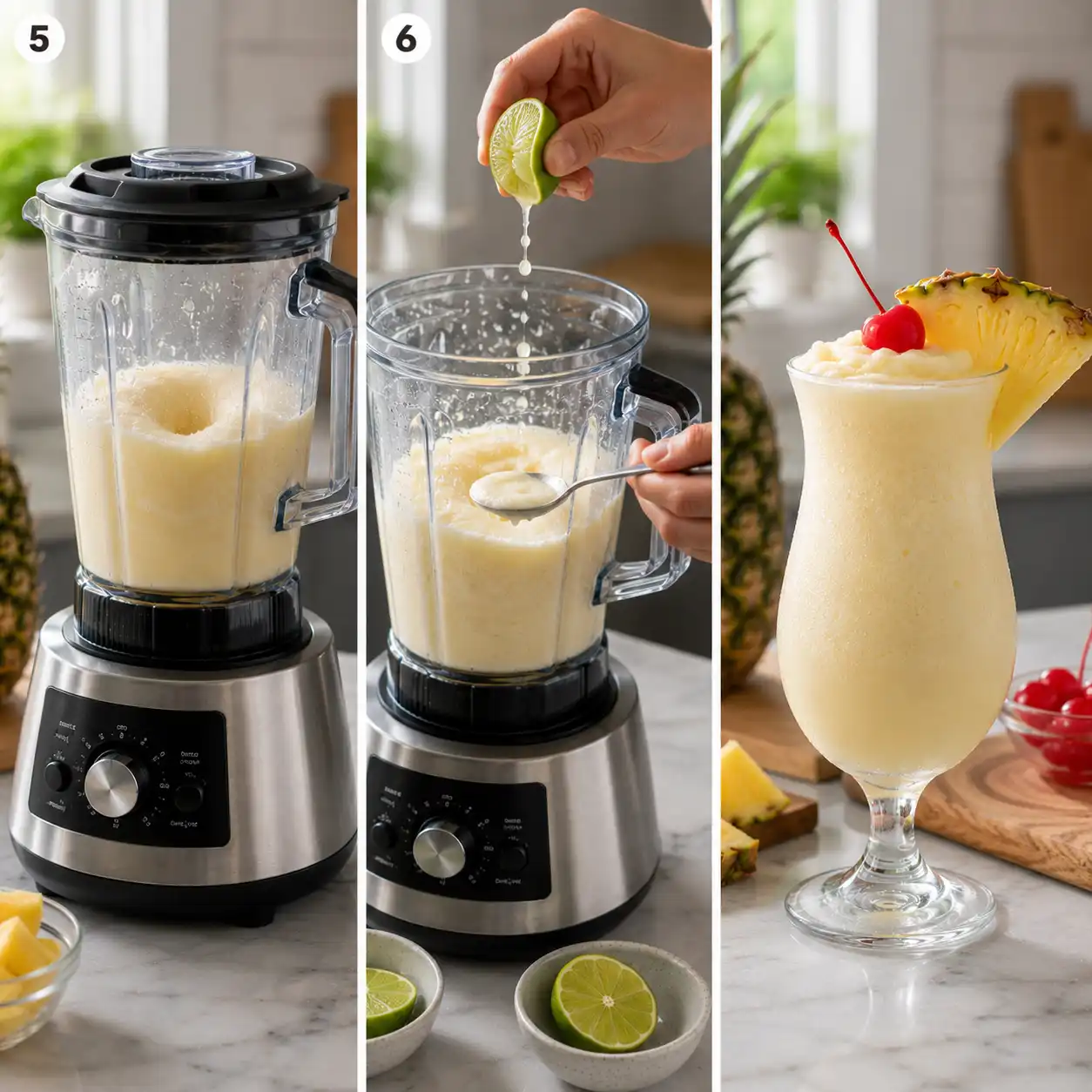
- Step 5: Blend Until Smooth – Start the blender on the lowest speed and gradually increase to the highest setting for 30 to 45 seconds until no ice chunks remain.
- Step 6: Balance the Flavors – Taste a small spoonful and add a squeeze of fresh lime juice if the mixture feels too heavy or sweet.
- Step 7: Serve Immediately – Pour the thick mixture into your chilled glass and garnish with a fresh pineapple wedge and a maraschino cherry.
Variations for Different Palates
While the classic recipe is a crowd-pleaser, adjusting the flavor profile can provide a fresh perspective on this tropical favorite. You can introduce various fruits or spices to create a unique experience. For instance, blending in a handful of strawberries creates a “Miami Vice” style beverage, or adding a dash of ground nutmeg can provide a warm, aromatic finish. Many enthusiasts who enjoy this drink also appreciate the clean flavors found in a mojito recipe without alcohol, as both rely on the vibrancy of fresh produce and cold temperatures.
The Shaken Method vs. The Blended Method
While the frozen version is most common, the shaken non alcoholic pina colada offers a lighter, more refined texture. To make a shaken version, combine the juice and coconut cream in a shaker with large ice cubes and shake vigorously for fifteen seconds. Strain the mixture into a glass filled with fresh ice. This method highlights the delicate floral notes of the coconut and is often preferred by those who find frozen drinks too brain-freezing or difficult to sip through a straw.
Incorporating Exotic Spices
Adding a pinch of sea salt or a thin slice of fresh ginger can transform the drink. Ginger provides a sharp, spicy counterpoint to the rich coconut, which helps balance the high sugar content of the pineapple. If you are looking for other ways to use these ingredients in a healthy lifestyle, consider trying a anti inflammatory diet recipe that focuses on the synergy between tropical fruits and natural spices. These additions don’t just change the flavor; they can also provide additional functional benefits to your daily beverage choices.
Nutritional Insights and Health Benefits
A non alcoholic pina colada made with fresh ingredients can be more than just a treat. Pineapple is a powerhouse of nutrition, specifically known for its high vitamin C content and the presence of bromelain. Bromelain is a protein-digesting enzyme that may help with digestion and reduce inflammation in the body. By making this drink at home, you avoid the artificial preservatives and excessive corn syrups often found in commercial mixes used in restaurants.
According to nutritional data from Medical News Today on pineapple benefits, this fruit supports immune function and bone health through its manganese content. When you combine this with the healthy medium-chain triglycerides (MCTs) found in coconut, you create a drink that provides a quick source of energy. While the caloric density remains high due to the fats and natural sugars, the nutrient profile is significantly better than that of carbonated sodas or processed fruit punches.
Understanding Coconut Products
Choosing the right coconut product is the most confusing part of making a non alcoholic pina colada. The table below clarifies the differences to help you select the right ingredient for your preferred texture and sweetness level. For more detailed information on specific brands and culinary uses, you can refer to The Spruce Eats on cream of coconut for an expert breakdown of these tropical staples.
| Product Name | Consistency | Sugar Content | Best Use |
|---|---|---|---|
| Coconut Water | Thin, clear liquid | Very low | Hydration or thinning a thick drink |
| Coconut Milk | Liquid, like dairy milk | Low (natural) | Lightweight, pourable mocktails |
| Coconut Cream | Thick, pasty, high fat | Medium (natural) | Rich, low-sugar pina coladas |
| Cream of Coconut | Syrupy, very thick | High (added sugar) | Traditional, sweet non alcoholic pina colada |
Advanced Tips for Texture and Presentation
The difference between a good drink and a great one often lies in the details. Texture is the most important sensory element of a non alcoholic pina colada. If the drink is too thin, it feels like juice; if it is too thick, it is hard to drink. Professional baristas and mixologists often use a “double-strain” technique or specific ice-to-liquid ratios to achieve the perfect “soft-serve” consistency that lasts for more than a few minutes in the heat.
Achieving the Perfect Slush
If your blender is not powerful enough, you may end up with large chunks of ice. To prevent this, use crushed ice instead of large cubes. Crushed ice has more surface area, which allows it to integrate with the pineapple juice more quickly. Additionally, adding a small amount of Xanthan gum (a tiny pinch) can help emulsify the fats and water, preventing the drink from separating as it sits. This is a common industry secret for maintaining a uniform texture in frozen beverages without altering the flavor.
Sugar Alternatives and Mindful Sweetening
For those watching their sugar intake, the non alcoholic pina colada can be modified using natural sweeteners. Stevia, monk fruit, or agave nectar can replace the sugar found in commercial cream of coconut. If you prefer a cleaner energy profile, you might look at how other drinks manage sweetness, such as a matcha latte iced without syrup. By controlling the sweeteners yourself, you can enjoy the tropical flavors without the blood sugar spikes associated with traditional recipes.
Common Pitfalls to Avoid
One frequent mistake is using too much ice, which dilutes the flavor and results in a “watery” taste. Always start with less ice than you think you need; you can always add more, but you cannot remove it once it is blended. Another error is neglecting the acidity. Without a bit of lime juice or the natural tartness of fresh pineapple, the coconut can feel heavy and cloying on the tongue. The acid acts as a “brightener,” making the other flavors pop and keeping the drink refreshing.
Temperature control is also vital. If your ingredients are at room temperature when they hit the blender, they will melt the ice instantly. Always keep your pineapple juice and coconut cream in the refrigerator until the very moment you are ready to blend. Professional setups often keep the blender jars in the fridge as well during high-volume shifts to make certain that every non alcoholic pina colada comes out at the perfect freezing point.
Conclusion
The non alcoholic pina colada is a versatile and sophisticated beverage that brings the essence of the tropics to any setting. By prioritizing fresh pineapple, understanding the nuances of coconut cream, and mastering the blending process, you can create a drink that rivals any professional bar offering. Whether you are hosting a summer gathering or simply seeking a refreshing afternoon treat, this alcohol-free classic remains a timeless choice for flavor and satisfaction.
FAQs
Can I make a non alcoholic pina colada ahead of time?
It is best served fresh. If you blend it and then freeze it, it will turn into a solid block. However, you can mix the pineapple juice and coconut cream together and store the liquid base in the fridge for up to 24 hours. When you are ready to serve, simply add the ice and blend.
What is the best way to garnish this drink?
The classic garnish is a fresh pineapple wedge and a maraschino cherry. For a more modern look, you can use a dehydrated pineapple wheel or a dusting of toasted coconut flakes on top of the foam. A sprig of fresh mint can also add a nice aromatic touch.
Is a non alcoholic pina colada vegan?
Yes, as long as you use coconut-based creams and juices, the drink is naturally vegan. Coconut cream is a plant-based fat, making this an excellent choice for those avoiding dairy. Always check the label on “cream of coconut” to make certain no honey or dairy derivatives were added during processing.
Can I use coconut water instead of cream?
You can, but the drink will be very thin and will lack the signature creamy texture. If you want a lower-calorie version, try using half coconut milk and half coconut water, though it will not have the same rich mouthfeel as the traditional version.
Why did my drink separate?
Separation usually occurs when the drink warms up or if the fat content in the coconut cream isn’t well-emulsified with the juice. Using a high-speed blender and serving the drink in a chilled glass helps maintain the emulsion for a longer period.