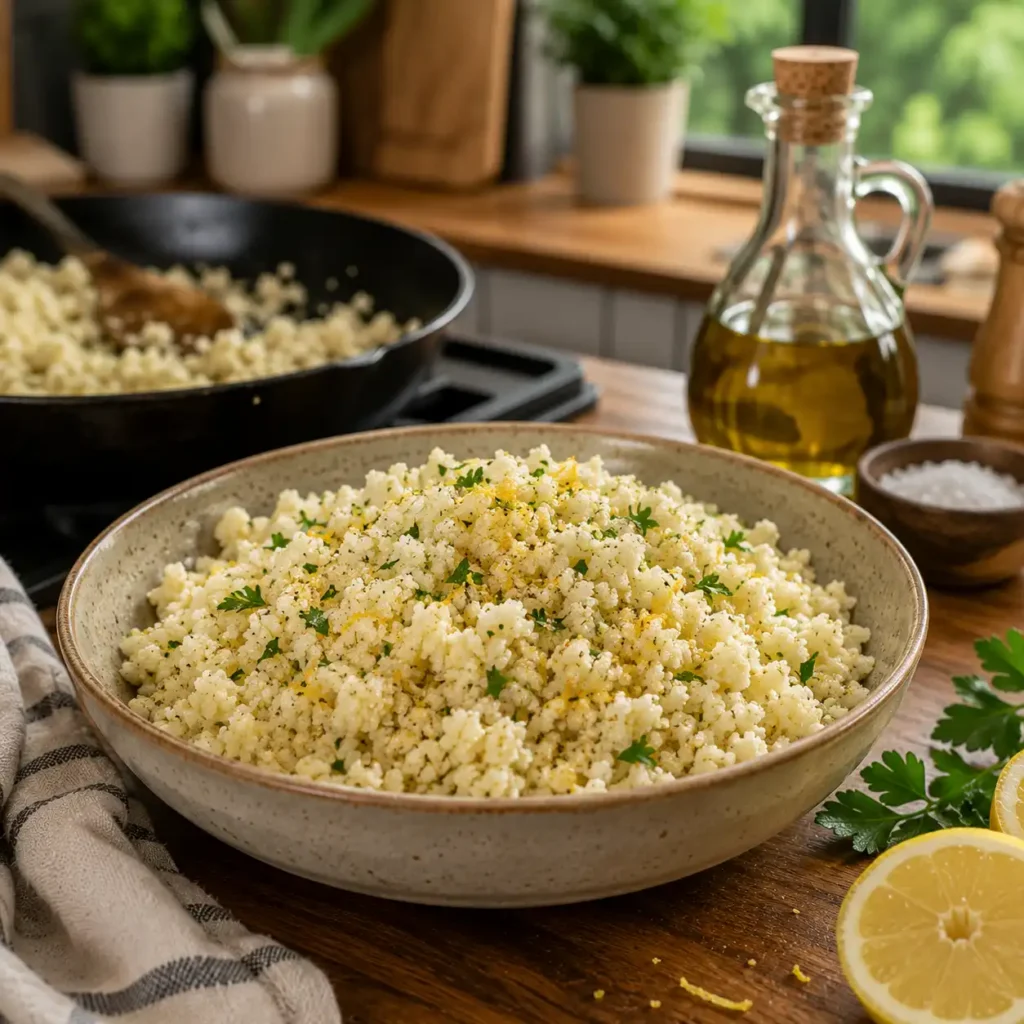
Learning how to make cauliflower rice is a fundamental skill for anyone interested in low-carb cooking or increasing their vegetable intake. This versatile ingredient mimics the texture of traditional grains while providing a significant boost of vitamins and minerals. Whether you want a light base for a stir-fry or a fluffy side dish for grilled meats, mastering the technique allows you to enjoy your favorite meals without the heavy carbohydrate load. This guide covers every detail, from selecting the right head of cauliflower to achieving the perfect non-soggy texture every time.
Table of Contents
Choosing and Preparing Your Cauliflower
Selecting the Best Produce
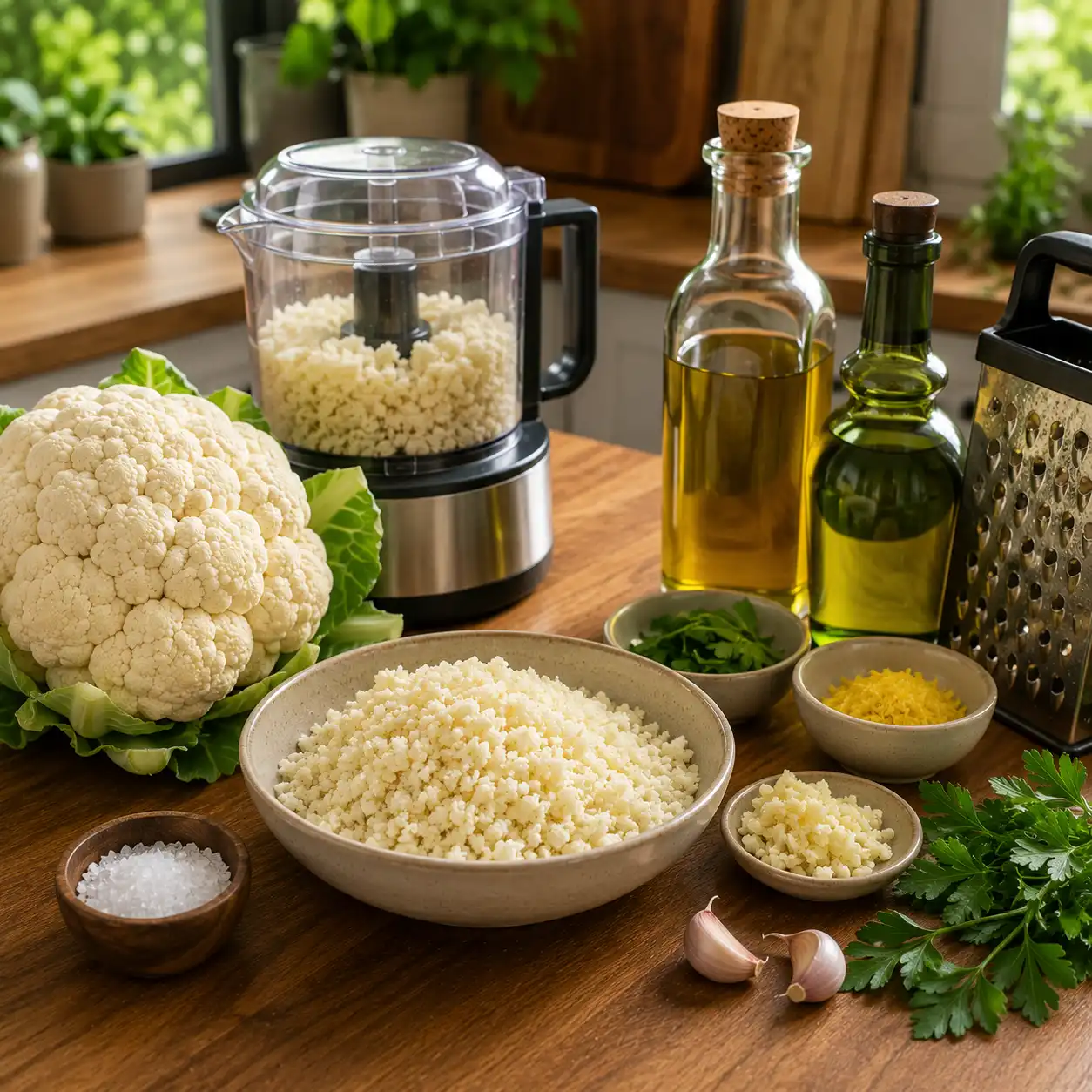
The success of your recipe begins at the grocery store or farmer’s market. When learning how to make cauliflower rice, look for a head that is heavy for its size with tightly packed florets. The color should be a creamy white without dark brown spots or “bruised” areas, which indicate age and moisture loss. Freshness is vital because older cauliflower tends to have a stronger, more sulfurous smell that becomes more pronounced during cooking. If the green leaves at the base are crisp and vibrant, the vegetable is likely fresh and will result in a better flavor profile.
Cleaning and Drying Techniques
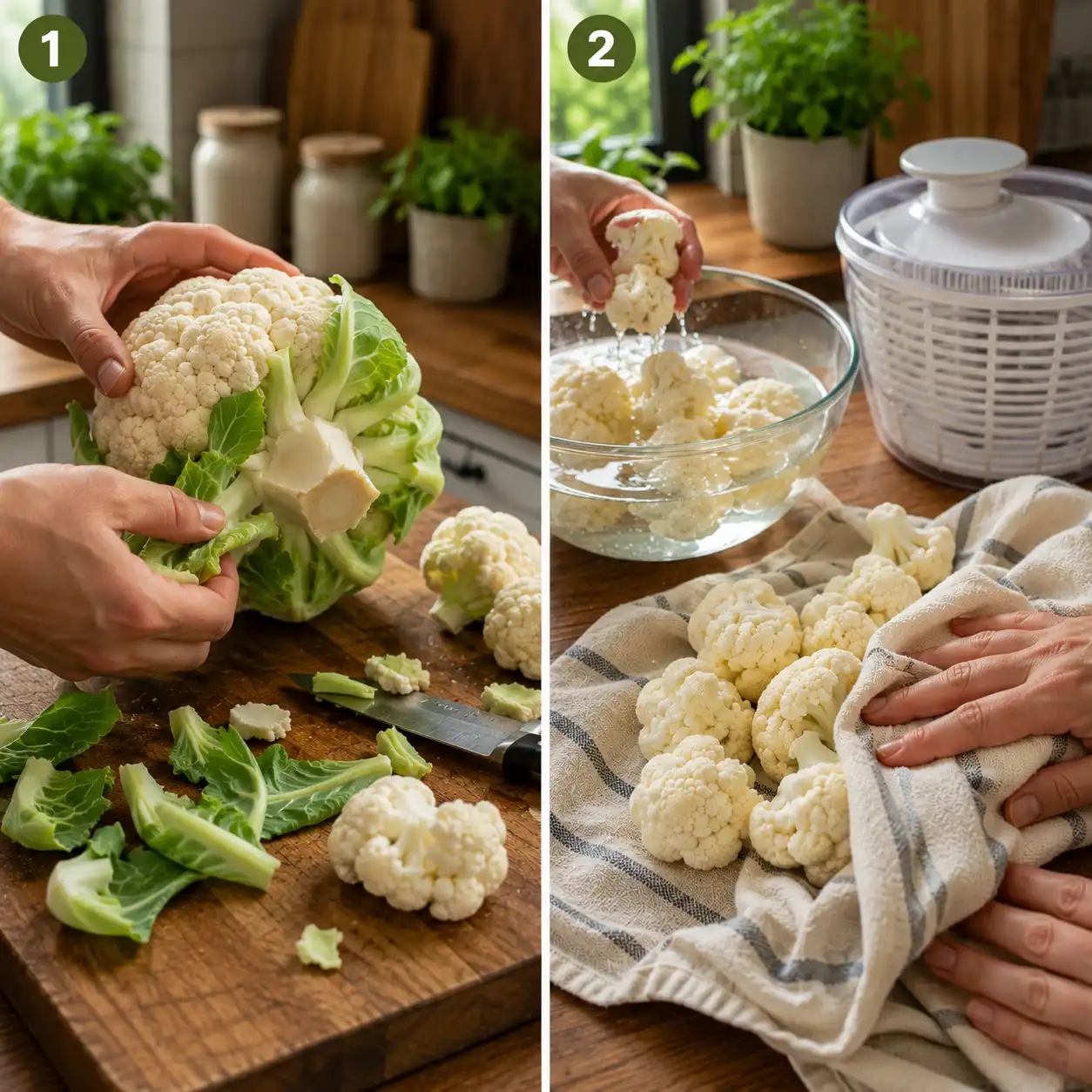
Proper cleaning is a mandatory step before you begin the grating process. Start by removing the thick outer green leaves and cutting away the woody stem. Break the head into large florets. Submerge these pieces in a bowl of cold water to remove any hidden dirt or small insects. After rinsing, the most important part of how to make cauliflower rice is drying the florets. If the cauliflower is wet when you process it, the resulting “rice” will be mushy and watery. Pat the florets thoroughly with a clean kitchen towel or use a salad spinner to remove every drop of moisture before proceeding.
Print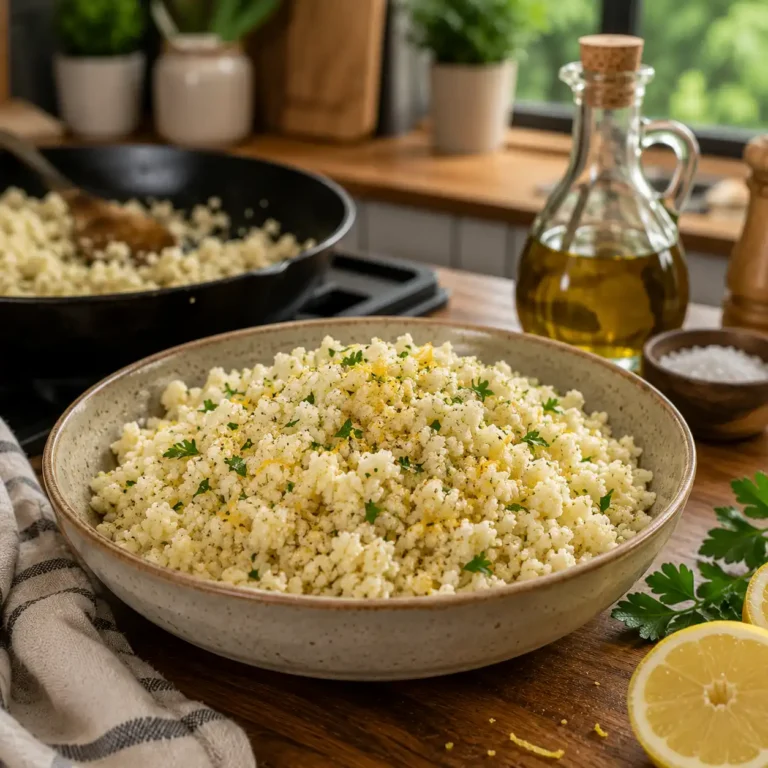
How to Make Cauliflower Rice
An expert guide to creating perfectly fluffy, grain-free cauliflower rice that serves as a versatile low-carb substitute for traditional grains.
- Total Time: 20 minutes
- Yield: 4 servings 1x
Ingredients
- 1 medium head of fresh cauliflower
- 1 tablespoon extra virgin olive oil
- 1/2 teaspoon fine sea salt
- 1/4 teaspoon ground black pepper
- 1 tablespoon fresh parsley, chopped (optional)
Instructions
- Step 1: Clean Cauliflower – Wash the cauliflower head thoroughly and pat it completely dry with a clean towel to prevent sogginess.
- Step 2: Cut Florets – Remove the green leaves and the thick central core, then chop the head into medium-sized florets.
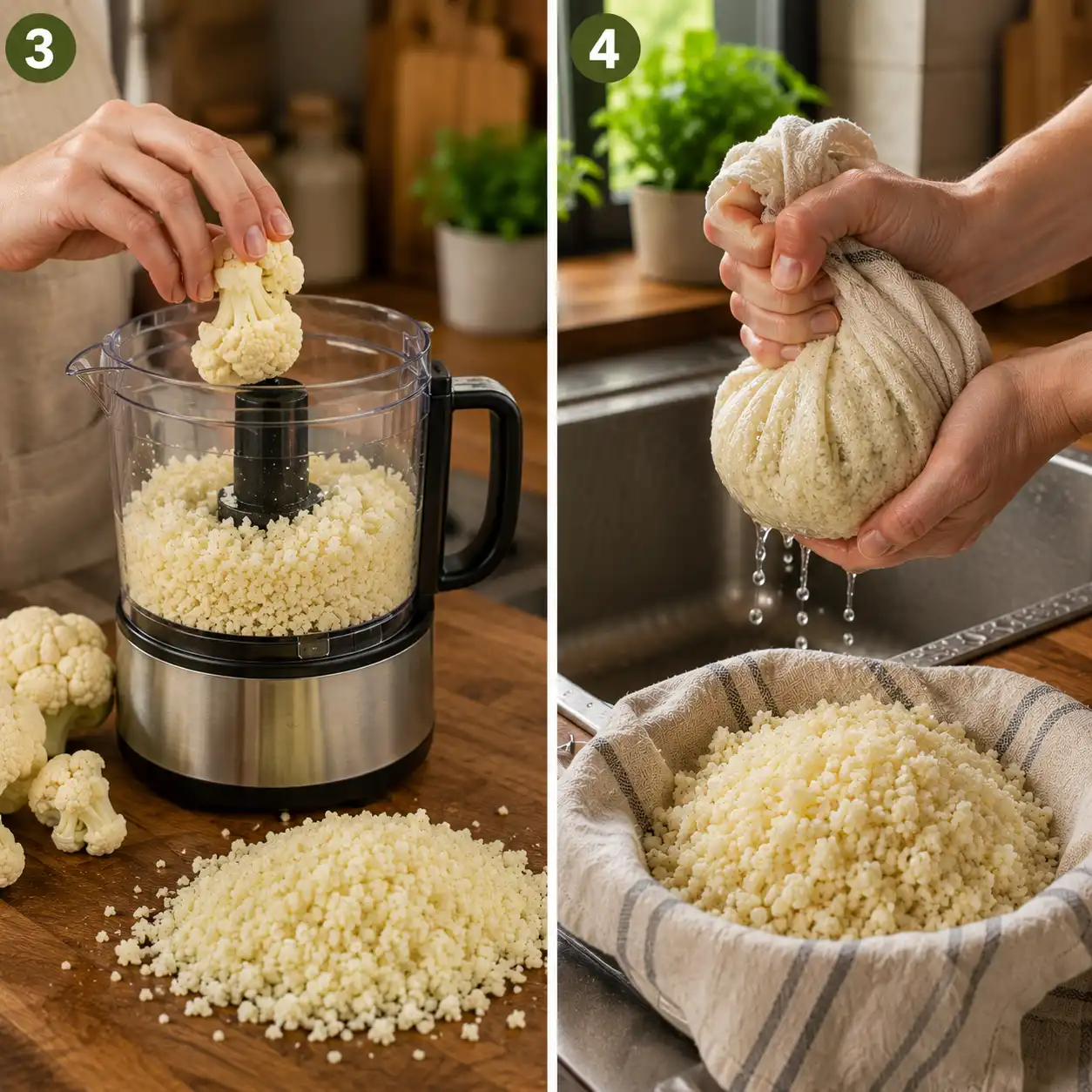
- Step 3: Create Grains – Pulse the florets in a food processor until they reach rice-sized grains, or use a box grater for a similar texture.
- Step 4: Press Out Moisture – Transfer the riced cauliflower to a kitchen towel or nut milk bag and squeeze firmly to remove excess liquid.
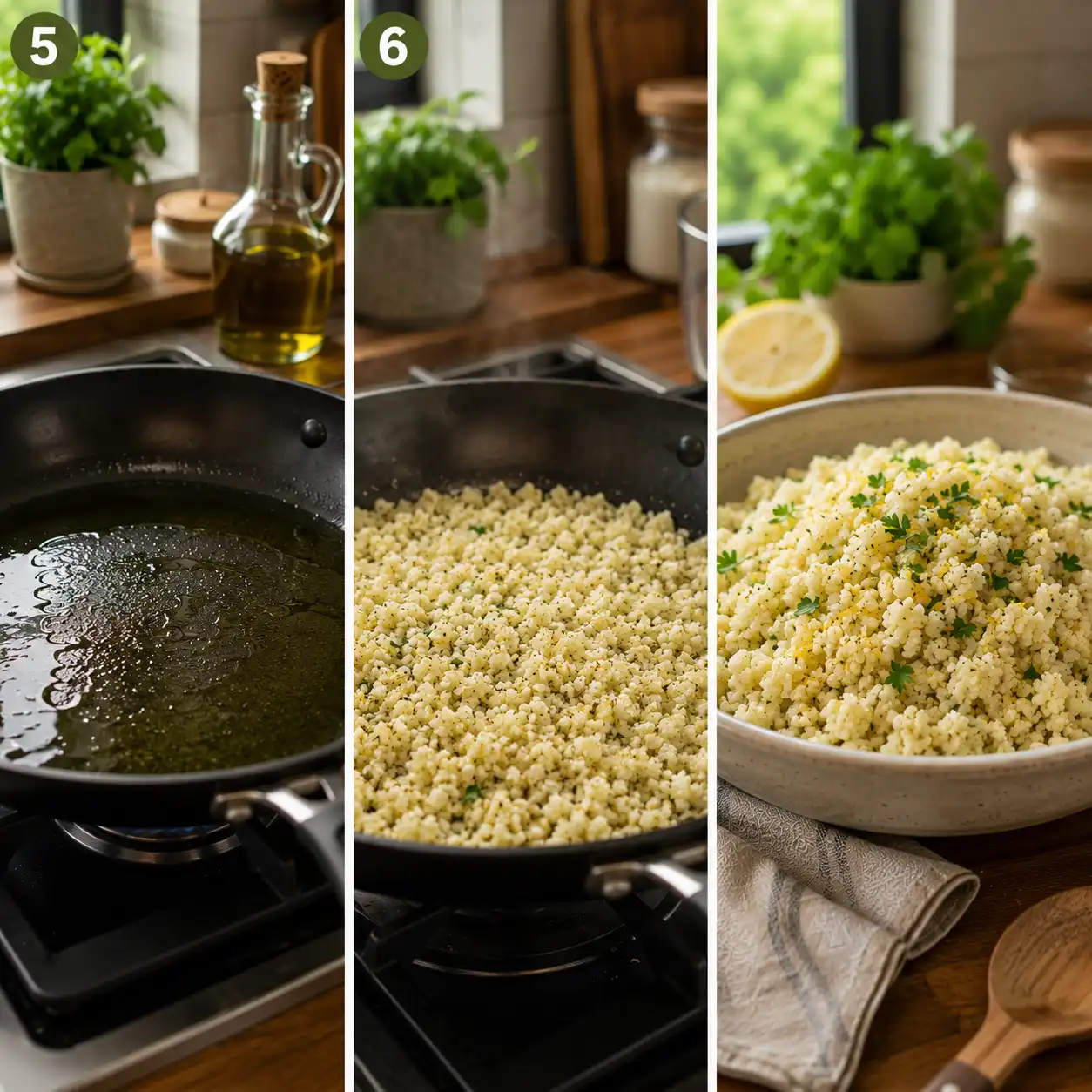
- Step 5: Heat Skillet – Heat the olive oil in a large skillet over medium-high heat until the surface begins to shimmer.
- Step 6: Sauté Gently – Add the cauliflower to the pan and sauté for 3-5 minutes, stirring frequently until the grains are tender-crisp.
- Step 7: Season and Serve – Toss with salt and pepper, garnish with parsley if desired, and serve immediately as a base for your meal.
Notes
To avoid a mushy texture, never cover the pan with a lid while cooking, as this traps steam and softens the grains too much.
- Prep Time: 15 minutes
- Cook Time: 5 minutes
- Category: Side Dish
- Method: Sautéing
- Cuisine: American
- Diet: Ketogenic, Paleo, Vegan, Gluten-Free
Nutrition
- Serving Size: 1 cup
- Calories: 58 kcal
- Sugar: 2.2g
- Sodium: 315mg
- Fat: 3.6g
- Saturated Fat: 0.5g
- Unsaturated Fat: 3.1g
- Trans Fat: 0.01g
- Carbohydrates: 5.4g
- Fiber: 2.5g
- Protein: 2.1g
- Cholesterol: 0.1mg
Keywords: cauliflower rice, low carb, keto, grain free, vegetable base, paleo
Three Effective Methods for Grating Cauliflower
The Food Processor Method
Using a food processor is the fastest way to handle the task when you are figuring out how to make cauliflower rice for a large family. You have two choices: the S-blade or the shredding disc. If you use the S-blade, work in small batches and use the pulse button. Do not simply turn the machine on, or you will end up with a puree. Pulse 5 to 10 times until the pieces are the size of rice grains. If you have a shredding disc attachment, feed the florets through the chute for a more uniform, long-grain appearance. This method is efficient but requires careful monitoring to prevent over-processing.
The Box Grater Method
If you do not own a food processor, the traditional box grater is an excellent tool for how to make cauliflower rice. Use the side with the large holes, often used for grating cheese. Hold a large floret by the stem and grate it against the holes. The stem acts as a natural handle, keeping your fingers safe from the sharp edges. This manual approach gives you great control over the texture and results in pieces that are very similar to actual rice. While it takes more physical effort, many experts prefer this method because it creates less “dust” and more distinct grains that hold their shape during cooking.
The Knife Method
When you only need a small amount or want a rustic look, you can use a sharp chef’s knife. Start by slicing the florets into very thin sheets, then stack those sheets and cut them into thin strips. Finally, turn the strips and mince them into tiny cubes. This method for how to make cauliflower rice is time-consuming but requires no special equipment. It is also the best way to avoid the mechanical heat of a processor, which can sometimes start to soften the vegetable before it even hits the pan. If you are following specific plans like the dr phil rice diet recipes, swapping white rice for this hand-cut version keeps your meals fresh and fiber-rich.
Expert Cooking Techniques for Perfect Texture
The Sauté Method for Maximum Crispness
Sautéing is widely considered the best way to cook the grains once you know how to make cauliflower rice. Heat a large skillet over medium-high heat with a small amount of olive oil or avocado oil. Once the oil is shimmering, add the riced cauliflower in a thin layer. Do not crowd the pan, as this causes the vegetable to steam in its own juices rather than brown. Cook for 3 to 5 minutes, stirring occasionally. The goal is to evaporate the moisture and produce a tender-crisp texture. This method highlights the natural sweetness of the vegetable without letting it become soft or soggy.
Roasting for Deep Nutty Flavor
Roasting is an underrated technique for how to make cauliflower rice. Spread the raw grains on a large rimmed baking sheet lined with parchment paper. Toss them with a little oil and salt, then bake at 400°F (200°C) for about 15 to 20 minutes. Stir the mixture halfway through the cooking time. Roasting allows the edges of the tiny grains to caramelize, adding a complex, nutty flavor that you cannot achieve on the stovetop. This is particularly effective if you plan to serve the dish as a standalone side rather than a base for a sauce. According to nutrition profiles at Healthline, cauliflower is high in fiber and B-vitamins, which roasting helps preserve when done quickly.
Steaming and Microwaving with Caution
While you can steam or microwave cauliflower rice, you must be careful. These methods trap moisture, which is the enemy of a good rice substitute. If you choose to microwave, place the grains in a bowl without adding any extra water. Cover the bowl loosely and heat for 2 minutes. Immediately after cooking, spread the rice out on a flat plate to let the steam escape. Many people using unflavored gelatin powder in their health routines also focus on cruciferous vegetables like this for fiber and digestive support, but they usually prefer the drier sautéed texture for better palatability.
| Method | Prep Time | Texture Result | Best For |
|---|---|---|---|
| Food Processor | 2 Minutes | Uniform / Small | Meal Prep / Large Batches |
| Box Grater | 8 Minutes | Distinct Grains | Premium Texture |
| Knife Mincing | 15 Minutes | Rustic / Chunky | Small Servings |
| Store-Bought | 0 Minutes | Variable | Maximum Convenience |
Avoiding Common Mistakes
The Secret of the Wring-Out Step
The biggest complaint people have when learning how to make cauliflower rice is that it turns out watery. Cauliflower is approximately 92% water. To prevent a soggy mess, take the raw riced cauliflower and place it in the center of a clean, thin kitchen towel or a piece of cheesecloth. Gather the edges and twist the top, then squeeze with all your might over the sink. You will be surprised by how much liquid comes out. Removing this excess water allows the “rice” to fry in the pan rather than boil, resulting in a much more realistic grain sensation on the tongue.
Do Not Overcook the Grains
Standard white rice needs a long time to absorb water and soften, but cauliflower is a vegetable that is already soft. One of the most important tips for how to make cauliflower rice is to keep the cooking time short. Five minutes on the stove is usually the maximum time needed. If you leave it in the pan too long, the cellular structure breaks down, and it turns into a mushy consistency similar to mashed potatoes. Always taste a small spoonful around the three-minute mark; it should have a slight “bite” to it, much like al dente pasta.
Flavoring and Serving Suggestions
Building a Flavor Base
Cauliflower is a blank canvas. When you understand how to make cauliflower rice, you realize the flavoring possibilities are endless. Start by sautéing aromatics like garlic, ginger, or shallots in the oil before adding the cauliflower. For a Mediterranean flair, add lemon zest and fresh parsley at the end. For an Asian-inspired dish, a splash of soy sauce (or coconut aminos) and a drop of toasted sesame oil works wonders. Avoid adding liquid-heavy seasonings too early in the process, as this can reintroduced the moisture you worked so hard to remove. Serve your finished batch with beef kofta kebab with rice to create a balanced meal that feels indulgent but remains light.
Pairing with Healthy Lifestyles
Integrating this vegetable into your daily routine supports various wellness goals. This vegetable fits perfectly into an anti-inflammatory diet recipe because it is rich in antioxidants like vitamin C and manganese. High-fiber diets are also recommended by the Mayo Clinic to help maintain bowel health and lower cholesterol levels. By replacing starch-heavy grains with this vegetable version, you increase your nutrient density while keeping your calorie count in check.
Storage and Meal Prep Guidelines
Step 1: Cool Down – Allow cooked rice to reach room temperature before storing.
Never put hot cauliflower rice directly into a sealed container. The heat creates condensation, which leads to a soggy texture and faster spoilage. Spread the cooked grains out on a baking sheet for ten minutes to let the steam vanish before moving them to a storage unit.
Step 2: Refrigerate – Keep in an airtight container for up to four days.
Raw riced cauliflower can also be stored in the fridge, but it has a tendency to develop a strong smell quickly. If you prep it raw, try to use it within 48 hours for the best flavor. Cooked versions last slightly longer but should be consumed within four days for safety and quality.
Step 3: Freeze – Use freezer-safe bags for long-term storage.
If you have a surplus of cauliflower, you can freeze the riced grains. It is best to freeze them raw. Squeeze out all the air from a freezer bag to prevent freezer burn. They will stay good for up to three months. When you are ready to eat, do not thaw the rice. Toss the frozen grains directly into a hot skillet; this prevents them from becoming mushy during the defrosting process.
FAQs
Can I use the stems of the cauliflower?
Yes, you can certainly use the stems. They are just as nutritious as the florets. However, the stems are much harder and take longer to cook. If you include them, make sure to grate them finely so they blend in with the softer floret pieces. Some people prefer to peel the outer skin of the thickest stems before grating to remove the fibrous exterior.
Why does my cauliflower rice smell like sulfur?
Cauliflower contains glucosinolates, which are sulfur-containing compounds. When the vegetable is cut or cooked, these compounds break down and release that distinct smell. To minimize this, use the freshest cauliflower possible and avoid overcooking. Adding a little bit of lemon juice or vinegar during the cooking process can also help neutralize the odor.
Is store-bought riced cauliflower as good as homemade?
Store-bought options are incredibly convenient, but they are often more expensive and can sometimes be a bit drier or thicker than homemade versions. If you buy frozen pre-riced cauliflower, the “wring-out” step is even more important because the freezing process breaks the cell walls and releases more water upon thawing.
What is the best oil for cooking cauliflower rice?
Use an oil with a high smoke point so you can sauté at high temperatures. Avocado oil, light olive oil, or even ghee are great choices. Avoid using butter alone at the start, as it can burn before the cauliflower is fully cooked; instead, add a little butter at the very end for flavor if desired.
Conclusion
Mastering how to make cauliflower rice is a simple yet impactful way to transform your kitchen habits. By choosing fresh produce and using the right grating and drying methods, you can create a delicious, low-carb substitute for any meal. Remember that moisture control is the most critical factor in achieving a pleasant, grain-like texture. With these expert tips, you can enjoy a nutrient-dense alternative that complements everything from spicy curries to savory kebabs, making your path to healthy eating both easy and enjoyable.