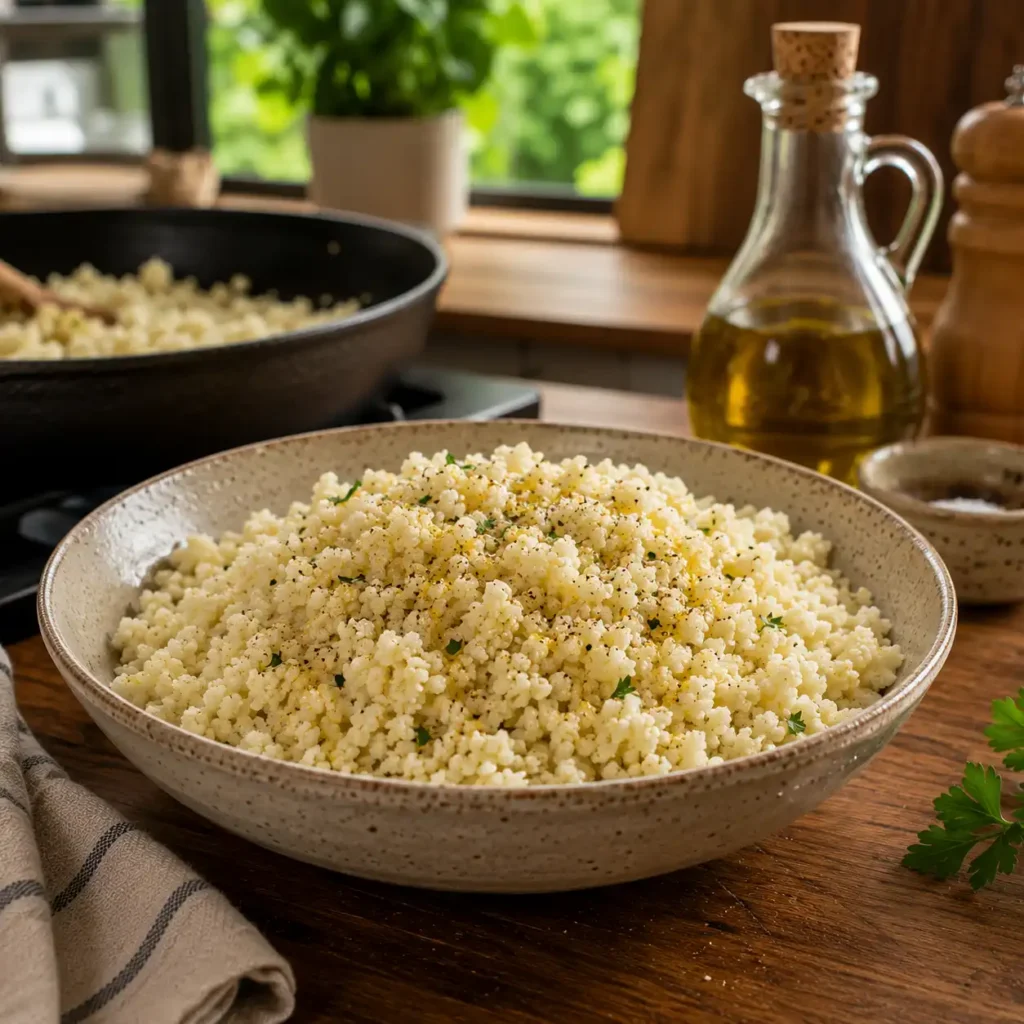
For many people making the switch to a healthier lifestyle, the question “is cauliflower rice good for you” is a common starting point. This grain-free alternative has taken the culinary world by storm, appearing in everything from sushi to stir-fries. As a nutrient-dense vegetable that mimics the texture of traditional rice, it offers a way to enjoy favorite comfort foods without the heavy carbohydrate load. In this article, we examine the nutritional profile, health advantages, and practical ways to include this versatile ingredient in your daily meals.
Table of Contents
The Nutritional Profile of Cauliflower Rice
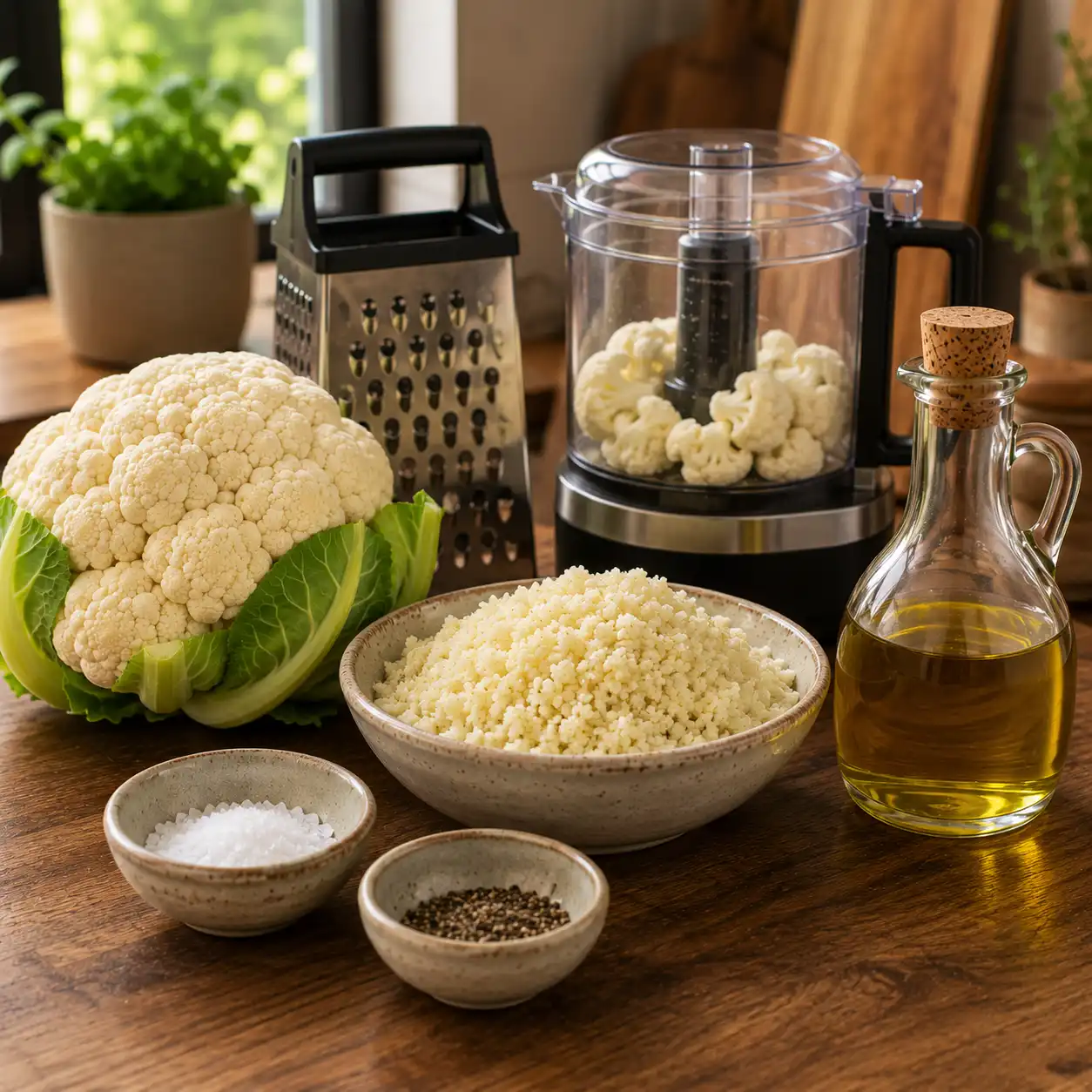
When you ask is cauliflower rice good for you, the answer begins with its impressive vitamin and mineral content. Unlike white rice, which is often stripped of its bran and germ during processing, cauliflower is a whole vegetable. One cup of cooked cauliflower rice contains significantly fewer calories and carbohydrates than a cup of grain rice. It is rich in Vitamin C, a powerful antioxidant that supports immune health and skin integrity. It also provides a healthy dose of Vitamin K, which is vital for bone health and proper blood clotting.
Low-Calorie and High-Volume Eating
One reason why so many health experts answer “yes” to the question is cauliflower rice good for you involves caloric density. You can eat a much larger volume of cauliflower rice compared to starch-based grains while consuming a fraction of the energy. This helps you feel physically full and satisfied, making it easier to stick to a balanced eating plan without feeling deprived. For those following structured programs, looking at dr phil rice diet recipes can show how rice-like textures are managed in specific nutritional protocols.
Rich in Fiber for Digestive Support
Fiber is another reason why is cauliflower rice good for you. High fiber intake is essential for maintaining a healthy digestive tract and preventing constipation. The fiber in cauliflower acts as a prebiotic, feeding the beneficial bacteria in your gut. A healthy microbiome is linked to improved mood, better immune response, and lower levels of systemic inflammation. This vegetable fits perfectly within a broader interest in high fiber cabbage dishes, as both vegetables belong to the same cruciferous family and share similar gut-health benefits.
Print
Healthy Basic Cauliflower Rice
A nutrient-dense, grain-free alternative to traditional rice that offers a low-carbohydrate way to enjoy your favorite comfort foods like stir-fries and sushi.
- Total Time: 23 minutes
- Yield: 4 servings 1x
Ingredients
- 1 large head of fresh cauliflower
- 1.5 tablespoons extra virgin olive oil
- 1/2 teaspoon fine sea salt
- 1/4 teaspoon ground black pepper
- 1/2 teaspoon garlic powder
- 1 tablespoon fresh lemon juice
- 2 tablespoons fresh parsley, chopped
Instructions
- Step 1: Prepare Cauliflower – Remove the green leaves and the heavy inner core from the cauliflower head.
- Step 2: Wash and Dry – Rinse the cauliflower thoroughly and pat dry with a kitchen towel to ensure a better texture.
- Step 3: Cut Florets – Chop the cauliflower into uniform medium-sized florets for even processing.
- Step 4: Process into Rice – Pulse the florets in a food processor until they reach the size of rice grains.
- Step 5: Remove Excess Moisture – Press the riced cauliflower with a clean paper towel to soak up any surface water.
- Step 6: Heat Skillet – Warm the olive oil in a large skillet over medium-high heat until it shimmers.
- Step 7: Sauté Rice – Add the cauliflower to the pan and sauté for 5 to 8 minutes until tender-crisp.
- Step 8: Season and Serve – Stir in the salt, pepper, and garlic powder, then garnish with lemon juice and parsley.
Notes
Avoid overfilling the food processor to ensure even ‘grains’; work in batches if necessary for the best results.
- Prep Time: 15 minutes
- Cook Time: 8 minutes
- Category: Side Dish
- Method: Sauté
- Cuisine: International
- Diet: Vegan, Keto, Paleo, Gluten-Free
Nutrition
- Serving Size: 1 cup
- Calories: 68 kcal
- Sugar: 2.4 g
- Sodium: 310 mg
- Fat: 5.2 g
- Saturated Fat: 0.7 g
- Unsaturated Fat: 4.5 g
- Trans Fat: 0.01 g
- Carbohydrates: 5.4 g
- Fiber: 2.3 g
- Protein: 2.1 g
- Cholesterol: 1 mg
Keywords: cauliflower rice, low carb, keto friendly, grain free, healthy side dish
Comparing Cauliflower Rice to Traditional Rice
To truly understand is cauliflower rice good for you, it helps to compare it directly with white and brown rice. While traditional grains provide energy through complex carbohydrates, they can also cause spikes in blood sugar, particularly if eaten in large quantities. Cauliflower rice has a low glycemic index, meaning it has a minimal impact on glucose levels. This makes it a preferred choice for individuals managing diabetes or those simply trying to avoid the afternoon “carb crash” that often follows a heavy meal.
| Nutrient (per 1 cup) | White Rice (Cooked) | Cauliflower Rice (Cooked) |
|---|---|---|
| Calories | 205 | 25 |
| Carbohydrates | 45g | 5g |
| Fiber | 0.6g | 2g |
| Protein | 4.3g | 2g |
| Vitamin C | 0% DV | 75% DV |
Glycemic Index and Blood Sugar Control
For those monitoring their glucose levels, the question is cauliflower rice good for you is almost always met with a resounding yes. Because it contains very few net carbs, it prevents the rapid insulin release associated with refined grains. This steady energy release helps maintain focus and reduces cravings for sugary snacks later in the day. Keeping blood sugar stable is a fundamental part of metabolic health and long-term wellness.
Vitamin and Mineral Content
Traditional white rice is often enriched with B vitamins because the natural nutrients are lost during milling. In contrast, cauliflower provides these nutrients in their natural state. It contains folate, which is necessary for DNA repair and cell division, and potassium, which helps regulate blood pressure. The presence of these micronutrients further supports the argument that is cauliflower rice good for you compared to highly processed alternatives.
Health Benefits of Cruciferous Vegetables
Is cauliflower rice good for you beyond just weight management? Research suggests that cruciferous vegetables contain unique compounds called glucosinolates. These sulfur-containing chemicals break down into biologically active compounds like isothiocyanates and indoles during digestion. According to the Harvard T.H. Chan School of Public Health, these compounds have shown potential in laboratory studies to protect cells from DNA damage and deactivate carcinogens.
Antioxidant Properties
Cauliflower is packed with antioxidants like quercetin and kaempferol. These substances help neutralize free radicals in the body, which can cause oxidative stress and lead to chronic diseases. By incorporating this vegetable into your diet, you provide your body with the tools it needs to fight cellular damage. If you are focused on healing your body from the inside out, including this in an anti inflammatory diet recipe can be a smart move for reducing joint pain and improving overall vitality.
Choline for Brain Health
Many people are surprised to learn that is cauliflower rice good for you because of its choline content. Choline is an essential nutrient that many people do not get enough of in their diets. It plays a critical role in brain development and the production of neurotransmitters needed for a healthy nervous system. It also helps prevent cholesterol from accumulating in the liver, making it a multifaceted nutrient for whole-body health.
Cauliflower Rice for Weight Management
Weight loss is perhaps the most common reason people search for “is cauliflower rice good for you.” By swapping out a heavy starch for a light vegetable, you can cut hundreds of calories from a single meal without significantly changing the volume of food on your plate. This “volume eating” strategy is a cornerstone for many successful weight loss journeys. Seeing the results of others, such as the kathy bates weight loss story, often inspires people to look for these small, sustainable dietary swaps.
Reduction of Overall Carbohydrate Intake
When you consider is cauliflower rice good for you, think about how it assists with ketosis or general low-carb living. By reducing your carb intake, your body may become more efficient at burning fat for fuel. This transition can lead to a more defined physique and higher energy levels. Since cauliflower rice is so easy to prepare, it removes the friction of starting a new diet, making it a reliable tool for anyone trying to shed extra pounds.
Satiety and Cravings
The combination of high water content and fiber in cauliflower makes it incredibly filling. Often, the reason diets fail is because of constant hunger. However, when you use cauliflower rice as a base for your bowls or stir-fries, the physical bulk of the vegetable signals to your brain that you are full. This helps curb the urge to overeat or snack on less healthy options after dinner.
Potential Downsides and Considerations
While the answer is generally that is cauliflower rice good for you, there are a few things to keep in mind. For some individuals, cruciferous vegetables can cause digestive discomfort. These vegetables contain a complex sugar called raffinose, which can be difficult for some people to break down, leading to gas and bloating. If you are not used to high-fiber foods, it is best to introduce them slowly and make sure they are well-cooked to ease the burden on your digestive system.
Goitrogens and Thyroid Health
Another consideration for those asking is cauliflower rice good for you involves thyroid function. Cauliflower contains goitrogens, which are substances that can interfere with iodine uptake in the thyroid if consumed in massive quantities raw. For most people, this is not an issue, especially when the vegetable is cooked, as heat deactivates many of these compounds. If you have an existing thyroid condition, it is always wise to consult with a medical professional about your vegetable intake.
Vitamin K and Blood Thinners
Because cauliflower is a good source of Vitamin K, individuals on certain blood-thinning medications need to maintain a consistent intake of this vitamin. Sudden increases or decreases in Vitamin K can affect how the medication works in the body. If you are taking such medications, talk to your doctor before making cauliflower rice a daily staple in your routine.
How to Make Cauliflower Rice at Home
Is cauliflower rice good for you when it comes to convenience? Absolutely. While you can buy it pre-bagged in the freezer section, making it at home is cost-effective and ensures the highest level of freshness. Here is a simple guide to creating your own batch.
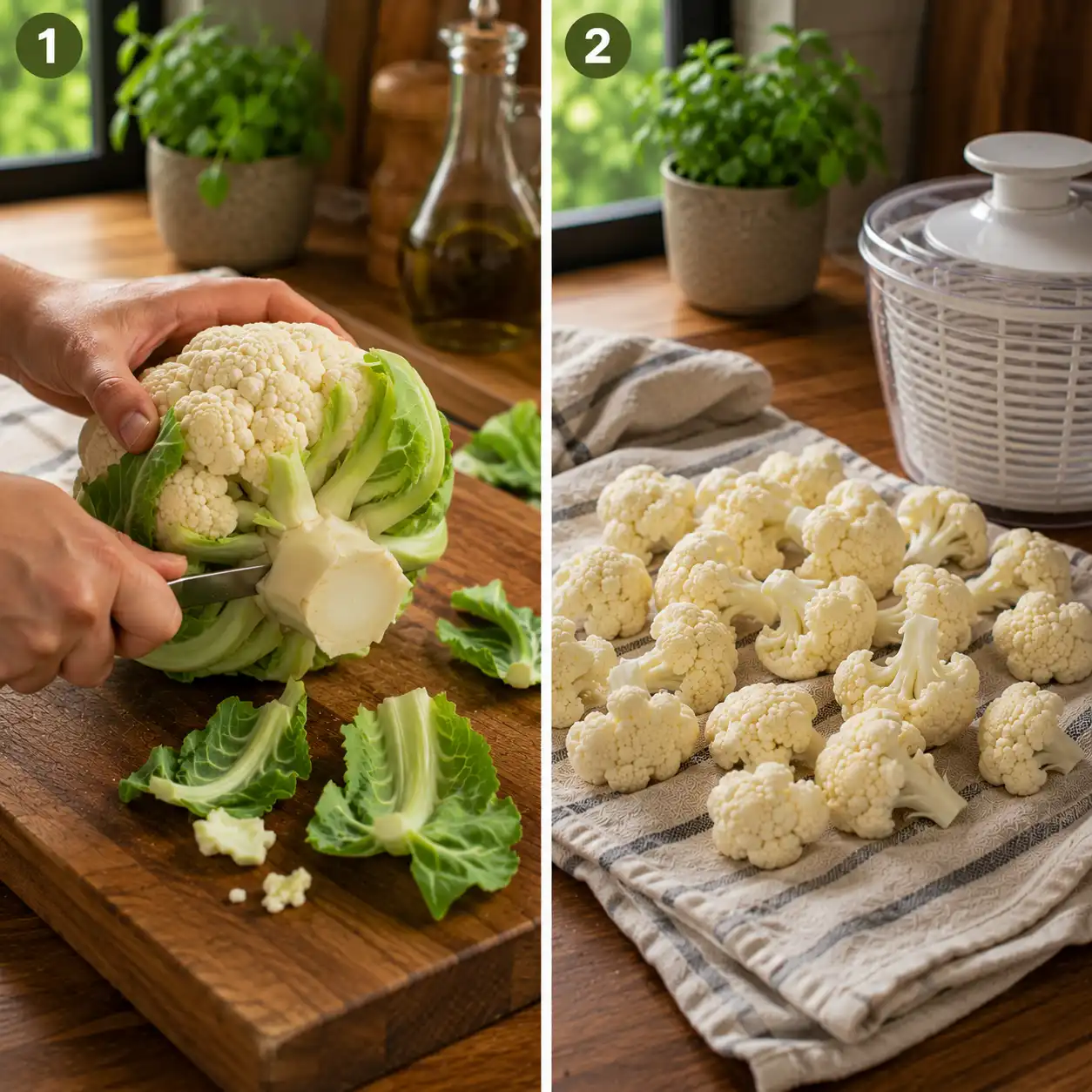
- Step 1: Prep the Vegetable – Wash a head of cauliflower thoroughly and remove all the green leaves and the thick central stem.
- Step 2: Dry Completely – Make sure the cauliflower is very dry before “ricing” it, as excess moisture can lead to a mushy final product.
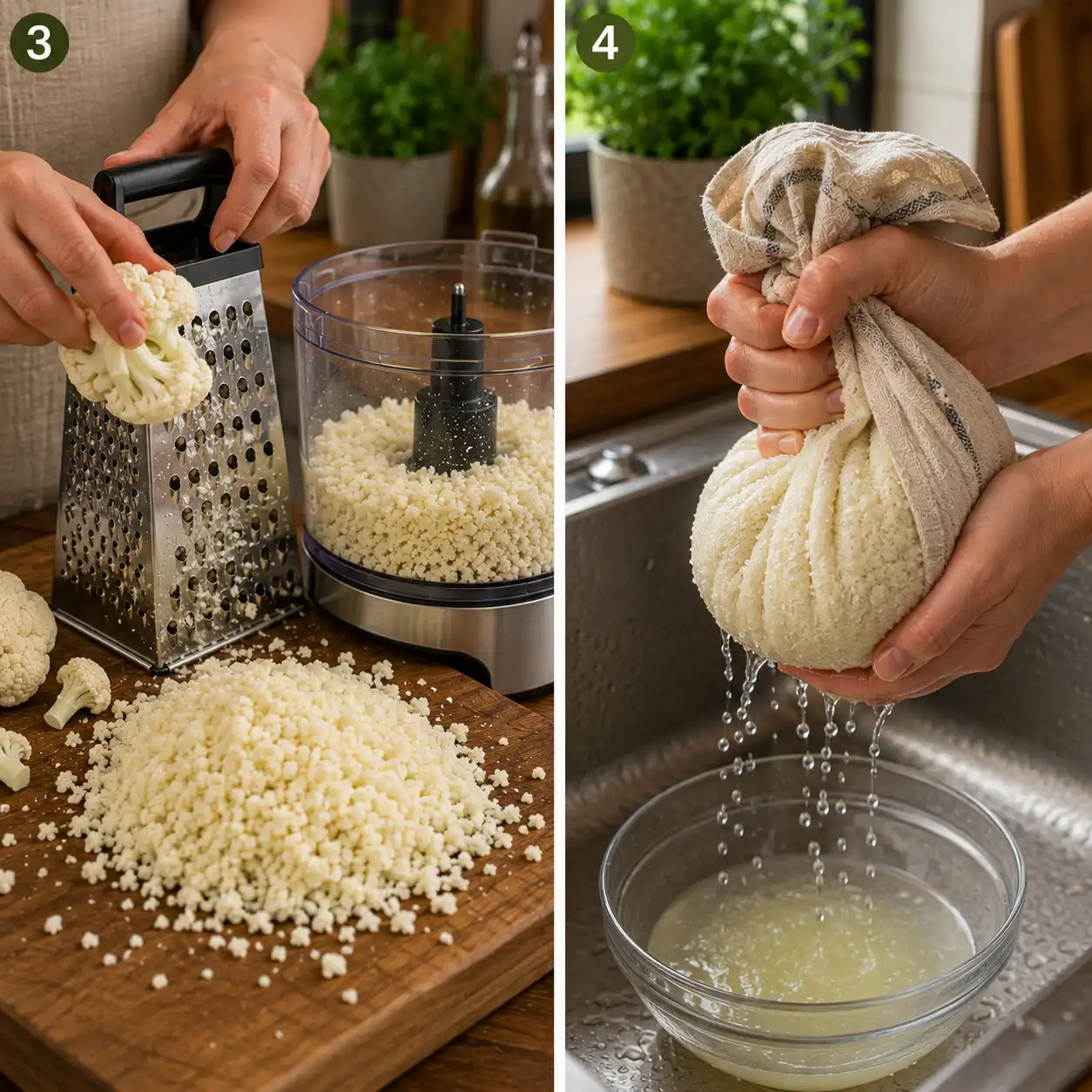
- Step 3: Grate or Pulse – Use a box grater for medium-sized grains or a food processor with the “S” blade. If using a processor, pulse in short bursts until it reaches a rice-like consistency.
- Step 4: Remove Excess Water – Place the riced cauliflower in a clean kitchen towel and squeeze out any remaining liquid to get the best texture.
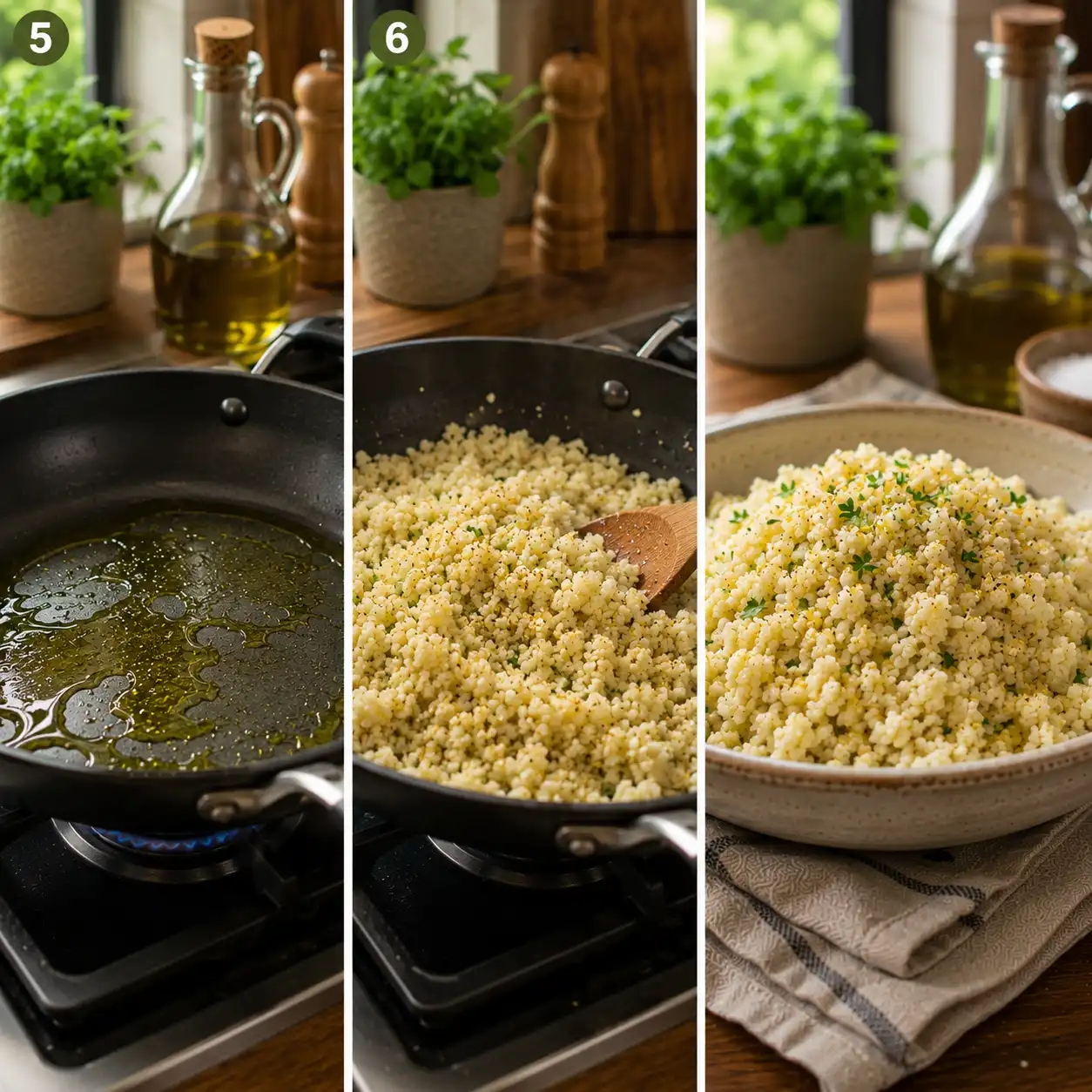
- Step 5: Cook Quickly – Sauté the rice in a large pan over medium heat with a little olive oil for 3 to 5 minutes until tender but not soft.
Creative Culinary Uses
If you are still wondering is cauliflower rice good for you in terms of flavor, the key is seasoning. On its own, the taste is quite mild, which allows it to act like a sponge for other flavors. It works beautifully in lime-cilantro rice for tacos, or as a base for a hearty vegetable curry. You can even mix it with a little egg and cheese to create a grain-free pizza crust that holds up surprisingly well.
Stir-Fries and Fried Rice
Cauliflower rice is the perfect substitute in stir-fry dishes. Because it cooks so much faster than traditional rice, it makes weeknight dinners a breeze. Simply toss it with ginger, garlic, coconut aminos, and plenty of fresh vegetables. This method keeps the vegetable crisp and prevents it from becoming soggy, providing a satisfying mouthfeel that rivals the original version.
Casseroles and Stuffing
You can use riced cauliflower as a filler in casseroles or as a stuffing for bell peppers and zucchini. It adds bulk and nutrients without the heaviness of breadcrumbs or rice. This is an excellent way to sneak more vegetables into your family’s meals, as the texture blends in with other ingredients easily. According to research on National Library of Medicine, increasing vegetable variety is one of the most effective ways to improve overall health outcomes.
FAQs
Is frozen cauliflower rice as good as fresh?
Yes, frozen cauliflower rice is often just as nutritious as fresh. It is typically flash-frozen shortly after being harvested, which locks in the vitamins and minerals. It is also extremely convenient for those with a busy schedule.
Can I eat cauliflower rice every day?
For most healthy adults, eating it daily is perfectly fine and can be a great way to meet your vegetable intake goals. Just vary your other vegetable choices to make sure you get a wide spectrum of nutrients.
Does cauliflower rice taste like real rice?
It has a similar texture but the taste is slightly nutty and cruciferous. When seasoned well or mixed with sauces, the difference becomes much less noticeable.
Is cauliflower rice better for you than brown rice?
“Better” depends on your goals. Brown rice has more fiber and minerals than white rice, but it is still high in calories and carbs. Cauliflower rice is superior for weight loss and blood sugar management.
Conclusion
In the final assessment, the answer to “is cauliflower rice good for you” is a definite yes. It provides a wealth of vitamins, supports digestive health with fiber, and acts as a powerful tool for weight management and blood sugar control. While it may not be a perfect flavor match for grain rice in its plain state, its versatility in recipes makes it a worthy addition to any kitchen. By replacing refined starches with this nutrient-dense vegetable, you take a significant step toward a more vibrant and healthful way of eating.

1 thought on “4 Reasons Why Cauliflower Rice Is Good for You: A Complete Nutrition Guide”