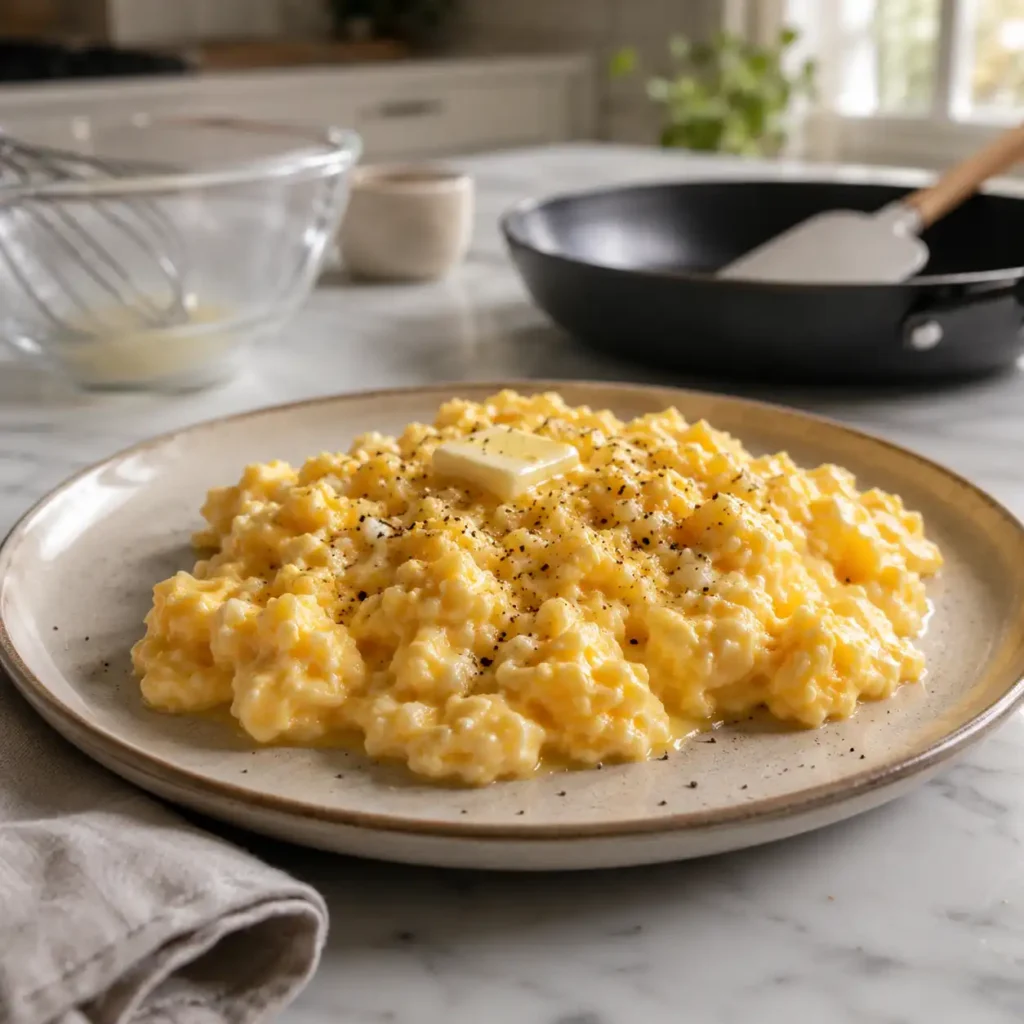
Making a great meal doesn’t have to be hard, and nothing proves that better than a classic scrambled eggs recipe. Whether you are rushing to work or enjoying a slow Sunday morning, knowing how to cook eggs correctly is a skill that stays with you forever. In this guide, we will look at how to get that perfect texture every single time without using any fancy tools or expensive ingredients. This scrambled eggs recipe is designed to be simple, delicious, and completely foolproof for any home cook.
Table of Contents
Why You Need a Reliable Scrambled Eggs Recipe
A Versatile Meal Option
Having a go-to scrambled eggs recipe is important because eggs are one of the most flexible foods in your kitchen. You can eat them plain, put them in a wrap, or serve them on top of toast. Because they are full of protein, they keep you full for a long time. Many people struggle with eggs being too rubbery or too dry, but the right scrambled eggs recipe avoids those problems by focusing on heat control and timing. Once you master the basics, you can change the flavor to suit your mood every day of the week.
Nutritional Benefits of Eggs
Eggs are often called nature’s multivitamin because they contain so many essential nutrients. According to the health experts at IncredibleEgg.org, eggs provide high-quality protein, choline, and various vitamins that support brain health and muscle maintenance. When you follow a healthy scrambled eggs recipe, you are giving your body a great start to the day. They are low in calories but very high in satisfaction, making them a top choice for people who want to maintain a healthy weight while still eating food that tastes amazing.
Print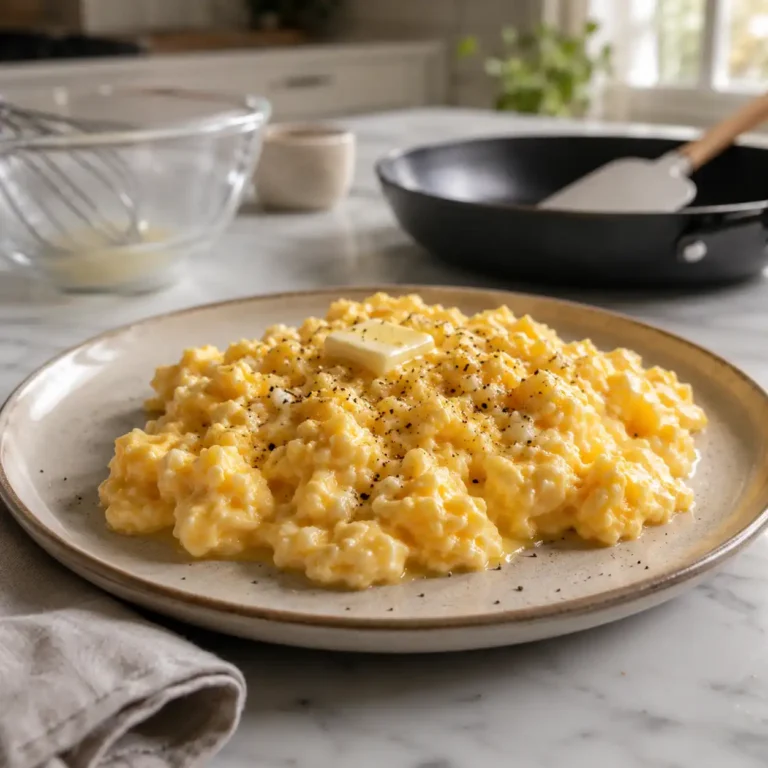
The Ultimate Creamy Scrambled Eggs Recipe for a Perfect Breakfast
A foolproof and simple guide to achieving the perfect soft, creamy texture for scrambled eggs without expensive ingredients.
- Total Time: 7 minutes
- Yield: 1 serving 1x
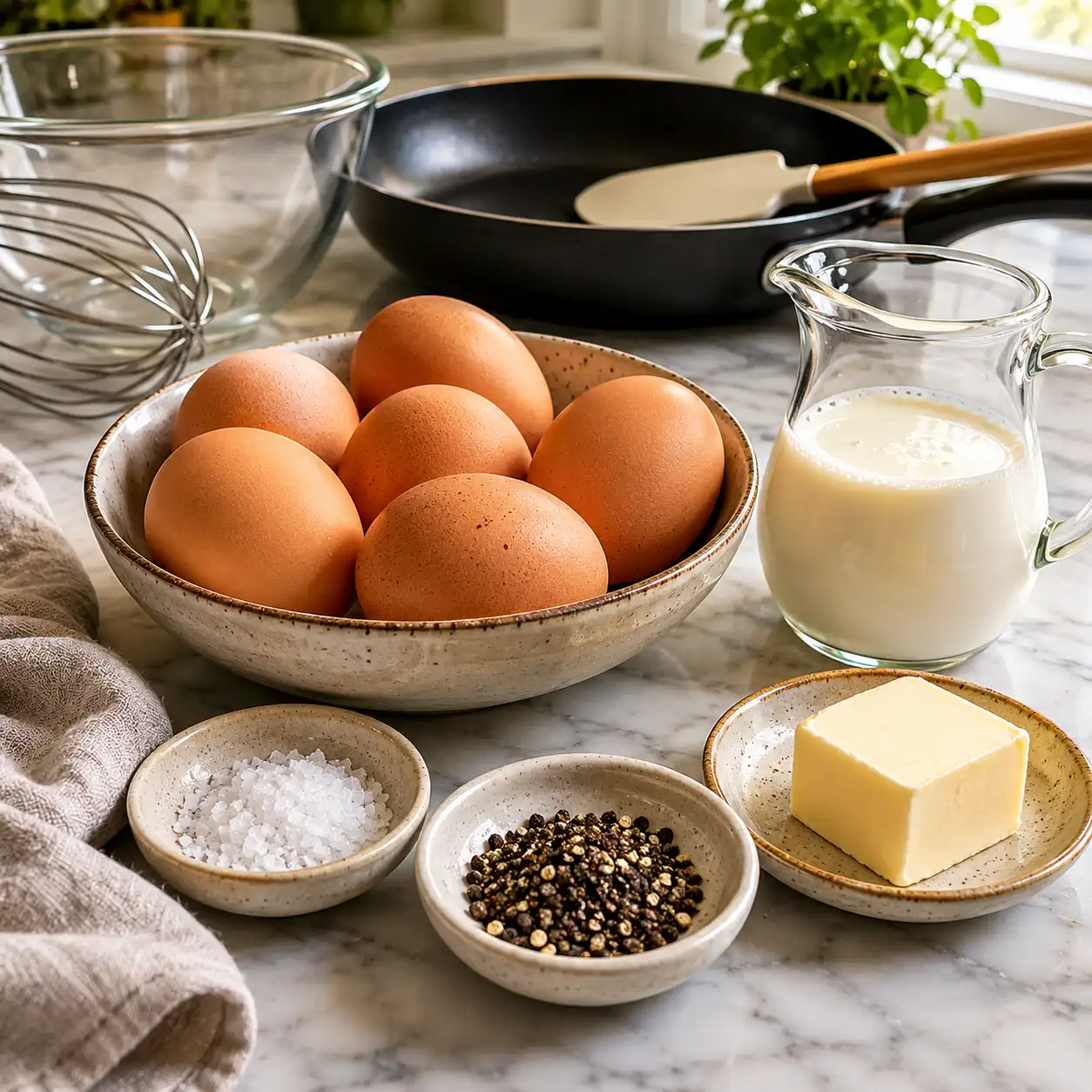
Ingredients
- 2 large organic eggs
- 1 tablespoon unsalted butter
- 1 tablespoon heavy cream (optional for extra creaminess)
- 1 pinch sea salt
- 1 pinch cracked black pepper
- Fresh chives, finely chopped (optional garnish)
Instructions
- Step 1: Whisk Eggs – Crack eggs into a bowl and whisk vigorously until no streaks of white remain.
- Step 2: Prep Pan – Place a non-stick skillet over medium-low heat and add the butter until melted.
- Step 3: Add Mixture – Pour the egg mixture into the pan once the butter begins to bubble slightly.
- Step 4: Form Curds – Let the eggs set for 5 seconds, then use a spatula to push them gently toward the center.
- Step 5: Cook Slowly – Continue stirring slowly and gently, keeping the heat low to ensure a creamy texture.
- Step 6: Off – Heat Finish – Remove the pan from heat when the eggs look slightly wet; they will finish cooking on the plate.
- Step 7: Season and Serve – Sprinkle with salt, pepper, and chives, then serve immediately on warm toast.
Notes
The key to success is heat control; never use high heat or the eggs will become rubbery and dry.
- Prep Time: 2 minutes
- Cook Time: 5 minutes
- Category: Breakfast
- Method: Stovetop
- Cuisine: American
- Diet: Vegetarian, Keto, Gluten-Free
Nutrition
- Serving Size: 1 plate
- Calories: 240 kcal
- Sugar: 1g
- Sodium: 320mg
- Fat: 18g
- Saturated Fat: 9g
- Unsaturated Fat: 7g
- Trans Fat: 0.1g
- Carbohydrates: 2g
- Fiber: 0.1g
- Protein: 13g
- Cholesterol: 370mg
Keywords: scrambled eggs, creamy eggs, easy breakfast, high protein, healthy eggs
Choosing Your Ingredients Wisely
The Freshness of the Eggs
The first secret to a successful scrambled eggs recipe is the quality of the eggs themselves. Fresh eggs have stronger proteins, which means they hold air better and become fluffier when you whisk them. Look for eggs with a bright, firm yolk. If you can get eggs from a local farm, you will notice a richer flavor and a deeper color. Even if you buy them at the store, checking the expiration date makes a big difference. Freshness is the foundation of any meal that relies on just a few simple ingredients.
The Dairy Debate: Milk, Cream, or Water?
People often argue about what to add to their scrambled eggs recipe to make them better. Some swear by a splash of whole milk for a classic feel, while others prefer heavy cream for a decadent, velvet-like texture. If you want something lighter, a teaspoon of water can actually create steam as the eggs cook, making them extra airy. However, if you add too much liquid, the eggs can become watery or separate in the pan. The goal is to add just enough to loosen the proteins without thinning out the flavor of the egg itself.
Essential Equipment for Success
The Non-Stick Pan
You do not need a lot of gear for a scrambled eggs recipe, but a good non-stick pan is non-negotiable. Eggs are notorious for sticking to surfaces, and a well-coated pan allows them to slide around easily as you stir. This prevents the eggs from burning or tearing, which helps maintain those beautiful soft curds. If you use a stainless steel or cast iron pan, you will need a lot more fat to keep the eggs moving, which can change the final taste and texture of your breakfast.
The Right Spatula
A heat-resistant silicone spatula is the best friend of any scrambled eggs recipe. Unlike a fork or a metal spoon, a flexible spatula can scrape the bottom and the sides of the pan perfectly. This allows you to move the cooked egg away from the heat so the uncooked liquid can take its place. This continuous movement is what creates the creamy texture that people love. Using a spatula also prevents you from scratching your non-stick pan, making sure your equipment lasts for many years of breakfasts.
Different Styles of Scrambled Eggs
Soft and Creamy Style
The soft and creamy style is often associated with French cooking. This scrambled eggs recipe involves cooking the eggs over very low heat and stirring constantly. The result is a texture that is almost like a thick custard. There are no large chunks; instead, the eggs are smooth and rich. This style is perfect if you are serving the eggs over a piece of crusty sourdough bread. It takes a bit more patience, but the result is a luxury experience that feels like it came straight from a high-end restaurant.
Large and Fluffy American Style
The American style is what most people think of when they look for a scrambled eggs recipe. This involves medium-high heat and folding the eggs into large, billowy pillows. It is faster than the creamy style and results in a more substantial bite. This method is great for breakfast burritos or for serving alongside hash browns. To achieve this, you let the eggs set for a few seconds before moving them with your spatula. This creates those distinct layers and folds that look great on a plate.
Step-by-Step Scrambled Eggs Recipe
Follow these steps to create the best version of this dish you have ever had. This scrambled eggs recipe focuses on a middle-ground approach that is both fluffy and moist.
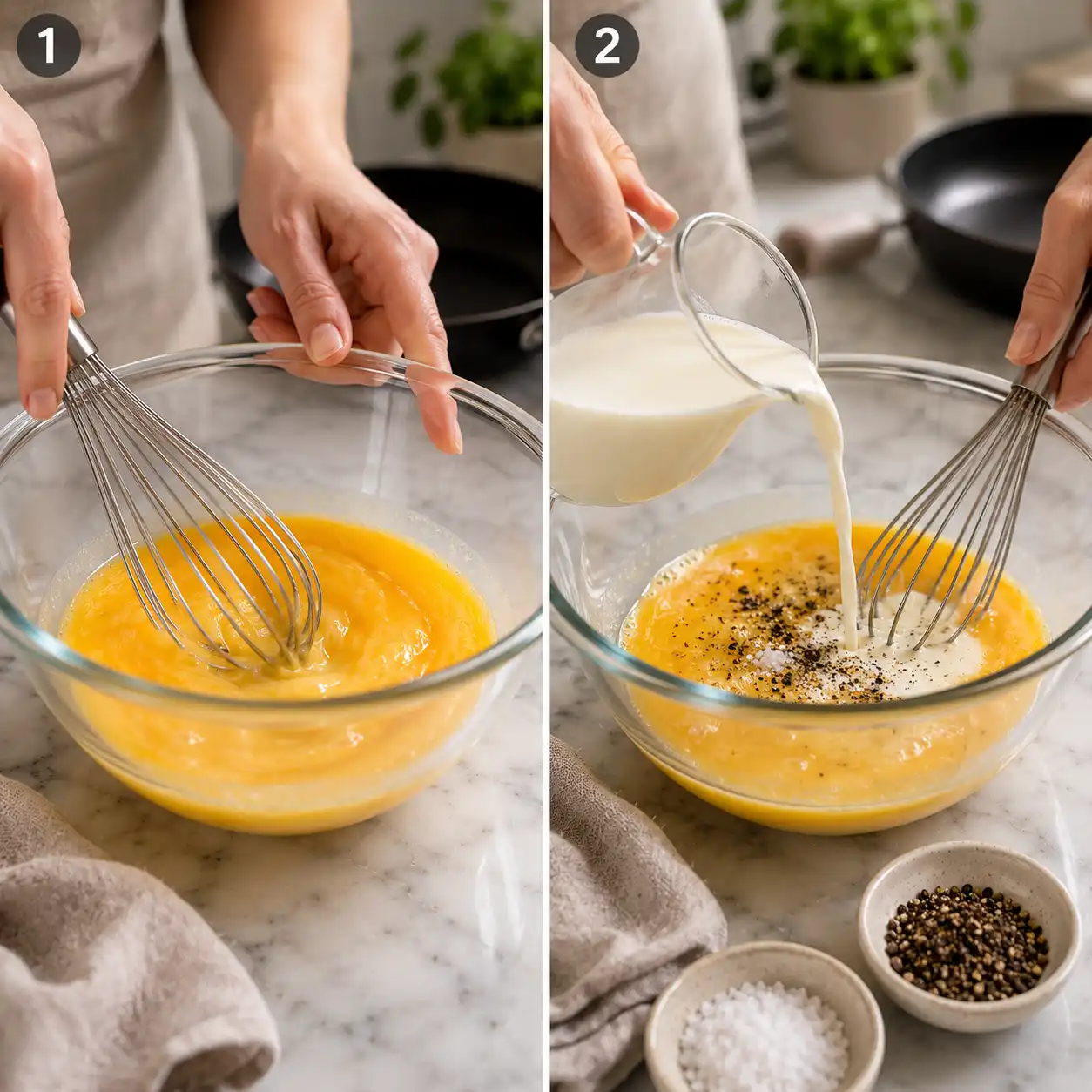
- Step 1: Whisk the Eggs – Crack four large eggs into a clean glass bowl and whisk them vigorously with a fork or whisk until the whites and yolks are fully combined and no streaks remain.
- Step 2: Add Seasoning and Dairy – Add a pinch of sea salt, a crack of black pepper, and one tablespoon of whole milk or cream to the mixture, then whisk for another thirty seconds to incorporate air.
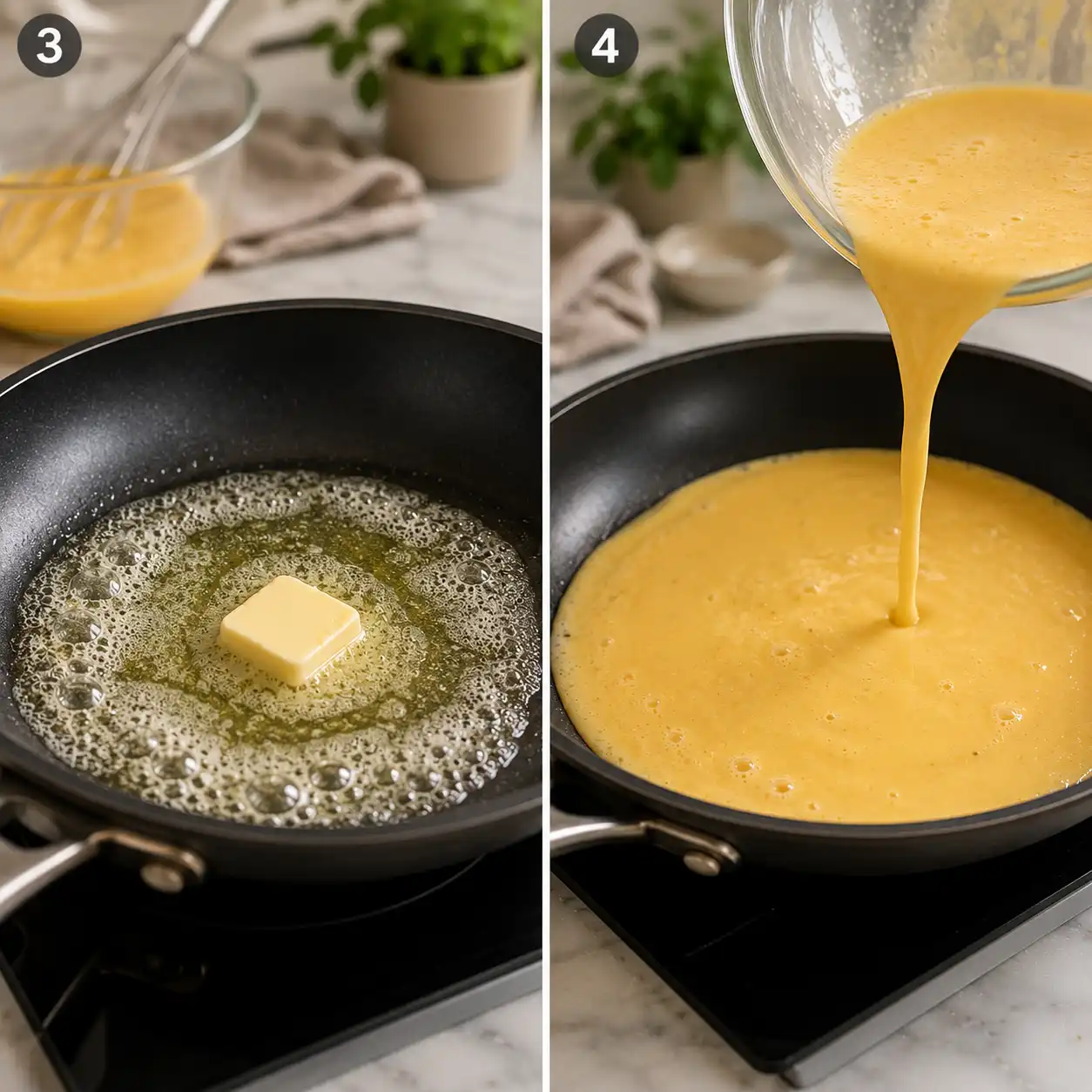
- Step 3: Prepare the Pan – Place a small non-stick skillet over medium-low heat and add a half-tablespoon of unsalted butter, letting it melt until it starts to bubble slightly but does not turn brown.
- Step 4: Pour the Mixture – Pour the egg mixture into the center of the pan and let it sit undisturbed for about ten to fifteen seconds until the edges just begin to set.
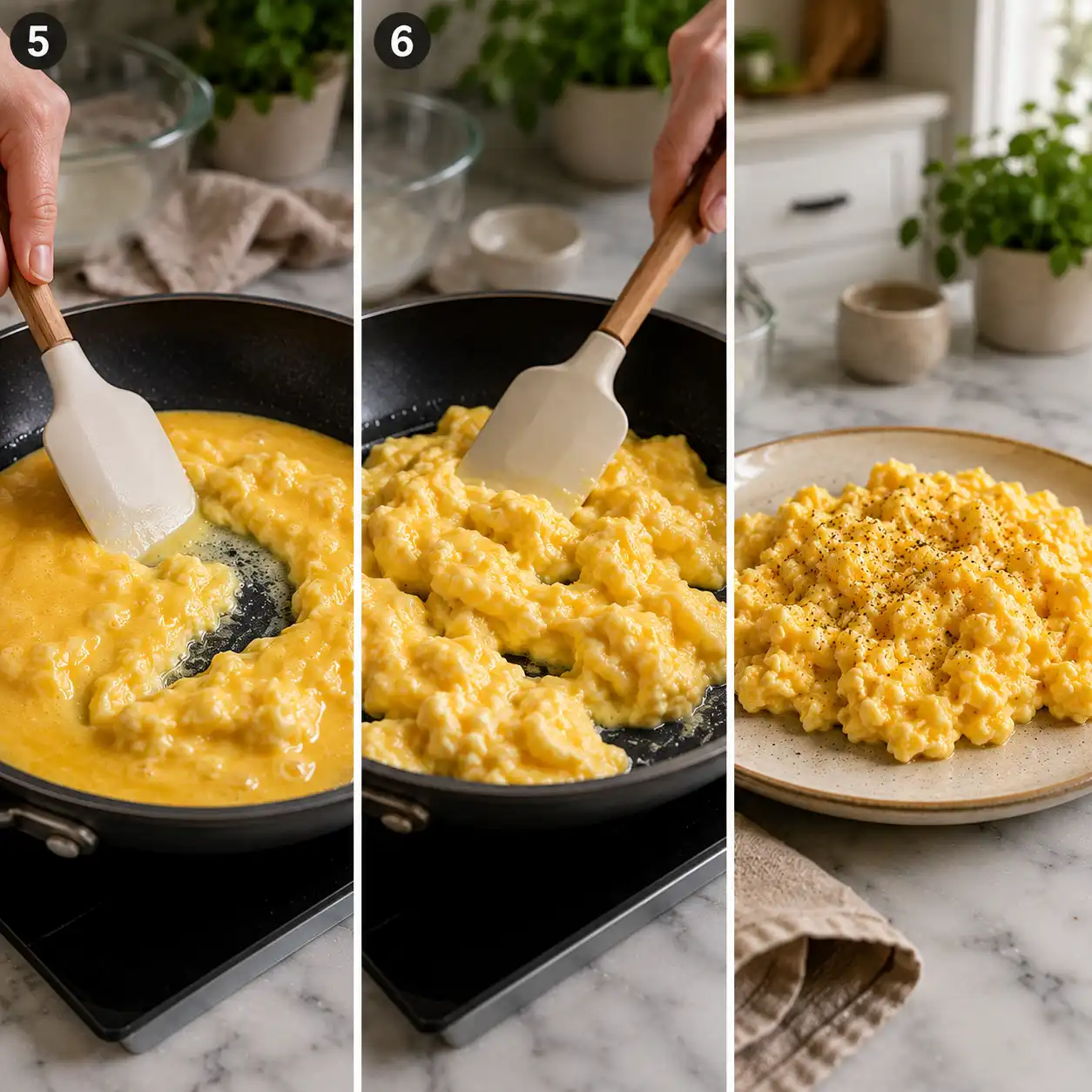
- Step 5: Fold and Stir – Use a silicone spatula to gently push the cooked edges toward the center, allowing the raw egg to flow into the empty spaces of the hot pan.
- Step 6: Lower the Heat – Turn the heat down to low and continue to fold the eggs gently, keeping them moving so they do not brown or become tough.
- Step 7: Remove from Heat – Take the pan off the stove while the eggs still look slightly wet and undercooked; the residual heat from the pan will finish the cooking process on the plate.
Common Mistakes to Avoid
Overcooking the Eggs
The most frequent mistake in a scrambled eggs recipe is leaving them on the heat for too long. Eggs continue to cook even after you take them out of the pan. If they look perfectly dry in the skillet, they will be overcooked and rubbery by the time you sit down to eat. Always aim to stop the cooking process when they look just a little bit shiny and soft. This “carry-over cooking” is the secret to a moist and tender result that makes your breakfast feel special.
Salting at the Wrong Time
There is a lot of science behind when to add salt to your scrambled eggs recipe. According to the culinary experts at Serious Eats, salting the eggs about fifteen minutes before cooking helps break down the proteins, which results in a more tender curd. If you don’t have time to wait, salting right before they hit the pan is still better than not salting at all. However, avoid salting only at the very end, as the salt won’t have a chance to dissolve into the eggs, leading to an uneven flavor.
Scrambled Eggs for Special Diets
Adding Extra Protein
If you are looking to make your breakfast even more filling, you can mix in other healthy ingredients. Some people enjoy adding a dollop of cottage cheese to their whisked eggs for extra creaminess and a massive protein boost. This fits perfectly into a cottage cheese breakfast healthy routine that keeps your energy levels stable. The cottage cheese melts slightly and creates little pockets of flavor that work beautifully with the texture of the eggs in this scrambled eggs recipe.
Low Carb and Keto Pairings
Eggs are naturally low in carbohydrates, making them a staple for many diet plans. Instead of serving your eggs with toast or potatoes, you might consider pairing them with vegetable-based sides. Many people find that a side of seasoned cauliflower rice works very well with a scrambled eggs recipe. If you have ever wondered is cauliflower rice good for you, the answer is yes, especially when it replaces refined grains. It provides fiber and volume without the heavy carb load of traditional breakfast sides.
| Additive | Effect on Texture | Best Used For |
|---|---|---|
| Whole Milk | Classic, soft curds | Everyday breakfast |
| Heavy Cream | Rich, velvety, dense | Special brunch or holidays |
| Water | Light, airy, very fluffy | Low-calorie options |
| Cottage Cheese | Creamy, chunky, high protein | Post-workout meals |
Creative Serving Ideas
A Balanced Morning Routine
While a scrambled eggs recipe is savory, many people like to balance their morning with something sweet. You don’t have to choose between a healthy breakfast and a treat. For example, you could have your eggs and then enjoy a small piece of a sweet potato brownie with peanut butter as a snack later in the morning. This gives you a mix of savory protein and natural sweetness from the sweet potato, making your diet feel much more sustainable and enjoyable over the long term.
Using Scrambled Eggs in Salads
Scrambled eggs aren’t just for breakfast. You can also use them to add protein to a lunch salad. If you have leftover eggs from your scrambled eggs recipe, try chopping them up and tossing them with fresh greens, cucumbers, and a light dressing. Many people look to restaurant-style flavors for inspiration, often wondering about the secrets behind chick-fil-a salad dressings to make their home salads taste better. A creamy dressing can complement the soft texture of the eggs, turning a simple salad into a full, satisfying meal.
The Science of the Perfect Egg
The Role of Fat
Fat is essential in a scrambled eggs recipe because it carries flavor and prevents the egg proteins from bonding too tightly. When you use butter, the milk solids toast slightly, providing a nutty aroma that pairs perfectly with eggs. If you prefer not to use butter, avocado oil or olive oil are great alternatives. The fat creates a thin barrier between the egg and the pan, but it also coats the tongue, making the eggs feel richer and more luxurious than they would if cooked in a dry pan.
Whisking for Aeration
Whisking isn’t just about mixing the yolk and white; it’s about introducing air. The more you whisk, the more air bubbles you trap in the liquid. When these bubbles hit the heat of the pan, they expand, which is what makes a scrambled eggs recipe turn out fluffy. If you want the fluffiest eggs possible, whisk them until you see a layer of small bubbles on the surface right before you pour them into the skillet. This simple physical action is a key step that many people rush through.
FAQs
Can I make scrambled eggs without milk?
Yes, you can definitely make a scrambled eggs recipe without milk. Using water will make the eggs lighter and fluffier, while using nothing at all will give you a very deep, intense egg flavor. Some people even use a little bit of olive oil or a dairy-free milk alternative like almond milk, though these can slightly change the final taste.
Why did my eggs turn gray or green?
This usually happens because of a chemical reaction between the sulfur in the egg whites and the iron in the yolks, often caused by overcooking or using a cast iron pan. To keep your scrambled eggs recipe looking bright yellow, cook them over lower heat and remove them from the pan as soon as they are set.
What are the best herbs to add?
Fresh herbs can take a simple scrambled eggs recipe and make it taste like a gourmet dish. Chives are the classic choice, but parsley, dill, and basil also work very well. It is best to add fresh herbs at the very end of the cooking process so they stay bright and flavorful rather than wilting into the eggs.
Is it okay to eat scrambled eggs every day?
For most people, eating eggs daily is a healthy choice. They provide essential fats and proteins. However, it is always a good idea to vary your diet with different vegetables and fiber sources to ensure you are getting a wide range of nutrients alongside your favorite scrambled eggs recipe.
Conclusion
Mastering a scrambled eggs recipe is a journey that every home cook should take. By focusing on high-quality ingredients, gentle heat, and the right tools, you can transform a simple breakfast into something truly memorable. Remember that patience is your best asset in the kitchen; taking those extra few minutes to cook on low heat pays off in the final texture. Whether you like them large and fluffy or soft and creamy, these tips will help you make a delicious meal every time you crack an egg.
Fantastic website. A lot of useful information here. I am sending it to a few friends ans also sharing in delicious. And naturally, thanks for your effort!