Apple cider, a seasonal delight often synonymous with crisp autumn days, holds a respected place in culinary traditions worldwide. Beyond its simple enjoyment as a comforting drink, this versatile ingredient serves as a cornerstone for a wide array of apple cider recipes, transforming ordinary dishes into something remarkable. From warming beverages to savory marinades and decadent desserts, understanding how to incorporate apple cider effectively can significantly broaden your cooking repertoire. This article details a collection of apple cider recipes, offering insights into its selection, preparation, and creative application in diverse culinary contexts.
Table of Contents
The Foundation: Understanding Apple Cider
What is Apple Cider?
True apple cider stands apart from its processed counterparts like apple juice or vinegar. It is essentially fresh, unfiltered apple juice, often unpasteurized, retaining a cloudy appearance and a complex flavor profile that can range from sweet to tart. Its natural sugars and acidity make it a dynamic ingredient, capable of contributing depth and brightness to various dishes. The distinct character of apple cider makes it a preferred choice for many infused water recipes and other beverages where a pure fruit essence is desired.
Unlike clear apple juice, which has been filtered and pasteurized for a longer shelf life and uniform taste, cider maintains more of the raw apple’s essence. This means it often contains fine apple solids, giving it a richer texture and a more pronounced apple flavor. This inherent difference is what lends cider its unique appeal in many dishes. For a deeper scientific explanation of how apple cider differentiates from apple juice, one might consult resources such as USDA’s explanation on the topic, which provides clarity on their processing and characteristics.
Selecting the Best Cider
The quality of your apple cider significantly influences the outcome of your apple cider recipes. Seek out fresh cider, ideally from local orchards during harvest season, as it often has the most robust and authentic apple flavor. Check for a naturally cloudy appearance; this usually indicates minimal processing and a full-bodied taste. Some ciders might have a slight natural fermentation, adding a pleasant tang without becoming alcoholic. Consider the blend of apples used; a mix of sweet and tart apples often yields the most balanced cider, suitable for both sweet and savory applications. A good quality cider sets the stage for any successful culinary creation.
Print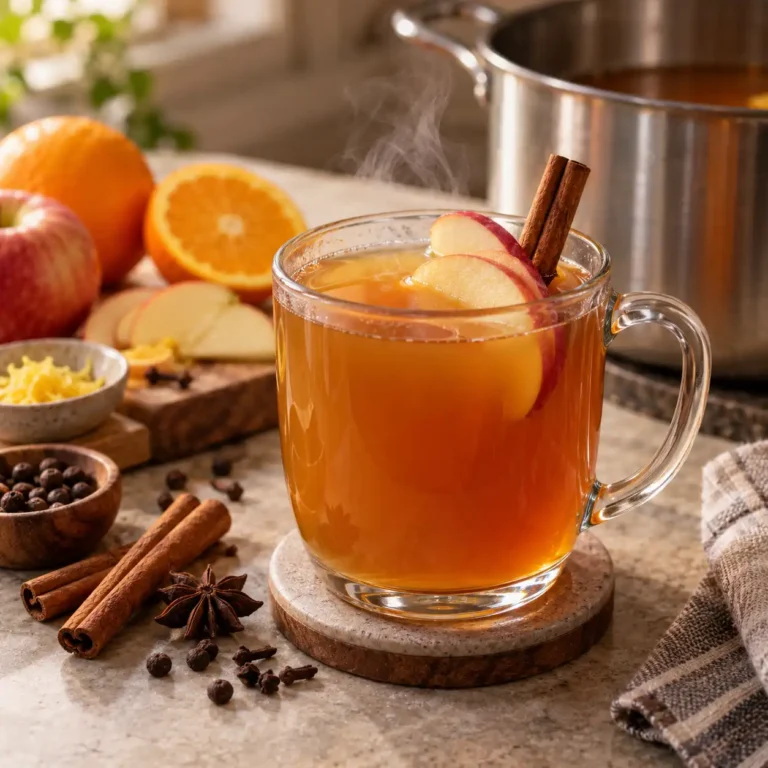
Classic Spiced Hot Apple Cider
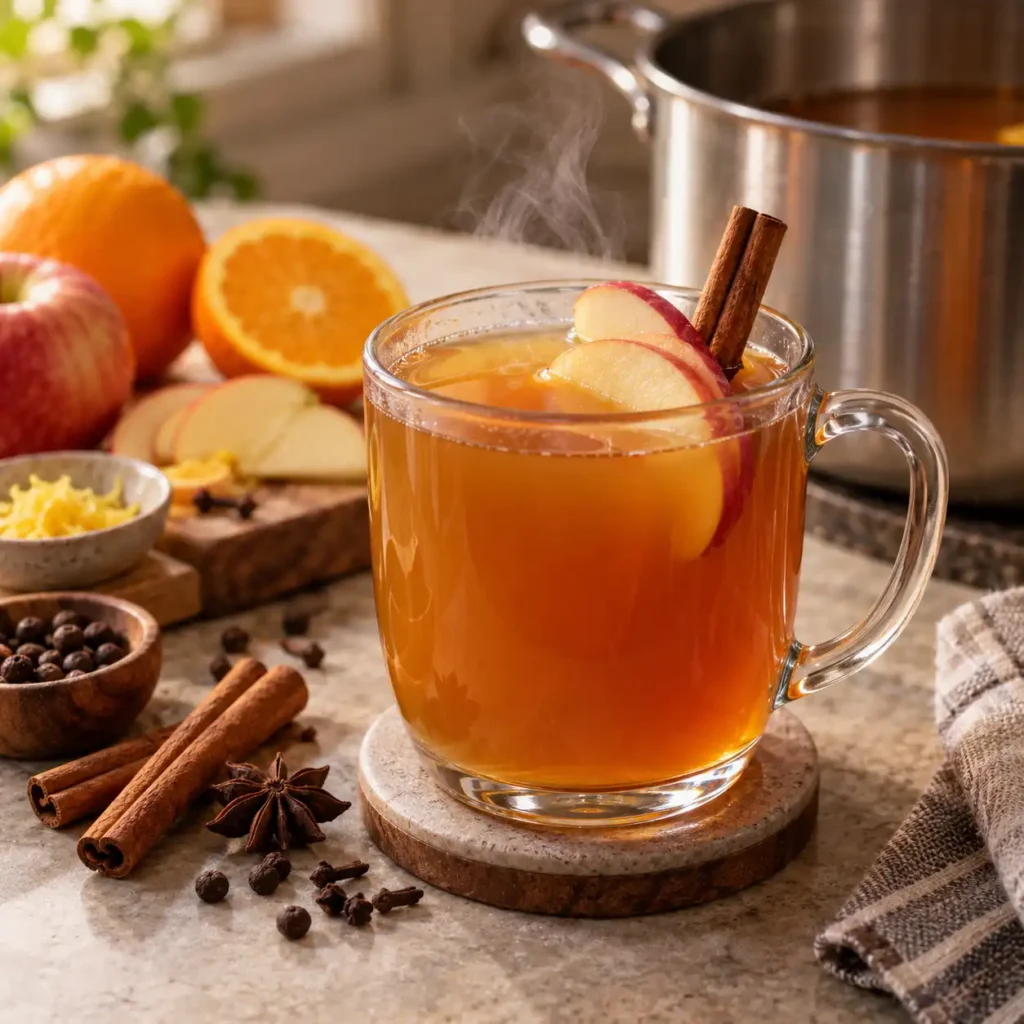
This classic spiced hot apple cider is a warm and comforting drink made with fresh unfiltered apple cider, cinnamon sticks, cloves, star anise, allspice, orange, and lemon zest. The cider is gently simmered to develop a rich, aromatic flavor that is perfect for fall, winter, holidays, and cozy gatherings.
- Total Time: 30 minutes
- Yield: 6 servings 1x
Ingredients
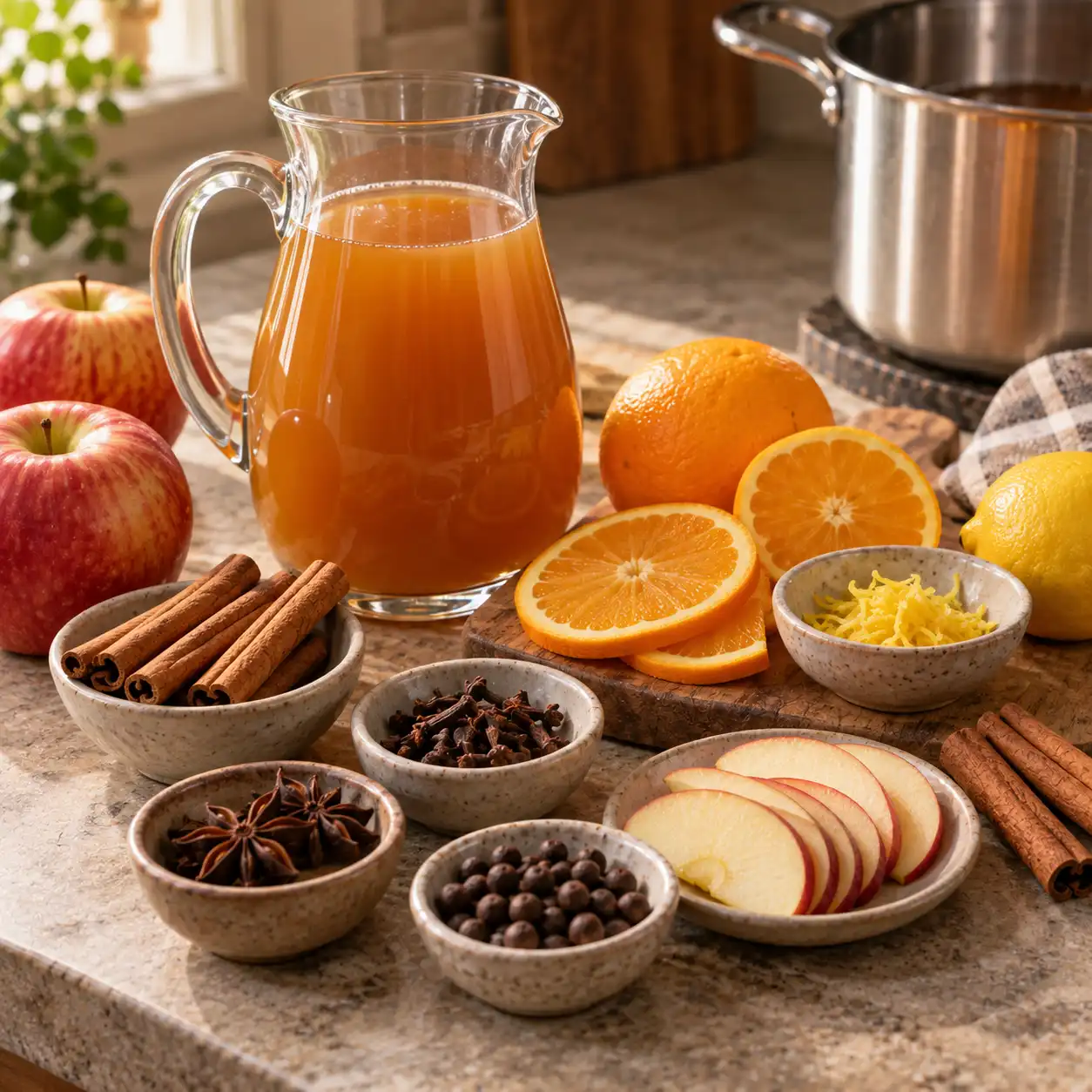
- Fresh unfiltered apple cider
- Whole cinnamon sticks
- Whole cloves
- Whole star anise
- Allspice berries
- 1 medium orange, sliced into rounds
- Fresh lemon zest
- Thin apple slices, for garnish
- Additional cinnamon sticks, for garnish
Instructions
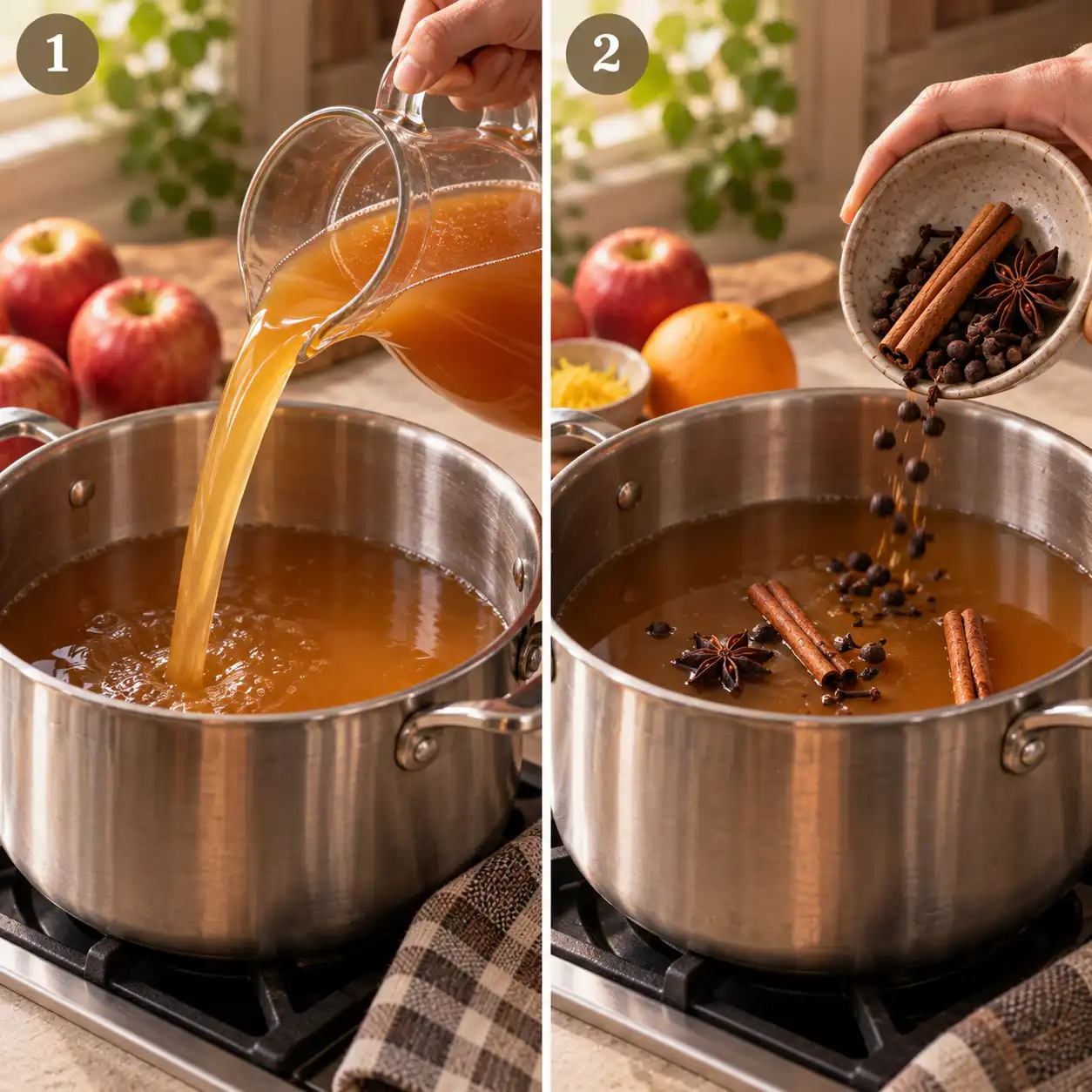
- Step 1: Prepare the Cider Pour the fresh apple cider into a large heavy-bottomed pot.
- Step 2: Add the Aromatic Spices Add the cinnamon sticks, whole cloves, star anise, and allspice berries to the pot.
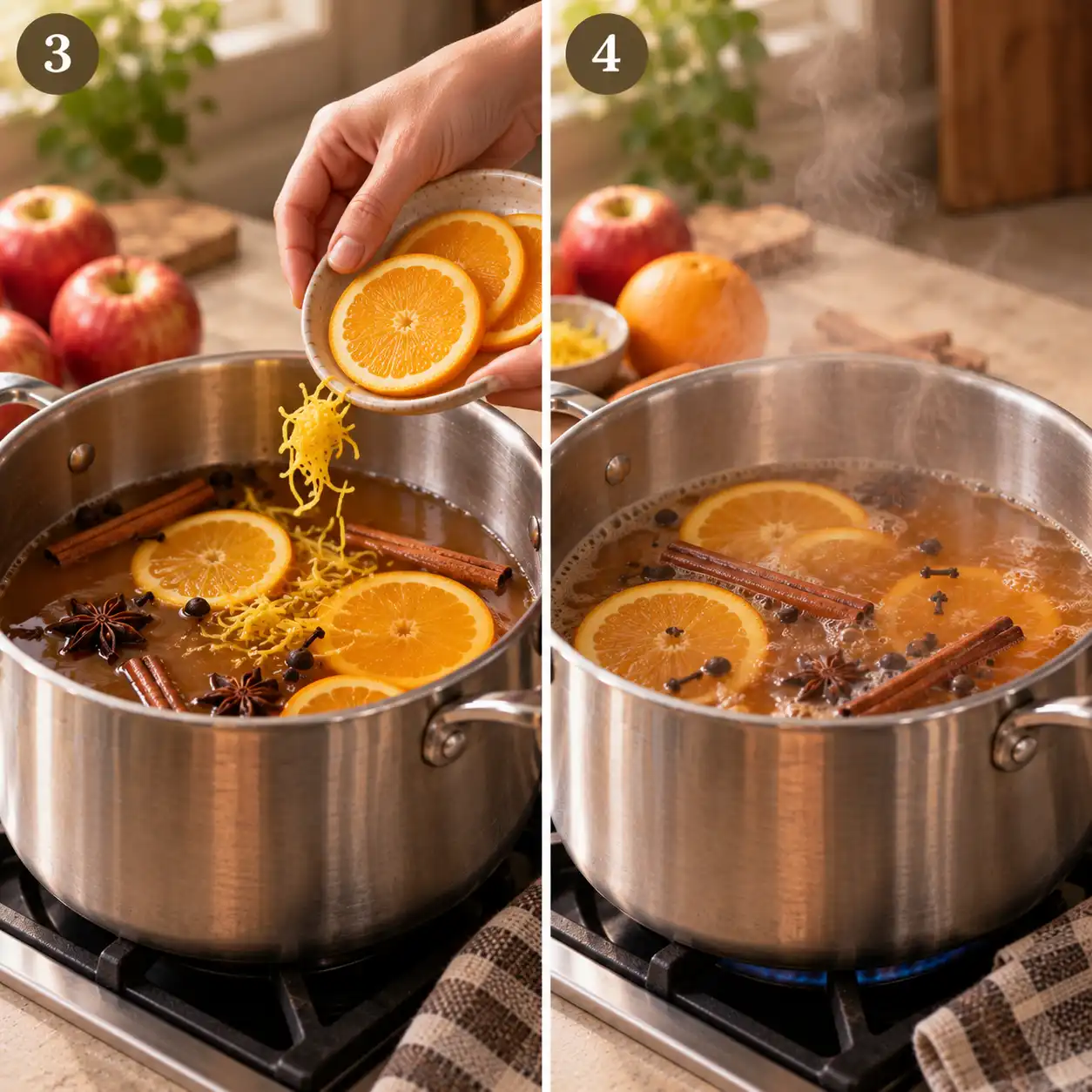
- Step 3: Add the Citrus Add the orange slices and fresh lemon zest to the cider mixture to provide brightness and fresh citrus flavor.
- Step 4: Gently Heat the Cider Place the pot over medium heat and bring the cider to a very gentle simmer. Do not allow it to reach a rolling boil.
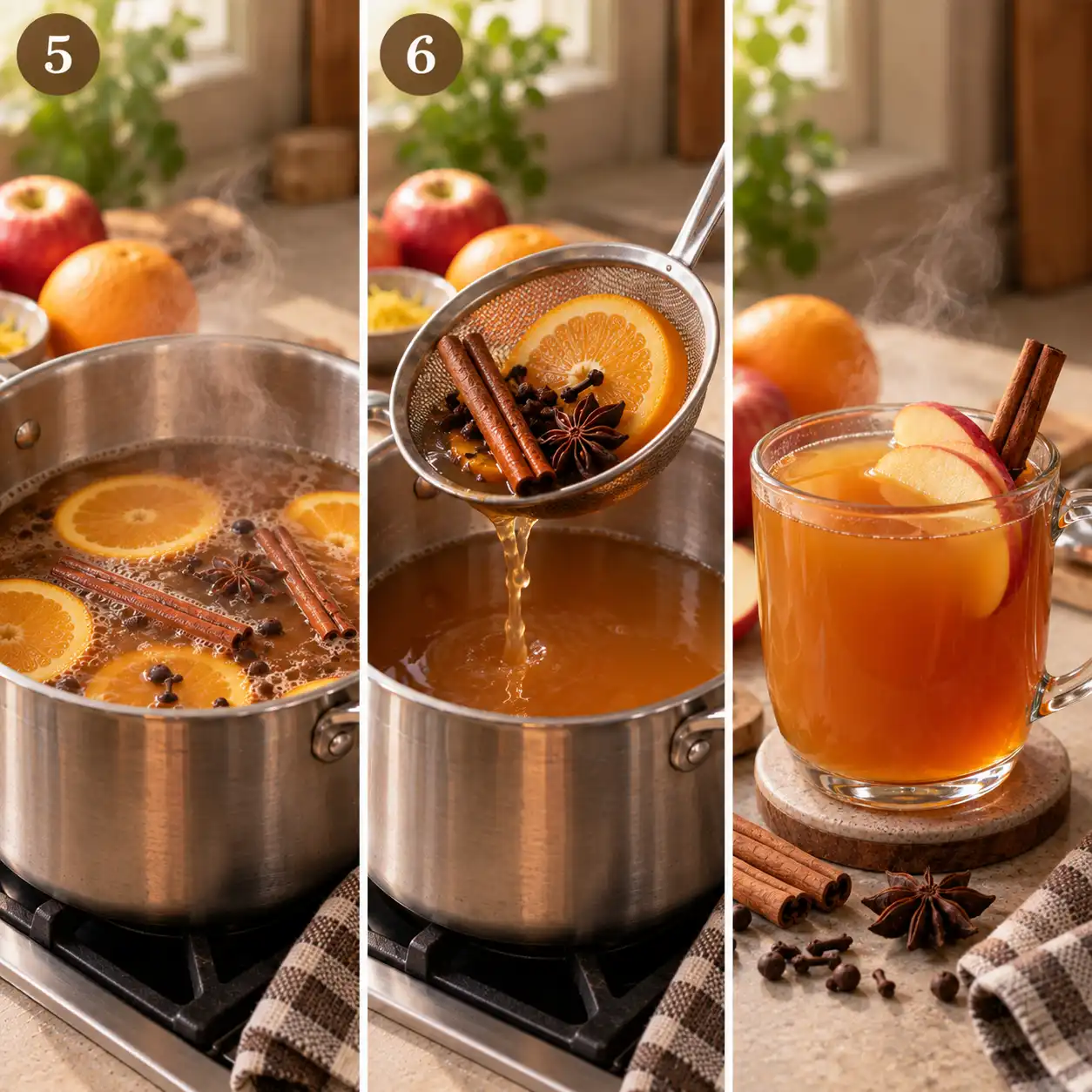
- Step 5: Steep the Spices Reduce the heat to low and simmer gently for 20 minutes so the spices and citrus can infuse the cider.
- Step 6: Strain the Cider Use a slotted spoon or fine-mesh strainer to remove the whole spices, orange slices, and other solids from the cider.
- Step 7: Garnish and Serve Ladle the hot spiced apple cider into mugs. Garnish with thin apple slices and additional cinnamon sticks, then serve warm.
Notes
Keep the cider at a gentle simmer instead of a rolling boil to preserve its fresh apple flavor.
For a stronger spice flavor, allow the cider to steep over very low heat for an additional 10 to 15 minutes.
Remove the whole spices before serving so the flavor does not become too strong or bitter.
Leftover cider can be refrigerated in an airtight container and gently reheated before serving.
- Prep Time: 10 minutes
- Cook Time: 20 minutes
- Category: Drinks
- Method: Stovetop
- Cuisine: American
- Diet: Vegan
Nutrition
- Serving Size: 1 cup
- Calories: 120
- Sugar: 24 g
- Sodium: 10 mg
- Fat: 0 g
- Saturated Fat: 0 g
- Unsaturated Fat: 0 g
- Trans Fat: 0 g
- Carbohydrates: 30 g
- Fiber: 0 g
- Protein: 0 g
- Cholesterol: 0 mg
Keywords: hot apple cider, spiced apple cider, homemade apple cider, fall drinks, holiday drinks, warm apple cider, cinnamon apple cider
Classic Warm Apple Cider Recipes
Spiced Hot Apple Cider
A quintessential cold-weather comfort, spiced hot apple cider is one of the most beloved apple cider recipes. To prepare, gently simmer fresh apple cider with a medley of aromatic spices. Whole cinnamon sticks, cloves, star anise, and a few allspice berries typically form the base. Some recipes introduce orange slices or lemon zest for a citrusy brightness. The key is slow warming, allowing the spices ample time to infuse their flavors without boiling away the cider’s delicate apple notes. Serve it warm in mugs, perhaps garnished with an extra cinnamon stick or a thin apple slice, offering a comforting aroma and taste.
Cranberry Apple Cider
Introducing cranberries to apple cider creates a vibrant, tangy variation. This addition brightens the overall flavor profile, adding a welcome tartness that complements the apple’s sweetness. Combine equal parts apple cider and unsweetened cranberry juice, or adjust ratios based on your preference for tartness. Simmer this blend with warming spices like ginger, a touch of nutmeg, and maybe a few bay leaves for an unexpected herbaceous note. The cranberry also imparts a beautiful deep red hue, making it an attractive offering for gatherings. This version offers a refreshing twist on traditional apple cider recipes.
Ginger-Infused Apple Cider
For those who appreciate a warming kick, ginger-infused apple cider is an excellent choice among apple cider recipes. Fresh ginger root, thinly sliced or grated, is the star here. Simmer it directly with the apple cider, allowing its pungent, aromatic qualities to permeate the liquid. You might also add a touch of honey or maple syrup to balance ginger’s intensity, creating a comforting and slightly piquant beverage. A squeeze of fresh lemon juice at the end can brighten the flavors further. This drink is particularly soothing on a chilly evening, providing both warmth and a burst of flavor.
Refreshing Cold Apple Cider Recipes
Sparkling Apple Cider Spritzer
For a lighter, effervescent option, a sparkling apple cider spritzer is a simple yet elegant choice. Combine chilled apple cider with an equal part of sparkling water or club soda. A splash of fresh lemon or lime juice can add a zesty counterpoint, making the drink more invigorating. Garnish with a fresh mint sprig, a thin apple slice, or a few berries for visual appeal and an added hint of flavor. This provides a delightful non-alcoholic alternative to many festive beverages and is perfect for a warm afternoon, showcasing a different dimension of apple cider recipes.
Minted Apple Cider Cooler
The fresh, cool notes of mint pair surprisingly well with the sweet and tart flavors of apple cider. To prepare a minted apple cider cooler, muddle fresh mint leaves gently in a glass to release their essential oils. Fill the glass with ice, then pour in chilled apple cider. A squeeze of lime or lemon juice can heighten the refreshing quality. For an extra touch, you could make a simple mint syrup by simmering mint leaves with a small amount of sugar and water, then cooling it and adding a spoonful to the cider. This makes for a sophisticated and cooling drink among apple cider recipes.
Apple Cider Smoothie Creations
Apple cider can serve as a flavorful liquid base for smoothies, contributing its distinct apple taste and a touch of natural sweetness. Combine chilled apple cider with ingredients like frozen bananas, spinach for added nutrition, a spoonful of plant-based protein powder, or a dollop of Greek yogurt. A pinch of cinnamon or a dash of vanilla extract complements the apple notes beautifully. This creates a thick, satisfying, and nutritious drink, making it one of the more versatile apple cider recipes for breakfast or a healthy snack. This approach can be particularly useful for anyone seeking anti-inflammatory recipes by pairing it with suitable ingredients.
Apple Cider in Savory Dishes
Glazes and Marinades
The acidity and sweetness of apple cider make it an excellent component for savory glazes and marinades. For glazes, reduce apple cider with ingredients like brown sugar, mustard, and a hint of thyme until it reaches a syrupy consistency. This glaze works wonderfully over roasted vegetables or poultry. In marinades, apple cider helps tenderize proteins and infuses them with a subtle apple flavor. Combine it with olive oil, garlic, rosemary, and black pepper for a fragrant and effective marinade that adds depth to various main courses, greatly expanding the scope of apple cider recipes.
Dressings and Vinaigrettes
Apple cider vinegar is well-known in salad dressings, but fresh apple cider can also play a role in creating lighter, fruitier vinaigrettes. Whisk apple cider with a neutral oil, a touch of Dijon mustard, finely minced shallots, and a pinch of salt and pepper. The cider adds a gentle sweetness and acidity, providing a fresh contrast to leafy greens. This type of dressing is particularly good on salads featuring autumnal ingredients like roasted squash, walnuts, or goat cheese, offering a refreshing departure from standard salad preparations and broadening the versatility of apple cider recipes.
Braising Liquids
Apple cider contributes remarkable depth to braising liquids, especially for hearty root vegetables or robust plant-based stews. Its acidity helps break down tougher fibers, while its natural sugars caramelize, adding a rich, complex flavor to the dish. Combine apple cider with vegetable broth, aromatics like onions, carrots, and celery, and herbs such as sage or thyme. Slow cook ingredients in this flavorful liquid until they become tender and succulent. This method is similar to how flavorful liquids are central to traditional cooking methods, such as those found in tagine recipes, where ingredients simmer to perfection.
Baked Goods and Desserts Featuring Apple Cider
Apple Cider Donuts
Apple cider donuts are a beloved autumn staple, famous for their tender crumb and distinct apple flavor. The cider is often reduced first to concentrate its flavor before being incorporated into the donut dough. This imparts a deep, slightly tangy apple essence that differentiates them from regular cake donuts. After frying or baking, they are typically tossed in a cinnamon-sugar mixture, creating an irresistible treat. The concentrated apple flavor makes these a standout among apple cider recipes in the dessert category, offering a unique textural and taste experience that is hard to forget.
Apple Cider Glaze for Cakes
An apple cider glaze can add moisture, shine, and an additional layer of apple flavor to various baked goods. To make, reduce apple cider until it’s about half its original volume, intensifying its taste. Then, whisk this reduction with powdered sugar until smooth, adding a touch of vanilla extract if desired. Drizzle this glaze over apple cakes, muffins, quick breads, or even plain bundt cakes. It sets into a slightly firm, sweet coating that complements the underlying flavors beautifully, making it an excellent application within apple cider recipes for a sweet finish. This glaze is a wonderful addition to items like a chocolate zucchini bread recipe to add a seasonal twist.
Apple Cider Reduction
An apple cider reduction is a versatile culinary tool that concentrates the natural sweetness and tartness of cider into a thick, syrupy consistency. This reduction can be used in numerous ways: drizzle it over pancakes, waffles, or ice cream, swirl it into yogurt, or use it as a flavorful base for savory sauces. To make, simply simmer apple cider over medium heat until it thickens and reduces, taking care not to burn it. The result is an intensely flavored liquid that adds a gourmet touch to both sweet and savory apple cider recipes, demonstrating the power of simple ingredient transformation.
Health Aspects of Apple Cider
While this article focuses on apple cider recipes, it is worth noting that apple cider, especially when unpasteurized, contains beneficial compounds inherent to apples. Apples are known for their fiber content and natural antioxidants. Consuming apple cider as part of a balanced diet can contribute to general wellness, much like incorporating other whole fruits into your daily routine. It offers natural hydration and a source of vitamins and minerals. For nutritional information regarding apples, the primary ingredient in cider, resources like USDA FoodData Central can provide detailed breakdowns.
Tips for Perfecting Your Apple Cider Creations
Balancing Sweetness and Tartness
Achieving the right balance of sweetness and tartness is crucial for many apple cider recipes. If your cider is too tart, a small amount of maple syrup, honey, or brown sugar can soften its edges. If it’s overly sweet, a squeeze of fresh lemon or lime juice can add a needed acidic counterpoint. Always taste as you go, making small adjustments until the flavor profile is harmonious. Different apple varieties used in cider production will naturally yield different levels of sweetness and acidity, so adapting is key.
Flavor Pairings
Apple cider pairs well with a broad spectrum of flavors. Warm spices like cinnamon, nutmeg, cloves, and allspice are natural companions. Citrus zest or juice (orange, lemon, lime) can brighten its profile. Vanilla extract adds a creamy, sweet undertone. For savory applications, consider herbs such as sage, thyme, and rosemary, or spices like ginger and black pepper. Sweeteners like maple syrup and honey also complement apple cider beautifully. Experimentation with these pairings will yield many exciting apple cider recipes.
Presentation Ideas
Presentation can significantly improve the enjoyment of any dish or drink. For warm apple cider recipes, consider serving them in clear mugs garnished with a cinnamon stick, an orange peel twist, or a thin apple slice. For cold cider drinks, a sprig of fresh mint, colorful berries, or a lemon wedge adds visual appeal. In savory dishes, a drizzle of apple cider reduction or a sprinkle of fresh herbs can make the plate more inviting. Simple touches can truly transform the perception of your culinary efforts.
Conclusion
Apple cider is far more than just a seasonal beverage; it is a versatile ingredient capable of inspiring an impressive range of culinary creations. From its comforting warmth in spiced drinks to its refreshing qualities in chilled coolers, and its ability to add depth to savory dishes and a unique twist to baked goods, apple cider offers boundless potential for any home cook. By understanding its characteristics and experimenting with the diverse apple cider recipes detailed here, you can consistently bring rich, complex, and delightful flavors to your table throughout the year. Embrace the distinctive essence of apple cider in your next cooking adventure.
FAQs
Can I use apple cider vinegar in place of apple cider for recipes?
No, apple cider vinegar has a much higher acidity and a distinctly pungent, sour taste compared to apple cider. Using apple cider vinegar in recipes that call for apple cider would drastically alter the flavor profile, making the dish or drink extremely sour and potentially unpalatable. Always use true apple cider when a recipe specifies it.
How can I store leftover apple cider?
Store apple cider in an airtight container in the refrigerator. Unpasteurized cider typically lasts about 7-10 days, while pasteurized cider can last longer, sometimes up to two weeks, once opened. If you notice any extreme sourness, fizziness, or off-odors, it’s best to discard it. Apple cider can also be frozen for longer storage, though its texture might change slightly upon thawing.
Are there any substitutions for apple cider in recipes?
While the distinct flavor of apple cider is hard to replicate precisely, in some apple cider recipes, you might substitute with unsweetened apple juice combined with a splash of fresh lemon juice to add back some tartness. For savory dishes, a dry white grape juice or vegetable broth with a hint of apple essence could work. However, for best results, especially in recipes where apple is the dominant flavor, true apple cider is recommended.
Disclaimer
The content provided on this website is for general informational and educational purposes only. It is not intended to replace professional medical advice, diagnosis, or treatment. I am not a licensed healthcare provider or certified nutrition expert.
What is the difference between apple cider and apple juice for cooking?
Apple cider is typically unfiltered and unpasteurized (or lightly pasteurized), retaining more of the apple’s natural flavor, cloudiness, and sometimes a slight tartness from natural fermentation. Apple juice is filtered, pasteurized, and often sweetened, resulting in a clearer, sweeter, and more uniform product. For most apple cider recipes, the fuller, more complex flavor of apple cider is preferred, especially for warm drinks, glazes, and reductions, as it provides a richer apple essence.
Disclaimer
The content provided on this website is for general informational and educational purposes only. It is not intended to replace professional medical advice, diagnosis, or treatment. I am not a licensed healthcare provider or certified nutrition expert.
Always seek guidance from a qualified medical professional before making any changes to your diet, especially if you have underlying health conditions, allergies, or specific dietary needs. Individual results may vary, and your health and safety should always come first.