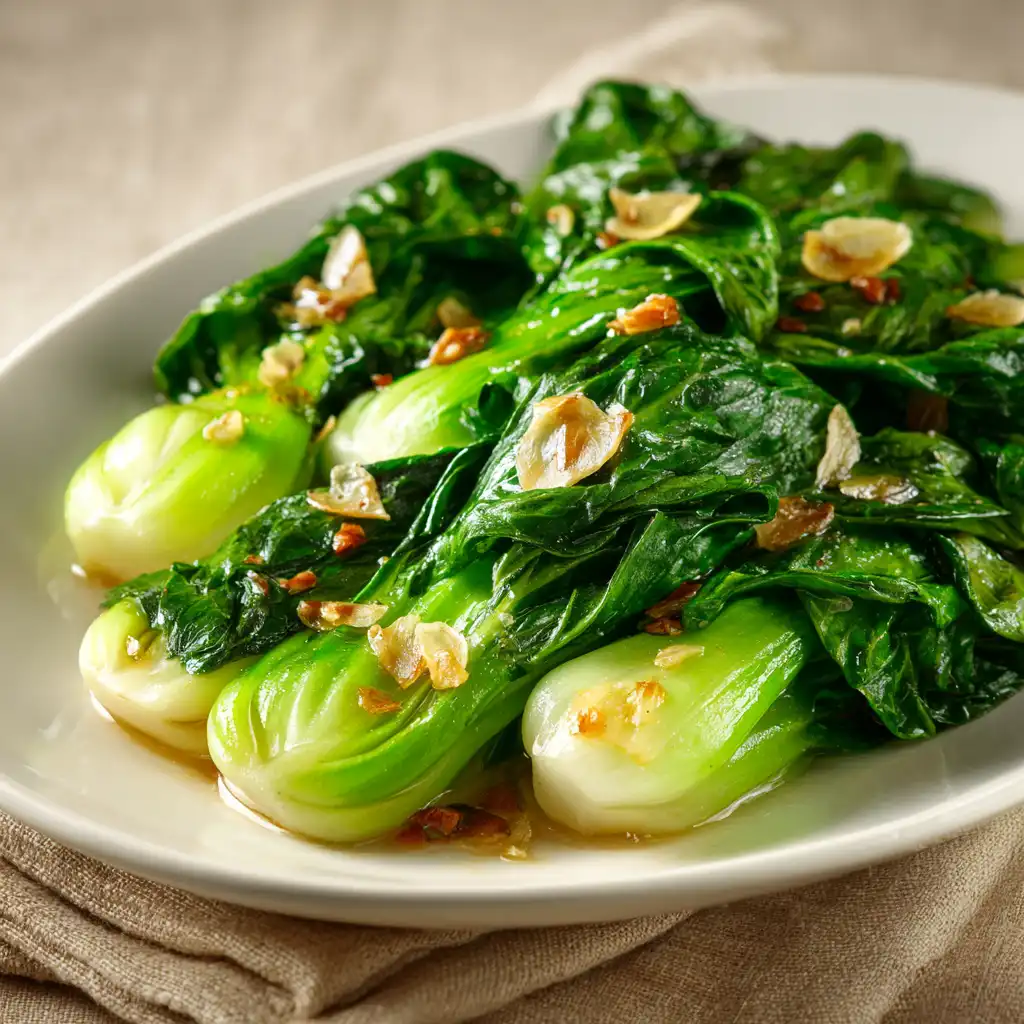
Bok choy is a versatile and crisp leafy green that has been a staple in kitchens for centuries. Often called Chinese cabbage, this vegetable brings a unique crunch and a mild, peppery sweetness to a variety of dishes. Whether you are a fan of quick stir-fries or slow-simmered soups, this green giant offers both flavor and nutrition. In this guide, we will look at how to pick the best bunches, the healthiest ways to cook it, and why it deserves a permanent spot in your vegetable drawer.
Table of Contents
What Exactly is Bok Choy?
The Botanical Roots
Bok choy belongs to the cruciferous vegetable family, making it a close relative of broccoli, kale, and Brussels sprouts. Its scientific name is Brassica rapa subsp. chinensis. Unlike traditional head cabbages, this variety does not form a tight ball. Instead, it grows with thick, succulent white or green stalks that flare out into wide, dark green leaves. This structure gives it a dual texture that chefs love: the stalks stay crunchy even after cooking, while the leaves become tender and silky.
A Long History in the Kitchen
This vegetable has been grown in China for over a thousand years. It eventually traveled to Korea and Japan, becoming a central part of East Asian culinary traditions. Today, it is grown all over the world, including large-scale farms in California and local market gardens in Europe. If you are interested in the botanical history and classification of this plant, you can find more details on Encyclopedia Britannica’s entry on bok choy, which explains its development as a cultivated crop. Its adaptability to different climates has made it one of the most widely consumed greens globally.
Print
Simple Garlic Bok Choy Stir-Fry
A quick and vibrant stir-fry that highlights the mild, peppery sweetness and crisp texture of bok choy.
- Total Time: 15 minutes
- Yield: 2 servings 1x
Ingredients
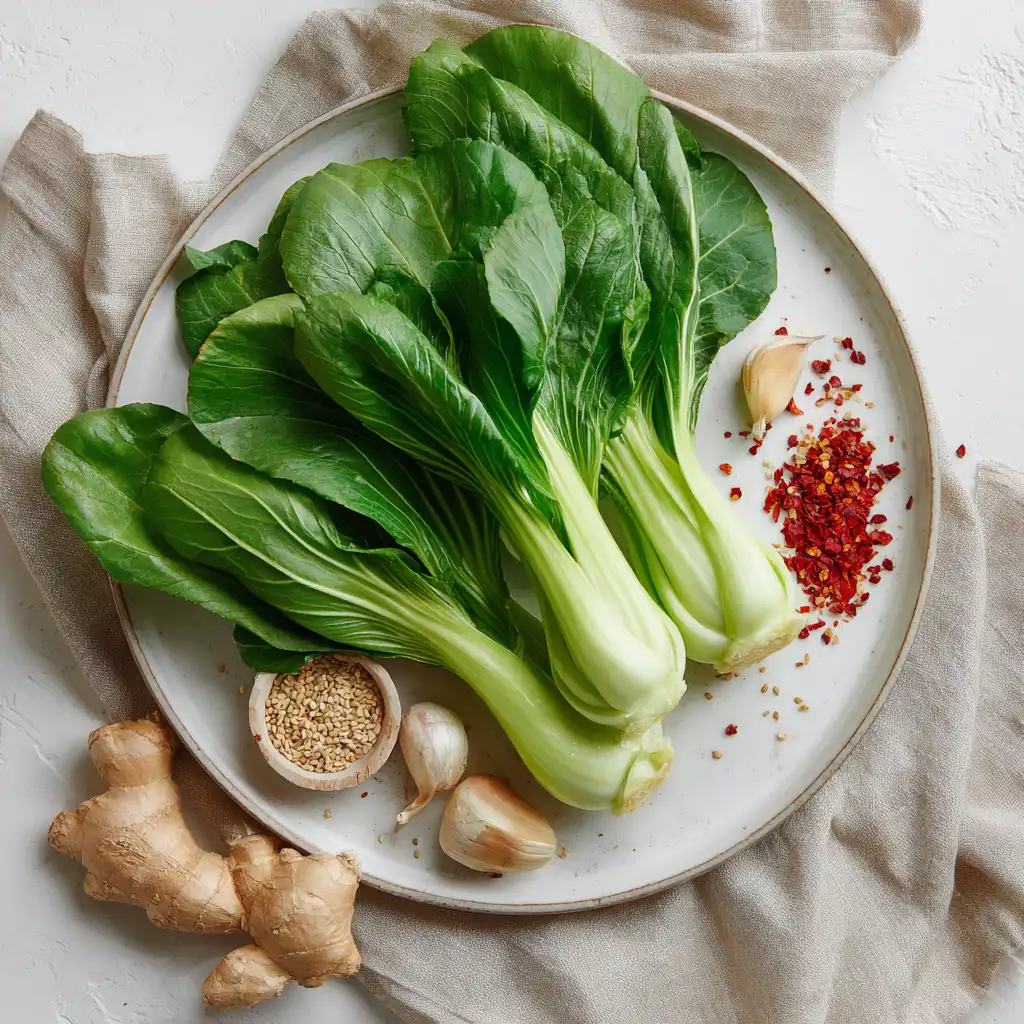
- 1 pound baby bok choy
- 2 tablespoons vegetable oil
- 3 cloves garlic, minced
- 1 teaspoon fresh ginger, grated
- 2 tablespoons soy sauce
- 1 teaspoon toasted sesame oil
- 1/4 teaspoon red pepper flakes
- 1 tablespoon water
Instructions
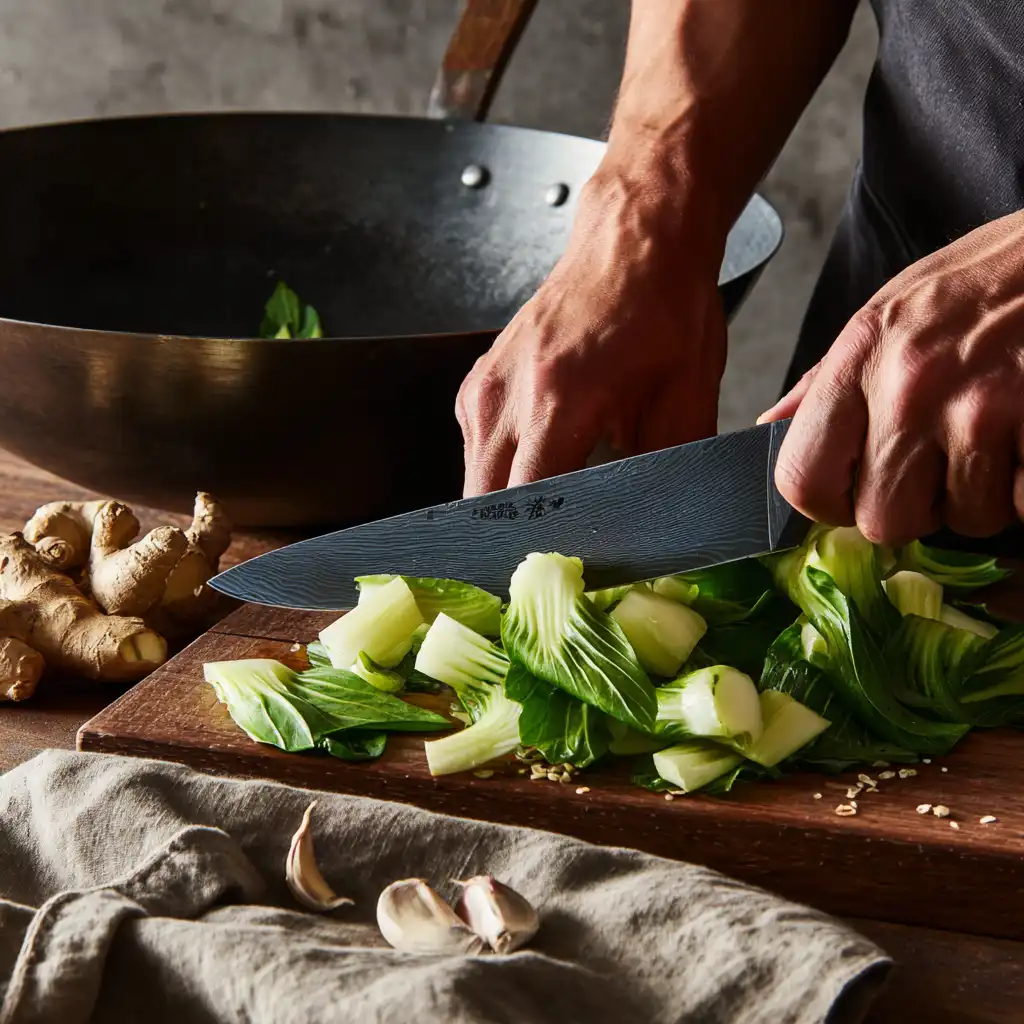
- Prepare the greens: Clean the bok choy thoroughly and slice larger bulbs in half lengthwise.
- Aromatics prep: Mince the garlic cloves and grate the fresh ginger finely.
- Heat the pan: Add vegetable oil to a wok or large skillet over medium-high heat.
- Sauté the aromatics: Add garlic and ginger to the hot oil, stirring for 30 seconds until fragrant.
- Stir-fry the stems: Add the bok choy to the pan and toss to coat with oil.
- Steam the vegetable: Add a tablespoon of water and cover for 1 minute to soften the stems.
- Season the dish: Stir in the soy sauce, sesame oil, and red pepper flakes.
- Final wilt: Cook for 1 more minute until the leaves are wilted but stems remain crisp.
- Serve immediately: Transfer to a plate and serve while hot as a nutritious side.
Preparation Steps for the Everything You Need to Know About Bok Choy recipe
Notes
Ensure the bok choy is very dry before adding to the pan to prevent excess splattering.
- Prep Time: 10 minutes
- Cook Time: 5 minutes
- Category: Side Dish
- Method: Stir-fry
- Cuisine: Chinese
- Diet: Vegan
Nutrition
- Serving Size: 1 cup
- Calories: 95 kcal
- Sugar: 2.1 g
- Sodium: 480 mg
- Fat: 7.2 g
- Saturated Fat: 1.1 g
- Unsaturated Fat: 5.8 g
- Trans Fat: 0.01 g
- Carbohydrates: 6.5 g
- Fiber: 2.4 g
- Protein: 3.2 g
- Cholesterol: 0.1 mg
Keywords: bok choy, healthy, stir-fry, garlic, vegetable, quick
The Health Profile of This Leafy Green
Vitamins and Minerals
One of the biggest reasons people love bok choy is its incredible nutrient density. It is packed with vitamin C, vitamin K, and vitamin A. These nutrients are vital for keeping your immune system strong and your skin glowing. Additionally, it contains a significant amount of calcium and potassium. Unlike some other greens, the calcium in this vegetable is very easy for the body to absorb because it is low in oxalates. This makes it an excellent choice for those looking to support bone health without consuming dairy or heavy supplements.
Fiber and Digestion
Keeping your digestive system happy is much easier when you include high-fiber foods in your daily meals. This vegetable provides a good amount of roughage that helps move things along in the gut. Many people include it in anti-bloat recipes because it is hydrating and gentle on the stomach. For more detailed information on the specific nutritional components and how they impact human health, the Harvard T.H. Chan School of Public Health’s guide on bok choy offers a scientific look at how these greens contribute to a balanced diet. It is a low-calorie way to fill up without feeling heavy.
Different Varieties to Look For
Baby Bok Choy
If you prefer a milder flavor and a more delicate texture, baby bok choy is the way to go. These are harvested earlier in the growth cycle, resulting in smaller, tender heads that can often be cooked whole or sliced in half. They have a buttery consistency when steamed and are perfect for single-serving side dishes. Because they are so small, the leaves and stalks cook at almost the same rate, which makes them very beginner-friendly for those new to cooking Asian greens.
Mature and Shanghai Varieties
Mature versions are much larger and usually have stark white stalks with very dark, crinkly leaves. These are best for hearty soups or stews where the vegetable needs to stand up to long cooking times. Shanghai bok choy is another popular variety, distinguished by its pale green stalks instead of white ones. It tends to be a bit sweeter and more uniform in flavor. If you enjoy experimenting with different textures in your meals, trying out various high-fiber cabbage dishes will show you just how different these varieties can be when prepared with the right spices.
tbody
| Feature | Baby Bok Choy | Shanghai Bok Choy | Mature Bok Choy |
|---|---|---|---|
| Stalk Color | White or Light Green | Pale Green | Bright White |
| Size | 3-6 inches | 5-8 inches | 10-15 inches |
| Flavor | Sweet and Mild | Mild and Buttery | Peppery and Robust |
| Best Use | Steaming, Sautéing | Stir-fry, Grilling | Soups, Stews |
How to Pick the Best Bok Choy at the Store
Check the Leaves
When you are at the grocery store or farmers’ market, the first thing to look at is the color of the leaves. You want them to be a vibrant, deep green without any yellowing or brown spots. Wilted leaves are a sign that the vegetable has been sitting on the shelf for too long and has lost its moisture. Fresh bok choy should feel heavy for its size, indicating that the stalks are full of water and will provide that signature crunch when you bite into them.
Inspect the Stalks
The stalks should be firm and rigid. If they feel rubbery or bend too easily, the vegetable is past its prime. Look for stalks that are free from cracks or slimy patches. If you are buying the variety with white stalks, they should look bright and clean. Any dark bruising on the stems can indicate that the vegetable was handled roughly during shipping, which might cause it to spoil faster once you get it home. Taking a few extra seconds to inspect your produce will help you get the best results in your recipes.
Storage Tips for Lasting Freshness
The Crisper Drawer Method
Bok choy loves a cool, slightly humid environment. To keep it fresh for as long as possible, do not wash it until you are ready to use it. Excess moisture in the fridge can lead to rot and mold. Instead, place the unwashed heads in a perforated plastic bag or wrap them loosely in a damp paper towel. Store them in the crisper drawer of your refrigerator. When stored this way, the greens should stay fresh and crisp for about three to five days, though baby varieties might wilt a bit sooner.
Freezing for Long-Term Use
If you find yourself with a surplus of greens, you can freeze them for later use in soups or smoothies. To do this, you should blanch the leaves and stalks in boiling water for about two minutes, then immediately plunge them into an ice bath. This process stops the enzymes that cause flavor loss and discoloration. Once cooled and dried, place them in airtight freezer bags. While the texture won’t be crisp enough for a salad after thawing, it works perfectly in a hot chicken broccoli pasta bake or a rich vegetable broth.
Preparing and Cleaning the Leaves Correctly
Removing Dirt and Grit
Because of how the stalks grow close together at the base, dirt and sand can easily get trapped inside the vegetable. To clean it properly, you should cut off the very bottom of the base so the stalks separate. Then, place the pieces in a large bowl of cold water and swish them around gently. The grit will sink to the bottom of the bowl. Lift the greens out and repeat the process if the water looks cloudy. This is the best way to make sure your meal doesn’t have an unpleasant sandy texture.
Cutting and Slicing
Depending on your recipe, you might want to keep the leaves whole or chop them into bite-sized pieces. For stir-fries, many people like to separate the thick stalks from the thin leaves. Since the stalks take longer to cook, you can toss them into the pan first and add the leaves during the last minute of cooking. This method guarantees that the stalks are tender-crisp while the leaves stay bright green and don’t turn into mush. Slicing the stalks on a diagonal can also help them cook more evenly and look great on the plate.
Basic Cooking Methods for Success
Quick Sauté or Stir-Fry
The most popular way to prepare bok choy is a quick sauté with garlic and ginger. Heat a small amount of oil in a wok or large skillet over high heat. Add your aromatics first, then toss in the sliced stalks. After a couple of minutes, add the leaves and a splash of soy sauce or vegetable broth. The high heat sears the vegetable, locking in the flavor and keeping the texture firm. This is a fantastic side dish for any protein and takes less than ten minutes from start to finish.
Steaming and Grilling
Steaming is a wonderful option if you want to keep the meal as light as possible. Simply place halved baby bok choy in a steamer basket over boiling water for about three to five minutes. For a more smoky flavor, try grilling. Brush the halved heads with a little oil and place them cut-side down on a hot grill for two minutes. The edges of the leaves will get slightly charred and crispy, which adds a whole new dimension to the vegetable. You can serve these grilled greens alongside a sheet-pan chicken and vegetables meal for a healthy and easy dinner.
Creative Meal Ideas and Flavor Pairings
Asian-Inspired Sauces
Bok choy pairs beautifully with bold flavors like sesame oil, oyster sauce (vegetarian versions work too), and chili flakes. A simple glaze made of honey and soy sauce can make the greens taste almost like candy. If you like heat, try tossing the cooked greens in a spicy peanut sauce. The creaminess of the peanuts complements the watery crunch of the vegetable perfectly. It is also common to add a splash of toasted sesame oil at the very end of cooking to give the dish a rich, nutty aroma that fills the kitchen.
Adding to Soups and Salads
Don’t be afraid to use this vegetable in its raw form. Thinly sliced baby bok choy makes a great base for a slaw or a crunchy salad. It stays firmer than lettuce and can handle heavy dressings without wilting. In soups, it is best to add the greens right before serving. The residual heat of the broth will wilt the leaves just enough while keeping the stalks juicy. It is a common addition to miso soup, ramen, and even spicy coconut-based curries where its cooling properties balance out the spice.
Common Mistakes to Avoid
Overcooking the Greens
The most common mistake people make with bok choy is leaving it on the heat for too long. When overcooked, the stalks become translucent and soggy, and the leaves turn a dull, brownish-green. To avoid this, always keep an eye on the color. As soon as the leaves turn bright, vibrant green, they are usually done. If you are making a large batch, remember that the vegetable will continue to cook for a minute even after you take it off the heat, so it is often better to pull it a few seconds early.
Ignoring the Stalks
Some people only eat the leaves and throw away the white stalks, thinking they are too tough. This is a huge mistake! The stalks are where most of the satisfying crunch and sweetness live. If you find them too thick, simply slice them thinner or give them a head start in the pan. By using the whole vegetable, you reduce food waste and get a much better variety of textures in your final dish. Even the very base of the plant can be finely chopped and used in dumplings or meatballs for extra moisture.
Why You Should Grow Your Own
Easy for Home Gardeners
Bok choy is surprisingly easy to grow at home, even if you only have a small balcony or a few containers. It is a cool-weather crop, meaning it grows best in the spring and fall. In fact, if the weather gets too hot, the plant will “bolt,” or grow a flower stalk, which makes the leaves taste bitter. If you plant it in partial shade during the warmer months, you can often extend the harvest. It grows very quickly, with some baby varieties being ready to eat in as little as thirty days from planting.
Harvesting Fresh from the Garden
There is nothing quite like the taste of greens that were harvested just minutes before cooking. When you grow your own, you can pick individual leaves as you need them or harvest the entire head at once. This ensures you always have the freshest possible produce. Homegrown versions often have a more intense flavor than what you find in the store. Plus, you have total control over the soil and any fertilizers used, making it a great way to guarantee your family is eating the cleanest food possible.
Conclusion
Adding bok choy to your diet is a simple and delicious way to improve your overall nutrition. Its unique texture and ability to soak up flavors make it a favorite for home cooks and professional chefs alike. From its humble origins to its status as a modern superfood, this leafy green offers endless possibilities in the kitchen. By following the tips for selection, cleaning, and quick cooking, you can make sure every meal you prepare with it is a success. Try it in your next stir-fry and see why it has remained popular for over a millennium.
FAQs
Can you eat bok choy raw?
Yes, you can absolutely eat it raw! It has a crisp texture similar to celery or romaine lettuce. Raw bok choy is excellent in salads, slaws, or as a crunchy vessel for dips. The flavor is mild and slightly sweet when uncooked, making it a refreshing addition to summer meals.
Is bok choy the same as Napa cabbage?
No, they are different varieties. While both are considered Chinese cabbages, Napa cabbage grows in a tight, oblong head with frilly, light green leaves and is often used for making kimchi. Bok choy has distinct, separate stalks and smooth, dark green leaves. They have different textures and behaviors when cooked.
How do you keep it from getting soggy in stir-fry?
The key to a crisp stir-fry is high heat and short cooking times. Make sure your pan is very hot before adding the vegetable. Cook the stalks first for a few minutes, then add the leaves at the very end. Avoid overcrowding the pan, as this can cause the greens to steam in their own juices rather than sear.
Is it safe to eat the flower stalks if it bolts?
Yes, the yellow flowers and the stalks they grow on are edible. However, the leaves usually become much more bitter once the plant starts to flower. If your garden plants bolt, you can still use the flowers as a pretty and peppery garnish for your salads.
Does it have a lot of sodium?
Naturally, this vegetable is very low in sodium. However, it is often cooked with soy sauce, miso, or other salty seasonings. If you are watching your salt intake, try seasoning it with fresh ginger, garlic, lemon juice, or toasted sesame seeds to get plenty of flavor without the extra sodium.


