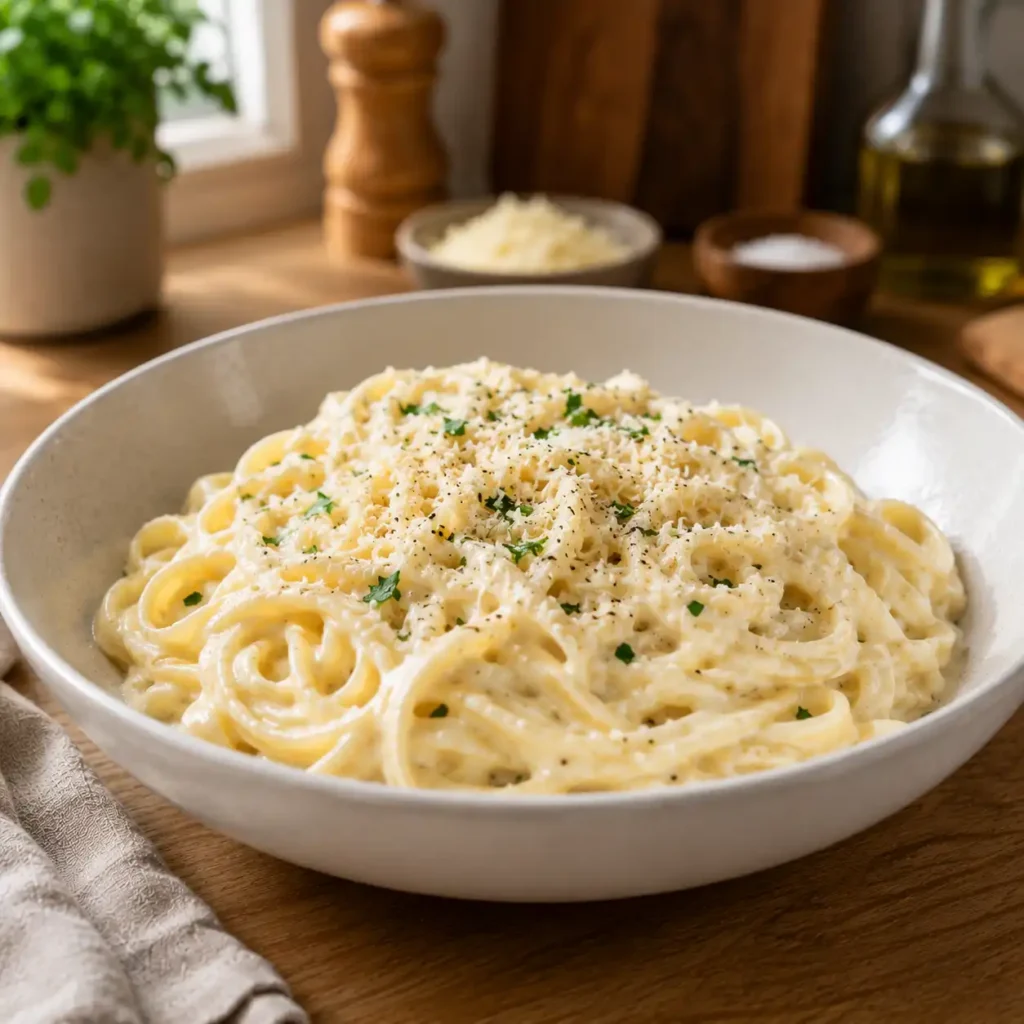
Finding a healthy way to enjoy your favorite comfort foods can feel like a chore, but cottage cheese alfredo sauce changes the game entirely. Imagine a world where you can sit down to a massive bowl of pasta covered in a thick, velvety white sauce without the heavy feeling that usually follows a traditional cream-based meal. This recipe uses simple ingredients to create a high-protein, low-fat alternative that tastes surprisingly close to the real thing. It is a perfect solution for busy weeknights when you want something satisfying yet nutritious.
Table of Contents
Why You Will Love Cottage Cheese Alfredo Sauce
The Protein Powerhouse
One of the main reasons people are flocking to cottage cheese alfredo sauce is the incredible protein content. Unlike traditional sauces that rely on heavy cream and butter for their texture, this version gets its body from dairy that is naturally packed with casein and whey. Because it is so filling, you might find yourself eating smaller portions while still feeling completely satisfied. This makes it a fantastic addition to high-protein low-carb meals that help keep your energy levels steady throughout the afternoon or evening without a sugar crash.
A Kid-Friendly Favorite
If you have picky eaters at home, cottage cheese alfredo sauce is a secret weapon. The mild flavor of the cheese blends perfectly with garlic and parmesan, masking the “curds” that some children (and adults) find off-putting. Once it is blended, the texture is indistinguishable from a standard restaurant sauce. It is a clever way to sneak extra nutrition into a meal that kids already love. Since it lacks the heavy oils found in some store-bought jars, it is also much easier on little tummies that might be sensitive to rich, greasy foods.
Budget-Friendly and Accessible
Heavy cream and high-end cheeses can quickly drive up the cost of a grocery trip. In contrast, cottage cheese is often very affordable and available at almost any local supermarket. You do not need fancy equipment or hard-to-find imported ingredients to make a stellar cottage cheese alfredo sauce. Most of the items required are likely already sitting in your pantry or refrigerator right now. This accessibility makes it a sustainable choice for families looking to eat better without spending a fortune on specialty “diet” products or expensive health food store finds.
Print
Creamy Cottage Cheese Alfredo Sauce
Transform your favorite comfort food with this high-protein, low-fat cottage cheese alfredo sauce. Made with simple ingredients, it’s a surprisingly healthy alternative that tastes incredibly close to traditional alfredo. Perfect for busy weeknights, it’s a satisfying, nutritious, and kid-friendly meal solution.
- Total Time: 15 minutes
- Yield: 4 servings 1x
Ingredients
- 2 cups (450g) low-fat cottage cheese
- 2–3 cloves garlic, minced
- 1/2 cup grated Parmesan cheese, plus more for serving
- 1/4 cup milk (dairy or non-dairy), plus more as needed
- 1/4 cup pasta cooking water, plus more as needed
- 1–2 tablespoons olive oil or butter (optional, for sautéing garlic)
- Salt to taste
- Freshly ground black pepper to taste
Instructions
- Step 1: Prepare Ingredients – Mince the garlic cloves.
- Step 2: Sauté Garlic (Optional) – In a small saucepan, gently sauté the minced garlic in olive oil or butter for 1-2 minutes until fragrant. Remove from heat.
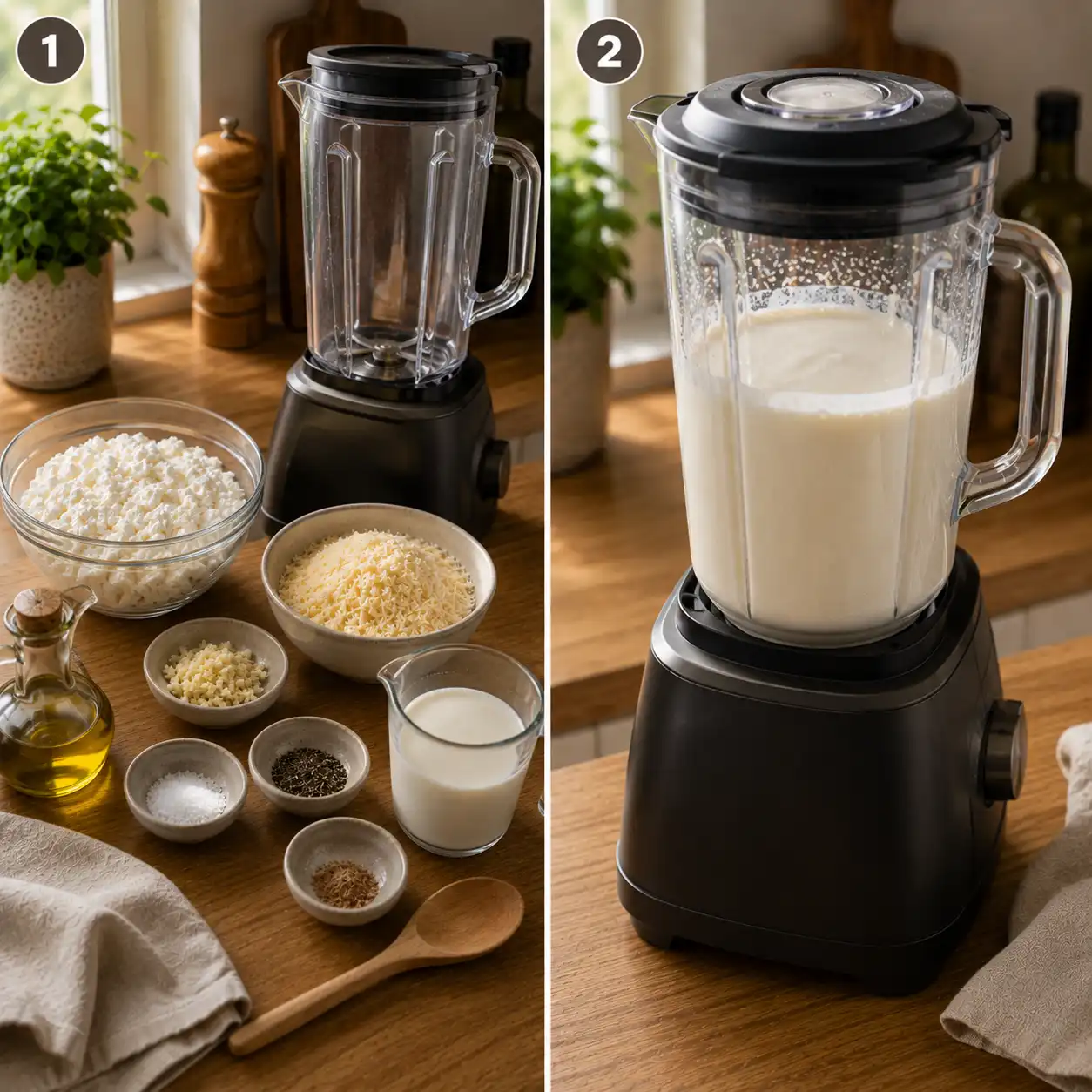
- Step 3: Combine Sauce Base – In a high-speed blender or food processor, combine the cottage cheese, sautéed garlic (if using), 1/2 cup grated Parmesan cheese, and 1/4 cup milk.
- Step 4: Blend Until Smooth – Blend on high speed for 1-2 minutes until the mixture is completely smooth and creamy, scraping down the sides as needed. Ensure no curds remain for the best texture.
- Step 5: Gently Heat Sauce – Transfer the blended sauce to a saucepan and heat over low to medium heat, stirring constantly. Do NOT bring the sauce to a boil, as cottage cheese can curdle if overheated.
- Step 6: Adjust Consistency – If the sauce is too thick, gradually whisk in additional milk or pasta cooking water, one tablespoon at a time, until your desired consistency is reached. The starch in pasta water helps the sauce cling to noodles.
- Step 7: Season Sauce – Taste the sauce and season with salt and freshly ground black pepper. Add more Parmesan cheese if you prefer a richer flavor or slightly thicker sauce.
- Step 8: Serve Immediately – Toss the warm sauce with your favorite cooked pasta or vegetables and serve immediately, garnished with extra Parmesan cheese and fresh parsley if desired.
Notes
Be careful with heat when warming the sauce; avoid boiling to prevent curdling. If the sauce begins to separate, remove it from the heat immediately and whisk vigorously. Adjust consistency by adding milk or pasta water for a thinner sauce, or more Parmesan for a thicker one. The type of cottage cheese can affect consistency, so adjust liquids accordingly.
- Prep Time: 8 minutes
- Cook Time: 7 minutes
- Category: Sauce
- Method: Blending, Simmering
- Cuisine: Italian-American
- Diet: High-Protein, Low-Fat
Nutrition
- Serving Size: 1/4 of recipe
- Calories: 140 kcal
- Sugar: 3g
- Sodium: 300mg
- Fat: 6g
- Saturated Fat: 3g
- Unsaturated Fat: 3g
- Trans Fat: 0.1 g
- Carbohydrates: 5g
- Fiber: 0.1 g
- Protein: 18g
- Cholesterol: 20mg
Keywords: cottage cheese alfredo, healthy alfredo, high protein sauce, low fat pasta sauce, quick weeknight meal, kid-friendly alfredo, budget-friendly sauce, creamy pasta sauce, healthy comfort food
The Secret to the Perfect Texture
Blending is Key
The most important part of making cottage cheese alfredo sauce is the blending process. To get that silky, luxurious mouthfeel, you must use a high-speed blender or a food processor. Simply stirring the ingredients together will leave you with a chunky mess that does not resemble alfredo at all. When you blend the cottage cheese, the curds break down into a smooth liquid that thickens beautifully when heated gently. This step transforms the humble tub of cheese into a sophisticated culinary component that acts just like a traditional roux-based sauce.
Temperature Control
When working with cottage cheese alfredo sauce, you have to be careful with heat. Because cottage cheese has a different protein structure than heavy cream, it can curdle or “break” if it reaches a rolling boil. The goal is to warm it through slowly over low to medium heat. If you see the sauce starting to separate, immediately remove it from the burner and whisk it vigorously. This sensitivity to heat is a small price to pay for such a healthy alternative, but it is a detail that separates a good sauce from a great one.
Consistency Adjustments
Sometimes your cottage cheese alfredo sauce might come out a bit thicker than you intended. This often depends on the brand of cheese you buy, as some have more liquid than others. You can easily fix this by adding a splash of milk or even a tablespoon of the water used to boil your pasta. The starch in the pasta water helps the sauce cling to the noodles, creating a professional finish. If the sauce is too thin, a little extra parmesan cheese usually does the trick to tighten things up while adding a boost of salty, savory flavor.
Nutritional Benefits of This Swap
When we look at the numbers, cottage cheese alfredo sauce is a clear winner for those watching their caloric intake. Traditional alfredo is often loaded with saturated fats and can easily exceed 500 calories per serving just for the sauce alone. By switching to a cottage cheese base, you significantly lower the fat content while tripling the protein. This profile supports muscle recovery and keeps you full for longer periods. According to nutritional guidelines from the United States Department of Agriculture (USDA), cottage cheese is a nutrient-dense food that provides essential calcium, B vitamins, and phosphorus, which are vital for bone health and cellular function.
Beyond just the macros, cottage cheese alfredo sauce is often lower in sodium than many canned or jarred alternatives. When you make your sauce at home, you control exactly how much salt goes into the pan. This is especially helpful for people managing their blood pressure or heart health. Scientific research shared by Harvard Health Publishing suggests that increasing protein intake while reducing processed fats can improve metabolic markers. Choosing this sauce is a small lifestyle change that contributes to a much healthier overall dietary pattern without sacrificing the joy of a good meal.
| Nutrient (per serving) | Traditional Alfredo Sauce | Cottage Cheese Alfredo Sauce |
|---|---|---|
| Calories | 400-500 kcal | 120-160 kcal |
| Protein | 3g – 5g | 15g – 20g |
| Total Fat | 35g – 45g | 4g – 8g |
| Saturated Fat | 20g – 25g | 2g – 4g |
Ingredients You Need
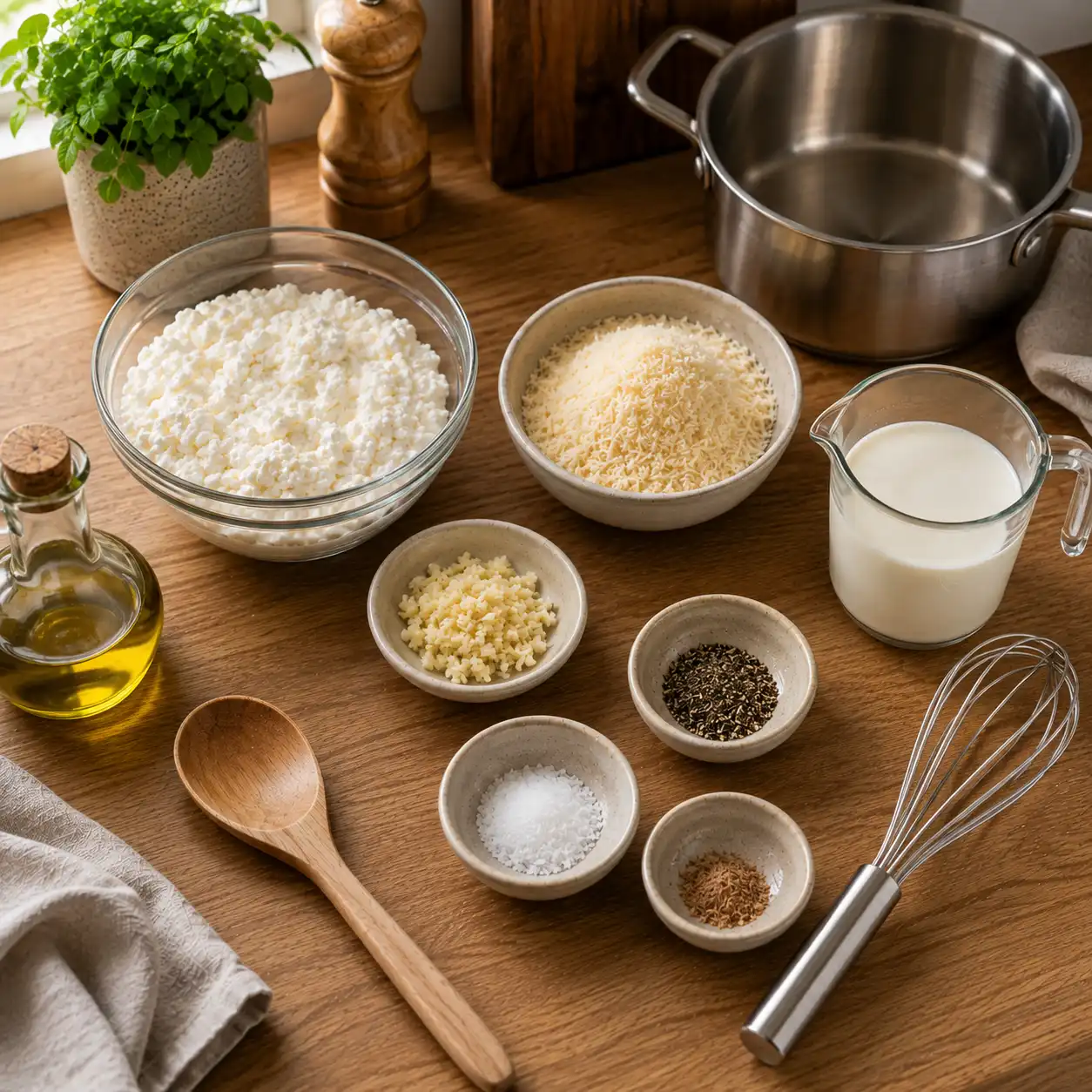
The Base: Cottage Cheese
For the best results, use a 2% or 4% fat cottage cheese. While fat-free versions exist, they often lack the creamy mouthfeel necessary for a satisfying cottage cheese alfredo sauce. The small amount of fat in the 2% version helps the sauce emulsify and gives it a richer taste that mimics the butter used in traditional recipes. Look for a brand that does not have too many added fillers or thickeners, as these can sometimes affect how the sauce reacts when it hits the hot pasta.
Aromatic Additions
Garlic is a non-negotiable ingredient for any alfredo. Using fresh cloves that have been minced or pressed will give your cottage cheese alfredo sauce a sharp, authentic bite. If you are in a rush, garlic powder works too, but the depth of flavor from fresh garlic is hard to beat. You can also add a pinch of nutmeg, which is a classic secret ingredient in white sauces. It adds a subtle warmth that complements the dairy perfectly without being overwhelming or tasting like a dessert spice.
The Cheese Factor
While the cottage cheese provides the bulk and creaminess, you still need parmesan to achieve that signature alfredo taste. Always try to grate your own cheese from a block if possible. Pre-shredded cheeses are often coated in potato starch or cellulose to prevent clumping, which can make your cottage cheese alfredo sauce grainy. Freshly grated parmesan melts smoothly into the warm sauce, providing the necessary saltiness and that aged, nutty flavor profile that makes Italian-inspired dishes so craveable.
Step-by-Step Instructions
- Step 1: Preparation – Gather your ingredients, including 2 cups of cottage cheese, 1/2 cup of grated parmesan, two cloves of garlic, and a splash of milk. Set your blender on the counter and have your spices ready.
- Step 2: Blend the Base – Place the cottage cheese into the blender or food processor. Pulse until the mixture is completely smooth and no curds remain. This is the foundation of your cottage cheese alfredo sauce.
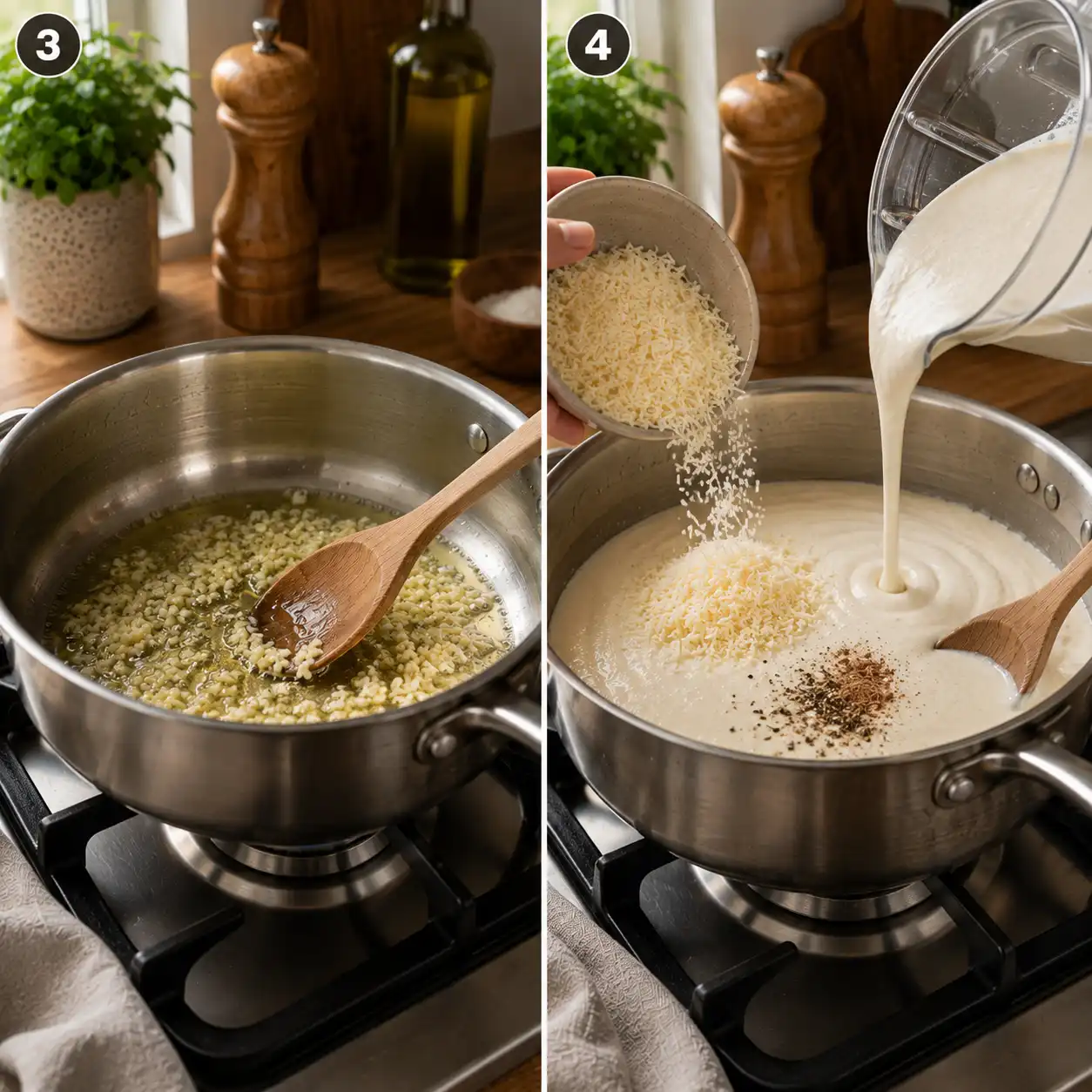
- Step 3: Sauté the Garlic – In a medium saucepan, heat a small amount of olive oil over low heat. Add the minced garlic and cook for about one minute until it becomes fragrant, but do not let it brown or burn.
- Step 4: Combine Ingredients – Pour the blended cottage cheese into the saucepan with the garlic. Add the parmesan cheese, a pinch of salt, black pepper, and nutmeg if you are using it.
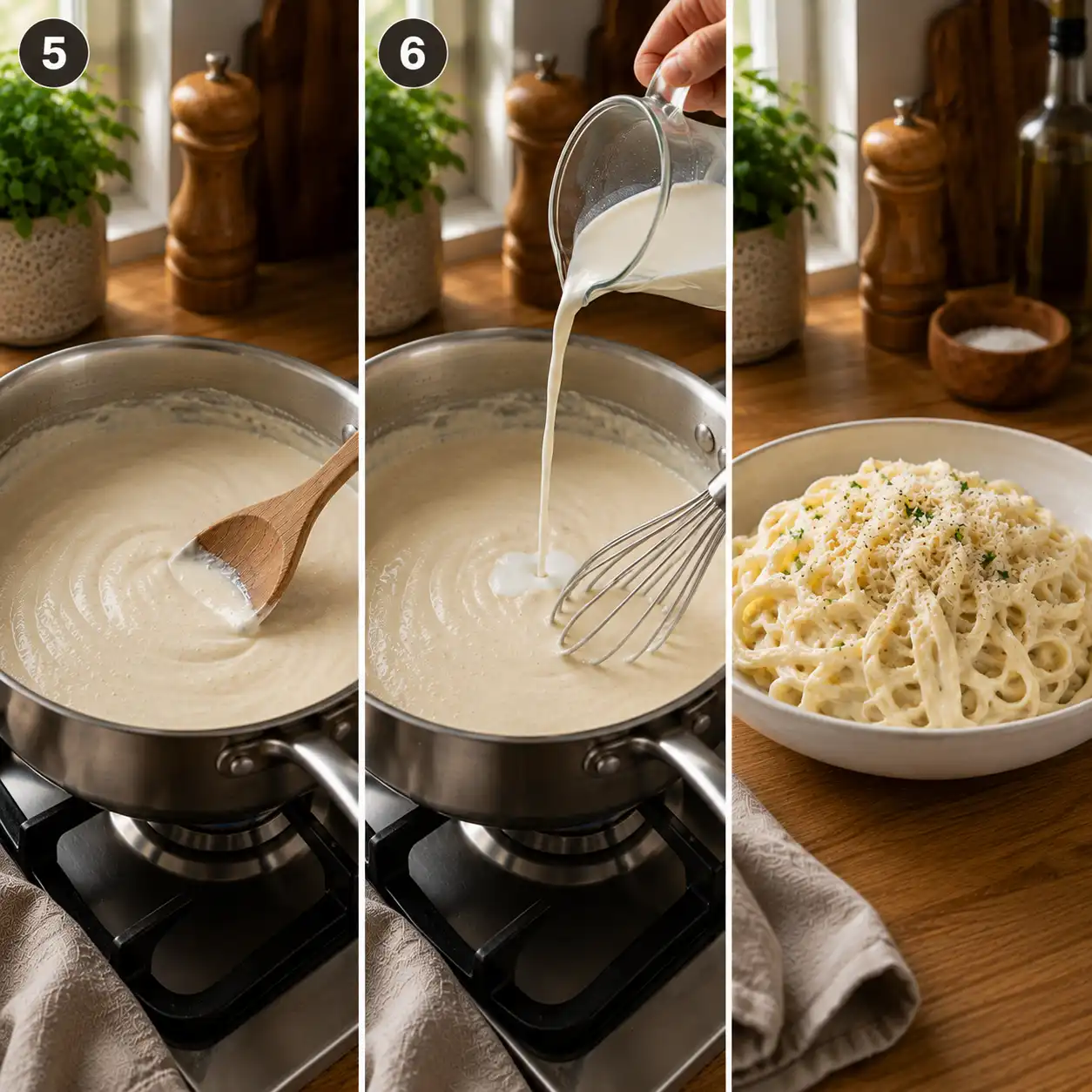
- Step 5: Gentle Heating – Stir the mixture constantly over low heat. You want the parmesan to melt and the sauce to reach a warm temperature, but avoid letting it simmer or boil to prevent separation.
- Step 6: Adjust Consistency – If the cottage cheese alfredo sauce is too thick, whisk in a tablespoon of milk or pasta water at a time until it reaches your desired creaminess.
- Step 7: Serve – Toss the warm sauce with your favorite cooked pasta, vegetables, or protein immediately while it is at its smoothest.
Serving Suggestions and Pairings
The Classic Pasta Route
While fettuccine is the traditional choice, this cottage cheese alfredo sauce works beautifully with penne, rotini, or even zucchini noodles for a lighter meal. The way the sauce clings to the ridges of rotini makes every bite burst with flavor. If you want to replicate the experience of eating out, you might want to look at how others recreate a chicken alfredo recipe Olive Garden style, using this sauce as a healthier swap for the heavy cream. Adding some steamed broccoli or sautéed mushrooms adds texture and fiber to the dish.
Beyond the Noodle
Don’t feel limited to just pasta. This cottage cheese alfredo sauce makes an incredible topping for baked potatoes or a dip for roasted cauliflower. It can even serve as a white pizza base. Spread a thin layer over a whole-wheat crust, top with spinach and chicken, and bake until bubbly. The high protein content makes it a functional food that helps you feel like you are indulging while you are actually fueling your body with quality ingredients. It also pairs wonderfully with grilled shrimp or lean steak strips.
Storage and Reheating Tips
One thing to keep in mind is that cottage cheese alfredo sauce does not freeze particularly well. The freezing and thawing process tends to change the texture of the dairy, often leading to a watery or grainy consistency. It is best to make this sauce fresh or keep it in the refrigerator for up to three days. Store it in an airtight glass container to keep it as fresh as possible. When you are ready to eat the leftovers, you might notice that the sauce has thickened significantly in the cold fridge.
To reheat, the best method is to use a small saucepan on the stove over the lowest heat setting. Add a tiny splash of water or milk to help loosen it up. Whisk it frequently as it warms. Avoid using the microwave if you can, as the uneven heating can cause the proteins in the cottage cheese alfredo sauce to tighten up and become rubbery. If you must use a microwave, do it in 30-second intervals at 50% power, stirring well between each session to distribute the heat evenly.
Common Mistakes to Avoid
The biggest mistake people make with cottage cheese alfredo sauce is rushing the heating process. It is tempting to turn the heat up to high to get dinner on the table faster, but this almost always leads to a grainy sauce. Patience is your best friend here. Another common error is using old or poor-quality cheese. Since the ingredients are so simple, the quality of each one really shines through. Always check your dairy for freshness, especially given recent concerns in the industry like the alfredo sauce recall news that sometimes hits the headlines regarding commercial brands.
Another pitfall is forgetting to season the sauce. Cottage cheese is relatively mild and can be a bit bland on its own. You really need the salt, pepper, and garlic to bring the cottage cheese alfredo sauce to life. Don’t be afraid to taste as you go. If it feels like it is missing something, a tiny squeeze of lemon juice or a dash of onion powder can often provide that missing “pop” of flavor. Remember that the pasta will also absorb some of the seasoning, so the sauce should taste slightly more robust on its own than you think it needs to be.
Variations for Every Palate
If you love experimenting in the kitchen, there are endless ways to tweak your cottage cheese alfredo sauce. For a spicy kick, add red pepper flakes or a spoonful of diced green chilis. For a Mediterranean twist, stir in some sun-dried tomatoes and fresh basil at the very end. The versatility of cottage cheese is truly impressive; it is a kitchen staple that works in everything from dinner sauces to breakfast dishes like scrambled eggs with cottage cheese. This adaptability makes it easy to keep your meal plan exciting and fresh.
For those who want an even deeper flavor, try roasting the garlic before blending it into the sauce. Roasted garlic has a sweet, mellow profile that removes the sharp bite of raw cloves. You could also mix in a tablespoon of pesto for a vibrant green “alfredo-pesto” hybrid. If you are looking for a dairy-free vibe but want to stick to the cottage cheese method, there are now many plant-based cottage cheese alternatives hitting the market that behave similarly when blended, though the nutritional profile will vary.
FAQs
Can I make this sauce ahead of time?
Yes, you can prepare cottage cheese alfredo sauce up to three days in advance. Just store it in the refrigerator and follow the gentle reheating instructions mentioned above. It may thicken while sitting, so be prepared to add a little liquid to bring back the original consistency.
Is cottage cheese alfredo sauce actually healthy?
Compared to the traditional version, yes! It has significantly less fat and much more protein. However, “healthy” depends on your individual dietary needs. It is still a dairy-based sauce, so it contains lactose and sodium, but for most people, it is a much better choice for regular consumption.
Why is my sauce grainy?
Graininess usually happens for two reasons: either the cottage cheese wasn’t blended long enough, or the sauce was heated too quickly on high heat. Make sure your blender gets the mixture completely liquid before you put it in the pan, and always use low heat to warm it up.
Can I use fat-free cottage cheese?
You can, but the sauce will be thinner and less flavorful. Fat carries flavor and provides a creamy texture. If you are strictly monitoring fat, you can use fat-free, but you might need to add a little more parmesan or a thickening agent like a tiny bit of cornstarch to get a good result.
Conclusion
Switching to cottage cheese alfredo sauce is a simple yet effective way to transform a high-calorie meal into a nutritious, protein-packed dinner. By focusing on quality ingredients and gentle cooking techniques, you can create a dish that satisfies your cravings while supporting your wellness goals. Whether you are cooking for your family or just prepping meals for the week, this sauce offers a delicious balance of flavor and health. Give it a try tonight and see just how creamy and comforting a healthy swap can be!
Disclaimer
The content provided on this website is for general informational and educational purposes only. It is not intended to replace professional medical advice, diagnosis, or treatment. I am not a licensed healthcare provider or certified nutrition expert.
Always seek guidance from a qualified medical professional before making any changes to your diet, especially if you have underlying health conditions, allergies, or specific dietary needs. Individual results may vary, and your health and safety should always come first.