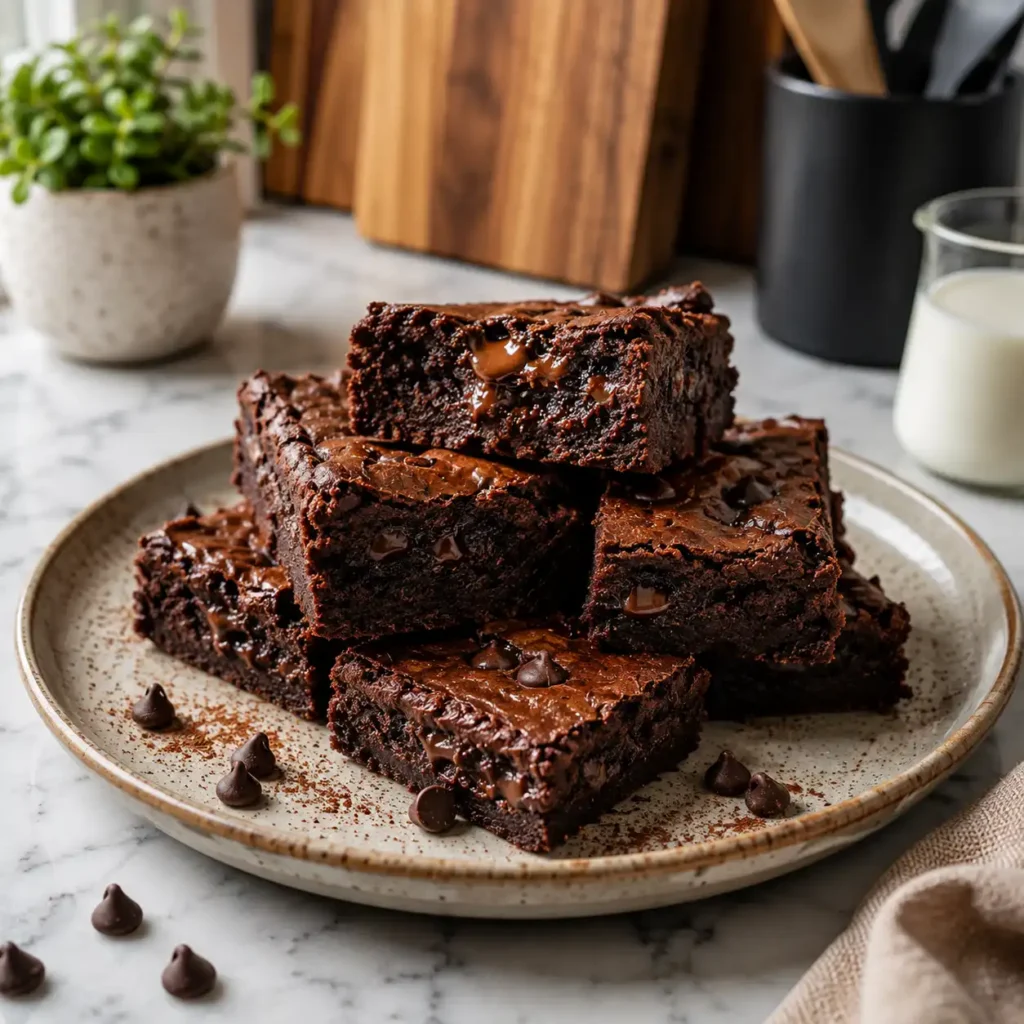
Cottage cheese brownies have taken the culinary world by storm, proving that you can satisfy a sweet tooth while maintaining a focus on nutrition. This unexpected ingredient transforms a standard dessert into a protein-rich snack that keeps the fudgy texture everyone loves. By replacing heavy fats with blended curds, these brownies offer a moist, dense bite that surprises even the most skeptical eaters. Whether you are looking for a post-workout treat or a healthier family dessert, cottage cheese brownies provide a perfect balance of flavor and function.
Table of Contents
The Science of Using Cottage Cheese in Baking
Why Protein Matters in Desserts
Adding cottage cheese to your brownies significantly changes the macronutrient profile of the dish. Most traditional recipes rely heavily on butter or oil to create moisture. In cottage cheese brownies, the protein-packed curds provide that necessary hydration without the same level of saturated fat. This shift makes the treat more satiating, meaning you feel full faster and stay satisfied longer. Many people find that these brownies fit perfectly into a lifestyle focused on high protein low carb meals, helping them meet daily goals without feeling deprived of chocolate.
Achieving the Perfect Fudgy Texture
The main concern people have with cottage cheese brownies is the texture of the curds. However, once blended, the cheese becomes a smooth, creamy base that mimics the consistency of sour cream or Greek yogurt. This creaminess is what gives cottage cheese brownies their signature fudge-like interior. Unlike cake-style brownies that rely on chemical leaveners and air, these are dense and rich. The moisture from the cheese prevents the brownies from drying out in the oven, guaranteeing a consistent result every time you bake them.
Nutritional Benefits of the Secret Ingredient
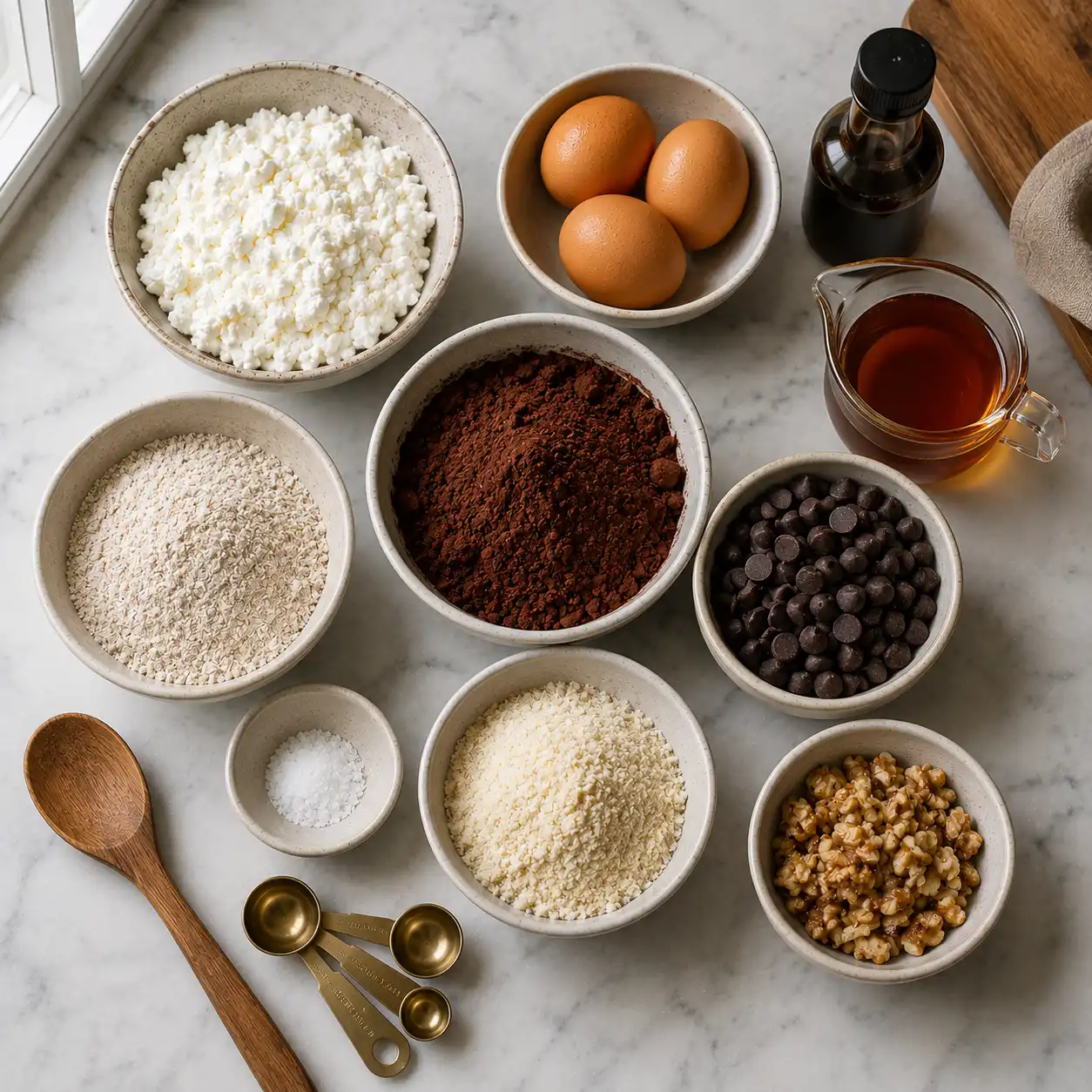
Cottage cheese is a nutritional powerhouse that often goes overlooked in the dessert aisle. According to Healthline, it is packed with casein protein, which digests slowly and keeps you full for extended periods. It also provides essential minerals like calcium and phosphorus. When you use it in cottage cheese brownies, you are essentially fortifying your treat. If you enjoyed this creamy texture in a baked good, you might also like trying a cottage cheese ice cream recipe for a chilled treat that uses the same high-protein base.
Print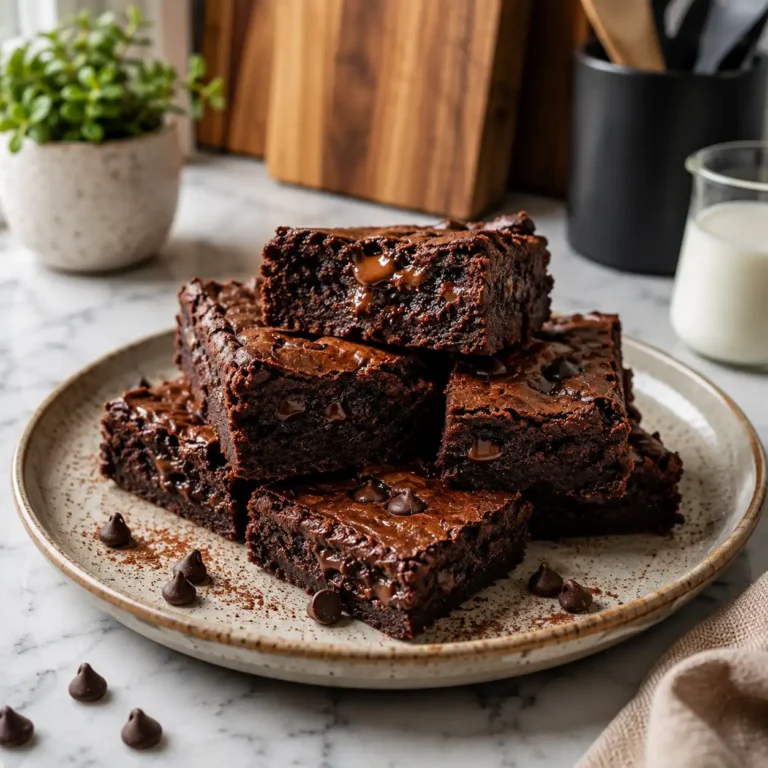
The Ultimate Guide to Fudgy Cottage Cheese Brownies
A protein-packed, fudgy brownie that utilizes blended cottage cheese to achieve a rich, moist texture without the need for excessive butter or oil.
- Total Time: 40 minutes
- Yield: 12 servings 1x
Ingredients
- 1 cup cottage cheese (low fat or full fat)
- 2 large eggs
- 1/2 cup pure maple syrup or honey
- 1 teaspoon vanilla extract
- 1/2 cup almond flour
- 1/2 cup unsweetened cocoa powder
- 1/4 teaspoon baking soda
- 1/4 teaspoon sea salt
- 1/2 cup dark chocolate chips
Instructions
- Step 1: Preheat Oven – Set your oven to 350°F (175°C) and line an 8×8-inch baking pan with parchment paper.
- Step 2: Blend Cheese – Place cottage cheese in a high-speed blender and process until completely smooth and creamy.
- Step 3: Mix Wet Ingredients – In a large bowl, whisk the blended cottage cheese with eggs, maple syrup, and vanilla.
- Step 4: Incorporate Dry Ingredients – Sift in the cocoa powder, almond flour, baking soda, and salt, stirring until just combined.
- Step 5: Add Chocolate – Fold in 3/4 of the chocolate chips into the batter, saving the rest for the top.
- Step 6: Transfer Batter – Pour the mixture into the prepared pan and smooth the top with a spatula.
- Step 7: Bake Brownies – Bake for 25-28 minutes until the edges are firm but the center remains slightly soft.
- Step 8: Cool and Set – Allow the brownies to cool completely in the pan for at least 30 minutes to ensure a fudgy set.
Notes
Blending the cottage cheese is the most critical step to ensure a smooth, professional texture without visible curds.
- Prep Time: 15 minutes
- Cook Time: 25 minutes
- Category: Dessert
- Method: Baking
- Cuisine: American
- Diet: High-Protein
Nutrition
- Serving Size: 1 brownie
- Calories: 145 kcal
- Sugar: 10 g
- Sodium: 125 mg
- Fat: 7 g
- Saturated Fat: 3 g
- Unsaturated Fat: 4 g
- Trans Fat: 0.01 g
- Carbohydrates: 15 g
- Fiber: 2 g
- Protein: 8 g
- Cholesterol: 35 mg
Keywords: cottage cheese brownies, high protein dessert, fudgy brownies, healthy baking, low carb treats
Essential Ingredients for Cottage Cheese Brownies
Choosing the Right Cottage Cheese
For the best cottage cheese brownies, the fat content of your cheese matters. While fat-free versions work, 2% or 4% cottage cheese yields a much richer flavor and a smoother mouthfeel. The small amount of fat in these versions helps the chocolate flavors pop and creates a more satisfying bite. Make sure to choose a brand that has a clean ingredient list without too many added thickeners or gums, as these can sometimes affect how the cottage cheese brownies set up during the cooling process.
The Role of High-Quality Cocoa
Since the base of cottage cheese brownies is relatively mild, the quality of your cocoa powder is what defines the taste. Using high-quality cocoa or dark chocolate adds depth and a wealth of antioxidants. Research from the Harvard T.H. Chan School of Public Health highlights how flavanols in chocolate support heart health and improve blood flow. When making cottage cheese brownies, opting for a Dutch-processed cocoa can result in a darker, more mellow chocolate flavor that masks any slight tang from the cheese.
Sweeteners and Flour Alternatives
To keep cottage cheese brownies on the healthier side, many bakers use maple syrup, honey, or coconut sugar instead of refined white sugar. These alternatives add a hint of caramel flavor that complements the cocoa. For the flour, you can use all-purpose, but almond flour or oat flour works beautifully to keep the recipe gluten-free. The density of the cheese supports these alternative flours well, preventing the brownies from becoming crumbly. If you prefer a different vegetable-based base for your treats, check out this sweet potato brownie recope for another nutritious option.
Step-by-Step Instructions to Make Cottage Cheese Brownies
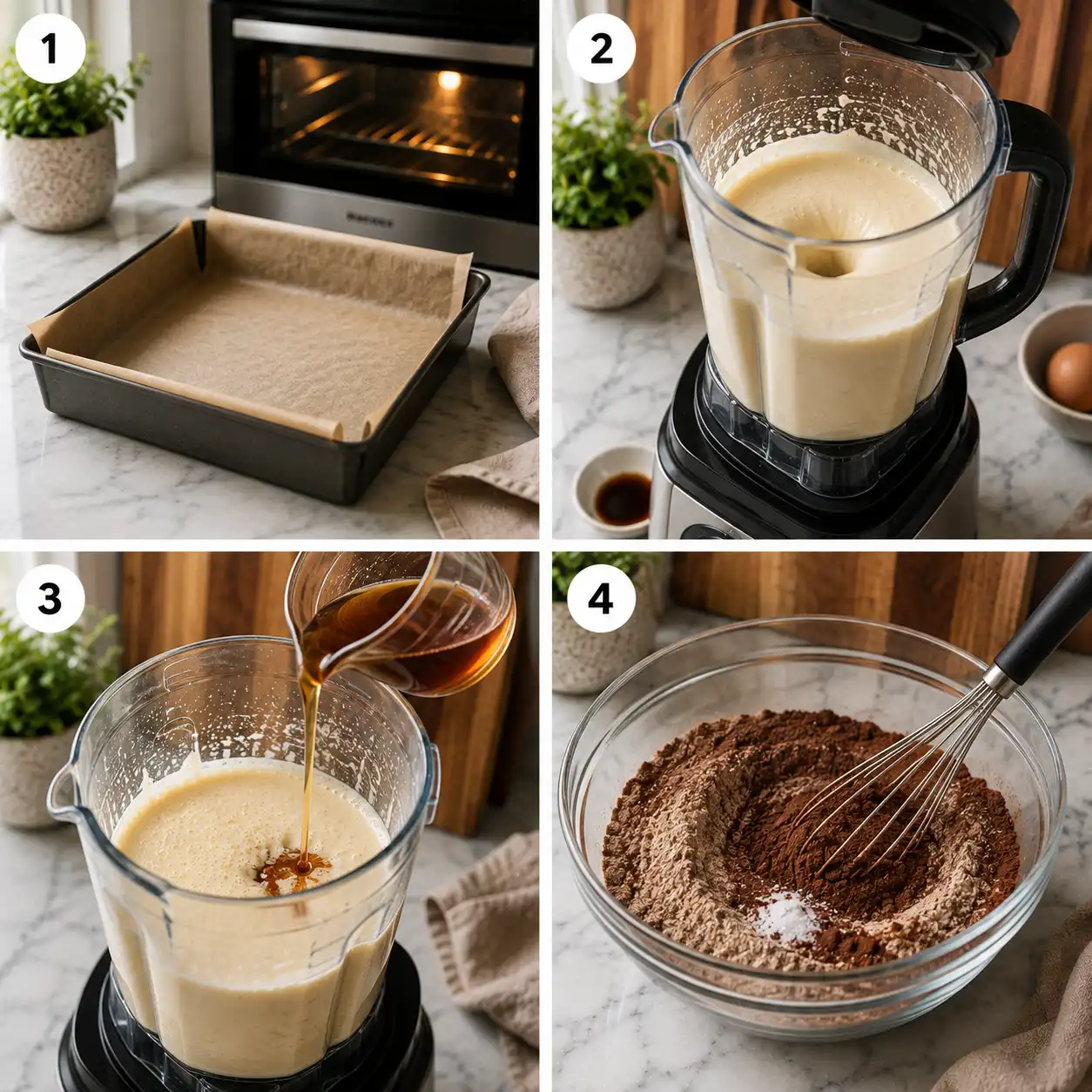
Following a precise method is key to making sure your cottage cheese brownies turn out perfectly. The blending step is the most vital part of the process to avoid any unwanted lumps.
- Step 1: Heat the Oven – Preheat your oven to 350°F (175°C) and grease an 8×8 inch baking pan or line it with parchment paper for easy removal.
- Step 2: Blend the Wet Base – Place the cottage cheese, eggs, and vanilla extract into a high-speed blender or food processor and process until the mixture is completely smooth.
- Step 3: Add Sweetener – Pour in your liquid sweetener, such as maple syrup, and pulse a few times to combine it with the creamy base.
- Step 4: Mix Dry Ingredients – In a separate bowl, whisk together the cocoa powder, flour of choice, and a pinch of salt to remove any clumps.
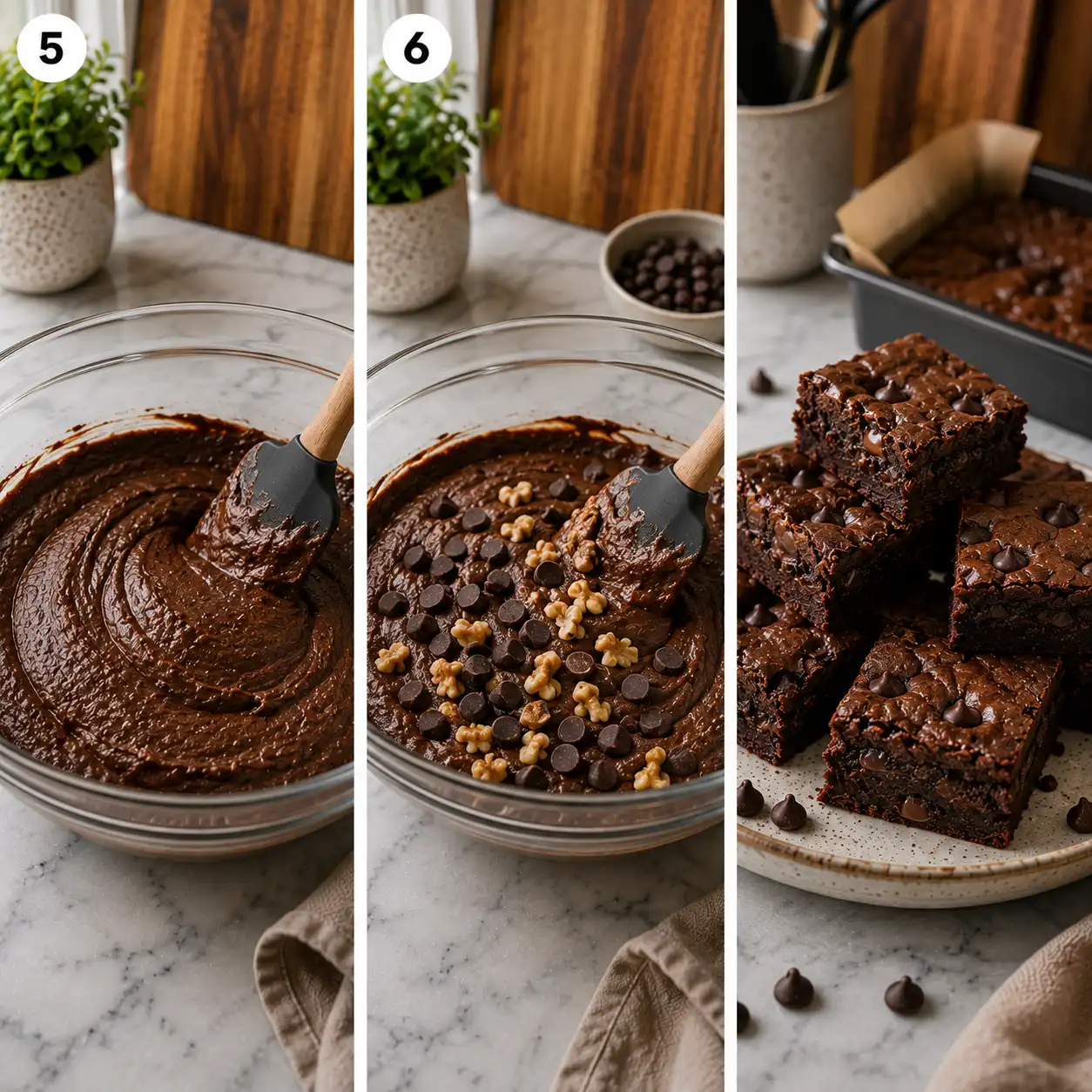
- Step 5: Combine – Gently fold the dry ingredients into the wet mixture using a spatula until no streaks of flour remain, being careful not to overmix.
- Step 6: Fold in Extras – Stir in chocolate chips or chopped nuts if you want extra texture and a boost of chocolate flavor in your cottage cheese brownies.
- Step 7: Bake – Pour the batter into the prepared pan and bake for 25 to 30 minutes, or until the edges are set but the center still has a slight jiggle.
- Step 8: Cool Completely – Allow the brownies to cool in the pan for at least 30 minutes before slicing, as they continue to firm up as they reach room temperature.
Comparing Traditional Brownies to Cottage Cheese Brownies
When looking at the differences between a standard brownie and this protein-focused version, the numbers tell an interesting story. While traditional recipes are delicious, they often lack the sustaining power needed for a mid-day snack. Cottage cheese brownies fill that gap by providing a significant amount of protein per square. This makes them a great companion to your morning routine. Starting your day with enough protein can change your energy levels; pairing a brownie with a protein coffee recipe makes for a satisfying morning that keeps hunger at bay until lunch.
| Feature | Traditional Brownies | Cottage Cheese Brownies |
|---|---|---|
| Main Fat Source | Butter or Vegetable Oil | Cottage Cheese / Minimal Oil |
| Protein Content | Low (1-2g per serving) | High (5-8g per serving) |
| Texture | Chewy or Cakey | Fudgy and Dense |
| Primary Sweetener | Refined White Sugar | Maple Syrup or Honey |
| Storage Life | 3-5 days at room temp | 5-7 days (refrigeration recommended) |
Tips for Achieving the Fudgiest Results
The Importance of the Blending Process
You cannot skip the blending process when making cottage cheese brownies. Even if you like the texture of cottage cheese on its own, it does not melt down completely in the oven. To get that velvet-like finish, you must use a blender until the mixture looks like heavy cream. If you don’t have a blender, a whisk and a lot of elbow grease might work with small-curd cottage cheese, but a machine is highly recommended for the best cottage cheese brownies. This step removes the “cheese” identity and turns the ingredient into a functional baking component.
Do Not Overbake the Batter
Because cottage cheese brownies are naturally very moist, it can be tempting to leave them in the oven too long. If you wait until a toothpick comes out perfectly clean, you have likely overbaked them. You want the toothpick to have a few moist crumbs attached. The residual heat in the pan will finish the cooking process. Overbaking leads to a rubbery texture rather than a fudgy one, so keep a close eye on the timer starting at the 22-minute mark.
Choosing the Right Baking Pan
The material of your pan changes how cottage cheese brownies cook. A glass pan holds heat longer and may cause the edges to get tough, while a light-colored metal pan distributes heat more evenly. If you use a dark metal pan, you might need to lower the oven temperature by 25 degrees to prevent the bottom from scorching. Regardless of the pan, using parchment paper is a smart move. It allows you to lift the entire block of cottage cheese brownies out at once, making it much easier to cut clean, sharp squares.
Variations and Dietary Adjustments
Making Keto Cottage Cheese Brownies
For those following a ketogenic diet, cottage cheese brownies are surprisingly easy to adapt. Replace the flour with almond flour and swap the maple syrup for a monk fruit or erythritol-based liquid sweetener. Since cottage cheese does contain a small amount of natural milk sugars (lactose), make sure to account for those in your daily macros. These keto-friendly cottage cheese brownies are incredibly rich and help crush sugar cravings without a massive spike in glucose.
Nut-Free and Seed-Added Versions
If you have a nut allergy, you can use a gluten-free all-purpose flour blend or even sunflower seed flour in your cottage cheese brownies. For added health benefits, some bakers like to stir in chia seeds or ground flaxseed. These additions provide healthy fats and fiber, further increasing the nutritional value of the snack. The thick batter of cottage cheese brownies holds these seeds well, ensuring they don’t all sink to the bottom of the pan during the baking process.
Adding Flavors and Swirls
You can customize your cottage cheese brownies by adding different flavor extracts or swirls. A teaspoon of instant espresso powder mixed into the batter will deepen the chocolate flavor significantly. Alternatively, you can drop small spoonfuls of peanut butter or almond butter onto the top of the batter before baking and use a knife to create a marbled effect. This not only looks beautiful but adds a salty contrast to the sweet chocolate cottage cheese brownies.
Storage and Serving Suggestions
Because of the high moisture and dairy content, cottage cheese brownies should be handled differently than standard cookies or cakes. They do best when kept cool, which also helps maintain their fudgy consistency. When served cold, the chocolate flavor feels even more intense, and the texture mimics a thick truffle.
Refrigeration is Key
Always store your cottage cheese brownies in an airtight container in the refrigerator. They will stay fresh for up to a week. If you leave them on the counter for too long, the moisture can cause them to soften too much or spoil faster than traditional baked goods. Cold cottage cheese brownies are a fantastic quick snack to grab on the go, providing a steady stream of energy thanks to the protein and complex fats.
Freezing for Long-Term Prep
These brownies freeze exceptionally well. You can wrap individual squares in parchment paper and place them in a freezer bag for up to three months. This makes cottage cheese brownies an excellent option for meal prepping. When you are ready for a treat, just let one thaw in the fridge for an hour or microwave it for 15 seconds if you prefer a warm, gooey dessert. The texture remains remarkably stable even after being frozen and thawed.
FAQs
Can I taste the cheese in cottage cheese brownies?
No, once the cottage cheese is blended and baked with cocoa and sweetener, the “cheesy” flavor disappears. It leaves behind a mild tang similar to what you would find in a cheesecake or a brownie made with sour cream. The chocolate is the dominant flavor profile here.
Can I use ricotta cheese instead?
Yes, ricotta cheese is a suitable substitute for cottage cheese in this recipe. It has a similar moisture content but a slightly different grain. You should still blend it to ensure a smooth batter. Keep in mind that ricotta is usually higher in fat and lower in protein than cottage cheese.
Why are my cottage cheese brownies rubbery?
A rubbery texture usually happens for two reasons: overmixing the flour or overbaking. When you mix flour into the wet ingredients, do it gently until just combined. Also, make sure to take them out of the oven while the center is still slightly soft.
Do I need to drain the cottage cheese first?
There is no need to drain the liquid (whey) from the cottage cheese for this recipe. That liquid provides necessary hydration for the flour. Simply scoop the cheese straight from the container into your blender and proceed with the recipe.
Are these brownies suitable for kids?
Absolutely. Cottage cheese brownies are a great way to give children a treat that contains more protein and less sugar than store-bought options. Most kids cannot tell the difference between these and a standard fudgy brownie.
Conclusion
Cottage cheese brownies represent a smart shift in how we approach dessert. By using a simple, high-protein base, you can create a treat that is both decadent and nourishing. The process is straightforward, requiring only a blender and basic pantry staples to achieve a result that rivals any traditional bakery. As you continue to find new ways to balance health and flavor, these brownies will likely become a staple in your kitchen. Give this recipe a try and experience how a humble tub of cheese can create the fudgiest brownies you have ever tasted.