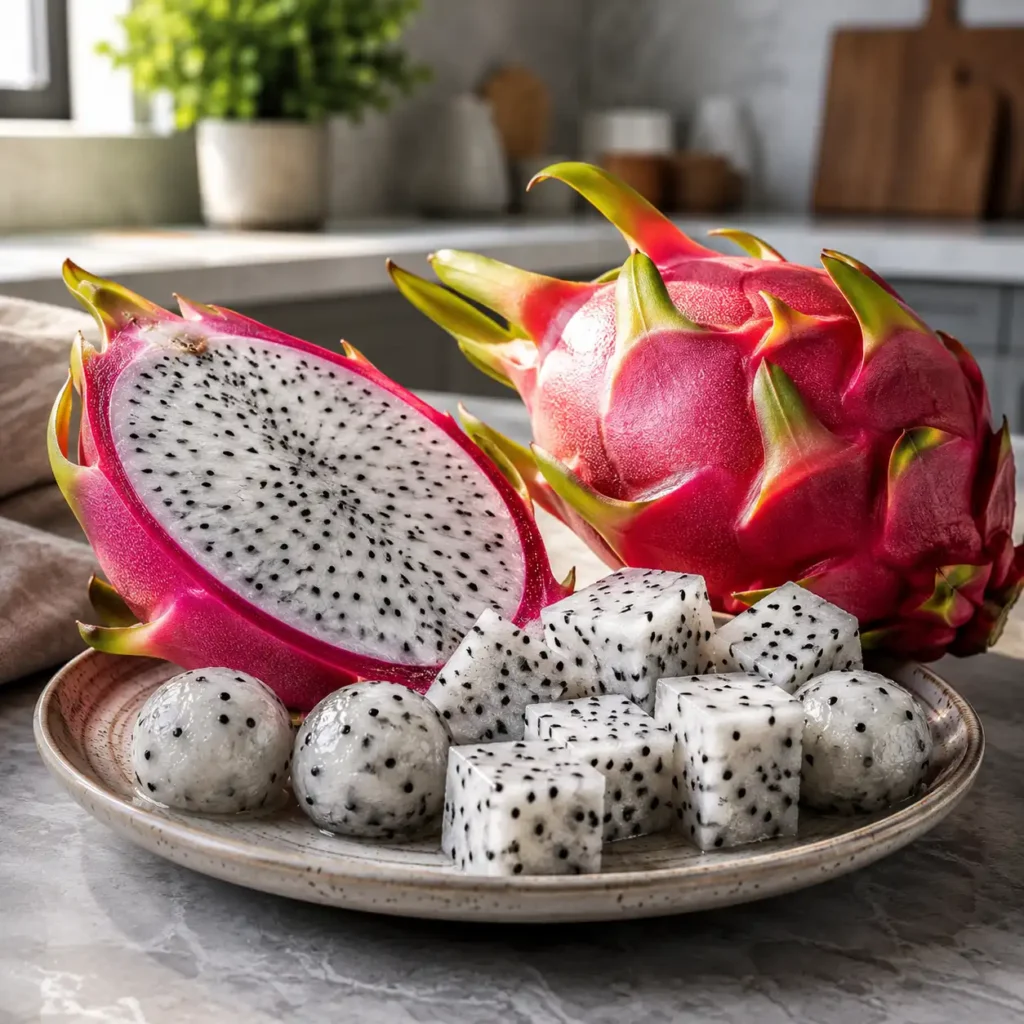
Dragon fruit, also known as pitaya, is a visually stunning tropical fruit celebrated for its vibrant pink or yellow skin and speckled flesh, typically white or red. Beyond its striking appearance, dragon fruit offers a unique, mildly sweet flavor with a texture similar to kiwi. This exotic gem is gaining popularity worldwide, not just for its aesthetic appeal but for its impressive nutritional profile and potential health benefits. Let’s look closer at this fascinating fruit and what it brings to your diet.
Table of Contents
The Origins and Varieties of Dragon Fruit
A Brief History
Dragon fruit’s origins trace back to Central and South America, where it has been enjoyed for centuries. It belongs to the cactus family, specifically the *Hylocereus* genus. Spanish colonizers are believed to have introduced the fruit to Asia in the 19th century, where it found fertile ground for cultivation and quickly became a beloved delicacy, particularly in Vietnam. Today, it is grown in many tropical and subtropical regions, including Southeast Asia, Australia, and parts of the United States.
Understanding the Different Types
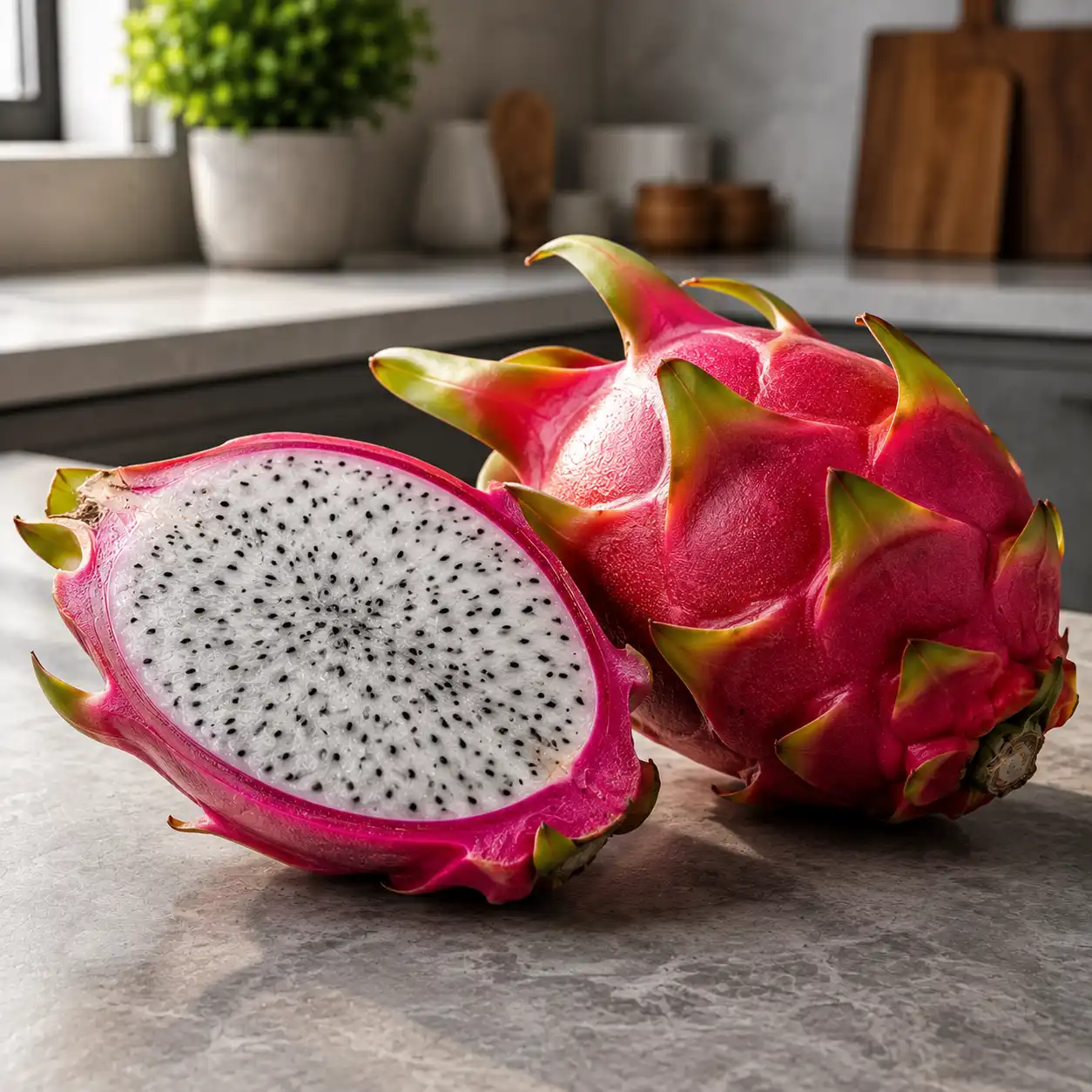
There are primarily three common varieties of dragon fruit encountered. The most prevalent is *Hylocereus undatus*, characterized by its bright pink rind and white flesh speckled with tiny black seeds. A less common, but equally delightful, variety is *Hylocereus polyrhizus*, which boasts a pink rind and red or deep magenta flesh, often with a slightly sweeter taste. The third type, *Hylocereus megalanthus*, is distinguishable by its yellow skin and white flesh, typically offering a more tart flavor profile. Each variety presents a unique sensory experience.
Print
Dragon Fruit Smoothie
A vibrant and refreshing smoothie, packed with the unique flavor and numerous health benefits of exotic dragon fruit. Blended with banana and coconut water, it’s a perfect healthy boost.
- Total Time: 5 minutes
- Yield: 2 servings 1x
Ingredients
- 1 large dragon fruit (pitaya), peeled and roughly chopped
- 1 ripe banana, peeled and roughly chopped
- 1 cup coconut water
- 1/2 cup ice cubes (optional, for thicker consistency)
Instructions
- Step 1: Prepare Fruit – Peel the dragon fruit and banana, then chop them into chunks suitable for blending.
- Step 2: Combine Ingredients – Add the chopped dragon fruit, banana, coconut water, and optional ice cubes into a high-speed blender.
- Step 3: Blend – Secure the lid and blend on high until the mixture is completely smooth and creamy. Scrape down the sides if necessary.
- Step 4: Serve – Pour the freshly blended smoothie into two glasses and serve immediately.
Notes
For a sweeter smoothie, add a drizzle of honey or agave nectar. To enhance the tropical flavor, add a squeeze of lime juice. This smoothie is best enjoyed fresh.
- Prep Time: 5 minutes
- Cook Time: 0 minutes
- Category: Beverage
- Method: Blending
- Cuisine: Tropical
- Diet: Vegan, Vegetarian, Gluten-Free
Nutrition
- Serving Size: 1 glass (approx. 300 ml)
- Calories: 180 kcal
- Sugar: 25g
- Sodium: 50mg
- Fat: 2g
- Saturated Fat: 1.5g
- Unsaturated Fat: 0.5g
- Trans Fat: 0 g
- Carbohydrates: 40g
- Fiber: 6g
- Protein: 3g
- Cholesterol: 0 mg
Keywords: dragon fruit, pitaya, smoothie, tropical, healthy, vegan, breakfast, snack


Nutritional Profile: A Powerhouse of Goodness
Vitamins and Minerals
Dragon fruit is a good source of essential vitamins and minerals, contributing to overall well-being. It contains a notable amount of Vitamin C, an antioxidant crucial for immune function and skin health. It also provides smaller amounts of B vitamins, iron, magnesium, and calcium, all playing vital roles in bodily processes, from energy production to bone strength. The presence of these nutrients makes dragon a valuable addition to a balanced diet.
Fiber Content for Digestive Health
One of the standout nutritional aspects of dragon fruit is its significant dietary fiber content. Fiber is indispensable for maintaining a healthy digestive system, promoting regularity, and supporting a feeling of fullness. Including high-fiber foods in your diet is a smart strategy for digestive wellness. For those looking to increase their fiber intake, dragon is an excellent choice. You can also find many other high-fiber foods that can contribute to your daily needs.
Antioxidants and Their Role
The vibrant colors of dragon fruit, particularly the red-fleshed varieties, are indicative of the presence of potent antioxidants. These compounds, such as betalains and flavonoids, help combat oxidative stress in the body by neutralizing harmful free radicals. This antioxidant activity is linked to a reduced risk of chronic diseases. Incorporating antioxidant-rich foods is a proactive step towards maintaining cellular health and promoting longevity.
Health Benefits of Consuming Dragon Fruit
Supporting Immune Function
The Vitamin C content in dragon fruit plays a significant role in bolstering the immune system. Vitamin C aids in the production and function of white blood cells, which are the body’s primary defense against pathogens. Regular consumption of fruit can contribute to a more robust immune response, helping you stay healthy and resilient against common illnesses.
Aiding in Weight Management
Dragon fruit’s high fiber content contributes to satiety, helping you feel fuller for longer periods. This can be instrumental in managing appetite and reducing overall calorie intake, making it a helpful fruit for those aiming for weight management. Its naturally low calorie count further supports this goal. For more insights on fruits that can assist with weight loss, consider exploring options like those mentioned in articles about the best fruit for weight loss.
Potential Anti-inflammatory Properties
Some compounds found in dragon fruit, like certain antioxidants, are thought to possess anti-inflammatory properties. Chronic inflammation is linked to a variety of health issues. While more research is needed, a diet rich in anti-inflammatory foods can be beneficial. Recipes focusing on anti-inflammatory ingredients can be a great way to incorporate these benefits into your meals, similar to exploring anti-inflammatory recipes.
Beneficial for Gut Health
The fiber in dragon fruit acts as a prebiotic, feeding the beneficial bacteria in your gut. A healthy gut microbiome is linked to improved digestion, nutrient absorption, and even impacts mood and immunity. Including dragon as part of a diet that supports gut health can contribute to overall wellness. Other foods like black beans can also be part of a fiber-rich diet that supports gut health, for example with black beans recipes.
How to Prepare and Enjoy Dragon Fruit
Simple Ways to Eat Dragon Fruit
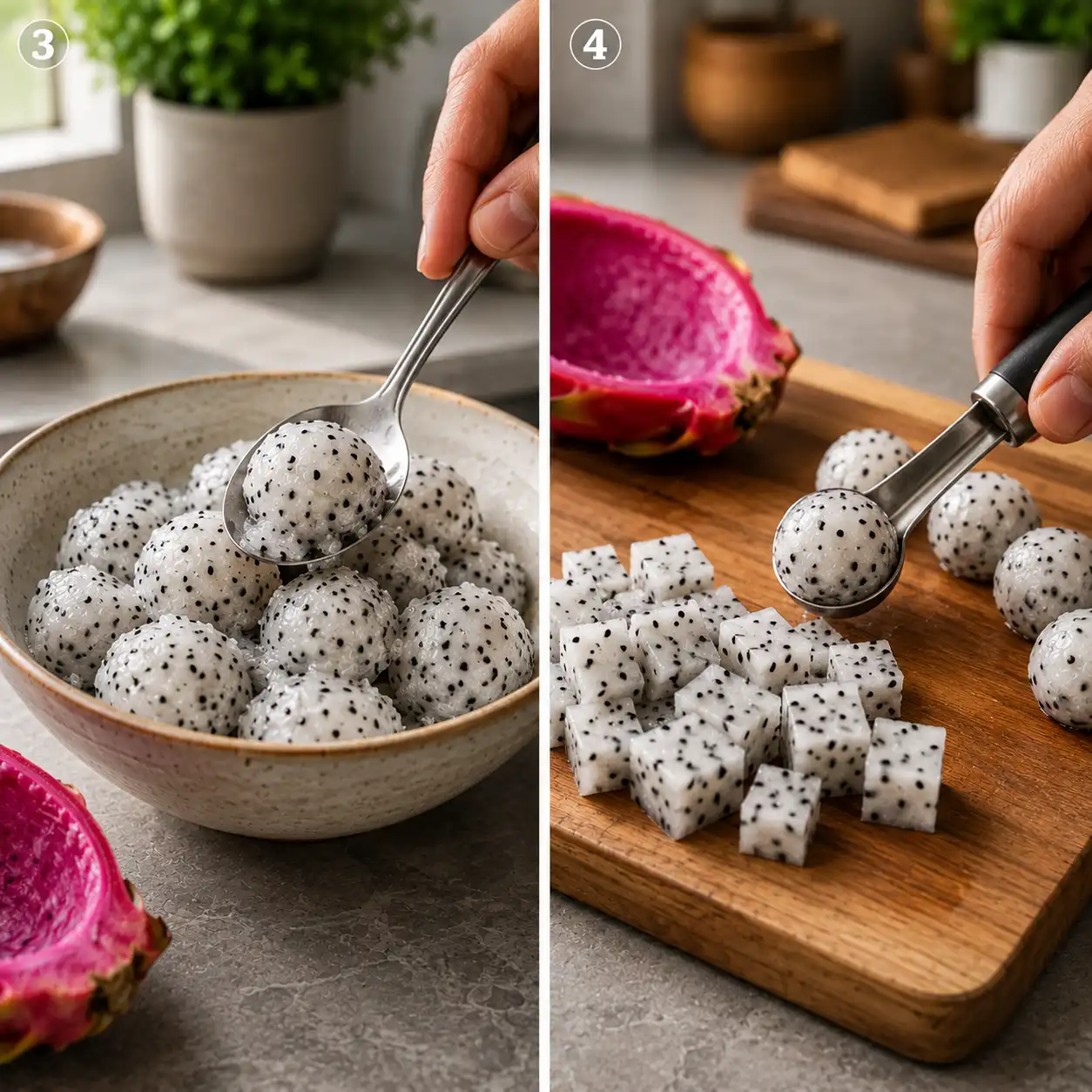
Preparing dragon fruit is remarkably straightforward. The easiest method is to slice it in half lengthwise. Then, using a spoon, scoop out the flesh directly from the rind. The seeds are edible and add a slight crunch, similar to kiwi seeds. You can also cut the flesh into cubes or balls using a melon baller.
Incorporating Dragon Fruit into Recipes
Dragon fruit’s versatility allows it to be enjoyed in numerous ways. It’s a fantastic addition to fruit salads, providing a burst of exotic color and flavor. Smoothies are another popular application; its mild taste complements other fruits and ingredients without overpowering them. Consider blending it with other fruits and liquids for a refreshing drink. A fibermaxxing smoothie recipe could be a great starting point.
Sweet and Savory Applications
While primarily used in sweet dishes, dragon fruit can also feature in savory preparations. Its refreshing taste can balance richer flavors in certain salads or light appetizers. It pairs well with ingredients like avocado, lime, and even some mild chili peppers. For protein-rich main courses, consider pairing it with lean proteins like chicken breast or incorporating it into a flavorful chicken dish recipe.
Choosing and Storing Dragon Fruit
Selecting the Best Fruit
When selecting dragon fruit, look for fruits with vibrant, evenly colored skin. For pink-skinned varieties, a bright pink hue indicates ripeness. For yellow varieties, a bright yellow color is desired. The skin should be smooth and slightly soft to the touch, but not mushy. Avoid fruits with significant bruising, soft spots, or dry, shriveled leaves. A slightly wrinkled skin can sometimes indicate sweetness, but avoid overly wilted appearances.
Proper Storage Techniques
Dragon fruit can be stored at room temperature for a few days until ripe. Once ripe, it is best to refrigerate it to prolong its freshness. Stored in the refrigerator, cut dragon should be covered tightly and consumed within a few days. Whole, uncut fruit can last for about one to two weeks in the refrigerator, though it’s best consumed sooner for optimal flavor and texture.
Dragon Fruit and Global Cuisine
Dragon Fruit in Asian Culinary Traditions
In many Asian countries, dragon fruit is a staple, often consumed fresh or used in desserts. Its visual appeal makes it a popular choice for fruit platters and garnishes. In regions like Vietnam, it’s frequently blended into juices and smoothies, celebrated for its cooling properties and delicate flavor. The cultural significance of dragon in these regions highlights its widespread appeal.
Growing Popularity in Western Markets
Dragon fruit’s exotic allure and nutritional benefits have led to its increasing availability and popularity in Western markets. Consumers are drawn to its unique appearance and health-promoting qualities. As knowledge about its advantages grows, dragon is moving from a niche fruit to a more mainstream option for those seeking to add variety and nutritional value to their diets. Wikipedia provides more context on its botanical classification and history, which can be found at Pitaya.
FAQs
What does dragon fruit taste like?
Dragon fruit has a mild, slightly sweet flavor, often compared to a blend of kiwi and pear. The red-fleshed varieties tend to be a bit sweeter than the white-fleshed ones. The texture is soft and slightly creamy, with numerous small, edible black seeds that provide a subtle crunch.
Is dragon fruit good for your health?
Yes, dragon fruit is very nutritious. It is a good source of Vitamin C, fiber, and antioxidants. These components contribute to immune support, digestive health, and potentially anti-inflammatory effects. Its low calorie count also makes it suitable for weight management.
How do you know when dragon fruit is ripe?
A ripe dragon fruit will have bright, uniformly colored skin (pink or yellow) and the flesh beneath the leaves should be slightly soft to the touch, without being mushy. Avoid fruits with significant bruising or dry, leathery skin.
Can you eat the skin of dragon fruit?
No, the skin of dragon fruit is generally not consumed. It is tough and leathery. The edible part is the flesh inside the fruit.
How many types of dragon fruit are there?
While many hybrids exist, there are three main common varieties: *Hylocereus undatus* (pink skin, white flesh), *Hylocereus polyrhizus* (pink skin, red flesh), and *Hylocereus megalanthus* (yellow skin, white flesh).
Conclusion
Dragon fruit is more than just a visually appealing fruit; it’s a nutritional powerhouse packed with vitamins, fiber, and antioxidants. Its unique flavor and versatile preparation methods make it an exciting addition to any diet. Whether enjoyed fresh, in smoothies, or as part of various culinary creations, dragon offers a delightful and healthy choice for those looking to incorporate exotic superfoods into their lives. Its growing presence in global cuisine underscores its appeal and benefits.