
Do you often feel like your energy levels are on a roller coaster? One moment you are focused and driven, and the next, a foggy cloud settles over your mind, leaving you desperate for a snack or a nap. This cycle is usually the result of sharp fluctuations in blood sugar. By adopting a daily Glucose Reset Ritual, you can stabilize these swings, reclaim your energy, and support your metabolic health without feeling deprived or overwhelmed by complex medical protocols.
Table of Contents
Understanding the Need for a Glucose Reset Ritual
The modern diet is frequently filled with hidden sugars and refined starches that cause our internal systems to work overtime. When we eat, our bodies break down carbohydrates into glucose, which enters the bloodstream. In response, the pancreas releases insulin to move that glucose into our cells. However, when we consume too many high-glycemic foods too quickly, we experience a “spike.” This spike is often followed by a “crash,” which triggers hunger, irritability, and long-term metabolic stress. A Glucose Reset Ritual focuses on flattening these curves to maintain a steady flow of fuel.
The Impact of Chronic Spikes
Living in a state of constant blood sugar swings does more than just affect your mood. Over time, frequent spikes can lead to insulin resistance, where cells stop responding effectively to insulin. This condition is a precursor to many modern health challenges, including weight gain around the midsection and persistent fatigue. By implementing a Glucose Reset Ritual, you are not just managing your weight; you are protecting your cellular health and reducing the internal inflammation that often accompanies high-glucose environments. According to the Centers for Disease Control and Prevention, keeping blood sugar levels within a target range is essential for preventing long-term health complications and improving daily vitality.
Realigning Your Internal Clock
Your body follows a circadian rhythm that dictates how it processes nutrients. In the morning, you might be more sensitive to insulin, but as the day progresses, your body’s ability to handle large glucose loads may change. A Glucose Reset Ritual takes these natural timings into account. It encourages eating patterns that work with your biology rather than against it. This means choosing specific foods at specific times to make sure your body uses energy efficiently instead of storing it as fat.
Print
The Glucose Reset Savory Breakfast Bowl
A metabolic-friendly breakfast designed to stabilize blood sugar levels, provide sustained energy, and prevent the mid-morning foggy cloud mentioned in the ritual.
- Total Time: 20 minutes
- Yield: 1 serving 1x
Ingredients
- 2 large pasture-raised eggs
- 1 cup fresh organic baby spinach
- 1/2 medium ripe avocado
- 1/4 cup cooked pearl quinoa
- 1 tablespoon raw apple cider vinegar
- 8 ounces filtered water
- 1/2 cup sliced English cucumber
- 1 tablespoon extra virgin olive oil
- 1 teaspoon hemp hearts
- 1/4 teaspoon sea salt
- 1/4 teaspoon cracked black pepper
Instructions
- Step 1: Drink Vinegar – Stir the apple cider vinegar into 8 ounces of water and drink 10 minutes before the meal to prime your glucose response.
- Step 2: Sauté Greens – Heat olive oil in a pan over medium heat and lightly sauté spinach until just wilted.
- Step 3: Poach Eggs – Bring a small pot of water to a simmer and poach eggs for 3-4 minutes until whites are set but yolks remain runny.
- Step 4: Base Layer – Place the cooked quinoa and sautéed spinach at the bottom of a serving bowl.
- Step 5: Add Toppings – Arrange the sliced cucumber and avocado halves over the base.
- Step 6: Plate Eggs – Carefully place the poached eggs on top of the avocado.
- Step 7: Season Ritual – Sprinkle the entire bowl with hemp hearts, sea salt, and black pepper before serving.
Notes
Always consume the vinegar drink first, followed by the fiber (spinach/cucumber), then fats/protein (eggs/avocado), and finally the complex carbs (quinoa) to maximize the glucose-flattening effect.
- Prep Time: 10 minutes
- Cook Time: 10 minutes
- Category: Breakfast
- Method: Sautéing and Poaching
- Cuisine: Healthy American
- Diet: Gluten-Free, Vegetarian
Nutrition
- Serving Size: 1 bowl
- Calories: 385 kcal
- Sugar: 2.5 g
- Sodium: 420 mg
- Fat: 28 g
- Saturated Fat: 6 g
- Unsaturated Fat: 22 g
- Trans Fat: 0.01 g
- Carbohydrates: 19 g
- Fiber: 10 g
- Protein: 18 g
- Cholesterol: 372 mg
Keywords: Glucose Reset, Metabolic Health, Low Glycemic, Savory Breakfast, Blood Sugar Stability
Core Pillars of the Glucose Reset Ritual
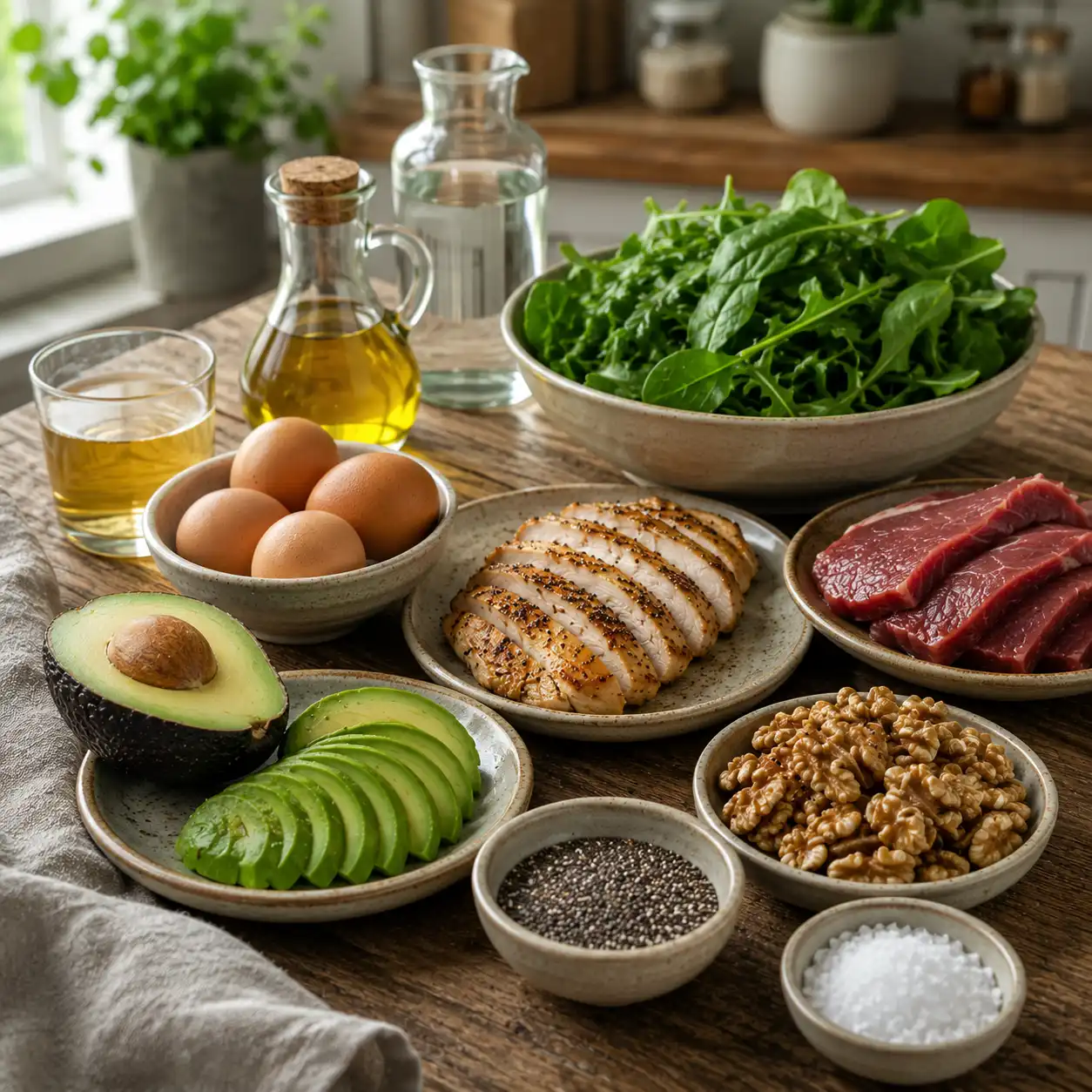
To successfully implement a Glucose Reset Ritual, you must look at the order in which you eat your food. Science suggests that the sequence of nutrients entering your stomach significantly changes the glucose response. If you eat fiber first, followed by protein and fats, and save starches for the end of the meal, you create a “mesh” in your digestive system. This mesh slows down the absorption of sugars, preventing the sharp rise that usually follows a high-carb meal. This simple shift is a cornerstone of metabolic balance.
Starting with Fiber and Protein
Fiber acts as a protective shield for your gut. When you start a meal with a green salad or steamed vegetables, the fiber coats the small intestine, slowing the transit of glucose into the blood. Following fiber with protein such as chicken, beef, or eggs further stabilizes the digestive process. Starting the morning with fiber-rich seeds can slow digestion. If you want a specific breakfast idea, the dr william li diabetes chia seed recipe provides a perfect foundation for a stable day, helping you avoid the mid-morning slump that many experience after eating sugary cereals.
The Role of Healthy Fats
Healthy fats are another essential component of the Glucose Reset Ritual. Fats from avocados, olive oil, and nuts do not cause a glucose spike. Instead, they provide long-lasting satiety and help slow down gastric emptying. When your stomach empties more slowly, the glucose from your meal enters your system at a manageable pace. This prevents the “emergency” insulin response that leads to fat storage. Including a source of fat in every meal is a practical way to keep your appetite in check and your brain sharp.
Morning Habits for Long-Term Balance
The way you start your day sets the tone for your blood sugar levels for the next 24 hours. A Glucose Reset Ritual often begins with a savory breakfast rather than a sweet one. While many people reach for muffins, pancakes, or sweetened yogurts, these items cause a massive spike early in the day. This spike often leads to a “cravings loop” where you seek out sugar every few hours just to keep your energy up. Choosing savory proteins and greens for your first meal helps you break this cycle permanently.
Hydration and Natural Additions
Before reaching for coffee, start your day with a large glass of water. Some people find that specific natural ingredients help manage their numbers. Using a natural honey blend to lower blood sugar might sound counterintuitive, but the right ratio of ingredients can support metabolic health. Adding a splash of apple cider vinegar to your water before a meal can also improve insulin sensitivity by helping your muscles absorb glucose more effectively. This simple ritual is an easy way to prime your body for the food to come.
Avoiding the “Naked” Carb
In a Glucose Reset Ritual, we try to avoid “naked” carbohydrates. A naked carb is a starch or sugar eaten by itself, such as a piece of fruit on an empty stomach or a slice of toast with nothing on it. When carbs are eaten alone, they hit the bloodstream almost instantly. To prevent this, always “clothe” your carbs. If you want an apple, pair it with some almond butter or a piece of cheese. If you are having rice, make sure it is served alongside a generous portion of protein and vegetables. This layering is key to maintaining steady energy levels.
The Power of Movement and Muscle
Movement is a vital part of the Glucose Reset Ritual, particularly in the hour following a meal. When you eat, your blood sugar rises. Your muscles are the largest consumers of glucose in your body. By engaging your muscles shortly after eating, you give that glucose a place to go. You don’t need an intense gym session; a simple ten-minute walk or a few air squats can make a significant difference in your post-meal glucose peak. This practice turns your muscles into a “glucose sponge.”
Walking After Meals
A gentle stroll after lunch or dinner is one of the most effective habits you can adopt. Research published by the National Institutes of Health indicates that light activity after eating significantly lowers postprandial (after-meal) glucose levels. This prevents the excess sugar from lingering in your blood, where it can cause oxidative stress. This part of the Glucose Reset Ritual is especially important for those who spend most of their day sitting at a desk, as it provides a necessary break for both the body and the mind.
Resistance Training and Insulin Sensitivity
While walking is excellent for immediate glucose disposal, building lean muscle through resistance training improves your long-term insulin sensitivity. Muscles that are used regularly are much better at processing sugar even when you are at rest. Incorporating a few sessions of strength training each week complements your daily Glucose Reset Ritual by making your body more resilient to occasional higher-carb meals. It creates a metabolic “buffer” that allows for more flexibility in your lifestyle.
The Connection Between Sleep and Blood Sugar
A true Glucose Reset Ritual extends into the night. Sleep deprivation is a major driver of blood sugar issues. When you don’t get enough rest, your body produces more cortisol, the stress hormone. Cortisol signals the liver to release stored glucose into the blood to give you energy to handle the “stress” of being tired. This means you can wake up with high blood sugar even if you didn’t eat anything sweet the night before. Prioritizing 7-9 hours of quality sleep is a non-negotiable part of metabolic health.
Evening Cravings and Gut Health
Metabolic health is often tied to satiety and gut health. Many have found success using a gelatin trick recipe for weight loss as part of their evening wind-down to curb late-night cravings. Gelatin is rich in glycine, an amino acid that can improve sleep quality and support the lining of the gut. A healthy gut is essential for a balanced Glucose Reset Ritual, as the gut microbiome plays a significant role in how we respond to different types of carbohydrates. When the gut is calm and the body is rested, you are much less likely to reach for sugary snacks during the day.
Managing Stress for Metabolic Success
Stress management is often the missing piece of the blood sugar puzzle. High stress levels keep your body in a “fight or flight” mode, which keeps glucose levels elevated. Finding ways to lower your stress, whether through meditation, deep breathing, or spending time in nature, is a practical part of the Glucose Reset Ritual. When your nervous system is regulated, your hormones including insulin can function as intended, making it much easier to maintain a healthy weight and stable mood.
Food Quality and Safety in Your Ritual
The quality of the ingredients you choose is just as important as the order in which you eat them. Processed foods often contain hidden sugars, unhealthy oils, and additives that can interfere with your metabolic goals. Part of a Glucose Reset Ritual is becoming an informed consumer. This means reading labels and staying aware of any issues in the food supply chain that might affect the items you rely on for your health.
Checking Labels and Recalls
When selecting ingredients for your meals, stay informed about food safety. Recent news like the cream cheese recall highlights why checking your labels and sources is vital for maintaining a clean diet. Using fresh, whole ingredients is the best way to avoid the hidden gums and thickeners that sometimes appear in processed dairy and spreads. By focusing on whole foods like fresh vegetables, organic meats, and natural fats, you reduce the risk of consuming substances that could trigger an inflammatory response or disrupt your blood sugar.
The Importance of Whole Foods
A Glucose Reset Ritual thrives on simplicity. The more a food is processed, the faster it usually turns into sugar in your body. For example, a whole orange contains fiber that slows down the fruit’s natural sugars, while orange juice provides a sudden rush of sugar without the fiber. By choosing whole, intact foods, you are letting nature do the work of regulating your glucose for you. This approach makes your ritual sustainable and enjoyable, as you focus on what to add to your plate rather than just what to take away.
Comparing Meal Choices for Glucose Stability
Understanding which foods support your ritual and which ones hinder it can be simplified by looking at common meal pairings. The goal is to move away from high-glycemic combinations and toward those that provide sustained energy.
| Meal Category | High-Spike Choice | Glucose Reset Ritual Choice |
|---|---|---|
| Breakfast | Bagel with fruit jam | Omelet with spinach and avocado |
| Lunch | Pasta with tomato sauce | Grilled chicken with large salad and vinaigrette |
| Snack | Rice cakes or pretzels | Handful of walnuts or a hard-boiled egg |
| Dinner | Pizza with extra crust | Steak or salmon with roasted broccoli and small side of sweet potato |
| Beverage | Sweetened iced tea | Sparkling water with a squeeze of lime |
Step-by-Step Guide to the Glucose Reset Ritual
Ready to start your own journey? Follow these sequential steps to implement the ritual into your daily life. Consistency is more important than perfection, so focus on getting these steps right most of the time.
- Step 1: Morning Hydration – Start your day with 16 ounces of water and a tablespoon of apple cider vinegar to prime your insulin sensitivity.
- Step 2: Savory First Meal – Choose a breakfast high in protein and healthy fats, avoiding all added sugars and refined flours.
- Step 3: Meal Sequencing – At lunch and dinner, always eat your vegetables first, followed by protein and fats, and save starches for the very end.
- Step 4: Post-Meal Movement – Engage in ten minutes of light activity, like a brisk walk, within 60 to 90 minutes after your largest meal.
- Step 5: Smart Snacking – If you feel hungry between meals, choose a snack that combines fiber and protein to avoid an afternoon energy crash.
- Step 6: Evening Wind-Down – Stop eating at least two to three hours before bed to allow your insulin levels to drop and promote restorative sleep.



Long-Term Benefits of a Stabilized System
When you commit to a Glucose Reset Ritual, the benefits go far beyond just a number on a scale. Many people report improved mental clarity, as the brain is very sensitive to glucose fluctuations. When your blood sugar is stable, you no longer experience the “brain fog” that makes it hard to focus on complex tasks. Furthermore, your skin often clears up, and your hormonal balance improves, leading to more predictable energy and a better overall sense of well-being.
Building Metabolic Flexibility
The ultimate goal of this ritual is metabolic flexibility. This is the body’s ability to switch efficiently between burning glucose and burning stored fat for fuel. A person with high metabolic flexibility can enjoy a treat at a birthday party without feeling terrible the next day, because their system is robust and efficient. By following a Glucose Reset Ritual, you are training your body to be more adaptable and resilient, which is the hallmark of true health.
Sustainable Lifestyle Changes
Unlike restrictive diets that are hard to maintain, the Glucose Reset Ritual is about adding habits that make you feel better. It is a set of principles that can be applied whether you are eating at home, at a restaurant, or on vacation. By focusing on the order of foods and the timing of movement, you gain a sense of control over your physiology. This empowerment is what makes the ritual a lifelong practice rather than a temporary fix.
FAQs
Do I have to give up carbs completely?
No, the Glucose Reset Ritual is not a zero-carb diet. It is about “flattening the curve.” By eating fiber and protein first, you can still enjoy carbohydrates in moderation without the harmful spikes
How long does it take to see results?
Many people notice a difference in their energy levels and cravings within just three to five days of consistent practice. Long-term metabolic changes usually take a few weeks to become apparent.
Can I drink coffee on this ritual?
Yes, but it is best to drink it with or after a meal rather than on an empty stomach. Also, avoid adding sugary syrups or creamers that would cause a glucose spike.
What if I miss a walk after a meal?
Don’t worry. Simply get back to the habit with your next meal. The ritual is about the cumulative effect of these small choices over time.
Is this safe for everyone?
While these are general healthy living principles, anyone with a medical condition like Type 1 or Type 2 diabetes should consult with their healthcare provider before making significant changes to their routine.
Conclusion
The Glucose Reset Ritual is a powerful tool for anyone looking to stabilize their energy, improve their mood, and protect their long-term health. By focusing on the order of your food, incorporating light movement, and prioritizing sleep, you can transform your relationship with food and your body. This approach does not require perfection; it requires a commitment to small, meaningful changes that support your natural biology. Start today by changing the order of your next meal, and feel the difference that a stable blood sugar level can make in your daily life.
Disclaimer
The content provided on this website is for general informational and educational purposes only. It is not intended to replace professional medical advice, diagnosis, or treatment. I am not a licensed healthcare provider or certified nutrition expert.
Always seek guidance from a qualified medical professional before making any changes to your diet, especially if you have underlying health conditions, allergies, or specific dietary needs. Individual results may vary, and your health and safety should always come first.