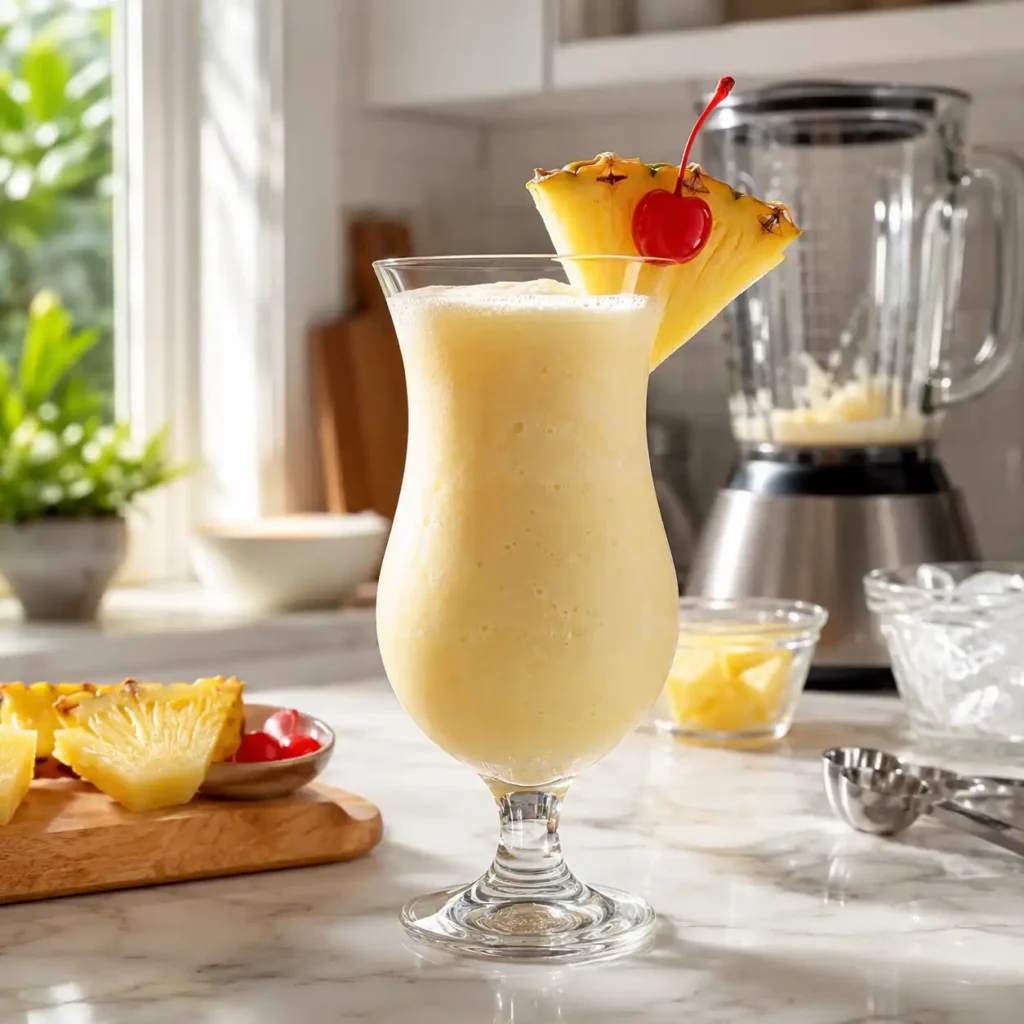
The pina colada mocktail stands as a timeless symbol of tropical relaxation, offering a creamy, refreshing escape without the need for any added substances. This drink combines the tart sweetness of ripe pineapple with the rich, velvety texture of coconut cream to create a balanced sensory experience. Whether you are hosting a summer gathering or simply seeking a midday retreat, mastering this alcohol-free classic allows you to provide a sophisticated beverage that everyone can enjoy. This guide provides the expert techniques and ingredient secrets required to make an exceptional version at home.
Table of Contents
The Rich History and Cultural Origins of the Pina Colada Mocktail
The roots of this iconic beverage stretch back to the mid-20th century in San Juan, Puerto Rico. While multiple bartenders claim to have invented the original mixture, the goal was always the same: to capture the essence of the island in a single glass. The pina colada mocktail follows this tradition by focusing on the purity of the tropical fruits available in the Caribbean. Traditionally, the name translates to “strained pineapple,” highlighting the importance of using smooth, high-quality juice as the foundation for the drink.
As global tastes shifted toward more inclusive social options, the pina colada mocktail gained significant popularity. It represents a move away from heavy, sugar-laden sodas toward more thoughtful, ingredient-focused beverages. The origin story of the drink is a point of pride for Puerto Rico, which is documented by Puerto Rico’s official tourism site. Understanding this history helps us appreciate why specific ratios of coconut to pineapple are so vital for achieving the authentic flavor profile that drinkers expect from a professional-grade preparation.
Print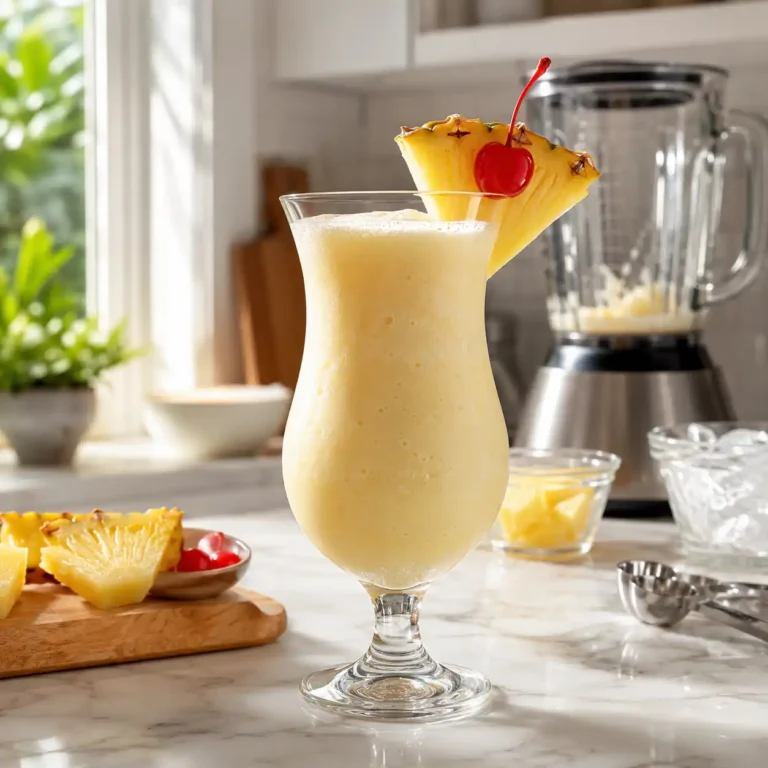
Mastering the Art of the Perfect Pina Colada Mocktail
A creamy, refreshing, and sophisticated alcohol-free tropical beverage that balances tart pineapple juice with rich, velvety coconut cream for a professional-grade experience.
- Total Time: 6 minutes
- Yield: 1 serving 1x
Ingredients
- 6 oz high-quality chilled pineapple juice
- 3 oz sweetened cream of coconut
- 1/2 oz fresh lime juice
- 1.5 cups crushed ice
- Fresh pineapple wedge for garnish
- Maraschino cherry for garnish
Instructions
- Step 1: Chill Glassware – Place a hurricane glass in the freezer for 10 minutes to ensure the drink stays frosty.
- Step 2: Measure Liquids – Add the chilled pineapple juice, cream of coconut, and fresh lime juice into a blender canister.
- Step 3: Add Ice – Incorporate 1.5 cups of crushed ice to the blender to achieve the traditional frozen texture.
- Step 4: Blend Mixture – Process on high speed for 30-45 seconds until the consistency is velvety smooth and frothy.
- Step 5: Check Consistency – Ensure no large ice chunks remain; the mixture should be thick enough to hold a straw upright.
- Step 6: Pour and Serve – Transfer the blended mocktail into the chilled glass immediately to prevent separation.
- Step 7: Final Garnish – Slice a small notch in a pineapple wedge and place it on the rim with a maraschino cherry.
Notes
Always use ‘cream of coconut’ (like Coco Lopez) rather than ‘coconut milk’ to achieve the specific rich texture and sweetness described in the expert guide.
- Prep Time: 5 minutes
- Cook Time: 1 minute
- Category: Beverage
- Method: Blending
- Cuisine: Puerto Rican
- Diet: Vegan
Nutrition
- Serving Size: 12 oz
- Calories: 315 kcal
- Sugar: 36g
- Sodium: 25mg
- Fat: 18g
- Saturated Fat: 16g
- Unsaturated Fat: 2g
- Trans Fat: 0.1g
- Carbohydrates: 42g
- Fiber: 1g
- Protein: 2g
- Cholesterol: 1mg
Keywords: Pina Colada, Mocktail, Alcohol-free, Tropical Drink, Pineapple, Coconut Cream
Key Ingredients for a High-Quality Pina Colada Mocktail
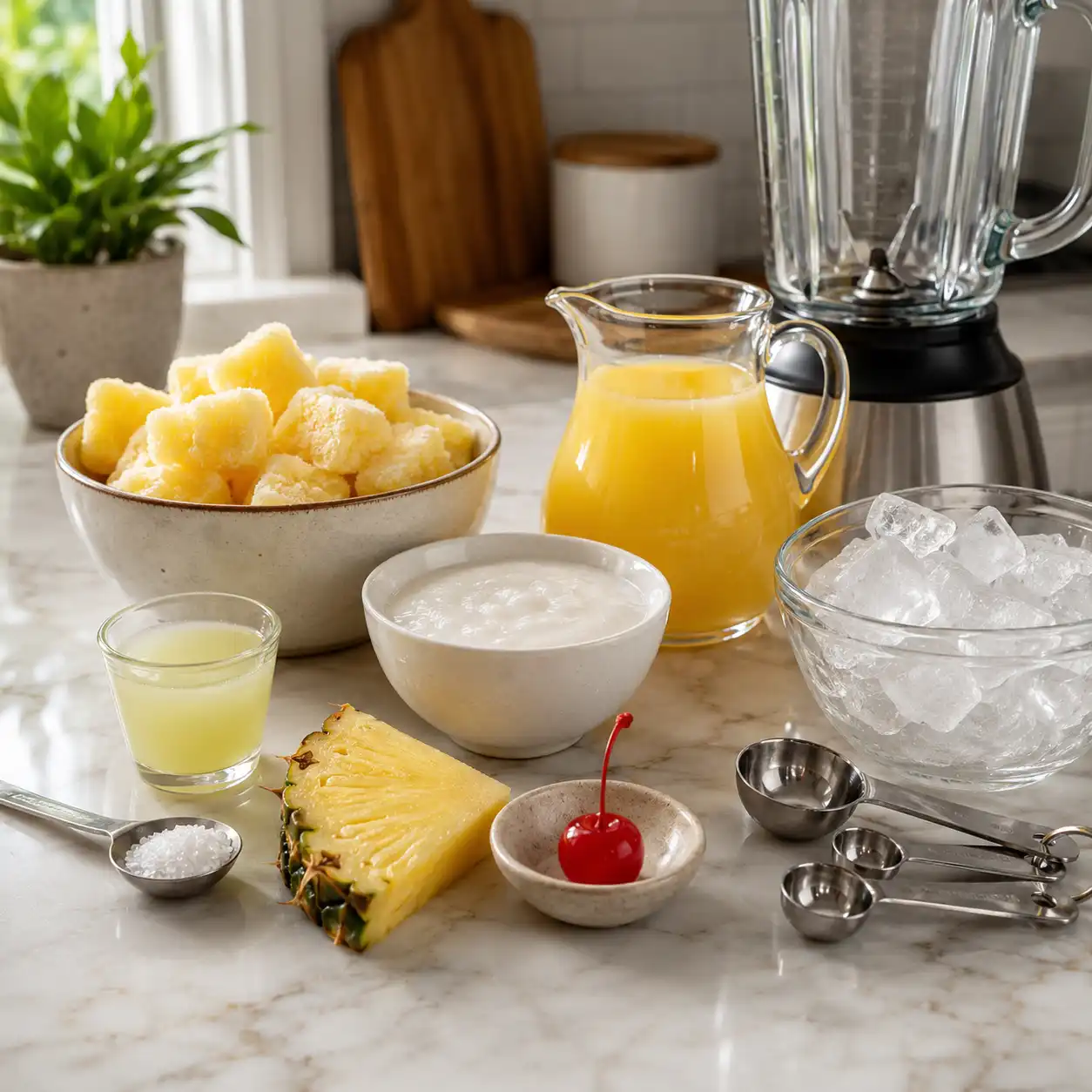
The quality of your pina colada mocktail depends entirely on the components you select. Expert preparers avoid thin, watery substitutes and instead look for thick cream of coconut. This is different from standard coconut milk; cream of coconut is sweetened and has a much higher fat content, which provides the signature mouthfeel. Using a high-grade pineapple juice preferably one that is not from concentrate guarantees that the acidity levels are bright enough to cut through the richness of the coconut. Freshly squeezed juice is even better if you have the equipment to prepare it.
In addition to the two main pillars, a splash of fresh lime juice can make a significant difference. The lime acts as a balancing agent, preventing the drink from becoming overly cloying. Some experts also add a pinch of sea salt to help the natural flavors stand out more clearly. If you are looking for more functional tropical drink options like the pineapple ginger anti-inflammatory drink provide similar refreshment while focusing on specific wellness goals. For the pina colada mocktail, the focus remains on the creamy harmony of coconut and fruit.
The Science of Texture: Shaken vs. Frozen
When preparing a pina colada mocktail, you must decide between a shaken or a frozen consistency. A shaken version is lighter and focuses on a clean, crisp finish. It is prepared in a cocktail shaker with large ice cubes to chill the liquid rapidly without adding too much water. This method is preferred when you want the subtle nuances of the coconut to be the star. The friction of the shaking process creates a frothy top layer that adds a beautiful visual element when poured into a chilled glass.
The frozen pina colada mocktail is perhaps the most famous variation, resembling a thick, luxurious smoothie. This version requires a high-powered blender to pulverize the ice into a snow-like consistency. The key to a great frozen mocktail is the ratio of ice to liquid. Too much ice makes the drink flavorless and hard to sip, while too little ice results in a soupy mess. Achieving the perfect “slush” requires adding ice gradually until the vortex in the blender disappears, signaling a thick, uniform blend that will hold its shape even under the hot sun.
Health Benefits of Tropical Ingredients
Beyond its delicious taste, the pina colada mocktail offers several nutritional advantages when prepared with natural ingredients. Pineapple is a significant source of Vitamin C and manganese, which support immune function and bone health. It also contains bromelain, a unique enzyme that helps the body break down proteins and may reduce inflammation in the gut. Pineapple contains bromelain, an enzyme that aids digestion, as discussed in this detailed study on pineapple nutrition.
Coconut cream, while calorie-dense, provides medium-chain triglycerides (MCTs) that the body can use for a quick source of energy. These healthy fats help you feel satisfied longer, making the pina colada mocktail a more substantial snack than simple fruit juices. When you choose to make your drink at home, you have full control over the sugar content, allowing you to prioritize the natural sweetness of the fruit over processed additives. This mindful approach to ingredients turns a simple treat into a more wholesome part of your day.
Step-by-Step Guide: How to Make a Professional Pina Colada Mocktail
To create a restaurant-quality beverage, follow these precise steps. This method focuses on the frozen version, which is the most requested style for tropical gatherings.
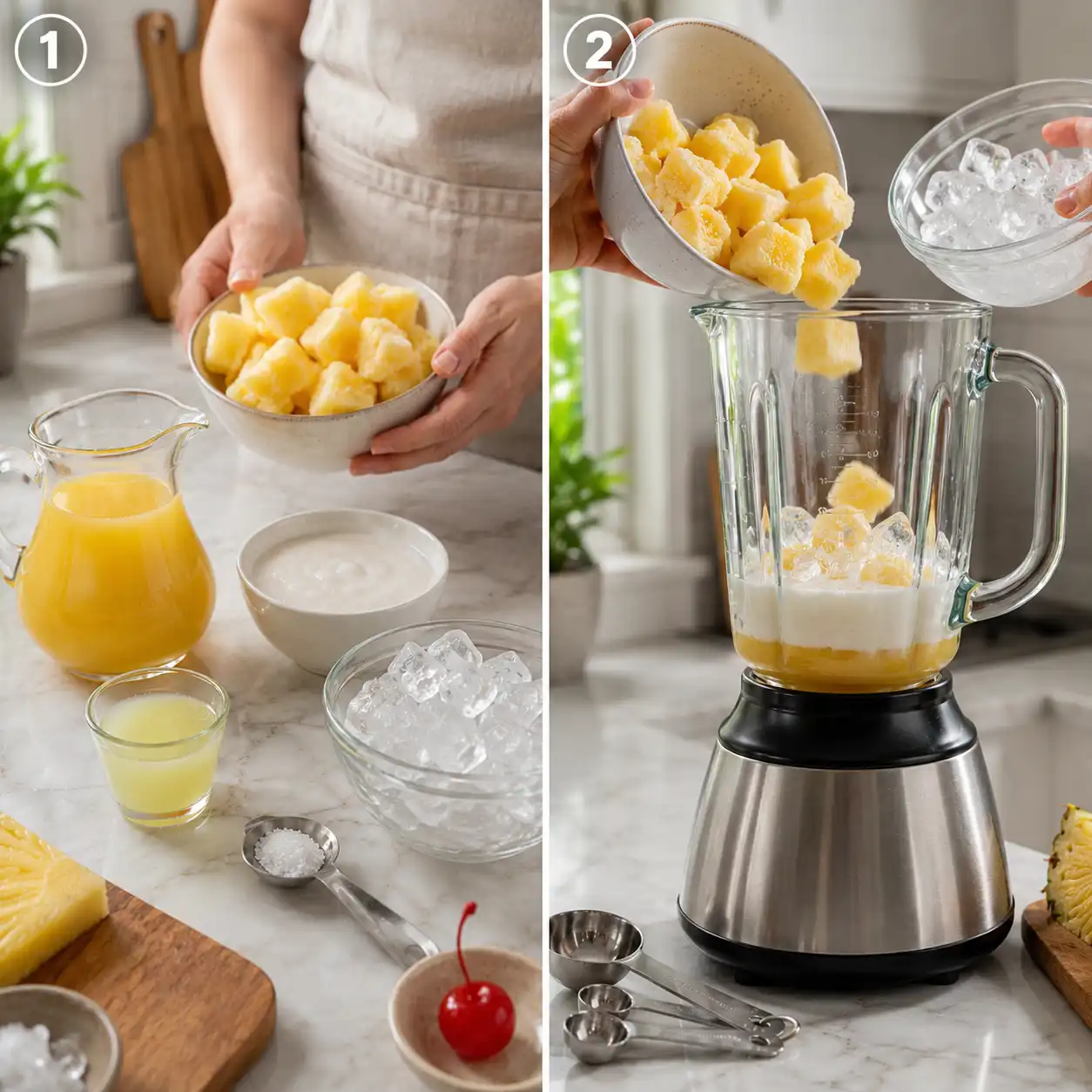
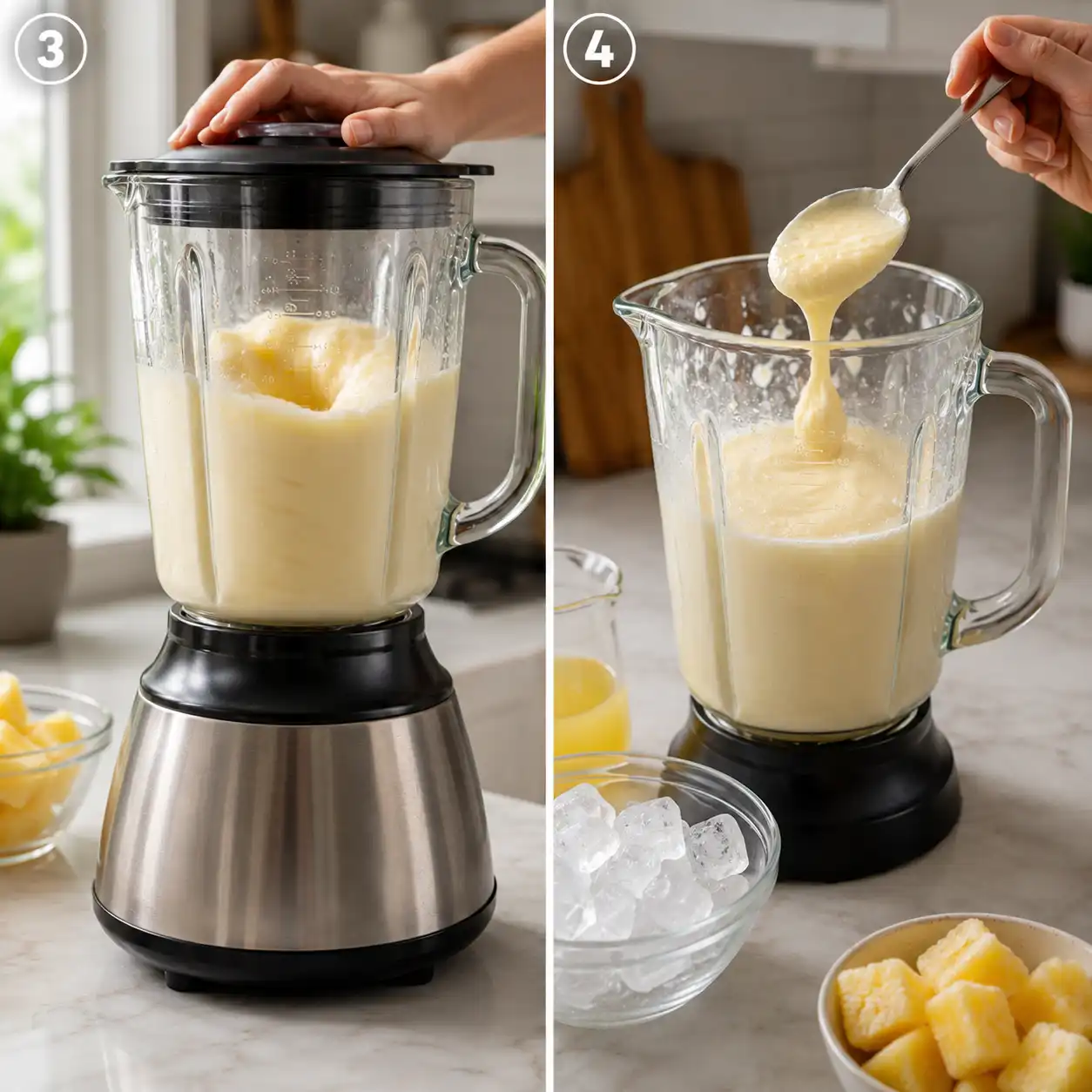
- Step 1: Prep Ingredients – Measure out 1 cup of frozen pineapple chunks, 1/2 cup of high-quality pineapple juice, and 1/4 cup of cream of coconut.
- Step 2: Combine in Blender – Place the pineapple juice and cream of coconut into the blender jar first, followed by the frozen fruit and a handful of fresh ice cubes.
- Step 3: Blend to Smoothness – Start the blender on a low speed to break up the large chunks, then increase to high speed for 30 to 45 seconds until the mixture is completely smooth.
- Step 4: Check Consistency – If the mixture is too thin, add more ice; if it is too thick to pour, add a tablespoon of pineapple juice and pulse briefly.
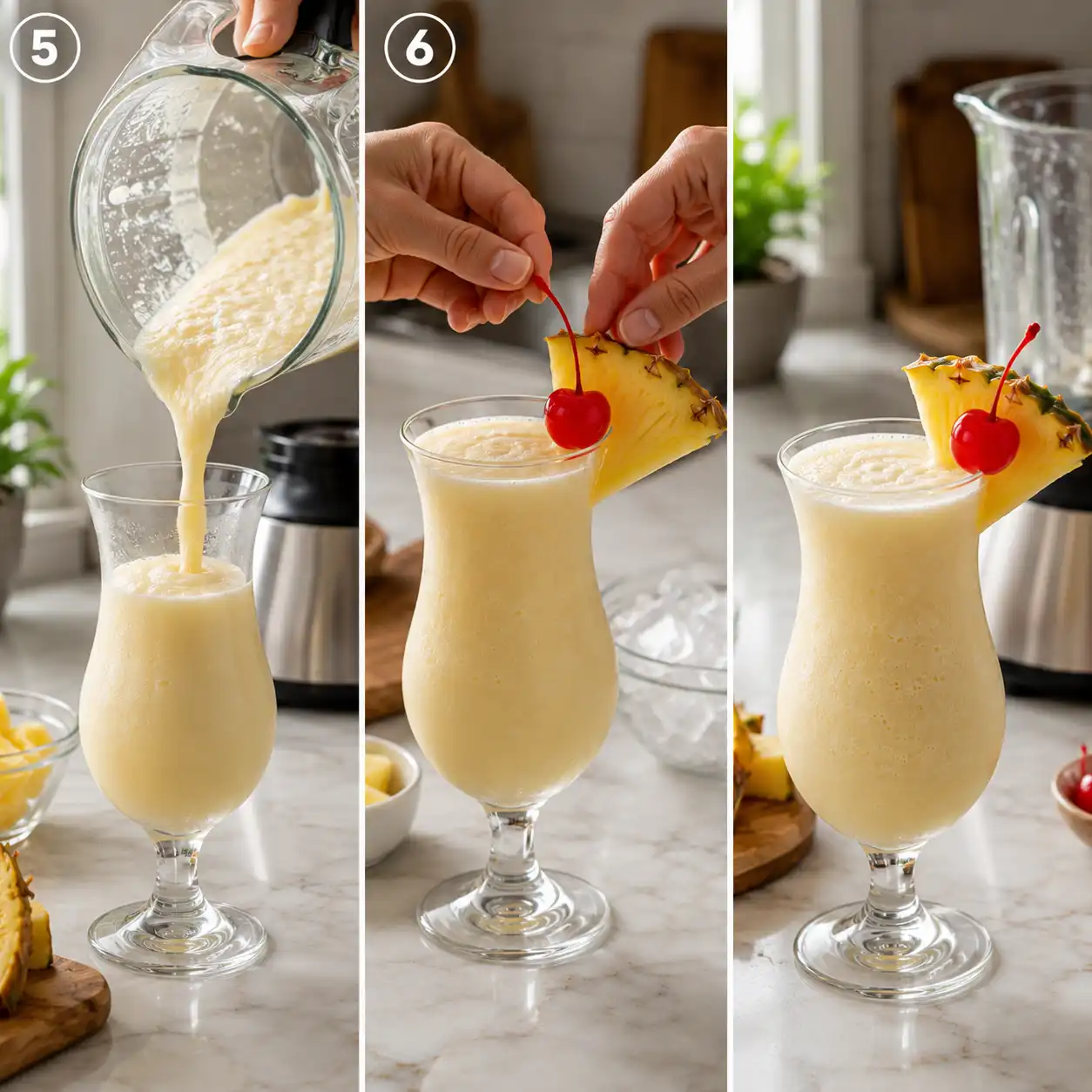
- Step 5: Pour and Serve – Transfer the mixture into a tall hurricane glass, pouring slowly to maintain the frothy texture.
- Step 6: Garnish Properly – Add a fresh pineapple wedge and a maraschino cherry to the rim to provide the classic aesthetic.
Creative Flavor Variations for Modern Palates
While the classic recipe is hard to beat, you can modify your pina colada mocktail to suit different tastes. Some people enjoy a “Lava Flow,” which involves swirling a strawberry puree into the bottom of the glass before pouring the coconut mixture. This creates a striking red and white visual effect. Others might add a touch of vanilla extract to the blender to emphasize the creaminess of the coconut. These small adjustments allow you to offer a variety of options to guests who might want something beyond the traditional flavor profile.
For those who enjoy experimenting with different non-alcoholic bases, fruit lovers might also appreciate a strawberry mojito recipe for a different flavor profile that still feels celebratory. You can even combine elements of both drinks by adding mint leaves to your blender for a refreshing “Pina Mojito” hybrid. The versatility of the pina colada mocktail makes it an excellent canvas for seasonal fruits like mango, passionfruit, or even a hint of ginger for a spicy kick.
Expert Tips for Perfect Presentation
A pina colada mocktail should look as good as it tastes. The choice of glassware is the first step in a great presentation. A hurricane glass, with its distinctive curved shape, is the traditional choice, but a large wine glass or a tall highball glass can also work well. Before pouring, you can chill the glass in the freezer for ten minutes to ensure the drink stays cold for as long as possible. This is especially important for frozen versions that might melt quickly in warm weather.
The garnish is the final touch that signals quality. Use a sharp knife to cut uniform triangles of fresh pineapple, keeping the green skin on for a pop of color. A high-quality maraschino cherry one preserved in real juice rather than artificial syrup adds a touch of luxury. If you want to go the extra mile, toasted coconut flakes sprinkled on top of the drink provide a delightful crunch and a deeper coconut aroma. These small details transform a simple pina colada mocktail into a professional-level experience.
Pairing Your Mocktail with Savory Dishes
The creamy and sweet nature of the pina colada mocktail makes it a surprisingly good partner for savory, spicy, or salty foods. The coconut helps to coat the palate, which tempers the heat of spicy peppers, while the acidity of the pineapple cuts through the richness of fried foods. It is a staple pairing for Caribbean and Latin American cuisines where bold spices are common. When serving appetizers at a party, consider how the tropical flavors will interact with your menu items.
Savory seafood dishes like argentinian shrimp pair wonderfully with creamy coconut flavors, creating a meal that feels like a vacation. The sweetness of the drink also complements grilled chicken or vegetable skewers seasoned with jerk spices. Avoid pairing it with very heavy cream sauces or buttery pastas, as the combined richness can become overwhelming. Instead, stick to fresh, vibrant foods that mirror the brightness of the pineapple.
Ingredient Substitution Table
If you do not have the exact ingredients on hand, you can use this table to find suitable alternatives that maintain the integrity of your pina colada mocktail.
| Original Ingredient | Substitute Option | Impact on Flavor/Texture |
|---|---|---|
| Cream of Coconut | Full-fat Coconut Milk + Agave | Less sweet, thinner consistency |
| Frozen Pineapple | Fresh Pineapple + Extra Ice | Fresher taste, may require more blending |
| Pineapple Juice | Orange Juice or Mango Nectar | Changes the primary fruit profile significantly |
| Lime Juice | Lemon Juice | Slightly different acidity, still provides balance |
Managing Sweetness and Natural Alternatives
Many people find commercial pina colada mocktail mixes to be far too sugary. By making your own, you can manage the sweetness level to your preference. If the pineapple juice is already very sweet, you might reduce the amount of cream of coconut or swap it for unsweetened coconut cream. For those watching their sugar intake, using a natural honey blend to lower blood sugar can serve as a healthier sweetener that adds a complex floral note to the drink without the spike associated with white sugar.
Another way to control sweetness is to use more ice or even a splash of sparkling water. A “Pina Colada Spritz” is made by mixing the coconut and pineapple base with club soda, resulting in a lighter, effervescent version of the drink. This is particularly refreshing on exceptionally hot days when a thick, heavy drink might feel like too much. Always taste your mixture before pouring it into the glass; you can easily adjust the balance by adding more lime for tartness or more coconut for richness.
Common Mistakes to Avoid
One of the most frequent errors when making a pina colada mocktail is using canned pineapple with heavy syrup. The syrup adds a metallic taste and an artificial sweetness that masks the delicate coconut. Always choose pineapple in its own juice or use fresh fruit. Another mistake is over-blending the ice. If you blend for too long, the friction of the blades generates heat, which begins to melt the ice, leading to a watery drink. Aim for the shortest blend time possible to achieve a smooth texture.
Finally, do not overlook the importance of the cream of coconut brand. Some brands contain high amounts of stabilizers and gums that can leave a waxy film on the roof of the mouth. Look for brands with minimal ingredients primarily coconut, sugar, and water. If your cream of coconut has separated in the can, make sure to whisk it thoroughly before measuring it out for your pina colada mocktail. This ensures that every sip has the same ratio of fat to sugar, guaranteeing a consistent experience from start to finish.
FAQs
What is the difference between coconut milk and cream of coconut?
Coconut milk is a liquid made from simmering coconut meat with water, used mostly in cooking. Cream of coconut is a much thicker, heavily sweetened product specifically designed for beverages. For a pina colada mocktail, cream of coconut is necessary to get the right thickness and sweetness.
Can I make a pina colada mocktail without a blender?
Yes, you can make a “shaken” version. Combine pineapple juice and cream of coconut in a jar or shaker with lots of ice. Shake vigorously for 30 seconds and strain into a glass. It won’t have the frozen slushy texture, but it will be cold and delicious.
Is this drink suitable for vegans?
Yes, most pina colada mocktail ingredients are plant-based. However, always check the label on your cream of coconut to ensure no dairy-derived stabilizers were used. Most high-quality brands are 100% vegan.
How can I make the drink less caloric?
To reduce calories, use light coconut milk instead of cream of coconut and sweeten it with a small amount of stevia or monk fruit. You can also increase the ratio of ice to liquid to volume up the drink without adding more sugar.
Can I store leftover pina colada mocktail?
Frozen mocktails do not store well as they will melt and separate. If you have leftovers, you can pour them into popsicle molds and freeze them for a tropical treat later. Shaken versions can be kept in the fridge for up to 24 hours, but should be re-shaken before serving.
Conclusion
The pina colada mocktail is a masterclass in flavor balance, proving that you do not need complex additions to create a world-class beverage. By selecting premium ingredients like thick coconut cream and pure pineapple juice, and paying attention to blending techniques, you can recreate this tropical classic in your own kitchen. Whether served frozen or shaken, its creamy texture and bright fruit notes offer a refreshing escape for any occasion. Perfecting this drink is a rewarding skill that brings a taste of the islands to your table, providing a sophisticated and inclusive option for all your guests.
2 thoughts on “7 Easy Tips for the Perfect Pina Colada Mocktail”