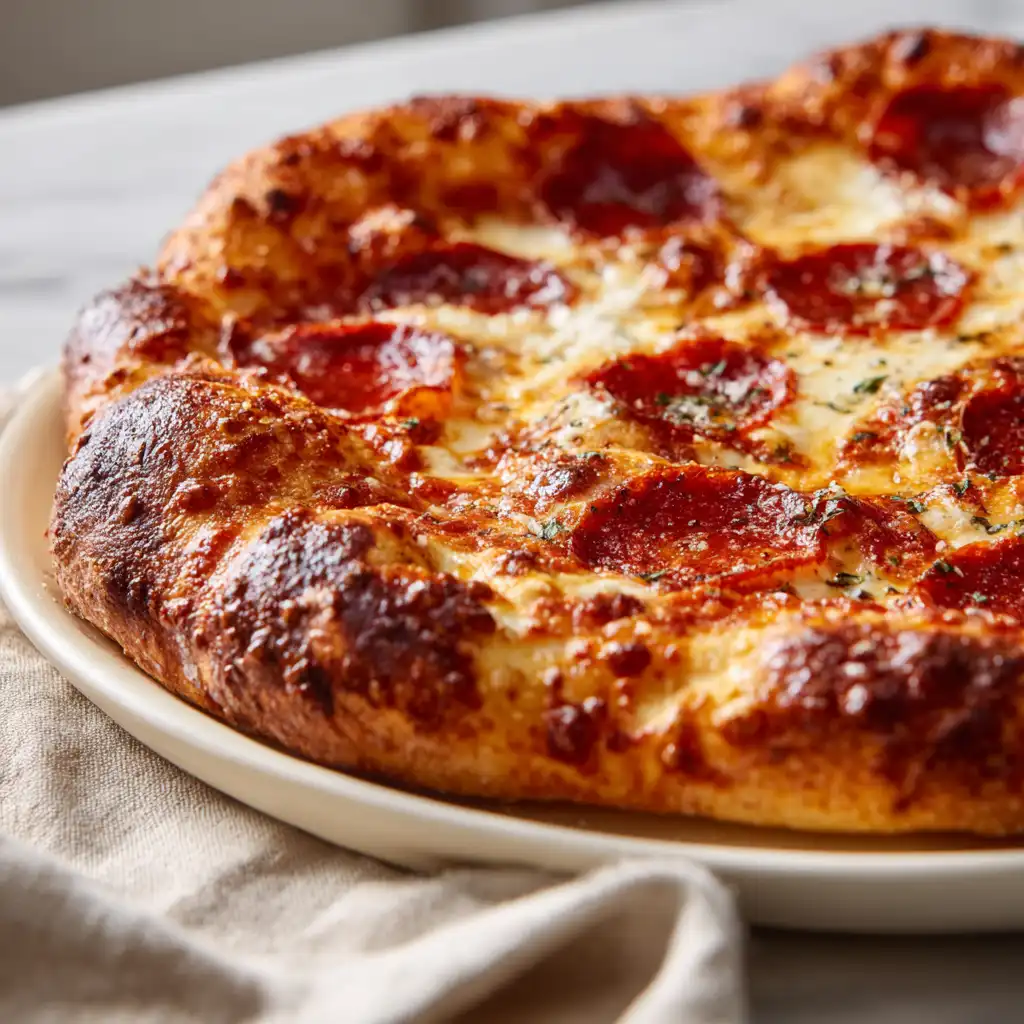
Making your own pizza dough recipe at home is one of the most rewarding culinary tasks you can take on. There is something truly special about the smell of yeast blooming and the tactile feel of flour on your hands. While store-bought options are convenient, they rarely capture the airy, crispy, and chewy balance of a fresh crust. This guide will help you master the art of the pizza dough recipe, giving you the confidence to toss, stretch, and bake like a pro in your own kitchen.
Table of Contents
Why You Should Master This Pizza Dough Recipe
The Joy of Total Ingredient Control
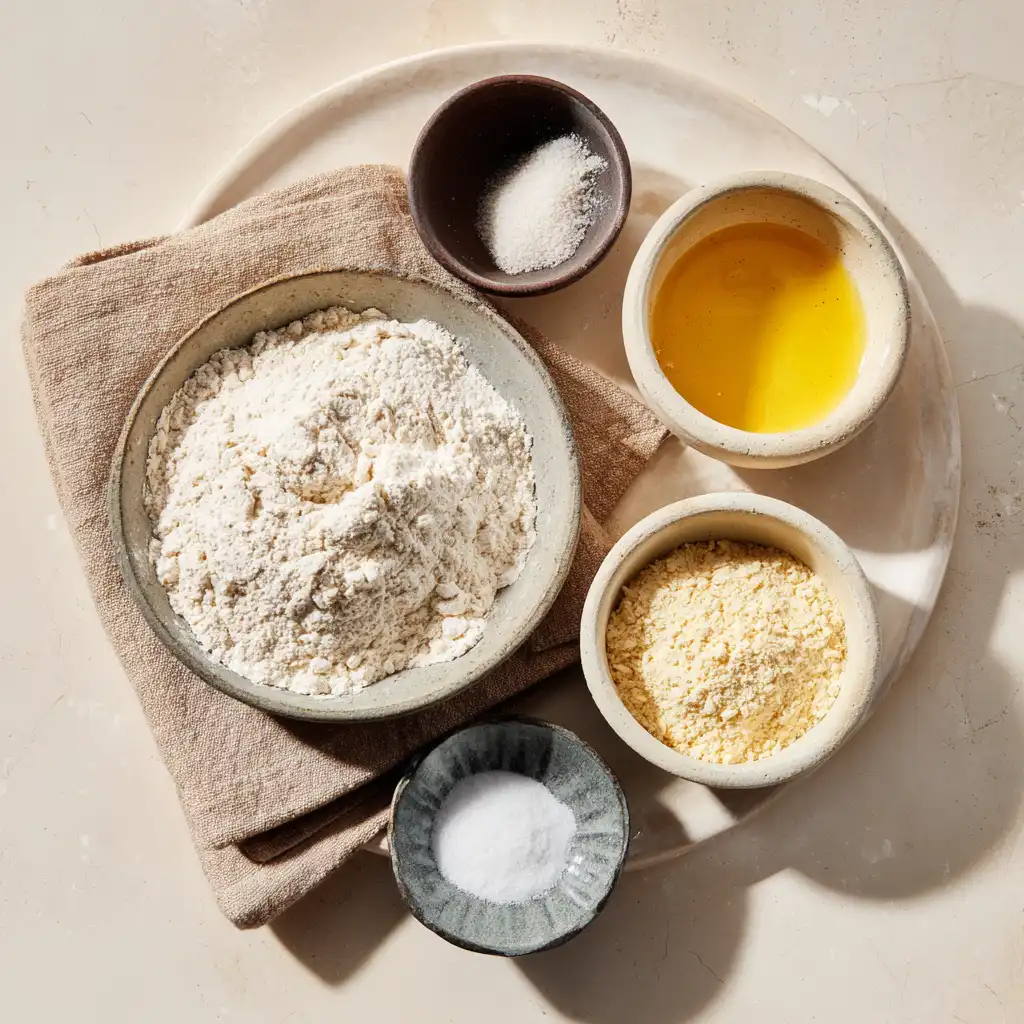
When you use this pizza dough recipe, you know exactly what is going into your body. Many commercial doughs contain preservatives, stabilizers, or excessive amounts of sugar to extend shelf life. By making it yourself, you choose the quality of the flour, the type of salt, and the freshness of the yeast. You can adjust the saltiness or add a touch of honey for a different flavor profile. Having this control means you can cater to your specific dietary needs or preferences without compromising on the authentic taste of a traditional pizza dough recipe.
Saving Money While Improving Quality
Making a pizza dough recipe is incredibly cost-effective. Flour, water, yeast, and salt are some of the least expensive items in the grocery store. For the price of one pre-made crust, you can often make four or five batches of dough. This makes it a perfect solution for large families or social gatherings. Once you get the hang of the process, you will find that the quality of your homemade pizza dough recipe far surpasses what you get from a box or a fast-food chain, providing a premium experience for just a few cents per serving.
Print
The Ultimate Pizza Dough Recipe: A Guide to Perfect Homemade Crust
Master the art of fresh pizza dough with this guide to creating an airy, crispy, and chewy homemade crust that outperforms any store-bought option.
- Total Time: 1 hour 30 minutes
- Yield: 2 Large Pizzas 1x
Ingredients
- 2 cups warm water (105-115°F)
- 1 tablespoon granulated sugar
- 2.25 teaspoons active dry yeast (1 packet)
- 5.5 cups bread flour (plus extra for dusting)
- 2 tablespoons extra virgin olive oil
- 2 teaspoons fine sea salt
- 1 tablespoon cornmeal for the baking pan
Instructions
- Step 1: Bloom Yeast – Combine warm water, sugar, and yeast in a bowl and let sit for 5 minutes until foamy.
- Step 2: Mix Dough – Add olive oil, salt, and half of the flour to the yeast mixture, stirring until combined.
- Step 3: Knead Dough – Gradually add remaining flour and knead by hand or stand mixer for 8-10 minutes until smooth.
- Step 4: First Rise – Place dough in a lightly oiled bowl, cover with a damp cloth, and let rise for 60 minutes.
- Step 5: Punch Down – Gently deflate the risen dough with your fist to release air bubbles.
- Step 6: Portion Dough – Divide the dough into two equal balls for large pizzas or four for small personal sizes.
- Step 7: Shape Crust – Stretch or roll the dough on a floured surface to your desired thickness.
- Step 8: Bake Crust – Transfer to a pan dusted with cornmeal, add toppings, and bake at 475°F for 12-15 minutes.
Notes
For a deeper flavor, let the dough rise in the refrigerator for 24 hours before shaping. Bread flour provides a chewier texture than all-purpose flour.
- Prep Time: 1 hour 15 minutes
- Cook Time: 15 minutes
- Category: Main Course
- Method: Baking
- Cuisine: Italian
- Diet: Vegan
Nutrition
- Serving Size: 1 slice (1/16 of total recipe)
- Calories: 185 kcal
- Sugar: 1.2g
- Sodium: 295mg
- Fat: 2.1g
- Saturated Fat: 0.3g
- Unsaturated Fat: 1.8g
- Trans Fat: 0.01g
- Carbohydrates: 36g
- Fiber: 1.5g
- Protein: 5.2g
- Cholesterol: 0.1mg
Keywords: Pizza, Dough, Homemade, Baking, Italian, Crust
Essential Ingredients for a Successful Pizza Dough Recipe
Selecting the Right Type of Flour
The foundation of any pizza dough recipe is the flour. Most home bakers start with all-purpose flour, which produces a soft and tender crust. However, if you want that classic New York-style chew, bread flour is a better choice because of its higher protein content. High protein helps develop more gluten, which gives the dough its structure and elasticity. For a truly authentic Neapolitan experience, you might look for “00” flour, which is finely milled and handles high temperatures beautifully. Each type of flour will change the texture of your pizza dough recipe slightly, so feel free to experiment.
The Role of Fresh Yeast and Water Temperature
Yeast is the living heart of your pizza dough recipe. It consumes sugars in the flour and releases carbon dioxide, which causes the dough to rise. You can use active dry yeast or instant yeast. Active dry yeast needs to be dissolved in warm water first, while instant yeast can be mixed straight into the dry ingredients. Water temperature is critical; it should be warm to the touch, like bathwater. If the water is too cold, the yeast will stay dormant; if it is too hot, you might kill the yeast, preventing your pizza dough recipe from rising correctly.
Balancing Salt and Sugar for Flavor
Salt does more than just add flavor to your pizza dough recipe; it also regulates the yeast activity. Without salt, the yeast would work too quickly, leading to a dough that lacks structure and tastes bland. Sugar, or a natural alternative like honey, is often added to help the crust brown in home ovens that do not reach the extreme temperatures of a professional brick oven. When you balance these ingredients well, you create a complex flavor profile that makes the crust just as delicious as the toppings. Baking is a science, much like how you have to get the balance right when making snickerdoodle cookies soft and chewy.
Detailed Instructions for Your Pizza Dough Recipe
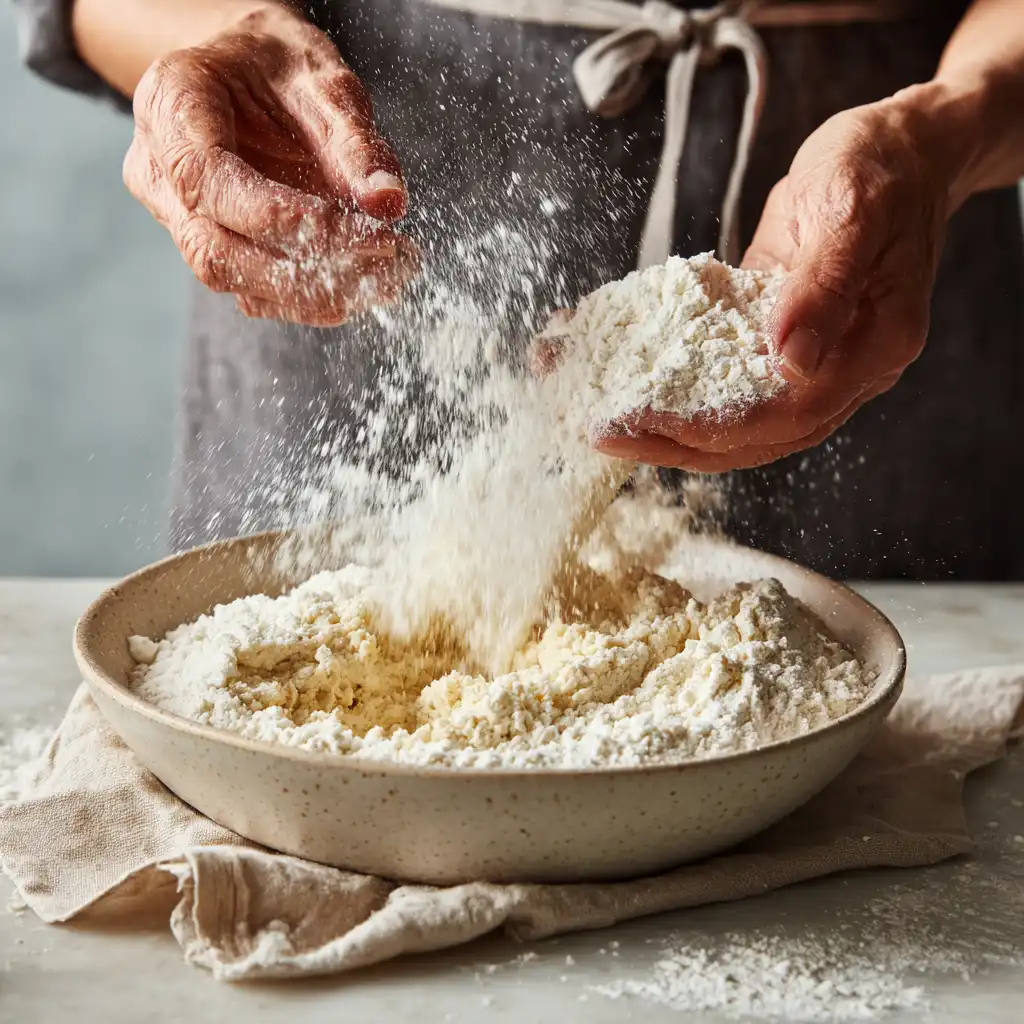
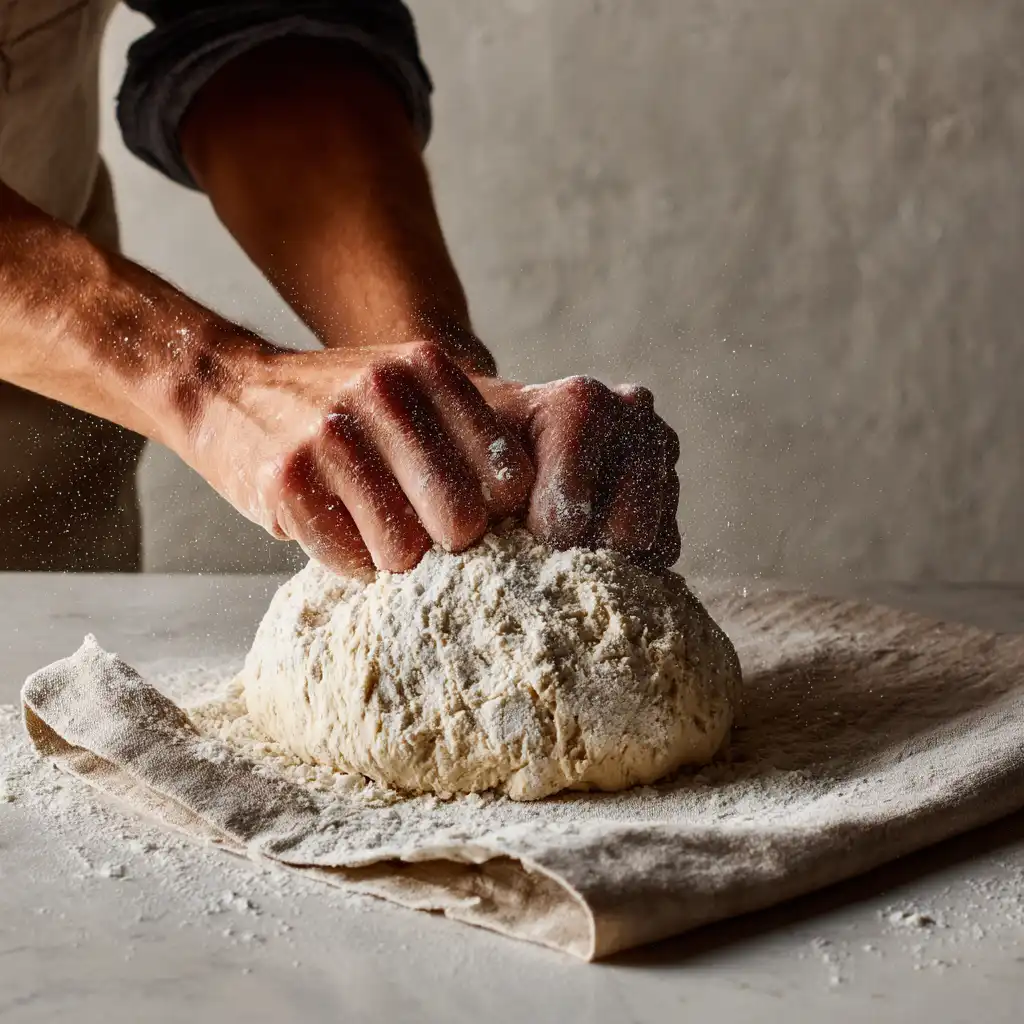
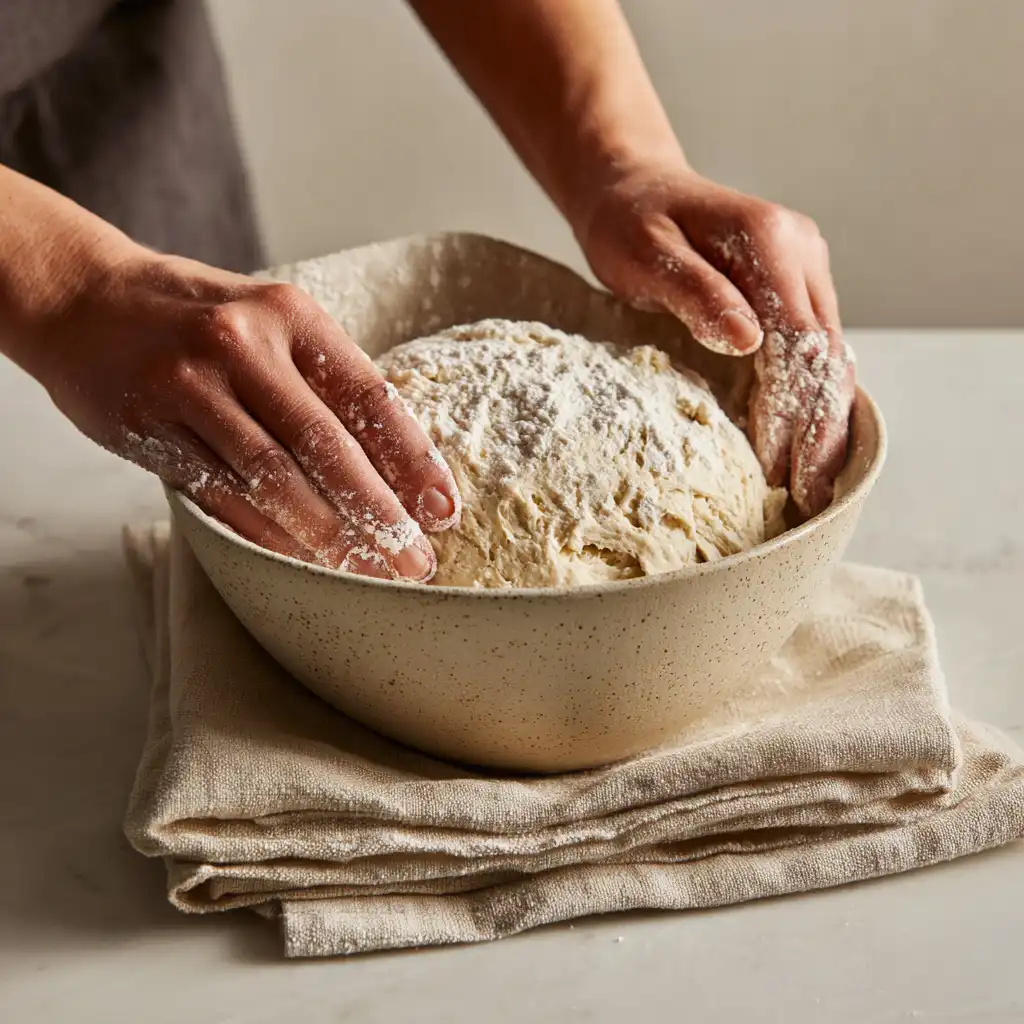
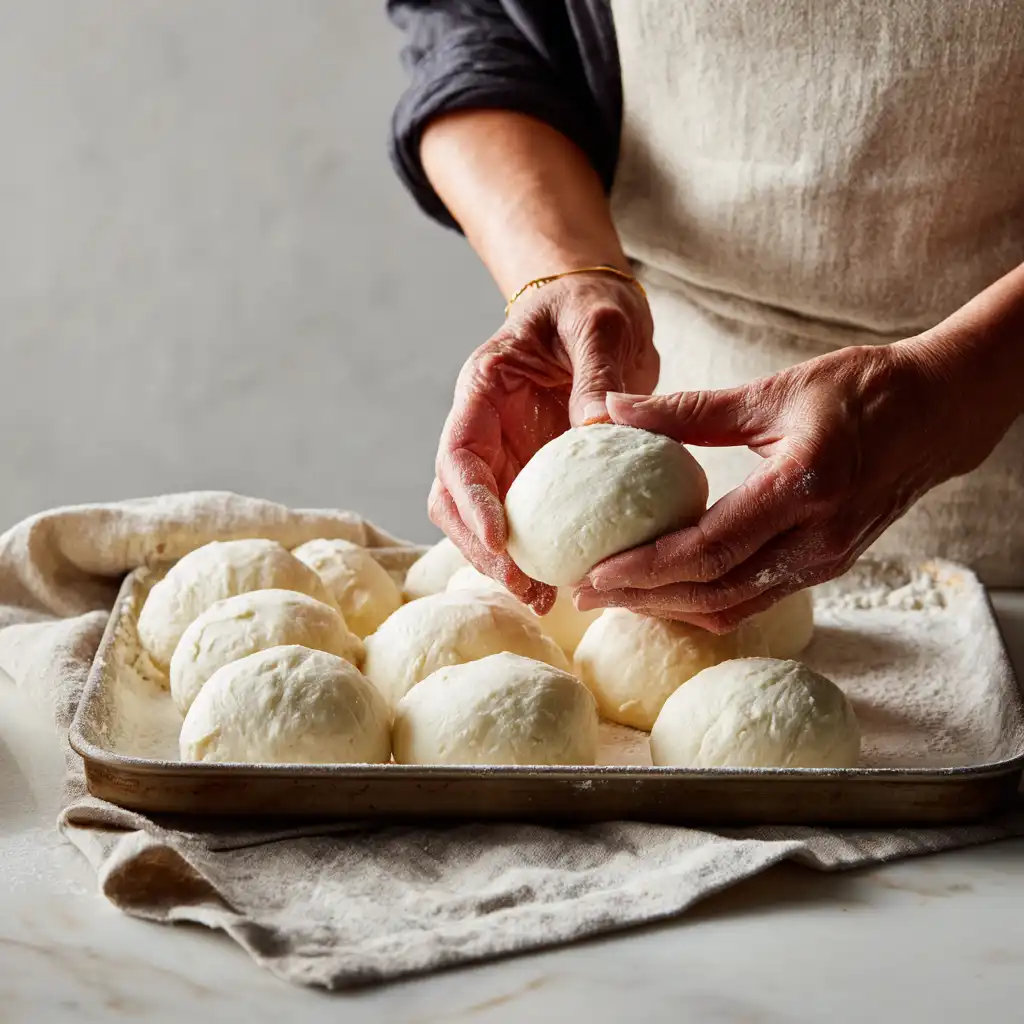
Following a specific order of operations is the best way to make certain your pizza dough recipe turns out perfectly every time. Take your time with each step, especially the kneading and rising phases, as these are where the texture is built.
- Step 1: Activate the Yeast – In a large bowl, combine the warm water, sugar, and yeast. Let it sit for about five to ten minutes until it becomes foamy on top.
- Step 2: Mix the Dough – Add the salt and half of the flour to the yeast mixture. Stir with a wooden spoon until a shaggy mass forms, then gradually add the remaining flour.
- Step 3: Knead the Dough – Turn the mixture onto a floured surface. Knead by hand for about 8 to 10 minutes until the dough is smooth and elastic. If it is too sticky, add a tablespoon of flour at a time.
- Step 4: First Rise – Place the dough in a lightly oiled bowl and cover it with a damp cloth. Let it sit in a warm, draft-free spot for 1 to 2 hours, or until it has doubled in size.
- Step 5: Punch Down and Portion – Gently press your fist into the center of the risen dough to release air. Divide it into individual balls depending on how large you want your pizzas to be.
- Step 6: Second Rise – Let the portioned balls rest for another 20 to 30 minutes. This allows the gluten to relax, making the pizza dough recipe much easier to stretch without it snapping back.
Kneading and Rising for Maximum Texture
Hand Kneading vs. Using a Stand Mixer
There are two main ways to work the gluten in your pizza dough recipe. Kneading by hand is a traditional method that allows you to feel the change in the dough’s consistency as it becomes smoother. It is a great workout and very satisfying. Alternatively, a stand mixer with a dough hook can do the heavy lifting for you in about half the time. Both methods work well, but many enthusiasts prefer the hand method to stay connected to the process. Regardless of the tool, the goal for your pizza dough recipe remains the same: a supple, non-sticky surface that bounces back when poked.
The Benefits of a Cold Ferment
If you have extra time, a cold ferment can take your pizza dough recipe to the next level. Instead of letting the dough rise at room temperature, place it in the refrigerator for 24 to 72 hours. This slow rise allows the yeast to produce more complex acids and esters, resulting in a deeper, more artisanal flavor. The dough also becomes easier to handle and produces better bubbles in the crust during baking. This technique is a secret weapon for anyone looking to create a professional-grade pizza dough recipe in a home kitchen setting.
A Summary of Proportions for Your Pizza Dough Recipe
tbody
| Ingredient | Quantity (Standard Batch) | Purpose |
|---|---|---|
| Flour (AP or Bread) | 3 to 3.5 Cups | Provides structure and bulk. |
| Warm Water | 1 Cup | Hydrates the flour and activates yeast. |
| Yeast (Active or Instant) | 2.25 tsp (1 packet) | The leavening agent for rising. |
| Salt | 1 tsp | Flavor and gluten regulation. |
| Sugar or Honey | 1 tsp | Feeds yeast and aids browning. |
| Olive Oil | 1 tbsp | Adds moisture and prevents sticking. |
Shaping and Stretching Your Crust
How to Avoid Using a Rolling Pin
While it might be tempting to grab a rolling pin, doing so can press out all the air bubbles you worked so hard to create in your pizza dough recipe. Instead, use your hands to gently stretch the dough from the center outwards. Gravity is your friend here; you can hold the edges and let the weight of the dough pull it down as you rotate it. This manual stretching creates a beautiful “cornicione” or raised edge that stays light and airy. Learning to handle the pizza dough recipe this way is a skill that improves with every pizza night you host.
Creating the Perfect Thickness
The thickness of your pizza dough recipe is a matter of personal preference. Some people love a thin, cracker-like base, while others prefer a thick, pillowy crust. When stretching, try to keep the center thin so it cooks through properly without becoming soggy under the weight of the sauce. If you find the dough is resisting you and shrinking back, let it rest for five minutes to allow the gluten to relax further. This patience is key to achieving the shape you want for your pizza dough recipe without tearing the delicate structure.
Baking Tips for a Restaurant-Quality Result
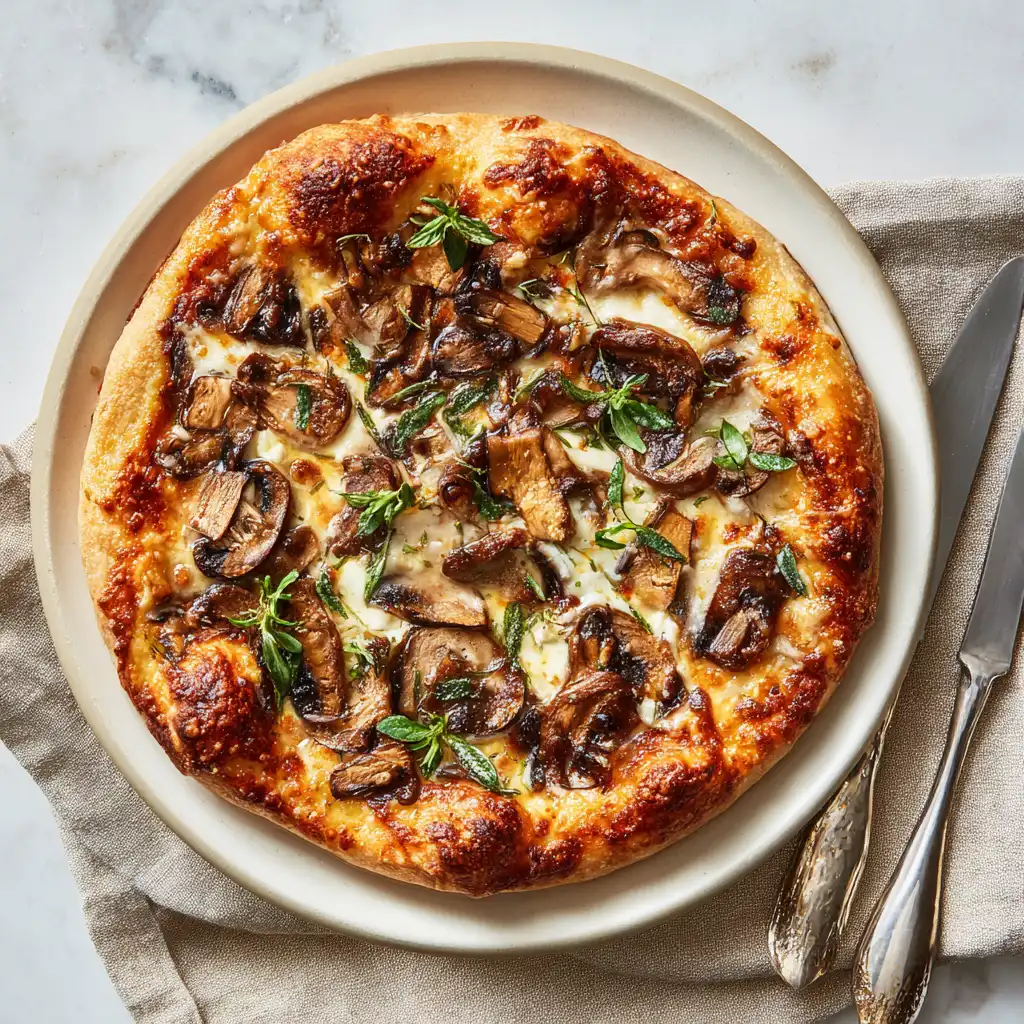
The Importance of High Heat
Home ovens usually top out at 500 or 550 degrees Fahrenheit, which is much lower than a commercial pizza oven. To get the best results from your pizza dough recipe, you should preheat your oven for at least 45 minutes at its highest setting. This ensures the entire oven cavity is hot enough to create an immediate “oven spring” when the dough goes in. A hot environment helps the crust crisp up quickly before the cheese burns. This rapid heat transfer is vital for turning a simple pizza dough recipe into a culinary masterpiece.
Using a Pizza Stone or Baking Steel
A pizza stone or baking steel is a game-changer for your pizza dough recipe. These tools mimic the floor of a brick oven by holding and radiating intense heat directly into the bottom of the crust. Place the stone in the oven while it preheats so it is scorching hot. When you slide your prepared pizza onto the stone, it begins cooking the dough instantly, resulting in a much crispier bottom and better rise. If you like those crispy, crunchy bits of cheese that often fall onto the stone, you might also enjoy the texture of a frico grilled cheese for your next lunch.
Topping Your Pizza Dough Recipe (Pork-Free Options)
Creative Seafood and Vegetable Toppings
Once you have mastered the base pizza dough recipe, the toppings are where you can let your creativity shine. Fresh vegetables like bell peppers, red onions, mushrooms, and spinach are classic choices that offer great color and crunch. For a unique twist, consider using seafood. Shrimp is an excellent protein that cooks quickly in a hot oven. If you are a fan of bold flavors, you can take inspiration from other seafood dishes, like the zesty profiles found in spicy shrimp tacos with slaw, and apply similar seasonings to your pizza.
Chicken and Beef Variations
For those who want a meatier pizza without using pig products, chicken and beef offer endless possibilities. Shredded roasted chicken with a drizzle of barbecue sauce or a white garlic sauce works wonderfully on a homemade pizza dough recipe. You can also use ground beef seasoned with cumin and chili for a taco-style pizza. Another great idea is to use small, flavorful chicken pieces as a topping. Preparing them similarly to garlic butter chicken bites skillet style will ensure they remain juicy and savory even after a trip through the high-heat oven.
The Science of Dough and Leavening
To truly understand why your pizza dough recipe behaves the way it does, it helps to look at the science behind it. A leavening agent is a substance used in doughs and batters that causes them to rise by releasing gases. In our case, the agent is yeast. The history of this process is fascinating and shows how humans have been refining bread products for thousands of years. When you mix flour and water, proteins called glutenin and gliadin combine to form gluten. This gluten acts like a net, trapping the gas bubbles produced by the yeast. This process is what gives your pizza dough recipe its structure and makes it possible to stretch it thin without it falling apart.
FAQs
Can I freeze this pizza dough recipe?
Yes, you can freeze the dough very easily. After the first rise, divide the dough into balls and lightly coat each one with oil. Place them in freezer-safe bags and squeeze out the air. When you are ready to use it, thaw the dough in the refrigerator overnight. Let it come to room temperature for about an hour before stretching. This makes it easy to have a fresh pizza dough recipe ready whenever the craving strikes.
What if my dough doesn’t rise?
If your pizza dough recipe fails to rise, the most common culprit is expired yeast or water that was too hot. Yeast is a living organism; if it is past its prime, it won’t produce the necessary gas. Always check the expiration date on your yeast packets. Another possibility is that the room is too cold. You can try placing the bowl in a turned-off oven with the light on to create a slightly warmer environment for your pizza dough recipe.
Can I make this pizza dough recipe gluten-free?
You can certainly make a gluten-free version, but the ingredients will change significantly. You will need a high-quality gluten-free flour blend that contains xanthan gum to mimic the elasticity of gluten. The handling of the pizza dough recipe will also be different; gluten-free dough is often more like a thick batter that you spread rather than a ball of dough that you knead. It may not have the same chew, but it can still be delicious and crispy.
How do I get a crispy bottom without a pizza stone?
If you do not have a stone, you can use an inverted baking sheet. Place the sheet in the oven while it preheats so the metal gets very hot. Alternatively, you can start your pizza in a cast-iron skillet on the stovetop to crisp the bottom, then move the whole skillet into the oven to finish cooking the top. This “skillet-to-oven” method is a fantastic way to get a professional result from your pizza dough recipe without extra equipment.
Conclusion
Mastering a homemade pizza dough recipe is a journey that brings both flavor and satisfaction to your kitchen. By understanding the importance of flour types, yeast activity, and high-heat baking, you can create a crust that rivals any pizzeria. Whether you prefer a quick rise for a weeknight meal or a long, cold ferment for a gourmet weekend feast, this guide provides the foundation you need. Enjoy the process of kneading, the excitement of the rise, and the delicious reward of a perfect pizza dough recipe.


