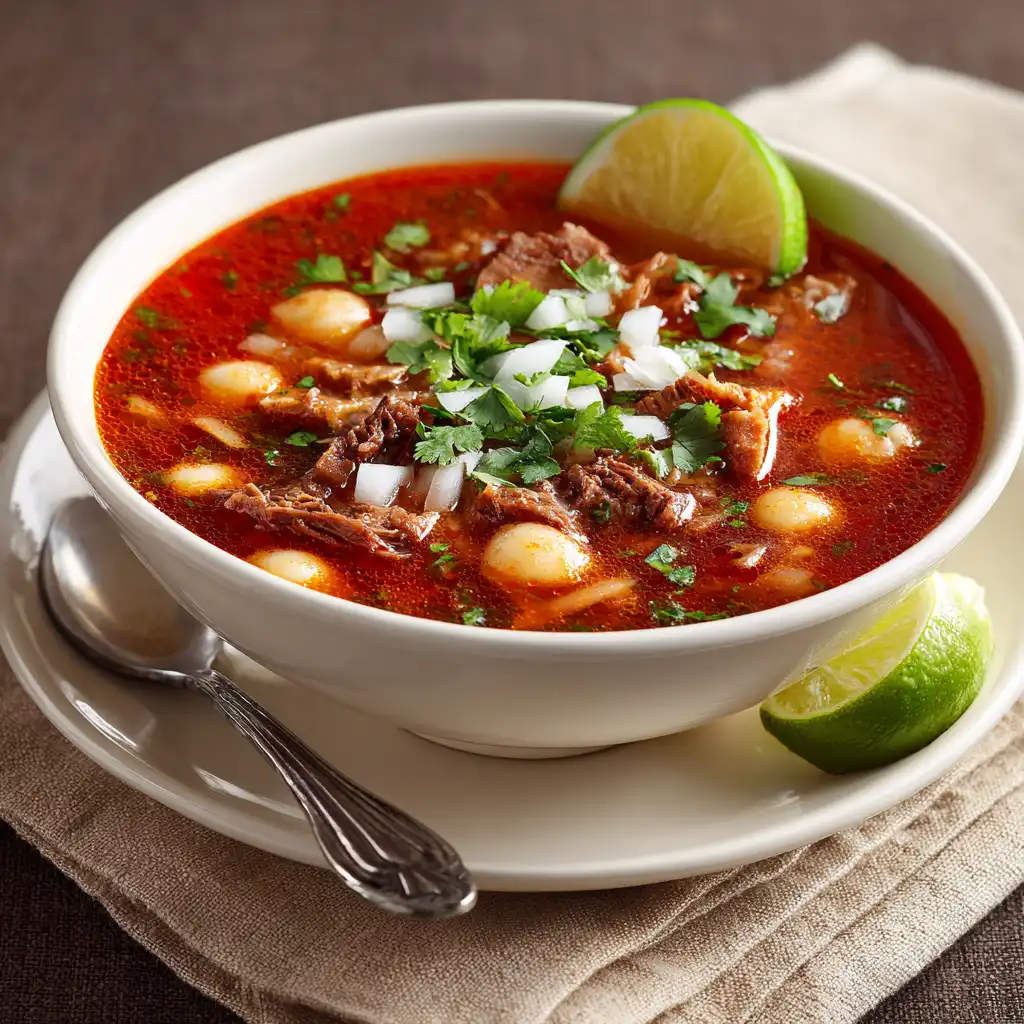
There is nothing quite like waking up on a chilly Sunday morning to the rich, spicy aroma of a red menudo recipe simmering on the stove. This iconic Mexican soup is much more than just a meal; it is a labor of love that brings families together. Known for its distinct texture and deep, earthy flavors, this dish has earned its place as a legendary comfort food. Whether you are looking to master a family tradition or trying it for the first time, this guide will walk you through every step of making the perfect bowl.
Table of Contents
The Cultural Heritage of Mexican Tripe Soup
A History of Communal Cooking
The origins of the red menudo recipe are rooted in the idea of making the most out of every ingredient. Traditionally, during community gatherings or family events, no part of the animal was wasted. Tripe, which comes from the stomach of cattle, became the star of this hearty soup. Over many years, it transformed from a humble meal into a celebrated dish often served at weddings, baptisms, and holiday celebrations. Many families have their own secret version passed down through generations, often sparking friendly debates about which region has the best style. You can learn more about the history of menudo and how it became a staple of Mexican cuisine through historical records.
A Beloved Morning Ritual
In many households, this red menudo recipe is the ultimate breakfast or brunch centerpiece. It is famously known as a “cure” for a long night out, but most people enjoy it simply for its satisfying warmth. Preparing it usually starts the night before or very early in the morning because the tripe needs several hours to become tender. This slow-cooking process allows the spices to soak deep into the meat. If you enjoy starting your day with savory, protein-heavy meals, you might also find interest in a shakshuka with feta, which offers a different but equally bold breakfast experience with eggs and tomatoes.
Print
Traditional Red Menudo Recipe
A rich, spicy, and deeply aromatic Mexican tripe soup, known as a legendary comfort food often shared at family gatherings.
- Total Time: 5 hours 15 minutes
- Yield: 10 servings 1x
Ingredients
- 5 lbs beef tripe, thoroughly cleaned and cut into small squares
- 1 beef foot, split into pieces for added richness
- 10 dried guajillo chiles, stems and seeds removed
- 4 dried ancho chiles, stems and seeds removed
- 1 large white onion, halved
- 8 cloves garlic, minced
- 2 tablespoons dried Mexican oregano
- 1 tablespoon ground cumin
- 1 can (30 oz) white hominy, drained and rinsed
- 6 quarts water
- Salt to taste
- Fresh lime wedges, chopped cilantro, and diced onion for garnish
Instructions
- Clean the tripe: Wash the tripe thoroughly with lime juice and water, then rinse under cold water.
- Parboil the meat: Place tripe and beef foot in a pot, cover with water, boil for 15 minutes, then drain.
- Start the simmer: Add fresh water, half the onion, and 4 garlic cloves to the pot; simmer for 3 hours.
- Prepare the chiles: Toast dried chiles in a pan, then soak in hot water for 20 minutes until soft.
- Blend the sauce: Puree the softened chiles with remaining garlic and cumin using a cup of soaking liquid.
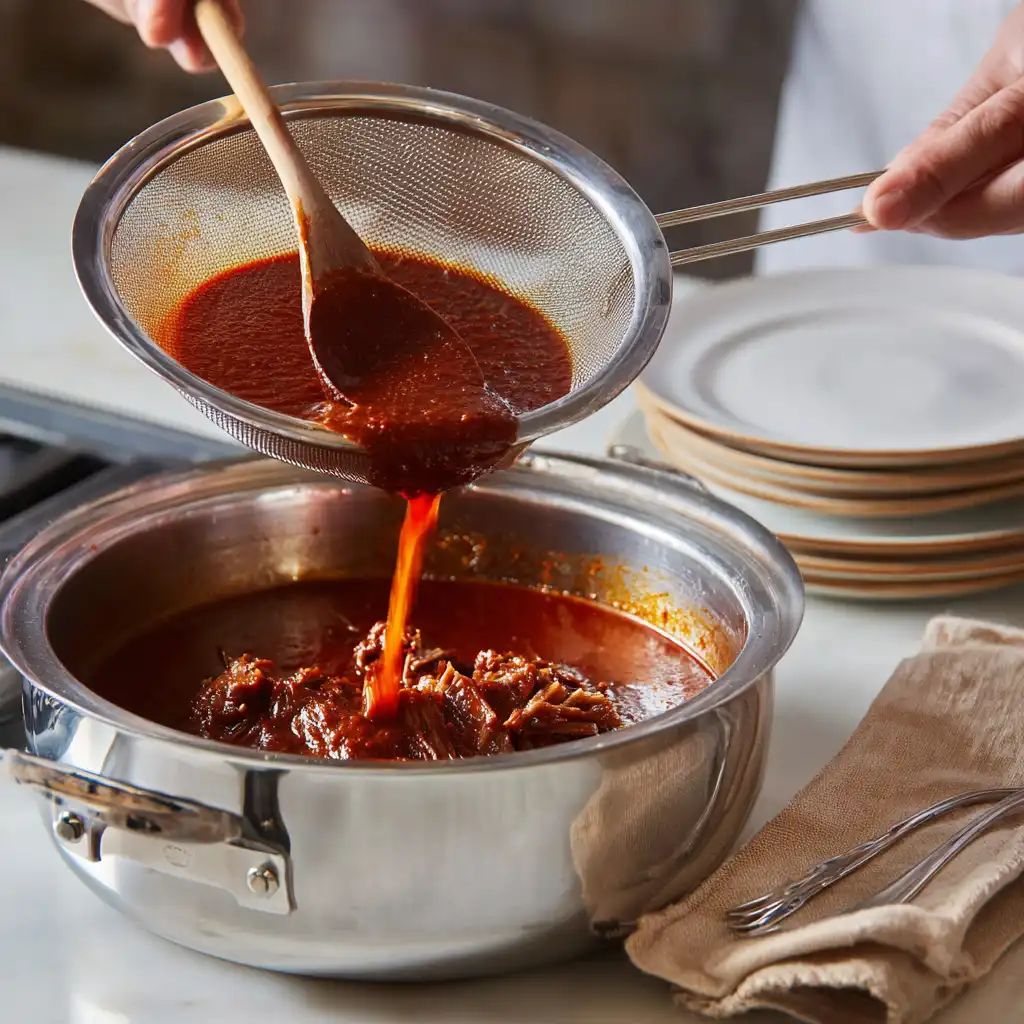
- Strain the puree: Pass the chile mixture through a fine-mesh sieve directly into the simmering stockpot.
- Add the hominy: Stir in the rinsed hominy and dried oregano, then continue to simmer for another hour.
- Season the soup: Add salt to taste and ensure the tripe is tender before removing from heat.
- Serve the dish: Ladle into deep bowls and serve hot with fresh cilantro, onion, and lime.
Notes
For the best flavor, prepare the menudo a day in advance as the spices meld together overnight.
- Prep Time: 45 minutes
- Cook Time: 4 hours 30 minutes
- Category: Soup
- Method: Simmering
- Cuisine: Mexican
- Diet: High Protein
Nutrition
- Serving Size: 16 oz
- Calories: 385 kcal
- Sugar: 3 g
- Sodium: 940 mg
- Fat: 18 g
- Saturated Fat: 7 g
- Unsaturated Fat: 9 g
- Trans Fat: 0.1 g
- Carbohydrates: 22 g
- Fiber: 5 g
- Protein: 34 g
- Cholesterol: 195 mg
Keywords: Menudo, Mexican Soup, Tripe Recipe, Traditional Mexican, Red Menudo, Comfort Food
Essential Ingredients for Your Red Menudo Recipe

Selecting the Best Tripe
The foundation of any red menudo recipe is the beef tripe. When you visit the butcher, you will usually find two types: honeycomb and flat tripe. Honeycomb tripe is highly preferred because its texture holds the broth beautifully, providing a more interesting mouthfeel. It is important to look for tripe that is pale and clean-smelling. Since tripe is a lean protein, it provides a unique nutritional profile that many people appreciate. For a closer look at the facts, you can check the nutritional value of tripe to see how it fits into your daily diet. Most recipes call for several pounds, as the meat shrinks slightly during the long simmering process.
The Magic of Dried Chilies
What gives this red menudo recipe its vibrant color and smoky depth is the blend of dried chilies. Most cooks use a combination of Guajillo and Ancho chilies. Guajillo chilies provide a bright red hue and a mild, tea-like flavor, while Ancho chilies add sweetness and a dark, raisin-like richness. If you prefer a bit more heat, adding a few chilies de Arbol will give the broth a spicy kick. These peppers are not just for heat; they create a complex base that balances the richness of the beef. Unlike some other soups that use fresh peppers, the dried variety offers a concentrated flavor that is absolutely necessary for an authentic taste.
Beef Bones and Hominy
To get a thick, silky broth without using any pig products like trotters, you should use beef marrow bones or beef feet. These parts release natural gelatin as they simmer, giving the soup a luxurious body. Another key ingredient is hominy, which are dried corn kernels treated with an alkali. Hominy adds a wonderful chewiness and a subtle corn flavor that cuts through the spice. While some versions of this soup omit the corn, a traditional red menudo recipe almost always includes a generous amount of these puffed kernels. They soak up the red broth and become little flavor bombs in every spoonful.
Preparation and Cleaning Techniques
The Secret to Clean Flavor
Cleaning the tripe is perhaps the most important part of any red menudo recipe. If the tripe is not cleaned properly, the soup can have an overpowering aroma that many find unpleasant. Most people recommend soaking the raw tripe in a mixture of water, lime juice, and a bit of vinegar for at least thirty minutes. Scrubbing the tripe with coarse salt also helps remove any lingering impurities. This step is non-negotiable for achieving a clean, crisp broth. Because this dish is quite rich and involves heavy proteins, some people like to pair their meal planning with anti-bloat recipes to keep their digestion feeling light and balanced throughout the week.
The Initial Boil
After cleaning, most experts suggest doing a “pre-boil.” This involves placing the tripe in a large pot of water with onions and garlic, bringing it to a boil for about ten to fifteen minutes, and then discarding that first batch of water. This removes the strongest odors and leaves you with a “blank canvas” for your red menudo recipe. Once the tripe is drained and rinsed one last time, you can start the real cooking process with fresh water, the beef bones, and the aromatic vegetables. This two-step boiling method is a trick used by seasoned home cooks to produce a restaurant-quality result every single time.
Step-by-Step Red Menudo Recipe Guide
Cooking this dish is a marathon, not a sprint. You need to give the ingredients time to mingle and soften. Below is a detailed method to help you achieve success on your first try.
- Step 1: Thoroughly Clean the Tripe – Wash the tripe multiple times in cold water, then soak it in a bowl with lime juice and salt for 30 minutes before rinsing again and cutting into small, bite-sized squares.
- Step 2: Perform the First Boil – Place the cut tripe in a large stockpot, cover with water, and boil for 15 minutes, then drain the water and rinse the tripe to remove any excess foam or impurities.
- Step 3: Start the Long Simmer – Return the tripe to the pot with fresh water, beef marrow bones, a whole head of garlic, and a large onion, then simmer over medium-low heat for about three hours.
- Step 4: Prepare the Red Sauce – Remove stems and seeds from the dried Guajillo and Ancho chilies, toast them lightly in a pan, soak them in hot water until soft, and blend them with garlic and a cup of the soaking liquid.
- Step 5: Strain and Add Sauce – Pour the blended chili mixture through a fine-mesh strainer directly into the simmering pot to create a smooth, vibrant red broth without any tough skins or seeds.
- Step 6: Add Hominy and Spices – Stir in the drained hominy along with dried oregano and salt, then continue to simmer for another hour or until the tripe is perfectly tender and easy to bite.
- Step 7: Final Seasoning Check – Taste the broth and add more salt or a pinch of cumin if needed, allowing the flavors to settle for a few minutes before turning off the heat.
Mastering the Red Chili Base
Toasting and Soaking
The red chili paste is the soul of your red menudo recipe. You should never skip the toasting step. Putting the dried peppers on a hot skillet for just a few seconds on each side brings out their natural oils and deepens the flavor. Be careful not to burn them, as scorched chilies will make the soup bitter. Once they are fragrant, soaking them in hot water for about 20 minutes makes them soft enough to blend into a smooth puree. This thick, crimson paste is what transforms a simple beef broth into the iconic red menudo recipe that everyone recognizes and loves.
Achieving the Perfect Texture
When you blend the chilies, it is helpful to add a little bit of the soaking water or some of the broth from the main pot. This helps the blades catch and creates a very fine liquid. Straining the sauce is a vital step. Even the best blenders can leave behind small bits of chili skin, which can be tough or get stuck in your throat. By straining it, you make sure the broth of your red menudo recipe remains velvety and pleasant to drink. The goal is a liquid that is rich in color and flavor but thin enough to be a soup rather than a stew.
Traditional Garnishes and Serving Suggestions

The Finishing Touches
A red menudo recipe is never truly finished until the garnishes are added to the bowl. The soup itself is very rich, so it needs fresh, acidic toppings to balance the palate. Common additions include finely chopped white onion, fresh cilantro, and a generous squeeze of lime juice. Many people also sprinkle extra dried Mexican oregano on top, crushing it between their palms to release the scent. Crushed red pepper flakes or sliced serranos are great for those who want even more heat. These toppings add a necessary crunch and brightness that makes every bite of the red menudo recipe more exciting.
What to Serve on the Side
While the soup is a meal in itself, it is usually served with warm corn tortillas or “bolillo” bread rolls. The bread is perfect for dipping into the broth and soaking up all the spicy goodness. If you are looking for a unique vegetable side dish to serve alongside your Mexican feast, you might look into a chayote recipes guide to find a light, squash-like accompaniment. If you find yourself enjoying these types of hearty beef dishes, you may also like to try making a beef kofta kebab with rice for your next dinner, as it offers another way to enjoy seasoned beef in a comforting format.
Key Cooking Times and Tips
Managing your time is essential when following a red menudo recipe. Because tripe is a tough connective tissue, rushing the process will lead to a chewy, rubbery texture that is hard to eat. Patience is your best friend in the kitchen when preparing this dish.
| Stage of Cooking | Approximate Time | Pro Tip |
|---|---|---|
| Cleaning and Soaking | 45 Minutes | Use plenty of fresh lime juice to neutralize the scent. |
| Initial Parboiling | 15-20 Minutes | Do not skip this; it removes the “heavy” tripe smell. |
| Slow Simmering | 3-5 Hours | Keep the heat low to prevent the meat from getting tough. |
| Finishing with Hominy | 45-60 Minutes | Add hominy at the end so it doesn’t get too mushy. |
Common Mistakes to Avoid
Don’t Forget the Salt
Tripe and hominy are both relatively bland on their own, meaning they need a significant amount of salt to bring out their flavors. Many people are hesitant to salt their red menudo recipe early on, but adding a bit of salt during the long simmer helps the seasoning penetrate the meat. However, be careful not to over-salt at the beginning, as the broth will reduce and concentrate. It is always better to add a little at the start and then do a final adjustment right before serving. A well-seasoned broth is the difference between a good soup and a great one.
Keep an Eye on the Water Level
Because this red menudo recipe cooks for several hours, a lot of the liquid will evaporate. You should check the pot every thirty to forty minutes to make sure the tripe is still fully submerged. If the water gets too low, add a cup or two of hot water. Using hot water instead of cold water keeps the cooking temperature steady, which helps the tripe soften more evenly. If the temperature drops too often, it can significantly extend your cooking time and change the texture of the broth.
Storing and Reheating Your Soup
Better the Next Day
Many fans of the red menudo recipe swear that the soup tastes even better the next day. As it sits in the refrigerator, the chilies, garlic, and beef fats have more time to meld together, resulting in a deeper and more cohesive flavor. If you have leftovers, store them in an airtight container for up to three or four days. When you reheat it, do so slowly on the stovetop over medium heat. You may need to add a splash of water, as the gelatin in the broth will cause the soup to thicken into a jelly-like consistency when it is cold.
Freezing for Later
This red menudo recipe also freezes remarkably well. If you make a massive pot, you can freeze individual portions in freezer-safe bags or containers. It can stay fresh in the freezer for up to three months. To eat, let it thaw in the fridge overnight and then warm it up as usual. This makes it a great option for meal prep or for having a quick, comforting breakfast ready to go on a busy weekend morning. Just remember to wait to add the fresh garnishes like onion and lime until you are actually ready to eat.
FAQs
Can I make this in a slow cooker?
Yes, you can adapt this red menudo recipe for a slow cooker. You should still perform the cleaning and the initial parboil on the stove. After that, place everything into the slow cooker and cook on low for 8 to 10 hours. This is a great way to let the soup cook overnight so it is ready for a Sunday morning breakfast without you having to stand over the stove.
Why is my tripe still tough?
If the tripe is tough, it simply needs more time. Depending on the age of the beef and the specific cut, some tripe can take longer than others to break down. Keep simmering your red menudo recipe until a fork easily slides into the meat. Never try to boil it at a high temperature to speed things up, as this can actually make the proteins tighten and become even more rubbery.
Is menudo always red?
While this red menudo recipe is the most common version, there is also a “Menudo Blanco” or white menudo. White menudo is popular in regions like Sonora and does not use the red chili paste. It relies more on the flavor of the beef, garlic, and herbs. Both versions are delicious, but the red version is the one most people associate with the classic, spicy Mexican soup experience.
Can I use something other than tripe?
If you enjoy the flavors of the red broth but are not a fan of tripe, some people use beef honeycomb or even thick cuts of beef chuck. However, at that point, the dish starts to resemble more of a “Pozole” or a beef stew rather than a true red menudo recipe. The tripe is what gives the dish its authentic identity and traditional texture.
Conclusion
Cooking a traditional red menudo recipe is a rewarding journey that fills your home with warmth and incredible scents. While it takes several hours of patience, the result is a bowl of soup that is rich, spicy, and deeply satisfying. By focusing on cleaning the tripe correctly and creating a balanced chili base, you can recreate this Mexican classic in your own kitchen. Gather your favorite toppings, warm up some tortillas, and enjoy a bowl of history and comfort with those you love most.


