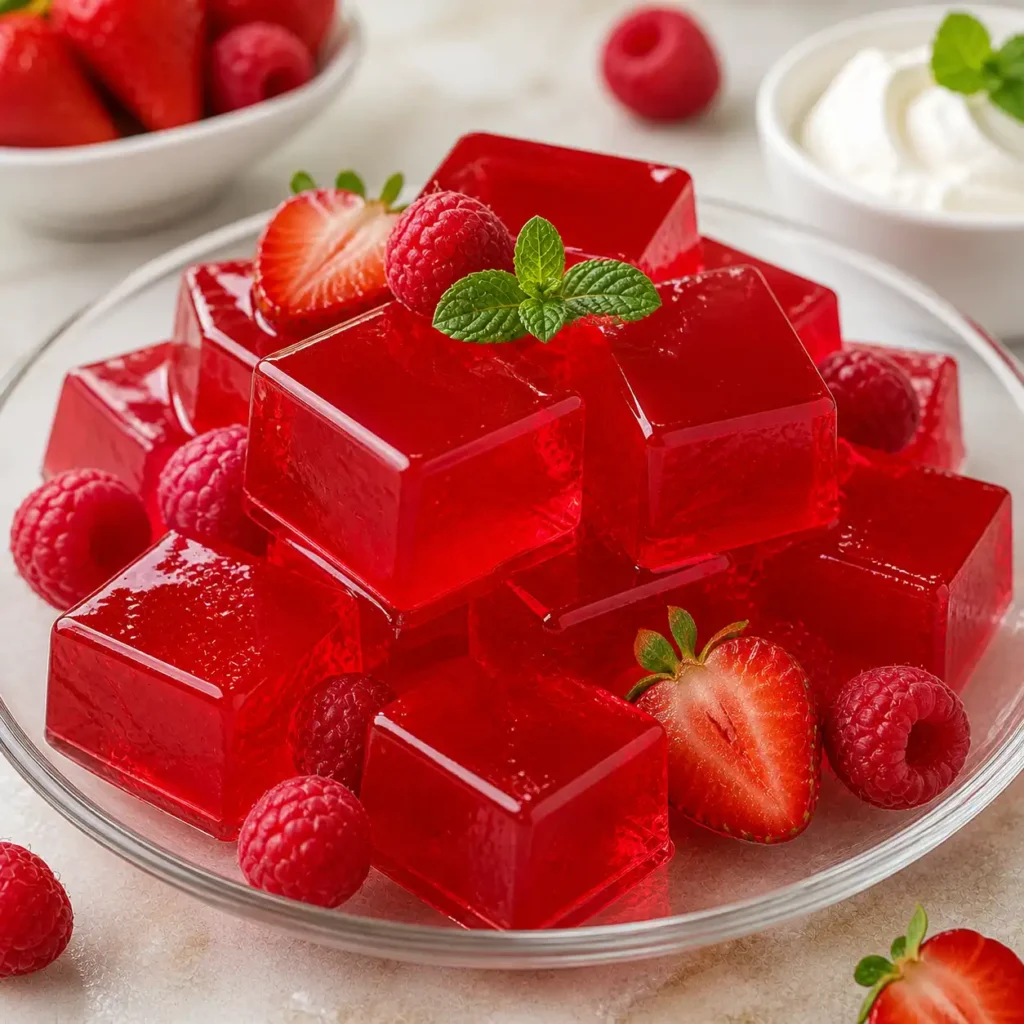
Sugar free gelatin dessert is a versatile and nutritionally dense treat that fits perfectly into modern healthy lifestyles. Whether you are managing your blood glucose, following a strict weight loss plan, or looking to improve your skin and joint health, this simple dish offers more than meets the eye. By removing the high sugar content found in traditional gelatin products, you can enjoy a satisfying snack that supports metabolic health while providing the essential amino acids your body needs for repair and vitality.
Table of Contents
The Nutritional Profile of Sugar Free Gelatin Dessert
A Low-Calorie Powerhouse
One of the most significant advantages of a sugar free gelatin dessert is its incredibly low calorie count. Traditional gelatin desserts are often loaded with refined sugars, which can lead to rapid spikes in insulin and contribute to weight gain. In contrast, the sugar free version typically contains fewer than 10 calories per serving. This makes it an ideal choice for “volume eating,” a strategy where you consume large amounts of low-calorie food to feel full without exceeding your daily energy requirements. Because it is mostly water held together by protein, it provides a sense of satiety that few other snacks can match.
Protein Without the Bulk
While people often think of gelatin as just a snack, it is actually a form of protein. Gelatin is derived from collagen, which is the most abundant protein in the human body. When you consume a sugar free gelatin dessert, you are ingesting a specific set of amino acids, including glycine, proline, and hydroxyproline. These are vital for maintaining the structural integrity of your tissues. Unlike a heavy steak or a protein shake, this dessert provides these building blocks in a light, easily digestible form that does not weigh down your digestive system or require heavy processing by the liver.
Print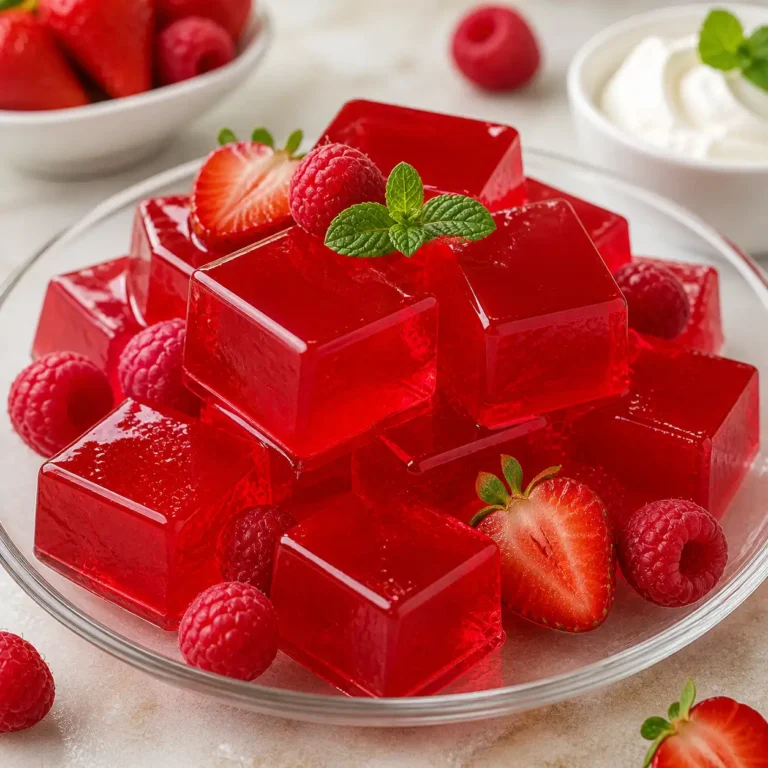
The Ultimate Guide to Sugar Free Gelatin Dessert
A light, refreshing, and nutritionally dense dessert that supports metabolic health, skin, and joint vitality without the added sugar.
- Total Time: 4 hours 10 minutes
- Yield: 4 servings 1x
Ingredients
- 1 package (0.3 oz) Sugar-free gelatin mix (any flavor)
- 2 cups Boiling water
- 2 cups Cold water
- Optional: Sugar-free whipped topping
- Optional: Fresh berries for garnish
Instructions
- Step 1: Boil Water – Heat 2 cups of water in a kettle or saucepan until reaching a full rolling boil.
- Step 2: Dissolve Powder – Empty the gelatin mix into a large heat-safe mixing bowl and add the boiling water.
- Step 3: Stir Thoroughly – Stir with a whisk or spoon for at least 2 minutes until the powder is completely dissolved.
- Step 4: Add Cold Water – Pour in 2 cups of cold water and stir until the mixture is uniform.
- Step 5: Portion and Chill – Transfer the liquid into individual bowls and refrigerate for 4 hours or until firm.
- Step 6: Garnish and Serve – Top with sugar-free whipped cream or fresh berries right before serving.
Notes
To speed up the setting process, use 1 cup of cold water and 1 cup of ice cubes instead of 2 cups of cold water.
- Prep Time: 5 minutes
- Cook Time: 5 minutes
- Category: Dessert
- Method: No-Bake
- Cuisine: American
- Diet: Keto, Diabetic-friendly, Low-Carb
Nutrition
- Serving Size: 1/2 cup (125g)
- Calories: 10 kcal
- Sugar: 0.1g
- Sodium: 55mg
- Fat: 0.05g
- Saturated Fat: 0.01g
- Unsaturated Fat: 0.04g
- Trans Fat: 0.01g
- Carbohydrates: 0.2g
- Fiber: 0.1g
- Protein: 1.2g
- Cholesterol: 1mg
Keywords: sugar-free, gelatin, keto dessert, low calorie, collagen
Metabolic Health and Weight Management
The Role of Satiety Hormones
Modern dietary science has looked deep into how different foods affect our hunger hormones. Gelatin has been shown to influence the release of satiety signals in the gut. For individuals focusing on hormonal balance, incorporating a GIP and GLP-1 gelatin recipe into their routine can be a game-changer. These recipes use the structural properties of gelatin to help people manage their appetite more effectively throughout the day. By keeping the stomach feeling occupied with a sugar free gelatin dessert, you can reduce the urge to reach for high-calorie, processed snacks between meals.
Supporting Stable Blood Sugar
Managing blood sugar is a primary concern for millions of people worldwide. Traditional sweets are usually off-limits because they cause glucose levels to rise uncontrollably. However, sugar free gelatin dessert uses non-nutritive sweeteners that do not trigger the same glycemic response. According to the Mayo Clinic’s guide on diabetes nutrition, choosing snacks that have a minimal impact on blood glucose is a cornerstone of effective management. This allows those with diabetes to enjoy a sweet sensation without the fear of a subsequent crash or long-term health complications, making it a reliable staple in a diabetic-friendly pantry.
The Science of Gelatin for Longevity
Skin and Connective Tissue Support
As we age, our natural collagen production begins to slow down, leading to wrinkles and less elastic skin. Because sugar free gelatin dessert is made from collagen, it provides the body with the raw materials needed to support skin health from the inside out. Regular consumption can help maintain skin moisture and improve overall appearance. Beyond aesthetics, these same amino acids are used by the body to repair tendons and ligaments. This makes the sugar free gelatin dessert a functional food that supports the structural health of your body as you move through different stages of life.
Improving Bone Density and Joint Comfort
Joint pain and stiffness are common complaints that can be managed through nutrition. The glycine found in sugar free gelatin dessert has anti-inflammatory properties that may help reduce joint discomfort. Research documented in Healthline’s overview of gelatin science suggests that it can improve skin elasticity and strengthen the connective tissues in the body. For athletes or those suffering from wear and tear, having a regular serving of this dessert provides a concentrated source of the nutrients required for joint lubrication and bone strength, all without the inflammation that sugar might otherwise cause.
Sugar Free Gelatin Dessert in Clinical Diets
Bariatric Recovery and Post-Op Nutrition
Following weight loss surgery, the digestive tract is highly sensitive and requires a very specific progression of foods. Sugar free gelatin dessert is often one of the first “solids” allowed because it melts into a liquid at body temperature. Many clinical protocols recommend a Dr. Oz pink gelatin recipe to help patients stay hydrated while getting a small amount of protein. This helps prevent muscle wasting during the rapid weight loss phase. The gentle nature of the dessert makes sure that the stomach is not irritated while still providing a sense of normalcy in the diet during a challenging recovery period.
Expert Recommendations for Gut Health
The gut lining is a delicate barrier that can be compromised by poor diet or stress. Health experts often recommend gelatin because it can help “seal” the gut, potentially reducing symptoms of sensitivity. When we look at the Dr. William Li gelatin recipe, we see a focus on how these types of foods support the vascular system and the microbiome. By choosing a sugar free gelatin dessert, you are providing your gut bacteria with a environment that is not plagued by the overgrowth of harmful yeast that often thrives on sugar. This supports a balanced internal ecosystem and better overall digestion.
Creative Ways to Serve Sugar Free Gelatin Dessert
Layering and Textural Variety
Eating the same flavor every day can become monotonous, but sugar free gelatin dessert is a perfect base for culinary creativity. You can layer different flavors to create a visually appealing rainbow treat or mix in fiber-rich fruits like raspberries or strawberries. For a more substantial snack, you can combine the gelatin with a cottage cheese dessert easy enough for any evening. This adds a creamy texture and a significant boost of casein protein, turning a light snack into a filling meal that keeps you satisfied for hours. The contrast between the firm gelatin and the soft cheese creates a gourmet experience with very few calories.
The “Pro-Jello” Trend
Fitness enthusiasts have recently popularized “Pro-Jello,” which involves mixing protein powder into a sugar free gelatin dessert. To do this, you simply whisk your favorite whey or collagen protein into the gelatin mixture before it sets. This significantly increases the protein content, making it an excellent post-workout recovery snack. Because the gelatin is sugar-free, you maintain control over your macronutrient ratios. This method is particularly popular among bodybuilders and those on keto diets who need to hit high protein targets without consuming excess fats or carbohydrates.
Comparison of Gelatin Options
When selecting your ingredients, it is helpful to understand how sugar free gelatin dessert compares to other options on the market. The following table summarizes the key differences you might encounter.
| Feature | Standard Gelatin | Sugar Free Gelatin | Agar-Agar (Vegan) |
|---|---|---|---|
| Calories (per serving) | 70-90 kcal | 5-10 kcal | 10-15 kcal |
| Protein Source | Animal Collagen | Animal Collagen | Seaweed (Algae) |
| Glycemic Impact | High | Zero to Low | Zero |
| Amino Acid Profile | Rich in Glycine | Rich in Glycine | Low in Protein |
How to Make the Perfect Sugar Free Gelatin Dessert

Making a sugar free gelatin dessert is a straightforward process, but following specific steps will make sure you achieve the best texture and flavor every time. Here is the standard method for a firm, delicious result.
- Step 1: Boiling Water – Bring one cup of filtered water to a rolling boil in a small pot or using a kettle.
- Step 2: Dissolving the Powder – Empty the sugar free gelatin dessert packet into a heat-safe glass bowl and slowly pour in the boiling water while whisking constantly.
- Step 3: Complete Dissolution – Continue stirring for at least two minutes until every crystal is completely dissolved to avoid a grainy texture at the bottom.
- Step 4: Adding Cold Water – Stir in one cup of very cold water. For a firmer set, you can use ice cubes and remove any unmelted portions after the liquid has chilled.
- Step 5: Refrigeration – Pour the mixture into individual molds or a large dish and refrigerate for at least four hours, or until the gelatin is firm to the touch.
- Step 6: Serving – Gently pull the edges of the gelatin away from the mold with a damp finger and flip onto a plate, or serve directly from the bowl with a dollop of sugar-free whipped cream.


Health Considerations and Sweeteners
Understanding Artificial Sweeteners
Most commercial sugar free gelatin dessert products use sweeteners like aspartame or sucralose. For the vast majority of people, these are safe and effective tools for reducing calorie intake. However, if you prefer to avoid artificial ingredients, you can make your own sugar free gelatin dessert using unflavored bovine gelatin and a natural sweetener like stevia, monk fruit, or allulose. This allows you to control the intensity of the sweetness and the quality of the ingredients, making it a cleaner option for those with specific chemical sensitivities.
Hydration Benefits
Because a sugar free gelatin dessert is primarily made of water, it contributes to your daily hydration goals. Many people struggle to drink enough plain water throughout the day. Consuming gelatin is a pleasant way to increase fluid intake, especially for children or the elderly who may be more prone to dehydration. The gelatin structure slows down the passage of water through the digestive tract, which can help the body absorb fluids more efficiently over time. It is a functional way to stay hydrated while enjoying a treat.
FAQs
Is sugar free gelatin dessert keto-friendly?
Yes, sugar free gelatin dessert is almost entirely protein and water, making it a perfect fit for the ketogenic diet. Since it contains zero net carbs, it will not kick you out of ketosis. It is often used by keto practitioners to satisfy cravings for sweets without consuming sugar or high amounts of fat.
Can I use sugar free gelatin dessert to help my hair grow?
The collagen-derived proteins in sugar free gelatin dessert provide the amino acids necessary for keratin production, which is the primary component of hair and nails. While it is not a miracle cure, regular consumption can support the strength and growth rate of hair as part of a balanced diet rich in vitamins and minerals.
Is gelatin safe for children?
Sugar free gelatin dessert is generally safe for children and is often preferred by parents who want to limit their children’s sugar intake. However, check the labels for specific dyes or sweeteners if your child has sensitivities. It provides a fun, wobbling texture that kids love without the “sugar high” and subsequent crash.
How long does sugar free gelatin dessert last in the fridge?
When stored in an airtight container, sugar free gelatin dessert will stay fresh for about 7 to 10 days. If it starts to release a significant amount of water or the texture becomes rubbery, it is best to discard it. Always keep it covered to prevent it from absorbing odors from other foods in the refrigerator.
Conclusion
Sugar free gelatin dessert is a remarkable tool for anyone looking to improve their health without sacrificing the joy of eating. From its role in supporting joint and skin health to its ability to aid in weight management and diabetic control, it is a food that serves multiple purposes. By incorporating it into your diet through creative recipes or simple preparation, you can enjoy a low-calorie, high-protein treat that supports your long-term wellness goals. Make it a staple in your kitchen and experience the benefits of this timeless, functional dessert.
Disclaimer
The content provided on this website is for general informational and educational purposes only. It is not intended to replace professional medical advice, diagnosis, or treatment. I am not a licensed healthcare provider or certified nutrition expert.
Always seek guidance from a qualified medical professional before making any changes to your diet, especially if you have underlying health conditions, allergies, or specific dietary needs. Individual results may vary, and your health and safety should always come first.