When you think about the Taste of Colombia, your mind might wander to the aroma of freshly ground coffee or the sight of golden, crispy arepas. This beautiful South American nation offers a rich tapestry of flavors that reflect its diverse geography, from the chilly Andean peaks to the warm Caribbean and Pacific coasts. Colombian food is deeply rooted in tradition, relying on fresh, local ingredients that provide comfort and joy to everyone at the table. In this guide, we will look at the dishes and customs that make this cuisine so unique and inviting.
Table of Contents
The Soul of the Colombian Breakfast

The Iconic Arepa
No discussion about the Taste of Colombia is complete without mentioning the arepa. This corn-based cake is a daily essential in almost every household. Depending on the region, arepas can be thick and stuffed with melted cheese or thin and crispy with a dollop of butter on top. In the Paisa region, they are often plain and serve as a neutral companion to savory toppings. In the Caribbean, you might find them deep-fried and filled with a whole egg. These versatile corn cakes represent the heart of Colombian comfort food, providing a satisfying crunch and a soft, warm center that starts the day right.
Huevos Pericos: A Colorful Start
Colombians love to start their mornings with protein, and huevos pericos are a favorite choice. These are essentially scrambled eggs cooked with a flavorful sauté of scallions and ripe tomatoes. The acidity of the tomatoes and the mild bite of the onions bring the eggs to life. Huevos pericos are a simple yet effective way to experience the Taste of Colombia in your own kitchen. If you enjoy veggie-packed egg dishes that offer a similar balance of flavors, you might also like this shakshuka with feta for your next weekend brunch.
Calentado: The Art of Leftovers
Calentado literally means “heated up,” and it is the ultimate solution for a hungry morning. This dish traditionally consists of the previous night’s beans and rice, re-fried in a pan until they are slightly crispy and well-combined. It is often served with a side of beef, a fried egg, and a slice of avocado. This hearty meal shows how Colombian culture values every bit of food, turning simple leftovers into a feast. It is a robust breakfast that provides all the energy needed for a busy day, embodying the practical and resourceful spirit of the Colombian people.
Print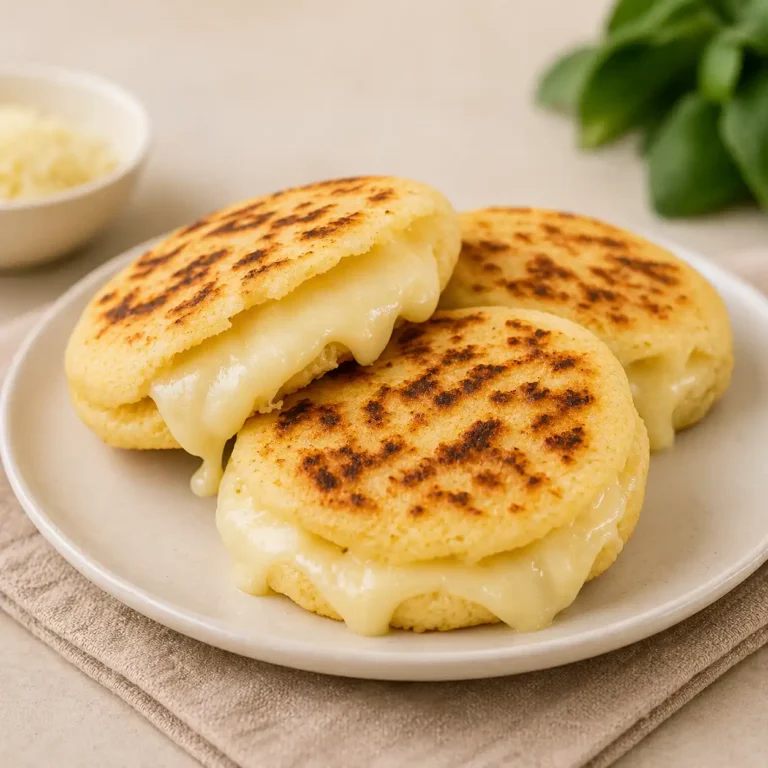
Traditional Colombian Arepas de Queso
A staple of Colombian cuisine, these golden, crispy corn cakes are filled with melted cheese and served hot, capturing the heart of the Andes and the coast.
- Total Time: 25 minutes
- Yield: 8 arepas 1x
Ingredients
- 2 cups pre-cooked white cornmeal (masarepa)
- 2 cups warm water
- 1 cup shredded mozzarella cheese
- 1 tablespoon melted butter
- 1/2 teaspoon salt
- 1 tablespoon vegetable oil
- Fresh farmer’s cheese for topping
- Butter for serving
Instructions
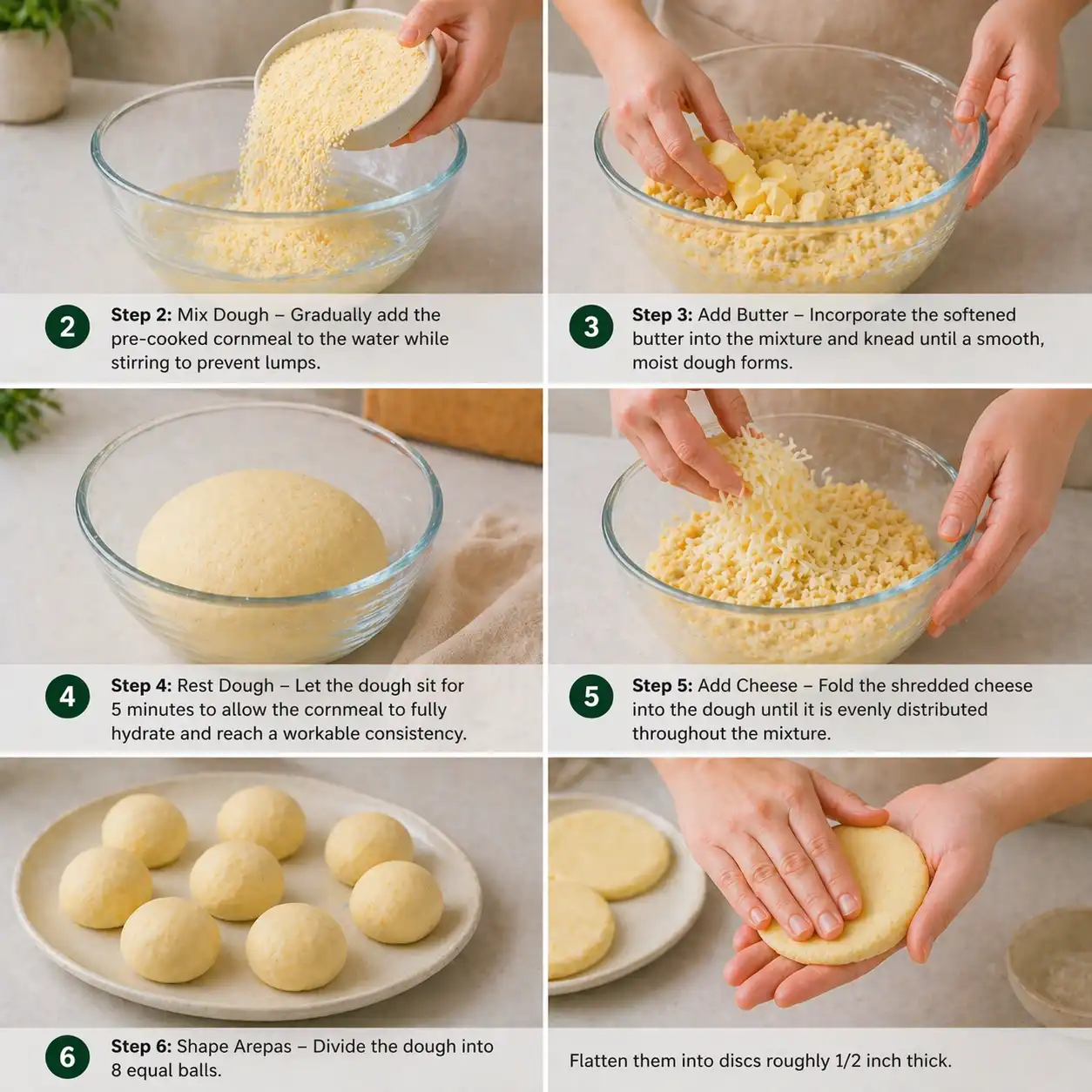
- Step 1: Prepare Liquid – In a large mixing bowl, combine the warm water, salt, and melted butter.
- Step 2: Form Dough – Gradually add the cornmeal to the water, mixing with your hands until a smooth, pliable dough forms.
- Step 3: Rest Dough – Let the dough rest for 5 minutes to ensure the cornmeal is fully hydrated and easy to handle.
- Step 4: Add Cheese – Fold the shredded mozzarella cheese into the dough until it is evenly distributed throughout.
- Step 5: Shape Discs – Divide the dough into 8 equal portions, roll into balls, and flatten into discs about 1/2 inch thick.
- Step 6: Heat Pan – Lightly grease a cast-iron skillet or non-stick pan with vegetable oil and set over medium heat.
- Step 7: Cook Arepas – Place the discs in the pan and cook for 5-7 minutes per side until golden brown and crispy.
- Step 8: Garnish and Serve – Serve immediately while hot, topped with an extra pat of butter or fresh cheese.
Notes
Ensure you use pre-cooked cornmeal (masarepa) rather than standard corn flour or cornmeal, as the texture will not be correct otherwise.
- Prep Time: 10 minutes
- Cook Time: 15 minutes
- Category: Breakfast
- Method: Pan-frying
- Cuisine: Colombian
- Diet: Vegetarian
Nutrition
- Serving Size: 1 arepa
- Calories: 215 kcal
- Sugar: 1g
- Sodium: 340mg
- Fat: 9g
- Saturated Fat: 5g
- Unsaturated Fat: 3g
- Trans Fat: 0.1g
- Carbohydrates: 28g
- Fiber: 2g
- Protein: 7g
- Cholesterol: 22mg
Keywords: arepas, colombian breakfast, corn cakes, cheese, andes, gluten-free
Soups and Stews That Warm the Heart
Ajiaco Bogotano: A Highland Treasure
If you visit the capital city, Bogotá, the chilly mountain air will likely lead you to a steaming bowl of Ajiaco. This thick soup is a centerpiece of the Taste of Colombia in the highlands. It is made using three different types of potatoes, which break down to create a creamy texture without the need for dairy. The star ingredient is an herb called guascas, which gives the soup its signature earthy flavor. Topped with heavy cream, capers, and served with a side of corn on the cob and avocado, Ajiaco is a sophisticated yet rustic dish that defines Andean cooking.
Sancocho: The National Favorite
Sancocho is more than just a soup; it is a social event. Families often gather on weekends to cook a large pot of Sancocho over an open fire. This hearty stew typically features large chunks of plantain, yuca (cassava), potatoes, and corn, along with beef or chicken. The slow-simmering process allows the flavors of the root vegetables and meat to meld into a rich, golden broth. Each region has its own twist, but the essence remains the same: it is a communal meal that brings people together. Sancocho perfectly captures the welcoming and festive Taste of Colombia.
Mote de Queso: A Coastal Delicacy
Heading toward the Atlantic coast, the flavors shift toward ingredients like yams and local cheeses. Mote de Queso is a creamy yam soup made with “queso costeño,” a salty, firm cheese that holds its shape when heated. Flavored with garlic, onions, and sometimes a squeeze of lime, this dish is a creamy delight that highlights the agricultural richness of the coastal plains. It offers a different perspective on the Taste of Colombia, showing how local environments dictate the ingredients and cooking styles that become beloved regional staples.
Hearty Main Courses and Savory Sides
The Power of Rice and Beans
Rice is a constant companion in Colombian kitchens, often served alongside hearty meat dishes to soak up flavorful sauces. Whether it is simple white rice or coconut rice on the coast, it is an essential part of the daily diet. For a different take on meat and rice combinations from another part of the world, check out this beef kofta kebab with rice recipe to see how different cultures use these staples. In Colombia, beans are typically stewed with diced carrots or plantains to add a hint of sweetness and a thick consistency, creating a meal that is both filling and nutritious.
Posta Negra: Cartagena’s Signature Beef
Posta Negra, or “black beef,” is a standout dish from the city of Cartagena. It consists of a tough cut of beef that is slow-cooked until tender in a dark, sweet, and savory sauce made from panela (unrefined cane sugar) and spices. The result is a deeply caramelized meat that melts in your mouth. It is usually served with coconut rice and fried plantains, offering a perfect balance of sweet and salty notes. This dish represents the fusion of indigenous, African, and Spanish influences that have shaped the Taste of Colombia over centuries.
Patacones: The Perfect Side
Patacones are twice-fried green plantains that are flattened into thick discs. They are crispy on the outside and starchy on the inside, serving as the perfect vessel for toppings like hogao (a tomato and onion sauce) or shredded beef. You will find patacones served with almost every meal in the coastal regions. They are a beloved snack and side dish that adds a satisfying crunch to any plate. Making them requires a bit of patience, as they must be fried once, smashed, and then fried again to achieve that perfect golden texture.
Exotic Fruits and Refreshing Beverages
The Magic of Soursop (Guanábana)
Colombia is a paradise for fruit lovers. The tropical climate allows for an incredible variety of exotic fruits that are often turned into fresh juices or creamy milkshakes. One of the most popular is the Guanábana, or soursop. It has a prickly green skin and a white, fibrous interior that tastes like a mix of strawberry, pineapple, and citrus. If you want to know more about the nutritional profile of this fruit, you can read about soursop benefits to see why it is a staple in healthy Colombian diets. It is a refreshing way to cool down on a warm day.
Lulada: A Cali Special
In the city of Cali, you will find a unique drink called Lulada. It is made from the lulo fruit, which is tart and citrusy. Unlike a smooth juice, Lulada contains chopped bits of the fruit mixed with lime juice, water, sugar, and ice. It is often served with a spoon so you can enjoy the fruit pieces. This drink provides a tangy explosion of flavor that is unlike anything else. The lulo fruit is a true hidden gem of the Taste of Colombia, loved by locals for its refreshing acidity and vibrant green color.
Guatila and the Use of Chayote
While fruits get a lot of attention, Colombian vegetables are also quite interesting. In many Andean regions, you will find guatila used in soups; it is a local variety of chayote. It is often used to add bulk and nutrition to stews without overpowering the other flavors. You can find out more about this versatile ingredient in this chayote guide. Whether used in a savory soup or even a sweet preserve, guatila shows the diversity of produce available in the Colombian mountains.
Street Food Delights and Quick Bites
Empanadas: The Ultimate Snack
Colombian empanadas are distinct because they are usually made with a cornmeal dough rather than wheat flour. They are deep-fried until the shell is incredibly crunchy and vibrant yellow. Inside, you will typically find a mixture of shredded beef and mashed potatoes seasoned with local spices. They are almost always served with a spicy “ají” salsa made with cilantro, lime, and peppers. Buying a hot empanada from a street vendor is a quintessential way to enjoy the Taste of Colombia while on the move.
Pandebono: The Cheesy Bread You Need
Pandebono is a small, round bread made from corn flour, cassava starch, and a generous amount of cheese. It is baked until it puffs up, resulting in a soft, chewy texture and a savory cheese flavor. It is best eaten warm, straight from the oven, when the cheese is still slightly gooey. Many Colombians enjoy pandebono as a mid-afternoon snack accompanied by a cup of coffee or hot chocolate. Its unique texture and salty-sweet balance make it one of the most addictive treats in the country.
Comparison of Popular Colombian Soups
| Dish Name | Region | Primary Ingredients | Flavor Profile |
|---|---|---|---|
| Ajiaco | Andean (Bogotá) | Potatoes, chicken, guascas, corn | Creamy, earthy, and savory |
| Sancocho | Nationwide | Plantain, yuca, beef/chicken, corn | Hearty, brothy, and rustic |
| Mote de Queso | Caribbean Coast | Yam, salty cheese, garlic, onions | Rich, salty, and velvety |
| Cazuela de Mariscos | Coastal Regions | Shrimp, fish, coconut milk, herbs | Sweet, briny, and luxurious |
Sweet Ends and Unique Traditions
Hot Chocolate with Cheese
This might sound unusual to some, but dipping cheese into hot chocolate is a beloved tradition in Colombia. The chocolate is typically made from raw cacao bars melted in water or milk using a wooden whisk called a “molinillo.” A piece of mild, melting cheese (like queso campesino) is dropped into the mug. Once the cheese is soft and gooey, you scoop it out with a spoon and enjoy the salty-sweet combination. It is a comforting ritual that perfectly illustrates the playful and surprising nature of the Taste of Colombia.
Postre de Natas
Postre de Natas is a traditional dessert from the Andean region. It is made by boiling milk repeatedly and collecting the “skin” or cream that forms on top. These layers of cream are then cooked in a syrup with sugar, raisins, and sometimes a hint of cinnamon. It is a labor-intensive dish that results in a rich, velvety texture. This dessert reflects the Spanish colonial influence on Colombian sweets, emphasizing the use of dairy and sugar to create indulgent treats for special occasions.
Colombian Coffee Culture
Coffee is perhaps the most famous export of the country, but the way it is consumed locally is just as important. In Colombia, “tinto” refers to a small cup of black coffee, often sweetened with panela. It is a social beverage found on every street corner and in every office. The high-altitude volcanic soil and perfect climate contribute to the beans’ smooth and fruity profile. For more information on the history and importance of this crop, you can visit Colombia’s official tourism site to see how coffee defines the national identity.
How to Prepare a Simple Colombian-Style Meal
If you want to bring the Taste of Colombia into your home, starting with a basic chicken stew and rice is a great way to begin. Follow these steps to create a simple yet authentic meal.
- Step 1: Sauté the base – Start by heating a little oil in a large pot and sautéing chopped onions, garlic, and tomatoes until soft.
- Step 2: Brown the meat – Add chicken pieces to the pot and cook until they are lightly browned on all sides.
- Step 3: Add vegetables – Toss in chunks of potato, carrots, and green plantains to provide structure and flavor to the stew.
- Step 4: Simmer with liquid – Pour in enough water or chicken stock to cover the ingredients and simmer over medium heat for about 45 minutes.
- Step 5: Season to taste – Add salt, cumin, and a handful of fresh cilantro to bring out the traditional flavors.
- Step 6: Serve and enjoy – Serve the stew in large bowls with a side of white rice and a fresh slice of avocado.


The Influence of History on Food
The culinary traditions of Colombia are a melting pot of three primary cultures: the indigenous peoples, the Spanish colonizers, and the Africans who were brought to the coast. The indigenous groups contributed corn, potatoes, and yuca, which remain the backbone of the diet. The Spanish introduced cattle, rice, and sugar, while African influences are most visible in the use of coconut and frying techniques on the coast. For a deeper look at how these groups interacted, you can check Britannica’s overview of Colombian customs for more historical context. This mixture is what gives the Taste of Colombia its incredible variety and depth.
FAQs
Is Colombian food spicy?
Generally, Colombian food is not spicy. While many dishes are highly seasoned with herbs like cilantro and spices like cumin or achiote, they rarely contain hot peppers. However, most meals are served with a side of “ají,” a fresh salsa that allows individuals to add as much heat as they like.
What is the most popular dish in Colombia?
While many consider the Bandeja Paisa to be the national dish, its heavy meat content makes it more of a regional specialty from the Antioquia area. Soups like Sancocho and Ajiaco are arguably more widespread and consumed across different social classes and regions, making them true symbols of the country’s culinary heart.
What do Colombians drink with their meals?
Fresh fruit juices are the most common accompaniment to lunch and dinner. Whether it is blackberry, mango, or guava, these juices are usually made with water or milk and lightly sweetened. Panela water with lime, known as “aguapanela,” is also a staple beverage served both hot and cold.
Are there vegetarian options in Colombia?
Traditional Colombian cuisine is very meat-centric, but there are many vegetarian-friendly components. Arepas, patacones, and many types of rice and beans can be enjoyed without meat. In larger cities, you will find modern twists on traditional dishes that cater to vegetarian diets by using mushrooms or legumes as substitutes.
Conclusion
The Taste of Colombia is a vibrant celebration of the land and its people. From the creamy potato soups of the Andes to the coconut-infused dishes of the coast, every bite tells a story of cultural fusion and natural abundance. Whether you are sipping a hot chocolate with cheese or enjoying a crispy empanada on a street corner, you are participating in a rich tradition of hospitality and flavor. By bringing these recipes and ingredients into your kitchen, you can experience the warmth and soul of Colombia no matter where you are in the world.