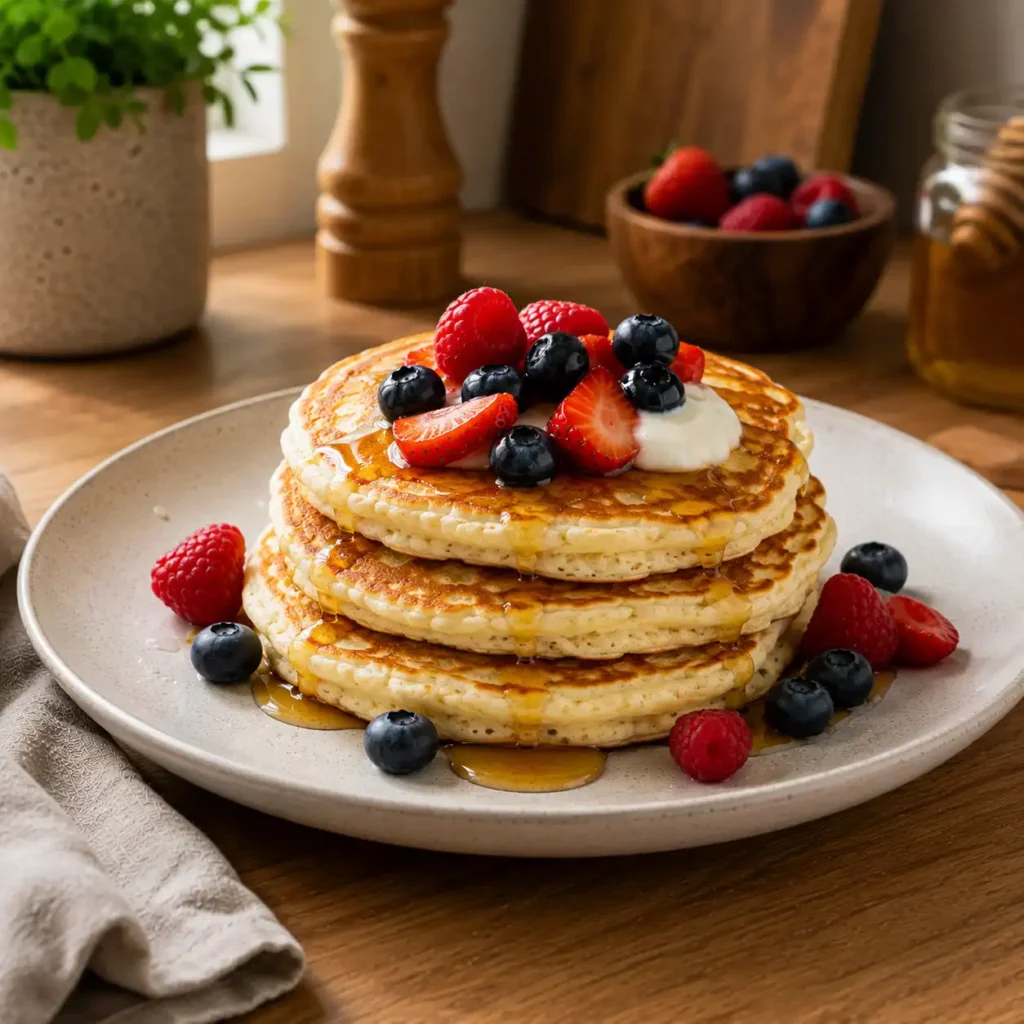
Cottage cheese pancakes have transitioned from a niche fitness food to a mainstream breakfast staple, beloved for their remarkable nutritional profile and satisfying texture. Unlike traditional flapjacks that rely heavily on refined starches, these pancakes use the moisture and protein of cheese curds to create a dense yet fluffy interior. This guide focuses on the science and art of crafting the perfect batch, helping you transition your morning routine into one that supports long-term wellness and metabolic health without sacrificing the comfort of a warm, golden-brown meal.
Table of Contents
Why Cottage Cheese Pancakes Are a Nutritional Powerhouse
The Role of High-Quality Protein
The primary appeal of cottage cheese pancakes lies in their high protein content. Most of the protein in these pancakes comes from casein, a slow-digesting dairy protein that provides a steady release of amino acids into the bloodstream. This makes them an exceptional choice for athletes or anyone looking to maintain muscle mass while managing their weight. When you incorporate these pancakes into your diet, you are choosing a meal that naturally keeps you full for longer periods compared to sugary cereals or plain toast. For those interested in expanding their repertoire of lean options, checking out other high protein low carb meals can provide even more variety for your weekly meal planning.
Managing Blood Sugar and Satiety
Because cottage cheese pancakes have a lower glycemic index than standard pancakes, they help prevent the sharp insulin spikes that often lead to a mid-morning energy crash. By focusing on a balance of fats and proteins, these pancakes help stabilize your glucose levels throughout the day. This is particularly beneficial for individuals managing their weight or those with insulin sensitivity. To further improve the satiety of your breakfast, you can pair these pancakes with berries or flaxseeds, which are excellent examples of high fiber foods for weight loss that complement the protein-rich base perfectly. Research from reputable sources like Healthline suggests that starting the day with high protein can significantly reduce cravings later in the evening.
Print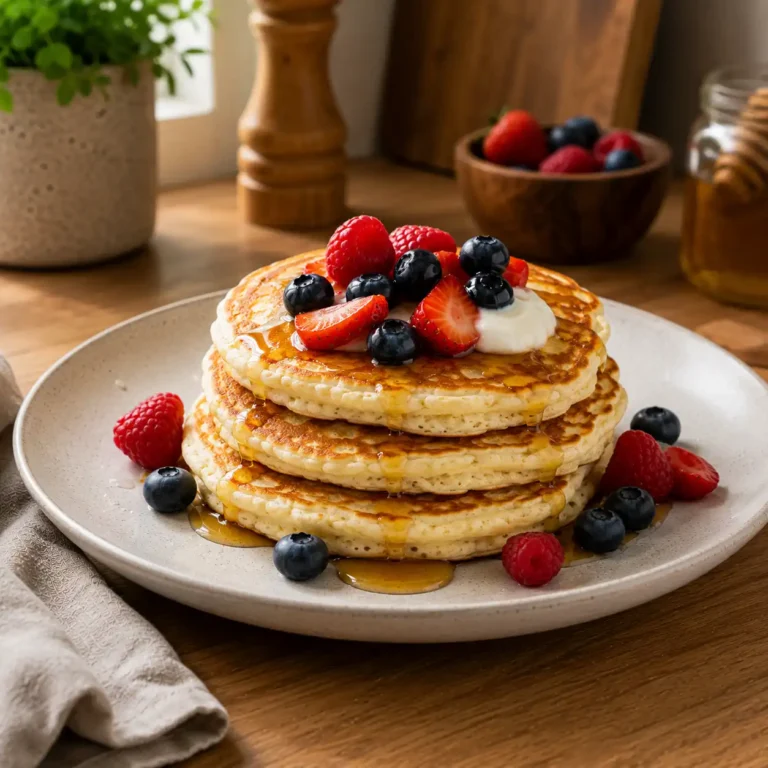
Mastering Cottage Cheese Pancakes
A high-protein, low-glycemic breakfast staple that uses slow-digesting casein for sustained energy and muscle maintenance.
- Total Time: 15 minutes
- Yield: 2 servings 1x
Ingredients
- 1 cup low-fat cottage cheese
- 2 large eggs
- 1/2 cup rolled oats
- 1 teaspoon vanilla extract
- 1/2 teaspoon baking powder
- 1/4 teaspoon ground cinnamon
- 1 tablespoon ground flaxseeds
- 1/2 cup fresh blueberries for topping
- Non-stick cooking spray or butter
Instructions
- Step 1: Prepare Batter – Combine cottage cheese, eggs, oats, vanilla, baking powder, and cinnamon in a high-speed blender.
- Step 2: Blend Smooth – Process the mixture on high for 30-45 seconds until the batter is completely smooth and no cheese curds remain.
- Step 3: Preheat Skillet – Heat a large non-stick griddle or skillet over medium-low heat and coat lightly with cooking spray.
- Step 4: Portion Batter – Pour approximately 1/4 cup of batter onto the hot skillet for each pancake, leaving space for spreading.
- Step 5: Cook First Side – Sauté for 3-4 minutes until small bubbles form on the surface and the edges appear set and golden.
- Step 6: Flip Carefully – Use a thin spatula to flip the pancakes and cook for an additional 2 minutes until the center is firm.
- Step 7: Garnish and Serve – Plate the pancakes immediately and top with fresh blueberries and flaxseeds for added fiber.
Notes
Blending the batter is essential for a fluffy texture; otherwise, the cottage cheese curds will create a lumpy consistency.
- Prep Time: 5 minutes
- Cook Time: 10 minutes
- Category: Breakfast
- Method: Stovetop
- Cuisine: American
- Diet: High-Protein
Nutrition
- Serving Size: 3 pancakes
- Calories: 295 kcal
- Sugar: 5g
- Sodium: 480mg
- Fat: 11g
- Saturated Fat: 3.5g
- Unsaturated Fat: 7.5g
- Trans Fat: 0.1g
- Carbohydrates: 22g
- Fiber: 5g
- Protein: 26g
- Cholesterol: 195mg
Keywords: High-Protein, Low-Carb, Cottage Cheese, Healthy Pancakes, Fitness Breakfast
Essential Ingredients and Their Functions
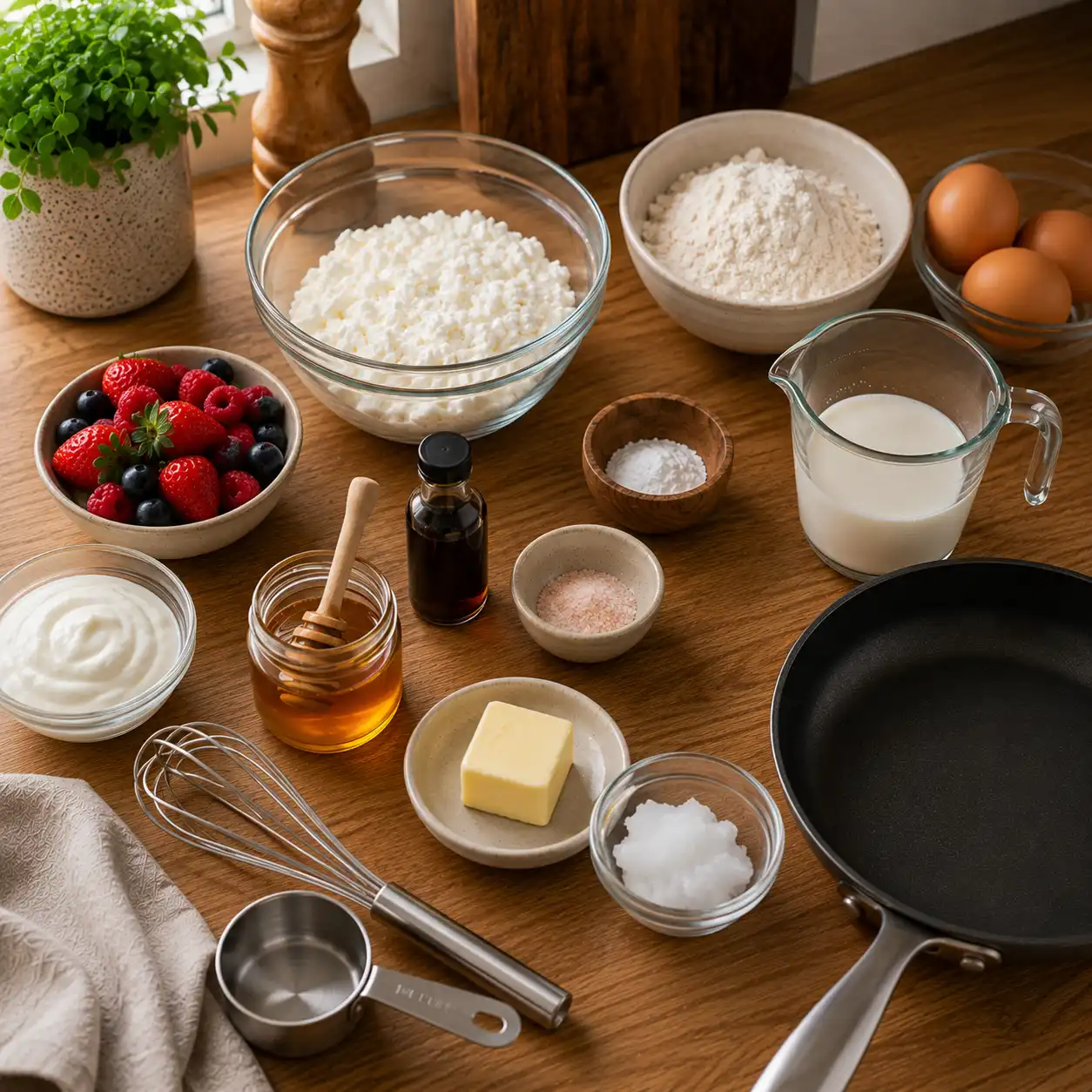
Selecting the Right Cottage Cheese
The success of your cottage cheese pancakes starts with the curd size and fat content. Small-curd cottage cheese tends to blend into the batter more easily, while large-curd varieties provide little pockets of creamy texture that many find appealing. Full-fat cottage cheese (4%) is often recommended by chefs because the fat helps carry flavor and creates a more tender crumb. However, if you are strictly watching your caloric intake, 2% or even fat-free versions can work, provided you adjust the other moisture levels in the recipe. The cheese acts as both the liquid component and a structural binder, which is a technique also seen in popular treats like cottage cheese ice cream, showcasing the versatility of this dairy product.
Flour Alternatives and Bindings
While traditional all-purpose flour works well, many modern recipes for cottage cheese pancakes use oat flour or almond flour to keep the dish gluten-free or lower in carbohydrates. Oat flour adds a nutty sweetness and extra fiber, which helps the pancakes hold their shape during the flipping process. If you prefer a grain-free lifestyle, almond flour is an excellent substitute that adds healthy fats. Using these alternatives is a great way to mirror the nutritional benefits found in healthy almond flour cookies, proving that you can enjoy baked goods while sticking to your health goals. Eggs are also vital here, acting as the primary leavening agent that helps the cottage cheese pancakes rise slightly on the griddle.
Step-by-Step Instructions for Perfect Cottage Cheese Pancakes
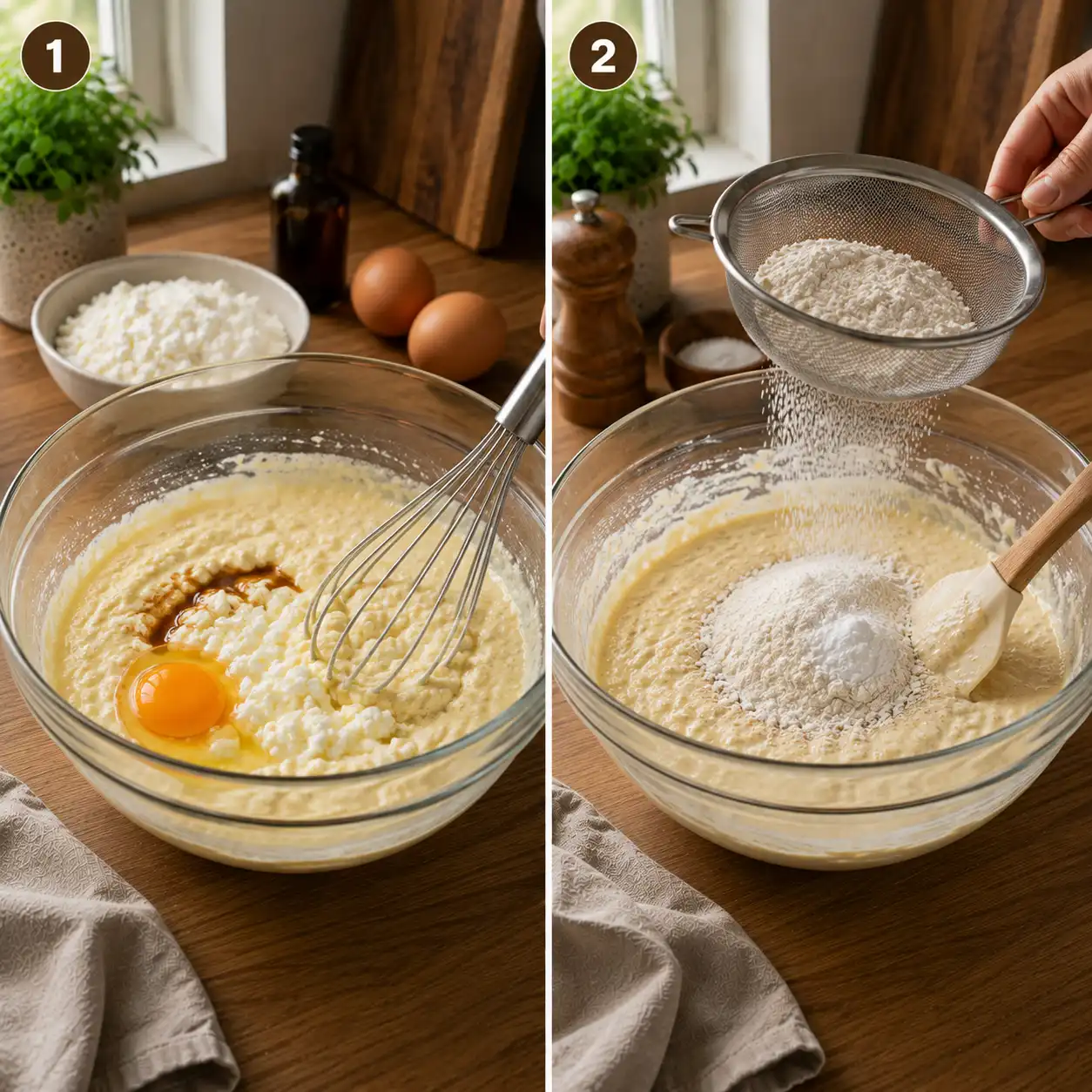
- Step 1: Prepare the Base – In a large mixing bowl, combine one cup of cottage cheese with two large eggs and a teaspoon of pure vanilla extract, whisking until the mixture is relatively smooth but still contains some texture.
- Step 2: Incorporate Dry Ingredients – Sift in half a cup of your chosen flour, a pinch of sea salt, and half a teaspoon of baking powder, stirring gently to avoid overworking the gluten if using wheat flour.
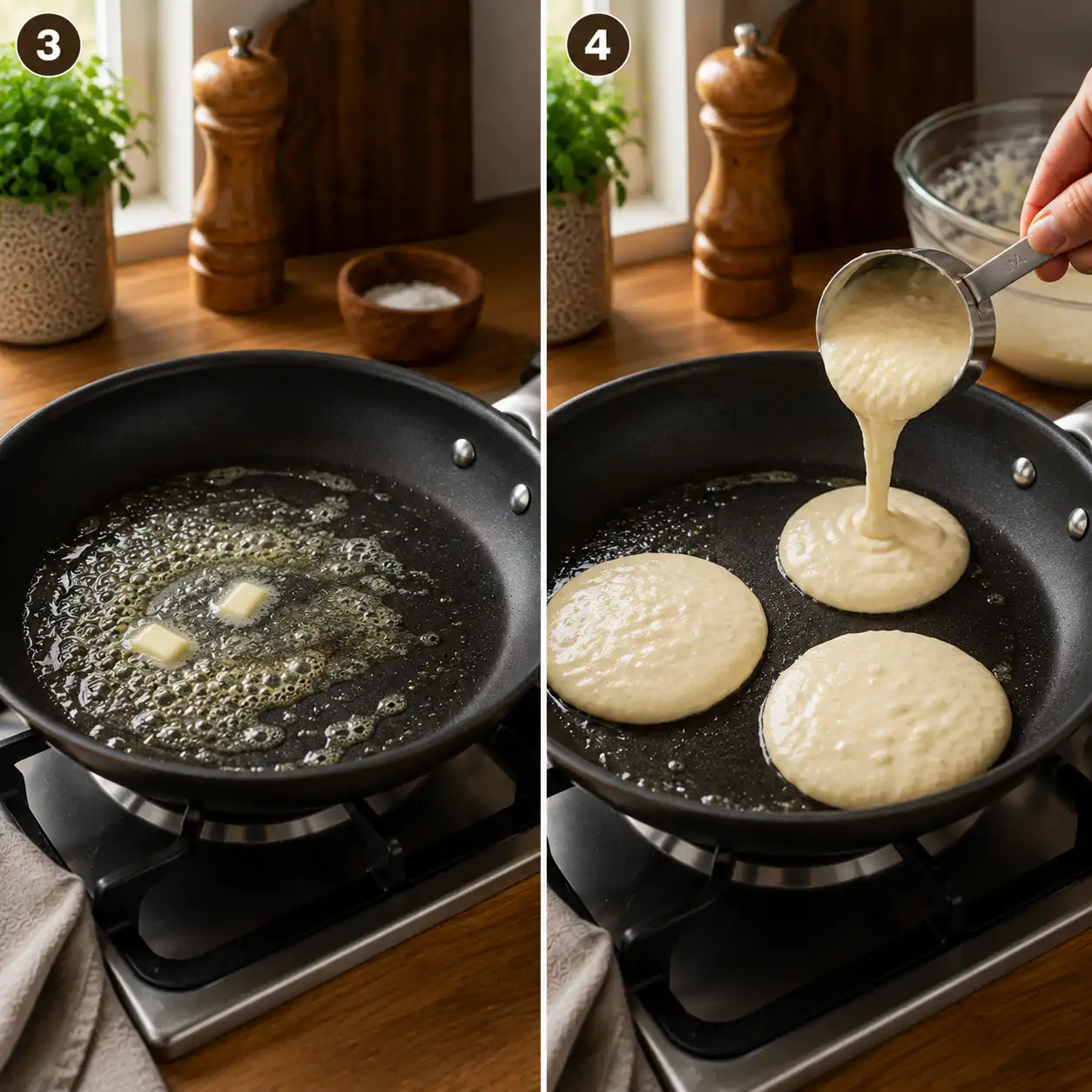
- Step 3: Preheat the Surface – Heat a non-stick skillet or cast-iron griddle over medium-low heat and lightly coat the surface with a small amount of butter or coconut oil to prevent sticking.
- Step 4: Portion the Batter – Use a quarter-cup measure to drop the batter onto the hot skillet, making sure to leave enough space between the cottage cheese pancakes for easy flipping.
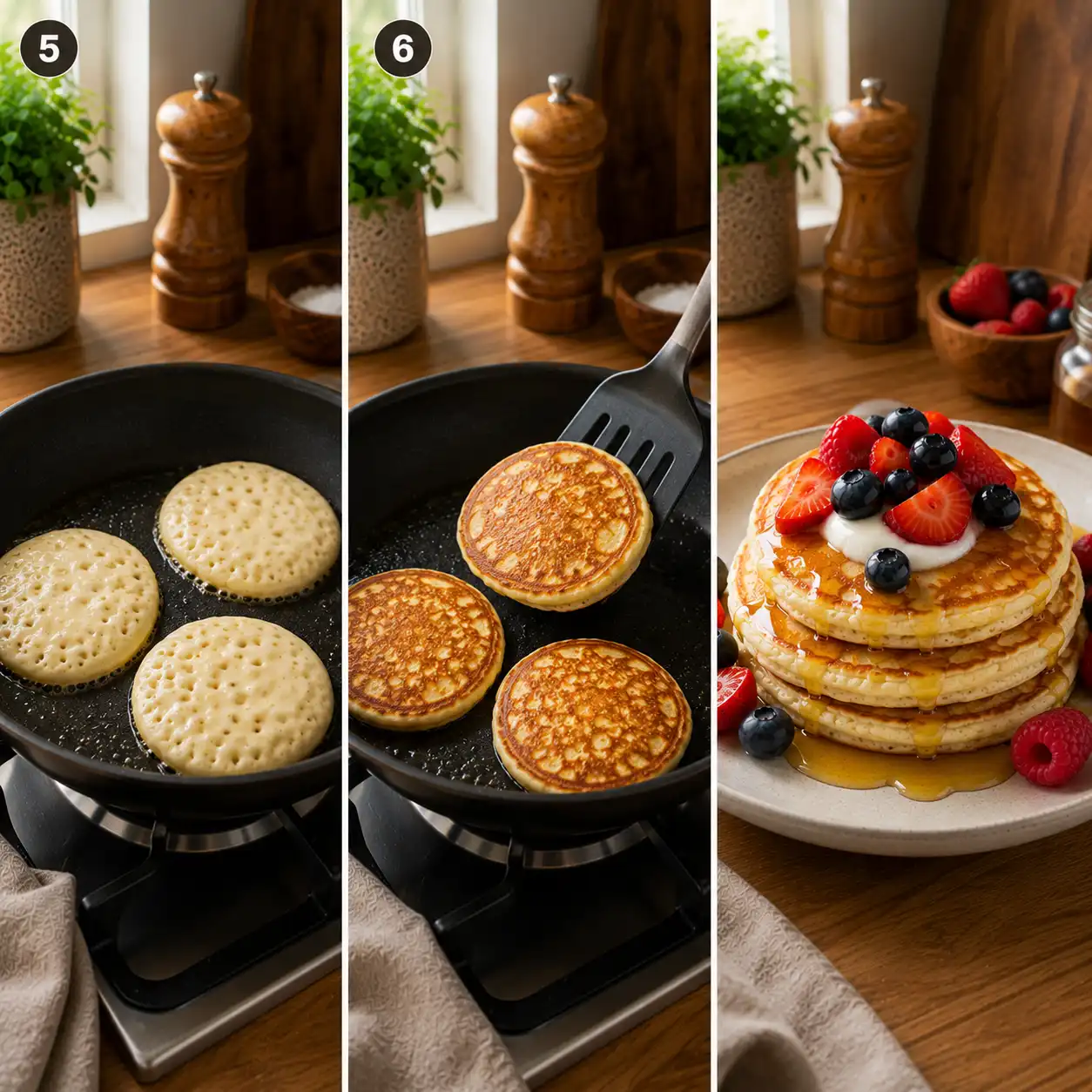
- Step 5: Monitor the Cook – Cook for about 3 to 4 minutes on the first side until small bubbles form on the surface and the edges appear set and slightly golden.
- Step 6: Flip and Finish – Gently flip the cottage cheese pancakes and cook for an additional 2 to 3 minutes on the other side until they are firm to the touch and cooked through.
- Step 7: Garnish and Serve – Remove from heat and serve immediately with fresh fruit, a drizzle of honey, or a dollop of Greek yogurt for an extra protein boost.
Comparison of Pancake Varieties
To help you understand how cottage cheese pancakes stack up against other popular breakfast choices, the following table breaks down the typical nutritional values for a standard serving size (approximately three 4-inch pancakes).
| Feature | Traditional Pancakes | Oatmeal Pancakes | Cottage Cheese Pancakes |
|---|---|---|---|
| Protein Content | Low (4-6g) | Moderate (8-10g) | High (20-25g) |
| Carbohydrate Count | High (40g+) | Moderate (25g) | Low to Moderate (10-15g) |
| Texture | Light and Airy | Chewy and Dense | Creamy and Tender |
| Satiety Level | Short-lived | Medium | Long-lasting |
Advanced Cooking Techniques and Tips
Temperature Management for Delicate Batters
One of the most common mistakes when making cottage cheese pancakes is using a heat setting that is too high. Because of the high protein and sugar content in the dairy, these pancakes can brown very quickly on the outside while remaining raw in the center. Keeping your burner at a medium-low setting allows the heat to penetrate the thick batter slowly, resulting in a fully cooked interior and a perfectly caramelized exterior.
If you notice the pancakes are getting too dark before they are ready to flip, turn the heat down further and give the pan a moment to cool. According to guidelines from the Mayo Clinic, cooking dairy products at moderate temperatures preserves their nutritional integrity and prevents the fats from scorching.
Achieving the Desired Texture
If you are someone who prefers a uniform, cake-like texture, you can use a blender to combine your ingredients before cooking. Blending the batter breaks down the cheese curds completely, resulting in a smooth mixture that looks identical to traditional pancake batter. On the other hand, if you enjoy the “cheese-cake” style of cottage cheese pancakes, mixing by hand is the way to go. Leaving the curds intact creates small, melted pockets of cheese that offer a delightful contrast to the surrounding cake. This manual method is more traditional and honors the roots of this dish, which shares many characteristics with Eastern European syrniki.
Flavor Variations and Creative Toppings
Savory Cottage Cheese Pancakes
While most people associate pancakes with maple syrup, cottage cheese pancakes are an excellent canvas for savory ingredients. You can omit the vanilla and sugar, instead adding chopped chives, green onions, or even a handful of spinach to the batter. Serving these with a side of smoked salmon or a poached egg creates a sophisticated brunch dish that is low in sugar but high in flavor. This versatility makes them a great option for those who prefer savory breakfasts but want to move away from heavy meats. Avoiding pig products like ham or lard is easy with this recipe, as the natural fats in the cheese and eggs provide more than enough richness.
Sweet and Spiced Adaptations
For a dessert-like experience that remains healthy, consider adding cinnamon, nutmeg, or even lemon zest to your cottage cheese pancakes. Lemon zest, in particular, cuts through the richness of the dairy and provides a bright, refreshing flavor profile. You can also fold in blueberries or finely chopped apples directly into the batter. These additions not only improve the taste but also increase the antioxidant content of your meal. Unlike sugary syrups, these natural flavorings help you maintain a clean diet while still satisfying your sweet tooth.
Storage, Reheating, and Meal Prep
Freezing for Long-Term Use
Cottage cheese pancakes are incredibly freezer-friendly, making them perfect for those who practice meal prepping on the weekends. Once the pancakes have cooled completely on a wire rack, layer them between sheets of parchment paper and place them in a heavy-duty freezer bag. They can be stored for up to three months without losing their quality. Having a stash of these in the freezer guarantees that you always have a healthy, high-protein breakfast available, even on your busiest mornings when you don’t have time to cook from scratch.
The Best Reheating Methods
To maintain the tender texture of cottage cheese pancakes, it is best to avoid the microwave if possible, as it can make the dairy components somewhat rubbery. Instead, use a toaster or a dry skillet over low heat. Reheating in a toaster gives the edges a slight crispness that mimics the fresh-off-the-griddle experience. If you are reheating a large batch, placing them on a baking sheet in a 350-degree oven for about five to eight minutes will warm them through evenly without drying them out. This method preserves the creamy center that makes cottage cheese pancakes so unique.
FAQs
Can I make cottage cheese pancakes without eggs?
Eggs are the primary binder in this recipe, so removing them can be challenging. However, you can use a “flax egg” (ground flaxseed mixed with water) or a commercial egg replacer. Keep in mind that the texture will be significantly denser and less fluffy than the original version.
What is the difference between these and syrniki?
Syrniki are traditional Eastern European cheese pancakes made with farmer’s cheese (tvorog). Cottage cheese pancakes are the Western adaptation, using the more widely available cottage cheese. Syrniki usually use more flour and are often dredged in flour before frying, making them more like a small cheese patty than a pancake.
Are cottage cheese pancakes keto-friendly?
Yes, they can be made keto-friendly by using almond flour or coconut flour instead of wheat or oat flour. Since cottage cheese contains some natural sugars (lactose), you should monitor your portions, but they are generally much lower in net carbs than any traditional pancake.
Why are my pancakes falling apart?
If your pancakes are crumbling, it is likely because the batter is too wet or you tried to flip them too early. Make sure your cottage cheese is well-drained if it is very watery, and allow the first side to cook until the edges are completely set before attempting to flip.
Conclusion
Cottage cheese pancakes represent a perfect intersection of culinary enjoyment and nutritional science. By focusing on high-quality dairy protein and minimizing refined sugars, you can enjoy a classic breakfast favorite while fueling your body for the day ahead. Whether you prefer them blended smooth or with hearty curds, these pancakes are a versatile addition to any healthy kitchen. Their ability to be prepped in advance and customized with endless toppings makes them a sustainable choice for anyone committed to a better lifestyle and a more balanced morning routine.
Disclaimer
The content provided on this website is for general informational and educational purposes only. It is not intended to replace professional medical advice, diagnosis, or treatment. I am not a licensed healthcare provider or certified nutrition expert.
Always seek guidance from a qualified medical professional before making any changes to your diet, especially if you have underlying health conditions, allergies, or specific dietary needs. Individual results may vary, and your health and safety should always come first.