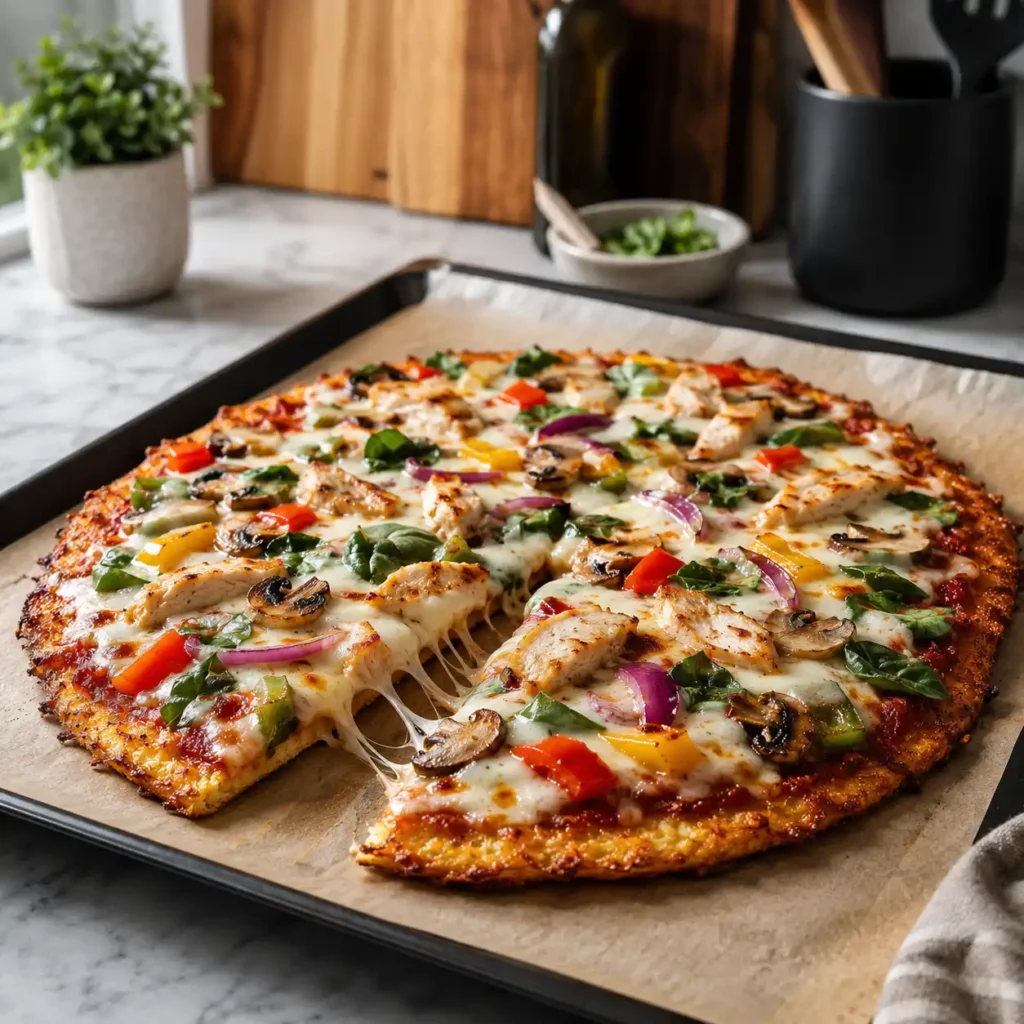
Finding a healthy substitute for a classic cheat meal often feels like a compromise, but cottage cheese pizza changes that narrative entirely. This high-protein, low-carb alternative has taken the wellness community by storm, offering a satisfying way to enjoy pizza night without the heavy flour base. By using simple ingredients, you can transform a tub of curds into a crispy, flavorful crust that supports your health goals. Whether you are looking for a post-workout meal or a light dinner, this cottage cheese pizza recipe provides the perfect balance of nutrition and taste.
Table of Contents
Why Cottage Cheese Pizza is a Game-Changer for Health Enthusiasts
The Protein Powerhouse Profile
One of the biggest reasons people choose cottage cheese pizza is the incredible protein content. Traditional pizza dough is mostly refined carbohydrates, which can lead to energy crashes and hunger shortly after eating. In contrast, cottage cheese is rich in casein protein, which digests slowly and keeps you feeling full for hours. This makes the dish an excellent choice for those focusing on high-protein low-carb meals. When you use this dairy staple as your base, you are providing your body with the amino acids necessary for muscle repair while keeping your blood sugar levels more stable than a standard crust would.
Low-Carb and Keto-Friendly Benefits
For those following a ketogenic or low-carb lifestyle, finding a pizza crust that doesn’t fall apart or taste like cardboard is a challenge. Cottage cheese pizza solves this by using eggs and cheese as binders instead of flour. This shift dramatically reduces the net carb count per slice. According to a Healthline nutritional guide on cottage cheese, this ingredient is naturally low in sugar and high in essential nutrients like B vitamins and calcium. By making this swap, you can indulge in several slices without worrying about being kicked out of ketosis or exceeding your daily carbohydrate limits.
A Versatile Canvas for Flavors
Many people worry that cottage cheese pizza will taste strictly like dairy, but the crust acts as a neutral foundation that picks up the flavors of your seasonings. You can add garlic powder, dried oregano, or red pepper flakes directly into the dough mix. This allows you to create a crust that mimics the herbal profile of a New York-style slice or a spicy Italian flatbread. Because the texture becomes remarkably firm once baked correctly, it can handle a wide variety of toppings, from heavy roasted vegetables to lean meats, without getting soggy or breaking under the weight of the sauce.
Print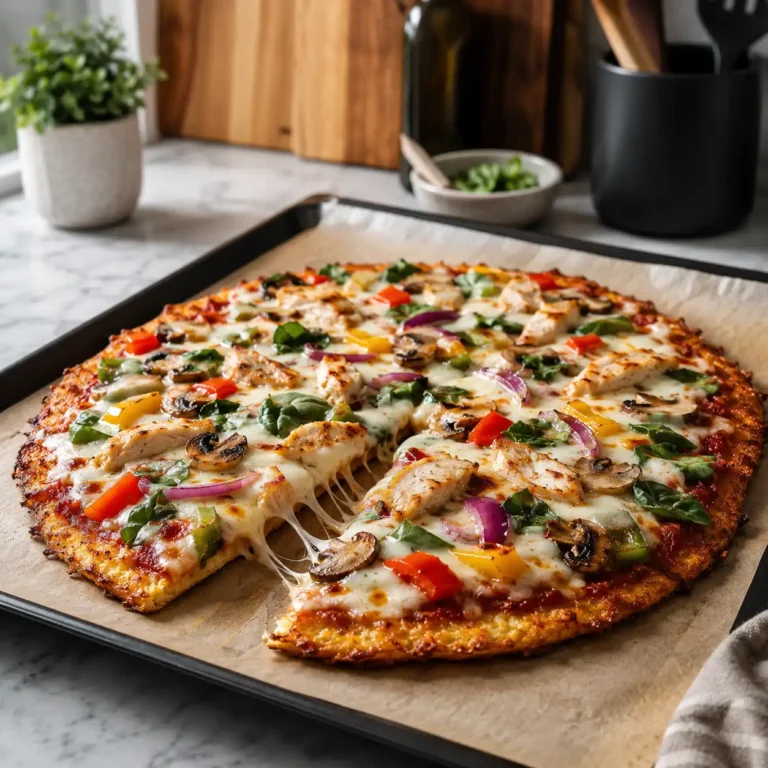
The Ultimate Guide to Making Cottage Cheese Pizza
Discover a high-protein, low-carb alternative to traditional pizza with this innovative cottage cheese crust recipe. This guide helps you transform simple curds into a crispy, flavorful base perfect for a healthy post-workout meal or light dinner, providing exceptional nutrition without compromising taste.
- Total Time: 55 minutes
- Yield: 4 servings (1 medium pizza) 1x
Ingredients
- 16 oz (approx. 2 cups) full-fat cottage cheese
- 1 large egg
- 1/4 cup grated Parmesan cheese (or mozzarella for binding)
- 1/2 tsp garlic powder
- 1/2 tsp dried oregano
- Pinch of red pepper flakes (optional)
- Pinch of salt
- Pinch of black pepper
- Your favorite pizza sauce
- Your favorite low-carb toppings (e.g., lean meats, vegetables, low-moisture mozzarella)
Instructions
- Step 1: Preheat Oven – Preheat your oven to 400°F (200°C). Line a baking sheet with parchment paper.
- Step 2: Prepare Cottage Cheese – In a food processor or blender, combine the cottage cheese, egg, Parmesan cheese, garlic powder, dried oregano, red pepper flakes (if using), salt, and pepper. Blend until the mixture is completely smooth and uniform.
- Step 3: Form the Crust – Pour the blended cottage cheese mixture onto the prepared parchment-lined baking sheet. Use the back of a spoon or spatula to spread it evenly into a thin circle or rectangle, about 1/4 inch thick.
- Step 4: Bake Crust – Bake the crust for 25-30 minutes, or until it’s golden brown, firm to the touch, and the edges are slightly crispy. The moisture should evaporate, creating a stable base.
- Step 5: Optional Broil for Crispiness – For extra crispiness, you can carefully transfer the parchment paper with the crust directly onto the oven rack and broil for 1-2 minutes, watching closely to prevent burning.
- Step 6: Add Toppings – Remove the crust from the oven. Spread your desired amount of pizza sauce over the crust, then add your chosen low-carb toppings and a layer of mozzarella cheese.
- Step 7: Final Bake – Return the pizza to the oven and bake for another 10-15 minutes, or until the cheese is melted and bubbly and the toppings are heated through. Serve hot.
Notes
For the crispiest crust, ensure the cottage cheese is blended until completely smooth. If your cottage cheese is very watery, consider straining it through a cheesecloth before blending. Spreading the batter thinly is crucial for a firm, non-soggy crust. This crust is highly versatile and can support various toppings.
- Prep Time: 15 minutes
- Cook Time: 40 minutes
- Category: Pizza
- Method: Baking
- Cuisine: Italian-American (Healthy Twist)
- Diet: High-protein, Low-carb, Keto-friendly
Nutrition
- Serving Size: 1/4 pizza
- Calories: 320 kcal
- Sugar: 4 g
- Sodium: 750 mg
- Fat: 20 g
- Saturated Fat: 10 g
- Unsaturated Fat: 8 g
- Trans Fat: 0.5 g
- Carbohydrates: 8 g
- Fiber: 2 g
- Protein: 28 g
- Cholesterol: 120 mg
Keywords: cottage cheese pizza, high-protein, low-carb, keto-friendly, healthy pizza, gluten-free crust, wellness recipe
Understanding the Texture: Blended vs. Chunky
The Case for Blending Your Base
When making cottage cheese pizza, the texture of the crust depends heavily on how you prepare the curds. Most experts recommend blending the cottage cheese until it is completely smooth before mixing it with eggs. This creates a uniform batter that bakes into a consistent, bread-like texture. If you leave the curds whole, the crust may have small pockets of moisture which can make it feel more like a dense omelet than a pizza. Blending breaks down the protein structures and allows them to bond more tightly with the egg proteins, resulting in a more traditional “chew” that pizza lovers crave.
Achieving the Perfect Crispiness
A common critique of alternative crusts is that they can be soft. To get your cottage cheese pizza crust truly crispy, you must use parchment paper and a high oven temperature. Spreading the batter thin is also a vital part of the process. As the moisture evaporates during the baking process, the proteins brown and harden. You can also finish the crust under the broiler for a minute or two before adding your toppings. This creates a toasted exterior that provides a satisfying snap when you bite into it, closely mimicking the experience of a thin-crust artisan pizza from a wood-fired oven.
Managing Moisture Content
Cottage cheese varies in moisture levels depending on the brand and fat percentage. For the best cottage cheese pizza, look for “dry curd” varieties or strain your cottage cheese through a cheesecloth if it looks particularly watery. Excess liquid is the enemy of a firm crust. If your batter is too thin, the pizza will stick to the paper and won’t hold its shape. Some home cooks add a tablespoon of almond flour or coconut flour to help soak up any remaining moisture, though this is not strictly necessary if you start with a high-quality, thick cottage cheese brand.
Step-by-Step Instructions for the Viral Cottage Cheese Pizza Crust
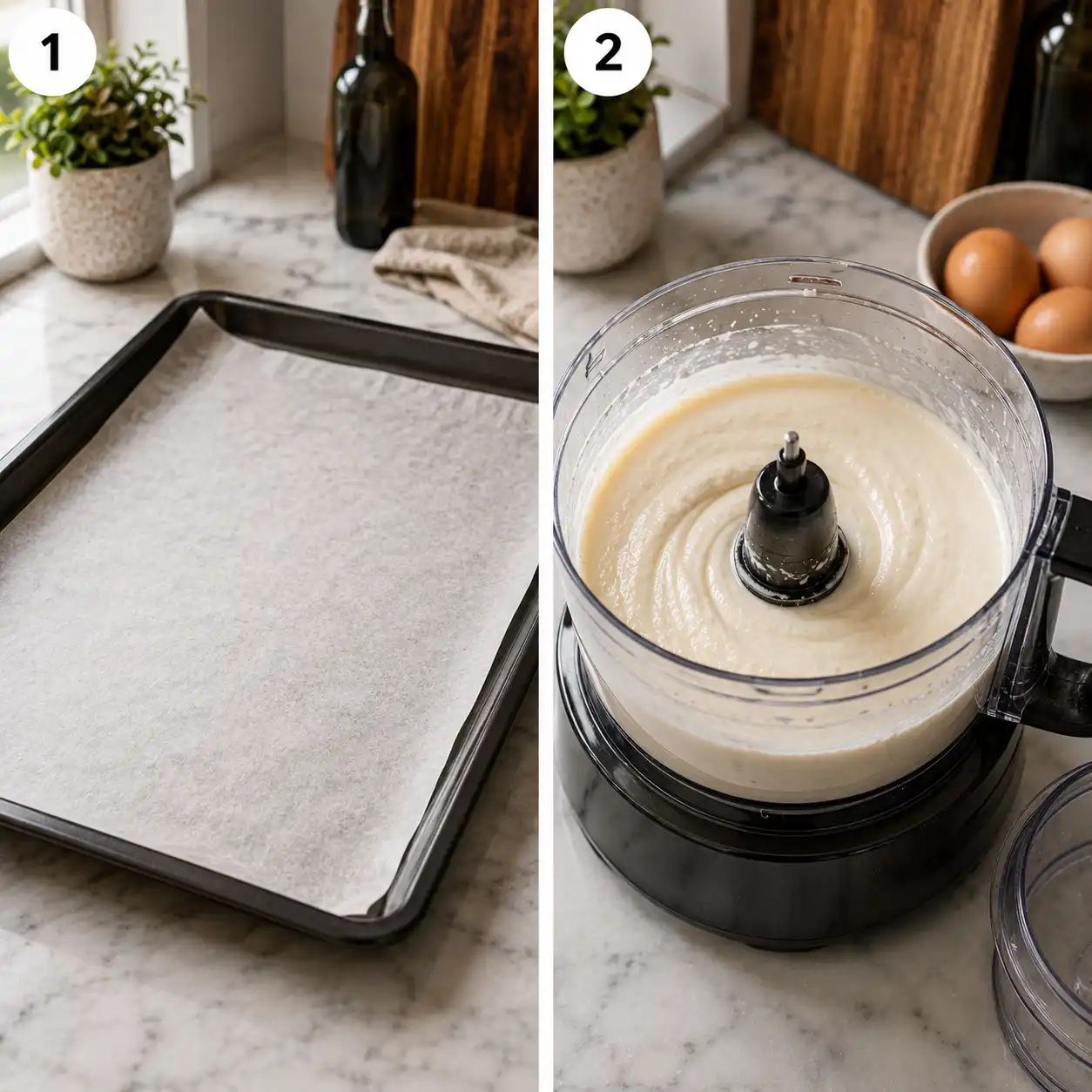
- Step 1: Preparation – Preheat your oven to 400°F (200°C) and line a large baking sheet with high-quality parchment paper to prevent sticking.
- Step 2: Blend the Base – Place 1 cup of full-fat cottage cheese and 2 large eggs into a blender or food processor and process until the mixture is completely smooth.
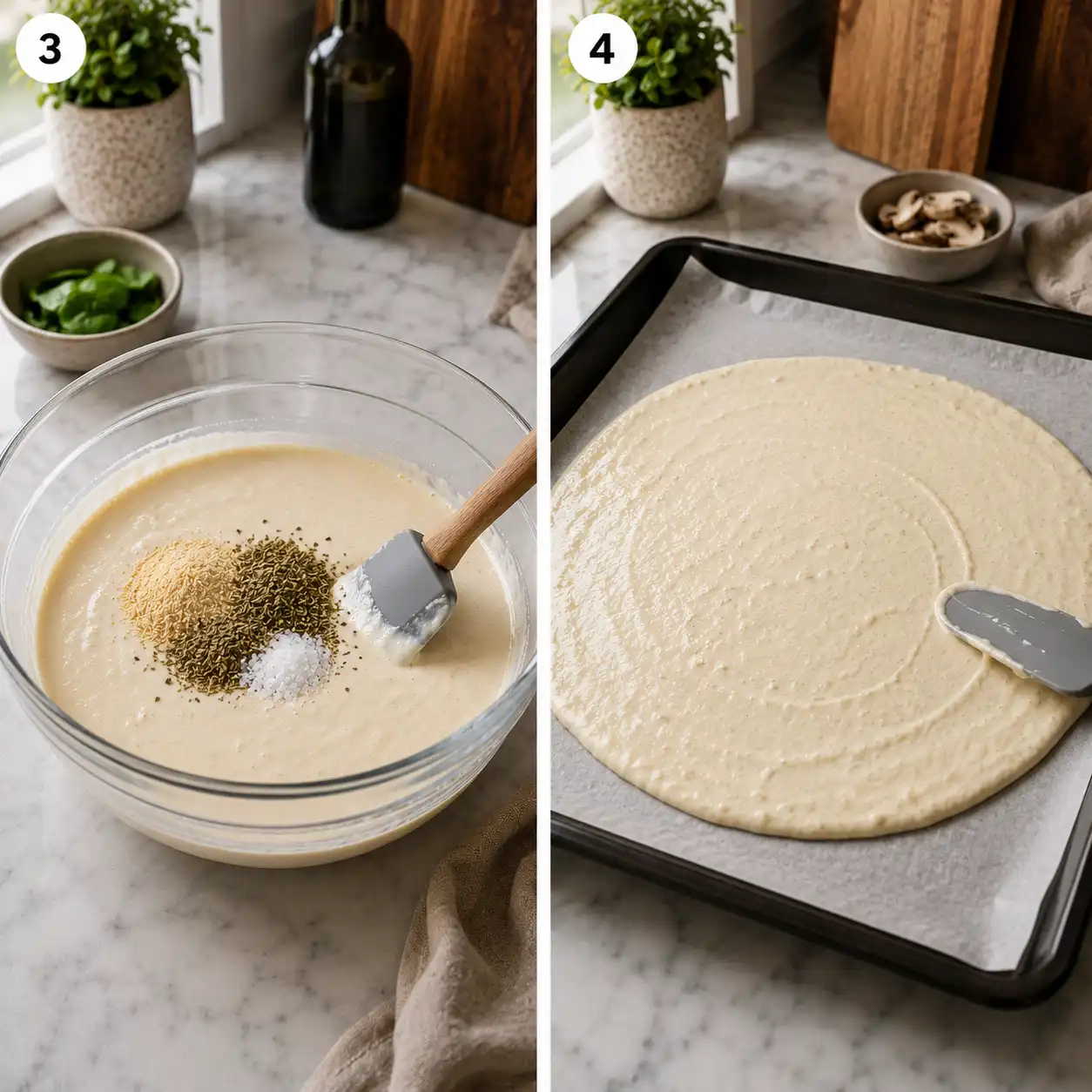
- Step 3: Season the Batter – Pour the mixture into a bowl and stir in 1 teaspoon of garlic powder, 1 teaspoon of dried oregano, and a pinch of sea salt.
- Step 4: Spread the Crust – Pour the batter onto the parchment paper and use a spatula to spread it into a thin, even circle or rectangle, about 1/4 inch thick.
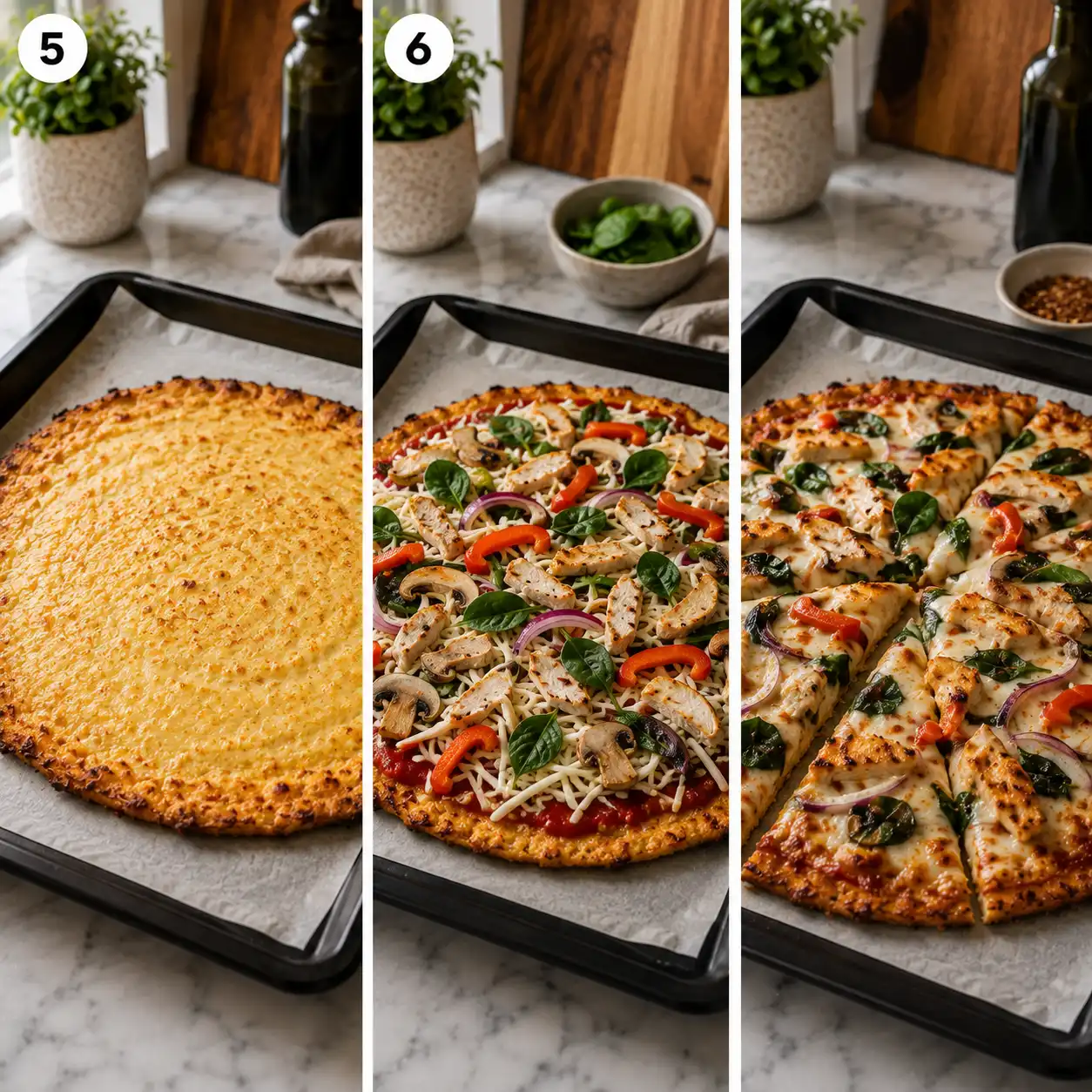
- Step 5: First Bake – Place the sheet in the oven and bake for 25 to 30 minutes, or until the edges are deep golden brown and the center feels firm to the touch.
- Step 6: Add Toppings – Remove the crust from the oven and spread a thin layer of tomato sauce, followed by shredded mozzarella and your favorite non-pork toppings.
- Step 7: Final Melt – Return the pizza to the oven for another 5 to 8 minutes until the cheese is bubbly and starting to brown, then let it rest for 5 minutes before slicing.
Flavor Combinations and Topping Ideas
The Herbivore Special
Since the cottage cheese pizza crust is already rich in protein, you can load it up with vibrant vegetables to increase the fiber content. Bell peppers, red onions, mushrooms, and spinach are classic choices that provide a crunch and earthy flavor. If you want to get creative, try adding roasted artichokes or sun-dried tomatoes. These toppings add a gourmet feel without adding significant calories. Remember to precook high-moisture vegetables like mushrooms in a pan before adding them to the pizza to keep the crust from becoming soft during the final bake.
Savory Chicken and Beef Options
For a heartier meal, consider using lean proteins that complement the dairy base. A fantastic option is to use leftovers from a pollo asado recipe. The citrus and garlic notes in the chicken pair beautifully with the creamy crust and melted mozzarella. You could also use lean ground beef seasoned with taco spices for a “taco pizza” variation. Since we are strictly avoiding pig products like pepperoni or sausage, focus on high-quality beef or poultry to provide that savory, umami punch that every great pizza needs.
The White Pizza Variation
If you aren’t a fan of tomato sauce, a white cottage cheese pizza is a sophisticated alternative. Use a thin layer of ricotta or more blended cottage cheese as the “sauce,” then top with fresh basil, minced garlic, and a sprinkle of parmesan. This version highlights the delicate flavors of the crust and feels much lighter than a traditional red-sauce pizza. Adding a drizzle of balsamic glaze or a sprinkle of fresh arugula after the final bake can make the dish look and taste like something from a high-end bistro.
Comparing Pizza Bases: How Cottage Cheese Stacks Up
When choosing a healthy pizza base, it helps to see how the cottage cheese pizza compares to other popular alternatives. While many people ask is cauliflower rice good for you when making crusts, the cottage cheese version often wins on texture and protein density. Cauliflower crusts can be finicky and often require a lot of cheese to hold together, whereas the cottage cheese crust is naturally cohesive thanks to the eggs. Below is a comparison of common pizza crust types.
| Crust Type | Protein Content | Carb Content | Texture |
|---|---|---|---|
| Traditional Flour | Low | High | Chewy/Crispy |
| Cottage Cheese | Very High | Very Low | Firm/Bread-like |
| Cauliflower | Medium | Low | Soft/Tender |
| Almond Flour | Medium | Low | Dense/Nutty |
Tips for Success and Troubleshooting
Common Mistakes to Avoid
The most frequent error when making cottage cheese pizza is not baking the crust long enough during the first stage. If the crust isn’t fully set before you add the sauce and toppings, it will become gummy. You want to see significant browning around the edges. Another mistake is using too much sauce. Because this crust is more porous than flour-based dough, a heavy hand with the sauce can make it soggy. A thin, even layer is all you need to get the flavor without ruining the structural integrity of your slice.
Storage and Reheating Advice
If you have leftover cottage cheese pizza, it stores remarkably well in the refrigerator for up to three days. To maintain the crispiness, avoid the microwave when reheating. Instead, place the slices in a dry skillet over medium heat for a few minutes or use an air fryer at 350°F for about 3 minutes. This refreshes the crust and melts the cheese perfectly. Because the ingredients are similar to what you might use in scrambled eggs with cottage cheese, the leftovers even make for a delicious and unconventional high-protein breakfast.
The Role of Quality Ingredients
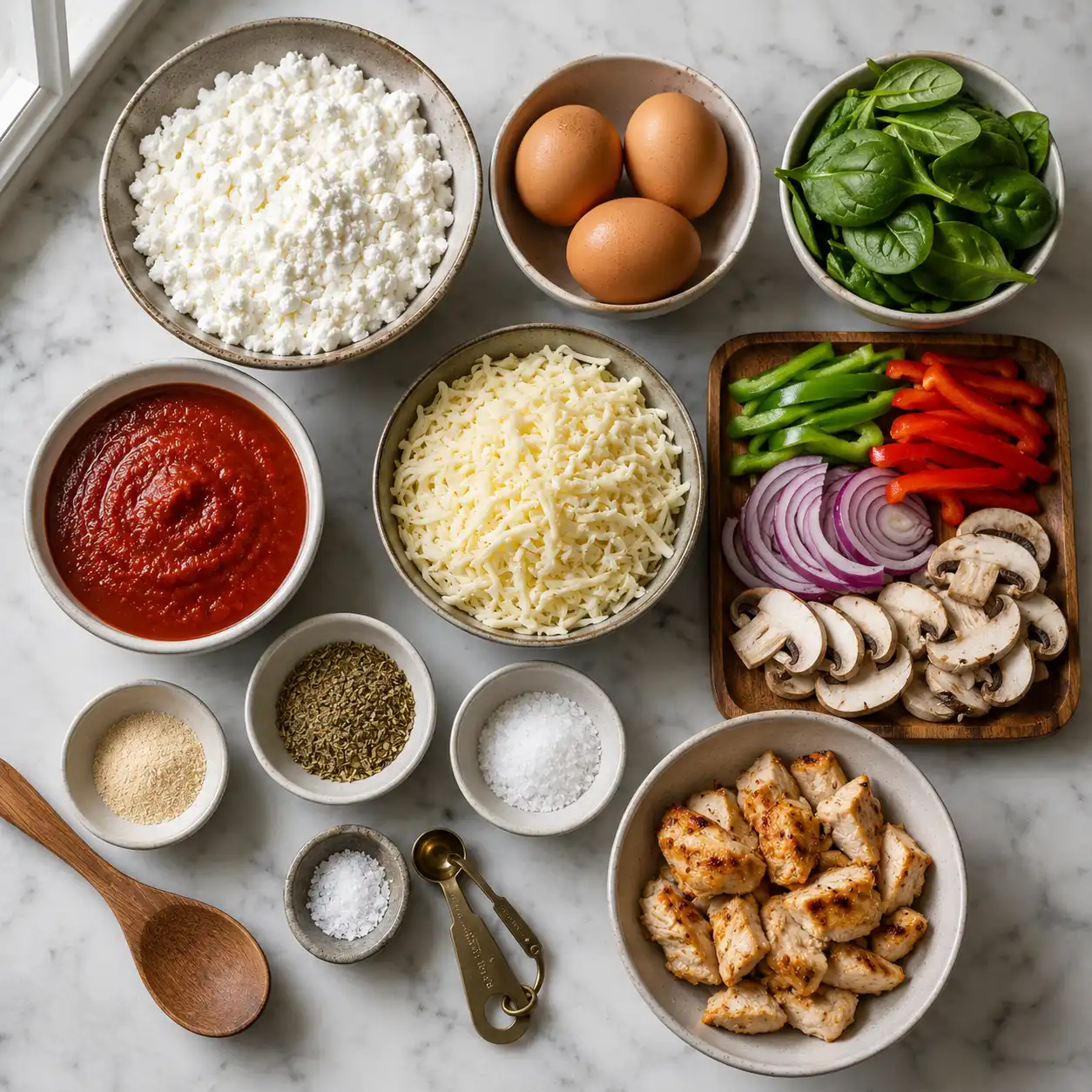
The quality of your dairy will directly impact the outcome of your cottage cheese pizza. Higher fat percentages (4% or higher) generally result in a more flavorful and satisfying crust. According to research on protein benefits found at Medical News Today, consuming high-quality protein sources like those found in dairy and eggs can improve satiety and muscle maintenance. Choosing organic or grass-fed dairy products can further improve the nutrient profile of your meal, providing more Omega-3 fatty acids and a cleaner taste overall.
FAQs
Does cottage cheese pizza taste like cottage cheese?
Surprisingly, no. Once the cottage cheese is blended with eggs and seasoned with garlic and herbs, the “tang” of the cheese mellows out significantly. After baking, the crust tastes more like a savory, cheesy flatbread. The texture is the biggest change, but the flavor is very close to a traditional thin-crust pizza, especially once you add toppings like tomato sauce and mozzarella.
Can I make this recipe dairy-free?
Unfortunately, the core of this recipe is the cottage cheese, which is a dairy product. There are vegan “cottage cheese” alternatives made from tofu or nuts, but they do not always behave the same way under high heat. For a dairy-free crust, you might be better off looking for a recipe based on almond flour or chickpeas, as the protein structure of cow’s milk is what gives this specific crust its unique strength.
Is cottage cheese pizza good for weight loss?
Yes, it can be a very effective tool for weight management. Because it is so high in protein and low in refined sugars, it helps regulate appetite and prevents the overconsumption of calories often associated with traditional pizza. By focusing on volume through vegetables and lean proteins, you can eat a larger portion of cottage cheese pizza while staying within your caloric goals compared to a standard delivery pizza.
Can I freeze the crust ahead of time?
Yes, you can par-bake the cottage cheese pizza crust and freeze it for later use. Once the crust has finished its first bake and cooled completely, wrap it tightly in plastic wrap and foil. It will stay fresh in the freezer for up to a month. When you are ready to eat, simply add your toppings to the frozen crust and bake until the cheese is melted and the crust is heated through.
Conclusion
The cottage cheese pizza is more than just a passing social media trend; it is a legitimate nutritional upgrade for anyone who loves Italian flavors but wants to maintain a healthy lifestyle. By replacing empty carbs with high-quality protein, you can enjoy a meal that fuels your body and satisfies your cravings. This recipe is simple, customizable, and incredibly rewarding to make. Give it a try for your next meal prep or family dinner and see how delicious healthy eating can truly be.
Disclaimer
The content provided on this website is for general informational and educational purposes only. It is not intended to replace professional medical advice, diagnosis, or treatment. I am not a licensed healthcare provider or certified nutrition expert.
Always seek guidance from a qualified medical professional before making any changes to your diet, especially if you have underlying health conditions, allergies, or specific dietary needs. Individual results may vary, and your health and safety should always come first.