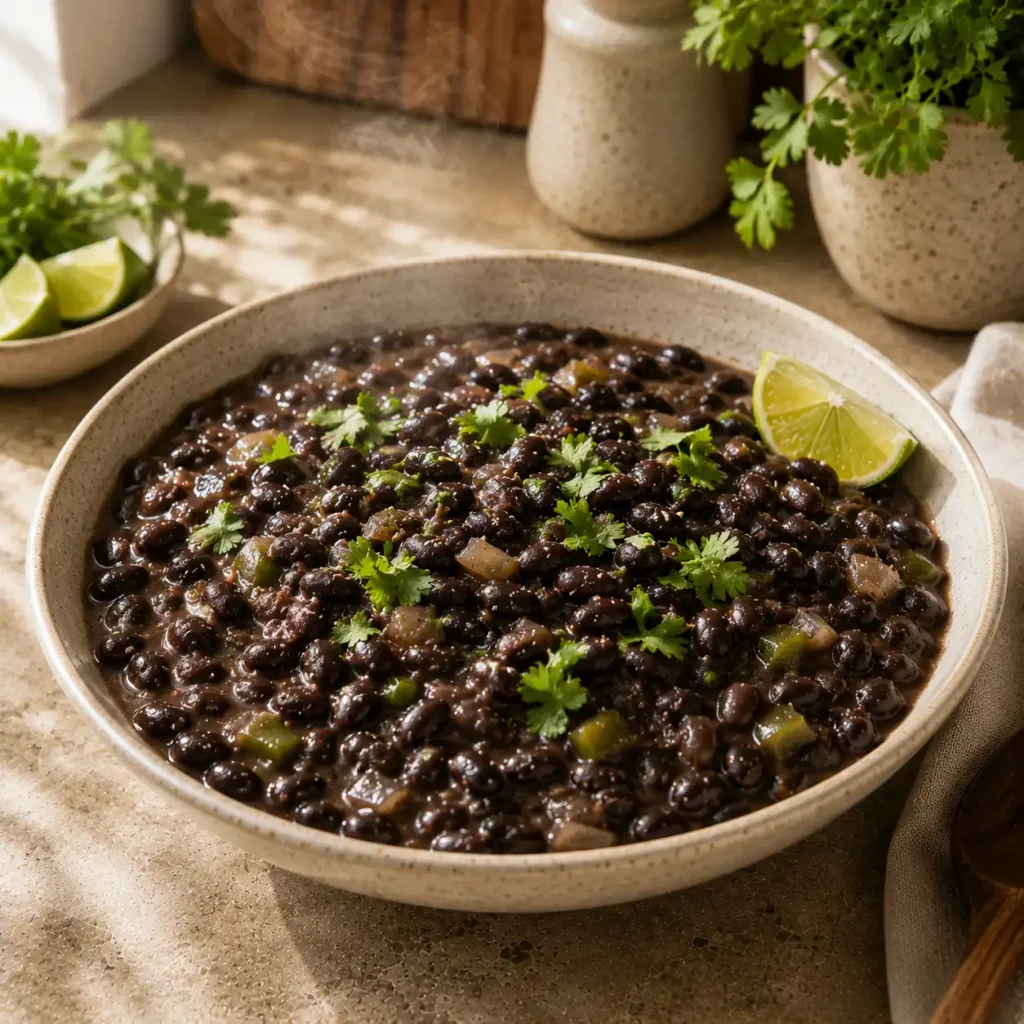
Finding a reliable and tasty black beans recipe is a game-changer for any home cook. These legumes are affordable, incredibly nutritious, and serve as the backbone for countless dishes across different cultures. Whether you want a simple side dish or a hearty main course, mastering the art of seasoning and simmering black beans is key. This guide provides a detailed approach to making restaurant-quality beans at home, focusing on deep flavors and the perfect texture without needing complex ingredients or a professional kitchen.
Table of Contents
Why a Black Beans Recipe is a Kitchen Essential
Nutritional Benefits of Legumes
Black beans are a powerhouse of nutrition, offering a significant amount of plant-based protein and iron. They are widely recognized as one of the top high fiber foods for weight loss because they promote satiety and help regulate blood sugar levels. Incorporating a black beans recipe into your weekly meal prep can assist with digestive health and provide sustained energy throughout the day. Their dark skins are also rich in anthocyanins, which are potent antioxidants that support heart health and reduce oxidative stress within the body.
Fitting into a Healthy Lifestyle
Many people look for ways to make their meals more restorative and supportive of long-term health. Because of their high antioxidant content and ability to lower markers of inflammation, these legumes are a staple in many anti inflammatory recipes. Using a homemade black beans recipe allows you to control the sodium content, which is often very high in pre-packaged or canned versions. By cooking from scratch, you can use high-quality oils and fresh aromatics to build a flavor profile that is both healthy and deeply satisfying.
Print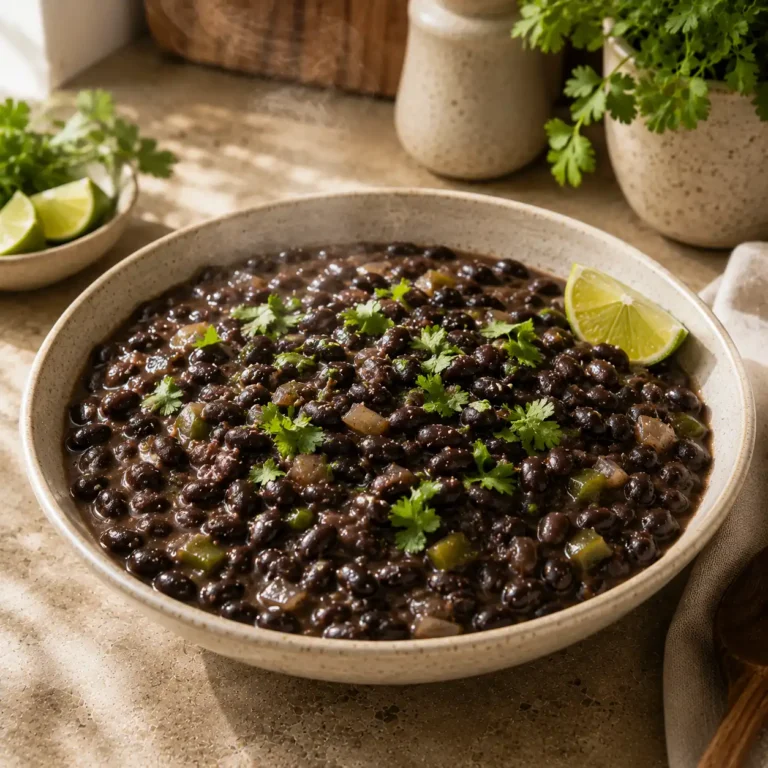
The Ultimate Black Beans Recipe for Flavorful Meals
Master the art of preparing deeply flavorful and perfectly textured black beans at home with this expert guide. Affordable, nutritious, and incredibly versatile, these legumes are a powerhouse of plant-based protein and fiber, making them an essential for any healthy lifestyle. This recipe focuses on simple ingredients and a straightforward simmering technique to create restaurant-quality black beans for countless dishes.
- Total Time: 2 hours 50 minutes
- Yield: 6 servings 1x
Ingredients
- 1 lb (about 2 cups) dried black beans
- 6 cups water or vegetable broth
- 2 tablespoons olive oil
- 1 large onion, chopped
- 4 cloves garlic, minced
- 1 red bell pepper, diced
- 1 tablespoon ground cumin
- 1 teaspoon dried oregano
- 2 bay leaves
- 1 teaspoon salt, or to taste
- ½ teaspoon black pepper, or to taste
- Fresh cilantro, chopped (for garnish, optional)
Instructions
- Step 1: Soak Beans – Rinse dried black beans thoroughly. Soak them in a large pot of water overnight, or use a quick-soak method. Drain the beans and rinse again before cooking.
- Step 2: Sauté Aromatics – Heat olive oil in a large pot or Dutch oven over medium heat. Add the chopped onion and diced red bell pepper, cooking for 5-7 minutes until they are softened.
- Step 3: Add Garlic & Spices – Stir in the minced garlic, ground cumin, and dried oregano. Cook for an additional minute until the spices are fragrant.
- Step 4: Combine & Simmer – Add the soaked and rinsed black beans to the pot, along with the 6 cups of water or vegetable broth and the bay leaves. Bring the mixture to a boil, then reduce the heat to low. Cover the pot and simmer for 1.5 to 2 hours, or until the beans are tender.
- Step 5: Season & Thicken – Remove the bay leaves from the pot. Season the beans with salt and black pepper to taste. For a thicker consistency, continue to simmer the beans uncovered for another 15-30 minutes.
- Step 6: Serve – Serve the flavorful black beans hot. They are perfect as a side dish, a base for a main course, or can be frozen for meal prep. Garnish with fresh cilantro if desired.
Notes
Black beans are a nutritional powerhouse, offering plant-based protein, iron, and significant fiber which aids in satiety and blood sugar regulation. Their dark skins contain anthocyanins, potent antioxidants supporting heart health. Cooking black beans from scratch allows you to control sodium content and create a healthy, deeply satisfying flavor profile.
- Prep Time: 20 minutes
- Cook Time: 2 hours 30 minutes
- Category: Side Dish, Main Course
- Method: Simmering, Stovetop
- Cuisine: Latin American
- Diet: Vegan, Vegetarian, Gluten-Free, Plant-Based
Nutrition
- Serving Size: 1 cup (cooked)
- Calories: 240 kcal
- Sugar: 0.5 g
- Sodium: 20 mg
- Fat: 1.5 g
- Saturated Fat: 0.2 g
- Unsaturated Fat: 1.0 g
- Trans Fat: 0.01 g
- Carbohydrates: 43 g
- Fiber: 16 g
- Protein: 15 g
- Cholesterol: 0.01 mg
Keywords: Black beans, legumes, flavorful, healthy, high-fiber, plant-based, vegan, protein, side dish, main course, easy
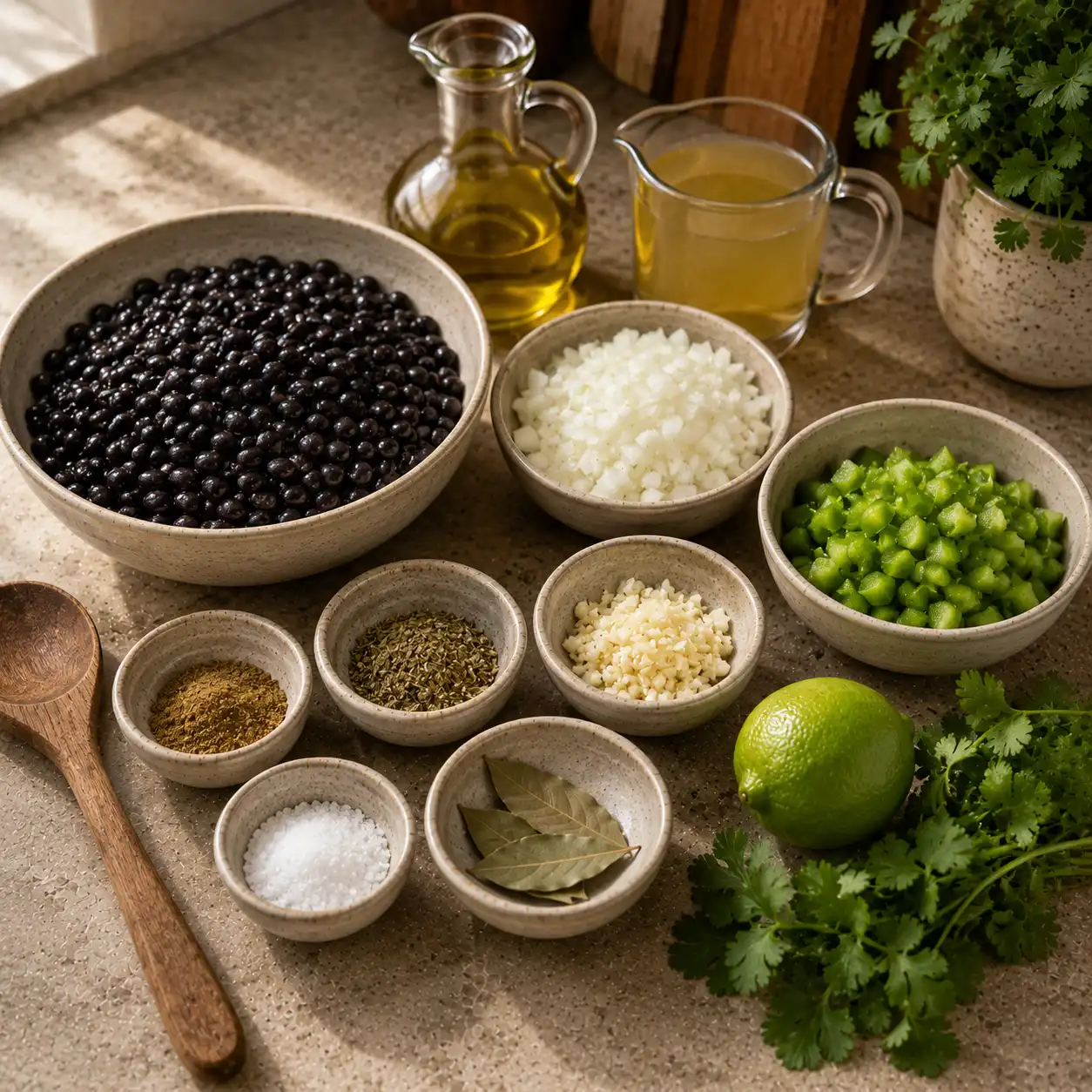
Ingredients for the Perfect Black Beans
The Importance of Aromatics
The foundation of any great black beans recipe starts with the aromatics. A traditional “sofrito” a mix of finely diced onions, bell peppers, and plenty of garlic creates a base of savory sweetness. Sautéing these vegetables in extra virgin olive oil until they are soft and translucent releases their natural sugars. You may also add a bay leaf and some dried oregano to provide earthy undertones. These fresh components work together to turn a simple pot of beans into a complex, aromatic dish that smells as good as it tastes.
Dried vs. Canned Options
While canned beans are convenient, using dried beans often results in a better texture and a richer broth. The Black turtle bean, as it is scientifically known, has a dense, meaty texture that holds up well during long simmering periods. If you choose dried beans, you have the option to soak them overnight to reduce cooking time and improve digestibility. However, if you are in a rush, a canned black beans recipe can still be delicious if you simmer the beans with the same aromatics and spices for at least twenty minutes.
Step-by-Step Black Beans Recipe
Following a structured method makes certain that your beans are creamy and flavorful every time. This black beans recipe focuses on the stovetop method, which provides the most control over the final consistency of the sauce.
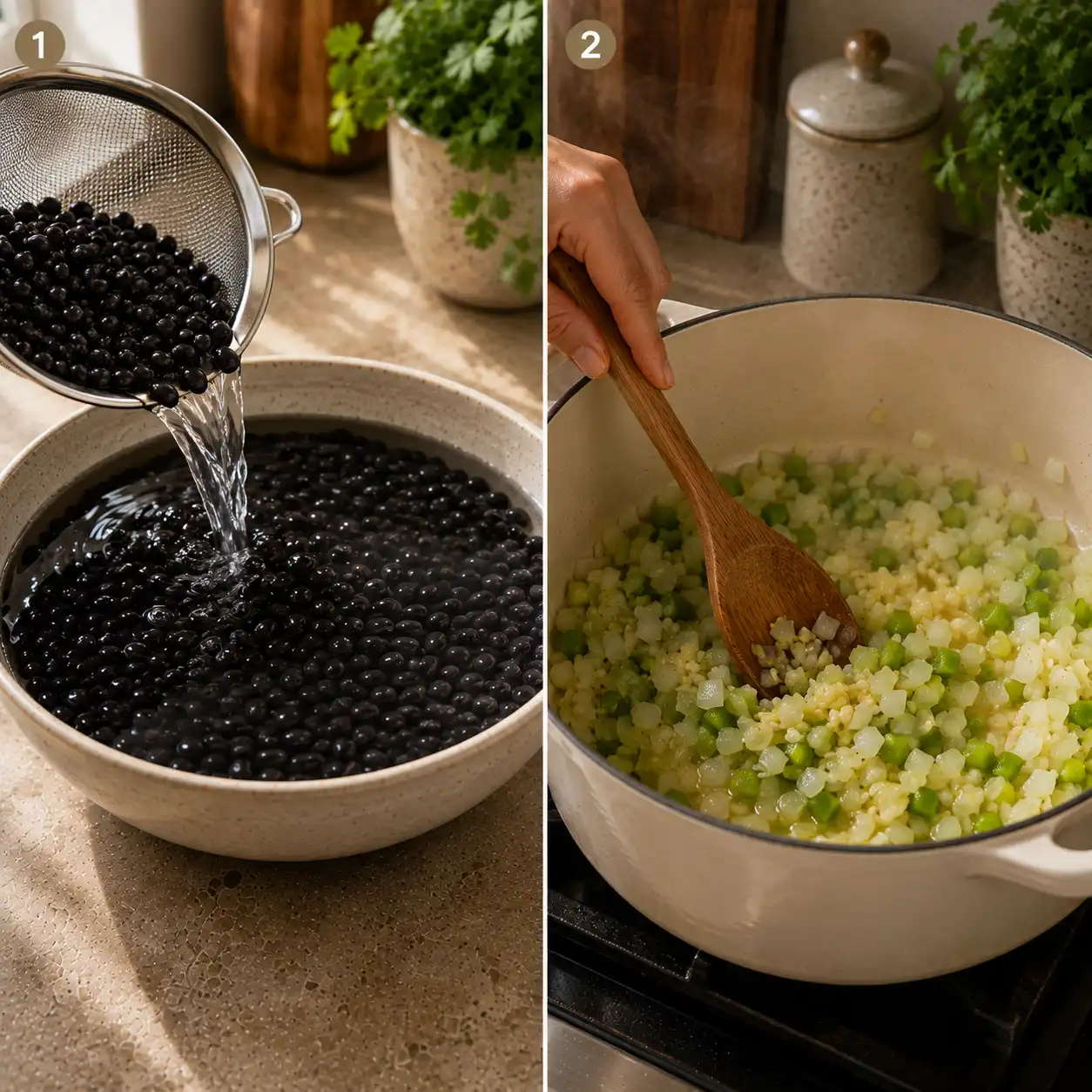
- Step 1: Prep the Beans – Rinse one pound of dried black beans under cold water, removing any small stones or debris. If you have time, soak them in a large bowl of water for at least 8 hours, then drain.
- Step 2: Sauté the Aromatics – Heat two tablespoons of olive oil in a large pot over medium heat. Add one finely chopped onion, one diced green bell pepper, and four minced garlic cloves. Sauté until the vegetables are soft.
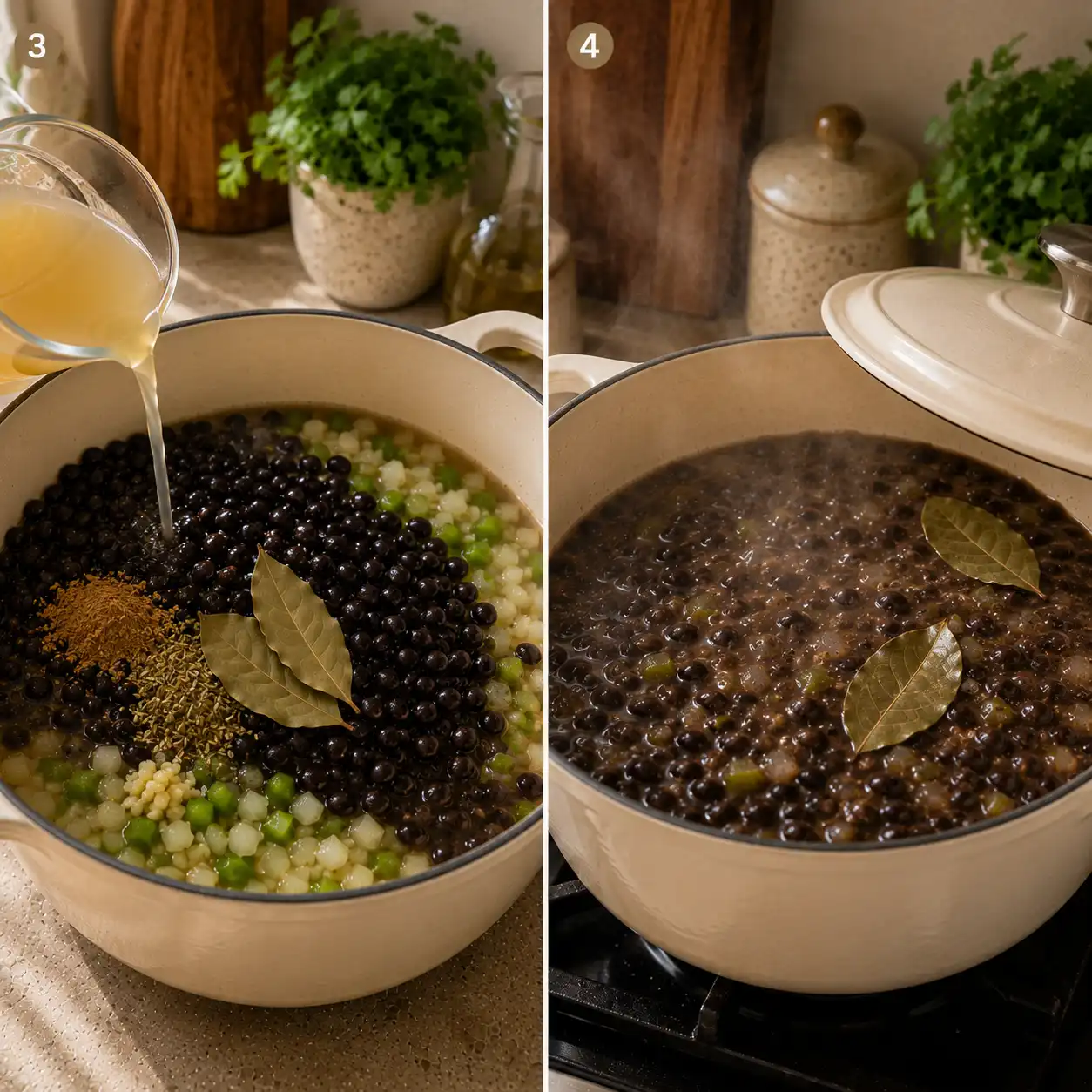
- Step 3: Add Liquid and Spices – Pour the beans into the pot and add six cups of water or vegetable broth. Stir in one teaspoon of ground cumin, one teaspoon of dried oregano, and two bay leaves.
- Step 4: Simmer Gently – Bring the pot to a boil, then reduce the heat to low. Cover and simmer for 60 to 90 minutes. Check the beans occasionally to make sure they remain submerged in liquid, adding more water if necessary.
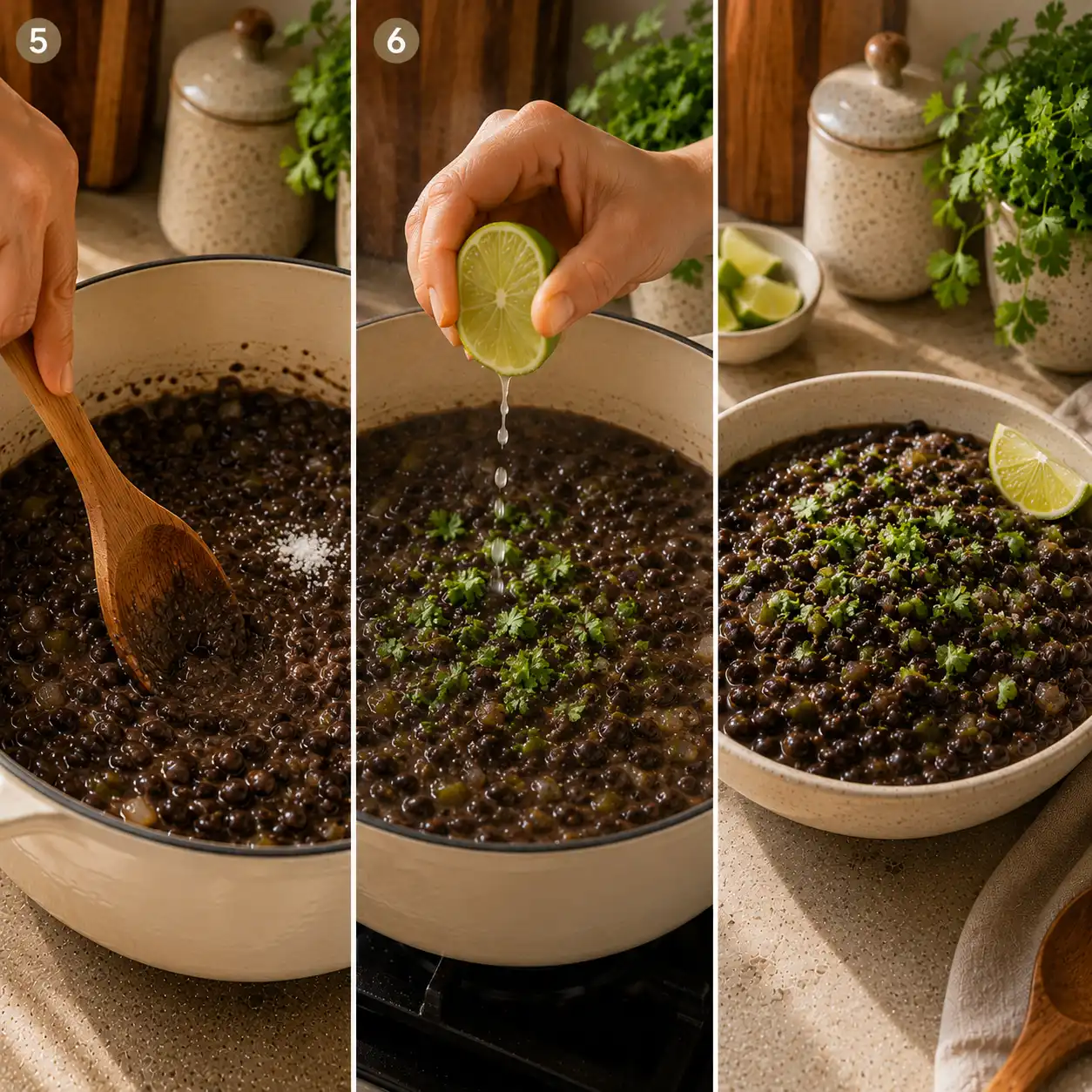
- Step 5: Season and Finish – Once the beans are tender, add salt to taste. Remove the bay leaves. For a creamier texture, use a wooden spoon to mash a small portion of the beans against the side of the pot and stir them back in.
- Step 6: Final Touch – Stir in a tablespoon of lime juice or a teaspoon of apple cider vinegar right before serving to brighten the flavors. Top with fresh cilantro if desired.
Comparing Cooking Methods for Black Beans
Choosing the right method for your black beans recipe depends on how much time you have and the texture you prefer. While the stovetop is traditional, modern appliances offer faster alternatives. Below is a comparison to help you decide which path to take for your next meal.
| Method | Total Time | Texture Quality | Main Advantage |
|---|---|---|---|
| Stovetop (Soaked) | 1.5 – 2 Hours | Excellent / Creamy | Maximum flavor control and rich broth. |
| Pressure Cooker | 30 – 45 Minutes | Good / Soft | Fastest way to cook dried beans from scratch. |
| Slow Cooker | 6 – 8 Hours | Very Soft | Set it and forget it convenience. |
| Canned (Simmered) | 20 Minutes | Consistent | Best for quick weeknight meals. |
Tips for Flavor and Texture
The Secret to Creamy Beans
The goal of a high-quality black beans recipe is a thick, velvety sauce rather than a watery broth. To achieve this, timing is everything. Do not add salt until the beans are fully tender, as salt can sometimes toughen the skins of the legumes if added too early. Once they are soft, mashing some of the beans into the liquid releases starches that naturally thicken the sauce. This creates a luxurious mouthfeel without needing any cream or thickeners, keeping the dish vegan and heart-healthy.
Perfecting the Seasoning
Balance is the hallmark of an expert black beans recipe. While cumin provides the classic smokiness, adding a pinch of smoked paprika can mimic the depth often found in recipes that use meat. A small amount of acidity at the very end is also crucial. Lime juice or vinegar reacts with the earthy notes of the beans to “wake up” the dish. If you find the beans a bit too earthy, a tiny pinch of sugar can balance the bitterness of the bean skins and the acidity of the lime.
Serving Suggestions and Pairings
The Classic Bean and Grain Duo
One of the most common ways to serve this black beans recipe is over a bed of fluffy white or brown rice. If you are watching your carbohydrate intake or looking for a lighter alternative, you might ask, is cauliflower rice good for you? The answer is yes, especially when paired with fiber-rich beans, as it provides a similar texture to traditional grains while significantly cutting down on calories. This pairing makes for a balanced meal that provides all the essential amino acids your body needs.
Black Beans in Tacos and Bowls
These beans are also a perfect addition to a Mexican-inspired dinner night. They work exceptionally well as a side dish for tacos de pollo asado, providing a creamy contrast to the charred, citrus-marinated chicken. You can also use them as a base for a “burrito bowl,” layering them with avocado, salsa, and fresh greens. Because they hold their shape well, they add great structure to vegetarian tacos or can even be used as a filling for enchiladas and quesadillas.
Storing and Reheating Your Beans
Fridge and Freezer Guidelines
One of the best things about a homemade black beans recipe is that it often tastes better the next day. As the beans sit in the fridge, the flavors of the garlic, cumin, and onion continue to meld and deepen. You can store cooked beans in an airtight container in the refrigerator for up to five days. For longer storage, these beans freeze remarkably well. Place them in freezer-safe bags or containers with some of their liquid to prevent them from drying out; they will stay fresh for up to three months.
Best Reheating Practices
When you are ready to eat your leftovers, avoid using the microwave if possible, as it can sometimes result in uneven heating or exploded bean skins. Instead, reheat the beans in a small saucepan over medium-low heat. If the sauce has thickened too much in the fridge, add a splash of water or broth to loosen it up. Stir gently to maintain the integrity of the beans. This method helps the black beans recipe retain its creamy texture and fresh-cooked taste, making leftovers feel like a brand-new meal.
FAQs
Do I really need to soak my black beans?
While soaking is not strictly required, it is highly recommended. Soaking dried beans overnight helps break down some of the complex sugars that cause gas, making them easier to digest. It also significantly reduces the actual time they need to spend on the stove. If you forget to soak, you can use the “quick soak” method by boiling the beans for two minutes, then letting them sit in the hot water for an hour before starting your black beans recipe.
Can I make this black beans recipe spicy?
Yes, adding heat is very easy. You can sauté a finely diced jalapeño or serrano pepper along with your onions and bell peppers. If you prefer a smokier heat, add a canned chipotle pepper in adobo sauce or a teaspoon of red chili flakes. Always remember to remove the seeds from fresh peppers if you want the flavor without an intense burn. The creaminess of the beans helps carry the spice beautifully without overwhelming the palate.
Why are my beans still hard after hours of cooking?
There are usually two reasons for this. First, your beans might be old; dried beans that have sat on a shelf for years lose their ability to soften properly. Second, if you live in an area with very hard water, the minerals can prevent the beans from absorbing moisture. Adding a tiny pinch of baking soda to the cooking water can help soften the skins in these cases. Also, make certain you do not add acidic ingredients like tomatoes or lime juice until the beans are already soft.
Conclusion
Mastering a homemade black beans recipe is a simple way to bring nutritious, flavorful meals to your table every day. By using fresh aromatics and the right simmering techniques, you can transform humble dried legumes into a sophisticated dish. These beans are perfect for meal prepping and pair beautifully with various proteins and grains. Start with the basics, find the seasoning balance that suits your palate, and enjoy the many health benefits this versatile staple provides for you and your family.
Disclaimer
The content provided on this website is for general informational and educational purposes only. It is not intended to replace professional medical advice, diagnosis, or treatment. I am not a licensed healthcare provider or certified nutrition expert.
Always seek guidance from a qualified medical professional before making any changes to your diet, especially if you have underlying health conditions, allergies, or specific dietary needs. Individual results may vary, and your health and safety should always come first.