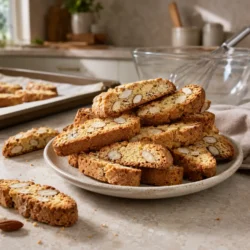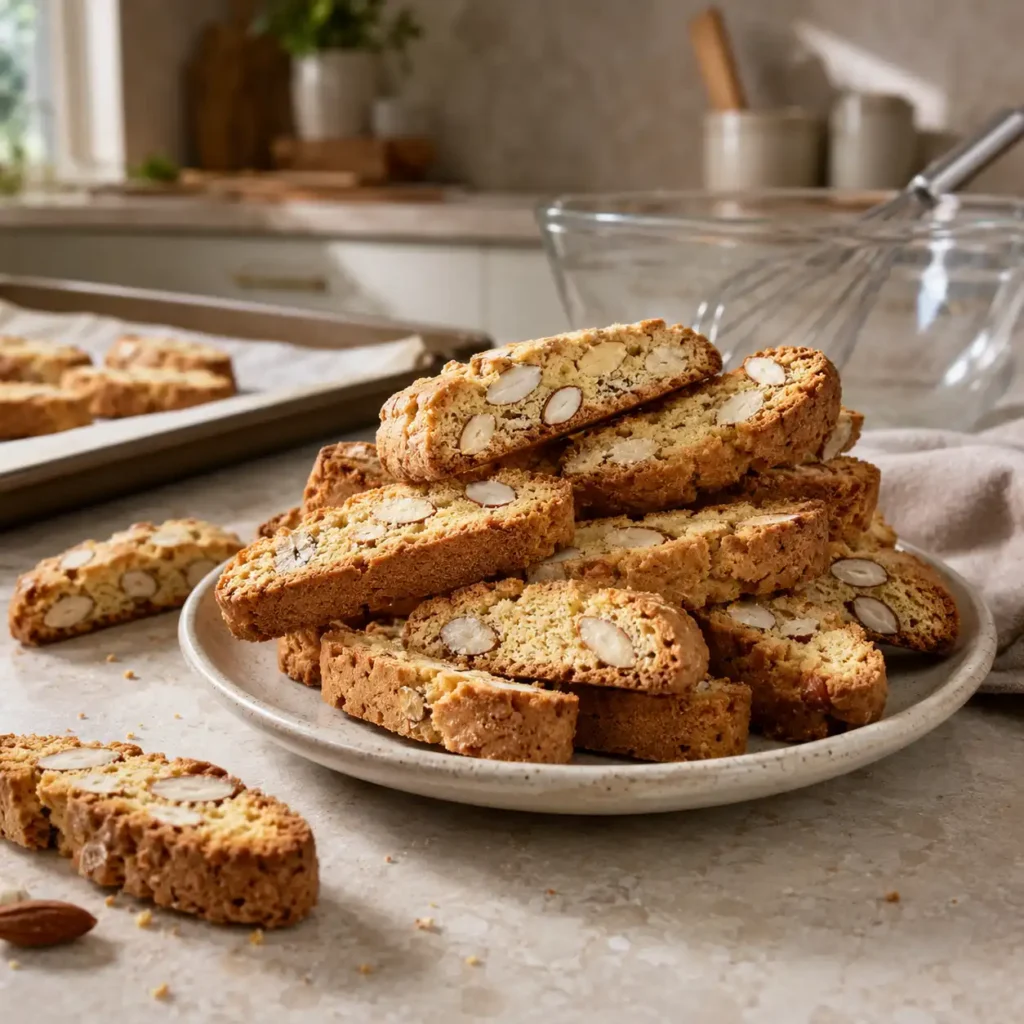
Biscotti recipes represent a centuries-old tradition originating in the city of Prato during the Renaissance. These distinctive, crunchy cookies are famous for their unique preparation method: they are baked twice to achieve a dry, crisp texture that resists spoilage. While traditional versions focus on almonds and anise, modern biscotti recipes have evolved to include a wide array of flavors, from chocolate and cranberry to pistachio and lemon. Understanding the fundamentals of this classic Italian treat allows any home baker to produce professional-quality results that pair perfectly with a warm beverage.
Table of Contents
The Fundamental Nature of Biscotti Recipes
The word biscotti comes from the Latin “bis coctus,” which literally means “twice-cooked.” As noted by The Spruce Eats, this method was originally a way to preserve bread for long journeys and military campaigns because the lack of moisture prevented spoilage. In modern kitchens, this technique serves a different purpose: creating a cookie with a satisfying snap that holds its shape even when dipped into liquid. Most authentic biscotti recipes do not use heavy fats like butter or oil, relying instead on eggs to bind the dry ingredients and provide structure.
Why Texture Matters in Traditional Baking
In many cookie varieties, a soft and chewy center is the goal. However, biscotti recipes aim for a completely different profile. The goal is a dense, crunchy crumb that feels firm but not impossible to bite. This texture is achieved through a combination of a relatively low-fat dough and the specific two-stage baking process. Unlike a soft and chewy oatmeal raisin cookie recipe, biscotti recipes rely on a dry environment to achieve their signature snap and long shelf life. This makes them an ideal candidate for gifting or long-term storage in an airtight jar.
Print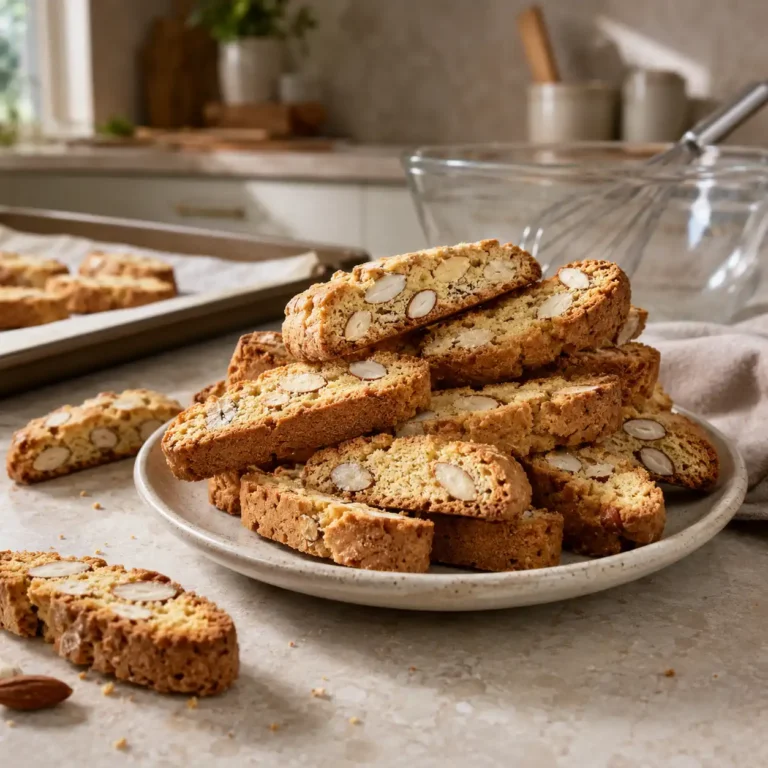
Classic Italian Almond & Anise Biscotti
A traditional Prato-style twice-baked cookie featuring a crisp, dry texture and aromatic anise, perfect for dipping in coffee or Vin Santo.
- Total Time: 1 hour 5 minutes
- Yield: 24 cookies 1x
Ingredients
- 2 cups all-purpose flour
- 1 cup granulated sugar
- 1 teaspoon baking powder
- 1/4 teaspoon salt
- 3 large eggs
- 1 teaspoon vanilla extract
- 1 teaspoon anise extract
- 1 cup whole toasted almonds
- 1 tablespoon anise seeds
Instructions
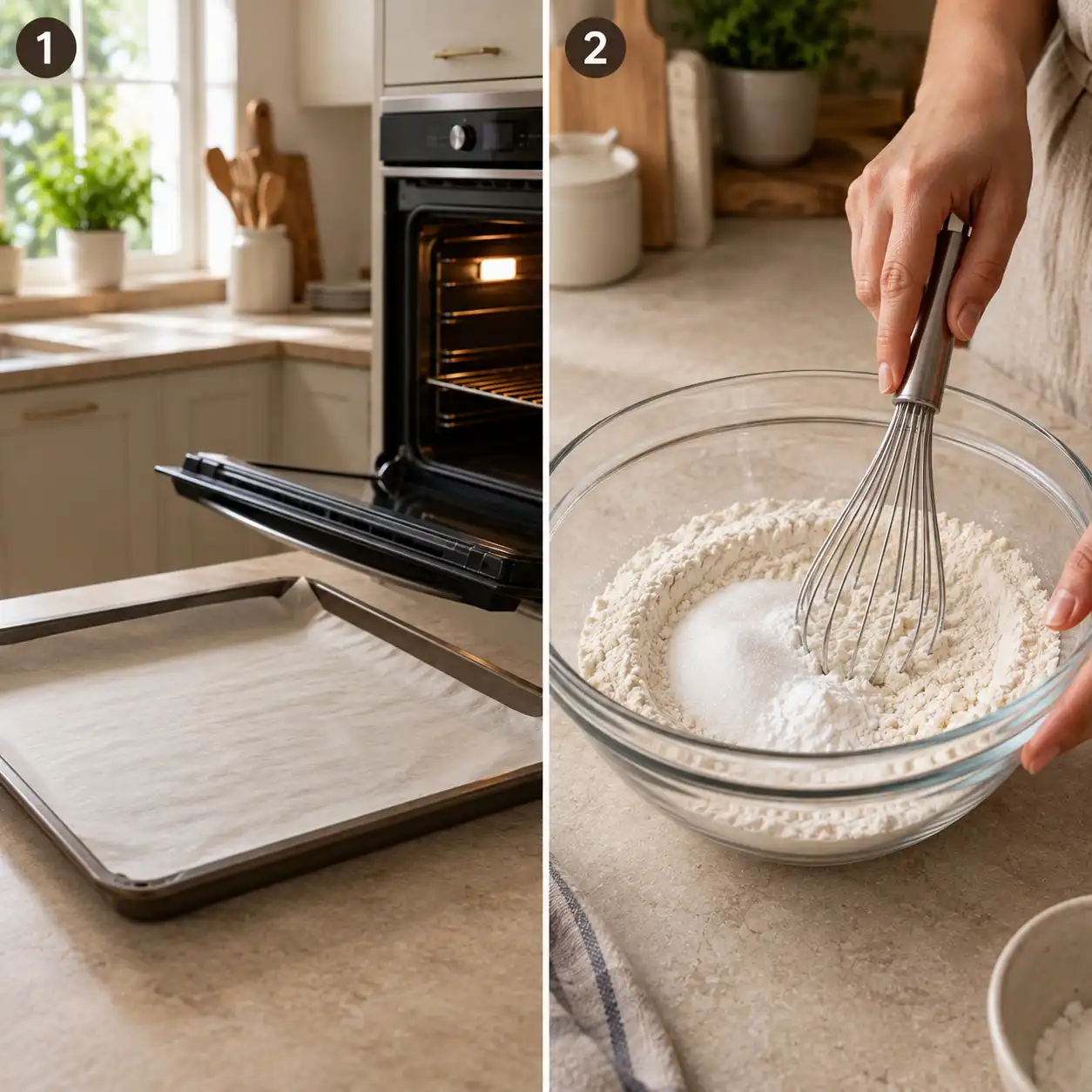
- Step 1: Preheat Oven – Set oven to 350°F (175°C) and line a large baking sheet with parchment paper.
- Step 2: Mix Dry Base – In a large bowl, whisk together the flour, sugar, baking powder, and salt.
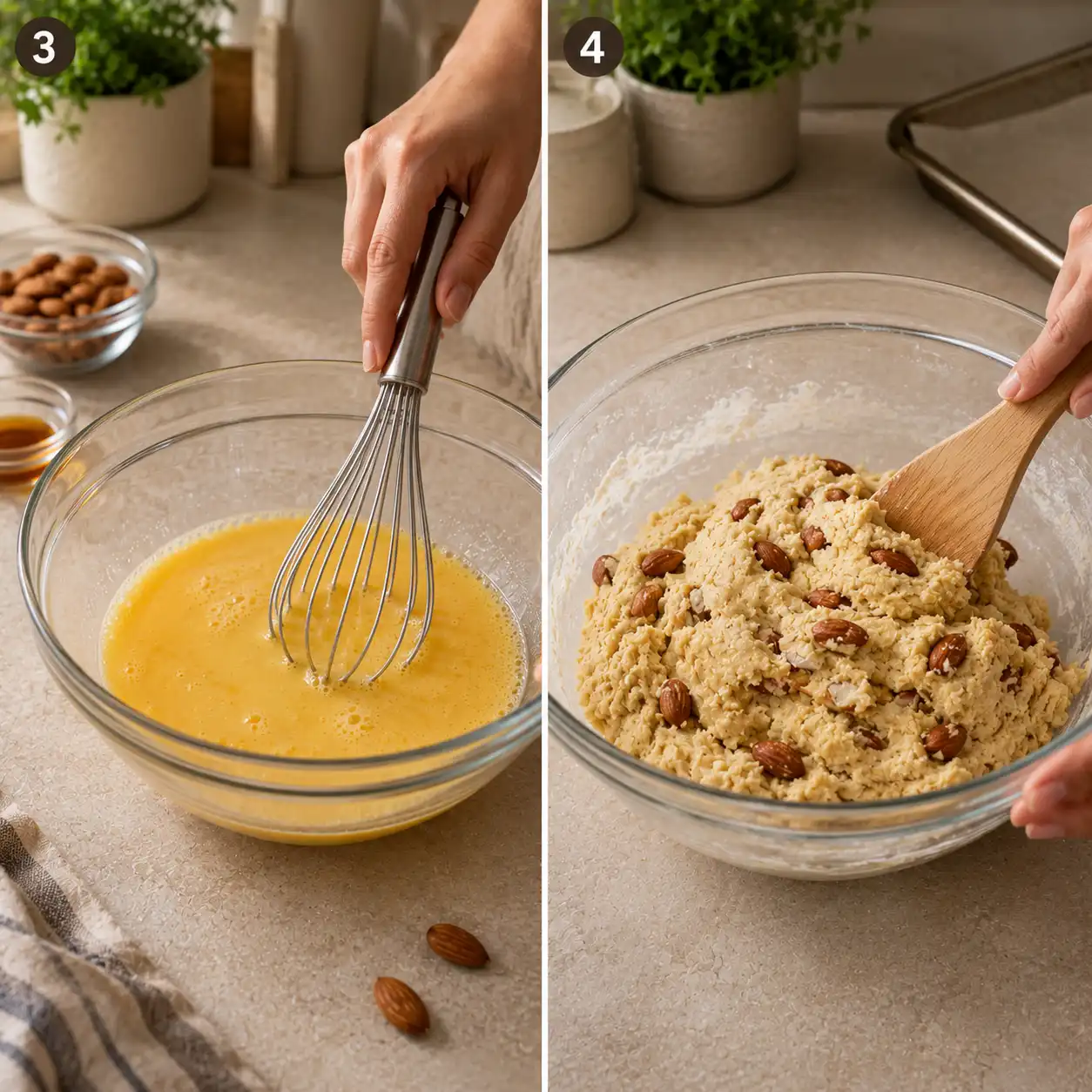
- Step 3: Whisk Wet Ingredients – In a separate bowl, beat the eggs with the vanilla and anise extracts until smooth.
- Step 4: Combine Dough – Stir the egg mixture into the dry ingredients until a stiff dough forms.
- Step 5: Add Mix – ins – Fold in the toasted almonds and anise seeds until evenly distributed throughout the dough.
- Step 6: Shape Logs – Divide the dough in half and form two 12-inch by 2-inch logs on the prepared baking sheet.
- Step 7: First Bake – Bake for 25-30 minutes until the logs are firm and lightly browned on top.
- Step 8: Cool and Slice – Let the logs cool for 10 minutes, then use a serrated knife to cut 3/4-inch diagonal slices.
- Step 9: Second Bake – Place slices cut-side down and bake for another 10 minutes, flipping halfway through.
- Step 10: Final Cooling – Transfer the biscotti to a wire rack to cool completely and achieve maximum crispness.
Notes
Authentic biscotti contain no butter or oil, relying on eggs for structure to ensure a long shelf life and perfect dipping texture.
- Prep Time: 20 minutes
- Cook Time: 45 minutes
- Category: Dessert
- Method: Twice-Baked
- Cuisine: Italian
- Diet: Vegetarian
Nutrition
- Serving Size: 1 cookie
- Calories: 98 kcal
- Sugar: 9g
- Sodium: 42mg
- Fat: 3.2g
- Saturated Fat: 0.4g
- Unsaturated Fat: 2.8g
- Trans Fat: 0.01g
- Carbohydrates: 15g
- Fiber: 1g
- Protein: 3g
- Cholesterol: 23mg
Keywords: biscotti, Italian, cookies, twice-baked, almond, anise, Prato
Core Ingredients for Successful Biscotti Recipes
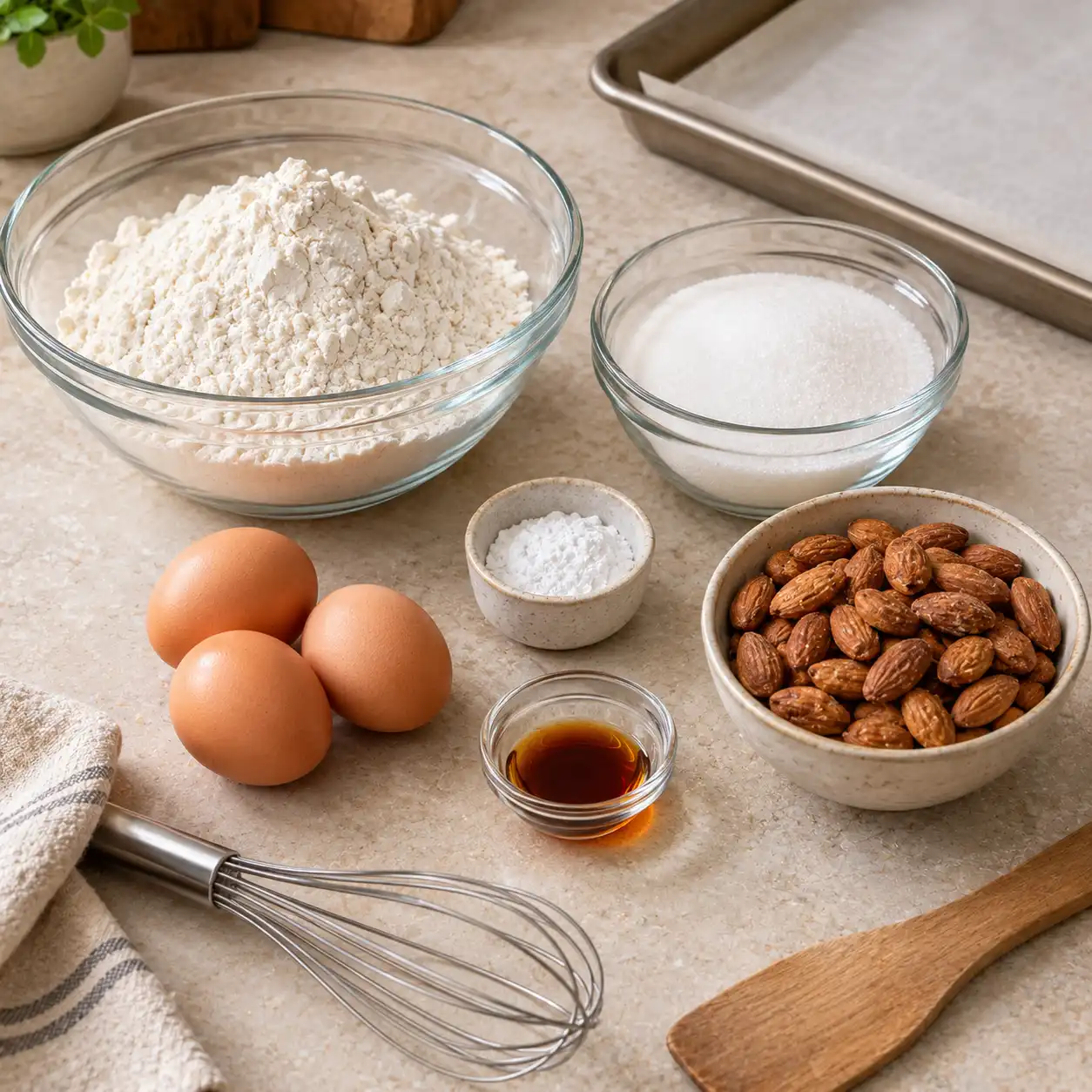
Most standard biscotti recipes begin with a simple list of pantry staples: flour, sugar, eggs, and a leavening agent like baking powder. Because the recipe is so lean, the quality of these ingredients makes a significant difference in the final flavor. All-purpose flour provides the necessary protein for structure, while granulated sugar helps create the crisp exterior. When making traditional almond biscotti recipes, using high-quality whole almonds that have been lightly toasted will provide a much better depth of flavor than raw, sliced nuts from a bag.
The Role of Flour and Leavening
The flour serves as the backbone of the dough. While most people stick to all-purpose flour, some artisanal biscotti recipes suggest a mix of pastry flour or even almond meal for a more tender crumb. Leavening agents must be used sparingly; too much baking powder will cause the logs to spread excessively and lose their dense character. When looking for gluten-free or grain-free alternatives for traditional treats, many bakers look toward almond flour cookies because they provide a similar nutty depth to what you find in standard almond-based biscotti recipes.
Sugar and Flavorings
Sugar does more than add sweetness in biscotti recipes; it aids in the browning process during the first and second bakes. Pure extracts, such as vanilla, almond, or orange, provide the primary flavor notes. It is also common to see citrus zest or whole spices like cinnamon and nutmeg included in the dry mix. Because these cookies are dry, the aromatic oils in the zest and spices become concentrated, resulting in a very fragrant cookie that stands up well to the heat of the oven.
The Science of the Double Bake
The defining characteristic of all biscotti recipes is the two-step baking process. The first bake transforms a sticky, heavy dough into a solid, slightly risen log. This stage sets the structure of the cookie but leaves the center somewhat soft. After a brief cooling period, the log is sliced into individual pieces. The second bake is performed at a lower temperature to draw out any remaining moisture and toast the cut sides. This transition from a soft loaf to a brittle biscuit is what gives the treat its name and its legendary durability.
Mastering the First Bake
Understanding the moisture content of your dough is vital for the first bake. Expert bakers at King Arthur Baking explain that a sticky dough often results in a better rise, though it may be harder to shape initially. You should aim for a dough that holds its shape as a log but still feels tacky to the touch. If the dough is too dry, the logs will crack prematurely; if it is too wet, they will flatten into thin pancakes. Setting the oven to a moderate temperature of 350°F (175°C) typically works best for this initial stage.
Precision Slicing Techniques
The most difficult part of many biscotti recipes is slicing the logs without breaking them. You must wait for the logs to cool for about 10 to 15 minutes. If you cut them while they are piping hot, they will crumble under the blade. If you wait until they are completely cold, they become too hard to slice cleanly. Use a sharp serrated knife and a gentle sawing motion. Cutting the logs at a diagonal angle creates the classic long, elegant shape associated with high-end Italian cafes and professional biscotti recipes.
Classic Almond Biscotti Recipe Instructions
- Step 1: Prep Oven – Set your oven to 350°F (175°C) and line a large baking sheet with parchment paper to prevent sticking.
- Step 2: Whisk Dry Ingredients – Combine 2 cups of all-purpose flour, 1 cup of sugar, and 1 teaspoon of baking powder in a large bowl.
- Step 3: Beat Wet Ingredients – In a separate bowl, whisk together 3 large eggs and 1 teaspoon of almond extract until the mixture is smooth and slightly frothy.
- Step 4: Combine Mixtures – Fold the wet ingredients into the dry ingredients until a stiff dough forms, then stir in 1 cup of toasted whole almonds.
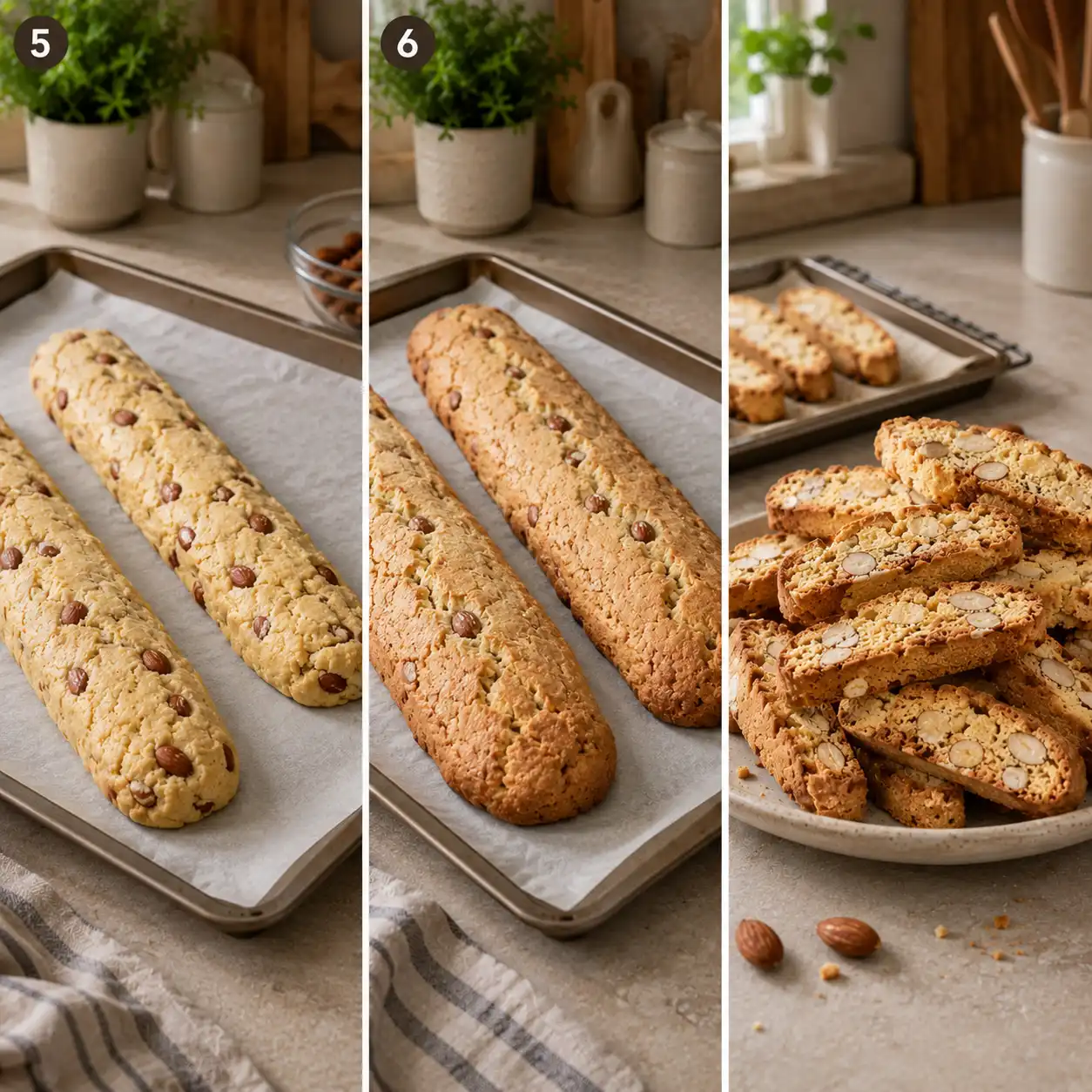
- Step 5: Shape Logs – Divide the dough in half and form two long logs on the baking sheet, roughly 12 inches long and 2 inches wide.
- Step 6: First Bake – Bake the logs for 25 to 30 minutes until the tops are firm and the edges start to turn a pale golden brown.
- Step 7: Cool and Slice – Remove from the oven and let cool for 15 minutes, then use a serrated knife to cut the logs into half-inch thick slices.
- Step 8: Second Bake – Lay the slices flat on the baking sheet and bake at 325°F (165°C) for 10 minutes on each side until they are completely crisp.
Modern Variations and Creative Mix-ins
While purists might stick to the original Prato style, modern biscotti recipes offer endless room for experimentation. Chocolate is a popular addition, either as cocoa powder mixed into the dough or as chips folded in at the end. Dried fruits like cranberries, apricots, or cherries add a chewy contrast to the crunchy biscuit. If you prefer a richer flavor, you can find biscotti recipes that include a small amount of butter, which results in a crumb that is more similar to a shortbread cookie but still maintains the signature twice-baked hardness.
Nut-Free and Allergy-Friendly Options
For those with nut allergies, seeds like pepitas or sunflower seeds can replace almonds in most biscotti recipes. You can also rely on spices and extracts alone. A lemon-poppyseed version provides a bright, refreshing alternative to the heavier nut-based versions. Some bakers even use cocoa nibs for a chocolatey crunch without the sweetness of standard chocolate chips. The versatility of the base dough means you can adapt the recipe to suit almost any dietary preference or flavor craving you might have.
Savory Biscotti Recipes
Though less common, savory biscotti recipes are gaining popularity as appetizers. By reducing the sugar and adding ingredients like rosemary, cracked black pepper, or hard aged cheeses, you can create a biscuit that pairs excellently with soups or cheese boards. These savory versions follow the same twice-baked rules but focus on herbal and salty notes. They are particularly good when served alongside a bowl of hot broth or used as a sturdy vessel for dips and spreads during a dinner party.
Troubleshooting Common Baking Issues
Even seasoned bakers can run into trouble with biscotti recipes. One of the most frequent complaints is that the cookies are too hard to bite. This is usually caused by over-baking during the second stage or not using enough eggs to provide a bit of leavening. If your biscotti are crumbling when you try to slice them, try spraying the logs lightly with a fine mist of water and letting them sit for a minute before cutting. This softens the crust just enough for the knife to pass through without shattering the interior.
| Feature | Traditional Tuscan Style | American Modern Style |
|---|---|---|
| Fat Content | No butter or oil (Eggs only) | Often includes butter or oil |
| Texture | Extremely hard and crunchy | Slightly softer and more tender |
| Common Mix-ins | Almonds, Anise, Pine Nuts | Chocolate, Dried Fruit, Toffee |
| Serving Style | Dipped in dessert liquids | Dipped in coffee or tea |
Healthy Pairings and Serving Suggestions
These crunchy cookies are designed for dipping. While black coffee is the traditional choice, pairing your snack with a protein coffee recipe adds a modern, nutritional boost to your morning or afternoon break. The sturdiness of the biscotti ensures that they won’t fall apart and sink to the bottom of your mug. For those who prefer a lighter, caffeine-free beverage to accompany their treats, sipping on a warm cinnamon water recipe complements the spicy notes often found in gingerbread or snickerdoodle-inspired biscotti recipes.
Presentation and Gifting
Because they are so durable, biscotti are perfect for shipping in care packages. To make them look more appealing, you can dip one end of the cooled cookie into melted dark or white chocolate. Adding a sprinkle of sea salt or crushed nuts over the wet chocolate gives them a gourmet look. Package them in clear cellophane bags tied with a ribbon for a thoughtful homemade gift. They stay fresh for up to three weeks in an airtight container, making them one of the most convenient cookies to bake in large batches ahead of time.
Conclusion
Biscotti recipes offer a rewarding experience for any baker looking to master a classic technique. By focusing on the double-baking method and selecting high-quality ingredients, you can create a snack that is both sophisticated and satisfying. Whether you prefer the traditional almond flavor or want to experiment with modern chocolate and fruit combinations, the core principles remain the same. With a little patience during the slicing and drying stages, your kitchen will soon be filled with the wonderful aroma of these iconic Italian biscuits.
FAQs
How long do biscotti last?
When stored in an airtight container at room temperature, biscotti can stay fresh and crunchy for up to three weeks. If you want to keep them longer, you can freeze them for up to three months. Because they have such low moisture content, they are much less prone to going stale or molding compared to standard soft cookies.
Can I make biscotti recipes without eggs?
Yes, though eggs are the traditional binder. You can use a commercial egg replacer or a mixture of flax meal and water. However, the texture may be slightly different. The eggs provide the structure and the “lift” during the first bake, so eggless versions may be denser and require a bit more baking powder to avoid becoming too hard.
Why are my biscotti spreading too much?
If your logs flatten out like pancakes during the first bake, your dough is likely too wet or your oven is too cool. Make sure to measure your flour accurately using the “spoon and level” method. Also, check that your baking powder is fresh, as old leavening can sometimes lead to unpredictable results in the oven.
What is the best knife for slicing biscotti?
A long, sharp serrated knife, such as a bread knife, is the best tool for the job. The teeth of the serrated blade allow you to saw through the hardened crust and the whole nuts without applying too much downward pressure, which is what usually causes the logs to crack or crumble.