If you have a sweet tooth, you might have heard of a rich and velvety treat known as a gianduja dessert. This classic Italian creation combines the deep flavor of roasted hazelnuts with the smooth sweetness of chocolate. It is a match made in heaven that has delighted food lovers for centuries. In this guide, we will look at everything you need to know about making, serving, and enjoying a gianduja dessert at home while keeping things simple and friendly.
Table of Contents
The Fascinating History and Origin of Gianduja
The story of the gianduja dessert begins in the Piedmont region of Northern Italy, specifically in the city of Turin. During the early 19th century, Napoleon’s regency imposed a blockade on British goods, which made cocoa very difficult to find and incredibly expensive. Local chocolatiers needed a way to stretch their limited cocoa supplies without losing the rich taste their customers loved. They turned to the abundant supply of local Langhe hazelnuts, grinding them into a fine paste to mix with the chocolate.
According to the gianduja history pages, the name itself comes from a famous marionette character called Gianduja, who represented the stereotypical Piedmontese man. This character was often depicted carrying a basket of wine and food, symbolizing the bounty of the region. Over time, the name stuck to the hazelnut and chocolate mixture. Today, a gianduja dessert is considered a symbol of Italian culinary ingenuity and a staple in high-end pastry shops around the globe.
The Golden Ratio of Nuts to Cocoa
In the world of the gianduja dessert, the balance between the nuts and the cocoa is everything. Authentic Italian standards often require at least 30% hazelnut content to be called true gianduja. This high percentage of nuts is what gives the gianduja dessert its signature melt-in-the-mouth quality. Because hazelnut oil has a lower melting point than cocoa butter, the dessert starts to melt the moment it touches your tongue, creating a silky sensation that plain chocolate simply cannot match.
Turin: The Chocolate Capital of Italy
Turin remains the heart of the gianduja dessert world. Every year, the city celebrates its chocolate heritage with festivals where master chocolatiers showcase their latest creations. When you eat a gianduja dessert, you are participating in a tradition that has been passed down through generations of artisans. The commitment to using high-quality, local hazelnuts from the Piedmont hills makes sure that the flavor remains consistent and unmatched by mass-produced alternatives found in supermarkets.
Print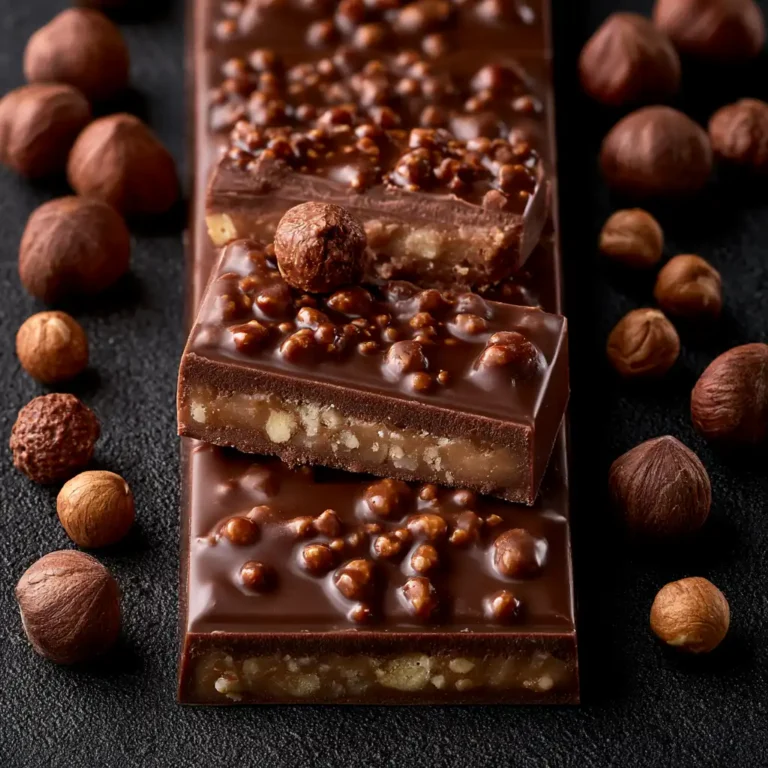
Authentic Italian Gianduja Budino
A rich and velvety Italian dessert from the Piedmont region that blends roasted hazelnuts with smooth chocolate for a luxurious, melt-in-the-mouth experience.
- Total Time: 4 hours 35 minutes
- Yield: 6 servings 1x
Ingredients
- 1 cup roasted hazelnuts (skinned)
- 8 oz high-quality milk or dark chocolate (chopped)
- 1/2 cup granulated sugar
- 2 cups heavy cream
- 1/2 cup whole milk
- 1 pinch sea salt
- 1 tsp vanilla extract
- Fresh raspberries for garnish
- Unsweetened whipped cream for serving
Instructions
- Step 1: Roast Hazelnuts – Toast hazelnuts at 350°F (175°C) for 10 minutes until fragrant and golden brown.
- Step 2: Create Paste – Process warm hazelnuts in a high-powered food processor until they release oils and form a smooth paste.
- Step 3: Melt Chocolate – Use a double boiler to gently melt the chopped chocolate until completely smooth and glossy.
- Step 4: Combine Base – Whisk the hazelnut paste into the melted chocolate until a stable, creamy emulsion forms.
- Step 5: Heat Dairy – Combine heavy cream, milk, and sugar in a saucepan over medium heat until simmering.
- Step 6: Emulsify Mixture – Slowly pour the warm dairy into the chocolate-hazelnut base, whisking constantly to maintain smoothness.
- Step 7: Thicken Budino – Cook the mixture over low heat for 5 minutes, stirring continuously until the pudding coats the back of a spoon.
- Step 8: Set Dessert – Pour into individual ramekins and refrigerate for at least 4 hours to achieve the perfect texture.
- Step 9: Serve Dessert – Garnish with a dollop of whipped cream and fresh berries before serving chilled.
Notes
Ensure the hazelnut paste is completely smooth before adding to chocolate to avoid a grainy texture. Authentic Gianduja should contain at least 30% hazelnut content.
- Prep Time: 20 minutes
- Cook Time: 15 minutes
- Category: Dessert
- Method: Stovetop
- Cuisine: Italian
- Diet: Vegetarian, Gluten-Free
Nutrition
- Serving Size: 1 ramekin
- Calories: 485 kcal
- Sugar: 26g
- Sodium: 42mg
- Fat: 41g
- Saturated Fat: 19g
- Unsaturated Fat: 18g
- Trans Fat: 0.1g
- Carbohydrates: 30g
- Fiber: 4g
- Protein: 7g
- Cholesterol: 68mg
Keywords: Gianduja, Hazelnut Chocolate, Italian Dessert, Budino, Turin, Piedmont
What Exactly Is a Gianduja Dessert?
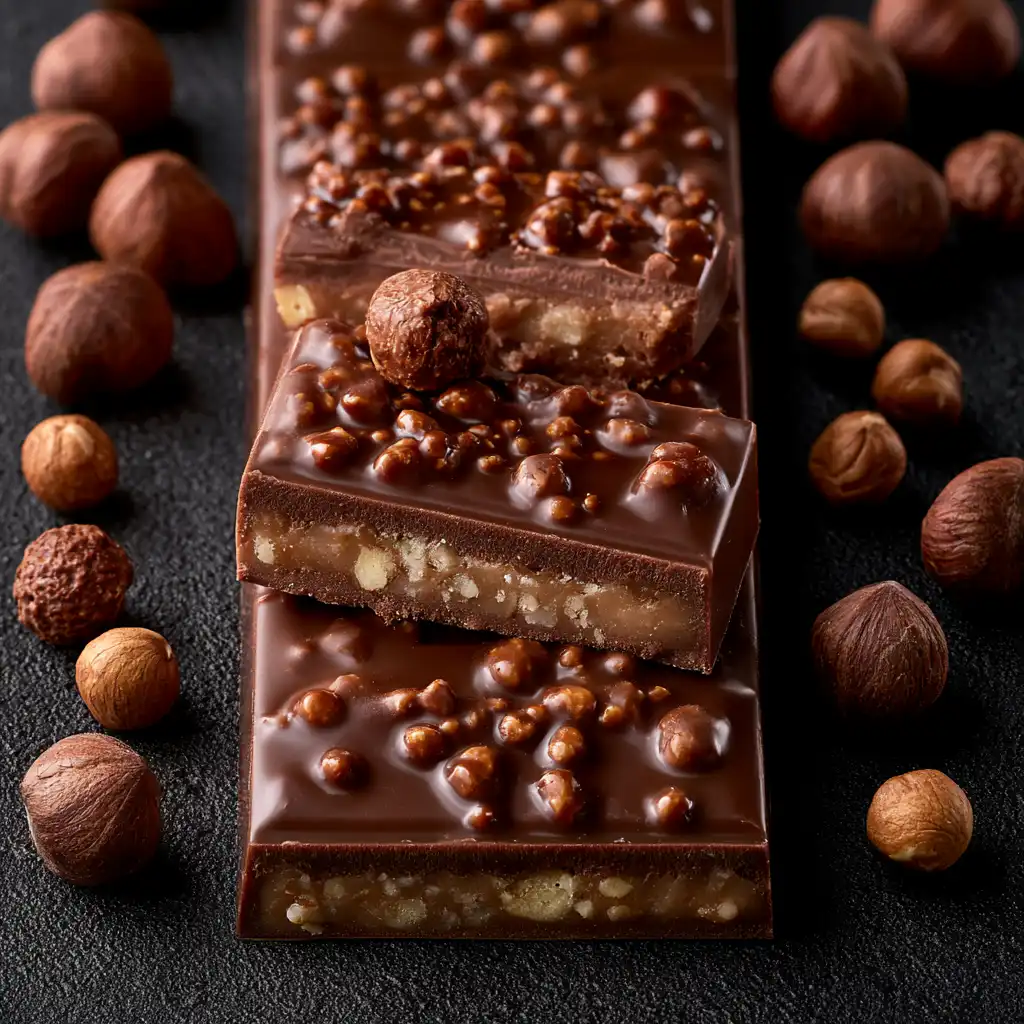
A gianduja dessert is any sweet course that features the blend of chocolate and hazelnut paste as its primary flavor profile. While many people think of it only as a spread similar to Nutella, it is actually a very versatile ingredient. You can find it in the form of firm chocolate bars, soft mousses, creamy puddings, or even as a filling for delicate pastries. The beauty of a gianduja dessert lies in its earthy, toasted notes that cut through the richness of the sugar and cocoa.
Because it is so rich, a small portion of a gianduja dessert is usually enough to satisfy a craving. It is often served alongside simple accompaniments like fresh berries or a dollop of unsweetened whipped cream. The natural fats from the hazelnuts provide a satisfying depth that keeps you full and happy. Whether it is served cold from the fridge or at room temperature, the gianduja dessert offers a luxury experience for anyone who appreciates the finer things in life.
The Role of Hazelnut Paste
The secret to a great gianduja dessert is the hazelnut paste. This is not just chopped nuts; it is a smooth, oily butter made by grinding roasted hazelnuts until they release their natural oils. If the paste is grainy, the final gianduja dessert will not have that professional, smooth finish. High-end pastry chefs often use stone grinders to achieve the perfect texture. For the home cook, a high-powered food processor can help you get close to that professional consistency for your gianduja dessert.
Chocolate Varieties in Gianduja
While milk chocolate is the most traditional choice for a gianduja dessert, dark chocolate versions are becoming very popular. Dark chocolate provides a bitter contrast that highlights the sweetness of the toasted nuts. When picking a chocolate for your gianduja dessert, look for something with a high cocoa butter content. This helps the fats from the nuts and the fats from the chocolate blend together into a stable, creamy emulsion that won’t separate over time.
Popular Variations of Gianduja Dessert
There are many ways to prepare a gianduja dessert depending on your skill level and the occasion. One of the most beloved versions is the budino, which is a thick, Italian-style pudding. If you are looking for a specific gianduja budino recipe to try tonight, you will find that it is surprisingly easy to make with just a few pantry staples. This type of gianduja dessert is perfect for dinner parties because you can make it a day in advance.
Other variations include gianduja-filled crepes, flourless chocolate hazelnut cakes, and even gianduja gelato. In the winter months, a warm gianduja dessert like a molten lava cake can be incredibly comforting. In the summer, a chilled gianduja mousse or a semi-freddo offers a lighter way to enjoy these heavy flavors. No matter the season, there is a gianduja dessert that fits the mood and the weather perfectly.
Gianduja Mousse and Ganache
A gianduja dessert in mousse form is incredibly airy and light. By folding whipped egg whites or heavy cream into a gianduja base, you create a cloud-like texture that still carries the intense hazelnut flavor. Ganache is another option, where you mix the hazelnut chocolate with hot cream. This ganache can be poured over cakes or used as a dip for fruit. The versatility of the gianduja dessert base makes it a favorite for bakers who like to experiment with different textures.
The Classic Gianduiotto
The most iconic gianduja dessert is perhaps the Gianduiotto, an individually wrapped chocolate shaped like an upturned boat. These little treats are made with a high percentage of hazelnut and are designed to melt slowly in the mouth. While they are technically candies, they are often served at the end of a meal as a mini gianduja dessert. Their unique shape and gold foil wrapping make them a beautiful addition to any dessert platter or gift basket.
Essential Ingredients for the Perfect Gianduja

To make a high-quality gianduja dessert, you must start with the best possible ingredients. Since there are so few components, every single one matters. The hazelnuts should be fresh and ideally from a region known for nut production. Old nuts can taste rancid, which will ruin your gianduja dessert. Similarly, the chocolate should be a brand you enjoy eating on its own. If the chocolate is too waxy or contains too many fillers, the texture of your gianduja dessert will suffer.
You also need a pinch of salt to bring out the nutty notes. Salt is a flavor booster that balances the sweetness of the sugar. Some people like to add a hint of vanilla or even some citrus zest to their gianduja dessert, but the traditional version relies solely on the nuts and the beans. High-quality cocoa powder can also be added to deepen the color and provide a more intense chocolate hit without adding too much extra fat to the gianduja dessert.
Selecting the Right Hazelnuts
For a truly authentic gianduja dessert, try to find Tonda Gentile trilobata hazelnuts. These are the specific variety grown in Piedmont and are prized for their round shape and excellent flavor after roasting. If you cannot find them, look for Turkish or Oregon hazelnuts. Make sure you buy them raw and roast them yourself. Roasting is the key step that develops the aroma and makes your gianduja dessert smell like a professional bakery.
The Importance of Sugar Choice
The sugar in a gianduja dessert does more than just add sweetness; it provides structure. Most recipes call for powdered sugar or very fine granulated sugar because it dissolves quickly into the fat. If you use coarse sugar, your gianduja dessert might have a gritty feel. Some modern versions use alternative sweeteners, but for the most traditional gianduja dessert experience, standard cane sugar or a touch of honey works best to maintain the classic flavor profile.
How to Make Homemade Gianduja Spread
Before you can make a complex gianduja dessert, you need to master the base spread. This spread can be eaten on toast, used as a cake filling, or simply eaten with a spoon. Making it at home is much healthier than buying store-bought versions because you can control the amount of sugar and the quality of the oil. Plus, the smell of fresh hazelnut paste in your kitchen is better than any candle you can buy.
The process of making this base for your gianduja dessert involves roasting, peeling, and blending. It takes a little bit of patience, but the result is a creamy, decadent paste that puts commercial brands to shame. Once you have this base, you can turn it into any gianduja dessert you desire by adding cream, eggs, or flour. Here is how you can create your own batch at home from scratch.
- Step 1: Roasting the Hazelnuts – Place raw hazelnuts on a baking sheet and roast at 350°F (175°C) for about 10-12 minutes until they are fragrant and the skins start to crack.
- Step 2: Peeling the Nuts – Wrap the hot nuts in a clean kitchen towel and let them steam for a few minutes, then rub them vigorously to remove most of the brown skins.
- Step 3: Grinding to Paste – Put the warm, peeled nuts into a food processor and blend for several minutes until they turn from a powder into a liquid butter.
- Step 4: Adding Chocolate – Melt your choice of chocolate over a water bath and pour it into the processor with the nut butter, blending until perfectly smooth.
- Step 5: Final Seasoning – Add a pinch of sea salt and a touch of powdered sugar if needed, then give it one final pulse to combine everything.
Creating a Decadent Gianduja Dessert at Home
Once you have your hazelnut chocolate base, you are ready to assemble a full gianduja dessert. A popular choice for beginners is a custard-based treat. The texture of a chocolate hazelnut custard dessert is quite similar to the classic Italian budino, offering a silky mouthfeel that everyone loves. This type of gianduja dessert is elegant enough for a party but easy enough for a weeknight treat at home.
When you are making a gianduja dessert, remember that temperature is your friend. Working with melted chocolate requires a gentle touch so it doesn’t seize. If you are adding cream or milk, make sure it is not ice cold when it hits the chocolate. Taking your time with these small details will make the difference between a good gianduja dessert and a great one that people will ask you the recipe for.
- Step 1: Preparing the Base – Mix your homemade hazelnut paste with melted high-quality chocolate until the mixture is uniform and shiny.
- Step 2: Heating the Dairy – In a small saucepan, gently warm whole milk or heavy cream until it just begins to simmer, being careful not to let it boil over.
- Step 3: Tempering the Eggs – If your recipe uses eggs for thickness, slowly whisk a small amount of the hot milk into the beaten yolks before adding them to the main pot.
- Step 4: Combining Everything – Whisk the chocolate nut mixture into the warm dairy base until the gianduja dessert is thick enough to coat the back of a spoon.
- Step 5: Chilling the Dessert – Pour the mixture into individual ramekins or a large bowl and refrigerate for at least four hours to let the flavors set and the texture firm up.


Serving and Pairing Suggestions

A gianduja dessert is quite rich, so choosing the right pairings is important to prevent it from becoming overwhelming. Sharp, acidic fruits like raspberries, strawberries, or even passion fruit are excellent choices. The acidity cuts through the heavy fat content of the hazelnuts and the cocoa butter. You can also serve your gianduja dessert with a side of lightly toasted sourdough or a simple shortbread cookie to add some crunch to the soft texture.
When looking for unique thanksgiving dessert ideas, gianduja is a great choice because it feels festive and special. It pairs beautifully with the warm spices often found on the holiday table, like cinnamon or nutmeg. You can even top a gianduja dessert with a sprinkle of crushed sea salt or some caramelized hazelnuts to give it a professional look that will impress all your holiday guests.
The Best Beverages to Serve
Since we are avoiding certain drinks, let’s focus on the best non-alcoholic pairings. A strong cup of espresso or a dark roast coffee is the traditional partner for a gianduja dessert. The bitterness of the coffee balances the sweetness of the chocolate perfectly. For a caffeine-free option, a warm glass of almond milk or a spiced herbal tea can be very pleasant. The goal is to provide a clean finish to the palate after each rich bite of the gianduja dessert.
Texture Contrasts
Adding a crunchy element to a soft gianduja dessert is a pro move. You can use toasted hazelnut halves, chocolate shavings, or even a few crystals of flaky sea salt. Some people even like to serve it with a bit of honeycomb or a crisp tuile cookie. These additions provide a sensory break from the creaminess and make the gianduja dessert more interesting to eat. A well-balanced plate should always have a mix of soft, crunchy, sweet, and slightly salty components.
The Difference Between Nutella and Artisanal Gianduja
It is common to confuse a gianduja dessert with items made from Nutella, but there are significant differences. Nutella is a mass-produced spread that contains a high percentage of sugar and palm oil, with hazelnuts making up a smaller portion of the recipe. On the other hand, an artisanal gianduja dessert focuses on the purity of the ingredients. It typically uses real cocoa butter and a much higher concentration of nuts, often exceeding 30 or 40 percent.
Because artisanal gianduja lacks the stabilizers and fillers found in commercial spreads, it has a different melting point and a more complex flavor. When you use a high-quality paste for your gianduja dessert, you will notice notes of toasted earth, wood, and even a slight fruitiness from the cocoa beans. While commercial spreads are great for a quick snack, a true gianduja dessert deserves the highest quality ingredients you can afford to truly appreciate the tradition of Piedmont.
| Feature | Artisanal Gianduja | Commercial Hazelnut Spread |
|---|---|---|
| Hazelnut Content | 30% to 50% | Usually 13% or less |
| Main Fat Source | Hazelnut oil and Cocoa butter | Palm oil or vegetable oil |
| Primary Ingredient | Hazelnuts or Cocoa | Sugar |
| Texture | Varies (firm to silky) | Always spreadable |
| Flavor Profile | Deep, toasted, nutty | Sweet, milky, sugary |
Health Benefits of Hazelnut-Based Sweets
While any dessert should be enjoyed in moderation, a gianduja dessert does offer some nutritional benefits thanks to its high nut content. Hazelnuts are packed with healthy monounsaturated fats, which are good for heart health. They also contain vitamin E, manganese, and copper. When you choose a gianduja dessert made with dark chocolate, you are also getting a dose of antioxidants that can help protect your cells from damage.
While some treats are heavy, you can find lighter healthy chocolate snacks that incorporate hazelnut flavors without the extra heavy cream. For example, using a bit of gianduja spread on top of apple slices or mixing it into Greek yogurt can give you that indulgent flavor with more fiber and protein. Making your own gianduja dessert at home also allows you to reduce the sugar content, making it a slightly better choice for your overall wellness.
Fats for Brain Health
The fats found in hazelnuts are not just good for your heart; they are also beneficial for your brain. These healthy fats are essential for maintaining the structure of brain cells. Including a small amount of a nut-rich gianduja dessert in your diet can be a delicious way to get these nutrients. Of course, the key is to focus on recipes that use whole food ingredients rather than highly processed additives and artificial flavorings.
Antioxidant Power of Cocoa
Cocoa is one of the most antioxidant-rich foods on the planet. By combining it with nuts in a gianduja dessert, you are creating a snack that is dense with polyphenols. These compounds have been studied for their ability to lower inflammation and improve blood flow. So, next time you are enjoying a piece of gianduja dessert, you can feel a little better knowing that those ingredients are doing more than just tasting great; they are providing some support for your body’s natural systems.
Storing and Preserving Gianduja Treats
Because a gianduja dessert contains a lot of natural oils from the nuts, it needs to be stored correctly to stay fresh. Hazelnut oil can go rancid if it is exposed to heat or direct sunlight for too long. If you have made a batch of homemade spread or a firm gianduja chocolate bar, it is best to keep it in a cool, dark cupboard. For a creamy gianduja dessert like a mousse or pudding, the refrigerator is a must to keep the dairy components safe.
If you find yourself with too much gianduja dessert, you can actually freeze certain types. A firm gianduja ganache or cake freezes beautifully. Just make sure to wrap it tightly in plastic wrap and then aluminum foil to prevent freezer burn. When you are ready to eat it, let it thaw slowly in the fridge overnight. This slow process helps maintain the delicate emulsion of the fats and keeps the texture of your gianduja dessert as perfect as the day you made it.
Avoiding Chocolate Bloom
Sometimes, if a gianduja dessert gets too warm and then cools down, you might see a white film on the surface. This is called “bloom,” and it happens when the fats separate and move to the top. It doesn’t mean the gianduja dessert is bad, but it might change the texture slightly. To avoid this, keep your sweets at a consistent temperature. A stable environment is the best way to make sure your gianduja dessert looks as good as it tastes.
Shelf Life of Homemade Spread
Homemade hazelnut chocolate spread usually lasts about two to three weeks if kept in a clean jar at room temperature. If you want it to last longer, you can put it in the fridge, but it will become very firm. To make it spreadable again, just let it sit on the counter for thirty minutes or give it a very quick burst in the microwave. Always use a clean spoon when dipping into your gianduja dessert jar to prevent any bacteria from growing.
FAQs
What is the difference between gianduja and praline?
While both involve nuts and chocolate, the process is different. Praline is made by caramelizing nuts in sugar and then grinding them into a paste, which results in a sweet, sometimes crunchy texture. A gianduja dessert uses roasted nuts ground into a smooth butter without the caramelization step, resulting in a creamier, more chocolate-forward flavor profile.
Can I make a gianduja dessert if I have a nut allergy?
Traditional gianduja must contain hazelnuts. However, if you have a hazelnut allergy but can eat other nuts, you can follow the same process using toasted sunflower seeds or soy nuts to get a similar creamy texture. It won’t be an authentic gianduja dessert, but it can still be a delicious chocolate-based treat that is safe for your specific dietary needs.
Is gianduja always gluten-free?
By itself, the mixture of hazelnuts, chocolate, and sugar is naturally gluten-free. However, many gianduja dessert recipes, such as cakes or cookies, include flour. Always check the specific ingredients of a recipe or the label on a store-bought product if you are avoiding gluten. A simple gianduja mousse or budino is usually a safe bet for those on a gluten-free diet.
Why is my homemade gianduja dessert grainy?
Graininess usually happens if the hazelnuts weren’t ground long enough or if the sugar didn’t dissolve completely. To fix this, try blending the nut paste for a few extra minutes until it is completely liquid before adding the chocolate. If you already mixed it, you can try gently warming the gianduja dessert and running it through a fine-mesh sieve or a high-speed blender to smooth it out.
Conclusion
A gianduja dessert is more than just a sweet treat; it is a piece of culinary history that showcases the perfect harmony between the earthiness of hazelnuts and the richness of chocolate. From its humble beginnings in war-torn Italy to its status as a global gourmet icon, this flavor combination continues to win hearts. Whether you are whipping up a simple pudding or crafting an elaborate cake, the keys to success are high-quality ingredients and a little bit of patience. Now that you know the secrets behind this classic Italian delight, you are ready to bring the taste of Turin into your own kitchen and share the joy of a gianduja dessert with your friends and family.