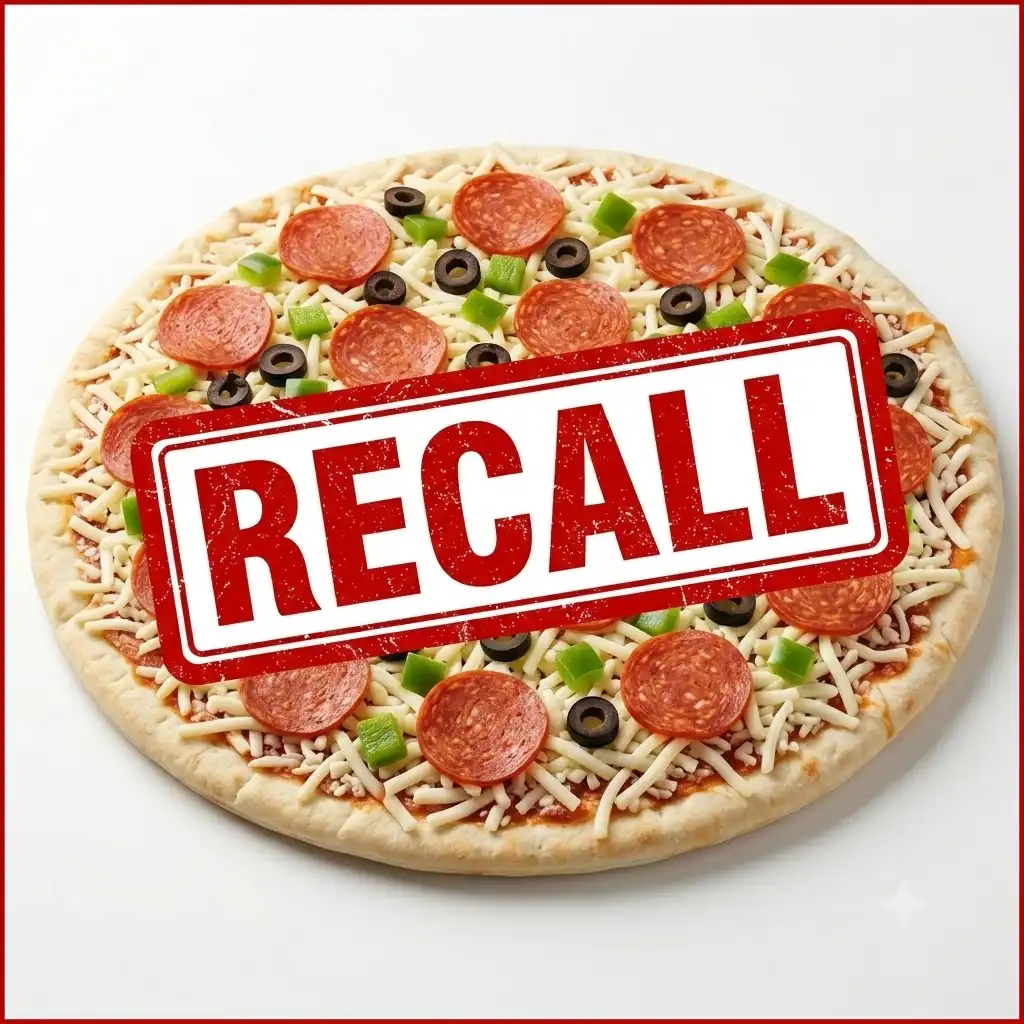
Finding out that a favorite meal sitting in your freezer is part of a recall can be quite unsettling. Recently, the champion foods pizza recall caught many families by surprise, leading to questions about food safety and what steps to take next. While frozen meals are a convenient staple for busy weeknights, staying informed about these events helps keep your loved ones safe. This guide covers the details of the recall, how to identify affected products, and ways to stay confident in your food choices.
Table of Contents
The Heart of the Champion Foods Pizza Recall
The Reason Behind the Action
The champion foods pizza recall was initiated primarily due to misbranding and undeclared allergens. Specifically, certain batches of frozen pizza products contained soy, a common allergen, which was not listed on the ingredient label. For most people, soy is a harmless part of a balanced diet, but for those with a soy allergy, consuming it can lead to serious health complications. This type of error usually happens during the packaging process where the wrong labels are applied to a product, or a change in ingredients is not reflected on the printed box. When companies realize these mistakes, they work quickly with federal agencies to pull the items from store shelves.
Which Products Were Affected?
The scope of the champion foods pizza recall included nearly 70,000 pounds of ready-to-eat frozen pizza. These items were distributed to various retail locations, making it a widespread concern for shoppers in several states. Most of the affected products were private-label brands that many people buy during their weekly grocery runs. Because Champion Foods produces items for different names, you might not see their company name on the front of the box. Instead, you have to look for specific identification marks, such as the establishment number, to confirm if your purchase is part of the warning list. Keeping a close eye on these details is the best way to manage your kitchen safety.
How to Identify Recalled Pizza in Your Freezer
Checking the Establishment Number
One of the most reliable ways to check if your food is part of the champion foods pizza recall is to look for the USDA mark of inspection. This mark usually contains an establishment number, which acts like a fingerprint for the facility where the food was made. For this specific recall, the products were marked with “EST. 40300” inside the USDA circle. You can typically find this stamp on the side or the back of the pizza box. If you see this number alongside the specific “best by” dates mentioned in the official alerts, it is time to set that box aside. Verification is a quick step that provides a lot of relief once you know for sure.
Reviewing Production Dates and Codes
Product codes and “best by” dates are another layer of identification. The champion foods pizza recall specifically targeted items produced on certain dates in late 2022 and early 2023. These codes are often printed in small ink on the cardboard flap of the box. The official announcement from the USDA Food Safety and Inspection Service provides the exact list of product codes and distribution areas to help consumers stay updated. By comparing the numbers on your package to this list, you can determine if your dinner is safe to eat or if it needs to go back to the store.
The Impact of Undeclared Allergens
Why Soy Labeling is Vital
Allergen labeling is a critical part of food safety laws. The champion foods pizza recall highlights how easily an ingredient like soy can slip through the cracks. Soy is often found in the oils used for the crust or even in the protein blends used for toppings. For individuals with a severe sensitivity, even a small amount can cause hives, digestive distress, or more severe respiratory issues. Federal guidelines require that the “Big Nine” allergens which include soy, milk, eggs, and wheat be clearly stated. When a manufacturer fails to do this, a recall is the only way to protect the public from accidental exposure.
The Role of Routine Inspections
You might wonder how these mistakes are caught in the first place. Often, it is during a routine label review or an inspection by the company or the government. According to Food Safety News, the issue was discovered during routine inspection activities where it was found that the labels did not accurately reflect the ingredients used in the pizzas. These inspections are the safety net that catches errors before they cause widespread illness. Knowing that these systems are in place can make you feel a bit more comfortable when shopping for prepared foods, as it shows that oversight is active and working.
What to Do if You Have a Recalled Item
Safe Disposal and Returns
If you find a box that matches the champion foods pizza recall criteria, do not open or eat it. Even if you do not have a soy allergy, it is best to follow the official advice. You have two main options: throw the product away or return it to the place of purchase. Most grocery stores will offer a full refund for recalled items, often without requiring a receipt, as they are part of the effort to remove the goods from circulation. If you choose to throw it away, wrap it tightly or place it in a sealed bag to make sure no one else accidentally consumes it from the trash.
Following a specific set of steps helps manage the situation without stress. Use this list to handle any recalled food in your home safely:
- Step 1: Identify – Check the box for the establishment number EST. 40300.
- Step 2: Verify – Look at the “best by” date to see if it matches the recall period.
- Step 3: Isolate – Remove the item from your freezer so it isn’t cooked by mistake.
- Step 4: Resolve – Take the product back to the grocery store for a refund or discard it safely.
- Step 5: Clean – Wipe down the freezer shelf where the box was sitting, just as a general hygiene practice.
Managing Health Concerns
If someone in your house has already eaten a product from the champion foods pizza recall and they have a known soy allergy, watch for symptoms closely. If any signs of an allergic reaction appear, contact a healthcare professional immediately. For those without allergies, the risk is very low, but it is still a good reminder to be vigilant. Using a recall as a learning moment can help you become more aware of how ingredients are listed. For those looking for lighter options after a food scare, many wonder is cauliflower rice good for you as a grain-free alternative that is easy to prepare at home with fresh ingredients.
Making Safer Choices with Prepared Foods
Reading Labels More Effectively
One way to gain more control over what you eat is to get into the habit of reading the entire ingredient list, not just the front of the package. While the champion foods pizza recall was a labeling error, many other products have ingredients hidden in fine print. Look for the “Contains” statement at the bottom of the list, which highlights major allergens. This habit builds a better connection with your food and helps you spot changes in products you buy regularly. While no system is perfect, being an active participant in your food safety is a great way to protect your health.
Considering Homemade Alternatives
When recalls happen frequently, many people feel a nudge to start cooking more from scratch. Making your own meals allows you to select every single ingredient, removing the worry of hidden allergens or processing errors. If you are worried about store-bought options, you can try this pizza dough recipe to control every ingredient in your kitchen. It is surprisingly simple to make a batch of dough and freeze it for later, giving you that same convenience of a frozen pizza but with much more peace of mind regarding what is inside.
| Feature | Recall Details |
|---|---|
| Company Name | Champion Foods |
| Reason for Recall | Undeclared Soy & Misbranding |
| Establishment Number | EST. 40300 |
| Product Type | Ready-to-eat Frozen Pizza |
| Risk Level | High for Soy Allergy Sufferers |
Creating a Safe Meal Routine
Complementing Your Main Dish
Even if you decide to stick with frozen options from brands not involved in the champion foods pizza recall, you can balance your meal with homemade sides. A perfect side for a safe, homemade meal would be these homemade garlic knots that pair wonderfully with a fresh salad. Adding a side that you prepared yourself adds nutrition and ensures that at least part of your meal is completely under your control. This approach makes dinner feel special and reduces the reliance on fully processed kits that might be prone to manufacturing issues.
Warm and Comforting Options
Sometimes, a food recall can make you want to step away from that specific category of food for a while. If pizza is off the menu for a bit while you wait for new stock at the store, there are plenty of other cozy meals to try. When you want a cozy meal without the stress of a recall, a warm bowl of broccoli cheddar soup provides comfort and peace of mind. Soups are wonderful because you can see exactly what goes into the pot, and they are easy to store in the fridge for a quick lunch the next day.
Common Concerns During a Pizza Recall
Is the Pizza Still Safe if I Don’t Have Allergies?
Technically, if the only issue in the champion foods pizza recall was undeclared soy, the pizza is physically safe for people who are not allergic to soy. However, food safety experts and the USDA generally recommend that you do not eat recalled food regardless. The reasoning is that a labeling error could sometimes point to other lapses in quality control. It is always better to be cautious and follow the official guidelines. Returning the item for a refund is the most responsible choice, as it also lets the retailer know that their customers are aware of the situation.
How Often Do These Recalls Happen?
Recalls happen more often than you might think, but that is actually a sign that the monitoring system is working. Companies are constantly testing their products and checking their labels. While the champion foods pizza recall made headlines, it is just one of many actions taken each year to keep the food supply clean. By signing up for email alerts from the USDA or FDA, you can get notified the moment a product you buy is flagged. This keeps you ahead of the curve and prevents you from serving a recalled item to your family before the news reaches the mainstream media.
Moving Forward with Confidence
The champion foods pizza recall serves as a helpful reminder to stay alert about the foods we bring into our homes. By knowing how to check establishment numbers and understanding the importance of allergen labeling, you can manage these situations with ease. Whether you decide to keep buying frozen favorites or start experimenting with your own kitchen creations, having the right information is the key to a happy, healthy table. Food safety is a team effort between manufacturers, regulators, and consumers like you.
FAQs
What specific brands were included in the champion foods pizza recall?
The recall involved several brands, including some private labels like Marketside (sold at Walmart). It is important to check the “EST. 40300” number on the packaging rather than just looking at the brand name, as the same facility can produce pizzas for multiple different labels.
Can I get a refund for my pizza even if I don’t have the receipt?
Yes, most major retailers will honor a refund for a recalled product without a receipt. They are usually instructed to accept the item and provide a refund or credit to help get the affected products out of people’s homes as quickly as possible.
Was there a risk of bacteria like Salmonella in this recall?
No, the champion foods pizza recall was specifically due to misbranding and undeclared soy. There were no reports of bacterial contamination like Salmonella or Listeria associated with this specific event. The concern was strictly focused on allergen safety and label accuracy.
How do I find out about new food recalls?
You can stay informed by visiting the USDA Food Safety and Inspection Service website or the FDA’s recall page. Many grocery store chains also post notices near the customer service desk or send emails to loyalty card members if they have purchased a recalled item in the past.
1 thought on “Understanding the Champion Foods Pizza Recall: What You Need to Know”