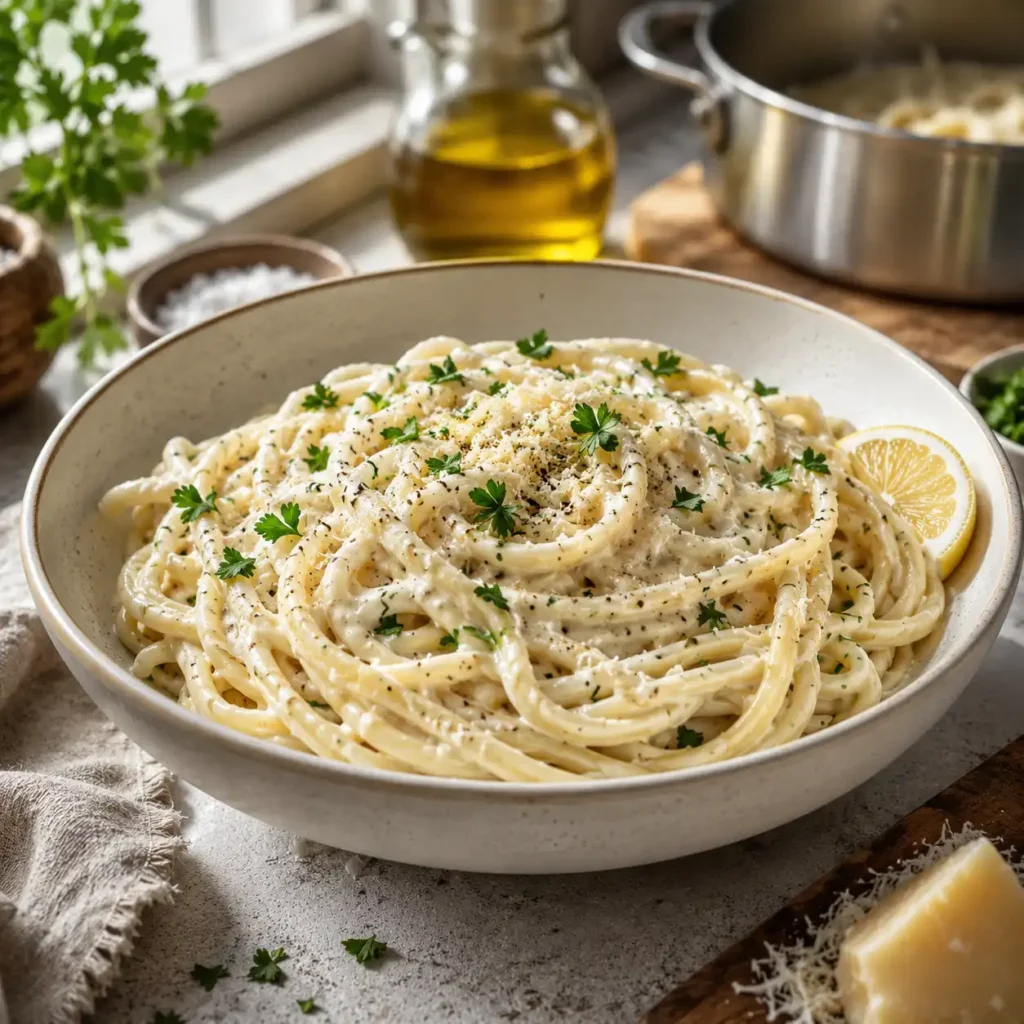
Finding a dinner that feels like a warm hug but actually nourishes your body is like finding a hidden treasure. We often crave the comfort of a thick, creamy sauce, yet the heavy cream and butter can leave us feeling sluggish. That is where a simple greek yogurt pasta sauce saves the day. It offers that velvety texture we love with a tangy twist and a massive boost of protein. This recipe is fast, budget-friendly, and perfect for those busy weeknights when you need a win.
Table of Contents
Why You Will Love Greek Yogurt Pasta Sauce
A High-Protein Alternative to Cream
Most traditional white sauces rely on heavy cream or roux made with butter and flour. While delicious, they lack the protein punch your body needs to stay full. By using a greek yogurt pasta sauce, you are swapping empty fats for quality nutrition. This change makes your pasta dish a more balanced meal that supports muscle recovery and keeps your energy levels steady throughout the evening. It is a smart way to enjoy your favorite comfort foods without the usual heavy feeling that comes after a large bowl of fettuccine Alfredo.
Unmatched Versatility in Your Kitchen
The beauty of a greek yogurt pasta sauce lies in its ability to adapt to whatever is in your pantry. You can keep it simple with just garlic and salt, or you can go wild with fresh herbs, red pepper flakes, or roasted vegetables. Because the yogurt has a natural tang, it brightens up flavors that might otherwise feel flat. Whether you are serving it to picky kids or hosting a dinner for friends, this sauce acts as a blank canvas for your culinary creativity. It works just as well on hot noodles as it does as a cold dressing for a pasta salad.
Print
Creamy and Healthy Greek Yogurt Pasta Sauce
A velvety, high-protein pasta sauce that swaps heavy cream for tangy Greek yogurt. This budget-friendly meal is packed with probiotics and essential nutrients, making it a perfect healthy comfort food for busy weeknights.
- Total Time: 15 minutes
- Yield: 4 servings 1x
Ingredients
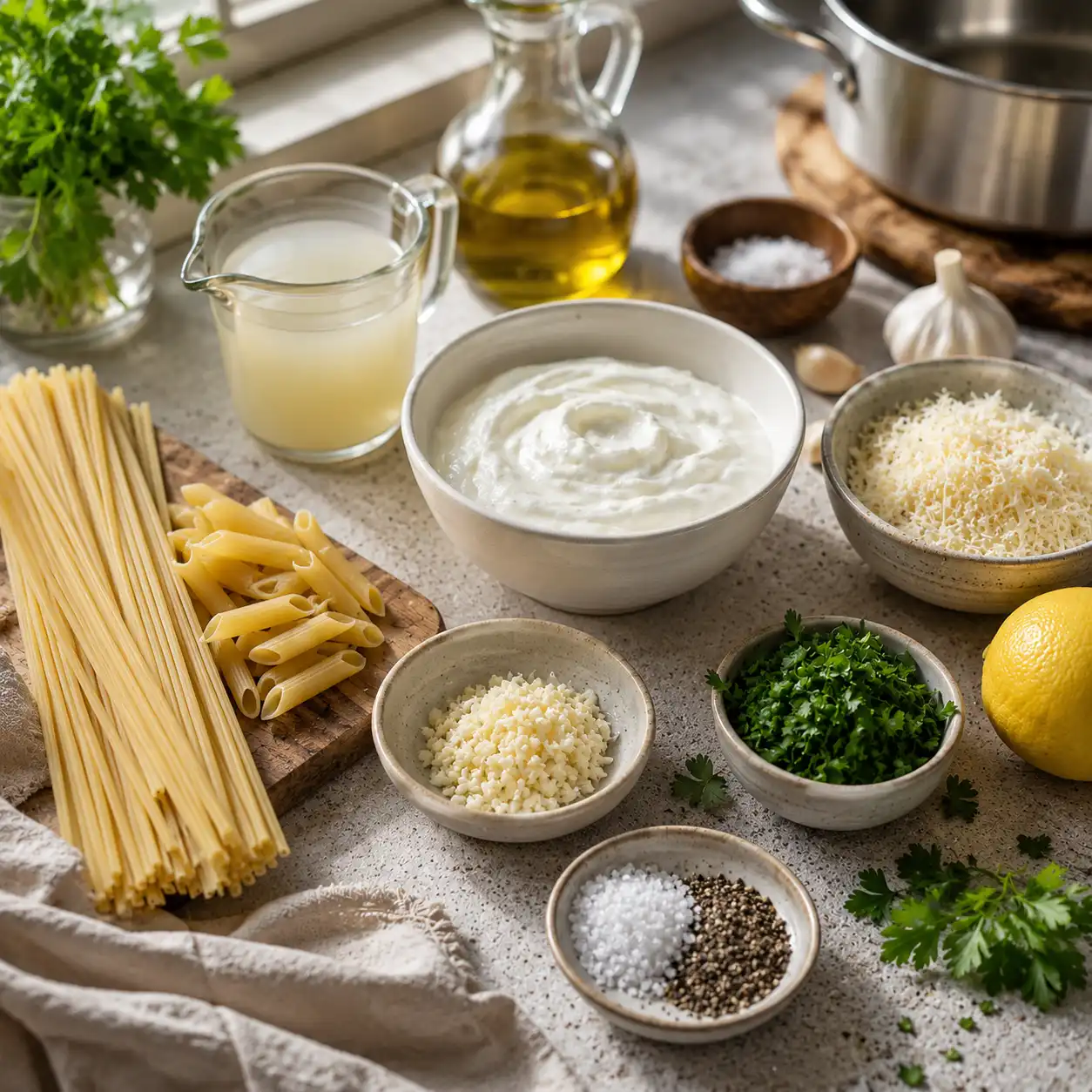
- 1 cup Plain Greek yogurt (full-fat or 2%)
- 12 oz Pasta of choice (fettuccine or penne work well)
- 2 cloves Garlic, minced
- 1 tablespoon Olive oil
- 1/2 cup Reserved pasta water
- 1/4 cup Grated Parmesan cheese
- 1/2 teaspoon Salt
- 1/4 teaspoon Black pepper
- 1/4 teaspoon Red pepper flakes
- 2 tablespoons Fresh parsley, chopped
Instructions
- Step 1: Boil Pasta – Cook the pasta in a large pot of salted water according to package directions until al dente.
- Step 2: Sauté Garlic – While pasta cooks, heat olive oil in a small skillet over medium heat and sauté minced garlic for 1 minute until fragrant.
- Step 3: Save Water – Before draining the pasta, carefully scoop out and reserve 1/2 cup of the starchy cooking water.
- Step 4: Prepare Yogurt Base – In a large mixing bowl, whisk together the Greek yogurt, sautéed garlic, salt, and pepper.
- Step 5: Temper Sauce – Gradually whisk 1/4 cup of the warm pasta water into the yogurt mixture to create a smooth, creamy consistency.
- Step 6: Combine – Add the hot, drained pasta to the bowl with the yogurt sauce and toss well to coat.
- Step 7: Add Cheese – Sprinkle in the Parmesan cheese and continue tossing, adding more pasta water if the sauce is too thick.
- Step 8: Garnish – Top with fresh parsley and red pepper flakes then serve immediately while warm.
Notes
To prevent the yogurt from curdling, never boil the sauce directly on the stove; the residual heat from the pasta is sufficient.
- Prep Time: 5 minutes
- Cook Time: 10 minutes
- Category: Main Course
- Method: Tossing
- Cuisine: Mediterranean-inspired
- Diet: Vegetarian
Nutrition
- Serving Size: 1.5 cups
- Calories: 410 kcal
- Sugar: 5g
- Sodium: 480mg
- Fat: 10g
- Saturated Fat: 4g
- Unsaturated Fat: 5g
- Trans Fat: 0.1g
- Carbohydrates: 62g
- Fiber: 3g
- Protein: 21g
- Cholesterol: 12mg
Keywords: greek yogurt, pasta sauce, high protein, healthy dinner, creamy pasta, vegetarian
The Health Benefits of Greek Yogurt
Gut Health and Probiotics
Greek yogurt is famous for containing live and active cultures. These tiny microbes are vital for maintaining a healthy digestive system. When thinking about wellness, choosing foods with active cultures is a smart move. If you are focused on shedding pounds, you might also look for the best probiotics for weight loss to support your journey. While some of the bacteria in greek yogurt pasta sauce may diminish when heated, using it as a base still provides a much healthier profile than shelf-stable jarred sauces filled with preservatives and sugar.
Essential Nutrients for Daily Life
Beyond the probiotics, this dairy staple is packed with calcium, vitamin B12, and potassium. According to nutritional data from the USDA, Greek yogurt contains nearly double the protein of regular yogurt, making it a powerhouse for muscle repair. The digestive benefits of fermented dairy are well-documented. As noted by Healthline, these benefits range from better gut health to improved bone density. Incorporating a greek yogurt pasta sauce into your rotation means you are getting these nutrients in a savory, delicious format rather than just in a breakfast bowl.
Choosing the Right Ingredients
Selecting the Best Yogurt
Not all yogurts are created equal when it comes to cooking. For a successful greek yogurt pasta sauce, you must use plain, unsweetened yogurt. Avoid anything with “vanilla” or “fruit on the bottom” labels, as the sugar will ruin the savory profile. Full-fat or 2% greek yogurt is generally better for sauces than fat-free versions. The extra fat helps prevent the sauce from curdling when it hits the heat and provides a much richer mouthfeel. If you only have fat-free yogurt on hand, you will need to be extra careful with your temperature control to keep the sauce smooth.
Pantry Staples to Add Depth
To make your greek yogurt pasta sauce truly shine, you need a few key partners. Fresh garlic is a must; sautéing it in a little olive oil before adding the yogurt creates a fragrant base. Parmesan cheese adds a salty, nutty kick that balances the acidity of the yogurt. Finally, don’t forget the pasta water. This “liquid gold” contains starch from the noodles and is the secret to getting your sauce to stick to the pasta properly. A splash of lemon juice or a handful of fresh parsley can also bring a burst of freshness to the finished plate.
How to Make Greek Yogurt Pasta Sauce
Making this sauce is incredibly fast. In fact, the sauce usually takes less time to prepare than the pasta itself. Follow these steps to make a perfect bowl every time.
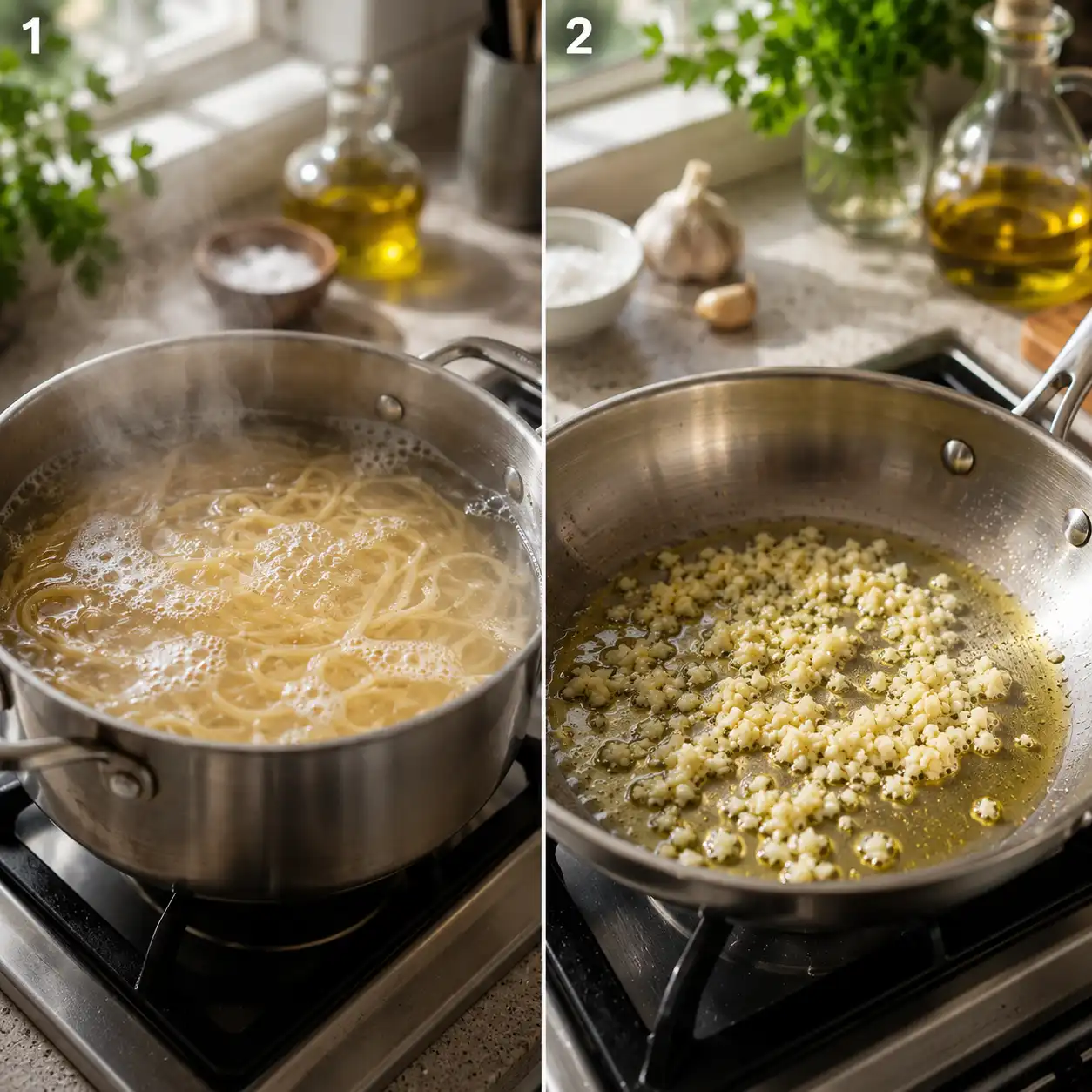
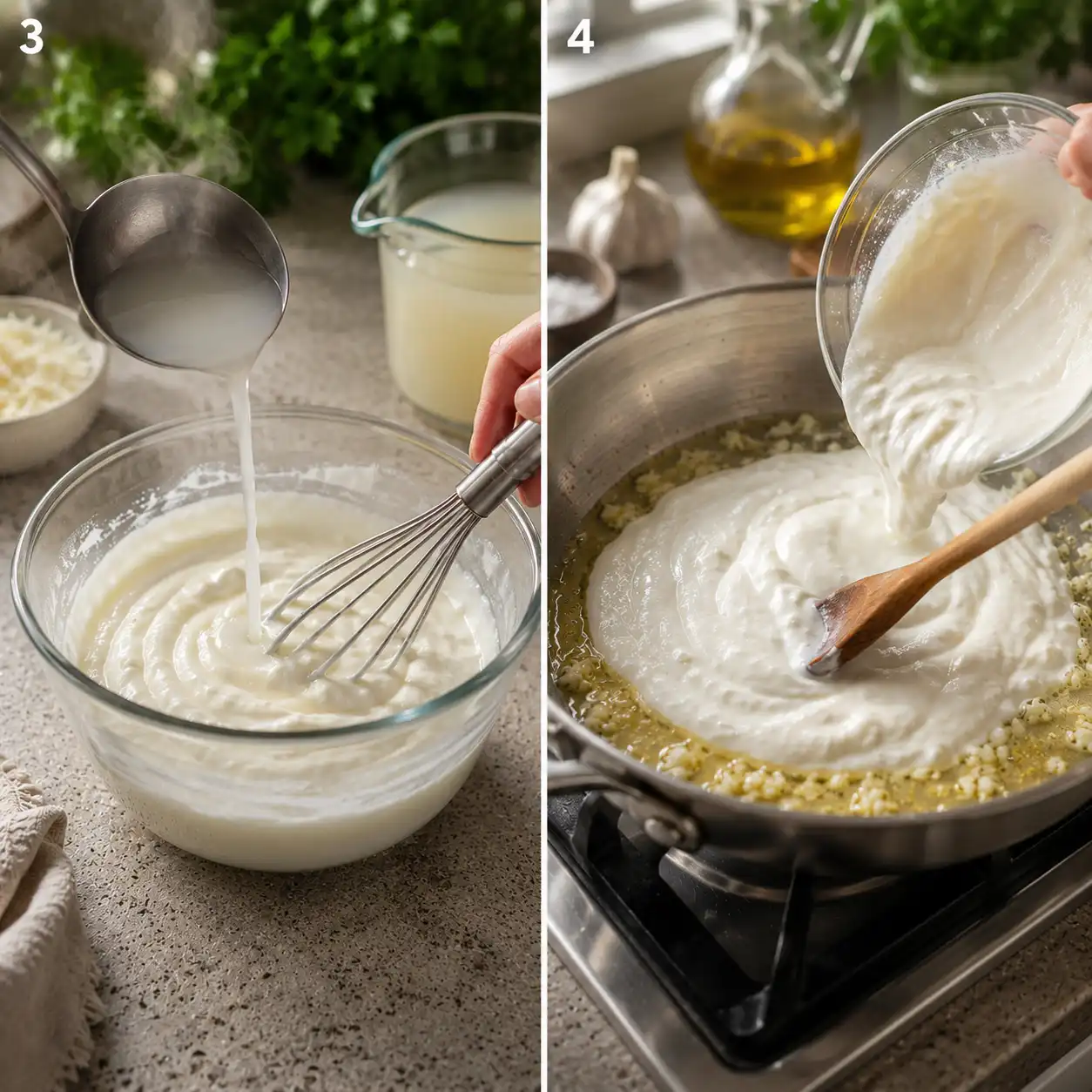
- Step 1: Boil the Noodles – Cook your favorite pasta in a large pot of salted water according to the package directions, but make sure to reserve at least one cup of the starchy pasta water before draining.
- Step 2: Sauté the Aromatics – While the pasta cooks, heat a small amount of olive oil in a pan over medium-low heat and cook minced garlic until it is fragrant but not browned.
- Step 3: Temper the Yogurt – In a separate bowl, whisk together one cup of room-temperature greek yogurt with a little bit of the hot pasta water to gradually warm it up.
- Step 4: Combine Ingredients – Lower the heat to the minimum and add the tempered yogurt mixture to the pan with the garlic, stirring constantly to prevent clumping.
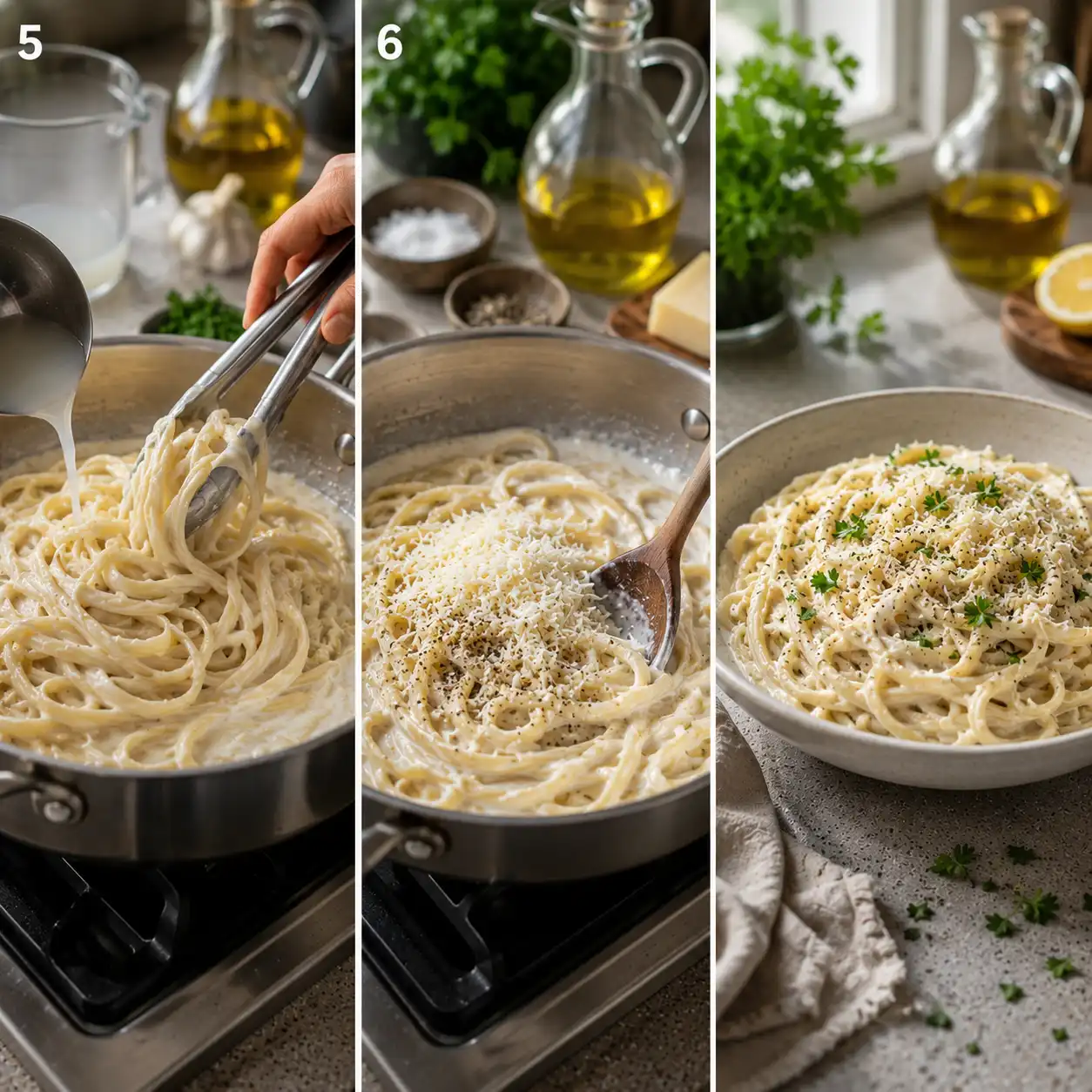
- Step 5: Toss with Pasta – Add the cooked noodles to the pan and toss them gently, adding more pasta water as needed until the greek yogurt pasta sauce reaches your desired thickness.
- Step 6: Season and Serve – Stir in some grated parmesan cheese, salt, and black pepper, then serve immediately while the dish is warm and creamy.
Secrets to Achieving a Silky Texture
The Importance of Tempering
The biggest challenge when working with a greek yogurt pasta sauce is the risk of curdling. Because yogurt is high in protein and low in fat compared to cream, it can separate into little clumps if it gets too hot too fast. Tempering is the process of slowly raising the temperature of the yogurt. By whisking in a few tablespoons of hot pasta water before adding the yogurt to the pan, you stabilize the proteins. This extra minute of work makes the difference between a grainy mess and a restaurant-quality silky sauce that coats every strand of pasta.
Managing the Heat
Once your yogurt is in the pan, you must keep the heat very low. Never let the greek yogurt pasta sauce reach a rolling boil. High heat causes the moisture to evaporate and the proteins to tighten, which leads to separation. If you are worried about the temperature, you can even take the pan off the burner entirely and let the residual heat from the pasta melt the cheese and warm the sauce. Constant stirring is also your friend here; it keeps the emulsion stable and helps the cheese integrate smoothly into the yogurt base.
| Feature | Greek Yogurt Sauce | Traditional Alfredo |
|---|---|---|
| Primary Base | Plain Greek Yogurt | Heavy Cream & Butter |
| Protein Content | High (Approx. 15-20g) | Low (Approx. 2-5g) |
| Fat Content | Low to Moderate | Very High |
| Flavor Profile | Tangy and Zesty | Rich and Buttery |
| Difficulty Level | Easy (Requires tempering) | Moderate (Requires roux) |
Flavor Variations to Try at Home
Mediterranean Style
If you want to lean into the origins of the main ingredient, try a Mediterranean twist. Add sun-dried tomatoes, kalamata olives, and a sprinkle of dried oregano to your greek yogurt pasta sauce. This creamy base is quite similar to the foundation of a classic tzatziki recipe, which relies on that signature tang and thick texture. Adding some crumbled feta cheese on top right before serving will provide a wonderful salty contrast that pairs perfectly with the creamy yogurt. This version is especially delicious with chicken or roasted chickpeas added for extra heartiness.
Green Goddess Pasta
For a vibrant and veggie-packed meal, you can blend your yogurt with fresh spinach, basil, and a hint of lemon. To add even more color and vitamins to your dinner, try tossing this cream sauce with spinach green pasta for a meal that looks as good as it tastes. The yogurt helps carry the herbaceous notes of the basil and the earthiness of the spinach, creating a sauce that feels incredibly light and refreshing. It is a fantastic way to sneak more greens into your diet without sacrificing the comfort of a creamy pasta dish.
Best Pasta Shapes for This Sauce
Long Strands like Linguine
Long, flat noodles are excellent for a greek yogurt pasta sauce because they provide a large surface area for the sauce to cling to. Linguine or fettuccine work particularly well. As you twirl the noodles around your fork, the thick sauce coats the strands, giving you a perfect balance of pasta and creaminess in every bite. If you choose spaghetti, make sure the sauce is slightly thinner by adding an extra splash of pasta water so the noodles don’t clump together into a single mass.
Short Shapes with Ridges
If you prefer short pasta, look for shapes like penne rigate, fusilli, or conchiglie (shells). These shapes are designed to “catch” the sauce. The ridges on penne and the spirals of fusilli act like little pockets that hold the greek yogurt pasta sauce, making each bite a flavor explosion. For those who are keeping an eye on their carb intake but still want that savory topping, you can learn how to make cauliflower rice and ladle this sauce right over the top for a low-carb alternative that still satisfies those creamy cravings.
Storing and Reheating Tips
How to Store Leftovers
If you find yourself with extra greek yogurt pasta sauce, store it in an airtight container in the refrigerator for up to three days. It is important to note that the sauce will thicken significantly as it cools. Do not be surprised if it looks a bit solid the next day. Because of the dairy content, this sauce does not freeze well; the freezing and thawing process almost always causes the yogurt to break and become watery or grainy. It is best to make only what you plan to eat within a few days.
The Best Way to Reheat
Reheating is where things can get tricky. Avoid the microwave if possible, as it heats unevenly and can cause the sauce to separate. Instead, place the pasta and sauce in a skillet over very low heat. Add a tablespoon of water or milk to help loosen the sauce back up. Stir gently and constantly until it is just warmed through. If the sauce still looks a bit dry, adding a small knob of butter or a teaspoon of fresh yogurt at the end can help bring back that original silky texture and shine.
Serving Suggestions and Side Dishes
Adding Lean Proteins
While the yogurt provides protein, you can make this a more substantial meal by adding grilled chicken breast, sautéed shrimp, or even canned tuna. These lean proteins complement the tanginess of the greek yogurt pasta sauce without making the dish feel too heavy. If you want to keep it vegetarian, roasted broccoli, sautéed mushrooms, or sweet peas are wonderful additions. The mushrooms, in particular, provide a “meaty” texture and an umami flavor that pairs beautifully with the acidity of the yogurt and the sharpness of parmesan cheese.
Fresh Sides to Balance the Richness
Since the sauce is quite rich and tangy, a fresh side dish can help round out the meal. A simple garden salad with a light vinaigrette provides a crisp contrast. You could also serve the pasta alongside some roasted asparagus or a platter of sliced tomatoes with a drizzle of balsamic glaze. A piece of crusty whole-grain bread is also great for mopping up any extra sauce left on the plate. The goal is to keep the sides light so the creamy pasta remains the star of the show.
FAQs
Can I use Greek yogurt instead of heavy cream in any pasta recipe?
Generally, yes! However, you must remember that yogurt is more acidic than cream, so the flavor profile will change. You also need to be much more careful with heat. You cannot boil a greek yogurt pasta sauce like you might boil a cream-based sauce, or it will curdle. Use a 1:1 ratio but always temper the yogurt with warm liquid first.
Why did my yogurt sauce turn out grainy?
Graininess usually happens because the yogurt was added to the pan while it was too hot, or the yogurt was cold when it hit the warm pasta. To prevent this, always bring your yogurt to room temperature and use the tempering method mentioned in the recipe steps. Using a higher fat content yogurt also helps maintain a smooth consistency.
Does Greek yogurt pasta sauce taste like yogurt?
It does have a distinct tang, similar to sour cream or buttermilk. However, once you add garlic, cheese, and herbs, the “yogurt” flavor settles into the background. It tastes more like a sophisticated, zesty white sauce than a bowl of breakfast yogurt. Most people find it surprisingly delicious and even prefer it to the heavier taste of traditional Alfredo.
Can I make this sauce vegan?
This specific recipe relies on the properties of dairy-based Greek yogurt. While you can try using a plain, unsweetened almond or soy yogurt, they often behave differently under heat and may not have the same thickness. For a vegan version, a cashew-based cream is usually a more reliable substitute for achieving a similar texture.
Conclusion
Switching to a greek yogurt pasta sauce is a simple change that brings massive rewards for your health and your taste buds. It transforms a standard bowl of noodles into a high-protein, nutrient-dense meal that feels indulgent but remains light. By following a few simple rules regarding heat and tempering, you can master this creamy delight in minutes. Give it a try tonight and see how easy it is to make a healthy dinner that the whole family will love.

1 thought on “Creamy and Healthy Greek Yogurt Pasta Sauce”