
Making a fresh batch of dip at home brings a bright, Mediterranean flavor to your kitchen that store-bought versions simply cannot match. This tzatziki recipe focuses on simple, high-quality ingredients like thick Greek yogurt, crisp cucumbers, and pungent garlic to create a versatile sauce. Whether you want a cool topping for grilled meats or a healthy dip for fresh vegetables, mastering this tzatziki recipe will quickly become a favorite part of your cooking routine. Let’s get started with this refreshing classic!
Table of Contents
What Exactly is a Tzatziki ?
The Heart of Mediterranean Flavor
A traditional tzatziki recipe is more than just a side dish; it is a staple of Greek cuisine that provides a cooling balance to bold, spiced foods. The base of any authentic tzatziki recipe consists of strained yogurt, which gives it a thick, velvety texture that holds up well when dolloped onto a plate. Unlike thinner sauces, a well-made tzatziki stays creamy and rich because the water content of the vegetables is carefully managed. People all over the world love this tzatziki because it manages to be both light and satisfying at the same time.
Historical Roots of the Sauce
The history of this dish stretches back centuries, evolving through different cultures in the Ottoman Empire and surrounding regions. According to the Wikipedia page for Tzatziki, the name and style of the dip are shared across several countries, including Turkey and the Balkans, though each region puts its own unique spin on the ingredients. While some areas might use different herbs, the core of the tzatziki remains a refreshing mixture of dairy and garden-fresh produce. Learning about the origins of a tzatziki helps you appreciate the simplicity and longevity of these classic flavors.
Print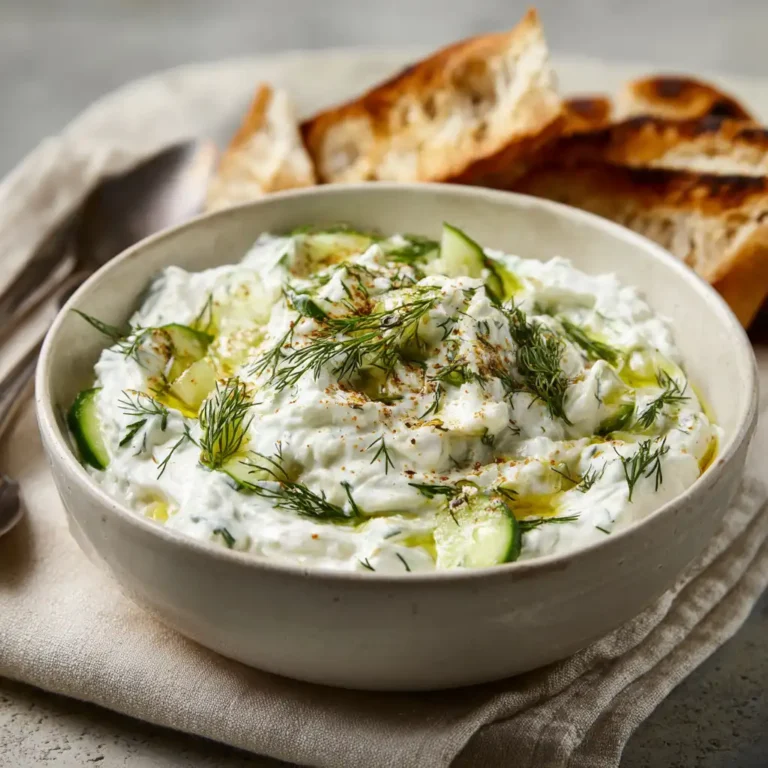
The Ultimate Creamy Tzatziki Recipe
A bright, Mediterranean flavor that store-bought versions cannot match. This tzatziki recipe focuses on simple, high-quality ingredients like thick Greek yogurt, crisp cucumbers, and pungent garlic to create a versatile sauce.
- Total Time: 45 minutes
- Yield: Approximately 3 cups 1x
Ingredients
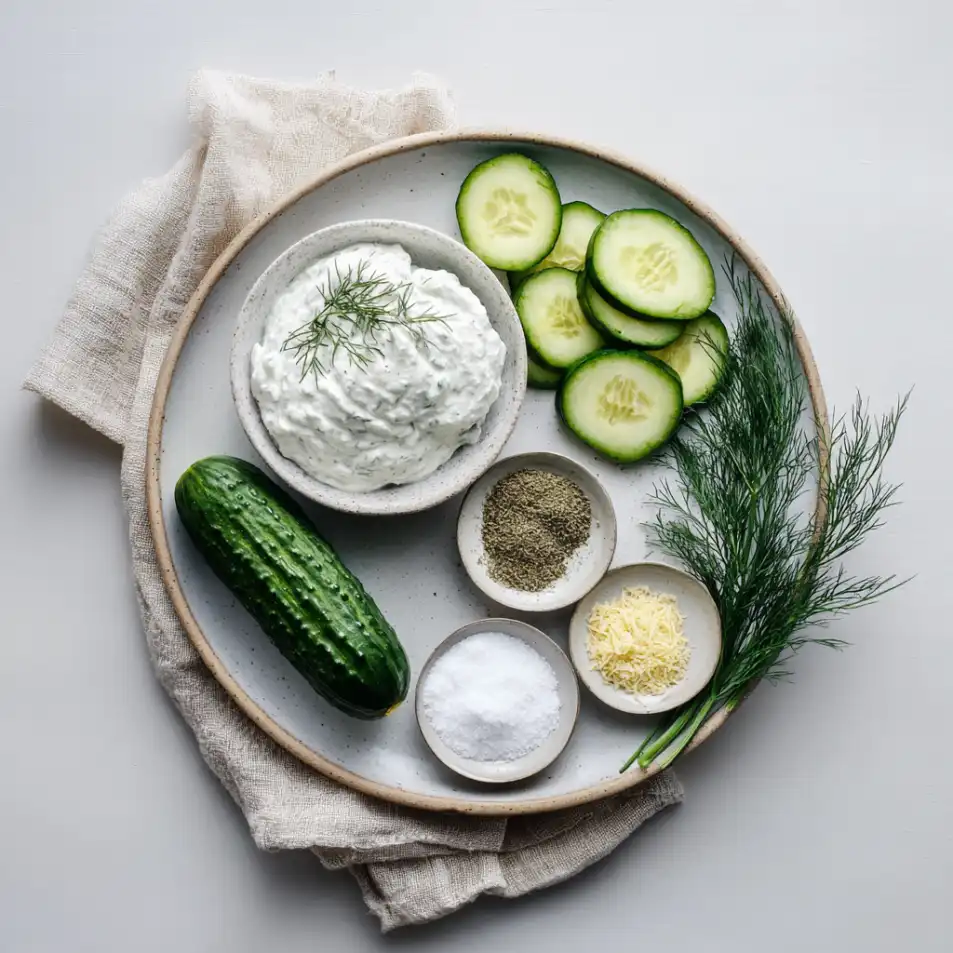
- 1 large cucumber, peeled, seeded, and grated
- 2 cups thick Greek yogurt
- 2–3 cloves garlic, minced
- 2 tablespoons fresh dill, chopped
- 1 tablespoon fresh mint, chopped (optional)
- 2 tablespoons fresh lemon juice
- 2 tablespoons olive oil
- Salt and freshly ground black pepper to taste
Instructions
- Step 1: Prepare Cucumber – Grate the cucumber and squeeze out as much liquid as possible.
- Step 2: Combine Ingredients – In a medium bowl, mix the Greek yogurt, grated cucumber, minced garlic, dill, mint (if using), and lemon juice.
- Step 3: Add Olive Oil – Drizzle in the olive oil.
- Step 4: Season – Season with salt and freshly ground black pepper to taste.
- Step 5: Chill – Cover and refrigerate for at least 30 minutes to allow the flavors to meld.
Notes
For an extra thick tzatziki, strain the Greek yogurt further by lining a sieve with cheesecloth and letting the yogurt drain for a few hours in the refrigerator.
- Prep Time: 15 minutes
- Cook Time: 0 minutes
- Category: Dips & Spreads
- Method: No-cook
- Cuisine: Greek
- Diet: Vegetarian
Nutrition
- Serving Size: 2 tablespoons
- Calories: 50 kcal
- Sugar: 3 g
- Sodium: 80 mg
- Fat: 3 g
- Saturated Fat: 1.5 g
- Unsaturated Fat: 1.5 g
- Trans Fat: 0 g
- Carbohydrates: 5 g
- Fiber: 0.5 g
- Protein: 4 g
- Cholesterol: 10 mg
Keywords: tzatziki, greek yogurt, cucumber, dip, sauce, mediterranean, fresh
Choosing the Best Ingredients for Your Tzatziki Recipe
The Importance of Thick Yogurt
For the best results, your tzatziki recipe needs full-fat Greek yogurt. If you use regular yogurt, your tzatziki recipe will likely turn out too runny and won’t have that signature richness. Full-fat versions provide a beautiful mouthfeel and a mild tang that balances the sharp garlic. If you only have regular yogurt on hand, you can strain it through a cheesecloth for a few hours to thicken it up before starting your tzatziki . This extra effort makes a huge difference in the final texture of the dip.
Which Cucumber Should You Use?
When picking out a cucumber for your tzatziki , English or Persian cucumbers are the best choices. These varieties have thinner skins and fewer seeds, which prevents the dip from becoming bitter or overly watery. If you use a standard garden cucumber for your tzatziki recipe, be sure to peel the thick, waxy skin and scoop out the large seeds before grating. Keeping the cucumber fresh is vital, much like when you prepare cucumber mint detox water to stay hydrated during a busy day of cooking. Crisp vegetables are the backbone of a great tzatziki recipe.
Garlic and Herbs: The Flavor Punch
Fresh garlic is non-negotiable in a high-quality tzatziki recipe. While some might reach for garlic powder, the bite of freshly minced cloves provides an aromatic quality that defines the dish. Additionally, fresh dill is the traditional herb used in a Greek tzatziki , providing a grassy, feathery sweetness. Some people also like to add a hint of fresh mint for extra coolness. Balancing these strong flavors is what makes your homemade tzatziki recipe stand out from anything you can buy in a plastic tub at the supermarket.
The Secret to a Thick Tzatziki Recipe
Removing Excess Moisture
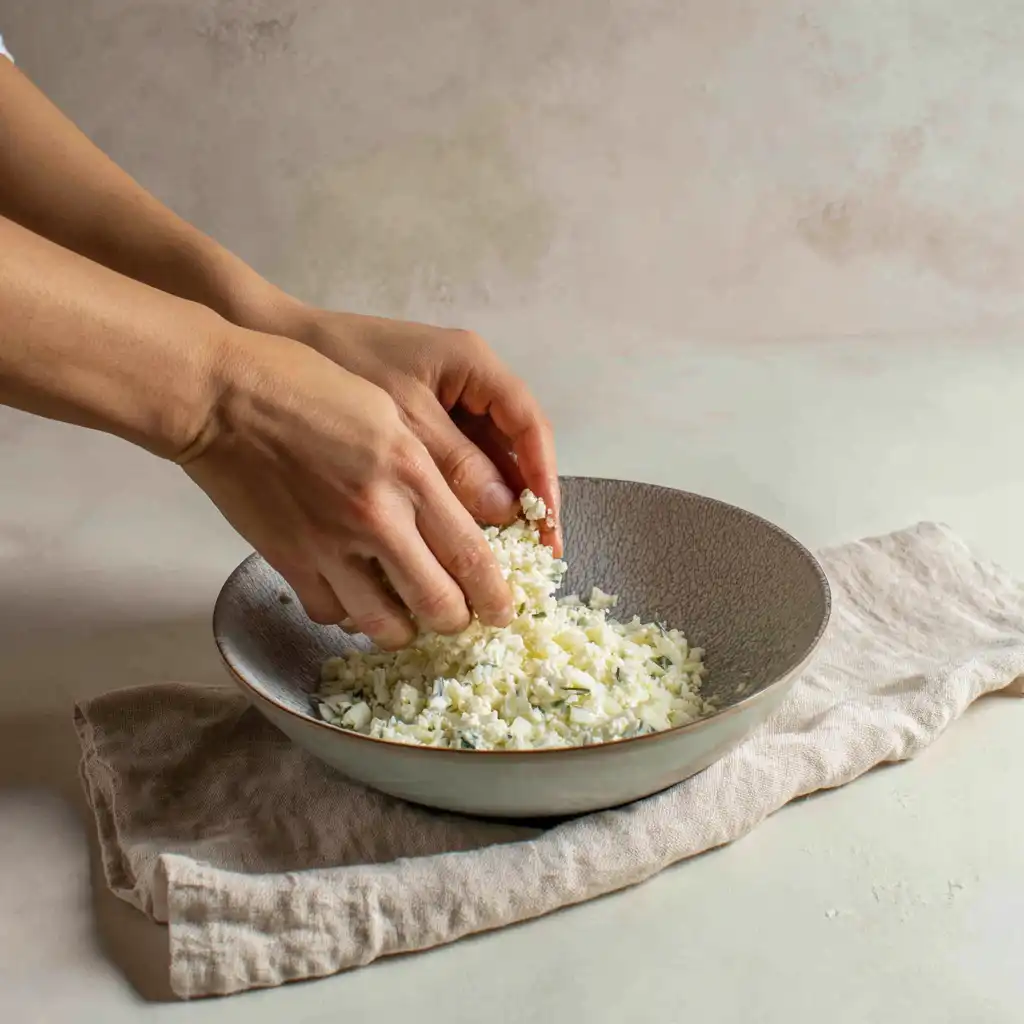
The number one mistake people make when following a tzatziki is leaving too much water in the cucumber. Cucumbers are mostly water, and once you salt them, they release all that liquid into your sauce. To keep your tzatziki recipe from becoming a soup, you must grate the cucumber and then squeeze it firmly using a clean kitchen towel or cheesecloth. You will be surprised at how much liquid comes out! Squeezing every last drop is the secret trick to a professional-grade tzatziki that stays thick for days in the fridge.
Salt and Resting Time
Salt does two things in a tzatziki recipe: it seasons the dish and it draws out moisture. By salting your grated cucumber and letting it sit for ten minutes before squeezing, you make the drainage process much more effective. Furthermore, once you finish mixing your tzatziki recipe, letting it rest in the refrigerator for at least an hour allows the garlic and herbs to infuse the yogurt. A tzatziki eaten immediately is good, but one that has rested is significantly better as the flavors meld together perfectly.
Step-by-Step Instructions for the Perfect Tzatziki
Preparation and Mixing
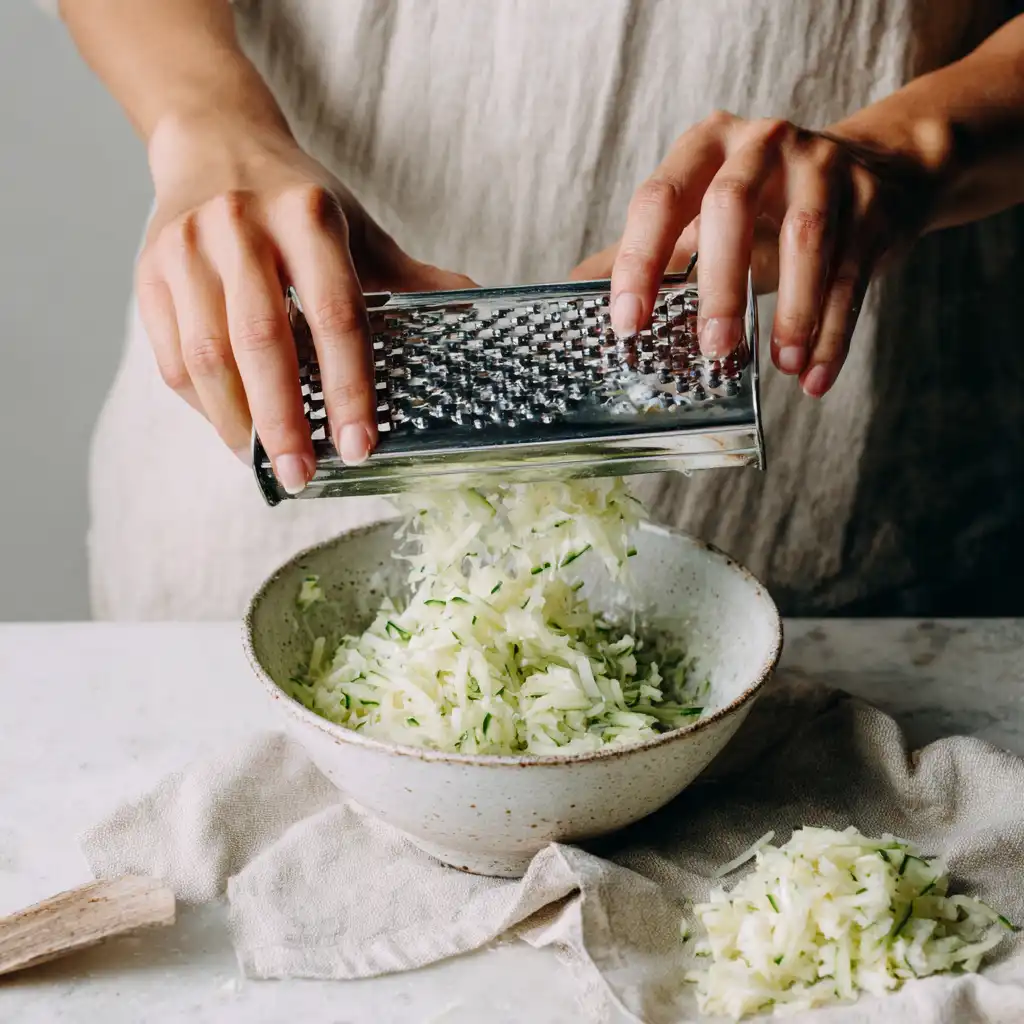
- Step 1: Grate the Cucumber – Using a box grater, shred one large English cucumber into a bowl. Use the medium-sized holes for the best texture in your tzatziki recipe.
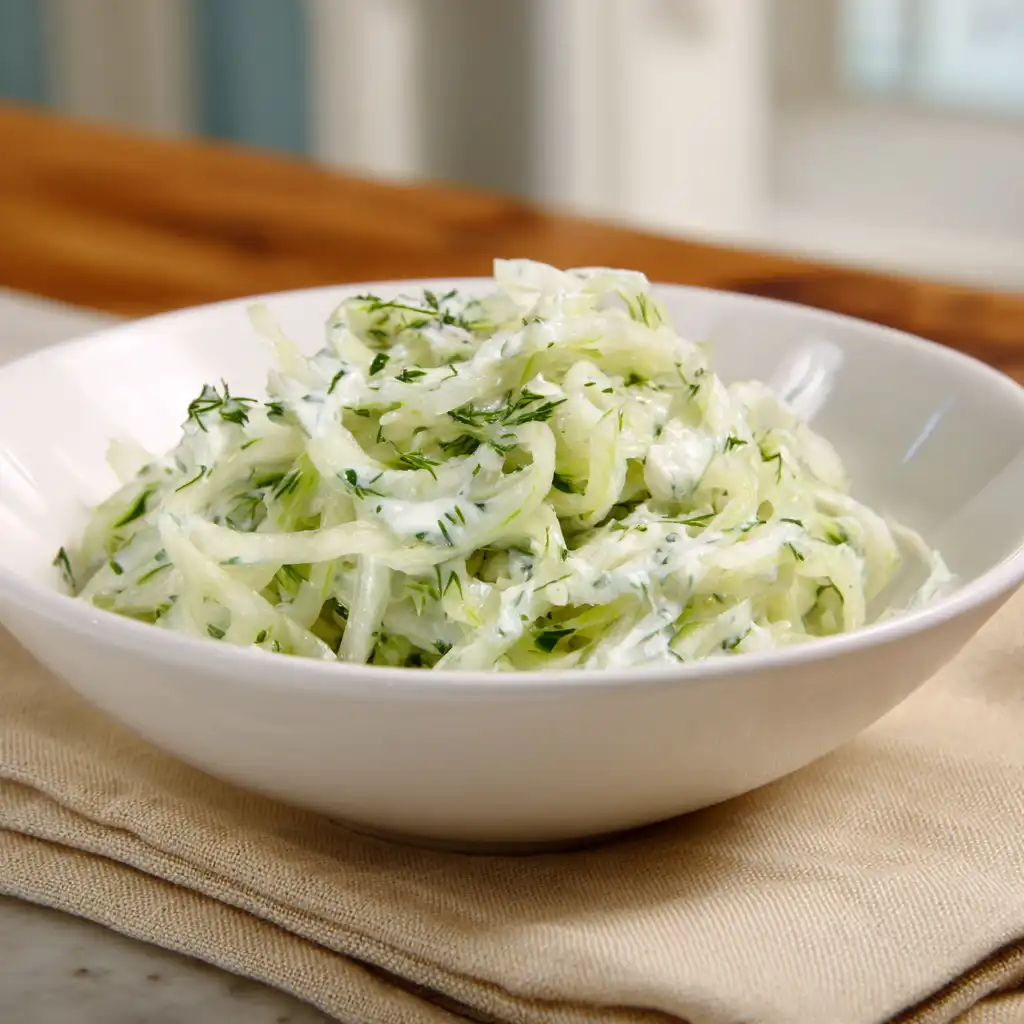
- Step 2: Drain the Liquid – Add a pinch of salt to the grated cucumber and let it sit for 10 minutes. Then, wrap it in a clean cloth and squeeze out all the water.
- Step 3: Mince the Garlic – Finely mince two to three cloves of fresh garlic. If you want a milder flavor in your tzatziki recipe, you can press the garlic into a paste.
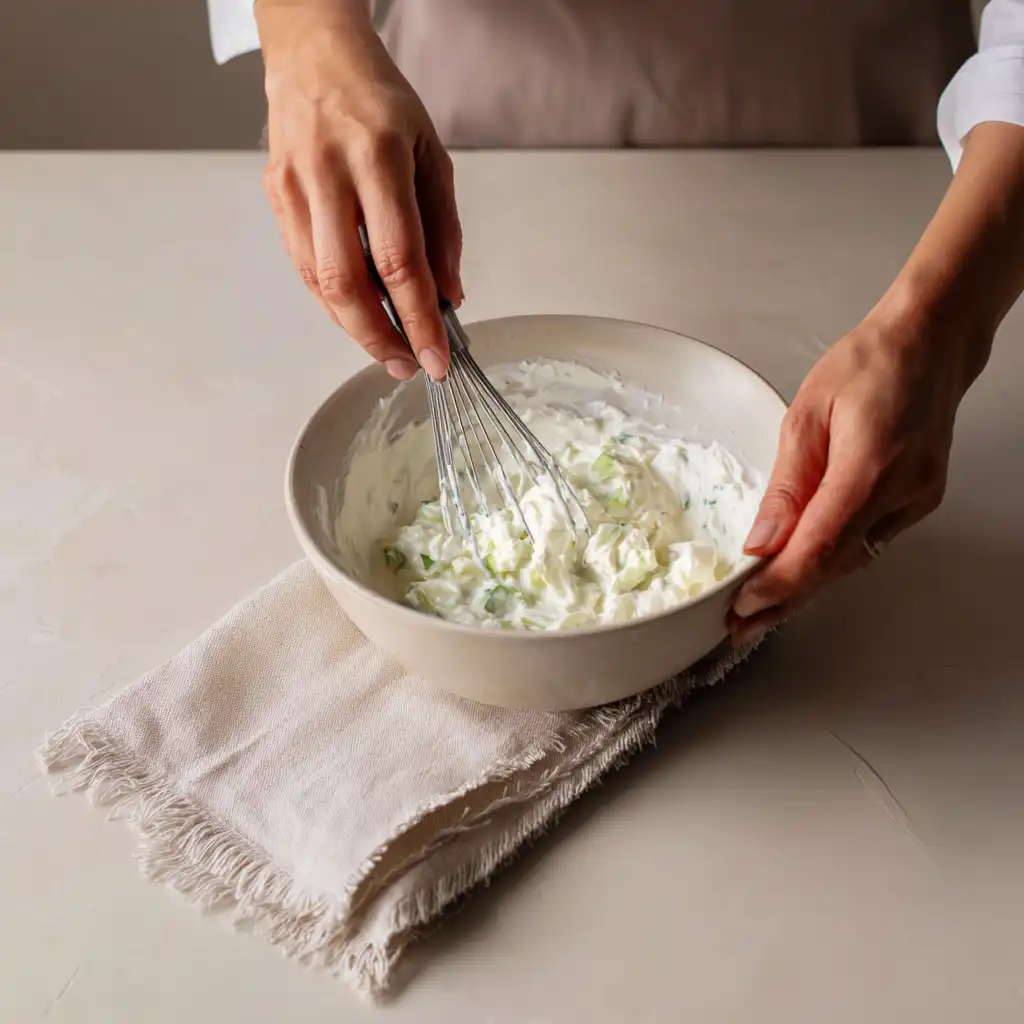
- Step 4: Combine the Base – In a medium bowl, add 2 cups of thick Greek yogurt, the drained cucumber, and the minced garlic. Stir them together gently.
- Step 5: Season with Herbs and Acid – Fold in 2 tablespoons of chopped fresh dill, 1 tablespoon of fresh lemon juice, and a drizzle of extra virgin olive oil. This adds brightness to the tzatziki .
- Step 6: Final Seasoning – Taste the mixture and add more salt or a crack of black pepper if needed. Your tzatziki recipe should be zesty and savory.
- Step 7: Chill and Serve – Cover the bowl and place it in the fridge for at least 60 minutes. This resting phase is crucial for a balanced tzatziki flavor profile.

Helpful Ingredient Ratios
| Ingredient | Amount | Purpose |
|---|---|---|
| Greek Yogurt | 2 Cups | Provides the thick, creamy base. |
| English Cucumber | 1 Large | Adds crunch and freshness. |
| Fresh Garlic | 2-3 Cloves | Gives a spicy, aromatic kick. |
| Fresh Dill | 2 Tablespoons | Offers a traditional herbal scent. |
| Lemon Juice | 1 Tablespoon | Cuts through the richness of the dairy. |
| Olive Oil | 1 Tablespoon | Adds a silky finish to the texture. |
Pairing Your Fresh Tzatziki Recipe
Grilled Meats and Savory Kebabs
One of the most popular ways to serve this tzatziki recipe is alongside seasoned meats. The cooling nature of the yogurt is the perfect companion for the charred, smoky flavors of a beef kofta kebab with rice dinner. Because the kebab is packed with spices, the tzatziki acts as a palate cleanser that makes every bite feel fresh. It is also excellent for dipping pieces of grilled chicken or serving alongside a hearty platter of roasted vegetables.
Mediterranean Wraps and Sandwiches
If you love street food, you know that a tzatziki recipe is an essential component of a good wrap. You can spread a generous layer of the sauce onto warm pita bread before topping it with thinly sliced meat and onions. For a quick weeknight meal, try using your tzatziki with an easy chicken shawarma in oven preparation. The combination of the warm, spiced poultry and the cold, garlicky tzatziki recipe creates a restaurant-quality experience right in your own dining room.
Vegetarian and Healthy Options
A tzatziki recipe is naturally lower in calories than many mayonnaise-based dips, making it a great choice for those watching their diet. It pairs wonderfully with chickpea-based dishes, providing a creamy element without being too heavy. For instance, dollop some of your tzatziki onto a falafel bowl with tahini sauce to add extra moisture and a boost of probiotics from the yogurt. It also makes a fantastic dip for carrot sticks, bell peppers, and sliced radishes during a healthy snack break.
Common Variations of the Tzatziki Recipe
The Minty Twist
While dill is the standard herb for a tzatziki recipe, many cultures prefer using fresh mint. Mint gives the dip a sharper cooling sensation and a slightly different aroma. You can use all mint or a 50/50 mix of dill and mint to see which version of the tzatziki recipe you prefer. This variation is particularly popular in Middle Eastern versions of the sauce, where it might be served with heavier lamb dishes to provide a high-contrast flavor profile.
Adjusting the Garlic Intensity
Not everyone likes a very spicy, garlicky tzatziki recipe. If you prefer a milder sauce, you can roast the garlic before adding it to the yogurt. Roasted garlic is sweet and mellow, giving the tzatziki recipe a deep flavor without the sharp “burn” of raw cloves. Alternatively, you can simply reduce the amount of garlic used. Remember that as the tzatziki sits in the fridge, the garlic flavor will grow stronger, so it is often better to start with less and add more later.
Adding Extra Texture
Some people like a chunky tzatziki recipe, while others prefer it nearly smooth. If you like texture, you can finely dice the cucumber instead of grating it. This gives the sauce more of a “salad” feel rather than a smooth dip. You can also add a pinch of lemon zest to your tzatziki recipe to bring out more citrus notes. Small adjustments like these allow you to customize the tzatziki recipe to fit your specific taste buds and the meal you are serving.
Troubleshooting Your Tzatziki Recipe
What to do if it’s too thin?
If your tzatziki recipe turns out watery, don’t worry it can be fixed. You can stir in a little bit more thick Greek yogurt to help bind everything together. If that doesn’t work, you can let the whole mixture sit in a fine-mesh strainer lined with a coffee filter over a bowl for an hour. The extra moisture will drip out, leaving you with a thicker tzatziki recipe. Next time, make sure to squeeze the cucumbers even harder to prevent this from happening.
What to do if it’s too garlicky?
Garlic can sometimes be surprisingly strong. If your tzatziki recipe has too much of a kick, adding a bit more yogurt or a small pinch of sugar can help mellow it out. The fat in the yogurt helps coat the tongue and reduces the perceived heat of the raw garlic. Another trick is to add more cucumber, which increases the volume of the tzatziki recipe and dilutes the garlic concentration. Time also helps; after 24 hours, the garlic often loses its sharpest edge and becomes smoother.
Storing Your Homemade Tzatziki Recipe
Shelf Life in the Refrigerator
Because this tzatziki recipe uses fresh produce and dairy, it is best consumed within three to four days. Store it in an airtight container to keep it from picking up other smells in the fridge. You might notice a little bit of liquid separating on top after a day or two; this is normal. Simply give your tzatziki recipe a quick stir to make it creamy again. Because of the cucumber’s high water content, the dip will eventually start to thin out, so eating it fresh is always the best way to enjoy it.
Can You Freeze Tzatziki?
It is generally recommended not to freeze a tzatziki recipe. Yogurt and cucumbers both change their texture significantly when frozen and thawed. The yogurt can become grainy or “broken,” and the cucumbers will lose their crispness and become mushy. Since this tzatziki only takes about 15 minutes of active work to prepare, it is much better to make a fresh batch whenever you need it rather than trying to preserve it in the freezer.
FAQs
Is tzatziki recipe healthy?
Yes, most people consider a tzatziki recipe to be quite healthy. It is high in protein from the Greek yogurt and low in sugar. It also provides vitamins from the cucumber and beneficial probiotics for gut health. By making your own tzatziki recipe at home, you avoid the preservatives and stabilizers found in many store-bought versions.
Can I use sour cream instead of yogurt?
You can use sour cream, but it will change the flavor and nutritional profile of the tzatziki recipe. Sour cream is richer and less tangy than Greek yogurt. It will still taste good, but it won’t be a traditional Greek tzatziki recipe. If you want that classic tartness, stick with the yogurt base.
Do I need to peel the cucumber?
If you are using English or Persian cucumbers for your tzatziki recipe, peeling is optional because the skin is very thin. However, for regular cucumbers with thick, waxy skin, it is better to peel them. Leaving the skin on can sometimes add a bitter flavor to the tzatziki recipe that some people find unpleasant.
What is the best way to mince the garlic?
For a tzatziki recipe, using a microplane or a very fine grater is often better than chopping with a knife. This creates a garlic paste that distributes evenly throughout the yogurt, ensuring every bite of your tzatziki recipe has a consistent flavor without any large chunks of raw garlic.
Conclusion
Creating your own tzatziki recipe is a simple way to bring fresh, vibrant flavor to any meal. By focusing on the quality of your yogurt and taking the time to properly drain your cucumbers, you can produce a dip that is creamy, thick, and full of zest. This tzatziki recipe is a testament to how a few basic ingredients can come together to create something truly delicious. Try it tonight with your favorite grilled meats or as a healthy snack with veggies!



4 thoughts on “How to Make Creamy Tzatziki Recipe Like a Pro”