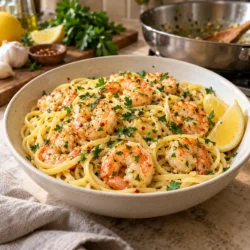
When you think of comfort food, a steaming bowl of pasta usually comes to mind. But have you ever tried yogurt noodles? This dish combines the heartiness of pasta with the bright, tangy flavor of yogurt, creating a meal that is both light and satisfying. Whether you are looking for a quick weeknight dinner or a unique cultural dish to share with friends, yogurt noodles offer a creamy texture without the heaviness of traditional cream sauces. Let’s look at why this simple combination is becoming a favorite for many home cooks.
Table of Contents
What Exactly Are Yogurt Noodles?

The Two Main Varieties
In the world of cooking, yogurt noodles usually refer to one of two things. The first is a dish where cooked pasta is tossed in a luxurious, garlic-infused yogurt sauce. This is very common in Mediterranean and Middle Eastern cuisines. The second variety involves actually mixing yogurt into the flour when making the noodle dough from scratch. Both versions of yogurt noodles provide a distinct tang that sets them apart from standard butter or tomato-based pasta dishes. The acidic nature of the yogurt helps cut through the starch of the noodles, making every bite feel fresh and balanced.
A Cultural Staple
While yogurt noodles might sound like a modern food trend, they have deep roots in history. In Turkey, “Mantı” features tiny dumplings topped with a thick yogurt and garlic sauce. In Persian cooking, “Ash-e Reshteh” is a thick soup filled with noodles and topped with “kashk,” a fermented yogurt product. These traditions show that the pairing of grain and fermented dairy is a time-tested way to create a filling, nutritious meal. By bringing yogurt noodles into your kitchen, you are participating in a long legacy of global comfort food that values both flavor and digestive health.
Print
Creamy Yogurt Noodles: A Refreshing Twist on Comfort Food
A light yet hearty Mediterranean-inspired pasta dish that uses tangy yogurt and garlic for a creamy, refreshing sauce without heavy cream.
- Total Time: 15 minutes
- Yield: 2 servings 1x
Ingredients
- 8 ounces dried pasta (fusilli or elbow macaroni)
- 1 cup plain Greek yogurt at room temperature
- 2 cloves garlic, finely minced
- 2 tablespoons unsalted butter
- 1 teaspoon dried mint
- 1/2 teaspoon red pepper flakes or Aleppo pepper
- 1/2 teaspoon salt, plus more for pasta water
- Fresh parsley, chopped for garnish
Instructions
- Step 1: Boil Pasta – Cook the noodles in a large pot of salted boiling water until al dente.
- Step 2: Prepare Yogurt – In a medium bowl, whisk together the yogurt, minced garlic, and salt until smooth.
- Step 3: Make Topping – Melt butter in a small skillet over medium heat until bubbling.
- Step 4: Infuse Butter – Stir the dried mint and red pepper flakes into the butter and cook for 1 minute until fragrant.
- Step 5: Temper Yogurt – Add two tablespoons of the hot pasta water to the yogurt mixture and stir to prevent curdling.
- Step 6: Combine Dish – Drain the pasta and immediately toss it with the yogurt sauce in a large bowl.
- Step 7: Finish Plate – Drizzle the warm herb butter over the noodles and garnish with fresh parsley.
- Step 8: Serve Immediately – Serve warm to ensure the yogurt remains creamy and does not separate.
Notes
Ensure the yogurt is at room temperature before mixing to prevent the sauce from breaking when hitting the warm noodles.
- Prep Time: 5 minutes
- Cook Time: 10 minutes
- Category: Main Course
- Method: Boiling
- Cuisine: Mediterranean
- Diet: Vegetarian
Nutrition
- Serving Size: 1 bowl
- Calories: 440 kcal
- Sugar: 5g
- Sodium: 480mg
- Fat: 16g
- Saturated Fat: 9g
- Unsaturated Fat: 7g
- Trans Fat: 0.4g
- Carbohydrates: 56g
- Fiber: 3g
- Protein: 18g
- Cholesterol: 40mg
Keywords: yogurt noodles, quick dinner, garlic pasta, vegetarian comfort food, turkish pasta
Why You Should Add Yogurt Noodles to Your Menu
A Lighter Alternative to Cream
Many people crave creamy pasta but find that heavy cream or butter-based sauces leave them feeling sluggish. Yogurt noodles solve this problem perfectly. By using yogurt as the base, you get that velvety mouthfeel and rich coating on the pasta, but with significantly less fat and more protein. It is an excellent choice for those who want a decadent meal that still fits within a balanced lifestyle. Plus, the natural acidity in yogurt adds a layer of flavor that cream simply cannot match, making the dish more interesting for your palate.
A Protein Powerhouse
Protein is a vital part of any meal, and yogurt noodles naturally provide more of it than a standard marinara dish. Greek yogurt, in particular, is packed with protein, which helps you stay full for longer periods. If you are focused on building muscle or staying full, trying cottage cheese recipes for weight loss can give you more ideas for high-protein dairy meals, but yogurt noodles are a fantastic way to vary your routine. This makes it a great post-workout meal or a smart lunch that won’t lead to a mid-afternoon energy crash.
The Health Benefits of Using Yogurt
Gut Health and Probiotics
One of the biggest reasons people love yogurt is for its probiotic content. These “good” bacteria help keep your digestive system running smoothly. Many women looking for healthy meals often search for the best probiotics for weight loss for women to aid their journey, and yogurt is a top choice for these recipes. Even when heated gently, yogurt contributes to a healthy gut environment. By making yogurt noodles a regular part of your diet, you support your microbiome while enjoying a delicious, warm meal.
Essential Nutrients and Vitamins
Beyond the probiotics, yogurt is a nutritional goldmine. It provides a healthy dose of calcium, which is necessary for bone strength, as well as B vitamins like B12 and riboflavin. Yogurt provides essential nutrients like calcium and B vitamins, as noted in this article on the benefits of yogurt. When you combine these nutrients with the carbohydrates from the noodles, you get a well-rounded meal. It’s a simple way to feed your body what it needs without having to use a dozen different ingredients or complicated cooking methods.
Step-by-Step Guide: How to Make Creamy Yogurt Noodles
Making yogurt noodles is incredibly fast, making it the perfect solution for busy evenings. The key is to manage the heat so the sauce stays smooth and creamy rather than separating. Follow these steps for a perfect result every time.
- Step 1: Boil the Pasta – Cook your favorite noodles (fusilli, penne, or even spaghetti work great) in a large pot of salted water until they are al dente.
- Step 2: Prepare the Yogurt Base – While the pasta cooks, whisk together one cup of plain yogurt, two cloves of minced garlic, a pinch of salt, and a squeeze of lemon juice in a medium bowl.
- Step 3: Save the Pasta Water – Before draining your noodles, scoop out about half a cup of the starchy cooking water. This is the secret to a smooth sauce.
- Step 4: Temper the Yogurt – Slowly whisk a tablespoon of the hot pasta water into the cold yogurt. This helps the yogurt noodles stay creamy and prevents the sauce from curdling when it hits the hot pasta.
- Step 5: Combine and Toss – Drain the pasta and return it to the warm pot (with the heat turned off). Pour the yogurt mixture over the noodles and toss gently, adding more pasta water if the sauce is too thick.
- Step 6: Add Final Seasonings – Stir in fresh herbs like dill or parsley and a sprinkle of black pepper before serving.


The Secret to Making Yogurt Noodle Dough from Scratch
If you want to go the extra mile, you can make the actual noodles using yogurt in the dough. This creates a soft, slightly tangy noodle that has a wonderful chew. To do this, you replace a portion of the liquid or eggs in a standard pasta recipe with plain yogurt. The lactic acid in the yogurt reacts with the flour to create a very tender dough that is easy to roll out by hand or with a pasta machine. This method for yogurt noodles is particularly popular in Eastern European cuisines where “sour milk” or yogurt is a common baking ingredient.
Working with yogurt dough requires a bit of patience. Because the yogurt adds quite a bit of moisture, you might need to use a little extra flour on your workspace to prevent sticking. Once the dough is kneaded and rested, you can cut it into wide ribbons or small rustic shapes. These homemade yogurt noodles cook much faster than dried store-bought versions usually in just two or three minutes. The result is a fresh, artisanal meal that feels much more special than a standard box of pasta from the pantry.
Choosing the Right Yogurt
Greek vs. Plain Yogurt
The type of yogurt you choose will drastically change the outcome of your yogurt noodles. Greek yogurt is strained, meaning it is much thicker and has a higher protein content. It creates a very rich, almost cheese-like sauce. On the other hand, regular plain yogurt is thinner and more acidic, resulting in a lighter sauce that coats the noodles thinly. Choosing between Greek, Skyr, or traditional plain varieties is easier when you understand the types of yogurt available for cooking. Both are delicious, but regular yogurt is often easier to mix into a smooth sauce without it becoming too clumpy.
Fat Content Matters
While it might be tempting to use fat-free yogurt to save calories, full-fat or 2% yogurt usually works better for cooking. The fat acts as a stabilizer, which makes it much less likely that your yogurt noodles will curdle when they touch the hot pasta. If you do use fat-free yogurt, you must be very careful with the temperature. Always keep the heat low and make sure the pasta has cooled slightly before adding the yogurt. This ensures the sauce remains a beautiful, silky consistency that looks as good as it tastes.
Table: Comparing Yogurt Types for Noodle Sauces
| Yogurt Type | Consistency | Flavor Profile | Best For |
|---|---|---|---|
| Full-Fat Greek | Very Thick/Creamy | Mild & Rich | Hearty, filling dinners |
| Low-Fat Plain | Runny/Light | Tart & Tangy | Cold noodle salads |
| Sheep’s Milk Yogurt | Medium/Rich | Earthy & Sharp | Authentic Mediterranean dishes |
| Dairy-Free (Soy/Almond) | Variable | Nutty/Neutral | Vegan adaptations |
Flavor Pairings and Add-ins
Herbs and Spices
The tangy base of yogurt noodles often reminds people of a fresh tzatziki recipe, thanks to the shared notes of garlic and herbs. To lean into this flavor profile, use plenty of fresh dill, mint, or flat-leaf parsley. If you want something a bit warmer, try adding a pinch of smoked paprika or toasted cumin seeds. These spices complement the cool yogurt and give the dish more depth. A drizzle of chili oil on top is another fantastic way to add a bit of heat and color to the plate, creating a beautiful contrast with the white sauce.
Vegetables and Toppings
To make this a complete meal, don’t be afraid to pile on the vegetables. Roasted cherry tomatoes, sautéed spinach, or steamed peas all work wonderfully with yogurt noodles. For a bit of crunch, you can top the dish with toasted pine nuts or breadcrumbs sautéed in olive oil. To balance the creamy richness of the dish, serving a spicy cucumber salad recipe on the side provides a crisp, refreshing contrast. The acidity of the salad mirrors the tang of the yogurt, making for a cohesive and bright dining experience.
Common Mistakes to Avoid
The most common issue people face when making yogurt noodles is curdling. This happens when the proteins in the yogurt tighten up too quickly due to high heat, causing the water to separate. To avoid this, never boil the yogurt sauce. Always turn off the burner before adding the dairy. Another mistake is using flavored yogurts always stick to plain, unsweetened versions. Even “vanilla” or “honey” flavored yogurts will ruin the savory profile of the dish. Lastly, don’t forget the salt; yogurt is naturally quite bland, so it needs a good amount of seasoning to bring out its best qualities.
Another tip is to avoid over-mixing. Once you add the yogurt to the pasta, toss it just enough to coat the noodles. Over-working the sauce can make it break or become watery. If you find the sauce is too thick, resist the urge to add more yogurt right away. Instead, use small splashes of your reserved pasta water. The starch in that water helps bond the yogurt to the noodles, creating a much better texture than just adding more cold dairy. By following these small rules, your yogurt noodles will turn out restaurant-quality every time you make them.
Storing and Reheating Your Leftovers
Yogurt noodles are best enjoyed immediately after they are made. Because yogurt is a fermented product, it can change texture when it sits in the fridge, sometimes becoming a bit watery. However, if you do have leftovers, store them in an airtight container for up to two days. When it comes time to reheat, avoid the microwave if possible. The intense, uneven heat of a microwave is almost certain to make the yogurt curdle. Instead, place the leftovers in a pan over very low heat on the stove.
Add a tiny splash of water or milk to the pan as you reheat. Stir constantly and remove the pan from the heat as soon as the noodles are just warm enough to eat. If you find the sauce has absorbed into the noodles too much, a fresh dollop of cold yogurt stirred in at the very end can revive the creaminess. While they may not be exactly the same as when they were fresh, they still make for a very tasty and easy lunch the next day.
Conclusion
Yogurt noodles are a versatile, healthy, and delicious addition to any cook’s repertoire. They offer a unique way to enjoy pasta that feels lighter and more refreshing than traditional heavy sauces. By focusing on simple ingredients like garlic, herbs, and high-quality yogurt, you can create a meal that is both comforting and nutritious. Whether you are making the dough from scratch or just whisking up a quick sauce, this dish is sure to become a staple in your home. Give it a try tonight and see how this tangy twist can change your view of comfort food.
FAQs
Can I use sour cream instead of yogurt for these noodles?
Yes, you can use sour cream, but the flavor will be much richer and heavier. Sour cream lacks the high protein content and the specific probiotic benefits of yogurt. It will still be delicious, but it won’t have the same light, tangy profile that defines yogurt noodles.
Are yogurt noodles gluten-free?
The sauce itself is naturally gluten-free. To make the entire dish gluten-free, simply use your favorite gluten-free pasta variety, such as those made from brown rice, chickpeas, or quinoa. The yogurt sauce pairs beautifully with any type of noodle.
Can I make this dish vegan?
Absolutely. You can use a plain, unsweetened plant-based yogurt made from soy, almond, or cashews. Just make sure the plant yogurt is not flavored with vanilla. Cashew-based yogurts are particularly good for this because they have a naturally creamy texture that mimics dairy quite well.
What kind of pasta shape is best for yogurt sauce?
Shapes with ridges or holes, like fusilli, rotini, or penne, are excellent because they “catch” the creamy sauce. However, long thin noodles like linguine or spaghetti are also popular in many traditional Middle Eastern recipes for yogurt noodles.
Is it safe to heat yogurt for a sauce?
Yes, it is safe, but you must be gentle. High heat will kill some of the beneficial bacteria and cause the sauce to separate. As long as you keep the temperature low and don’t let it boil, you will maintain a good texture and most of the nutritional value.