
Cottage cheese stands as a significant food item in dietary regimens focused on weight reduction, primarily owing to its exceptional nutritional composition. This dairy product offers a compelling blend of high protein content, a feature that promotes satiety and supports muscle maintenance, both critical elements for effective weight management. Its adaptability in various dishes, from savory to sweet, means that incorporating cottage cheese into a balanced eating plan is both simple and enjoyable. By exploring diverse cottage cheese recipes for weight loss, individuals can discover how this humble ingredient can become a foundation for achieving their health goals without compromising flavor.
Understanding Cottage Cheese: A Nutritional Overview for Weight Management
Cottage cheese is a fresh dairy product recognized for its mild flavor and characteristic lumpy texture, though smoother varieties exist. From a nutritional standpoint, it is a powerhouse, especially for those prioritizing weight loss. Its primary benefit stems from its high protein concentration, which aids in feeling full longer, thereby helping to control overall calorie intake. A typical serving of low-fat cottage cheese can deliver a substantial amount of protein with minimal calories, making it an ideal choice for a satiating meal or snack.
Understanding the different varieties available, such as low-fat, non-fat, or full-fat, allows for informed decisions that align with specific dietary needs and caloric targets. The sodium content also merits attention, as some types can be higher, so checking labels is a prudent practice.
Table of Contents
The Power of Protein and Satiety
The considerable protein content in cottage cheese is arguably its most celebrated attribute for weight loss. Protein requires more energy to digest compared to carbohydrates or fats, contributing to a slightly higher thermic effect of food. More importantly, protein has a profound impact on satiety, the feeling of fullness. When individuals consume protein-rich foods, hunger signals are diminished, and satisfaction is prolonged. This physiological response can significantly reduce the likelihood of overeating or snacking on less nutritious items between meals, thereby simplifying adherence to a calorie-controlled diet. Many cottage cheese recipes for weight loss focus on maximizing this satiety benefit.
Low Calorie Density for Effective Weight Loss
Cottage cheese possesses a low calorie density, meaning it provides a significant volume of food for a relatively small number of calories. This characteristic is valuable in weight loss strategies as it permits larger portion sizes, which can be psychologically gratifying, without consuming excessive energy. Selecting low-fat or non-fat versions further reduces the calorie count, making it an even more calorie-efficient choice. Combining cottage cheese with fiber-rich fruits or vegetables can compound this effect, creating meals that are both filling and nutritionally dense, aligning perfectly with the objectives of effective calorie management.
Calcium and Bone Health Contributions
Beyond its protein and low-calorie benefits, cottage cheese is a good source of calcium, a mineral vital for maintaining strong bones and teeth. Adequate calcium intake is important for general health, and while its direct impact on weight loss is still an area of study, maintaining overall physiological health is undeniably connected to successful long-term weight management. Incorporating dairy products like cottage cheese can help meet daily calcium requirements, supporting the body’s structural integrity while pursuing dietary goals. This aspect rounds out cottage cheese as a valuable addition to a health-focused diet.
Print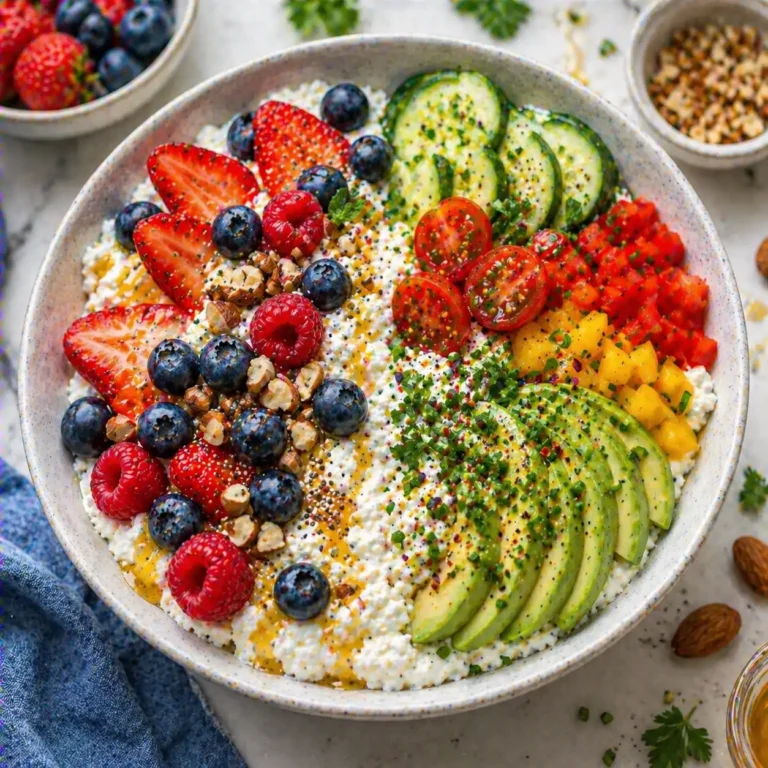
High-Protein Cottage Cheese Breakfast Bowl
A quick and nutritious breakfast bowl featuring cottage cheese, fresh fruit, and nuts to keep you full and energized throughout the morning while supporting weight loss goals.
- Total Time: 6 minutes
- Yield: 1 serving 1x
Ingredients
- 1 cup low-fat cottage cheese
- 1/2 cup fresh blueberries
- 1/4 cup sliced strawberries
- 1 tablespoon chia seeds
- 1 tablespoon chopped walnuts
- 1 teaspoon honey
- 1/4 teaspoon ground cinnamon

Instructions
- Step 1: Prepare Base – Scoop the low-fat cottage cheese into a medium-sized serving bowl.
- Step 2: Add Fruit – Arrange the fresh blueberries and sliced strawberries evenly over the top of the cottage cheese.
- Step 3: Add Crunch – Sprinkle the chia seeds and chopped walnuts over the fruit for added texture and healthy fats.
- Step 4: Season – Dust the entire bowl with a light coating of ground cinnamon to enhance the flavor.
- Step 5: Sweeten – Drizzle the honey over the top to provide a hint of natural sweetness.
- Step 6: Serve – Enjoy immediately while fresh for the best nutritional benefits and flavor.


Notes
You can swap the berries for other seasonal fruits like peaches or pineapple to vary the flavor profile.
- Prep Time: 5 minutes
- Cook Time: 1 minute
- Category: Breakfast
- Method: Assembly
- Cuisine: American
- Diet: Vegetarian
Nutrition
- Serving Size: 1 bowl
- Calories: 285 kcal
- Sugar: 18g
- Sodium: 710mg
- Fat: 9g
- Saturated Fat: 2.5g
- Unsaturated Fat: 6.5g
- Trans Fat: 0.1g
- Carbohydrates: 26g
- Fiber: 6g
- Protein: 28g
- Cholesterol: 12mg
Keywords: cottage cheese, weight loss, high protein, healthy breakfast, low calorie
Cottage Cheese Recipes for Weight Loss: Versatile Meal Ideas
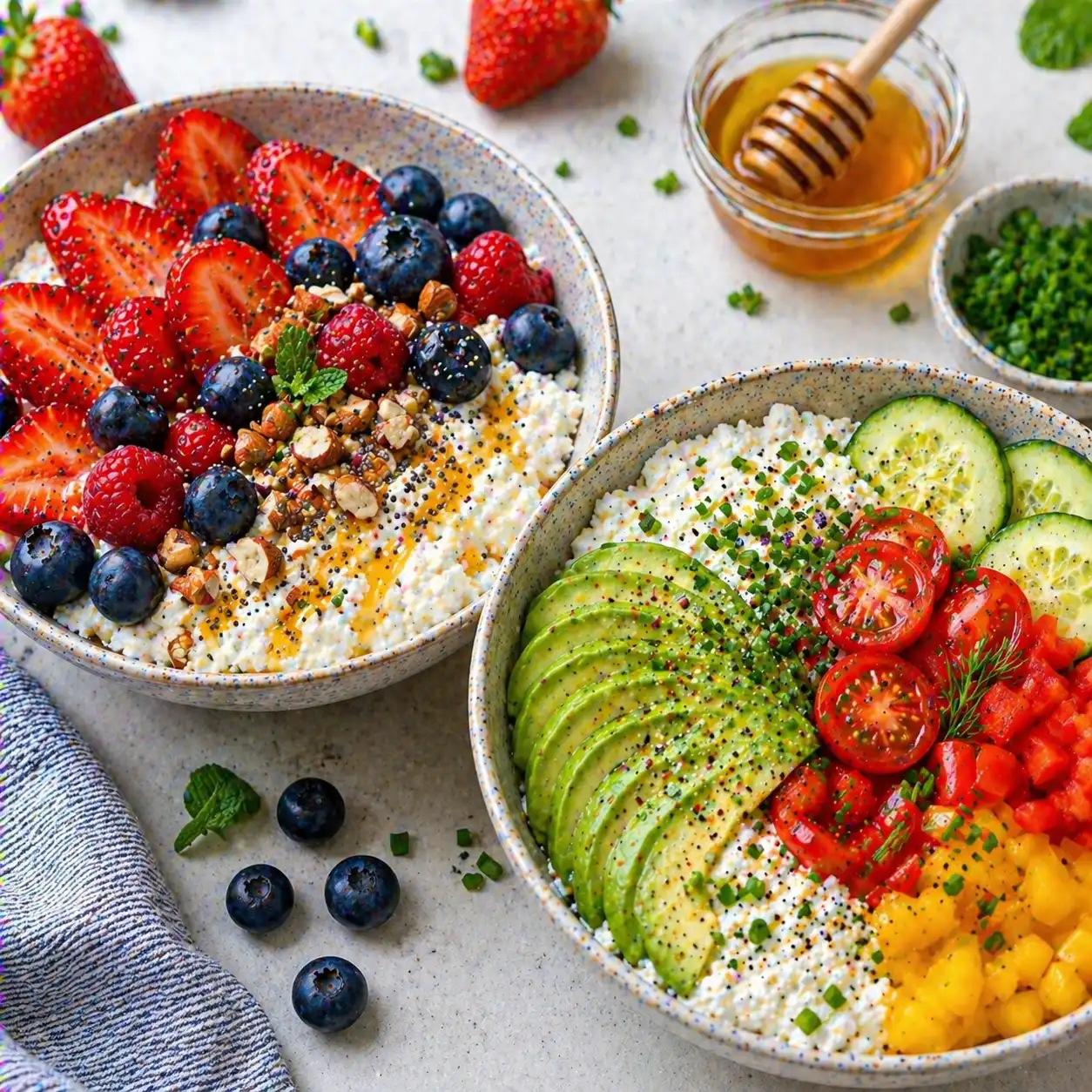
The versatility of cottage cheese makes it an excellent ingredient for various meal times throughout the day, fitting into breakfast, lunch, dinner, and snack categories. Its mild taste readily takes on the flavors of accompanying ingredients, allowing for creative culinary applications. From creamy breakfast bowls adorned with fruit to savory spreads for lunch and even as a substitute for heavier ingredients in dinner preparations, cottage cheese can adapt to many palates and preferences. This adaptability is key to preventing dietary fatigue and maintaining interest in healthy eating, particularly when following cottage cheese recipes for weight loss.
Breakfast Bowls: Sweet and Savory Starts
Breakfast is an ideal time to incorporate cottage cheese, setting a protein-rich foundation for the day. For a sweet beginning, combining cottage cheese with fresh berries, a drizzle of honey, and a sprinkle of nuts or seeds creates a satisfying and nutrient-dense meal. This approach is exemplified in a Berry Cottage Cheese Breakfast Bowl, which pairs the creamy dairy with antioxidants and natural sweetness. Savory options are equally appealing; a bowl with sliced tomatoes, cucumbers, a pinch of black pepper, and fresh herbs offers a refreshing and light alternative that is equally filling.
Lunch & Dinner: Creative Main Dishes
Cottage cheese can transform ordinary lunch and dinner preparations into lighter, protein-packed versions. Consider it as a creamy base for salad dressings, replacing high-fat mayonnaise or cream. It can also serve as a filling for stuffed bell peppers or zucchini boats, mixed with lean ground poultry and vegetables. For those seeking lighter pasta alternatives, a lasagna made with egg white wraps and a cottage cheese filling provides a delicious and substantial meal, illustrating another innovative way to create Egg White Wrap Lasagna for Weight Loss. These applications showcase its ability to provide texture and richness without excess calories.
Snack Time: Satisfying Bites
When hunger strikes between meals, cottage cheese offers a convenient and effective solution for a weight-loss-friendly snack. A simple serving with a side of carrot sticks, bell pepper strips, or apple slices provides fiber and protein, keeping hunger at bay until the next meal. Cottage cheese can also be blended into dips for vegetables or whole-grain crackers. For those who enjoy a crunchy snack, the concept of Air Fryer Lumpia Chips Weight Loss Snack demonstrates how air-frying can yield satisfying, lighter alternatives that can be paired with a cottage cheese dip. These simple snack ideas underscore the practicality of cottage cheese in a weight management plan.
Advanced Cottage Cheese Applications for Weight Loss
Beyond simple bowls and fillings, cottage cheese has a remarkable capacity to integrate into more complex culinary preparations, offering surprising texture and nutritional benefits. Its creamy consistency, when blended, can serve as a substitute for heavier dairy products in a range of recipes, significantly reducing fat and calorie content while increasing protein. This makes it an invaluable ingredient for individuals who are actively looking for cottage cheese recipes for weight loss that do not compromise on the experience of creamy, satisfying meals and desserts.
Blended Cottage Cheese: Creamy Substitutes
One of the most powerful ways to use cottage cheese for weight loss is to blend it until smooth. This process removes its characteristic curds, creating a texture akin to Greek yogurt, sour cream, or even ricotta cheese. This smooth cottage cheese can then be used in a multitude of ways:
- Sauces: As a base for creamy pasta sauces, replacing heavy cream or cheese sauces.
- Dips: Forming the foundation for healthier dips and spreads.
- Desserts: A lighter alternative in cheesecakes or creamy parfaits.
- Dressings: Blended with herbs and a touch of vinegar for a thick, low-calorie salad dressing.
This technique broadens the scope of cottage cheese applications considerably.
Baking with Cottage Cheese: Protein-Rich Treats
Cottage cheese can also be a secret ingredient in baking, lending moisture and a protein boost without altering the flavor profile significantly. It works well in savory muffins, breads, or even as a binding agent in meatless patties. For those with a sweet tooth who are aiming for weight loss, incorporating cottage cheese into desserts can create healthier versions of classic treats. For example, cottage cheese can be a component in recipes for protein brownies, providing a creamy texture and adding to the nutritional value. The concept of creating Protein Brownies underscores how cottage cheese can contribute to more nutritious sweet options.
Cottage Cheese in Smoothies: Protein Boost
Adding cottage cheese to smoothies is an excellent way to increase protein content and create a thicker, creamier beverage. It blends seamlessly with fruits, vegetables, and other liquid bases like almond milk or water. A smoothie made with cottage cheese can serve as a fulfilling meal replacement or a post-workout recovery drink, helping with muscle repair and satiety. It is a simple method to pack more nutrition into a convenient format, making it easier to stick to dietary goals.
Practical Tips for Incorporating Cottage Cheese into Your Weight Loss Diet
Integrating any new food into a routine requires a strategic approach, and cottage cheese is no exception. To truly make cottage cheese recipes for weight loss a sustainable part of your diet, consider how to best select it, store it, and combine it with other ingredients. Simple adjustments can make a significant difference in enjoyment and adherence to your nutritional plan.
Selecting the Right Type and Managing Sodium
When choosing cottage cheese, pay attention to the fat content low-fat or non-fat varieties are generally recommended for weight loss due to their lower calorie count. Also, be mindful of sodium levels. Some brands offer lower-sodium options, which are beneficial for overall health, particularly for those monitoring blood pressure. Checking the nutrition label will provide clarity on both fat and sodium content, allowing you to make choices that align with your health objectives.
For a detailed look at the nutritional profile of various dairy products, including cottage cheese, consulting reliable sources can be very helpful. The USDA FoodData Central provides extensive information on nutritional values, assisting in making informed dietary choices for weight management. Understanding these details can further support your selection of the most suitable cottage cheese options.
Flavor Pairings and Texture Modifications
Cottage cheese’s mild taste allows it to pair well with a wide array of flavors. For sweet applications, fruits like berries, peaches, or pineapple, along with a touch of cinnamon or vanilla, work wonderfully. Savory pairings include fresh herbs like chives or dill, black pepper, garlic powder, or a dash of hot sauce. If the lumpy texture is a concern, blending the cottage cheese until smooth can make it more palatable, opening up possibilities for use in dips, sauces, and smoothies, without sacrificing its nutritional benefits.
Meal Prepping for Consistency
Meal prepping can be a cornerstone of a successful weight loss journey, and cottage cheese fits into this strategy seamlessly. Portions can be pre-divided into containers with accompanying fruits or vegetables for grab-and-go snacks or lunches. Smoothies can be prepped with cottage cheese and other ingredients, ready for a quick blend in the morning. Having healthy, ready-to-eat options readily available reduces the temptation for less healthy choices when hunger strikes, making it easier to stick to your dietary goals and consistently incorporate cottage cheese recipes for weight loss.
Addressing Common Misconceptions About Cottage Cheese
Despite its numerous benefits, cottage cheese sometimes faces apprehension due to misconceptions about its taste or suitability for various diets. Clearing up these common misunderstandings can further help individuals embrace this valuable food as part of their weight loss strategy. Its adaptability means that personal preferences can often be accommodated with simple modifications or creative recipe choices, affirming its place as a dietary ally.
Overcoming Taste Aversion
For some, the unique taste or texture of cottage cheese can be a hurdle. However, its mild nature allows it to be easily masked or complemented by stronger flavors. Blending it to a smooth consistency is a primary solution for those averse to the curds. Additionally, pairing it with favorite fruits, spices, or savory ingredients like fresh vegetables and herbs can transform its profile entirely. Experimentation with different cottage cheese recipes for weight loss will likely reveal enjoyable combinations that overcome initial hesitations.
Dairy Concerns and Alternatives
While cottage cheese is a dairy product, its high protein and relatively low lactose content (compared to some other dairy products) make it tolerable for many. For individuals with significant lactose intolerance, lactose-free cottage cheese options are available. For those avoiding dairy altogether, while not the same, alternatives like silken tofu can sometimes serve a similar textural purpose in recipes, though the nutritional profile will differ. Always consult a dietary professional for personalized advice regarding intolerances or allergies.
Protein plays a fundamental role in weight management and muscle preservation. Research consistently points to protein’s impact on satiety and metabolic rate. For further reading on the science behind protein and its effects on weight, reputable sources such as articles from the Mayo Clinic on high-protein diets offer valuable insights. This understanding can help reinforce why foods like cottage cheese are so beneficial in a weight loss regimen.
Conclusion
Cottage cheese represents a valuable, versatile, and highly nutritious component for any weight loss program. Its high protein content, low calorie density, and rich supply of essential nutrients make it an ideal food for promoting satiety, preserving muscle mass, and contributing to overall health. By embracing the many cottage cheese recipes for weight loss available, from simple breakfast bowls to creative dinner applications and satisfying snacks, individuals can maintain dietary adherence without sacrificing taste or variety. Incorporating this humble dairy product can significantly aid in achieving and sustaining weight management goals.
FAQs
Is cottage cheese genuinely good for weight loss?
Yes, cottage cheese is highly beneficial for weight loss. Its high protein content promotes feelings of fullness and can help reduce overall calorie intake by curbing hunger. It also has a relatively low-calorie density, meaning you can eat a satisfying portion without consuming too many calories.
How much cottage cheese should I consume for weight loss?
The appropriate amount varies based on individual caloric needs and dietary goals. A common serving size is about ½ to 1 cup (4-8 ounces). It is often best to incorporate it as part of a balanced diet, replacing higher-calorie, lower-protein foods, and adjusting portions to fit your daily calorie target.
What are some low-calorie methods to prepare cottage cheese for weight loss?
For low-calorie preparations, choose low-fat or non-fat cottage cheese. Combine it with fresh fruits (berries, peaches), vegetables (cucumbers, tomatoes), or lean protein sources (chicken breast). Use minimal added sweeteners, and opt for natural spices and herbs instead of high-calorie dressings. Blending it smooth also allows for its use in lighter sauces and dips.
Can I eat cottage cheese every day as part of my weight loss diet?
Yes, many people consume cottage cheese daily as part of a healthy diet, particularly for weight loss. It is a nutritious food, but like all foods, moderation and variety are key. Consider rotating it with other protein sources to ensure a broad spectrum of nutrients. If you have any dietary concerns or restrictions, it’s always wise to consult a healthcare professional or registered dietitian.
Disclaimer
The content provided on this website is for general informational and educational purposes only. It is not intended to replace professional medical advice, diagnosis, or treatment. I am not a licensed healthcare provider or certified nutrition expert.
Always seek guidance from a qualified medical professional before making any changes to your diet, especially if you have underlying health conditions, allergies, or specific dietary needs. Individual results may vary, and your health and safety should always come first.


1 thought on “6 Best Cottage Cheese Recipes for Weight Loss: A Dietary Staple for Nutritional”