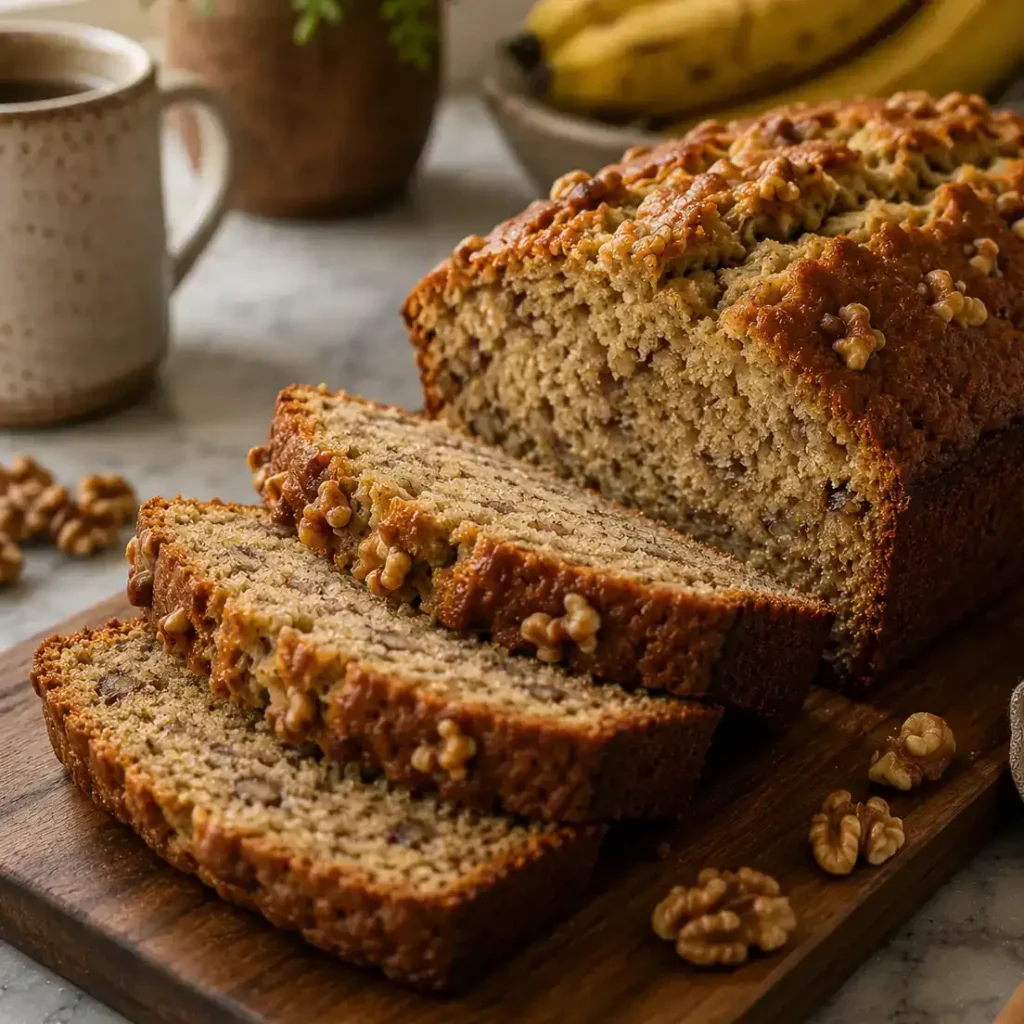
There are few aromas as comforting and inviting as a freshly baked loaf of banana nut bread. This beloved quick bread, a staple in kitchens worldwide, perfectly marries the natural sweetness of ripe bananas with the satisfying crunch of toasted nuts. Creating the perfect banana nut bread recipe involves understanding key ingredients and techniques, ensuring a moist crumb, rich flavor, and that quintessential golden-brown crust. Whether you are a seasoned baker or new to the craft, this guide provides the precise steps and expert insights to bake an extraordinary banana nut bread recipe that will become a cherished household favorite.
Table of Contents
The Core of a Great Banana Nut Bread Recipe: Ingredients Selection
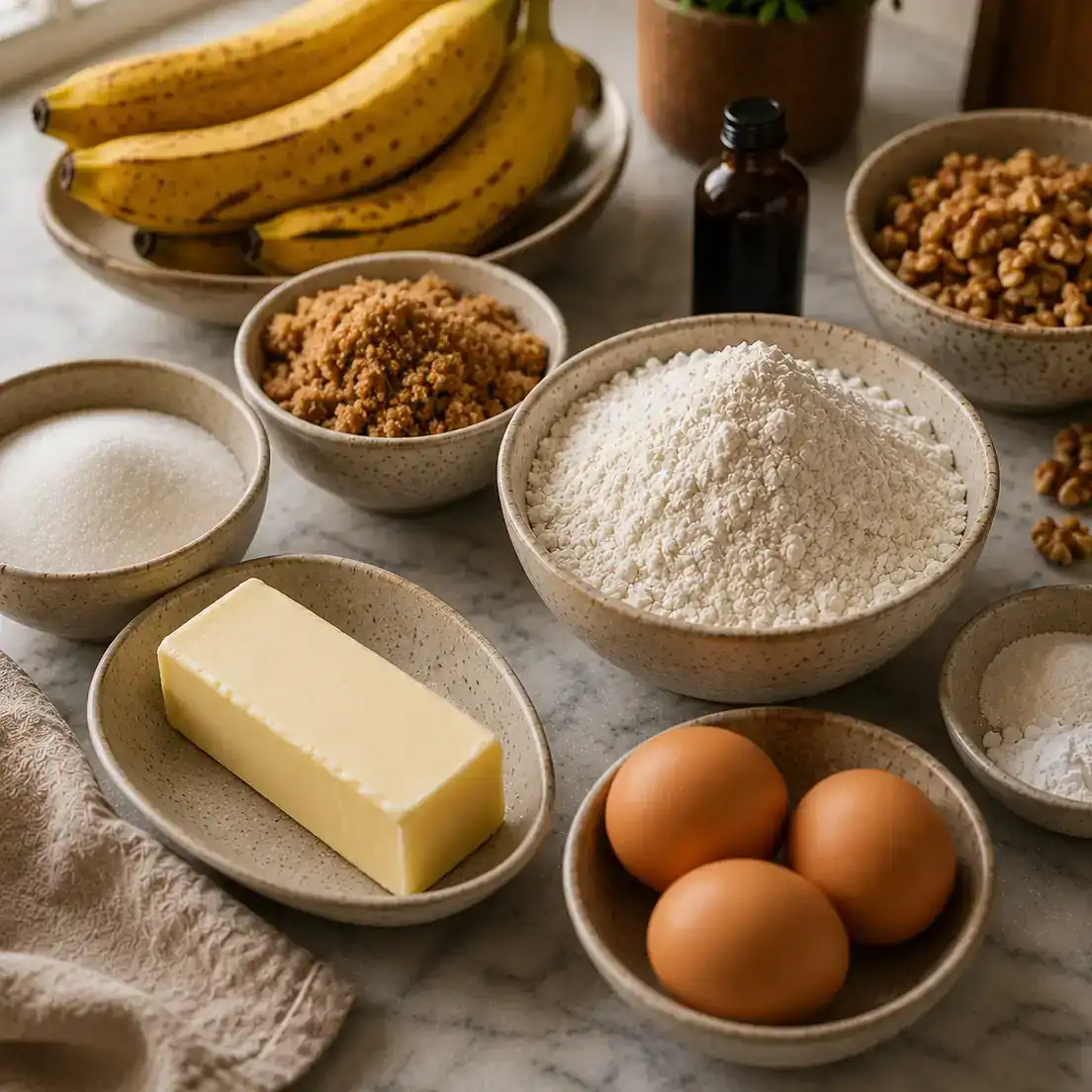
The foundation of any exceptional banana nut bread recipe lies in the quality and preparation of its components. Each ingredient plays a specific role, contributing to the texture, flavor, and overall success of the final product. Selecting the right items is the initial step toward baking excellence.
Choosing the Right Bananas: Ripeness is Key
For an ideal banana nut bread recipe, the ripeness of your bananas stands paramount. Aim for bananas that are heavily speckled with brown or even fully brown; these contain more sugar and moisture, which translates to a richer flavor and a naturally sweet, moist crumb in your bread. Under-ripe bananas will result in a drier, less flavorful loaf. If your bananas are not quite ripe enough, placing them in a paper bag for a day or two can speed up the process.
Flour and Leavening: Structure and Lift
All-purpose flour forms the primary structure of your banana nut bread recipe. Precise measurement is important; too much flour can lead to a dry, dense loaf. Baking soda acts as the leavening agent, reacting with the acidic bananas to create carbon dioxide bubbles, giving the bread its rise and tender texture. A touch of salt balances the sweetness and brings out the banana flavor, making every bite of your banana nut bread recipe more satisfying.
Fats and Sweeteners: Moisture and Flavor Depth
Unsalted butter, melted and cooled, adds a wonderful richness and contributes to the bread’s moistness. Some banana nut bread recipes also use oil for an even more tender crumb. Granulated sugar provides sweetness, while a touch of brown sugar can introduce subtle caramel notes, deepening the overall flavor profile. A good vanilla extract, often overlooked, actually works wonders to round out the flavors, making this banana nut bread recipe truly special.
Nuts: The “Nut” in Banana Nut Bread
Walnuts are the classic choice for a banana nut bread recipe, offering a complementary earthy flavor and a pleasing crunch. Pecans are another popular option. Toasting your nuts lightly before adding them to the batter significantly enhances their flavor and aroma, adding another dimension to the banana nut bread. Coarsely chop them to ensure a good distribution throughout the loaf, providing textural contrast in every slice. Thinking about other fruit-based baked goods, a strawberry rhubarb crumble similarly benefits from careful fruit and texture pairing.
Print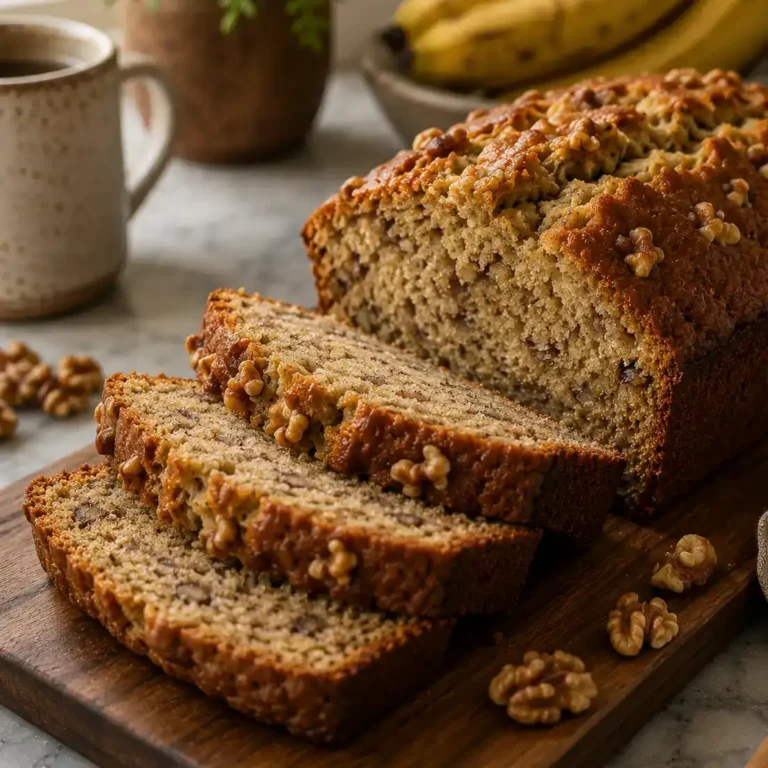
Mastering the Classic Banana Nut Bread Recipe: A Definitive Guide
Discover the art of baking a perfect banana nut bread, a comforting quick bread that combines the natural sweetness of ripe bananas with the satisfying crunch of toasted nuts. This guide offers precise steps and expert insights to achieve a moist crumb, rich flavor, and a golden-brown crust, suitable for both seasoned bakers and beginners.
- Total Time: 75 minutes
- Yield: 1 loaf (10-12 slices) 1x
Ingredients
- 2 cups all-purpose flour
- 1 teaspoon baking soda
- 1/4 teaspoon salt
- 1/2 cup (1 stick) unsalted butter, softened
- 3/4 cup granulated sugar
- 2 large eggs, lightly beaten
- 1 teaspoon vanilla extract
- 3 very ripe medium bananas, mashed
- 1/2 cup chopped walnuts or pecans
Instructions
- Step 1: Prepare Oven & Pan – Preheat oven to 350°F (175°C). Grease and flour a 9×5 inch loaf pan.
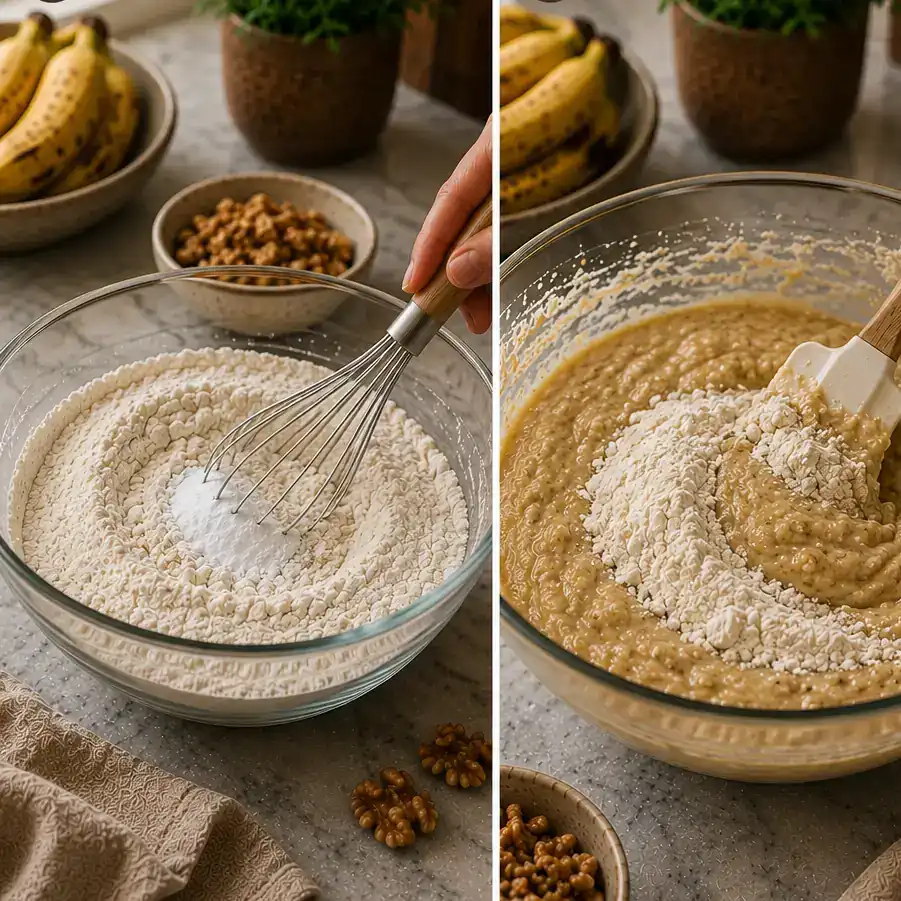
- Step 2: Combine Dry Ingredients – In a medium bowl, whisk together flour, baking soda, and salt.
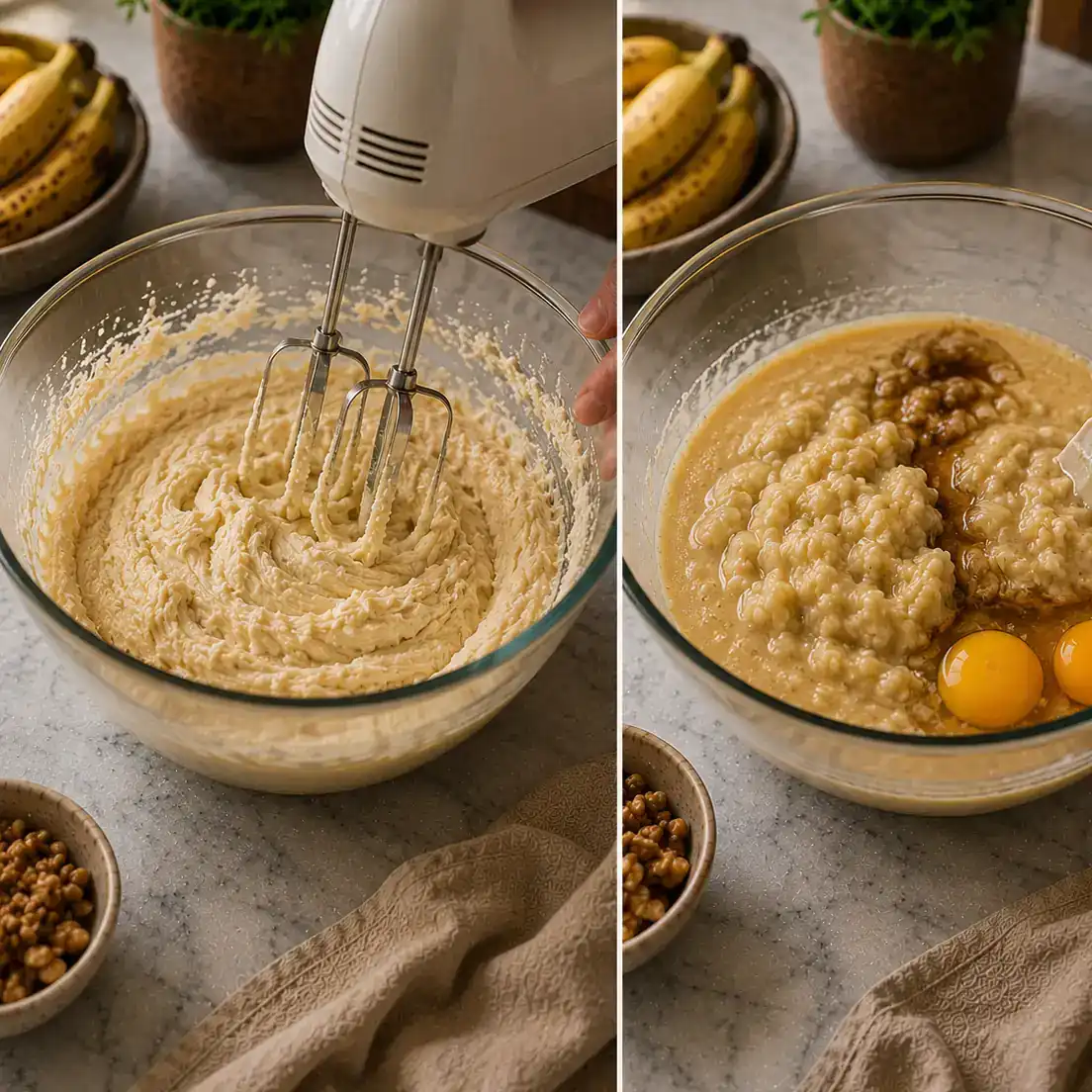
- Step 3: Cream Butter & Sugar – In a large bowl, cream together softened butter and granulated sugar until light and fluffy.
- Step 4: Add Wet Ingredients – Beat in eggs one at a time, then stir in vanilla extract and mashed bananas until just combined.
- Step 5: Mix Wet & Dry – Gradually add the dry ingredients to the wet ingredients, mixing until just moistened. Do not overmix.
- Step 6: Fold in Nuts – Gently fold in the chopped walnuts or pecans.
- Step 7: Pour into Pan – Pour the batter into the prepared loaf pan and spread evenly.
- Step 8: Bake Bread – Bake for 55-65 minutes, or until a wooden skewer inserted into the center comes out clean.
- Step 9: Cool & Serve – Let the bread cool in the pan for 10 minutes before transferring to a wire rack to cool completely. Slice and serve.
Notes
For the best flavor and texture, ensure your bananas are very ripe with plenty of brown spots. Overmixing the batter can lead to a tough loaf.
- Prep Time: 15 minutes
- Cook Time: 60 minutes
- Category: Quick Bread
- Method: Baking
- Cuisine: American
- Diet: Vegetarian
Nutrition
- Serving Size: 1 slice
- Calories: 320 kcal
- Sugar: 35 g
- Sodium: 250 mg
- Fat: 18 g
- Saturated Fat: 8 g
- Unsaturated Fat: 9 g
- Trans Fat: 0.5 g
- Carbohydrates: 45 g
- Fiber: 2.5 g
- Protein: 5 g
- Cholesterol: 65 mg
Keywords: banana bread, nut bread, quick bread, classic recipe, baking, comfort food
Mastering the Banana Nut Bread Recipe: Step-by-Step Baking Guide
Follow these detailed steps to bake your banana nut bread recipe with confidence, ensuring each stage contributes to a perfectly finished loaf. Precision in execution, combined with quality ingredients, will produce a truly remarkable bread.
Step 1: Prepare Your Workspace – Oven and Loaf Pan
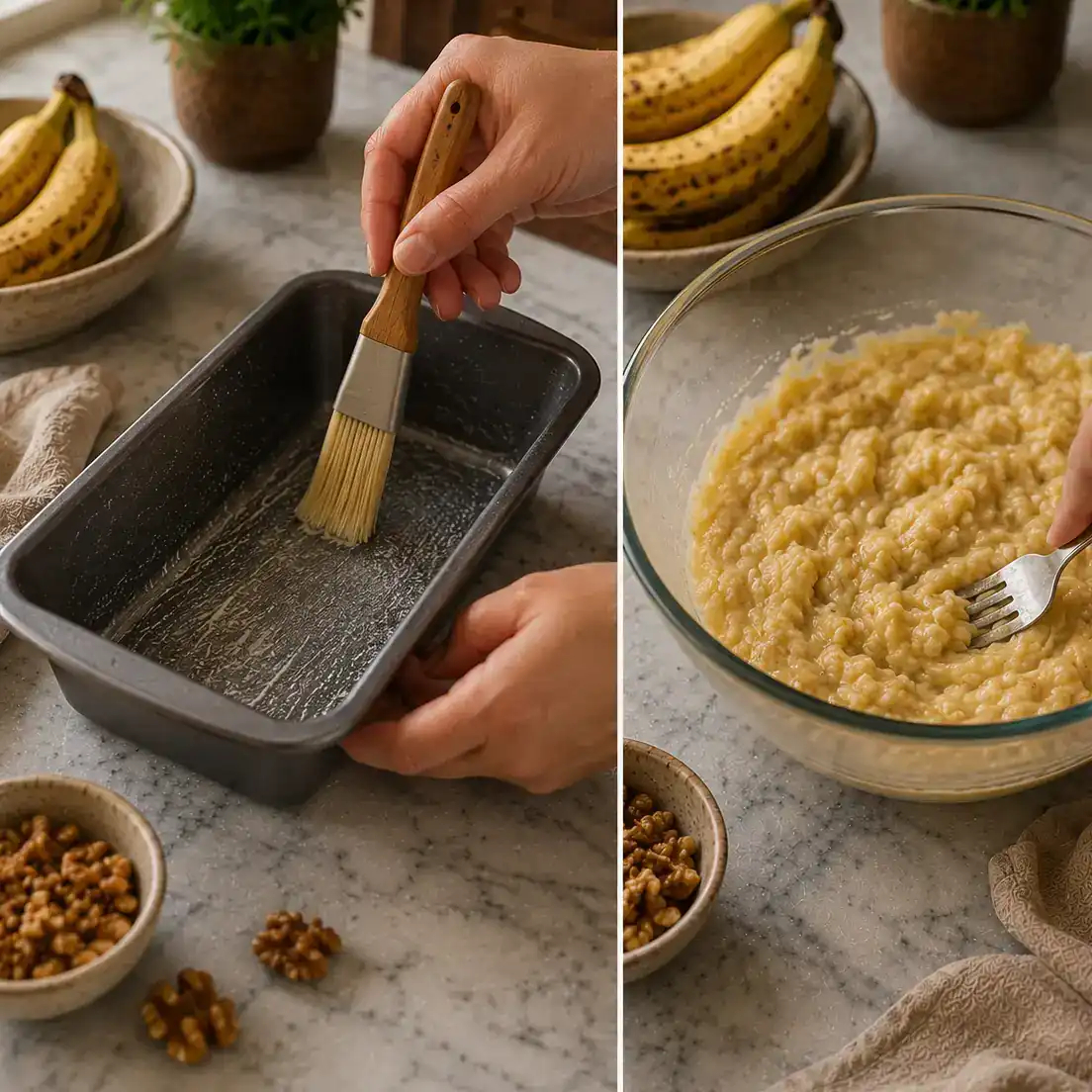
Begin by preheating your oven to 350°F (175°C). This ensures the oven is at a consistent temperature when the bread enters, promoting even baking. Lightly grease and flour a standard 9×5-inch loaf pan, or line it with parchment paper, leaving an overhang on the sides. The parchment paper method makes for easier removal of the finished banana nut bread and simplifies cleanup.
Step 2: Combine Dry Ingredients
In a large bowl, whisk together the all-purpose flour, baking soda, and salt. Make sure these dry ingredients are thoroughly combined to distribute the leavening evenly throughout the mixture. This step prevents pockets of unmixed baking soda and helps create a uniform rise in your banana nut bread recipe.
Step 3: Mix Wet Ingredients
In a separate, medium-sized bowl, mash the ripe bananas until mostly smooth, leaving a few small lumps for texture if desired. Stir in the melted and cooled unsalted butter, granulated sugar, brown sugar, eggs, and vanilla extract. Whisk these wet ingredients until they are well combined. The sugar should begin to dissolve, creating a cohesive, fragrant mixture for your banana nut bread recipe.
Step 4: Fold in Dry and Add-ins
Gradually add the dry ingredient mixture to the wet banana mixture, stirring gently with a spatula or wooden spoon until just combined. Overmixing the batter can lead to a tough, dense banana nut bread, so stop as soon as no dry streaks of flour remain. Fold in the toasted, chopped walnuts (or other nuts). You could even consider adding other breakfast elements, much like you would for an overnight French toast casserole with berries, to enhance its appeal.
Step 5: Baking Perfection – Achieving the Golden Crust
Pour the batter into your prepared loaf pan, spreading it evenly. Place the pan in the preheated oven and bake for 55-65 minutes. The baking time for this banana nut bread recipe can vary based on your oven. The bread is done when a wooden skewer or toothpick inserted into the center comes out clean or with only a few moist crumbs attached. If the top browns too quickly, you can loosely tent it with aluminum foil.
Step 6: Cooling and Serving Your Banana Nut Bread Recipe
Once baked, remove the banana nut bread from the oven and let it cool in the pan for about 10-15 minutes. This allows the bread to set and prevents it from crumbling when removed. After this initial cooling, carefully lift the bread out of the pan using the parchment paper overhang or invert it onto a wire rack to cool completely. Slicing warm banana nut bread is tempting, but a fully cooled loaf slices more cleanly and tastes even better. Enjoy this delightful banana nut bread recipe with your morning coffee or as a comforting snack.
Tips for the Perfect Banana Nut Bread Recipe
Achieving a consistently excellent banana nut bread recipe involves a few expert tips that go beyond the basic steps. These suggestions focus on technique and customization, allowing you to fine-tune your baking process for superior results every time.
Do Not Overmix
This is a critical rule for any quick bread, including your banana nut bread recipe. Overmixing develops the gluten in the flour too much, leading to a tough and chewy texture rather than a tender, moist crumb. Stir the wet and dry ingredients together only until just combined, even if a few lumps remain. This gentle approach is key to a light and airy banana nut bread.
Parchment Paper for Easy Release
Lining your loaf pan with parchment paper is a simple yet effective trick. It prevents sticking, making it incredibly easy to lift the entire loaf out of the pan once it’s cooled slightly. This method also results in a cleaner pan and a beautifully intact banana nut bread, reducing any potential frustration during the cooling and serving process.
Testing for Doneness
To confirm your banana nut bread is fully baked, insert a wooden skewer, toothpick, or thin knife into the center of the loaf. If it comes out clean or with only a few moist crumbs attached, the bread is ready. If it comes out with wet batter, continue baking in 5-minute increments until done. An underbaked banana nut bread will be gummy, while an overbaked one will be dry.
Flavor Variations and Additions
While the classic banana nut bread recipe is perfect on its own, feel free to personalize it. Add chocolate chips for a sweeter treat, a dash of cinnamon or nutmeg for warmth, or a handful of dried cranberries for a tart counterpoint. For a healthier twist, consider incorporating elements often found in peanut butter overnight oats recipes, such as a sprinkle of seeds or a drizzle of natural sweetener.
Storage Instructions
To keep your banana nut bread fresh, store it at room temperature in an airtight container for up to 3-4 days. For longer storage, wrap the cooled loaf tightly in plastic wrap, then aluminum foil, and freeze for up to 2-3 months. Thaw frozen banana nut bread at room temperature or gently warm slices in the microwave. This preparation foresight means you can always have a delicious treat ready to go.
Troubleshooting Common Banana Nut Bread Recipe Issues
Even experienced bakers can encounter challenges. Knowing how to diagnose and correct common problems with your banana nut bread recipe can save a batch and improve your overall baking confidence. Here are solutions to frequent issues.
Dry Bread
If your banana nut bread turns out dry, several factors could be at play. Overmixing the batter is a primary culprit, as it develops gluten too much, leading to a tough texture. Too much flour or insufficient mashed bananas can also reduce moisture. Be sure to measure flour precisely, preferably by weight, and use very ripe, moist bananas. Adjusting the baking time slightly downward can also prevent moisture loss, ensuring a delightful banana nut bread.
Soggy Bottom
A soggy bottom in your banana nut bread recipe often indicates that the bread didn’t bake thoroughly at the base. This can happen if your oven temperature is too low, or if the loaf pan is placed on a rack that’s too high, preventing sufficient heat from reaching the bottom. Sometimes, too much moisture from the bananas can also contribute. Try placing the pan on a lower rack or even on a baking sheet to distribute heat more evenly. For other baked goods with sweet potato, like healthy sweet potato brownies, similar considerations about moisture and baking time apply.
Sinking Middle
A banana nut bread that sinks in the middle typically signals that it was underbaked. The structure wasn’t fully set before being removed from the oven, causing it to collapse as it cools. Always rely on the toothpick test for doneness rather than just visual cues or the timer. Another cause could be an excessive amount of leavening, which causes a rapid rise that the structure cannot support. Ensure accurate measurement of baking soda in your banana nut bread recipe.
The History and Appeal of Banana Nut Bread
The popularity of banana nut bread can be traced back to the Great Depression in the United States, when resourceful homemakers sought ways to use overripe bananas rather than discarding them. The advent of baking soda and baking powder as widely available ingredients also played a crucial role, allowing for the creation of quick breads without the need for yeast. This delicious concoction quickly became a beloved comfort food, praised for its simplicity, delightful flavor, and practical use of common kitchen items. The story of its evolution is a fascinating aspect of culinary history, with more details available on Banana bread’s Wikipedia page.
Nutritional Profile of Banana Nut Bread
While a homemade banana nut bread recipe is certainly a treat, it also offers some nutritional benefits. Bananas provide potassium and dietary fiber, and the addition of nuts contributes healthy fats, protein, and more fiber. The exact nutritional content will vary based on the specific banana nut bread recipe used, including the types of flour, sugar, and fat, as well as the quantity of nuts. Portions are key to enjoying this delicious bread as part of a balanced diet.
Conclusion
Baking a truly outstanding banana nut bread recipe is a rewarding culinary endeavor that brings warmth and delicious aromas to any home. By carefully selecting your ingredients, following precise steps, and applying a few expert tips, you can consistently produce a moist, flavorful loaf with that irresistible crumb and satisfying nut crunch. This classic quick bread serves as a comforting breakfast item, a delightful snack, or a thoughtful gift. With this comprehensive guide, you are well-equipped to master the art of the banana nut bread recipe and share its timeless appeal with friends and family.
FAQs
Can I use frozen bananas for a banana nut bread recipe?
Yes, absolutely! Frozen ripe bananas are excellent for banana nut bread. Simply thaw them completely, typically on a plate to catch the liquid, then mash them as usual. They might release more liquid than fresh bananas, so you can drain off any excess if the mixture seems too watery, though usually, this extra moisture contributes to an even more tender loaf. This is a great way to avoid food waste and ensure you always have bananas ready for your banana nut bread recipe.
What types of nuts work best in banana nut bread?
Walnuts are the traditional and most popular choice for a banana nut bread recipe, offering a robust flavor and satisfying texture. Pecans are another excellent option, providing a slightly sweeter and buttery taste. You can also experiment with other nuts like almonds, cashews, or even a mix. For the best flavor, lightly toast the nuts before adding them to the batter; this truly elevates the overall profile of your banana nut bread.
How long does homemade banana nut bread last?
Properly stored, homemade banana nut bread will stay fresh at room temperature for about 3 to 4 days. Keep it in an airtight container or wrapped tightly in plastic wrap to prevent it from drying out. For longer storage, you can refrigerate it for up to a week, or freeze it for 2-3 months. Freezing is an excellent way to keep extra loaves of your favorite banana nut bread recipe for future enjoyment.
Can I make banana nut bread muffins instead of a loaf?
Yes, this banana nut bread recipe can easily be adapted for muffins! Simply divide the batter among a greased or paper-lined muffin tin, filling each cup about two-thirds full. Bake at 375°F (190°C) for approximately 20-25 minutes, or until a toothpick inserted into the center of a muffin comes out clean. Muffin baking times are shorter than for a loaf, so keep a close watch to prevent overbaking. This creates convenient individual portions of your delicious banana nut bread.