
Mastering the art of making delicious cabbage dumplings with tofu transforms simple plant-based ingredients into an extraordinary meal. This culinary guide provides expert techniques for achieving the ideal balance of textures, ensuring every bite bursts with savory flavors while keeping your cooking process straightforward and highly rewarding.
Table of Contents
Understanding Plant-Based Dumpling Components
Selecting the Proper Cabbage Varieties
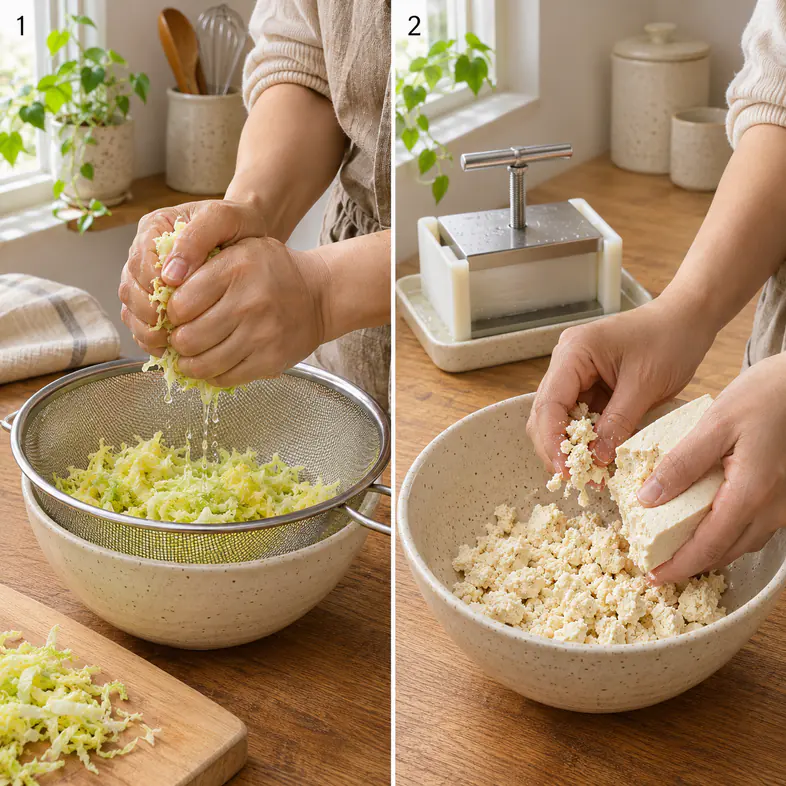
The success of homemade cabbage dumplings relies heavily on choosing crisp, fresh leaves that hold their structure during folding. Napa cabbage remains the absolute gold standard due to its delicate crunch and tender green tops. When preparing cabbage dumplings with tofu, finely shredding the leaves and applying a light salt treatment draws out excess moisture, preventing soggy wrappers and keeping the filling delightfully cohesive.
Preparing and Pressing Firm Tofu
Moisture control is the single most critical factor when working with soy proteins in dumpling fillings. Extra-firm tofu requires thorough pressing to eliminate trapped water before crumbling or pureeing. Properly drained tofu absorbs aromatic seasonings like ginger, garlic, and toasted sesame oil efficiently. Incorporating well-pressed tofu into your plant parcels creates a protein-dense texture that mimics traditional meat-based fillings without sacrificing plant-based authenticity.
Print
Cabbage Dumplings With Tofu
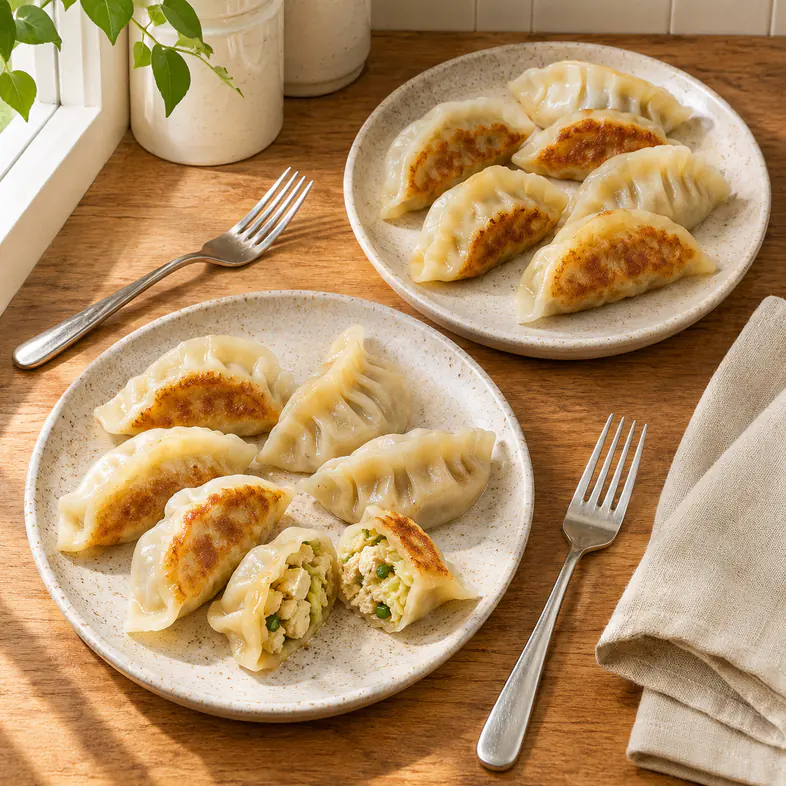
Expertly crafted plant-based cabbage dumplings featuring pressed firm tofu, crisp Napa cabbage, and aromatic seasonings, cooked to golden perfection.
- Total Time: 45 minutes
- Yield: 4 servings 1x
Ingredients
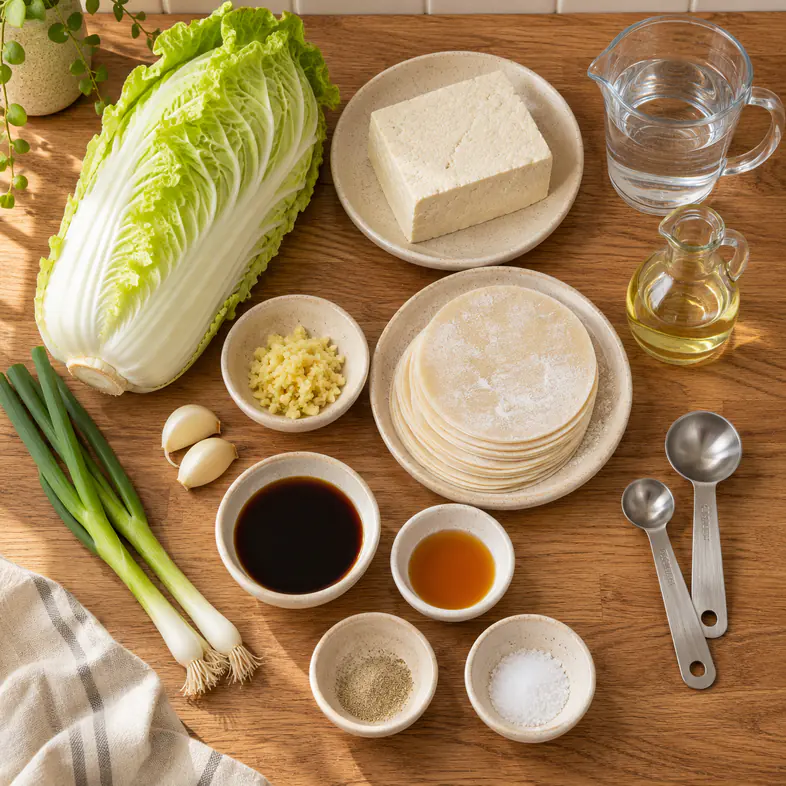
- 1 head Napa cabbage, finely shredded
- 1 package extra-firm tofu, pressed and crumbled
- 1 package dumpling wrappers
- 2 tablespoons soy sauce
- 1 teaspoon toasted sesame oil
- 1 tablespoon fresh ginger, minced
- 2 cloves garlic, minced
- 3 scallions, thinly sliced
- 1/2 teaspoon white pepper
- Salt (for drawing moisture from cabbage)
- Neutral cooking oil (for pan-frying)
- Water (for steaming and sealing wrappers)
Instructions
- Step 1: Prep Cabbage – Finely shred the Napa cabbage, apply a light salt treatment to draw out excess moisture, and drain thoroughly.
- Step 2: Press Tofu – Thoroughly press extra-firm tofu to eliminate trapped water, then crumble or puree into a bowl.
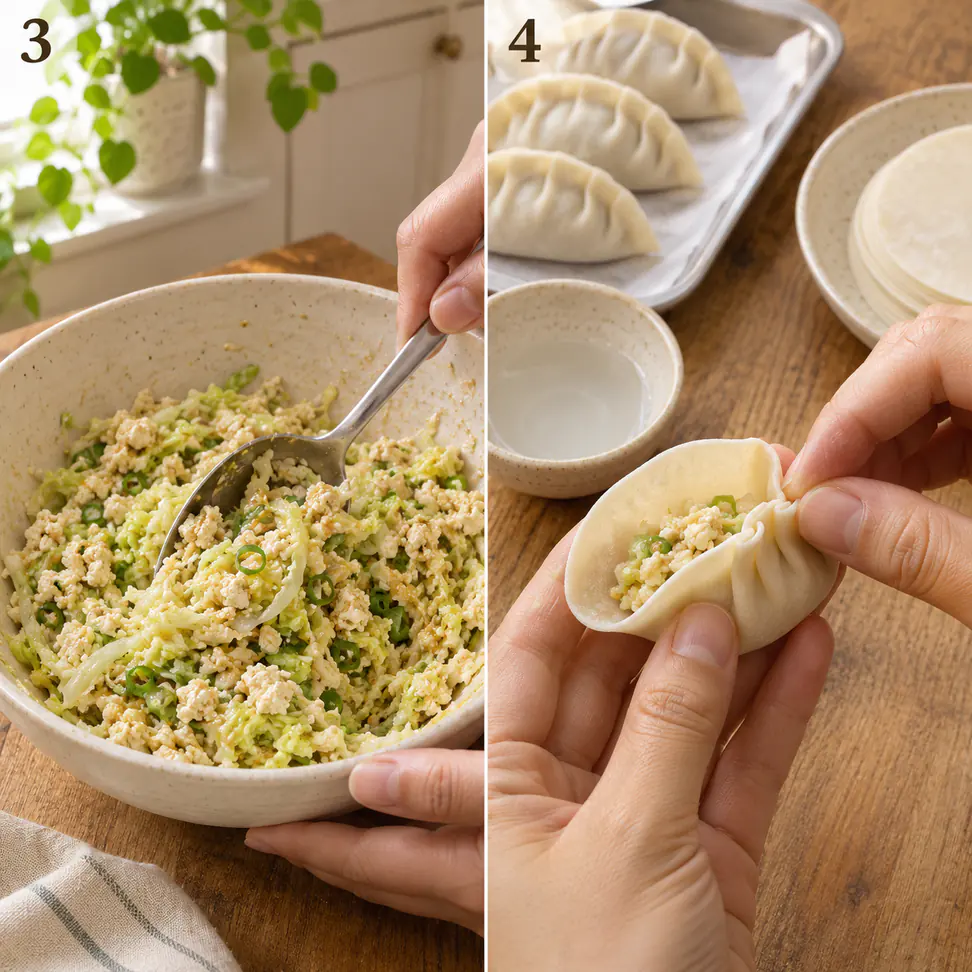
- Step 3: Mix Filling – Combine the prepared cabbage, tofu, soy sauce, toasted sesame oil, ginger, garlic, scallions, and white pepper, folding gently.
- Step 4: Fill Wrappers – Place a rounded spoonful of filling in the center of each dumpling wrapper, dampen edges with water, and pleat firmly to seal.
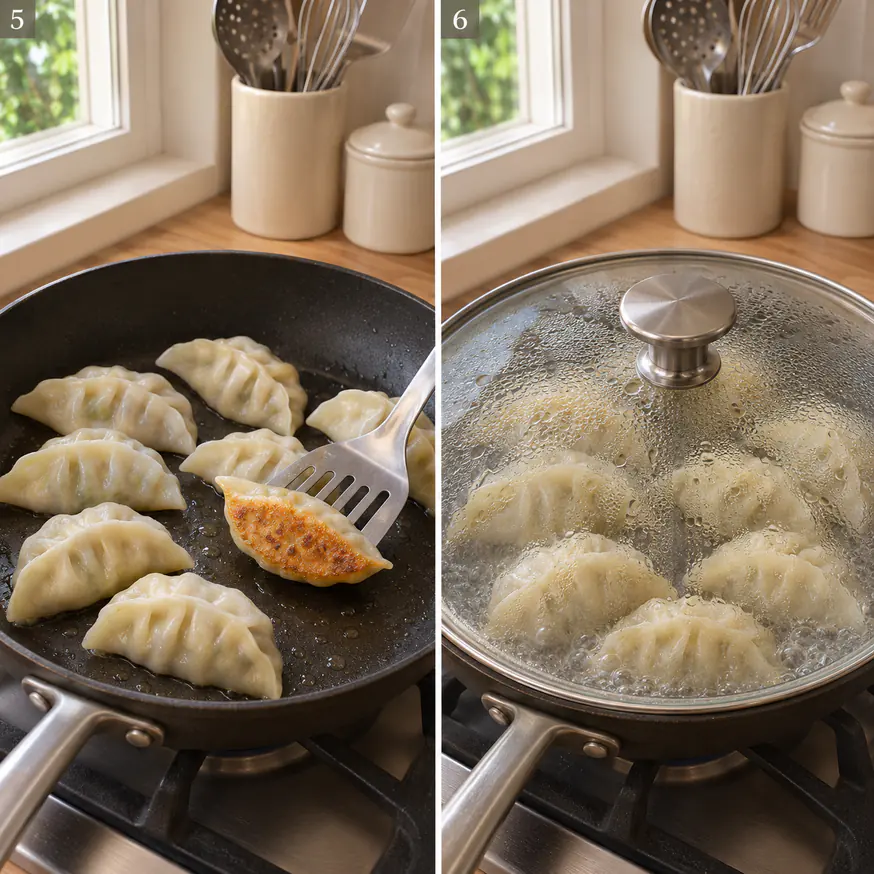
- Step 5: Pan – Fry Dumplings – Heat neutral oil in a skillet over medium-high heat, arrange dumplings in a single layer until bottoms turn golden brown.
- Step 6: Steam to Finish – Pour a small splash of water into the skillet, cover tightly with a lid, and steam until the liquid evaporates and filling is cooked.
Notes
Keep unused wrappers covered with a damp paper towel while working to prevent them from drying out and cracking. Test filling seasoning by cooking a tiny spoonful in a small pan of water before sealing the batch.
- Prep Time: 30 minutes
- Cook Time: 15 minutes
- Category: Main Course
- Method: Pan-Fry and Steam
- Cuisine: Asian-Inspired
- Diet: Vegan
Nutrition
- Serving Size: 1 plate (6 dumplings)
- Calories: 320 kcal
- Sugar: 4 g
- Sodium: 680 mg
- Fat: 10 g
- Saturated Fat: 1.5 g
- Unsaturated Fat: 8 g
- Trans Fat: 0 g
- Carbohydrates: 45 g
- Fiber: 5 g
- Protein: 14 g
- Cholesterol: 0 mg
Keywords: cabbage dumplings, tofu dumplings, vegan dumplings, plant-based recipe
Mastering the Wrapper and Filling Method
Mixing Aromatic Seasonings
Balancing flavors requires a thoughtful combination of pantry staples, including soy sauce, white pepper, and scallions. When combining your ingredients for cabbage dumplings with tofu, gentle folding prevents the filling from turning into a paste. Seasoning adjustments can be tested by cooking a tiny spoonful in a small pan of water before sealing the entire batch of these savory pockets.
Step-by-Step Folding Techniques
Mastering wrapper sealing requires patience, clean hands, and a small bowl of water to dampen the edges. Place a rounded spoonful of filling directly in the center of your wrapper, then pleat the edges firmly to trap the savory mixture inside. Whether you prefer a simple half-moon shape or traditional pleats, practicing these mechanics guarantees that your cabbage dumplings with tofu stay intact during the cooking phase.
Cooking Methods for Superior Texture
Pan-Frying for Golden Bottoms
Pan-frying creates a magnificent contrast between a crispy bottom crust and a tender, steamed top. Heat a skillet over medium-high heat with a neutral cooking oil, arrange your cabbage dumplings with tofu in a single layer, and let the bases turn golden brown. Pour in a small splash of water, cover tightly with a lid, and let the steam cook the filling thoroughly until the liquid evaporates completely.
Boiling and Steaming Alternatives
Boiling offers a lighter approach, plunging the parcels into rolling water until they float to the surface. Steaming preserves the delicate integrity of the wrappers without adding extra oils, making it a fantastic choice for anyone monitoring their daily calorie intake. For additional healthy meal inspiration, you might want to look into glp-1 friendly meals that emphasize nutrient-dense ingredients and balanced macronutrient profiles. To balance your daily routine, pairing these meals with refreshing low-cal drinks helps maintain optimal hydration without consuming unnecessary sugars.
Accompaniments and Dipping Sauces
Crafting the Ultimate Savory Dip
A vibrant dipping sauce elevates homemade cabbage dumplings with tofu from a simple weeknight dinner into a restaurant-quality feast. Combine dark soy sauce, rice vinegar, a drizzle of chili oil, and minced garlic to create a complex flavor profile. For further plant-based inspiration and creative culinary ideas, you can review various tofu recipes that showcase the incredible versatility of this staple ingredient. You can also incorporate hearty options like black beans recipe variations to expand your repertoire of wholesome, fiber-rich dishes.
Serving Suggestions and Presentation
Serving your finished parcels hot from the skillet or steamer ensures the best textural experience. Garnish the plate with toasted sesame seeds and thinly sliced scallions for a professional finish. According to culinary guides published by sources like Serious Eats and Bon Appétit, mastering the fundamentals of dough hydration and filling moisture control remains the secret to flawless handmade parcels every single time.
FAQs
Can I freeze unbaked cabbage dumplings with tofu?
Yes, assemble the parcels on a parchment-lined baking sheet and place them in the freezer until solid. Once frozen, transfer them to a freezer-safe bag. Cook them directly from frozen by adding a few extra minutes to your steaming or pan-frying time.
How do I prevent the wrappers from tearing?
Ensure your filling is not overly wet, and avoid overfilling the individual wrappers. Keep your unused wrappers covered with a damp paper towel while working to prevent them from drying out and cracking.
Conclusion
Creating homemade cabbage dumplings with tofu brings immense satisfaction and incredible flavors to your kitchen table. By focusing on proper moisture management, careful folding techniques, and precise cooking methods, you can consistently produce restaurant-quality parcels that satisfy both vegans and meat-eaters alike.


