
Are you ready to find out how well you truly know your favorite Italian dishes? Taking a cuestionario de pasta can reveal surprising insights about your cooking habits, flavor preferences, and kitchen skills. Whether you prefer quick weeknight dinners or slow-simmered sauces, completing a detailed cuestionario de pasta makes understanding your culinary identity far easier, ensuring every meal becomes more enjoyable. Let us look at what makes these interactive quizzes so popular and how you can use a cuestionario de pasta to master the art of Italian cooking at home through a targeted cuestionario de pasta session.
Table of Contents
Understanding the Appeal of Food Quizzes
Why We Love Testing Our Culinary Knowledge
Food quizzes capture our imagination because they connect personal taste with cultural traditions. When you answer questions about texture, cooking time, and sauce pairings, you engage deeply with your own eating habits. A well-designed cuestionario de pasta challenges your assumptions about ingredients and preparation methods. Every time you take a fresh cuestionario de pasta, it turns a simple meal into an interactive experience, encouraging you to step outside your comfort zone and try new combinations in the kitchen. For further insights into how culinary tests influence modern eating trends, you can read more about food psychology on BBC Future, keeping in mind how a standard cuestionario de pasta aids this process.
Common Themes in Italian Food Evaluations
Most assessment tools focus on a few core areas, including grain types, boiling durations, and acidity levels in sauces. You might be asked whether you prefer long strands like spaghetti or short tubes that hold chunky ingredients. These diagnostic tests, much like any standard cuestionario de pasta, often measure your willingness to experiment with fresh herbs, cheeses, and alternative flours. By breaking down your preferences, any good cuestionario de pasta highlights whether you lean toward traditional comfort foods or modern, health-conscious dishes.
Print
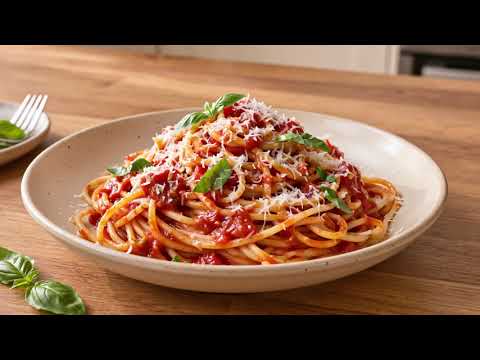
Classic Italian Pasta with Homemade Sauce
A delightful pasta dish inspired by culinary quiz fundamentals, featuring perfectly boiled strands and a rich, emulsified sauce.
- Total Time: PT30M
- Yield: 4 servings 1x
Ingredients
- 1 pound spaghetti or long strands
- 4 quarts water
- 2 tablespoons kosher salt
- 2 tablespoons extra virgin olive oil
- 3 cloves garlic, minced
- 2 cups crushed San Marzano tomatoes
- 1/2 cup fresh basil leaves, torn
- 1/2 cup grated Parmigiano-Reggiano cheese
- 1/4 cup reserved starchy cooking water
- Salt and freshly ground black pepper to taste
Instructions
- Step 1: Boil Water – Bring 4 quarts of water to a rolling boil in a deep stockpot and add 2 tablespoons of kosher salt.
- Step 2: Cook Pasta – Add the pasta and stir frequently in the first minute; cook until al dente according to package instructions.
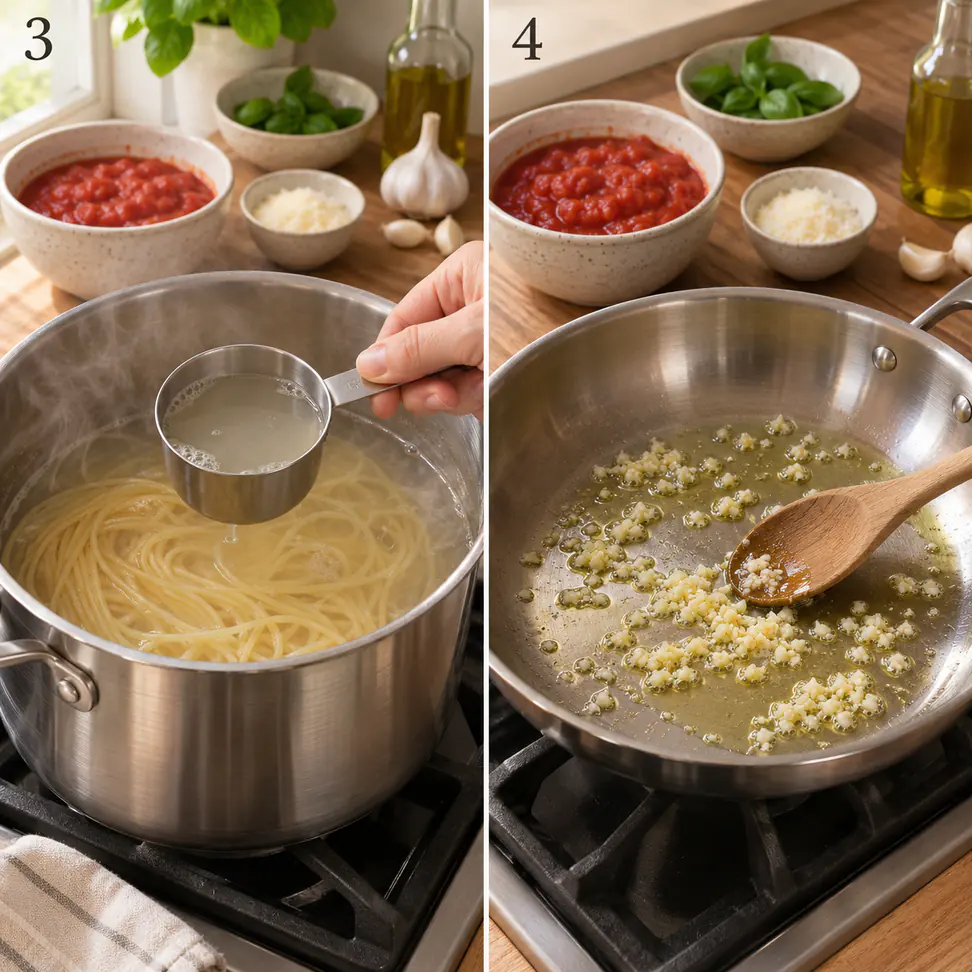
- Step 3: Reserve Water – Before draining the pasta, carefully scoop out 1/4 cup of the starchy cooking water.
- Step 4: Sauté Aromatics – Heat olive oil in a large stainless steel skillet over medium heat and sauté minced garlic until fragrant.
- Step 5: Simmer Sauce – Pour in the crushed tomatoes and let the sauce simmer gently for 10 minutes.
- Step 6: Combine Components – Add the drained pasta directly into the simmering sauce in the skillet.
- Step 7: Emulsify – Pour in the reserved starchy cooking water and toss vigorously until a glossy, cohesive emulsion coats every strand.
- Step 8: Garnish and Serve – Stir in fresh basil and grated Parmigiano-Reggiano cheese, then season with salt and pepper before serving immediately.
Notes
Always use plenty of boiling water and avoid rinsing the cooked pasta to ensure the sauce clings perfectly to every bite.
- Prep Time: PT15M
- Cook Time: PT15M
- Category: Main Course
- Method: Stovetop
- Cuisine: Italian
- Diet: Vegetarian
Nutrition
- Serving Size: 1 plate
- Calories: 420 kcal
- Sugar: 6 g
- Sodium: 680 mg
- Fat: 12 g
- Saturated Fat: 3 g
- Unsaturated Fat: 8 g
- Trans Fat: 0 g
- Carbohydrates: 68 g
- Fiber: 4 g
- Protein: 12 g
- Cholesterol: 10 mg
Keywords: pasta, italian, spaghetti, marinara, dinner




Popular Styles and Regional Varieties
Matching Shapes to Sauces
One major lesson from any serious cuestionario de pasta is the importance of pairing the right shape with the right sauce. Smooth strands do not hold heavy meat sauces well, whereas ridged tubes grip thick textures perfectly. If you are preparing a rich evening meal after consulting a cuestionario de pasta, you might want to look into ideas like a comforting marry me chicken orzo bake to impress your guests with tender grains and savory flavors, guided by insights from a reliable cuestionario de pasta.
Balancing Flavors and Ingredients
Creating a memorable dish requires balancing starches, proteins, and acidic elements like tomatoes or citrus. Many home cooks discover through a questionnaire that they rely too heavily on heavy dairy rather than bright, fresh vegetables. If you are looking for inspiration to diversify your weekly menu after finishing a cuestionario de pasta, you can check out delicious healthy pasta recipes lose weight that keep calories low without sacrificing flavor or satisfaction. Understanding the nutritional balance of grains is also supported by findings from resources such as the USDA Nutrition Portal, which provides guidelines on healthy carbohydrate choices while completing your cuestionario de pasta evaluations.
Evaluating Your Cooking Technique
The Science of Boiling Water
Many participants fail basic culinary evaluations because they make simple mistakes during the boiling process. Salting the water adequately and avoiding oil in the pot are fundamental rules that experts always emphasize. A thorough cuestionario de pasta will often test your knowledge of texture, asking whether you prefer al dente or softer results. Achieving the ideal firmness depends entirely on timing and paying close attention to the package directions while tasting frequently during your cuestionario de pasta review.
Creating Balanced Family Meals
Feeding a household means catering to different nutritional needs and flavor profiles. When planning your weekly schedule based on recommendations from a cuestionario de pasta, incorporating vibrant vegetables and lean proteins makes a noticeable difference. For instance, you can try preparing easy healthy pasta meals that require minimal cleanup while delivering maximum taste for busy weeknights, as suggested by your recent cuestionario de pasta results.
Advanced Culinary Concepts
Homemade Dough Versus Store-Bought Packages
As your expertise grows, you might transition from dried pantry staples to rolling out fresh dough on your kitchen counter. Making dough from scratch involves flour, eggs, and a bit of patience, but the tender result is entirely worth the effort. A comprehensive culinary assessment often distinguishes between novice cooks who rely on boxed goods and advanced enthusiasts who craft everything by hand. Taking the time to master dough preparation builds confidence and allows you to experiment with different flour types, such as semolina or whole wheat blends, giving your homemade creations a unique structural integrity and rich flavor profile after taking a cuestionario de pasta.
Incorporating Global Fusion Flavors
Italian traditions pair remarkably well with ingredients from other culinary cultures, such as spicy peppers, fresh cilantro, or creamy coconut alternatives. Experimenting with fusion dishes lets you push the boundaries of classic cooking while retaining the comforting essence of a warm bowl of noodles. Whether you enjoy traditional Mediterranean seasonings or bold modern spices, your personal results from a cuestionario de pasta will guide you toward your ideal flavor profile. Blending unexpected spices into your weekly cooking routine stimulates your palate and introduces exciting dimensions to otherwise familiar weeknight dinners.
Kitchen Tools and Equipment Essentials
Having the right gear in your kitchen transforms cooking from a chore into a smooth, enjoyable experience. A deep stockpot is necessary for boiling grains properly, allowing them to move freely without sticking together or clumping in small amounts of water. Additionally, a sturdy colander with small holes prevents delicate strands from slipping down the drain during the straining process. Investing in a microplane for grating fresh hard cheeses adds an aromatic depth that pre-shredded varieties simply cannot match. Pairing these tools with your knowledge from a cuestionario de pasta gives you a complete toolkit for success.
Furthermore, owning a high-quality wooden spoon or a silicone spatula helps you scrape down sauce pans without scratching delicate surfaces. A large stainless steel skillet or a heavy-bottomed Dutch oven is another fantastic investment, allowing you to toss your cooked noodles directly into simmering sauce for optimal flavor absorption. When starches mingle with the sauce in a wide skillet, the residual cooking water creates a glossy, cohesive emulsion that coats every single strand evenly, fulfilling the goals of any standard cuestionario de pasta.
| Shape Type | Ideal Sauce Match | Cooking Tip |
|---|---|---|
| Long Strands (Spaghetti, Linguine) | Smooth oil-based or light tomato sauces | Stir frequently in the first minute of boiling. |
| Short Tubes (Penne, Rigatoni) | Chunky vegetable or rich cream sauces | Reserve a cup of starchy cooking water before draining. |
| Tiny Shapes (Orzo, Ditalini) | Soups and light broth preparations | Add directly to simmering broth for maximum flavor absorption. |
Troubleshooting Common Cooking Mistakes
Even seasoned home cooks occasionally run into trouble when preparing grains. If your meal turns out sticky or gummy, it is usually because the pot was too small or the water lacked sufficient salt. Always use at least four quarts of water per pound of dry ingredients to maintain a rolling boil when the noodles are added. Another common error is rinsing the cooked food with cold water; unless you are making a cold noodle salad, rinsing washes away the natural starches that help the sauce cling to every bite. Reviewing the results of a cuestionario de pasta can pinpoint these exact habits and show you how to correct them in future cooking sessions.
If your sauce turns out too watery, do not panic. Instead of pouring it out, simply simmer it uncovered over medium-low heat for a few minutes, or stir in a small spoonful of your reserved starchy cooking water mixed with a pinch of grated cheese. The starches act as a natural thickening agent that pulls the sauce together into a velvety coating. Paying close attention to these small technical adjustments will elevate your everyday cooking far beyond basic box instructions outlined in any typical cuestionario de pasta.
Storage and Serving Advice

Leftovers require careful handling to maintain their texture and taste. If you anticipate having extra portions, consider mixing the sauce and the cooked grains separately if possible, or store them in an airtight container in the refrigerator for up to three days. Keeping components separated prevents the noodles from absorbing too much liquid and becoming overly mushy over time. When reheating, add a splash of water or extra sauce to restore moisture before gently warming the dish on the stovetop over low heat, stirring occasionally to ensure even heating.
If you prefer freezing your meals, keep in mind that certain delicate grain dishes and cream-based sauces do not freeze as well as tomato-heavy varieties. For the best results when freezing, slightly undercook your noodles so they retain a firm bite after thawing and reheating. Proper storage ensures that your hard work during meal preparation continues to taste fantastic days later, saving you time during busy work weeks.
Conclusion
Taking a cuestionario de pasta is a fun and engaging way to evaluate your culinary habits and discover new recipes to try at home. By understanding how shapes, sauces, and cooking techniques interact, you can improve your everyday meals into extraordinary dining experiences. Have fun exploring your results and applying these helpful tips in your own kitchen.
FAQs
What is a cuestionario de pasta?
A cuestionario de pasta is an interactive pasta quiz designed to test your knowledge of Italian pasta varieties, cooking techniques, sauce pairings, and ingredients. It helps beginners and experienced home cooks discover their preferences and improve their pasta-making skills
How do you choose the right pasta shape for each sauce?
The best pasta shape depends on the sauce’s texture. Long pasta like spaghetti and linguine works well with light tomato or olive oil sauces, while short pasta like penne and rigatoni holds chunky vegetables, creamy sauces, and hearty ingredients. A cuestionario de pasta can help you understand these combinations.
What is the secret to cooking perfect al dente pasta?
To achieve perfect al dente pasta, bring a large pot of salted water to a rolling boil, add your pasta, and stir occasionally. Start tasting one or two minutes before the package’s recommended cooking time. The pasta should be tender but still slightly firm when bitten.
Is fresh pasta healthier than dried pasta?
Fresh and dried pasta can both be part of a balanced diet. Fresh pasta often contains eggs and has a softer texture, while dried pasta is typically made from durum wheat semolina and water. Whole-wheat varieties generally provide more fiber. Your ideal choice depends on your nutritional goals, ingredients, and personal preferences.
How can a cuestionario de pasta improve your cooking skills?
A cuestionario de pasta helps identify common cooking mistakes, improve sauce pairings, and develop better pasta preparation techniques. By testing your knowledge of boiling times, ingredients, and regional Italian dishes, you can gain confidence and prepare more flavorful homemade pasta meals.


