If you have ever sat at a sushi bar and marveled at the glossy, dark brown drizzle on your favorite roll, you have met eel sauce. This thick, syrupy condiment is a staple in Japanese-inspired cuisine, known for its perfect balance of sweet and savory notes. Despite the name, it is a versatile topping that goes far beyond seafood. In this guide, we will look at what makes this sauce so special, how you can make it at home, and the best ways to enjoy its deep umami flavor every day.
Table of Contents
What Exactly is Eel Sauce?
Eel sauce, often called Unagi no Tare in Japanese, is a traditional glaze used primarily for grilled eel. While the name might sound a bit intimidating to some, the sauce itself is quite approachable and friendly to almost any palate. It is fundamentally a reduction, which means the ingredients are simmered together until they thicken into a rich, velvety consistency. The flavor is a beautiful marriage of saltiness from soy sauce and a distinct sweetness that lingers on the tongue.
The Mystery of the Name
One of the most common questions people ask is whether eel sauce actually contains eel. In most modern sushi restaurants and bottled versions found in grocery stores, the answer is no. The name refers to its purpose rather than its ingredients. Historically, the sauce was made by simmering eel bones and heads to create a deep, fishy base. However, today’s versions typically stick to a plant-based or seafood-light recipe that focuses on the sweet-salty profile that complements the rich, oily meat of the fish perfectly.
The Texture and Appearance
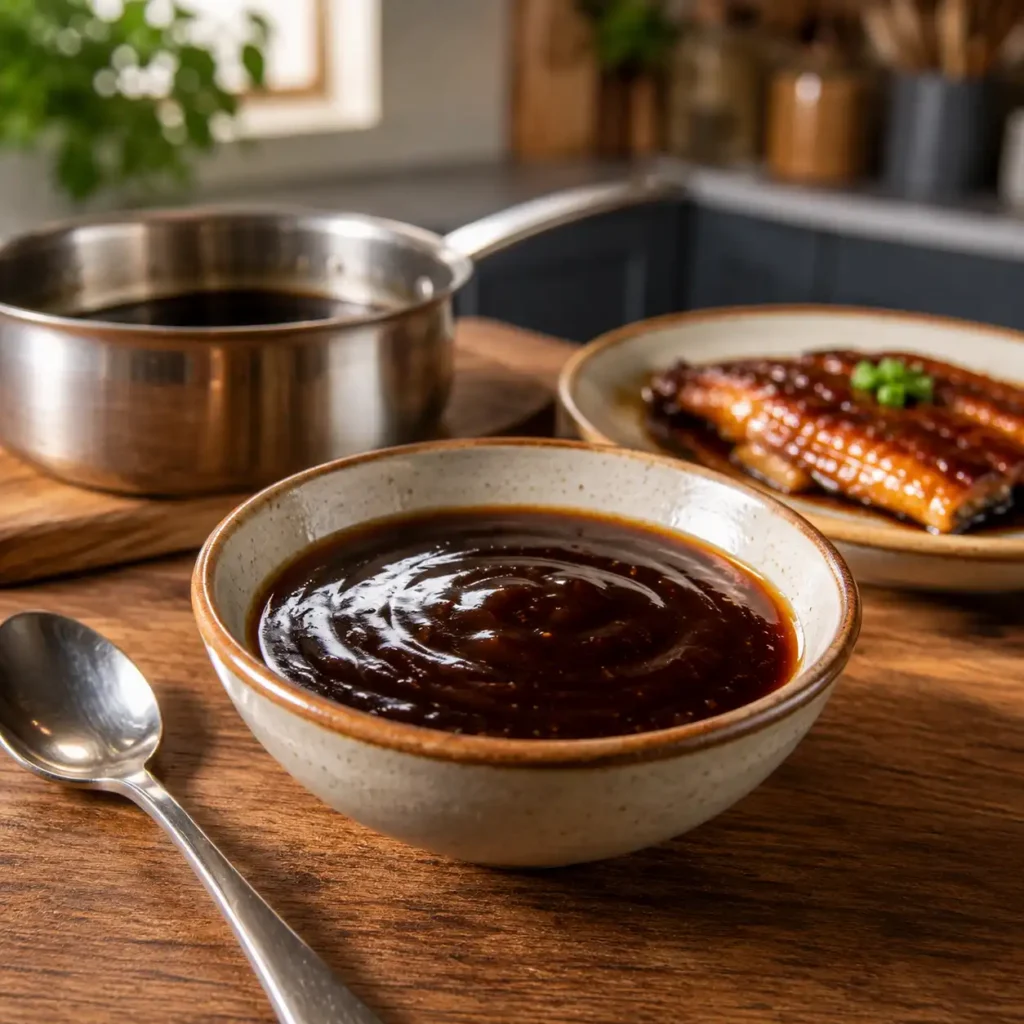
You can identify eel sauce by its signature appearance. It is much thicker than standard soy sauce, possessing a viscosity similar to maple syrup or thin honey. When drizzled over food, it stays in place rather than soaking immediately into the rice or protein. Its dark, almost black color comes from the caramelization of sugars during the cooking process. This dark hue adds a beautiful visual contrast to the bright colors of fresh fish and vegetables found in sushi platters.
Print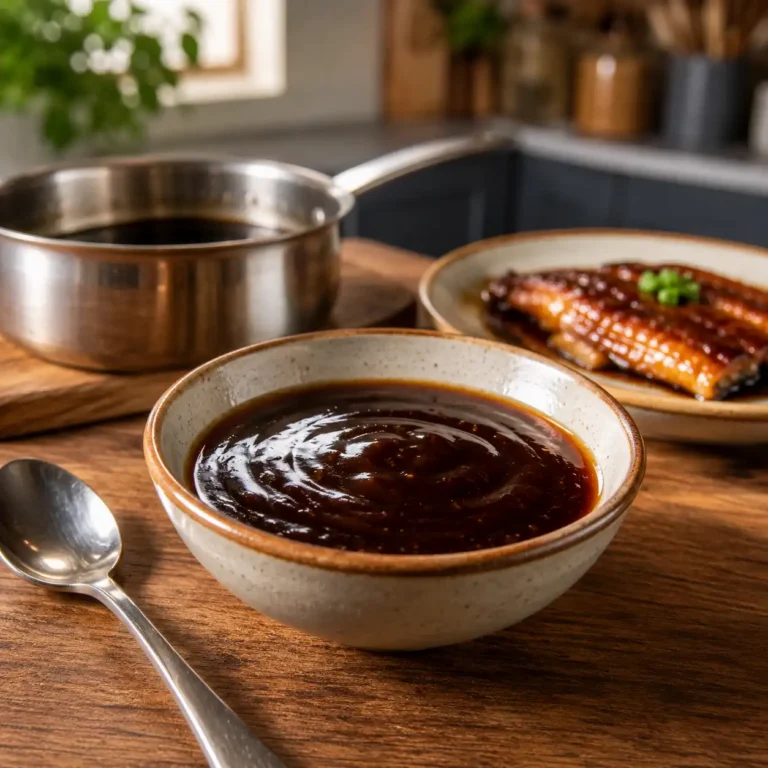
Eel Sauce (Unagi no Tare)
Eel sauce, or Unagi no Tare, is a thick, syrupy Japanese condiment known for its perfect balance of sweet and savory notes. Traditionally used for grilled eel, modern versions are versatile and can be made at home with common pantry staples, offering a deep umami flavor that complements a wide range of dishes beyond seafood.
- Total Time: 25 minutes
- Yield: About 3/4 cup (180ml) 1x
Ingredients
- 1/2 cup soy sauce
- 1/2 cup mirin
- 1/4 cup sake (or dry white wine/water)
- 1/4 cup granulated sugar
Instructions
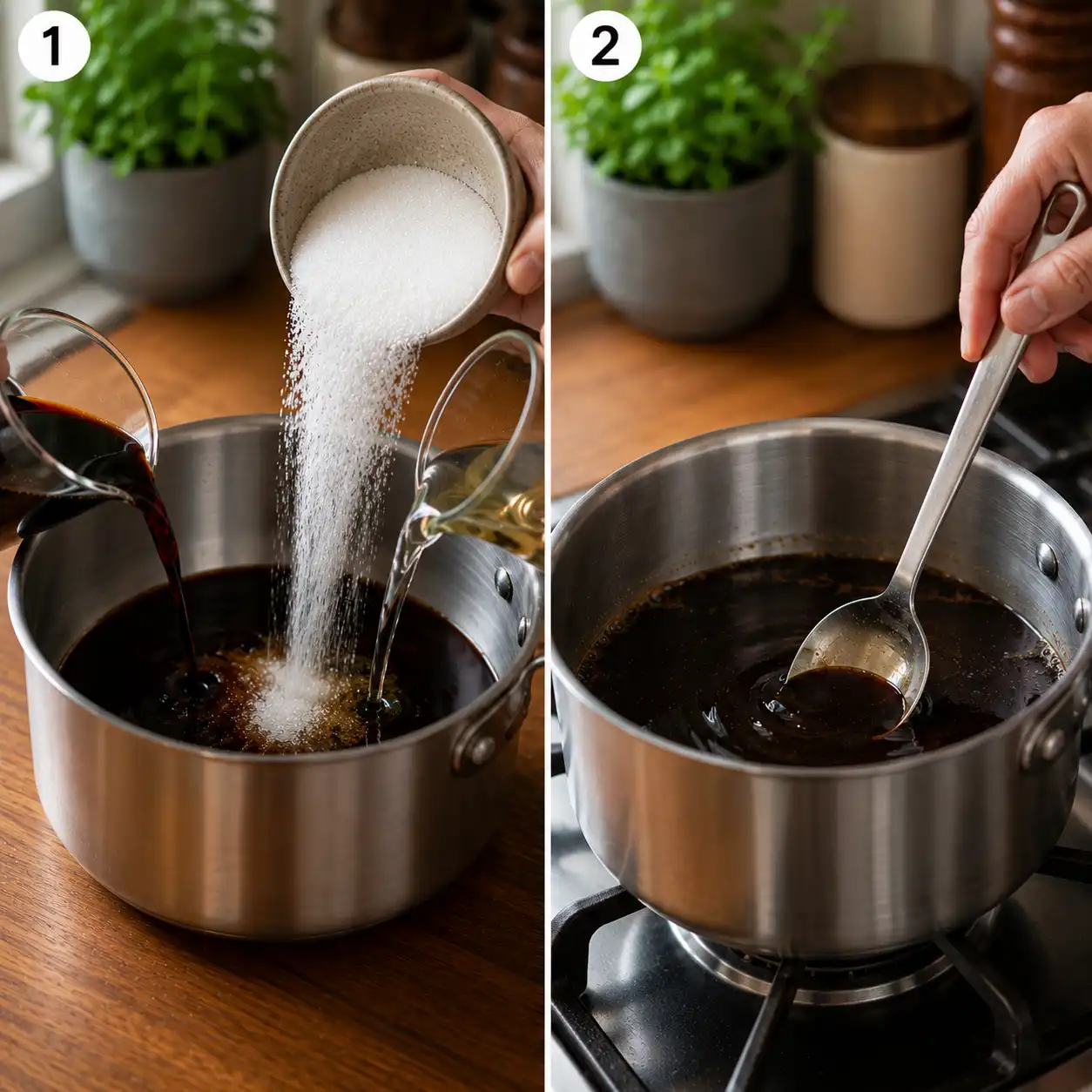
- Step 1: Combine Ingredients – In a small saucepan, combine soy sauce, mirin, sake (or water), and granulated sugar.
- Step 2: Dissolve Sugar – Heat the mixture over medium-low heat, stirring constantly until the sugar has completely dissolved.
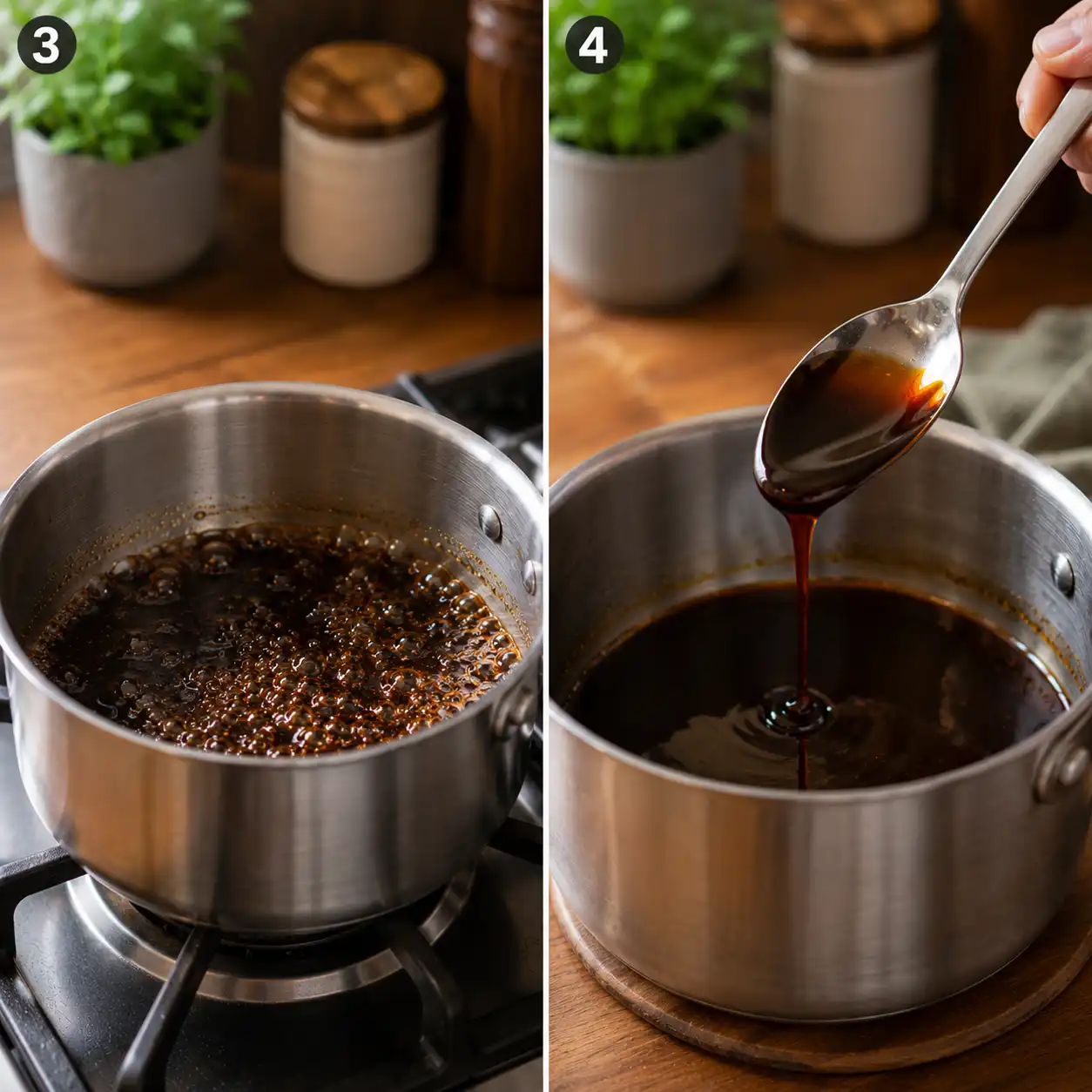
- Step 3: Simmer and Reduce – Bring the mixture to a gentle simmer. Do not boil vigorously. Continue to simmer for 15-20 minutes, or until the sauce has thickened to a syrupy consistency and reduced by about half. It should coat the back of a spoon.
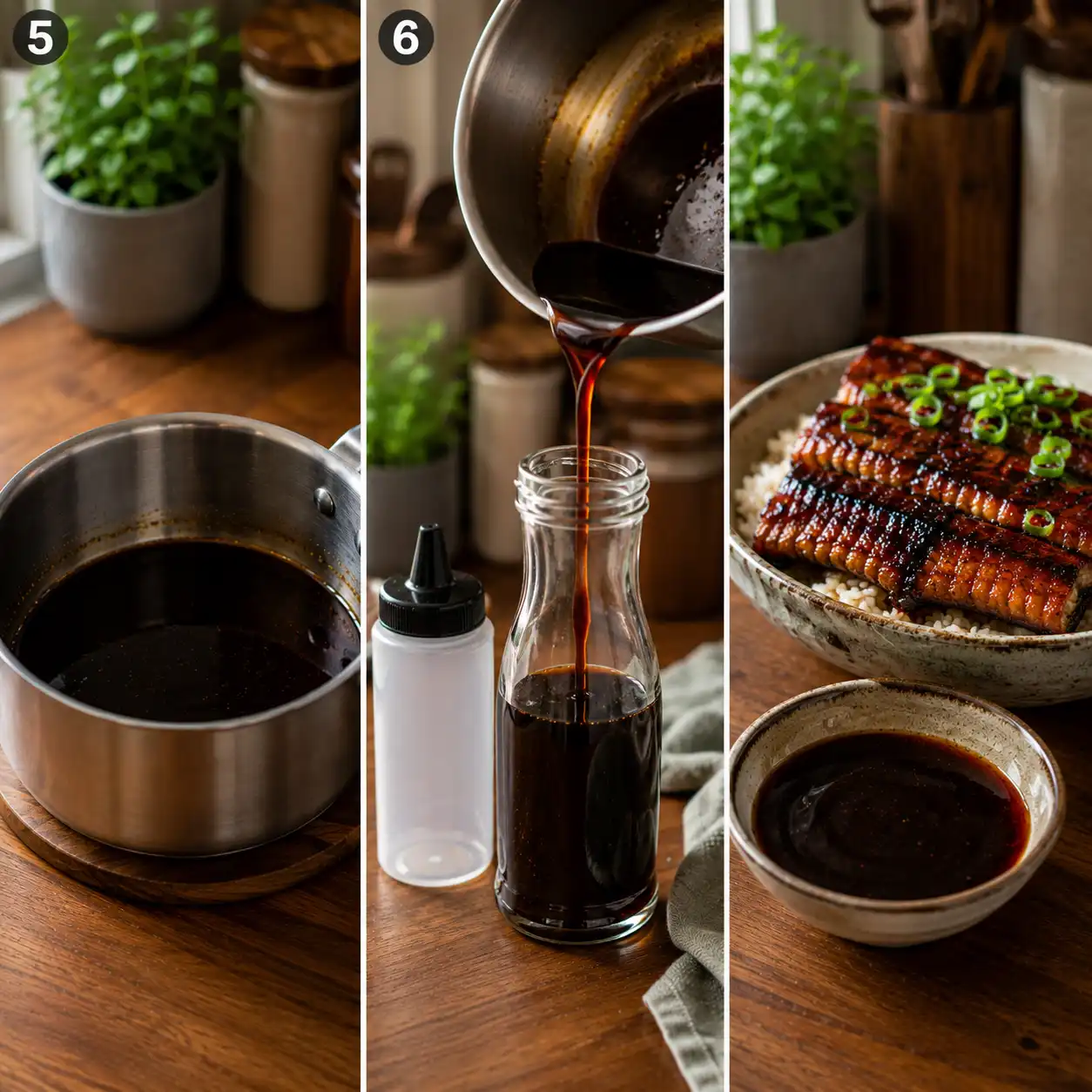
- Step 4: Cool and Store – Remove the saucepan from the heat and allow the eel sauce to cool completely at room temperature. The sauce will thicken further as it cools. Transfer to an airtight container and store in the refrigerator for up to 2-3 weeks.
Notes
Despite the name, this versatile sauce does not contain eel in its modern form. It pairs beautifully with sushi, grilled meats, vegetables, and rice bowls. Its dark, almost black color comes from the caramelization of sugars during the cooking process.
- Prep Time: 5 minutes
- Cook Time: 20 minutes
- Category: Sauce
- Method: Simmering, Reduction
- Cuisine: Japanese
- Diet: Vegetarian
Nutrition
- Serving Size: 1 tablespoon (15ml)
- Calories: 40 kcal
- Sugar: 8 g
- Sodium: 500 mg
- Fat: 0.2 g
- Saturated Fat: 0.05 g
- Unsaturated Fat: 0.1 g
- Trans Fat: 0.01 g
- Carbohydrates: 8 g
- Fiber: 0.1 g
- Protein: 0.5 g
- Cholesterol: 0.1 mg
Keywords: Eel sauce, Unagi no Tare, Japanese sauce, sushi condiment, sweet and savory, glaze, reduction sauce, umami
Key Ingredients and Flavor Profile
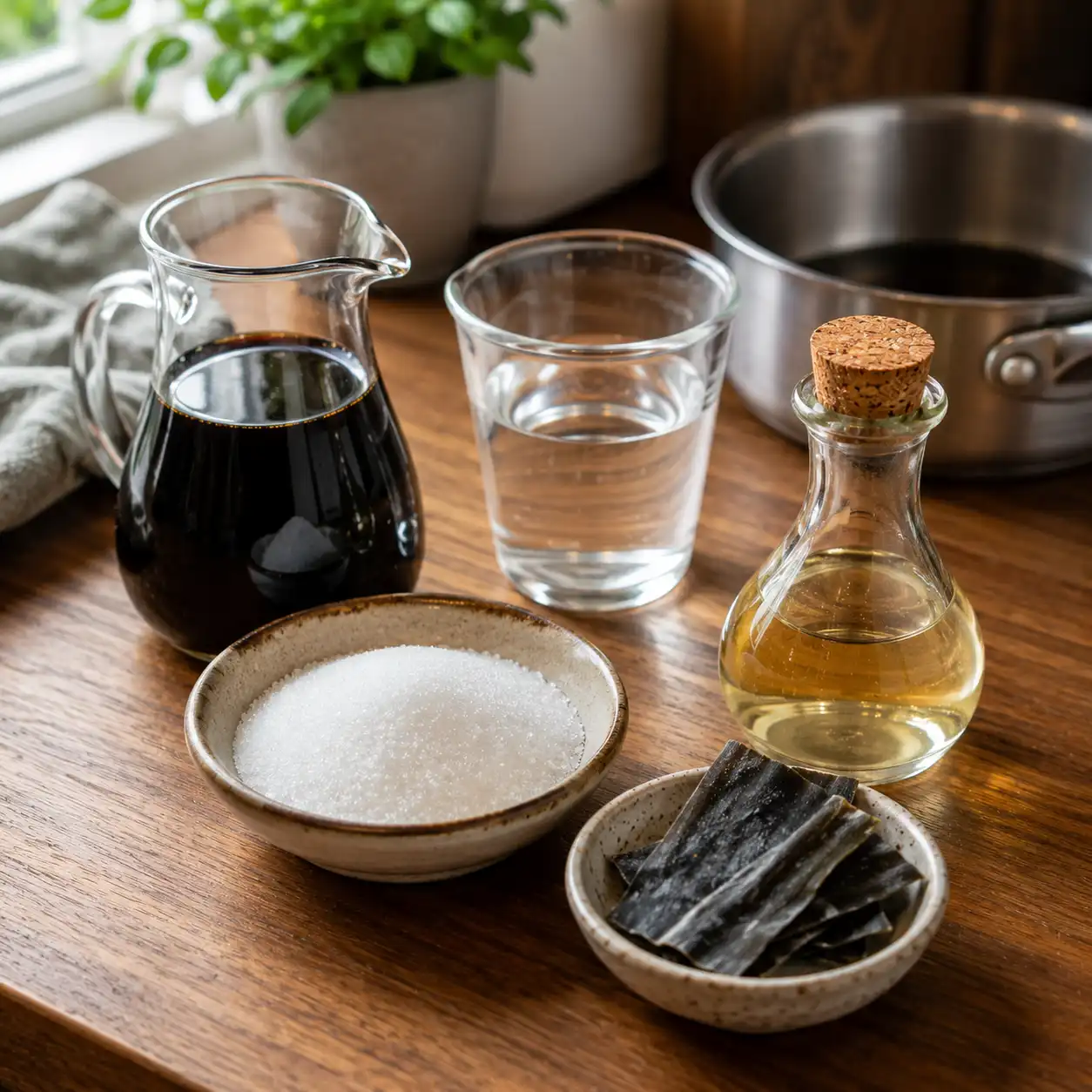
The beauty of eel sauce lies in its simplicity. Most recipes only require three or four basic ingredients. The foundation is soy sauce, which provides the essential salt and fermented depth. Soy sauce is a staple ingredient that provides the foundational saltiness for many Asian sauces, as explained in this history of soy sauce. To balance this salt, a significant amount of sugar is added. This sugar doesn’t just make it sweet; it allows the sauce to thicken and become shiny as it reduces over heat.
Achieving the Perfect Balance
To give the sauce its characteristic tang and complexity without using restricted liquids, many home cooks use a combination of rice vinegar and extra sweeteners. The goal is to hit that “umami” sweet spot. Umami is often described as the fifth taste a savory richness that makes your mouth water. Because this sauce is so concentrated, a little goes a long way. It acts as a flavor booster that can turn a plain bowl of rice into a gourmet treat with just a few drops.
Comparing with Other Glazes
For those who enjoy a bit of heat with their sweet glazes, comparing this to a chipotle honey chicken recipe shows how different cultures use sugar to balance out strong savory elements. While a chipotle glaze relies on peppers for spice, eel sauce relies on the depth of the soy. It is much thicker and stickier than a standard teriyaki sauce, which often contains ginger or garlic. Eel sauce is purer in its focus on the soy-sugar relationship, making it a very focused condiment.
How to Make Eel Sauce at Home
Making your own version of this sauce is surprisingly easy and allows you to control the quality of ingredients. You can make certain that the sweetness level is exactly to your liking. The process involves slow-cooking the ingredients to reach the desired thickness. You do not need any special equipment just a small saucepan and a bit of patience. Once you see how simple it is, you might never go back to the store-bought bottles that are often filled with preservatives and corn syrup.
Step-by-Step Instructions
- Step 1: Prepare the Base – Combine one-half cup of high-quality soy sauce with one-half cup of sugar and one-half cup of a non-alcoholic liquid like water mixed with a splash of rice vinegar in a small saucepan.
- Step 2: Simmer and Dissolve – Place the pan over medium heat and stir constantly until the sugar has completely dissolved into the liquid.
- Step 3: Reduce the Mixture – Bring the liquid to a gentle boil, then turn the heat down to low. Let it simmer for about 10 to 15 minutes. You will notice the bubbles becoming larger and the sauce starting to look glossy.
- Step 4: Check the Thickness – Dip a metal spoon into the sauce. If it coats the back of the spoon without running off immediately, it is ready. Keep in mind it will thicken even more as it cools.
- Step 5: Cool and Store – Remove the pan from the heat and let it reach room temperature. Pour it into a glass jar or a squeeze bottle for easy serving.
Customizing Your Recipe
You can easily tweak this basic recipe to suit your dietary needs. If you prefer a less sweet sauce, reduce the sugar by a tablespoon or two. If you want a gluten-free version, simply swap the soy sauce for tamari. Some people like to add a tiny piece of kombu (dried seaweed) while simmering to add an even deeper ocean flavor, which mimics the traditional style without needing actual fish parts. This flexibility is what makes home cooking so rewarding.
Best Pairings for Eel Sauce
While the name suggests a single use, this sauce is a workhorse in the kitchen. Its ability to add a savory-sweet punch makes it a favorite for many different types of meals. From seafood to poultry and even vegetarian dishes, the applications are nearly endless. It is especially useful for adding moisture and flavor to ingredients that might otherwise be a bit plain on their own.
Sushi and Seafood Favorites
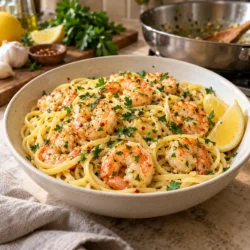
The most iconic use is on the “Unagi Roll” or the “Dragon Roll.” The richness of the sauce cuts through the fat of the avocado and the grilled fish perfectly. If you want a quick dinner, you can learn how to cook frozen cooked shrimp and drizzle them with eel sauce for an instant umami boost. It also works beautifully as a marinade for salmon or sea bass, creating a caramelized crust when the fish is broiled in the oven.
Vegetables and Grains
Vegetarians can also join in the fun. Steamed greens like bok choy benefit from the rich, salty notes of a well-made reduction, turning a simple side dish into something special. Healthy eaters often wonder is cauliflower rice good for you when used as a base for sushi bowls topped with a light brushing of this savory glaze. The sauce provides enough flavor that you don’t feel like you are missing out on traditional white rice, making it a great tool for those watching their carb intake.
Nutritional Overview and Dietary Considerations
Like any condiment that relies on sugar and soy, moderation is key when enjoying eel sauce. It is relatively high in sodium and sugar compared to a plain vinegar dressing. However, because the flavor is so intense, you typically only need a tablespoon or two to flavor an entire meal. One tablespoon generally contains around 40 to 50 calories, primarily from the carbohydrates in the sugar. It contains very little fat and only a trace amount of protein from the soy base.
| Component | Approx. Amount (Per Tbsp) | Notes |
|---|---|---|
| Calories | 45 kcal | Mainly from sugar reduction |
| Sodium | 300-400 mg | Depends on the soy sauce brand |
| Sugar | 8-10 g | Provides the syrupy texture |
| Fat | 0 g | Naturally fat-free |
Is it Vegan?
Most commercial eel sauces are vegan-friendly because they skip the traditional fish bones in favor of a simpler soy and sugar recipe. However, it is always a good idea to check the label for “bonito extract” or “dashi,” which are derived from fish. When making it at home, you can guarantee it is 100% plant-based by using only soy sauce, sugar, and vinegar. This makes it a fantastic option for adding “meaty” flavor to tofu or grilled eggplant dishes without using animal products.
Storing Your Homemade Sauce
Because of the high sugar and salt content, eel sauce has a very respectable shelf life. When kept in an airtight container in the refrigerator, it can stay fresh for up to two to three weeks. Over time, the sugar may begin to crystallize, or the sauce might become overly thick. If this happens, a few seconds in the microwave or a quick stir with a teaspoon of warm water will usually bring it back to its original smooth consistency. Proper storage is vital for maintaining food safety and flavor quality, which you can read about in these food safety guidelines.
Signs of Spoilage
Always use a clean spoon or a squeeze bottle to prevent cross-contamination. If you notice any off-smells, mold growth, or strange color changes, it is best to discard the batch and make a fresh one. Since it is so easy to whip up, there is no reason to take risks with old condiments. For the best flavor, try to use your homemade sauce within the first week when the balance of sweet and salty is at its peak.
Eel Sauce vs. Other Japanese Condiments
It is easy to get confused by the variety of dark sauces in Japanese cuisine. While they may look similar in the bottle, their tastes and uses vary significantly. Understanding these differences helps you choose the right one for your specific dish. For example, Tonkatsu sauce is much thicker and includes fruit purees like apple and date, giving it a tangy, almost BBQ-like flavor. Eel sauce is much simpler and more focused on the soy-sugar dynamic.
Teriyaki Sauce vs. Eel Sauce
The main difference between these two is the consistency and the aromatics. Teriyaki sauce is usually thinner and often includes garlic, ginger, and sometimes citrus. It is intended to be used as a marinade or a cooking liquid. Eel sauce, on the other hand, is primarily a finishing sauce. It is much thicker so that it can sit on top of food without running off. While you can use teriyaki as a substitute in a pinch, it won’t provide that same “glossy” look that defines high-end sushi presentation.
Nitsume and Kabayaki
In traditional Japanese cooking, you might hear the terms Nitsume or Kabayaki sauce. Nitsume is the “true” eel sauce made with a reduction of eel stock. Kabayaki refers to the style of grilling the fish while basting it with the sauce. In a modern context, especially in the United States, these terms are often used interchangeably to describe the same sweet soy reduction. Regardless of the name, the goal is the same: to create a mouth-watering glaze that makes every bite feel indulgent.
FAQs
Can I use eel sauce on things other than sushi?
Absolutely! It is wonderful on grilled chicken, roasted vegetables, or even as a dip for spring rolls. Some people even use it as a substitute for balsamic glaze on certain savory appetizers.
Is there a sugar-free version of eel sauce?
You can make a lower-sugar version at home using a sugar substitute like monk fruit or erythritol. However, keep in mind that the sauce might not thicken in the same way, as real sugar is responsible for the syrupy texture.
Does it need to be refrigerated?
While the salt and sugar act as preservatives, it is best to keep it in the fridge to maintain the best flavor and prevent any bacterial growth, especially for homemade versions without added stabilizers.
Is eel sauce the same as oyster sauce?
No, they are quite different. Oyster sauce is made from oyster extracts and has a much more earthy, pungent, and salty flavor. Eel sauce is much sweeter and has a cleaner soy profile.
Conclusion
Eel sauce is a fantastic addition to any kitchen pantry, offering a simple way to bring restaurant-quality flavors to your home-cooked meals. Its balanced profile of sweet and savory makes it a hit with kids and adults alike. Whether you are drizzling it over a fresh sushi roll, using it to glaze grilled salmon, or adding a savory kick to your vegetables, this sauce is sure to become a favorite. With just a few ingredients and a little time on the stove, you can create a glossy, delicious condiment that will make your next dinner feel like a special occasion.