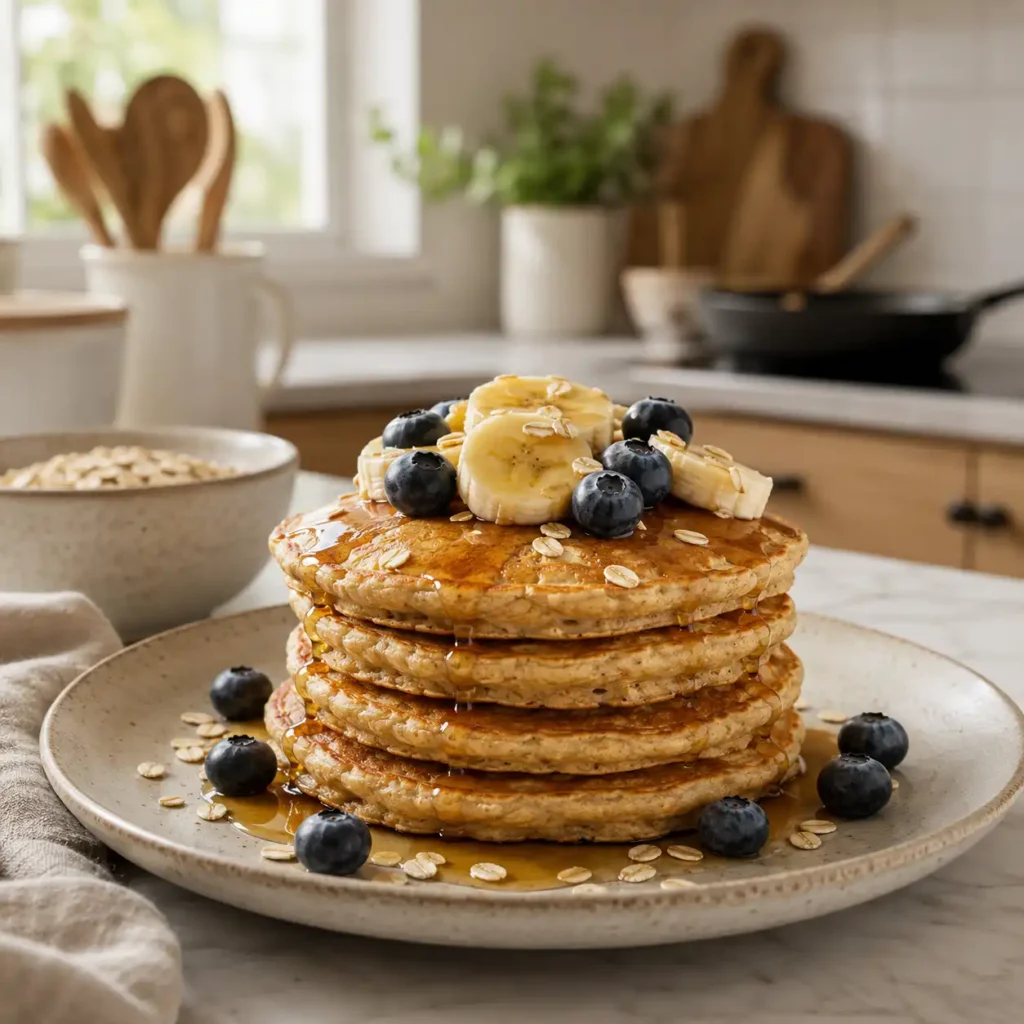
Mornings often feel rushed, leaving us searching for a meal that satisfies our cravings without weighing us down. Finding a healthy pancake recipe that actually tastes good can feel like a chore, but it doesn’t have to be. This guide focuses on creating a stack that is fluffy, delicious, and packed with nutrients. By swapping refined sugars and processed flours for whole ingredients, you can turn a weekend treat into a daily win for your body. Let’s look at how to make your breakfast both nourishing and comforting.
Table of Contents
Why Choose a Healthy Pancake Recipe?
Switching to a healthy pancake recipe is one of the easiest ways to improve your daily routine. Traditional pancakes are often made with white flour and heaps of sugar, which can lead to a mid-morning energy crash. When you use whole grains and natural sweeteners, you get a steady release of energy. This keeps you feeling full and focused until lunch. Making this small change in your kitchen helps you enjoy your favorite comfort food while supporting your long-term wellness goals.
Better Digestion and Satiety
One of the main perks of a healthy pancake recipe is the fiber content. Most versions use oats or whole-wheat flour, which are excellent for your digestive system. High-fiber ingredients slow down the absorption of sugar into your bloodstream. This prevents the jitters and keeps your hunger in check. If you are looking for more ways to stay full, check out these high fiber foods for weight loss that pair perfectly with a balanced diet.
Protein Power to Start the Day
Protein is the building block of a good breakfast. A solid healthy pancake recipe often includes eggs, Greek yogurt, or even cottage cheese to boost the protein count. Protein helps repair muscles and keeps your metabolism humming. Many people find that adding protein to their morning meal reduces cravings later in the afternoon. For those who love a variety of morning options, trying a cottage cheese breakfast healthy enough for every day is another great way to get that protein fix.
Print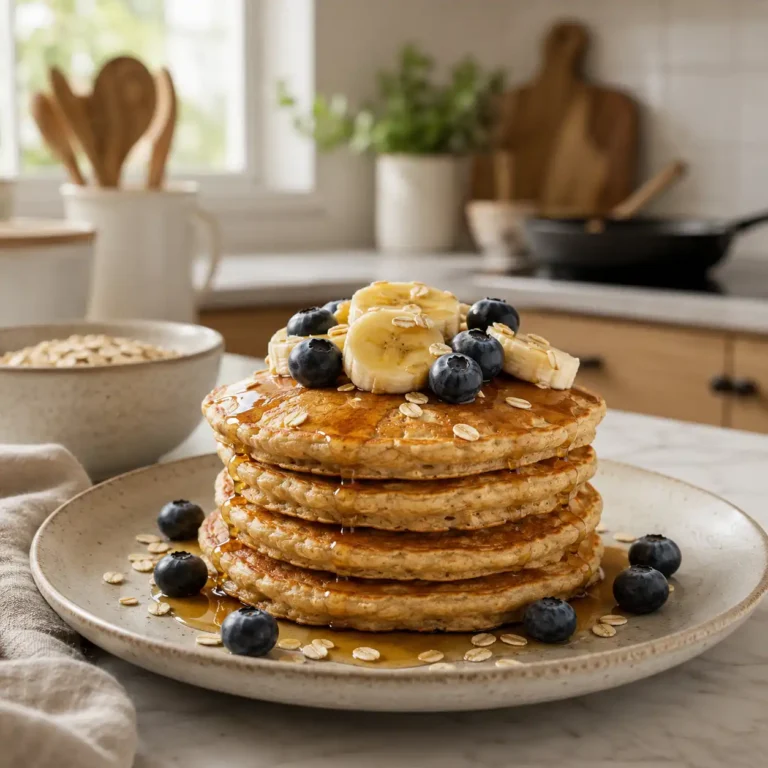
The Ultimate Healthy Pancake Recipe for a Better Morning
A nutrient-dense, fluffy pancake recipe using whole grains and Greek yogurt to provide steady energy and long-lasting satiety.
- Total Time: 25 minutes
- Yield: 4 servings 1x
Ingredients
- 1 cup Rolled oats (blended into flour)
- 1/2 cup Whole wheat flour
- 1 teaspoon Baking powder
- 1/2 teaspoon Ground cinnamon
- 1 cup Low-fat Greek yogurt
- 2 Large eggs
- 1/4 cup Unsweetened almond milk
- 1 tablespoon Pure maple syrup
- 1 teaspoon Vanilla extract
- 1/4 cup Fresh blueberries for topping
Instructions
- Step 1: Prepare Oat Flour – Pulse rolled oats in a high-speed blender until they reach a fine, flour-like consistency.
- Step 2: Mix Dry Ingredients – In a medium mixing bowl, whisk together the oat flour, whole wheat flour, baking powder, and cinnamon.
- Step 3: Combine Wet Ingredients – In a separate large bowl, whisk the Greek yogurt, eggs, almond milk, maple syrup, and vanilla until smooth.
- Step 4: Create Batter – Gradually stir the dry ingredients into the wet mixture until just combined, ensuring you do not overmix.
- Step 5: Heat Griddle – Preheat a non-stick skillet or griddle over medium-low heat and lightly coat with a small amount of coconut oil or cooking spray.
- Step 6: Portion Batter – Scoop approximately 1/4 cup of batter per pancake onto the hot surface, spacing them evenly.
- Step 7: Cook First Side – Let the pancakes cook for 2-3 minutes until small bubbles form on the surface and the edges appear dry.
- Step 8: Flip and Finish – Carefully flip each pancake and cook for an additional 1-2 minutes until golden brown and cooked through.
- Step 9: Garnish and Serve – Serve the warm pancakes immediately with fresh berries and a light drizzle of extra syrup if desired.
Notes
For an even higher protein boost, swap the Greek yogurt for blended cottage cheese. If the batter becomes too thick, add a splash more milk.
- Prep Time: 10 minutes
- Cook Time: 15 minutes
- Category: Breakfast
- Method: Stovetop
- Cuisine: American
- Diet: Vegetarian
Nutrition
- Serving Size: 2 pancakes
- Calories: 245 kcal
- Sugar: 7g
- Sodium: 190mg
- Fat: 6g
- Saturated Fat: 1.5g
- Unsaturated Fat: 4.5g
- Trans Fat: 0.01g
- Carbohydrates: 34g
- Fiber: 5g
- Protein: 15g
- Cholesterol: 93mg
Keywords: healthy pancakes, high protein breakfast, oat flour recipe, whole grain pancakes, greek yogurt
Essential Ingredients for Your Healthy Pancake Recipe
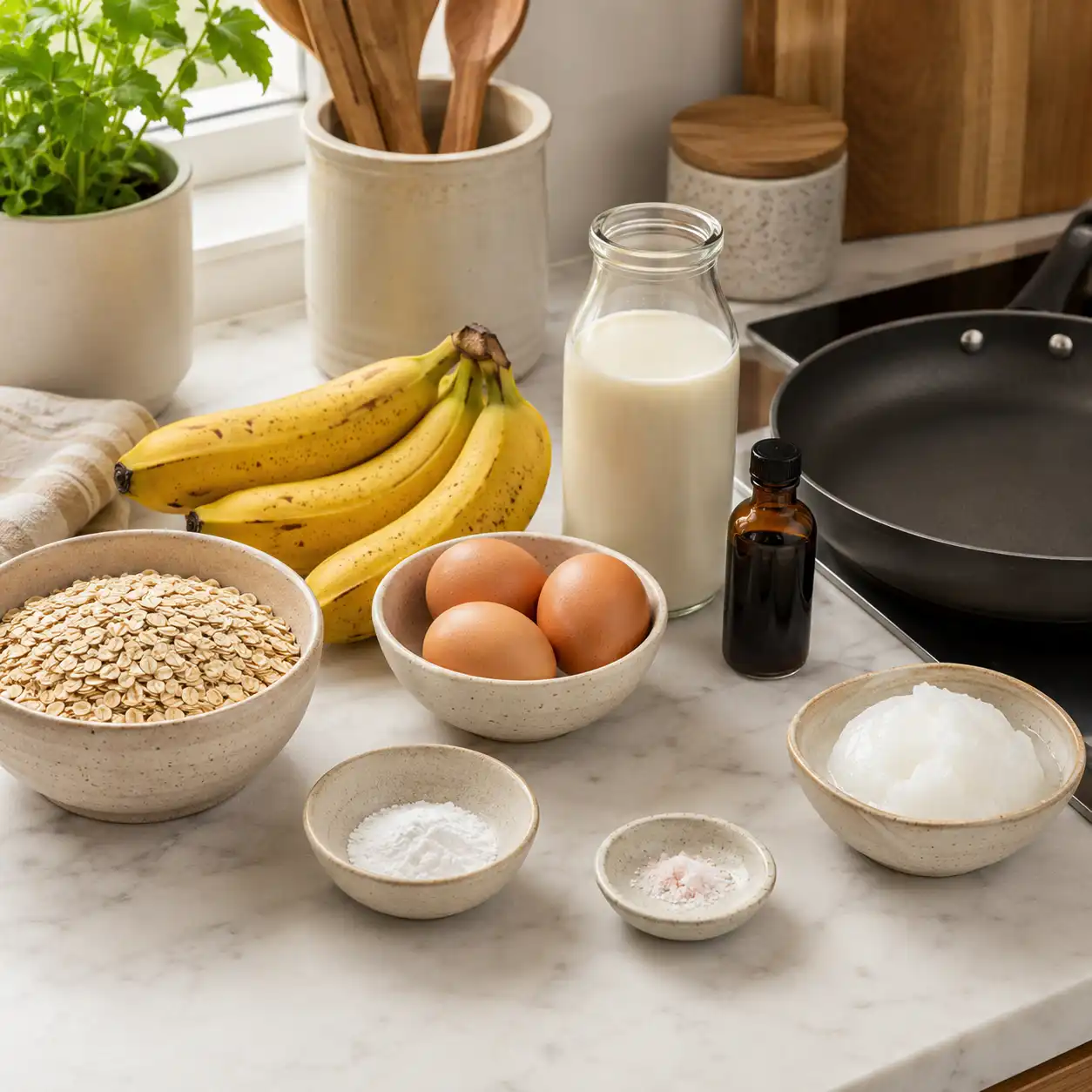
To get the best results, you need the right building blocks. The base of a healthy pancake recipe usually moves away from bleached all-purpose flour. Instead, look toward rolled oats or almond flour. These provide a nutty flavor and a much better nutrient profile. Rolled oats are particularly great because they can be blended into a fine flour in seconds, making the texture of your pancakes surprisingly smooth and light.
Natural Sweeteners and Flavorings
Skip the refined white sugar. A healthy pancake recipe relies on the natural sweetness of ripe bananas or a splash of pure maple syrup. Mashed bananas not only add sweetness but also contribute to a moist, tender crumb. Cinnamon and vanilla extract are your best friends here. They provide a warm, aromatic quality that makes the kitchen smell amazing without adding any extra calories or chemicals. Using real ingredients makes a world of difference in the final taste.
Healthy Fats and Liquids
Instead of heavy cream or butter, use heart-healthy options like almond milk or melted coconut oil. These liquids help keep the batter smooth while providing essential fats that your brain needs to function. According to the Harvard T.H. Chan School of Public Health, whole grains like the oats used in this healthy pancake recipe provide essential B vitamins and minerals that processed grains lack. Choosing these ingredients means you are fueling your body with high-quality nutrients from the very first bite of the day.
The Best Healthy Pancake Recipe: Step-by-Step Instructions
Creating the perfect stack is an art form, but this healthy pancake recipe makes it simple. You don’t need fancy equipment just a blender or a bowl and a good non-stick skillet. The key is to keep the heat at a medium-low setting so the middle cooks through without burning the outside. Because these pancakes don’t have the same structure as white-flour versions, they benefit from a slightly longer, slower cook time to get that perfect golden finish.
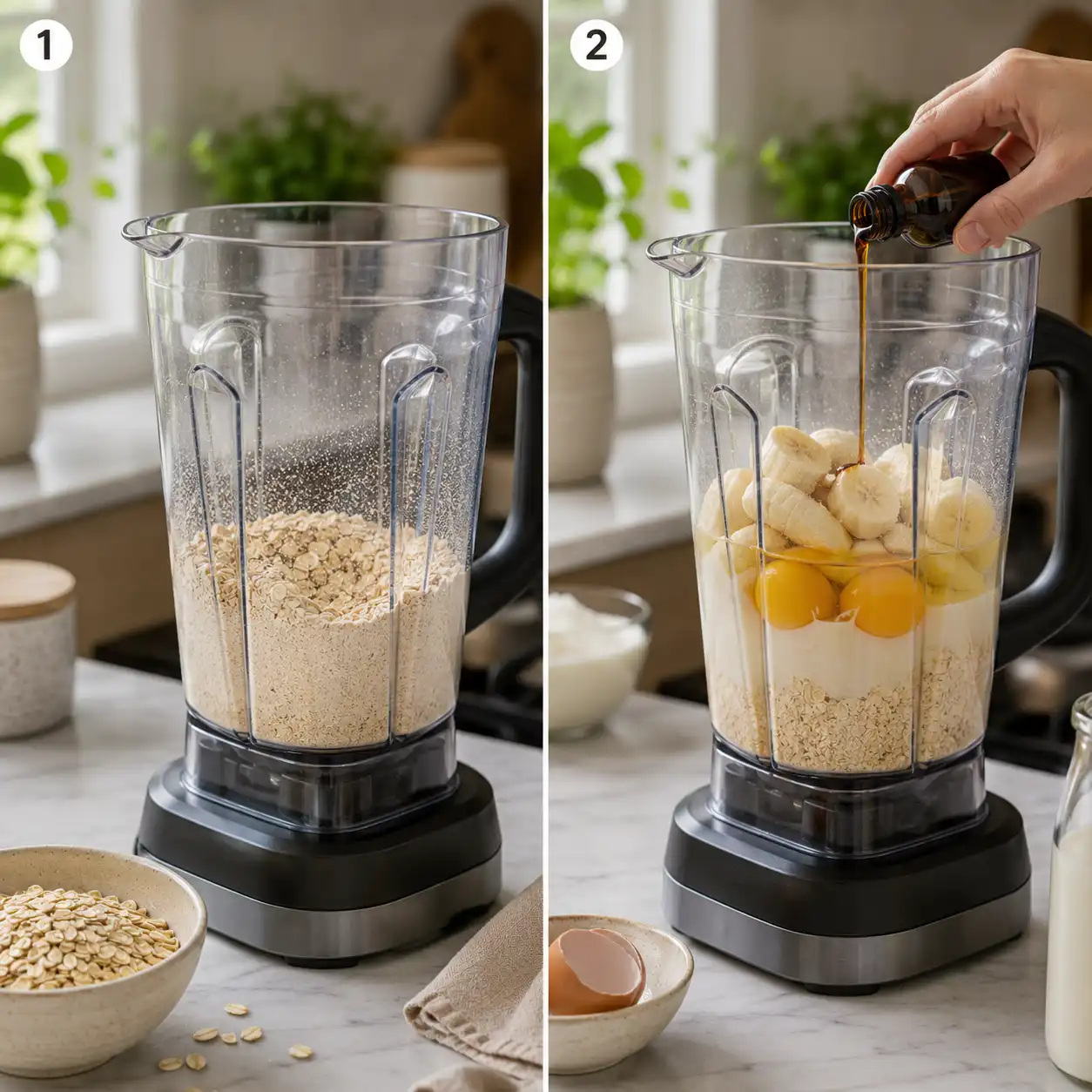
- Step 1: Blend the Base – Place two cups of rolled oats into a blender and pulse until they reach a flour-like consistency.
- Step 2: Add Wet Ingredients – To the blender, add two ripe bananas, two large eggs, half a cup of unsweetened almond milk, and a teaspoon of vanilla extract.
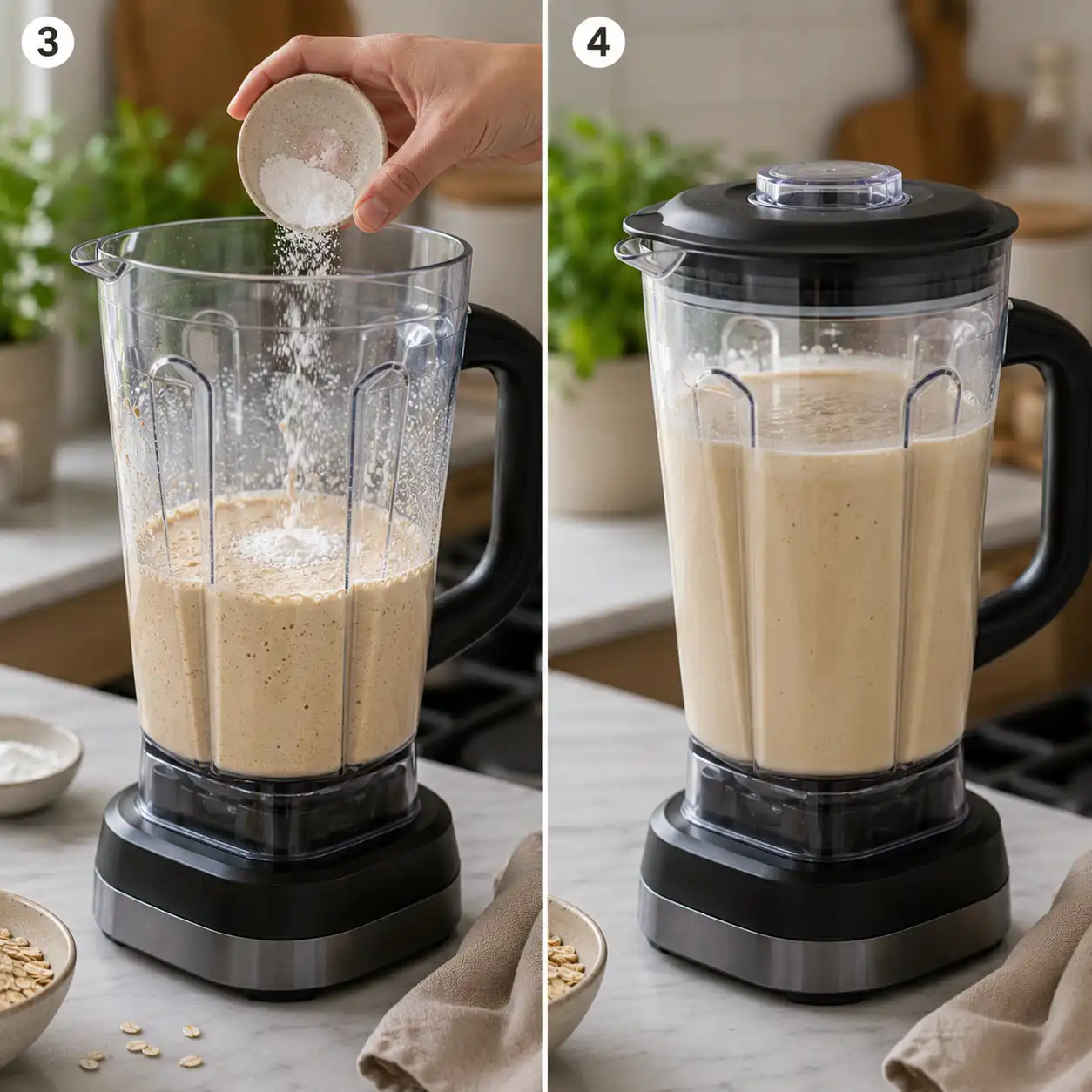
- Step 3: Include Leavening – Add one teaspoon of baking powder and a pinch of salt to help your healthy pancake recipe get that signature lift.
- Step 4: Mix Until Smooth – Blend everything on medium speed until the batter is creamy and there are no large lumps of banana left.
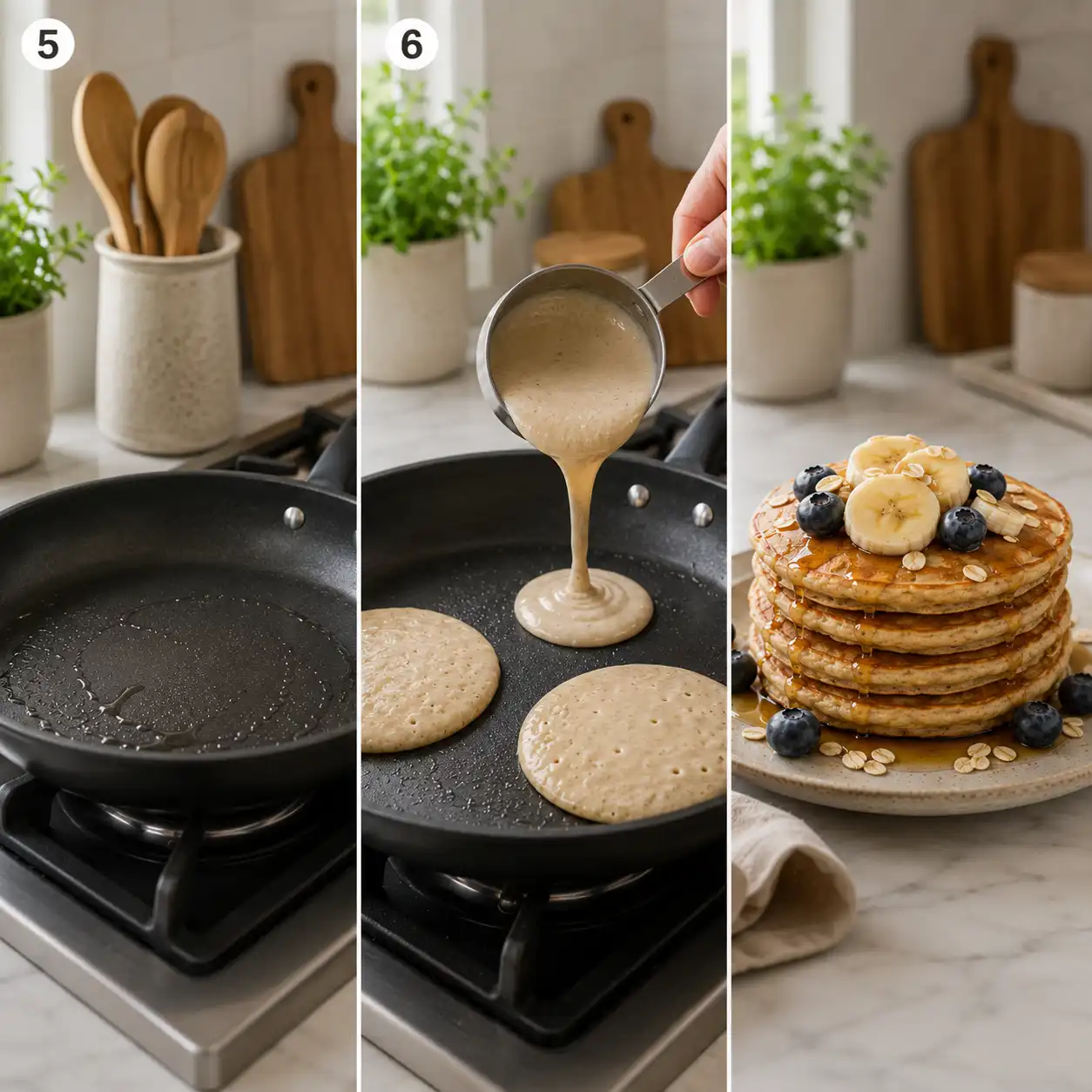
- Step 5: Preheat the Pan – Lightly coat a non-stick skillet with a small amount of coconut oil or cooking spray and heat over medium-low.
- Step 6: Pour the Batter – Use a quarter-cup measure to pour the batter onto the hot skillet, making sure not to crowd the pan.
- Step 7: Watch for Bubbles – Let the pancakes cook for about 2 to 3 minutes until small bubbles form on the surface and the edges look set.
- Step 8: Flip Carefully – Use a wide spatula to flip the pancakes and cook for another 1 to 2 minutes on the other side until golden brown.
- Step 9: Serve Warm – Remove the pancakes from the heat and stack them high, topping with fresh fruit or a drizzle of honey.
Customizing Your Healthy Pancake Recipe
One of the best things about a healthy pancake recipe is how versatile it is. You can change the flavor profile every single morning just by adding a few simple mix-ins. If you want something a bit more decadent, fold in a handful of dark chocolate chips or blueberries. For a crunchier texture, crushed walnuts or pecans work beautifully. These additions don’t just add flavor; they also contribute extra antioxidants and healthy fats to your meal.
Adding More Protein
If you have high activity levels or are focused on muscle growth, you might want to increase the protein in your healthy pancake recipe. You can stir in a scoop of your favorite protein powder or even add a dollop of Greek yogurt directly into the batter. This makes the pancakes thicker and more filling. If you enjoy protein-heavy starts to your day, you might also like trying scrambled eggs with cottage cheese as a savory alternative on other mornings.
Seasonal Variations
You can adapt your healthy pancake recipe to match the seasons. In the fall, add a tablespoon of pumpkin puree and some pumpkin spice to the batter. In the summer, use fresh strawberries or peaches as a topping. Using seasonal produce keeps your breakfast routine from becoming boring. It also allows you to take advantage of the freshest nutrients available at your local market. Experimenting with different fruits keeps the healthy pancake recipe feeling new and exciting all year round.
The Science of a Great Texture
A common complaint about any healthy pancake recipe is that the texture can be dense or gummy. This usually happens because there is too much moisture or not enough leavening. To prevent this, make sure your baking powder is fresh. Baking powder creates tiny air pockets as the batter hits the heat. Another trick is to let the batter rest for about five minutes after blending. This allows the oat flour to hydrate, resulting in a much lighter and fluffier pancake.
Temperature control is also vital. If the pan is too hot, the outside of your healthy pancake recipe will burn before the inside is cooked through. If it is too cold, the pancakes will soak up too much oil and become greasy. A medium-low heat is generally the “sweet spot” for oat-based or banana-based pancakes. Patience is a virtue here; waiting for those bubbles to appear on the surface is the surest sign that it is time to flip and finish the process.
Nutritional Comparison
Understanding what goes into your food is part of living a balanced life. When we look at a healthy pancake recipe compared to a standard diner-style recipe, the differences are striking. The healthy version usually contains half the calories and triple the fiber. This table helps show how the ingredients in a healthy pancake recipe stack up against traditional versions.
| Nutrient (Per Serving) | Traditional Pancakes | Healthy Pancake Recipe |
|---|---|---|
| Calories | 450 kcal | 220 kcal |
| Fiber | 1g | 6g |
| Protein | 4g | 9g |
| Added Sugar | 15g | 0g (natural only) |
| Saturated Fat | 8g | 2g |
Tips for Perfect Flips Every Time
Flipping is often the most intimidating part of making a healthy pancake recipe. Because these pancakes lack the gluten found in traditional wheat flour, they can be a bit more fragile. The first rule is to use a good quality non-stick pan. This reduces the amount of oil you need and prevents the batter from sticking. If you find your pancakes are breaking, try making them slightly smaller. Smaller pancakes are much easier to handle and flip without any mess.
Wait for the right moment. You will see bubbles forming on the top, but you should also look at the edges. When the edges look “matte” or dry rather than shiny and wet, your healthy pancake recipe is ready to be turned over. Use a thin, flexible spatula and slide it all the way under the pancake before giving it a quick, confident flick of the wrist. If you hesitate, the pancake is more likely to fold or tear. Practice makes perfect, and even the “ugly” pancakes still taste delicious!
Meal Prepping Your Pancakes
You might think that a healthy pancake recipe is only for slow Saturday mornings, but it is actually perfect for meal prep. You can make a large batch on the weekend and store them for the week ahead. This saves you time during those busy workdays when you might otherwise reach for a sugary cereal or a processed granola bar. Having a nutritious breakfast ready in minutes helps you stay on track with your health goals without any extra stress.
To store your pancakes, let them cool completely on a wire rack first. If you stack them while they are still warm, the steam will make them soggy. Once cooled, place them in an airtight container with a piece of parchment paper between each layer. They will stay fresh in the fridge for up to four days. When you are ready to eat, simply pop them in the toaster or microwave for a few seconds. They regain their fluffiness and taste just as good as when they were fresh off the griddle.
Freezing for Long-Term Storage
If you want to keep your healthy pancake recipe results even longer, the freezer is a great option. Flash-freeze the pancakes on a baking sheet for an hour before transferring them to a freezer bag. This prevents them from sticking together. They can last for up to two months in the freezer. This is a lifesaver for parents or busy professionals who need a quick, wholesome meal on the go. Just reheat and enjoy a warm, homemade breakfast any day of the week.
Pairing for a Complete Meal
While a healthy pancake recipe is great on its own, pairing it with other nutritious items makes it a complete feast. Consider serving your stack with a side of fresh berries or a spoonful of nut butter for extra healthy fats. If you prefer a liquid breakfast companion, you might enjoy peanut butter overnight oats recipes on the days you don’t have time to use the stove. Balancing your plate with different textures and flavors makes the meal more satisfying and keeps your palate interested.
Common Mistakes to Avoid
Even with a simple healthy pancake recipe, things can go wrong. The most common mistake is over-blending the batter if you are using a mix of flours. While oat-only batter is hard to over-mix, recipes using whole wheat or almond flour can become tough if worked too much. Another error is using bananas that aren’t ripe enough. The best healthy pancake recipe depends on those brown-spotted bananas for moisture and sweetness. If your bananas are still yellow and firm, the pancakes will be bland and dry.
Also, watch your leavening agents. If your baking powder is old, your pancakes will be flat as a board. A quick way to test your baking powder is to put a pinch in a drop of water; if it fizzes, it is still good to use. Finally, don’t be tempted to turn up the heat to cook them faster. High heat will char the outside while leaving the middle raw. Stick to medium-low and let the magic happen slowly. Your patience will be rewarded with a perfect, golden-brown healthy pancake recipe every time.
The Role of Healthy Pancakes in a Balanced Diet
Maintaining a healthy weight and good energy levels isn’t about deprivation; it’s about making better choices. A healthy pancake recipe fits perfectly into a lifestyle focused on whole foods. According to the Mayo Clinic, choosing complex carbohydrates like oats helps manage blood sugar levels and supports heart health. By choosing this meal, you are prioritizing your health without giving up the foods you love.
It is also important to listen to your body’s hunger cues. While this healthy pancake recipe is nutrient-dense, it is still a meal. Pay attention to your portion sizes and enjoy every bite. When you eat food that is both delicious and good for you, you are less likely to feel restricted. This positive relationship with food is key to sustaining any health journey. Whether you are training for a marathon or just trying to get through a long workday, these pancakes provide the steady fuel you need to succeed.
FAQs
Can I make this healthy pancake recipe vegan?
Yes, you can easily adapt a healthy pancake recipe to be vegan. Replace the eggs with “flax eggs” (one tablespoon of ground flaxseed mixed with three tablespoons of water per egg). You can also use a mashed banana or applesauce as a binder. Ensure your milk choice is plant-based, such as soy, almond, or oat milk. The texture might be slightly denser, but the flavor will still be wonderful.
Is this healthy pancake recipe gluten-free?
If you use certified gluten-free oats, then yes, this healthy pancake recipe is completely gluten-free. While oats themselves do not contain gluten, they are often processed in facilities that handle wheat. Always check the label to make sure the oats are safe for those with celiac disease or gluten sensitivity. Using almond flour or buckwheat flour are also great gluten-free alternatives for this recipe.
What are the best toppings for a healthy pancake recipe?
Instead of sugary syrups, try topping your healthy pancake recipe with Greek yogurt and fresh fruit. A drizzle of almond butter or a sprinkle of hemp seeds adds a nice crunch and extra protein. If you really want syrup, opt for a small amount of 100% pure maple syrup or honey. Some people even enjoy a squeeze of lemon and a tiny bit of stevia for a zesty, low-calorie finish.
Can I use this recipe for waffles?
Absolutely! This healthy pancake recipe batter works quite well in a waffle iron. You may want to add a teaspoon of melted coconut oil to the batter to help the waffles get crispy on the outside. Make sure to grease your waffle iron well, as the banana in the batter can sometimes be sticky. Cook until the steam stops rising from the iron for the best results.
Conclusion
Embracing a healthy pancake recipe is a fantastic way to treat yourself while staying true to your wellness journey. By using whole grains, natural sweeteners, and protein-rich ingredients, you create a breakfast that fuels your body and satisfies your soul. Remember that cooking is a personal experience; feel free to tweak the ingredients to fit your specific tastes and needs. With a little practice, these pancakes will become a staple in your home, proving that “healthy” and “delicious” can indeed live on the same plate. Enjoy your cooking and the vibrant energy that follows a great meal!
Disclaimer
The content provided on this website is for general informational and educational purposes only. It is not intended to replace professional medical advice, diagnosis, or treatment. I am not a licensed healthcare provider or certified nutrition expert.
Always seek guidance from a qualified medical professional before making any changes to your diet, especially if you have underlying health conditions, allergies, or specific dietary needs. Individual results may vary, and your health and safety should always come first.