When the weather turns cold or you feel a bit under the weather, nothing beats a warm, soothing bowl of Italian Penicillin Soup. Known traditionally as pastina, this simple dish has earned its nickname because of its incredible ability to make anyone feel better almost instantly. It is a humble recipe that uses tiny pasta, rich broth, and a few kitchen staples to create a creamy, heart-warming meal that tastes like a hug from an Italian grandmother.
Table of Contents
What Exactly is Italian Penicillin Soup?
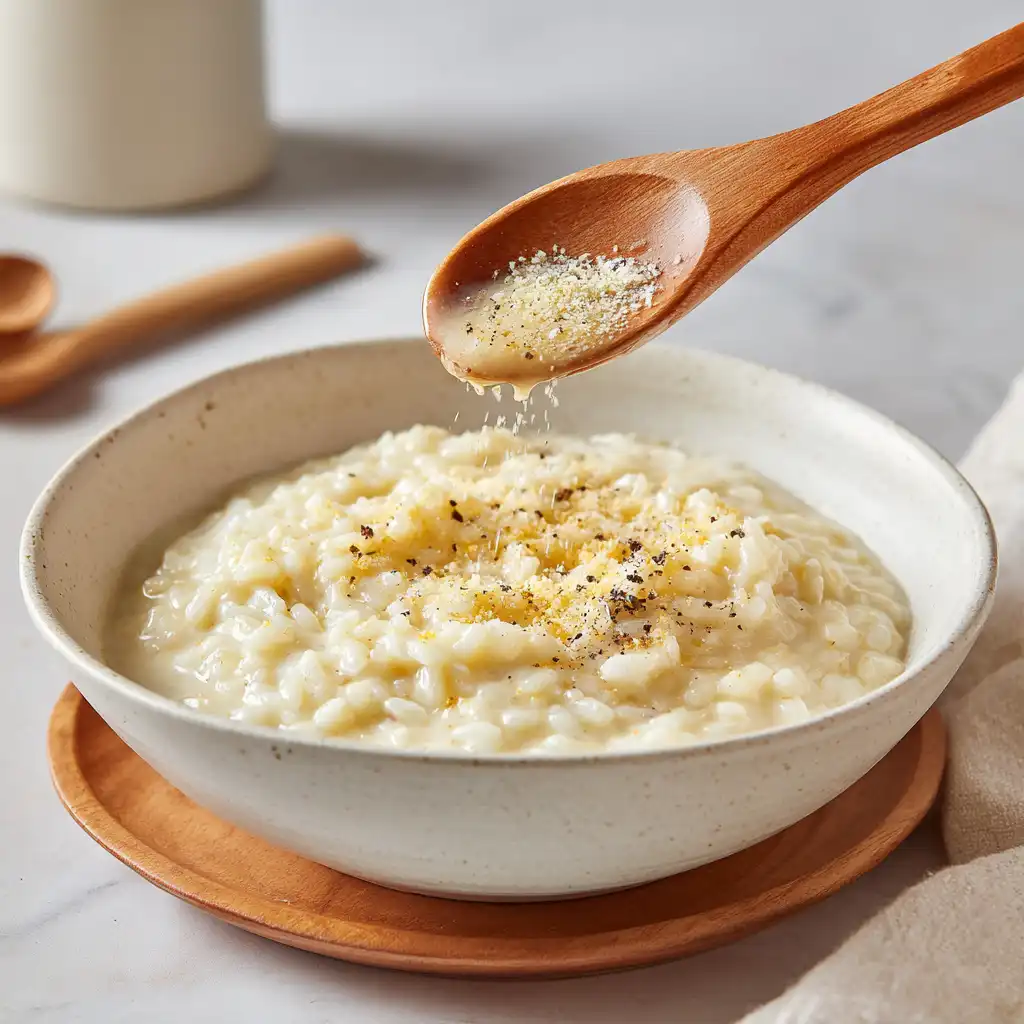
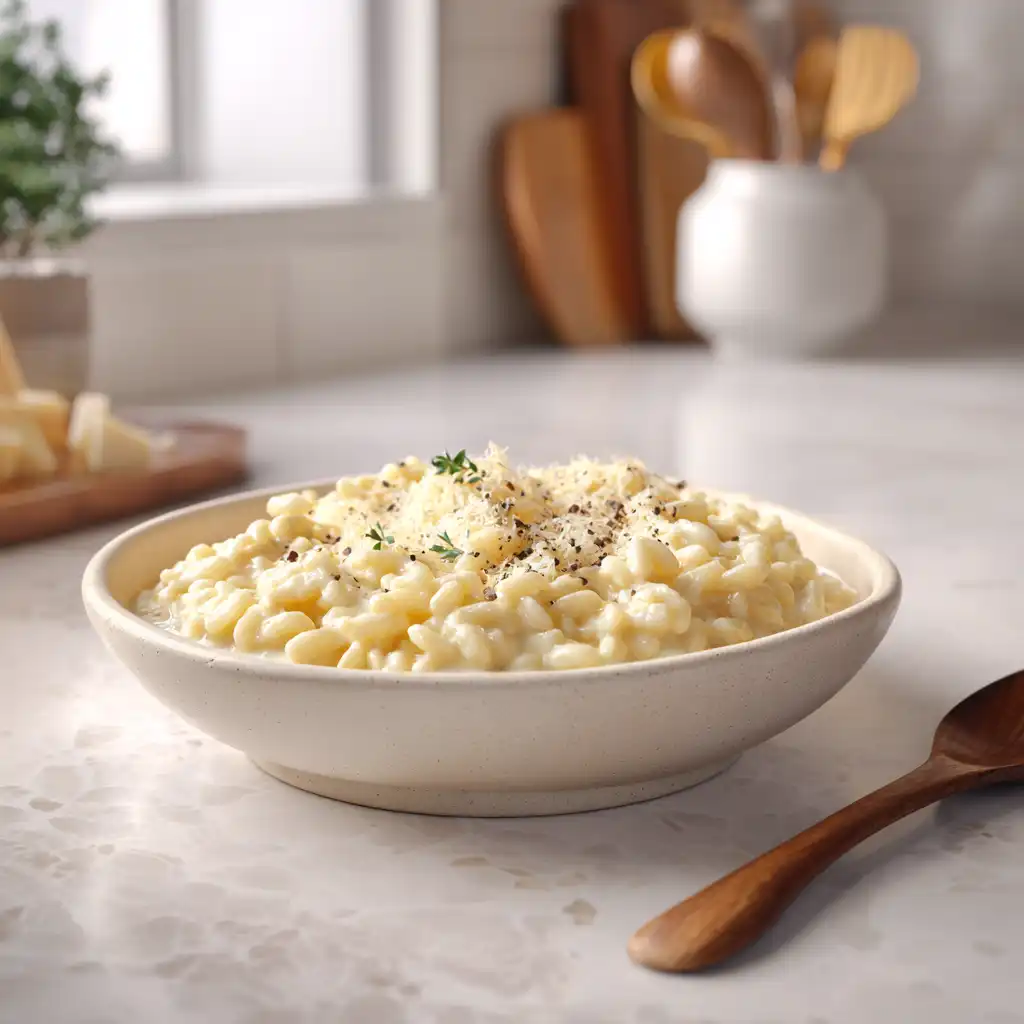
Italian Penicillin Soup is more than just a quick meal; it is a cultural staple in many households. The name refers to the belief that this soup can cure whatever ails you, from a common cold to a bad day. It usually consists of the smallest pasta shapes available, often called pastina, cooked in a flavorful chicken broth. Unlike a thin broth, this soup often has a thicker, almost porridge-like consistency that feels incredibly satisfying and easy on the stomach. It is the go-to remedy for kids and adults alike when they need something gentle yet nourishing.
The History of Pastina
The tradition of serving tiny pasta in broth dates back generations in Italy. Families would use the smallest bits of pasta because they cook quickly and are easy for young children to eat. This practice eventually became synonymous with healing and recovery. You can find out more about the different varieties of pastina through historical culinary records, which show that these tiny shapes were often the first solid food given to Italian babies. Over time, the recipe evolved slightly from house to house, but the core idea of “Italian Penicillin” remained the same: simple, salty, and soothing.
Why the Nickname Matters
The nickname “Italian Penicillin Soup” highlights the emotional connection people have with this food. It isn’t just about the vitamins in the broth; it is about the nostalgia and the care put into the preparation. When someone makes this for you, it shows they want you to feel your best. The warmth of the steam, the saltiness of the parmesan, and the soft texture of the pasta work together to calm the senses. It is a reminder that sometimes the most basic ingredients provide the most relief during stressful or sickly times.
Print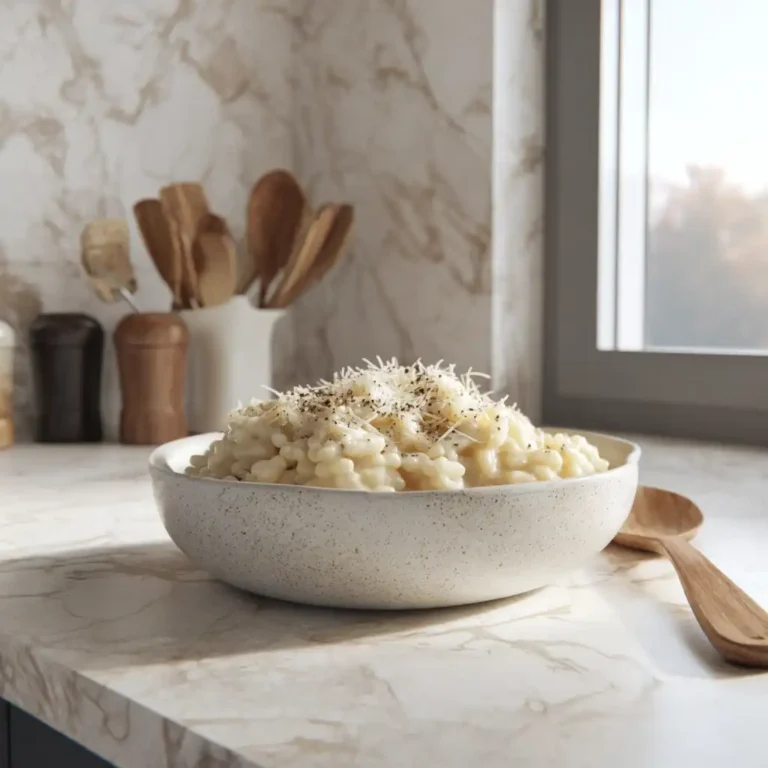
Italian Penicillin Soup: The Ultimate Comfort in a Bowl
A heart-warming and soothing Italian comfort dish, also known as pastina, featuring tiny pasta shapes cooked in a rich, savory broth until creamy and satisfying.
- Total Time: 15 minutes
- Yield: 2 servings 1x
Ingredients
- 3 cups high-quality chicken broth
- 1/2 cup pastina pasta (stars or acini di pepe)
- 1 tablespoon unsalted butter
- 1/4 cup freshly grated Parmesan cheese
- 1 large egg
- 1/8 teaspoon sea salt
- 1/8 teaspoon cracked black pepper
- 1 teaspoon fresh parsley, chopped
Instructions
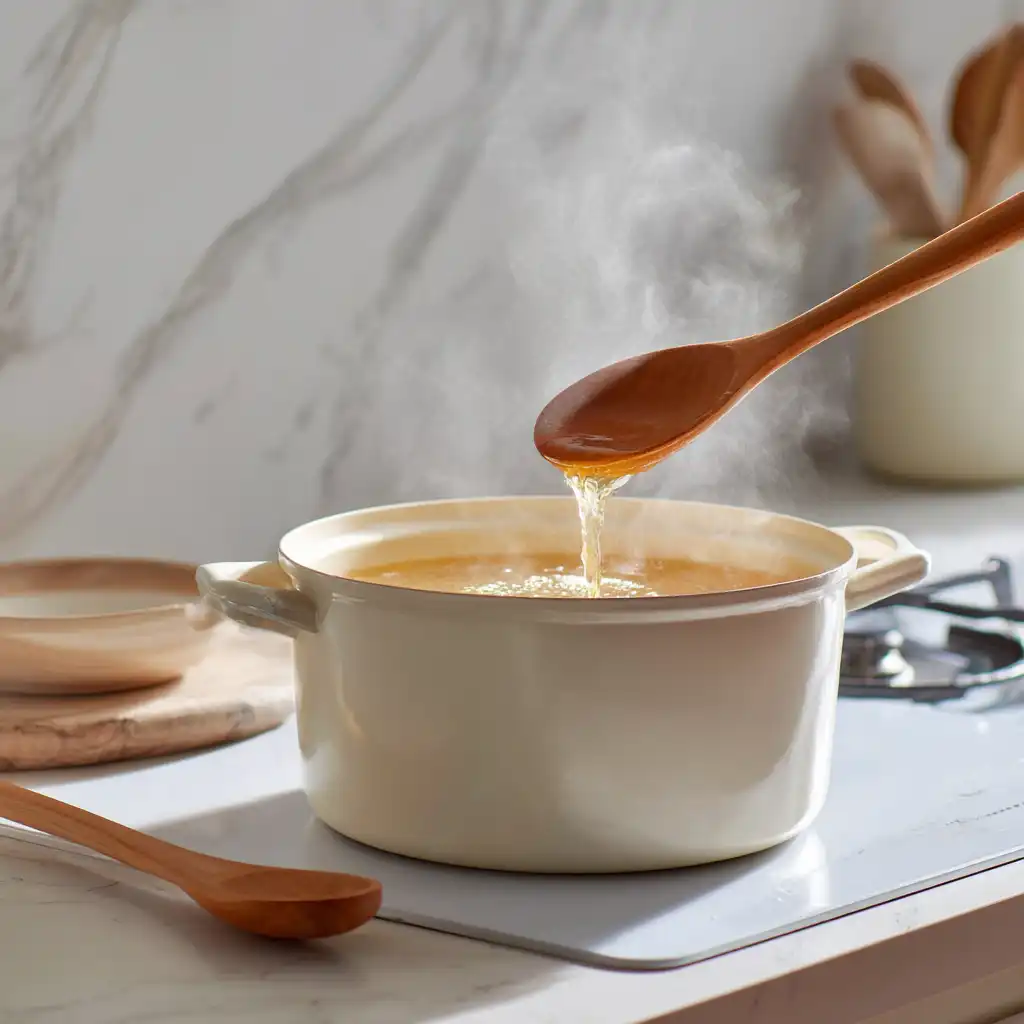
- Step 1: Prepare Broth – Pour the chicken broth into a medium saucepan and place over medium-high heat.
- Step 2: Boil Liquid – Bring the broth to a rolling boil, ensuring it is hot enough to cook the pasta quickly.
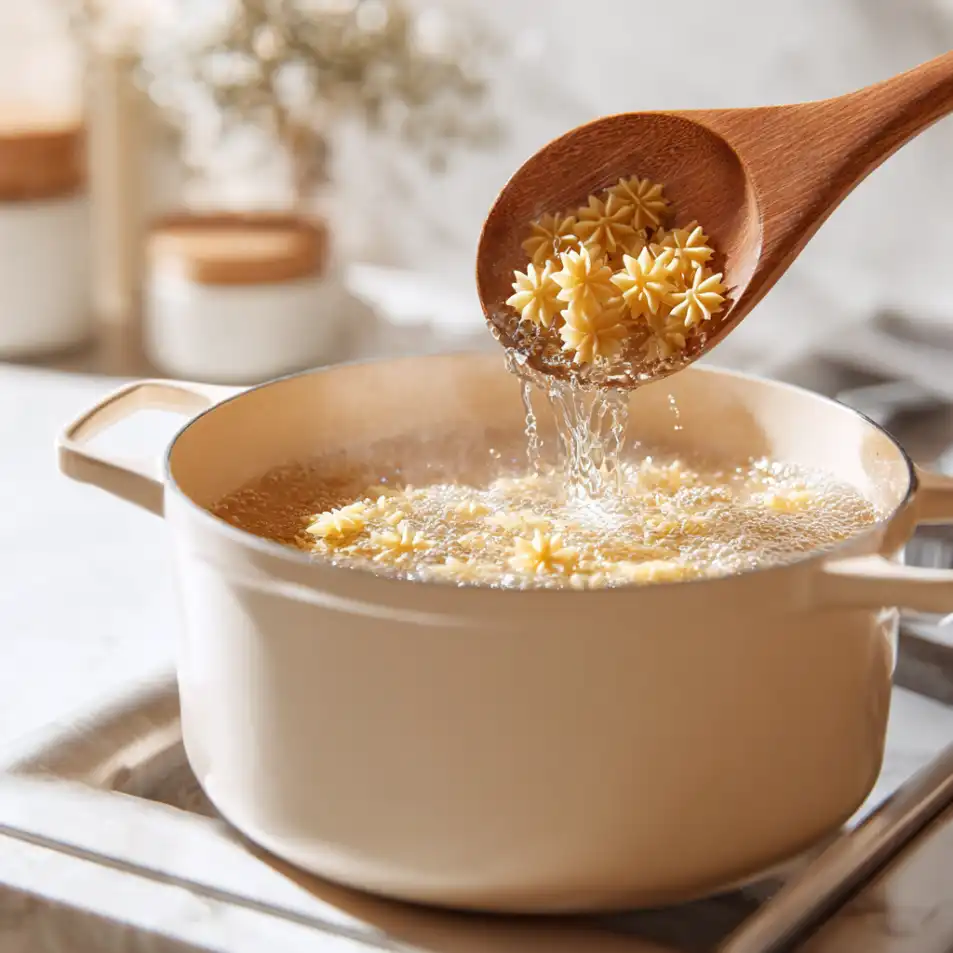
- Step 3: Add Pasta – Carefully pour the tiny pastina into the boiling broth and stir immediately to prevent sticking.
- Step 4: Reduce Heat – Lower the heat to a simmer and cook the pasta for approximately 8 to 10 minutes.
- Step 5: Monitor Absorption – Stir frequently until the pasta is tender and has absorbed most of the savory liquid.
- Step 6: Melt Butter – Add the unsalted butter to the saucepan, stirring until it is completely melted and creamy.
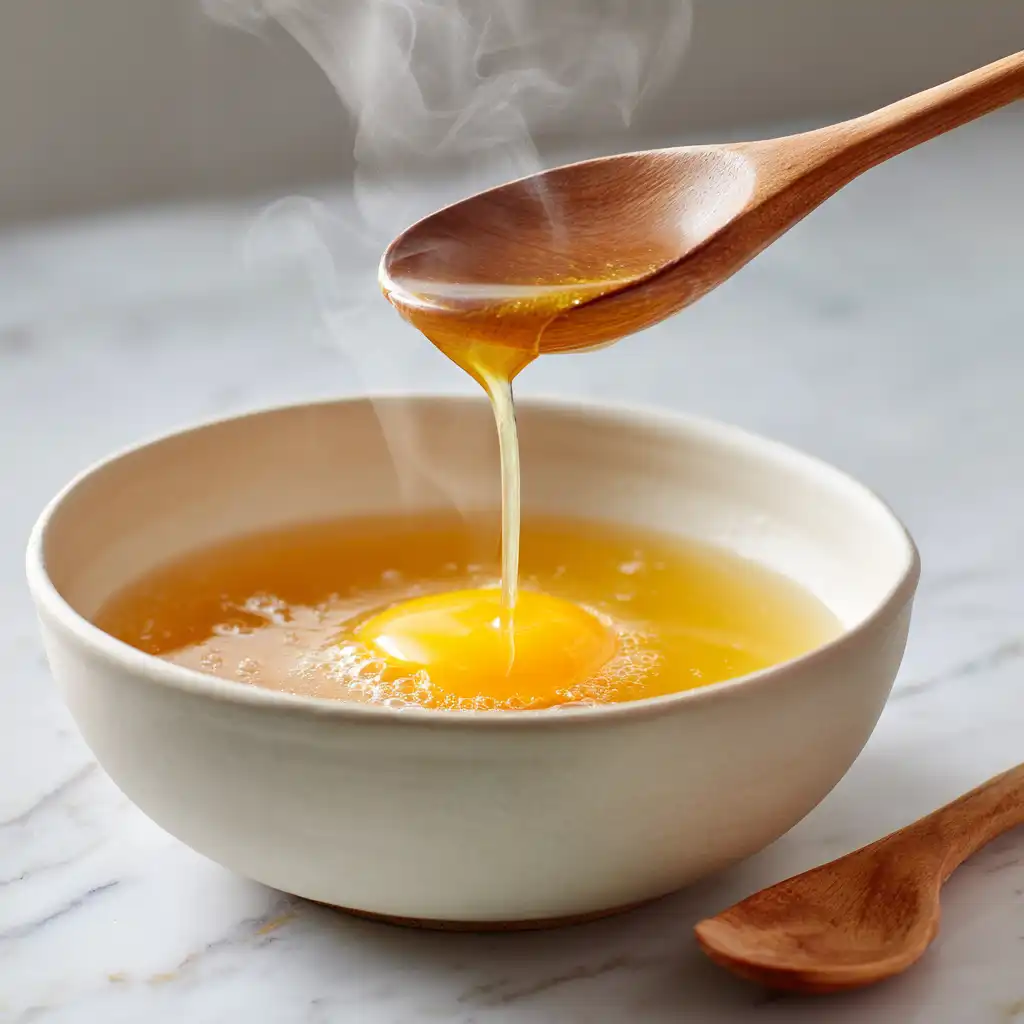
- Step 7: Temper Egg – Whisk the egg and slowly drizzle it into the pasta while stirring constantly for a silky texture.
- Step 8: Final Seasoning – Stir in the Parmesan cheese, salt, pepper, and parsley, then serve immediately while hot.
Notes
For a thinner consistency, add an extra half cup of broth. Always stir the egg quickly to avoid large clumps.
- Prep Time: 5 minutes
- Cook Time: 10 minutes
- Category: Soup
- Method: Stovetop
- Cuisine: Italian
- Diet: Comfort Food
Nutrition
- Serving Size: 1 bowl
- Calories: 320 kcal
- Sugar: 1.2g
- Sodium: 840mg
- Fat: 14g
- Saturated Fat: 7g
- Unsaturated Fat: 5g
- Trans Fat: 0.1g
- Carbohydrates: 34g
- Fiber: 1.5g
- Protein: 13g
- Cholesterol: 115mg
Keywords: Pastina, Italian Penicillin, Comfort Food, Flu Remedy, Easy Dinner
Essential Ingredients for Success
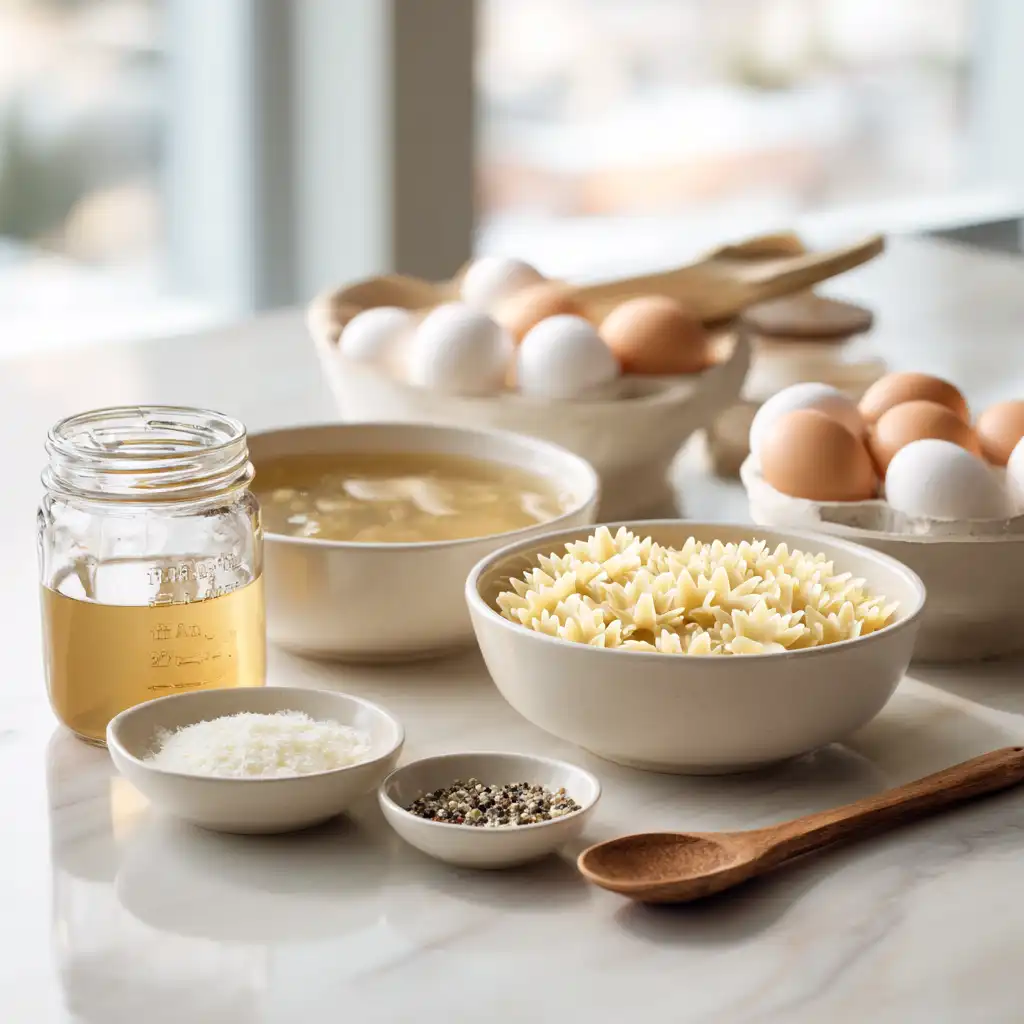
Making a great Italian Penicillin Soup does not require a trip to a specialty grocery store. In fact, you probably have most of what you need in your pantry right now. The magic lies in the quality of the components. Since there are so few ingredients, choosing a high-quality chicken broth or making your own from scratch can really change the final result. You want a liquid that is deep in color and rich in flavor to serve as the base for your tiny pasta shapes.
Selecting the Right Pasta
The star of the show is the pastina. These are very small pasta shapes, with the most common being “stelline,” which are tiny stars. Other options include “tempestina” (little drops) or “acini di pepe” (peppercorns). Because they are so small, they absorb the broth and create a creamy texture without needing any heavy creams or thickeners. This makes the Italian Penicillin Soup feel light yet filling at the same time. If you cannot find traditional pastina, any extremely small pasta shape will work in a pinch, but the stars are the most authentic choice.
The Role of Chicken and Broth
A good chicken broth is the backbone of this recipe. While many people use store-bought stock for convenience, simmering chicken bones with carrots, celery, and onions creates a much deeper flavor profile. If you are using leftover chicken meat, make sure it is shredded finely so it mixes well with the small pasta. When preparing your chicken, it is important to monitor the heat. You can check the temp of cooked chicken guide to make sure your poultry is safe and juicy before adding it to your soup. Using fresh, well-cooked chicken helps the soup feel like a complete, protein-rich meal.
The Creamy Finish: Egg and Cheese
The secret to the “penicillin” effect is often the addition of an egg and a generous amount of Parmesan cheese. Whisking an egg into the hot soup right at the end creates silky ribbons or a creamy consistency, depending on how fast you stir. This adds richness and extra nutrients. The cheese provides the necessary saltiness and a savory depth that ties everything together. High-quality Pecorino Romano or Parmigiano-Reggiano is preferred. The cheese melts into the broth, thickening it slightly and making every spoonful feel decadent despite the simplicity of the dish.
Step-by-Step Guide to Perfect Italian Penicillin Soup
Preparing this dish is fast, usually taking less than fifteen minutes once your broth is ready. It is the perfect solution for a busy weeknight or a morning when you feel a scratchy throat coming on. Following a specific order helps make sure the pasta is tender and the egg does not scramble too harshly. You want the soup to be smooth and consistent throughout. Here is the best way to assemble your bowl of comfort.
- Step 1: Boil the Broth – Place four cups of high-quality chicken broth in a medium pot and bring it to a gentle boil over medium-high heat.
- Step 2: Cook the Pasta – Add half a cup of pastina to the boiling broth. Reduce the heat to medium and let it simmer, stirring occasionally to prevent the tiny stars from sticking to the bottom.
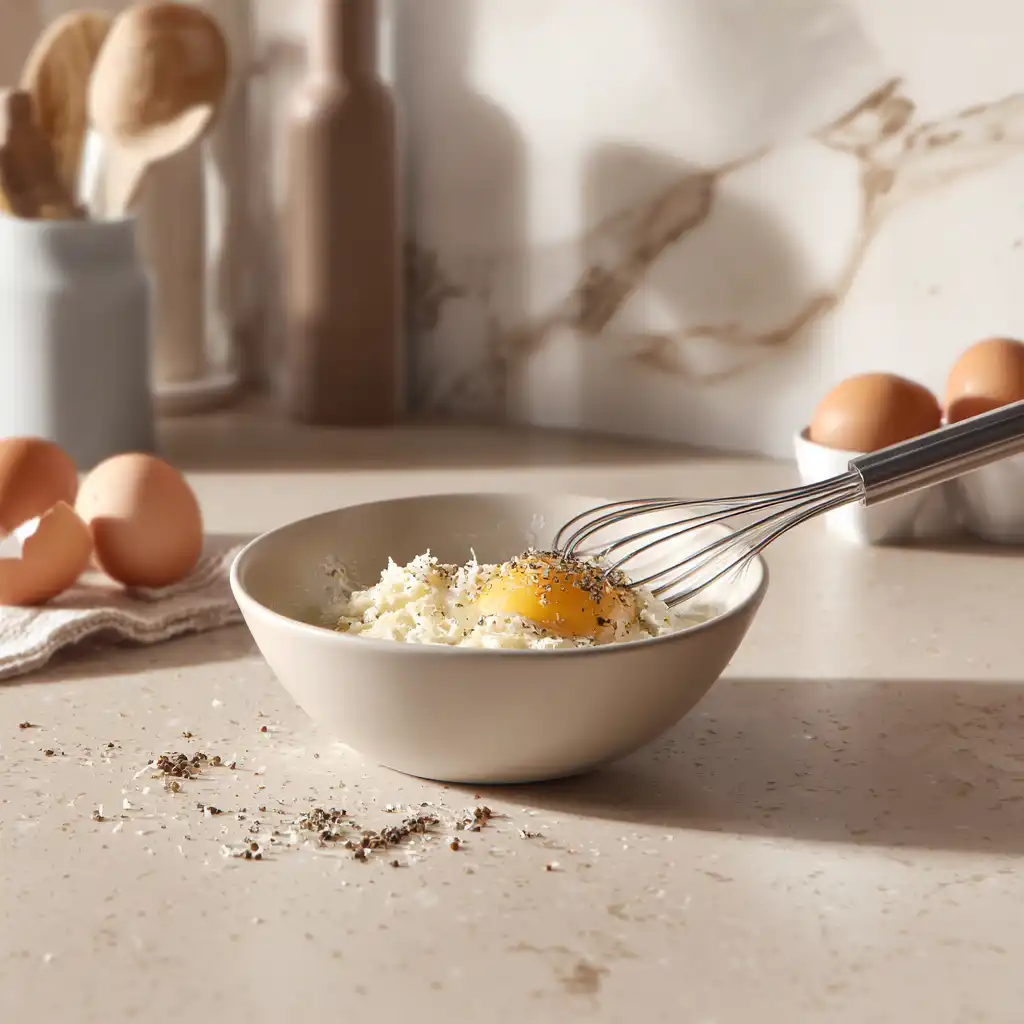
- Step 3: Prepare the Egg Mixture – While the pasta cooks, crack one large egg into a small bowl and whisk it together with two tablespoons of grated Parmesan cheese and a pinch of black pepper.
- Step 4: Temper the Egg – Once the pasta is tender (usually after 6-7 minutes), take a small ladle of the hot broth and slowly whisk it into your egg mixture to warm it up without cooking it instantly.
- Step 5: Combine and Stir – Turn off the heat. Slowly pour the egg and cheese mixture into the pot while stirring constantly with a fork or whisk to create a creamy texture.
- Step 6: Final Seasoning – Taste the soup and add salt if needed. Serve immediately in a warm bowl with an extra sprinkle of cheese on top.
Variations to Try at Home
While the classic version is wonderful, you can easily adapt Italian Penicillin Soup to suit your personal tastes or what you have in the fridge. Some people prefer a more vegetable-forward approach, while others want something heartier. Since the base is so versatile, it acts as a canvas for many different flavors. You can add finely diced carrots and celery at the beginning for extra crunch and vitamins, or even a handful of fresh spinach at the very end for a pop of color.
Adding More Protein
If you want a version that feels more like a main dinner course, adding extra chicken is a great move. You might even consider trying other chicken-based liquid meals like the marry me chicken soup recipe if you find yourself craving a bit more spice and creaminess. In the traditional pastina dish, keeping the chicken pieces very small helps maintain the delicate balance of the soup. Some people even like to poach an egg directly in the broth instead of whisking it in, which provides a different texture experience entirely.
The “Greens” Version
Adding greens can help boost the nutritional value of your Italian Penicillin Soup. Finely chopped parsley is traditional, but kale or chard can also work well if they are simmered long enough to soften. These additions make the soup feel more substantial without taking away from its easy-to-digest nature. For those who are looking for recipes that help with digestion or bloating, this soup fits perfectly into a rotation of anti-bloat recipes because it is low in complex fats and high in hydrating broth. It is a gentle way to feed your body when it needs a break from heavy foods.
| Ingredient | Purpose | Substitutes |
|---|---|---|
| Chicken Broth | Provides the savory base and hydration. | Vegetable broth or bone broth. |
| Pastina (Stelline) | Adds texture and thickens the soup. | Orzo or broken vermicelli. |
| Egg | Creates a creamy mouthfeel and adds protein. | Heavy cream or skip for a thinner soup. |
| Parmesan Cheese | Adds saltiness and savory “umami” flavor. | Pecorino Romano or nutritional yeast. |
| Black Pepper | Provides a tiny bit of warmth and spice. | White pepper or a pinch of red chili flakes. |
Tips for the Best Texture
The most common mistake when making Italian Penicillin Soup is letting the pasta sit in the broth for too long after it is finished cooking. Pastina is highly absorbent. If you leave the soup on the stove or in a container for a long time, the pasta will continue to soak up every drop of liquid, turning your soup into a thick mash. While some people actually prefer it this way, if you want a true soup consistency, you should serve it immediately. If you plan to have leftovers, it is often better to store the broth and pasta separately or be prepared to add a splash of water when reheating.
Managing the Heat
When you add the egg, the temperature of the liquid is very important. If the broth is at a hard boil, the egg will cook instantly into large chunks. While this is fine for an “egg drop” style, the goal for Italian Penicillin Soup is usually a smoother, more integrated creaminess. Turning the heat off right before adding the egg allows the residual warmth to cook the egg gently. This technique is similar to how eggs are used in other breakfast or brunch dishes, such as shakshuka with feta, where the heat of the sauce finishes the eggs to perfection.
The Importance of Stirring
Constant movement is your friend when making this soup. From the moment the pasta hits the water to the final whisk of the egg, stirring prevents clumping. Because the pasta is so small, it tends to settle at the bottom and stick. A quick stir every minute or two keeps the stars floating freely. When adding the cheese and egg mixture, using a fork to “scramble” the liquid as you pour creates those beautiful, thin strands that give the soup its signature look and feel.
Health Benefits and Healing Properties
There is a reason why generations of parents have reached for Italian Penicillin Soup when a family member is sick. The combination of ingredients provides exactly what a recovering body needs. The broth offers hydration and essential electrolytes like sodium, while the pasta provides quick energy through easy-to-digest carbohydrates. The egg adds a much-needed boost of protein and vitamins like B12 and D, which are important for immune function. It is a complete nutritional package delivered in a way that is gentle on an upset stomach.
Hydration and Warmth
Warm liquids help to soothe a sore throat and can help clear congestion by loosening mucus. Drinking a warm broth is one of the oldest medical recommendations for the common cold. Italian Penicillin Soup takes this a step further by adding substance to the liquid. The steam from the bowl also acts as a natural humidifier for your airways as you eat. It is a functional food that works on multiple levels to help you feel more comfortable during a bout of the flu or a cold.
Easy Digestion
When you are tired or ill, your digestive system often slows down. Heavy, fatty, or high-fiber foods can feel like a burden. The simple starches in pastina are broken down easily, providing a steady stream of glucose to help you fight off fatigue. Because the soup contains no harsh spices or heavy fats, it is unlikely to cause any further irritation. It is the gold standard for a “bland diet” that still manages to taste absolutely delicious and satisfying.
FAQs
Can I make this soup vegan? Yes, you can adapt the recipe for a vegan diet. Use a rich vegetable broth as the base. Instead of the egg, you can use a tablespoon of nutritional yeast or a bit of cashew cream to achieve a similar thickness. For the cheese, there are many high-quality vegan parmesan alternatives available that melt well into hot liquids. While it won’t be the traditional “penicillin” recipe, it will still be very comforting and warm. What if I can’t find pastina?
If your local store doesn’t carry the tiny stars or dots, don’t worry. You can use orzo, which is slightly larger but still works well. Another trick is to take angel hair pasta or vermicelli and break it into tiny half-inch pieces before boiling it. The goal is to have very small bits of pasta that can be eaten easily with a spoon alongside the broth. Even regular ditalini can work, though the texture will be a bit chunkier.
How do I reheat the leftovers?
Reheating pastina can be tricky because the pasta absorbs the liquid as it sits. If you have leftovers, they will likely look like a thick porridge the next day. To bring it back to a soup consistency, put the leftovers in a pot and add half a cup of water or broth. Heat it slowly over medium-low heat, stirring frequently. Add a little extra cheese and a pinch of salt to refresh the flavors, as the pasta tends to dull the seasoning over time.
Is this soup good for kids?
This is arguably the best soup for children. The tiny shapes are fun to look at and very easy to swallow. Since it isn’t filled with large chunks of vegetables that some kids might pick out, it is a great way to get some protein and hydration into them when they aren’t feeling well. Many adults who grew up in Italian households have very fond memories of eating this soup whenever they stayed home from school.
Conclusion: A Bowl of Pure Love
Italian Penicillin Soup is a testament to the fact that you do not need complex techniques or expensive ingredients to create something truly special. It relies on the power of simplicity and the warmth of tradition to provide comfort. Whether you are actually sick or just looking for a quick and cozy meal on a Tuesday night, a bowl of pastina is always a good choice. By following these steps and using quality ingredients, you can bring a little piece of Italian home-cooking into your kitchen. It is a recipe that stays with you, offering a sense of peace and wellness with every single spoonful.