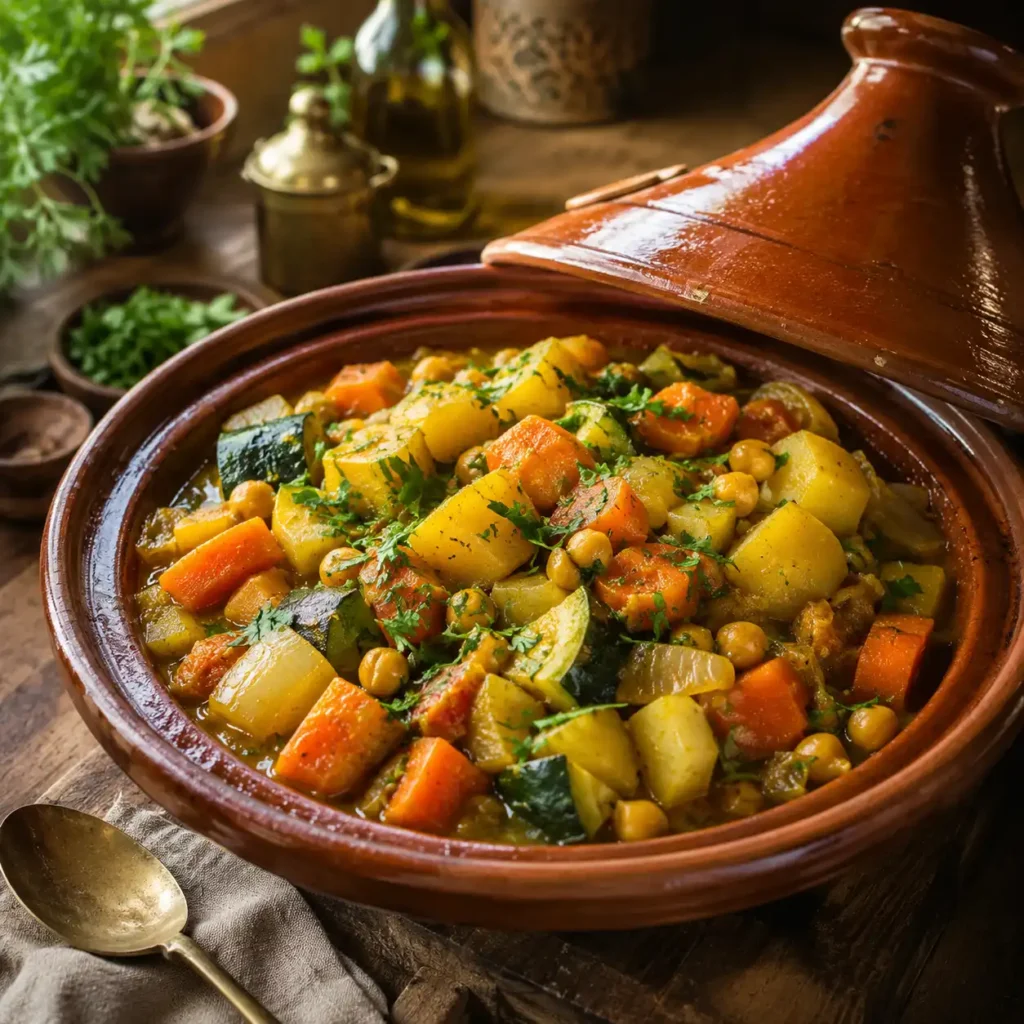
Moroccan food is a feast for the senses, bringing together bright colors, deep aromas, and a history that stretches back centuries. This cuisine is much more than just a way to fill your belly; it is a warm invitation into a culture that prizes hospitality and family. From the busy markets of Marrakech to the quiet kitchens of the Atlas Mountains, every dish tells a story of the land and the many people who have called it home. Let’s look at what makes these flavors so special.
Table of Contents
The Core Elements of Moroccan Food
The Art of the Tagine
When you think of Moroccan food, the first image that likely comes to mind is the tagine. This iconic clay pot, with its distinctive cone-shaped lid, is designed to trap steam and return it to the food below. This slow-cooking method makes meat incredibly tender and allows the flavors of the vegetables and spices to meld together beautifully. Whether it is chicken with olives or lamb with sweet prunes, the tagine is the centerpiece of the Moroccan table, often placed in the middle for everyone to share. Using this traditional vessel helps keep the moisture locked in, creating a rich sauce that you can scoop up with fresh bread.
Couscous: The National Dish
No discussion about Moroccan food is complete without mentioning couscous. These tiny grains of steamed semolina are the backbone of the North African diet. Traditionally, Moroccan families gather on Fridays to share a massive platter of couscous topped with seven different vegetables and a flavorful broth. It takes patience to get the texture just right light, fluffy, and never clumpy. In many households, the process of steaming the grains multiple times is a labor of love that brings the family together. It is a humble ingredient that transforms into a grand meal when paired with slow-cooked meats and aromatic spices.
Print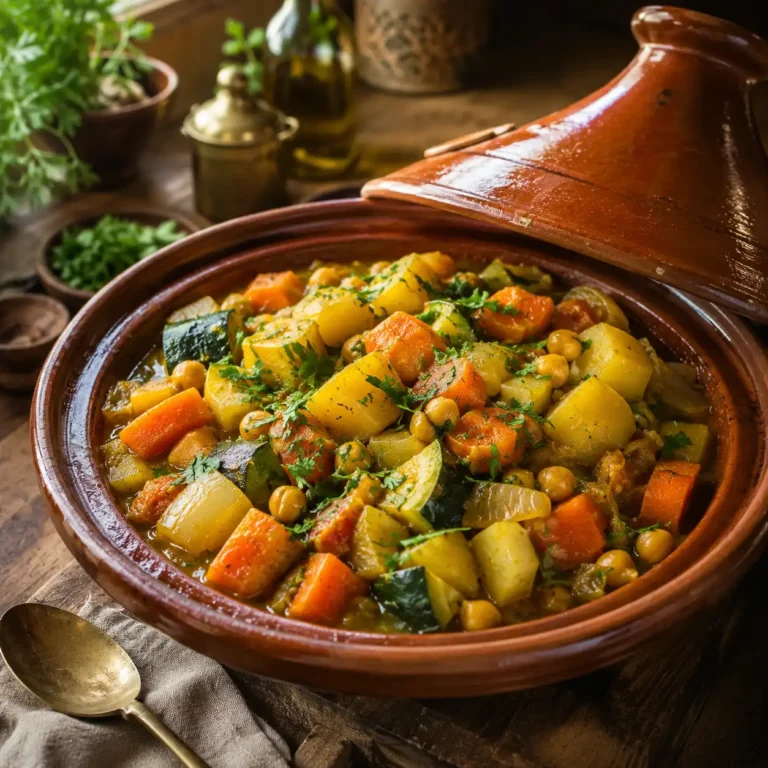
Classic Moroccan Chicken Tagine
A traditional slow-cooked Moroccan stew that captures the essence of the Maghreb, featuring tender chicken infused with Ras el Hanout, turmeric, and ginger, finished with the salty tang of olives.
- Total Time: 90 minutes
- Yield: 4 servings 1x
Ingredients
- 3 lbs chicken thighs and drumsticks
- 2 large onions, finely diced
- 3 cloves garlic, minced
- 2 tablespoons extra virgin olive oil
- 1 tablespoon Ras el Hanout spice blend
- 1 teaspoon ground ginger
- 1 teaspoon turmeric
- 1/2 teaspoon saffron threads, soaked in warm water
- 1/2 cup cracked green olives
- 1 preserved lemon, rind only, sliced
- 1/2 cup fresh cilantro and parsley, chopped
- 1 cup chicken broth or water
- Salt and black pepper to taste
Instructions
- Step 1: Spice the Chicken – In a large bowl, toss the chicken with Ras el Hanout, ginger, turmeric, salt, and pepper.
- Step 2: Sear Meat – Heat olive oil in the base of a tagine or heavy Dutch oven over medium heat and brown the chicken on all sides.
- Step 3: Sauté Aromatics – Remove the chicken and add the onions and garlic to the pot, cooking until translucent and fragrant.
- Step 4: Combine Ingredients – Return the chicken to the pot and pour in the chicken broth and the saffron-infused water.
- Step 5: Slow Simmer – Cover with the conical tagine lid and reduce heat to low, simmering for 45 to 55 minutes until the chicken is tender.
- Step 6: Add Accents – Gently stir in the olives and preserved lemon slices, then cook uncovered for another 10 minutes to thicken the sauce.
- Step 7: Final Garnish – Remove from heat and sprinkle generously with the fresh chopped cilantro and parsley.
- Step 8: Serve – Place the tagine in the center of the table and serve hot with fresh crusty bread for dipping.
Notes
Using a traditional clay tagine helps lock in moisture, but a heavy-bottomed Dutch oven works well as a substitute.
- Prep Time: 25 minutes
- Cook Time: 65 minutes
- Category: Main Course
- Method: Slow Cooking
- Cuisine: Moroccan
- Diet: Gluten-Free
Nutrition
- Serving Size: 1 piece of chicken with sauce
- Calories: 420 kcal
- Sugar: 5 g
- Sodium: 890 mg
- Fat: 24 g
- Saturated Fat: 6 g
- Unsaturated Fat: 14 g
- Trans Fat: 0.1 g
- Carbohydrates: 12 g
- Fiber: 3 g
- Protein: 38 g
- Cholesterol: 125 mg
Keywords: tagine, chicken, Moroccan food, Ras el Hanout, slow cooked, North African
The Spice Market: Flavors That Define Moroccan Food
Ras el Hanout: The Heart of the Shop
If Moroccan food had a secret weapon, it would be Ras el Hanout. This complex spice blend can contain dozens of different ingredients, including cardamom, clove, cinnamon, ground chili peppers, coriander, and cumin. The name literally means “head of the shop,” suggesting it is the best blend a spice merchant has to offer. Because every merchant has their own unique recipe, the flavor can vary from one stall to the next. This blend gives Moroccan food its characteristic depth, offering a warm and slightly sweet undertone that you won’t find in other cuisines.
The Magic of Turmeric and Ginger
Turmeric and ginger provide the earthy base for almost every savory dish in Morocco. These spices are not just for flavor; they are also valued for their natural health properties. Moroccan food relies heavily on the healing properties of its ingredients. Many home cooks use turmeric with piperine to make sure they get the most health perks from their meals, as turmeric is found in almost every yellow-tinted stew across the country. The bright yellow hue of turmeric gives the sauces a beautiful glow, while ginger adds a subtle heat that lingers on the palate without being overwhelming.
Iconic Moroccan Food Dishes You Must Try
Harira: The Hearty Lentil Soup
Harira is a thick, comforting soup made with tomatoes, lentils, chickpeas, and a touch of lamb or beef. It is the most popular way to break the fast during the month of Ramadan, but it is enjoyed year-round as a nutritious lunch or starter. The soup is often thickened with a bit of flour or beaten eggs and seasoned with plenty of fresh parsley, cilantro, and lemon juice. It is a wonderful example of how Moroccan food uses simple, inexpensive ingredients like legumes to create a meal that is both filling and incredibly complex in flavor.
Bastilla: The Sweet and Savory Pastry
One of the most surprising treats in the world of Moroccan food is the Bastilla. This is a savory-sweet pie made of thin layers of phyllo-like dough (warqa). Traditionally filled with pigeon, though chicken is more common today, the meat is cooked with ginger, saffron, and cinnamon, then layered with crunchy fried almonds and topped with a dusting of powdered sugar and cinnamon. The contrast between the salty meat and the sweet topping is a hallmark of high-end Moroccan cooking, often served at weddings and special celebrations to impress guests.
Traditional Offal and Tkalia
While some might find it unusual, traditional Moroccan kitchens use every part of the animal to avoid waste and celebrate the whole gift of the livestock. If you want to try something adventurous, looking at a tripe recipe can give you an idea of how these cuts are softened and flavored with cumin and paprika. In Morocco, a dish called Tkalia uses tripe and other organ meats in a spicy, tomato-based sauce. It is a beloved comfort food that showcases the resourcefulness of the Moroccan people and their ability to turn any ingredient into a masterpiece.
Moroccan Street Food and Breads
Msemmen and Baghrir
Walk through any Moroccan medina in the morning, and you will smell the scent of frying dough. Msemmen is a square-shaped, layered flatbread that is cooked on a griddle until it is crispy on the outside and chewy on the inside. It is often served with honey and butter or stuffed with a savory onion and herb mixture. Baghrir, also known as “thousand-hole pancakes,” are made from a semolina batter that creates tiny bubbles on the surface as it cooks. These breads are essential parts of Moroccan food, acting as the perfect vehicle for soaking up jams, honey, or the leftover sauce from a tagine.
Sfenj: The Moroccan Donut
Sfenj is the ultimate Moroccan street snack. These unsweetened donuts are made from a simple yeast dough, deep-fried until golden, and sold hot in paper bags. They are crunchy on the outside and light as air inside. Most people enjoy them plain with a glass of tea, though some like to dip them in sugar for an extra treat. They are a reminder that Moroccan food doesn’t always have to be complex or spice-heavy to be satisfying. Sometimes, a bit of fried dough and a warm drink are all you need to start the day right.
The Healthy Side of Moroccan Food
Fresh Salads and Cooked Veggies
A traditional meal usually begins with an array of small salad plates. These are not your typical leafy green salads. Instead, they include “Zaalouk” (a smoky eggplant and tomato dip) and “Taktouka” (cooked bell peppers and tomatoes). There are also grated carrot salads with orange juice and cinnamon, or chilled beet salads with cumin. The heavy use of olive oil, fresh herbs, and various vegetables makes this style of eating very balanced. This approach to fresh produce is part of why the regional diet is so respected by health experts around the world.
Mediterranean Connections
Because Morocco is situated on the coast, Moroccan food shares a lot with other coastal cultures. For example, the way fresh bread is used to scoop up dips is very similar to how a mediterranean chicken pita serves as a complete meal on the go. The focus on legumes, olive oil, and fresh fish along the coast aligns perfectly with the broader healthy eating patterns of the Mediterranean basin. This connection has helped spread the popularity of North African flavors to kitchens across Europe and North America.
Hospitality and the Tea Ceremony
No meal is complete without “Atay,” the famous Moroccan mint tea. This drink is a symbol of hospitality; it is poured from a height to create a frothy head on the surface of the glass. Beyond its refreshing taste, there are several moroccan tea benefits weight loss seekers talk about, as the combination of green tea and fresh mint is thought to aid digestion after a large feast. Making the tea is a ritual in itself, involving a specific balance of green tea pearls, a massive handful of fresh spearmint, and plenty of sugar. It is the social glue that holds Moroccan gatherings together.
The history of the region has played a massive role in shaping what we recognize as Moroccan food today. According to Britannica’s overview of Moroccan cuisine, the influx of different cultures over centuries created a unique fusion of flavors that is unlike any other in North Africa. This blend of Berber, Arab, and even French influences has resulted in a culinary identity that is as diverse as the landscape itself. Whether you are eating in a high-end restaurant or a street-side stall, the pride in these traditions is evident in every bite.
The health benefits of the region’s eating habits are widely recognized globally. In fact, UNESCO recognizes the Mediterranean diet, which includes the food traditions of Morocco, as an Intangible Cultural Heritage of Humanity because it promotes social interaction and healthy living. By focusing on whole foods, seasonal vegetables, and healthy fats like olive oil, the Moroccan way of eating provides a blueprint for a lifestyle that is both delicious and sustainable.
Cooking Moroccan Food at Home: A Step-by-Step Guide
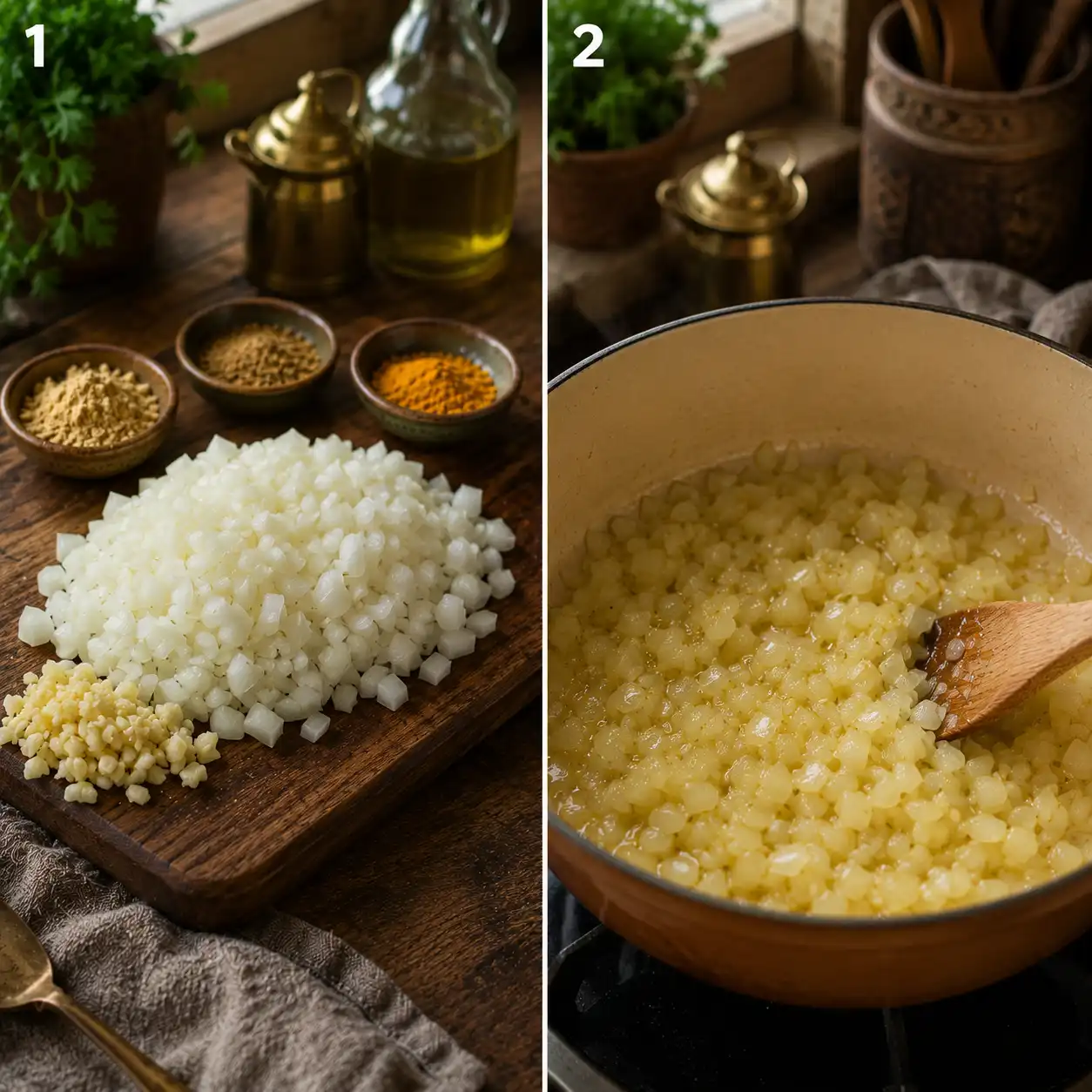
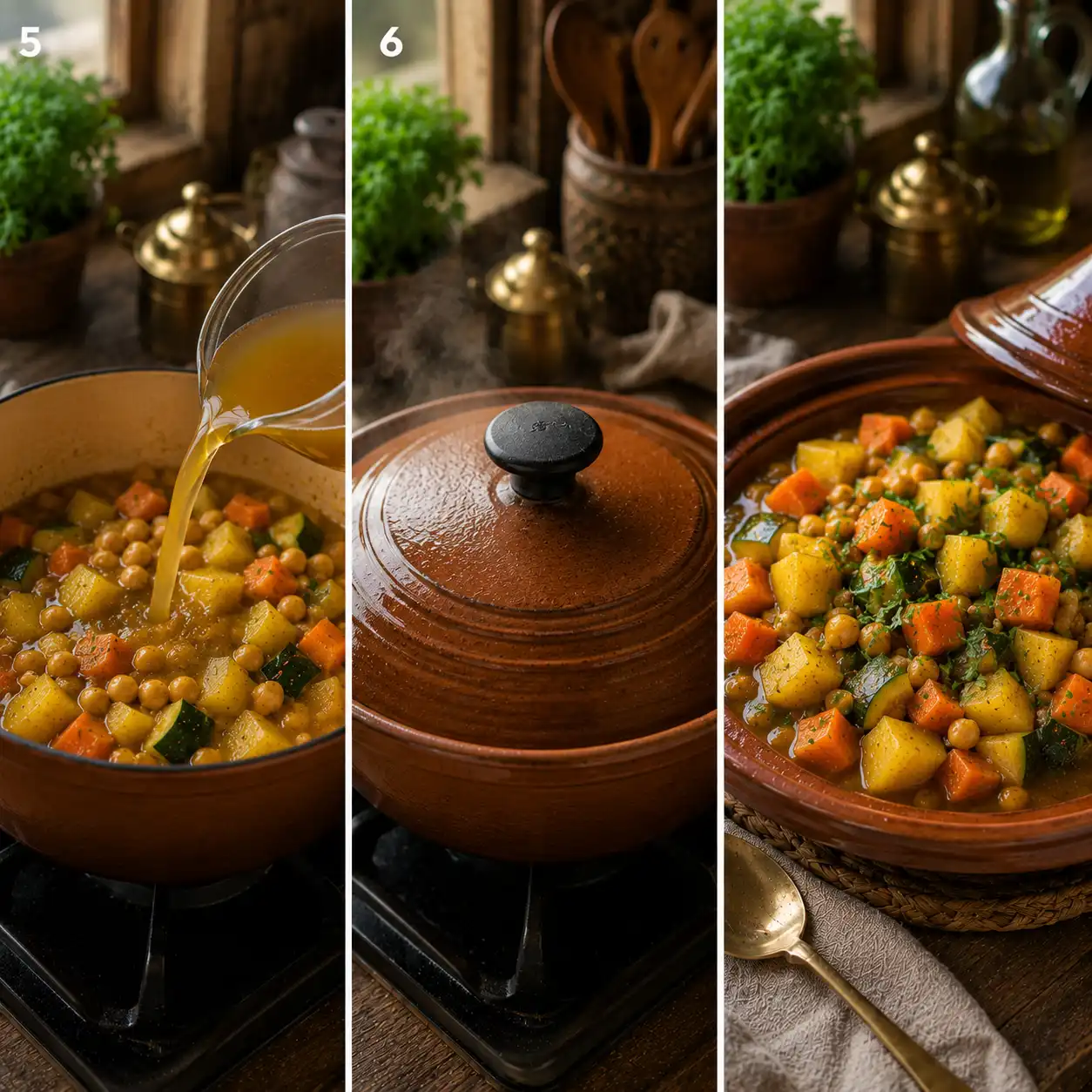
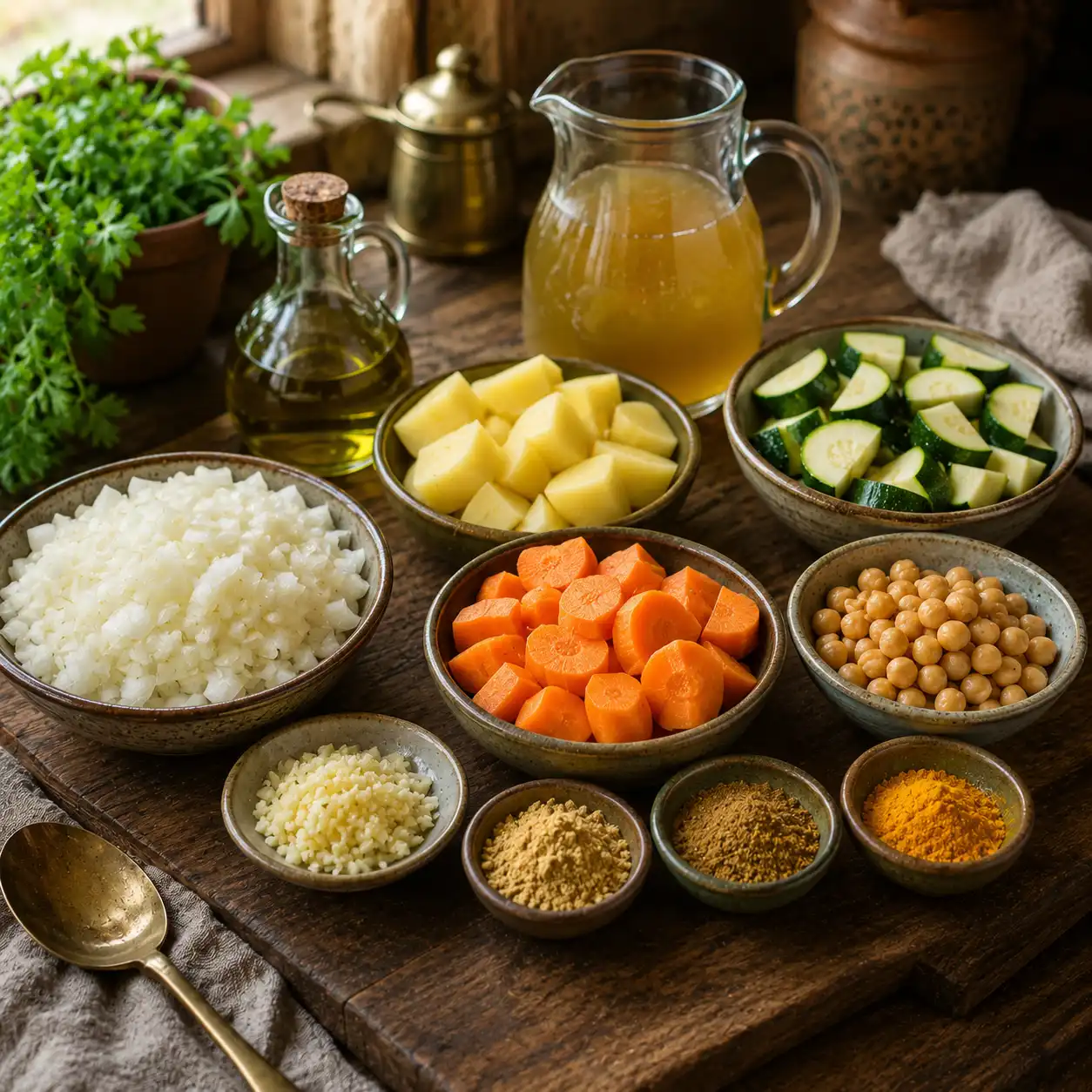
If you want to bring the flavors of North Africa into your own kitchen, a vegetable tagine is the best place to start. You don’t even need a special clay pot; a heavy Dutch oven or a deep skillet with a lid will work just fine. This dish is forgiving and allows you to use whatever vegetables you have on hand.
- Step 1: Prepare the Aromatics – Finely chop one large onion and three cloves of garlic, and gather your spices, including ginger, cumin, and turmeric.
- Step 2: Sauté the Base – Heat a generous splash of olive oil in your pot and cook the onions until they are soft and translucent.
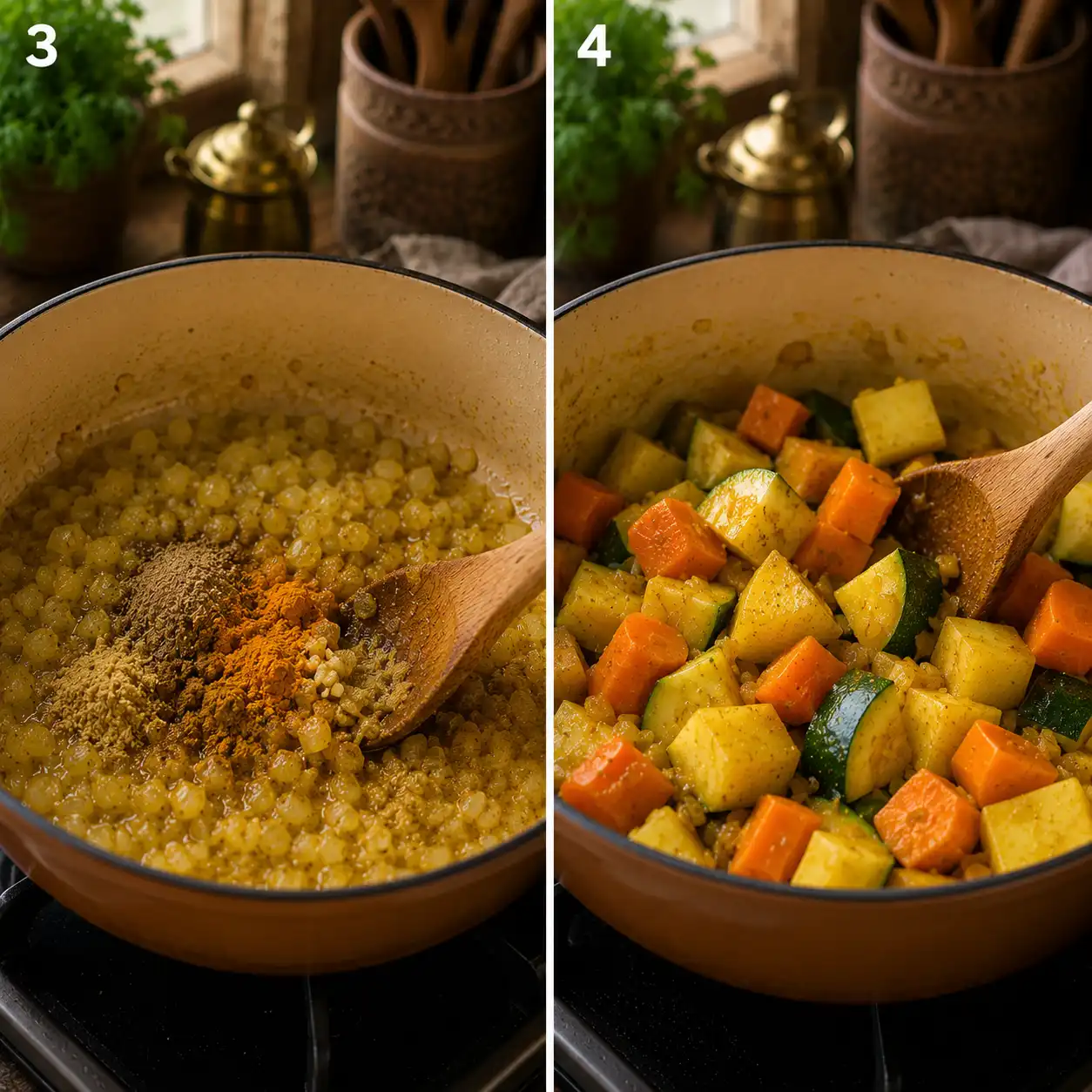
- Step 3: Bloom the Spices – Add the garlic and a teaspoon each of the dry spices, stirring for one minute until the air smells fragrant.
- Step 4: Add the Vegetables – Toss in chunks of carrots, potatoes, and zucchini, making sure they are well-coated in the spice mixture.
- Step 5: Simmer with Liquid – Pour in enough vegetable broth to partially cover the veggies, add a handful of chickpeas, and put the lid on.
- Step 6: Cook Until Tender – Let the pot simmer on low heat for about 30 to 40 minutes until the vegetables are buttery soft.
- Step 7: The Final Touch – Stir in some fresh cilantro and a squeeze of lemon juice right before serving to brighten all the deep flavors.
Common Ingredients in Moroccan Food
| Ingredient | Description | Common Use |
|---|---|---|
| Couscous | Small steamed semolina pearls | Served as a base for stews and vegetables |
| Preserved Lemons | Lemons cured in salt and juice | Adds a salty, tangy kick to chicken and fish |
| Harissa | Hot chili pepper paste with herbs | Used as a condiment for extra heat |
| Saffron | Rare spice from crocus flowers | Gives dishes a golden color and floral scent |
| Argan Oil | Nutty oil from the argan tree | Drizzled over finished dishes or used for dipping |
FAQs
Is Moroccan food very spicy?
Most Moroccan food is more fragrant than “hot.” While it uses many spices like cumin, ginger, and cinnamon, the heat usually comes from a side of harissa paste that you can add yourself. The goal of the cuisine is balance rather than burning your tongue.
What do Moroccans eat for breakfast?
Breakfast often consists of various breads like msemmen or baghrir served with olive oil, honey, and cheese. Olives and eggs are also common, always accompanied by a glass of hot mint tea to wake up the system.
Are there many vegetarian options?
Yes! Many traditional dishes are naturally vegetarian or can be easily adapted. Because vegetables like lentils, chickpeas, eggplant, and carrots are staples, vegetarians will find plenty of delicious things to eat in Morocco.
Why is bread so important?
In Morocco, bread is considered sacred and is used as a utensil. Instead of forks, people use pieces of flatbread to scoop up food from a communal platter. It is a very tactile and social way of eating.
Conclusion
Discovering the world of Moroccan food is a way to appreciate how history and geography can create something truly beautiful on a plate. Whether you are enjoying a slow-cooked tagine or a simple glass of mint tea, you are participating in a tradition that celebrates freshness and community. By bringing these spices and techniques into your own home, you can enjoy a taste of North Africa whenever you like. It is a culinary style that is sure to leave a lasting impression on your heart and your palate.

1 thought on “7 Ways to The Vibrant World of Moroccan Food: A Culinary Journey”